

Optimizing Coolant Distribution in Multi-Jet Impingement Cooling Arrays
MAY 5, 20269 MIN READ
Generate Your Research Report Instantly with AI Agent
PatSnap Eureka helps you evaluate technical feasibility & market potential.
Multi-Jet Impingement Cooling Background and Objectives
Multi-jet impingement cooling represents a critical thermal management technology that has evolved significantly since its initial development in the aerospace industry during the 1960s. Originally conceived for turbine blade cooling applications, this technology leverages the principle of directing multiple high-velocity coolant jets perpendicular to heated surfaces to achieve superior heat transfer coefficients compared to conventional cooling methods.
The fundamental mechanism relies on the formation of stagnation zones where coolant jets directly impact the target surface, creating localized regions of extremely high heat transfer rates. As the coolant spreads radially from each impingement point, it forms a thin boundary layer that facilitates efficient thermal energy extraction. The interaction between adjacent jets creates complex flow patterns that significantly influence overall cooling effectiveness.
Historical development has progressed through several distinct phases, beginning with single-jet configurations in early gas turbine applications, advancing to linear arrays for electronics cooling in the 1980s, and evolving into sophisticated multi-dimensional arrays for modern high-power density applications. The integration of computational fluid dynamics modeling in the 1990s enabled more precise optimization of jet spacing, diameter ratios, and flow distribution patterns.
Contemporary applications span diverse industries including power electronics thermal management, data center cooling systems, laser diode temperature control, and advanced manufacturing processes requiring precise thermal regulation. The technology has become particularly crucial in addressing the escalating heat dissipation challenges posed by miniaturization trends and increasing power densities in modern electronic systems.
Current technological objectives focus on achieving uniform temperature distribution across target surfaces while maximizing heat transfer efficiency and minimizing coolant consumption. Key performance targets include reducing peak surface temperatures, eliminating hot spots that can cause component failure, and maintaining consistent thermal conditions across large-area cooling applications.
The primary technical challenge lies in optimizing coolant distribution to ensure each jet receives appropriate flow rates while accounting for pressure losses, crossflow effects, and manufacturing tolerances. Advanced objectives encompass developing adaptive control systems that can dynamically adjust flow distribution based on real-time thermal feedback, integrating smart materials for enhanced heat transfer augmentation, and achieving significant reductions in pumping power requirements through optimized array geometries and flow management strategies.
The fundamental mechanism relies on the formation of stagnation zones where coolant jets directly impact the target surface, creating localized regions of extremely high heat transfer rates. As the coolant spreads radially from each impingement point, it forms a thin boundary layer that facilitates efficient thermal energy extraction. The interaction between adjacent jets creates complex flow patterns that significantly influence overall cooling effectiveness.
Historical development has progressed through several distinct phases, beginning with single-jet configurations in early gas turbine applications, advancing to linear arrays for electronics cooling in the 1980s, and evolving into sophisticated multi-dimensional arrays for modern high-power density applications. The integration of computational fluid dynamics modeling in the 1990s enabled more precise optimization of jet spacing, diameter ratios, and flow distribution patterns.
Contemporary applications span diverse industries including power electronics thermal management, data center cooling systems, laser diode temperature control, and advanced manufacturing processes requiring precise thermal regulation. The technology has become particularly crucial in addressing the escalating heat dissipation challenges posed by miniaturization trends and increasing power densities in modern electronic systems.
Current technological objectives focus on achieving uniform temperature distribution across target surfaces while maximizing heat transfer efficiency and minimizing coolant consumption. Key performance targets include reducing peak surface temperatures, eliminating hot spots that can cause component failure, and maintaining consistent thermal conditions across large-area cooling applications.
The primary technical challenge lies in optimizing coolant distribution to ensure each jet receives appropriate flow rates while accounting for pressure losses, crossflow effects, and manufacturing tolerances. Advanced objectives encompass developing adaptive control systems that can dynamically adjust flow distribution based on real-time thermal feedback, integrating smart materials for enhanced heat transfer augmentation, and achieving significant reductions in pumping power requirements through optimized array geometries and flow management strategies.
Market Demand for Advanced Thermal Management Solutions
The global thermal management market is experiencing unprecedented growth driven by the increasing power densities and miniaturization trends across multiple industries. Data centers, which consume substantial energy for cooling operations, represent one of the most significant demand drivers for advanced thermal management solutions. The exponential growth in cloud computing, artificial intelligence, and edge computing has created an urgent need for more efficient cooling technologies that can handle higher heat fluxes while maintaining energy efficiency.
Automotive electrification has emerged as another major market catalyst, particularly with the rapid adoption of electric vehicles and hybrid systems. Battery thermal management systems require precise temperature control to ensure safety, performance, and longevity. The transition from traditional internal combustion engines to electric powertrains has fundamentally altered thermal management requirements, creating substantial opportunities for innovative cooling solutions including multi-jet impingement systems.
The aerospace and defense sectors continue to demand cutting-edge thermal management solutions for next-generation aircraft engines, satellite systems, and military electronics. These applications require cooling systems that can operate reliably under extreme conditions while meeting stringent weight and space constraints. Multi-jet impingement cooling arrays offer significant advantages in these demanding environments due to their high heat transfer coefficients and compact design characteristics.
Electronics manufacturing represents another substantial market segment, where the continuous push toward smaller, more powerful devices has intensified thermal challenges. High-performance computing systems, gaming hardware, and mobile devices all require sophisticated thermal management solutions to prevent overheating and maintain optimal performance levels.
Industrial manufacturing processes, particularly in metal processing, chemical production, and power generation, increasingly rely on advanced cooling technologies to improve efficiency and reduce operational costs. The growing emphasis on energy efficiency and environmental sustainability has accelerated the adoption of optimized cooling systems that can deliver superior performance while minimizing energy consumption.
Emerging applications in renewable energy systems, particularly in concentrated solar power and geothermal installations, are creating new market opportunities for advanced thermal management solutions. These applications often require customized cooling approaches that can handle variable thermal loads and operate efficiently across diverse environmental conditions.
Automotive electrification has emerged as another major market catalyst, particularly with the rapid adoption of electric vehicles and hybrid systems. Battery thermal management systems require precise temperature control to ensure safety, performance, and longevity. The transition from traditional internal combustion engines to electric powertrains has fundamentally altered thermal management requirements, creating substantial opportunities for innovative cooling solutions including multi-jet impingement systems.
The aerospace and defense sectors continue to demand cutting-edge thermal management solutions for next-generation aircraft engines, satellite systems, and military electronics. These applications require cooling systems that can operate reliably under extreme conditions while meeting stringent weight and space constraints. Multi-jet impingement cooling arrays offer significant advantages in these demanding environments due to their high heat transfer coefficients and compact design characteristics.
Electronics manufacturing represents another substantial market segment, where the continuous push toward smaller, more powerful devices has intensified thermal challenges. High-performance computing systems, gaming hardware, and mobile devices all require sophisticated thermal management solutions to prevent overheating and maintain optimal performance levels.
Industrial manufacturing processes, particularly in metal processing, chemical production, and power generation, increasingly rely on advanced cooling technologies to improve efficiency and reduce operational costs. The growing emphasis on energy efficiency and environmental sustainability has accelerated the adoption of optimized cooling systems that can deliver superior performance while minimizing energy consumption.
Emerging applications in renewable energy systems, particularly in concentrated solar power and geothermal installations, are creating new market opportunities for advanced thermal management solutions. These applications often require customized cooling approaches that can handle variable thermal loads and operate efficiently across diverse environmental conditions.
Current State and Challenges in Jet Impingement Cooling
Jet impingement cooling technology has reached a mature stage in single-jet applications, with well-established heat transfer correlations and design methodologies. However, the transition to multi-jet arrays introduces significant complexity that current engineering practices struggle to address effectively. The fundamental challenge lies in the interaction between adjacent jets, which creates non-uniform flow patterns and heat transfer distributions that deviate substantially from single-jet predictions.
Current multi-jet impingement systems predominantly rely on uniform coolant distribution strategies, where each jet receives equal mass flow rates regardless of local thermal conditions or geometric constraints. This approach stems from manufacturing simplicity and traditional design practices, but fails to account for the varying heat loads and crossflow effects inherent in complex cooling applications. The result is suboptimal thermal performance with significant temperature gradients across the target surface.
Crossflow accumulation represents one of the most significant technical barriers in multi-jet arrays. As spent coolant from upstream jets flows across the impingement surface, it interferes with downstream jets, reducing their effectiveness and creating preferential flow paths. This phenomenon becomes particularly problematic in large arrays where crossflow velocities can reach substantial magnitudes, fundamentally altering the impingement characteristics of downstream jets.
Manufacturing constraints further complicate optimal coolant distribution implementation. Traditional drilling and machining techniques limit the precision with which variable orifice sizes can be produced, while maintaining structural integrity of thin-walled components. The geometric tolerances achievable through conventional manufacturing often exceed the precision required for optimal flow distribution, leading to performance variations between nominally identical systems.
Computational modeling of multi-jet impingement cooling faces substantial challenges due to the complex three-dimensional flow interactions and turbulent mixing phenomena. Current CFD approaches require significant computational resources to capture the detailed physics, while simplified models often fail to predict the intricate flow patterns accurately. This modeling gap hinders the development of robust design optimization methodologies.
The lack of comprehensive experimental databases for multi-jet configurations with non-uniform coolant distribution further impedes progress. Most existing research focuses on uniform arrays with limited geometric variations, providing insufficient validation data for advanced optimization strategies. Additionally, measurement techniques for detailed flow field characterization in confined multi-jet geometries remain technically challenging and expensive.
Current multi-jet impingement systems predominantly rely on uniform coolant distribution strategies, where each jet receives equal mass flow rates regardless of local thermal conditions or geometric constraints. This approach stems from manufacturing simplicity and traditional design practices, but fails to account for the varying heat loads and crossflow effects inherent in complex cooling applications. The result is suboptimal thermal performance with significant temperature gradients across the target surface.
Crossflow accumulation represents one of the most significant technical barriers in multi-jet arrays. As spent coolant from upstream jets flows across the impingement surface, it interferes with downstream jets, reducing their effectiveness and creating preferential flow paths. This phenomenon becomes particularly problematic in large arrays where crossflow velocities can reach substantial magnitudes, fundamentally altering the impingement characteristics of downstream jets.
Manufacturing constraints further complicate optimal coolant distribution implementation. Traditional drilling and machining techniques limit the precision with which variable orifice sizes can be produced, while maintaining structural integrity of thin-walled components. The geometric tolerances achievable through conventional manufacturing often exceed the precision required for optimal flow distribution, leading to performance variations between nominally identical systems.
Computational modeling of multi-jet impingement cooling faces substantial challenges due to the complex three-dimensional flow interactions and turbulent mixing phenomena. Current CFD approaches require significant computational resources to capture the detailed physics, while simplified models often fail to predict the intricate flow patterns accurately. This modeling gap hinders the development of robust design optimization methodologies.
The lack of comprehensive experimental databases for multi-jet configurations with non-uniform coolant distribution further impedes progress. Most existing research focuses on uniform arrays with limited geometric variations, providing insufficient validation data for advanced optimization strategies. Additionally, measurement techniques for detailed flow field characterization in confined multi-jet geometries remain technically challenging and expensive.
Existing Coolant Distribution Optimization Methods
01 Jet array configuration and nozzle design optimization
Multi-jet impingement cooling systems utilize optimized nozzle configurations and jet array designs to enhance heat transfer efficiency. The arrangement, spacing, and geometry of jets are critical factors that determine the cooling performance. Various nozzle shapes, sizes, and orientations can be employed to achieve uniform coolant distribution and maximize heat removal from target surfaces.- Jet array configuration and nozzle design optimization: Multi-jet impingement cooling systems utilize optimized nozzle configurations and jet array designs to enhance heat transfer efficiency. The arrangement, spacing, and geometry of jets are critical factors that determine the cooling performance. Various nozzle shapes, sizes, and orientations can be employed to achieve uniform coolant distribution and maximize heat removal from target surfaces.
- Coolant flow distribution and manifold systems: Effective coolant distribution requires sophisticated manifold systems that ensure uniform flow delivery to multiple jet nozzles. These systems incorporate flow control mechanisms, pressure regulation, and distribution channels to maintain consistent coolant supply across the entire array. The design focuses on minimizing pressure drops and achieving balanced flow rates to each impingement jet.
- Heat transfer enhancement through impingement patterns: The cooling effectiveness is significantly influenced by the impingement patterns created by the jet arrays. Strategic positioning and targeting of jets create optimal heat transfer zones while minimizing interference between adjacent jets. The patterns are designed to maximize surface coverage and heat removal efficiency through controlled impingement angles and jet interactions.
- Coolant recovery and recirculation systems: Advanced cooling arrays incorporate systems for collecting and recirculating spent coolant to improve efficiency and reduce waste. These systems include drainage channels, collection manifolds, and recirculation pumps that capture the coolant after impingement and redirect it back into the system. This approach enhances overall system efficiency and reduces coolant consumption.
- Temperature control and thermal management integration: Multi-jet impingement systems are integrated with comprehensive thermal management solutions that monitor and control temperature distribution across the cooled surfaces. These systems incorporate temperature sensors, feedback control mechanisms, and adaptive flow adjustment capabilities to maintain optimal cooling performance under varying thermal loads and operating conditions.
02 Coolant flow distribution and manifold systems
Effective coolant distribution requires sophisticated manifold systems that ensure uniform flow delivery to multiple jet nozzles. These systems incorporate flow control mechanisms, pressure regulation, and distribution channels to maintain consistent coolant supply across the entire array. The design focuses on minimizing pressure drops and achieving balanced flow rates to each impingement jet.Expand Specific Solutions03 Heat transfer enhancement through impingement patterns
The cooling effectiveness is significantly influenced by the impingement patterns created by the jet arrays. Strategic positioning and targeting of jets create optimal heat transfer zones while minimizing interference between adjacent jets. The patterns are designed to maximize surface coverage and heat removal efficiency through controlled impingement angles and jet interactions.Expand Specific Solutions04 Coolant recovery and recirculation systems
Advanced cooling arrays incorporate systems for collecting and recirculating spent coolant to improve efficiency and reduce waste. These systems include drainage channels, collection manifolds, and recirculation pumps that capture the coolant after impingement and redirect it back into the system. This approach enhances overall system efficiency and reduces coolant consumption.Expand Specific Solutions05 Temperature control and thermal management integration
Multi-jet impingement systems are integrated with comprehensive thermal management solutions that monitor and control temperature distribution across cooled surfaces. These systems incorporate temperature sensors, feedback control mechanisms, and adaptive flow adjustment capabilities to maintain optimal cooling performance under varying thermal loads and operating conditions.Expand Specific Solutions
Key Players in Thermal Management and Cooling Systems
The multi-jet impingement cooling arrays technology represents a mature yet rapidly evolving sector within thermal management systems, particularly for aerospace and high-performance electronics applications. The industry is experiencing significant growth driven by increasing demands for efficient cooling in gas turbines, semiconductor manufacturing, and electric vehicle systems. Market leaders like Rolls-Royce, RTX Corp., and Siemens demonstrate advanced technological maturity through their established aerospace and power generation portfolios. Technology companies including IBM, GLOBALFOUNDRIES, and JETCOOL Technologies are pushing innovation boundaries in electronics cooling applications. The competitive landscape shows strong collaboration between industrial giants and research institutions like Colorado State University and Huazhong University of Science & Technology, indicating robust R&D investment. Automotive players such as BMW and Toyota are integrating these cooling solutions for next-generation powertrains, while specialized firms like Solar Turbines focus on industrial applications, creating a diverse and technologically sophisticated market ecosystem.
Rolls-Royce Plc
Technical Solution: Rolls-Royce has developed advanced multi-jet impingement cooling systems for gas turbine engines, focusing on optimized coolant distribution through computational fluid dynamics modeling and experimental validation. Their approach involves strategic jet placement and flow control mechanisms to achieve uniform heat transfer across critical engine components. The company employs variable jet diameter configurations and pressure regulation systems to ensure optimal coolant distribution efficiency. Their cooling arrays feature adaptive flow management that responds to varying thermal loads during different engine operating conditions, maximizing cooling effectiveness while minimizing coolant consumption.
Strengths: Extensive aerospace experience and proven turbine cooling expertise. Weaknesses: Solutions primarily focused on aerospace applications, potentially limiting broader industrial adoption.
JETCOOL Technologies, Inc.
Technical Solution: JETCOOL Technologies specializes in direct liquid cooling solutions using micro-jet impingement arrays for high-performance computing and power electronics applications. Their patented technology features precisely engineered nozzle arrays that deliver targeted cooling to hot spots while maintaining uniform temperature distribution across the entire surface. The system incorporates advanced flow distribution manifolds and pressure balancing mechanisms to ensure consistent jet velocity and coverage. Their cooling arrays utilize optimized jet spacing and flow rates based on thermal mapping data, achieving superior heat removal efficiency compared to traditional cooling methods.
Strengths: Specialized expertise in micro-jet cooling technology with proven commercial applications. Weaknesses: Limited to smaller scale applications, may face challenges in large industrial cooling systems.
Core Innovations in Multi-Jet Array Design
Zero-cross-flow impingement via an array of differing length, extended ports
PatentInactiveUS8127553B2
Innovation
- A novel jet impingement array design with progressively decreasing distance between the ends of the jet ports and the surface to be cooled, reducing crossflow effects and optimizing heat transfer without increasing emissions.


Cooling device
PatentInactiveUS20070119565A1
Innovation
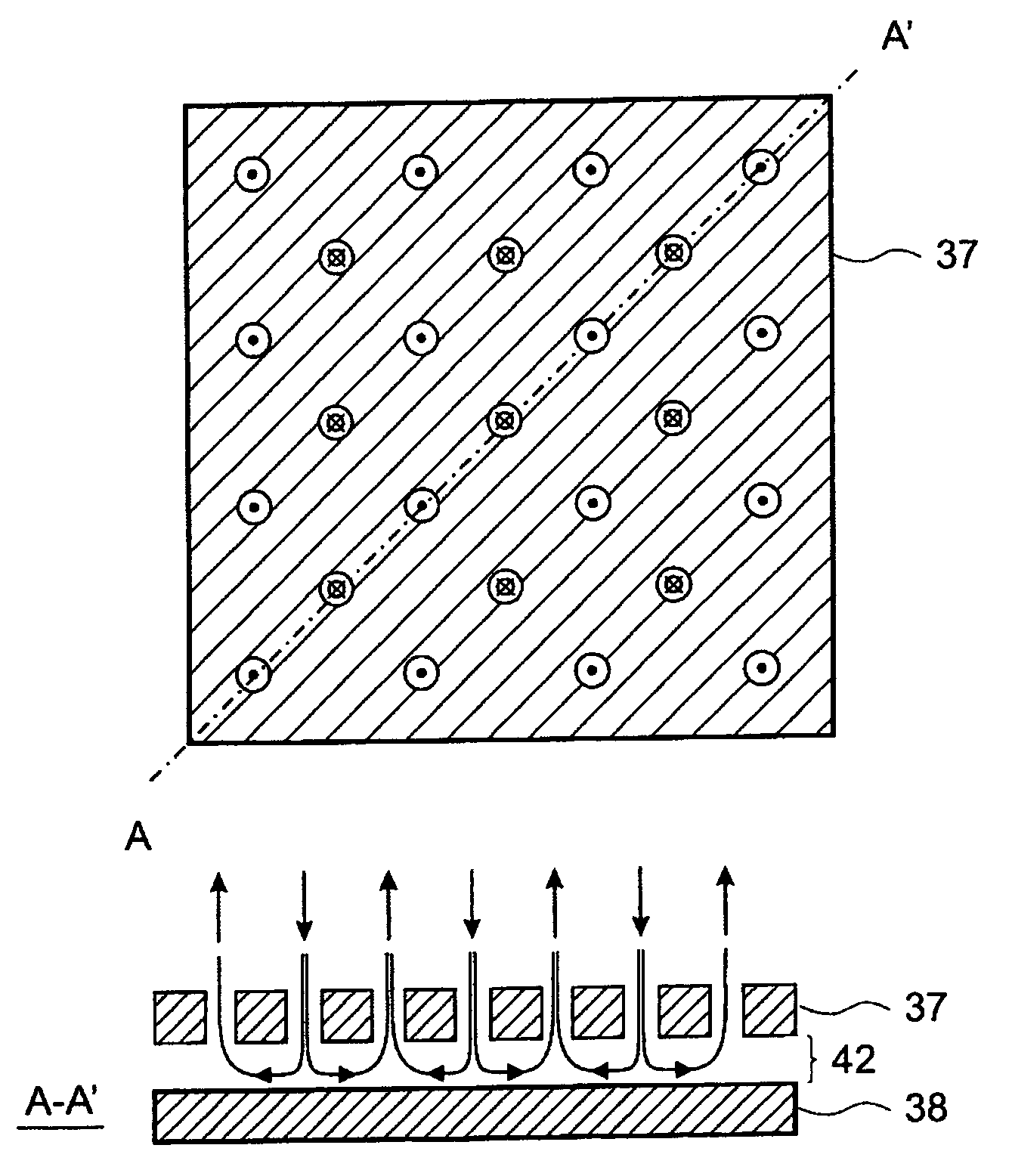
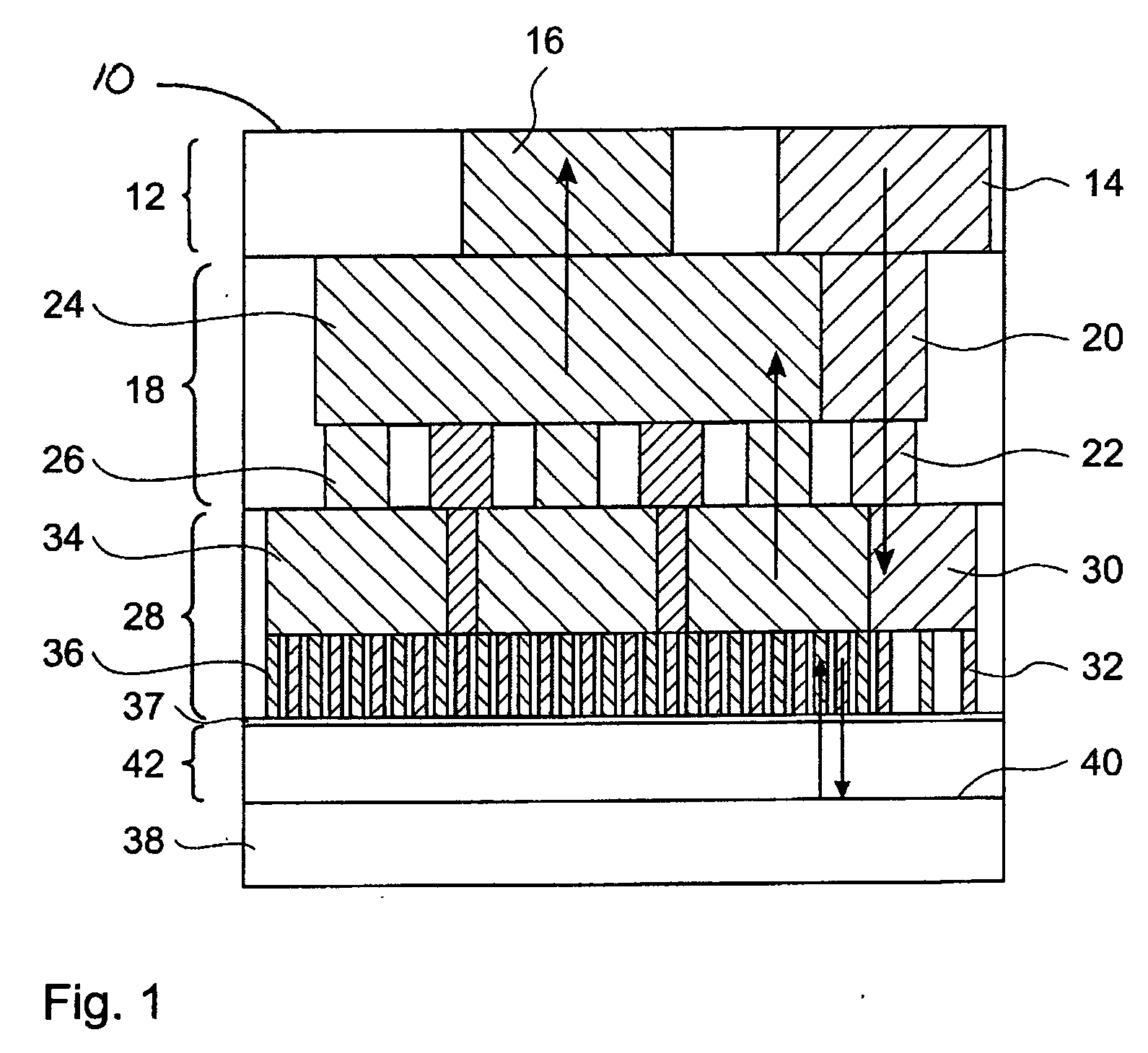
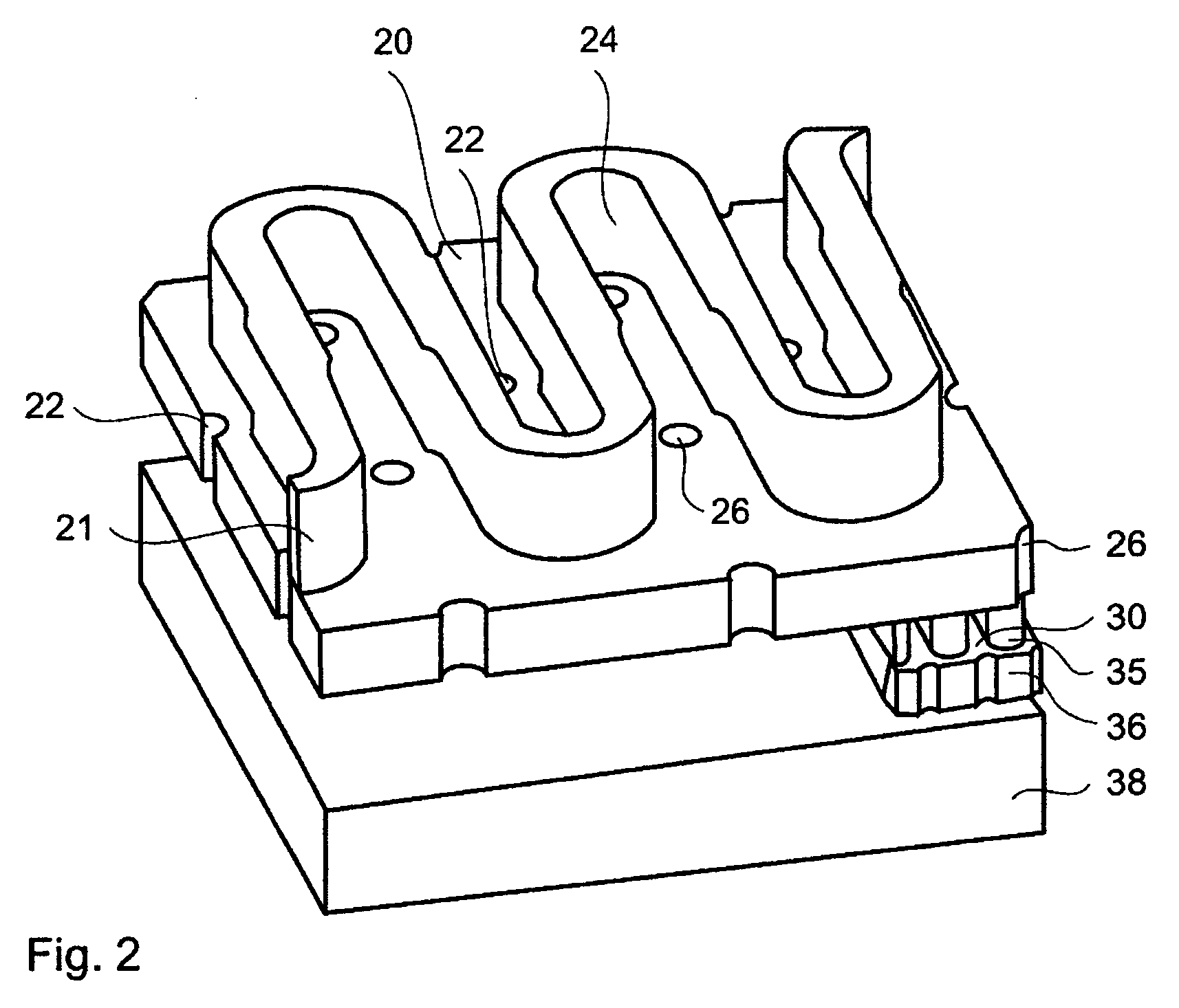
- The design incorporates a hierarchical structure with interdigitated branched channels and surface enhancement features to minimize pressure accumulation and flow distribution issues, featuring a distributed array of inlets and outlets with a face-centered square pattern, and protrusions to eliminate stagnation points and enhance heat exchange.

Energy Efficiency Standards for Industrial Cooling
The industrial cooling sector faces increasing pressure to meet stringent energy efficiency standards as global environmental regulations tighten and operational costs continue to rise. Current energy efficiency frameworks for industrial cooling systems typically focus on overall system performance metrics, including Coefficient of Performance (COP), Energy Efficiency Ratio (EER), and Seasonal Energy Efficiency Ratio (SEER). These standards establish minimum performance thresholds that cooling systems must achieve to qualify for regulatory approval and market deployment.
Multi-jet impingement cooling arrays present unique challenges within existing energy efficiency frameworks due to their complex operational characteristics. Traditional efficiency standards often fail to adequately address the nuanced performance variations inherent in jet impingement systems, where coolant distribution optimization directly impacts energy consumption patterns. The current regulatory landscape primarily evaluates cooling systems based on steady-state performance metrics, which may not accurately reflect the dynamic efficiency gains achievable through optimized coolant distribution strategies.
International standards organizations, including ASHRAE, ISO, and IEC, have established baseline efficiency requirements that industrial cooling systems must meet. However, these standards typically employ generalized testing protocols that may not capture the specific efficiency advantages of advanced multi-jet impingement configurations. The existing frameworks often emphasize overall heat removal capacity rather than the energy-per-unit-cooling efficiency that optimized jet arrays can deliver.
Emerging regulatory trends indicate a shift toward more sophisticated efficiency evaluation methodologies that consider dynamic operational conditions and advanced cooling technologies. Future standards development is expected to incorporate variable-load efficiency assessments and real-time performance optimization capabilities, which align closely with the operational characteristics of optimized multi-jet impingement systems.
The integration of smart control systems and adaptive coolant distribution mechanisms in multi-jet arrays positions these technologies favorably for compliance with next-generation efficiency standards. As regulatory frameworks evolve to recognize the energy-saving potential of precision cooling distribution, optimized jet impingement systems are likely to benefit from preferential treatment under updated efficiency classifications and potentially qualify for enhanced energy efficiency ratings.
Multi-jet impingement cooling arrays present unique challenges within existing energy efficiency frameworks due to their complex operational characteristics. Traditional efficiency standards often fail to adequately address the nuanced performance variations inherent in jet impingement systems, where coolant distribution optimization directly impacts energy consumption patterns. The current regulatory landscape primarily evaluates cooling systems based on steady-state performance metrics, which may not accurately reflect the dynamic efficiency gains achievable through optimized coolant distribution strategies.
International standards organizations, including ASHRAE, ISO, and IEC, have established baseline efficiency requirements that industrial cooling systems must meet. However, these standards typically employ generalized testing protocols that may not capture the specific efficiency advantages of advanced multi-jet impingement configurations. The existing frameworks often emphasize overall heat removal capacity rather than the energy-per-unit-cooling efficiency that optimized jet arrays can deliver.
Emerging regulatory trends indicate a shift toward more sophisticated efficiency evaluation methodologies that consider dynamic operational conditions and advanced cooling technologies. Future standards development is expected to incorporate variable-load efficiency assessments and real-time performance optimization capabilities, which align closely with the operational characteristics of optimized multi-jet impingement systems.
The integration of smart control systems and adaptive coolant distribution mechanisms in multi-jet arrays positions these technologies favorably for compliance with next-generation efficiency standards. As regulatory frameworks evolve to recognize the energy-saving potential of precision cooling distribution, optimized jet impingement systems are likely to benefit from preferential treatment under updated efficiency classifications and potentially qualify for enhanced energy efficiency ratings.
Environmental Impact of Coolant Systems
The environmental implications of multi-jet impingement cooling arrays extend across multiple dimensions, encompassing energy consumption patterns, coolant lifecycle management, and broader ecological considerations. These systems, while offering superior thermal management capabilities, present unique environmental challenges that require comprehensive assessment and mitigation strategies.
Energy consumption represents the most significant environmental impact factor in multi-jet impingement cooling systems. The pumping power required to maintain high-velocity jet streams directly correlates with carbon footprint, particularly in industrial applications where cooling arrays operate continuously. Optimized coolant distribution patterns can reduce energy requirements by up to 25% compared to conventional uniform distribution approaches, translating to substantial reductions in greenhouse gas emissions over operational lifespans.
Coolant selection and management practices critically influence environmental outcomes. Traditional coolants often contain synthetic compounds with high global warming potential, while biodegradable alternatives may offer reduced environmental persistence but potentially compromise thermal performance. The closed-loop nature of impingement cooling systems provides opportunities for coolant recovery and recycling, minimizing waste generation and reducing the frequency of coolant replacement cycles.
Water usage efficiency emerges as a paramount concern, especially in regions facing water scarcity. Multi-jet systems typically demonstrate superior heat transfer coefficients per unit of coolant volume compared to conventional cooling methods, resulting in reduced overall water consumption. Advanced distribution optimization can further enhance this efficiency by ensuring uniform coverage while minimizing coolant flow rates.
Manufacturing and disposal considerations add complexity to environmental impact assessments. The precision-engineered nozzle arrays and distribution manifolds require specialized materials and manufacturing processes, contributing to embodied carbon. However, the extended operational lifespan and improved efficiency of optimized systems often offset these initial environmental costs through reduced operational impacts over time.
Regulatory compliance frameworks increasingly emphasize environmental performance metrics for industrial cooling systems. Emerging standards focus on energy efficiency ratios, coolant environmental impact factors, and lifecycle carbon assessments, driving innovation toward more sustainable cooling solutions and influencing design optimization priorities in multi-jet impingement arrays.
Energy consumption represents the most significant environmental impact factor in multi-jet impingement cooling systems. The pumping power required to maintain high-velocity jet streams directly correlates with carbon footprint, particularly in industrial applications where cooling arrays operate continuously. Optimized coolant distribution patterns can reduce energy requirements by up to 25% compared to conventional uniform distribution approaches, translating to substantial reductions in greenhouse gas emissions over operational lifespans.
Coolant selection and management practices critically influence environmental outcomes. Traditional coolants often contain synthetic compounds with high global warming potential, while biodegradable alternatives may offer reduced environmental persistence but potentially compromise thermal performance. The closed-loop nature of impingement cooling systems provides opportunities for coolant recovery and recycling, minimizing waste generation and reducing the frequency of coolant replacement cycles.
Water usage efficiency emerges as a paramount concern, especially in regions facing water scarcity. Multi-jet systems typically demonstrate superior heat transfer coefficients per unit of coolant volume compared to conventional cooling methods, resulting in reduced overall water consumption. Advanced distribution optimization can further enhance this efficiency by ensuring uniform coverage while minimizing coolant flow rates.
Manufacturing and disposal considerations add complexity to environmental impact assessments. The precision-engineered nozzle arrays and distribution manifolds require specialized materials and manufacturing processes, contributing to embodied carbon. However, the extended operational lifespan and improved efficiency of optimized systems often offset these initial environmental costs through reduced operational impacts over time.
Regulatory compliance frameworks increasingly emphasize environmental performance metrics for industrial cooling systems. Emerging standards focus on energy efficiency ratios, coolant environmental impact factors, and lifecycle carbon assessments, driving innovation toward more sustainable cooling solutions and influencing design optimization priorities in multi-jet impingement arrays.
Unlock deeper insights with PatSnap Eureka Quick Research — get a full tech report to explore trends and direct your research. Try now!
Generate Your Research Report Instantly with AI Agent
Supercharge your innovation with PatSnap Eureka AI Agent Platform!