

Optimizing Cross-Connection Protocols for Advanced Data Fabric Systems
MAY 19, 20269 MIN READ
Generate Your Research Report Instantly with AI Agent
PatSnap Eureka helps you evaluate technical feasibility & market potential.
Cross-Connection Protocol Evolution in Data Fabric Systems
Cross-connection protocols in data fabric systems have undergone significant transformation since the early 2000s, evolving from simple point-to-point connections to sophisticated mesh architectures capable of handling massive distributed workloads. The initial phase focused on basic network switching protocols, primarily addressing connectivity challenges in traditional data center environments.
The emergence of software-defined networking (SDN) around 2010 marked a pivotal shift in cross-connection protocol development. This paradigm introduced programmable network control planes, enabling dynamic path optimization and centralized management of data flows across fabric infrastructures. Early implementations leveraged OpenFlow protocols to establish flexible routing mechanisms between distributed nodes.
Cloud computing adoption accelerated protocol evolution during 2012-2016, driving the development of overlay networking solutions. Technologies such as VXLAN and NVGRE emerged to address multi-tenancy requirements and enable seamless connectivity across geographically distributed data centers. These protocols introduced encapsulation techniques that allowed virtual networks to operate independently over shared physical infrastructure.
The rise of containerization and microservices architectures between 2016-2020 necessitated more granular and lightweight connection protocols. Service mesh technologies like Istio and Linkerd introduced application-layer cross-connection capabilities, enabling fine-grained traffic management and security policies at the service level rather than traditional network boundaries.
Recent developments focus on intent-based networking and AI-driven protocol optimization. Modern data fabric systems now incorporate machine learning algorithms to predict traffic patterns and automatically adjust cross-connection parameters for optimal performance. Edge computing requirements have further driven the evolution toward adaptive protocols capable of handling intermittent connectivity and varying latency conditions.
The current trajectory emphasizes zero-trust security models integrated directly into cross-connection protocols, ensuring end-to-end encryption and identity verification for every data exchange within the fabric architecture.
The emergence of software-defined networking (SDN) around 2010 marked a pivotal shift in cross-connection protocol development. This paradigm introduced programmable network control planes, enabling dynamic path optimization and centralized management of data flows across fabric infrastructures. Early implementations leveraged OpenFlow protocols to establish flexible routing mechanisms between distributed nodes.
Cloud computing adoption accelerated protocol evolution during 2012-2016, driving the development of overlay networking solutions. Technologies such as VXLAN and NVGRE emerged to address multi-tenancy requirements and enable seamless connectivity across geographically distributed data centers. These protocols introduced encapsulation techniques that allowed virtual networks to operate independently over shared physical infrastructure.
The rise of containerization and microservices architectures between 2016-2020 necessitated more granular and lightweight connection protocols. Service mesh technologies like Istio and Linkerd introduced application-layer cross-connection capabilities, enabling fine-grained traffic management and security policies at the service level rather than traditional network boundaries.
Recent developments focus on intent-based networking and AI-driven protocol optimization. Modern data fabric systems now incorporate machine learning algorithms to predict traffic patterns and automatically adjust cross-connection parameters for optimal performance. Edge computing requirements have further driven the evolution toward adaptive protocols capable of handling intermittent connectivity and varying latency conditions.
The current trajectory emphasizes zero-trust security models integrated directly into cross-connection protocols, ensuring end-to-end encryption and identity verification for every data exchange within the fabric architecture.
Market Demand for Advanced Data Fabric Connectivity Solutions
The global data fabric market is experiencing unprecedented growth driven by the exponential increase in data volumes and the critical need for seamless data integration across distributed environments. Organizations are generating data at rates that traditional data management systems cannot efficiently handle, creating substantial demand for advanced connectivity solutions that can unify disparate data sources while maintaining performance and reliability.
Enterprise digital transformation initiatives are fundamentally reshaping data infrastructure requirements. Companies are migrating from monolithic data architectures to distributed, cloud-native environments that span multiple platforms, geographic locations, and technology stacks. This transition necessitates sophisticated cross-connection protocols capable of maintaining data consistency, ensuring low-latency access, and providing real-time synchronization across complex network topologies.
The rise of edge computing and Internet of Things deployments has intensified the need for optimized data fabric connectivity. Organizations require solutions that can efficiently manage data flows between edge devices, regional data centers, and centralized cloud platforms. Current market demands emphasize protocols that can dynamically adapt to varying network conditions while maintaining data integrity and minimizing bandwidth consumption.
Financial services, healthcare, manufacturing, and telecommunications sectors represent the largest market segments driving demand for advanced data fabric systems. These industries face stringent regulatory requirements for data governance and compliance, necessitating connectivity solutions that provide comprehensive audit trails, encryption capabilities, and granular access controls. The ability to maintain data lineage across distributed systems has become a critical market requirement.
Cloud service providers and enterprise software vendors are increasingly seeking differentiated connectivity solutions to enhance their platform offerings. The market shows strong preference for protocols that support multi-cloud and hybrid cloud architectures, enabling seamless data movement between public cloud services, private infrastructure, and on-premises systems without vendor lock-in concerns.
Performance optimization remains a primary market driver, with organizations demanding sub-millisecond latency for critical data operations. The growing adoption of artificial intelligence and machine learning applications requires data fabric systems capable of supporting high-throughput data pipelines and real-time analytics workloads across geographically distributed environments.
Enterprise digital transformation initiatives are fundamentally reshaping data infrastructure requirements. Companies are migrating from monolithic data architectures to distributed, cloud-native environments that span multiple platforms, geographic locations, and technology stacks. This transition necessitates sophisticated cross-connection protocols capable of maintaining data consistency, ensuring low-latency access, and providing real-time synchronization across complex network topologies.
The rise of edge computing and Internet of Things deployments has intensified the need for optimized data fabric connectivity. Organizations require solutions that can efficiently manage data flows between edge devices, regional data centers, and centralized cloud platforms. Current market demands emphasize protocols that can dynamically adapt to varying network conditions while maintaining data integrity and minimizing bandwidth consumption.
Financial services, healthcare, manufacturing, and telecommunications sectors represent the largest market segments driving demand for advanced data fabric systems. These industries face stringent regulatory requirements for data governance and compliance, necessitating connectivity solutions that provide comprehensive audit trails, encryption capabilities, and granular access controls. The ability to maintain data lineage across distributed systems has become a critical market requirement.
Cloud service providers and enterprise software vendors are increasingly seeking differentiated connectivity solutions to enhance their platform offerings. The market shows strong preference for protocols that support multi-cloud and hybrid cloud architectures, enabling seamless data movement between public cloud services, private infrastructure, and on-premises systems without vendor lock-in concerns.
Performance optimization remains a primary market driver, with organizations demanding sub-millisecond latency for critical data operations. The growing adoption of artificial intelligence and machine learning applications requires data fabric systems capable of supporting high-throughput data pipelines and real-time analytics workloads across geographically distributed environments.
Current State of Cross-Connection Protocol Limitations
Cross-connection protocols in advanced data fabric systems currently face significant scalability limitations that impede their effectiveness in large-scale distributed environments. Traditional protocols struggle to maintain optimal performance when managing thousands of simultaneous connections across geographically dispersed nodes. The exponential growth in connection state management overhead creates bottlenecks that severely impact system throughput and response times.
Latency optimization remains a critical challenge, particularly in multi-tier data fabric architectures where cross-connections must traverse multiple network layers. Current protocols often exhibit suboptimal routing decisions due to limited real-time network topology awareness. This results in increased packet transmission delays and reduced overall system efficiency, especially in time-sensitive applications requiring microsecond-level response guarantees.
Protocol standardization across heterogeneous hardware platforms presents another significant constraint. Existing cross-connection implementations frequently rely on vendor-specific optimizations that create interoperability issues when integrating diverse networking equipment. This fragmentation forces organizations to maintain multiple protocol stacks, increasing complexity and operational overhead while limiting the potential for seamless data fabric expansion.
Dynamic load balancing capabilities in current protocols demonstrate insufficient adaptability to rapidly changing traffic patterns. Most existing solutions employ static or semi-static load distribution algorithms that cannot effectively respond to real-time workload fluctuations. This limitation becomes particularly pronounced in cloud-native environments where application demands can vary dramatically within short time intervals.
Security integration represents a fundamental weakness in contemporary cross-connection protocols. Many implementations treat security as an overlay rather than an integral component, resulting in performance penalties and potential vulnerability exposure. The lack of native encryption and authentication mechanisms forces additional protocol layers that introduce latency and complexity.
Resource utilization efficiency remains suboptimal due to inadequate connection pooling and resource sharing mechanisms. Current protocols often maintain excessive connection states and fail to implement effective resource recycling strategies. This inefficiency becomes magnified in high-density data fabric deployments where resource conservation directly impacts operational costs and environmental sustainability.
Latency optimization remains a critical challenge, particularly in multi-tier data fabric architectures where cross-connections must traverse multiple network layers. Current protocols often exhibit suboptimal routing decisions due to limited real-time network topology awareness. This results in increased packet transmission delays and reduced overall system efficiency, especially in time-sensitive applications requiring microsecond-level response guarantees.
Protocol standardization across heterogeneous hardware platforms presents another significant constraint. Existing cross-connection implementations frequently rely on vendor-specific optimizations that create interoperability issues when integrating diverse networking equipment. This fragmentation forces organizations to maintain multiple protocol stacks, increasing complexity and operational overhead while limiting the potential for seamless data fabric expansion.
Dynamic load balancing capabilities in current protocols demonstrate insufficient adaptability to rapidly changing traffic patterns. Most existing solutions employ static or semi-static load distribution algorithms that cannot effectively respond to real-time workload fluctuations. This limitation becomes particularly pronounced in cloud-native environments where application demands can vary dramatically within short time intervals.
Security integration represents a fundamental weakness in contemporary cross-connection protocols. Many implementations treat security as an overlay rather than an integral component, resulting in performance penalties and potential vulnerability exposure. The lack of native encryption and authentication mechanisms forces additional protocol layers that introduce latency and complexity.
Resource utilization efficiency remains suboptimal due to inadequate connection pooling and resource sharing mechanisms. Current protocols often maintain excessive connection states and fail to implement effective resource recycling strategies. This inefficiency becomes magnified in high-density data fabric deployments where resource conservation directly impacts operational costs and environmental sustainability.
Existing Cross-Connection Optimization Approaches
01 Network protocol switching and routing mechanisms
Cross-connection protocols involve sophisticated switching and routing mechanisms that enable dynamic path establishment between different network nodes. These protocols facilitate the automatic selection of optimal routes and provide redundancy through alternative path configurations. The mechanisms include packet forwarding algorithms, route discovery processes, and load balancing techniques that ensure efficient data transmission across interconnected networks.- Network protocol switching and routing mechanisms: Cross-connection protocols involve sophisticated switching and routing mechanisms that enable dynamic path establishment between different network nodes. These protocols facilitate the automatic selection of optimal routes and provide redundancy through alternative path configurations. The mechanisms include packet forwarding algorithms, route discovery processes, and load balancing techniques that ensure efficient data transmission across interconnected networks.
- Protocol conversion and interoperability standards: Cross-connection protocols enable seamless communication between different network protocols and standards by implementing conversion mechanisms and interoperability frameworks. These systems translate data formats, signaling methods, and control messages between disparate network technologies. The protocols ensure compatibility across various communication standards while maintaining data integrity and transmission reliability.
- Connection management and session control: Advanced connection management systems within cross-connection protocols handle session establishment, maintenance, and termination processes. These protocols manage multiple simultaneous connections, implement quality of service parameters, and provide connection state monitoring. The systems include authentication mechanisms, bandwidth allocation, and connection prioritization features that optimize network resource utilization.
- Error detection and recovery mechanisms: Cross-connection protocols incorporate robust error detection and recovery mechanisms to ensure reliable data transmission across network boundaries. These systems implement fault tolerance features, automatic retry mechanisms, and backup connection establishment procedures. The protocols include checksum validation, sequence number verification, and timeout management to handle network failures and maintain communication continuity.
- Security and authentication frameworks: Security frameworks within cross-connection protocols provide comprehensive protection through encryption, authentication, and access control mechanisms. These protocols implement secure key exchange procedures, digital certificate validation, and intrusion detection capabilities. The security measures include data encryption during transmission, user authentication protocols, and network access authorization systems that protect against unauthorized connections and data breaches.
02 Multi-layer protocol stack integration
Integration of multiple protocol layers enables seamless communication between different network architectures and standards. This approach involves the coordination of physical, data link, network, and application layers to ensure compatibility across diverse systems. The integration supports various communication standards and provides translation capabilities between different protocol formats, enabling interoperability in heterogeneous network environments.Expand Specific Solutions03 Connection establishment and management systems
Advanced connection management systems handle the establishment, maintenance, and termination of cross-connections between network elements. These systems implement sophisticated algorithms for connection setup, bandwidth allocation, and quality of service management. They provide automated provisioning capabilities and support both permanent and temporary connection configurations with real-time monitoring and control functions.Expand Specific Solutions04 Error detection and recovery protocols
Robust error detection and recovery mechanisms ensure reliable data transmission across cross-connected networks. These protocols implement various techniques including checksums, acknowledgment systems, and automatic repeat request mechanisms. They provide fault tolerance through redundant pathways and implement recovery procedures that can quickly restore connectivity in case of link failures or network disruptions.Expand Specific Solutions05 Security and authentication frameworks
Comprehensive security frameworks protect cross-connection protocols from unauthorized access and malicious attacks. These frameworks implement encryption algorithms, authentication mechanisms, and access control systems that verify the identity of communicating parties. They provide secure key exchange protocols and maintain data integrity throughout the communication process while supporting various security standards and compliance requirements.Expand Specific Solutions
Major Players in Data Fabric and Protocol Development
The cross-connection protocols for advanced data fabric systems market is in a rapidly evolving growth stage, driven by increasing demand for high-performance computing and AI workloads. The market demonstrates substantial scale with major technology leaders like Intel, Microsoft, Google, Huawei, and Cisco actively developing solutions. Technology maturity varies significantly across players - established semiconductor companies like Intel, Cisco, and Mellanox (now part of Nvidia ecosystem) offer mature interconnect solutions, while specialized firms like Enfabrica and NeuReality are pioneering next-generation fabric architectures. Chinese companies including Huawei and ZTE are advancing competitive alternatives, while academic institutions like Harbin Institute of Technology contribute foundational research. The competitive landscape shows convergence toward high-bandwidth, low-latency solutions supporting AI acceleration and distributed computing paradigms.
Intel Corp.
Technical Solution: Intel develops comprehensive cross-connection protocol solutions through their Omni-Path Architecture and advanced fabric interconnect technologies. Their approach focuses on high-bandwidth, low-latency data fabric systems that support up to 100Gbps per port with adaptive routing capabilities. Intel's fabric manager provides centralized control for dynamic path optimization and congestion management across distributed data centers. The company integrates hardware-accelerated packet processing with software-defined networking principles to enable seamless cross-connection between heterogeneous computing resources. Their solution includes advanced quality of service mechanisms and supports multiple transport protocols simultaneously.
Strengths: Market-leading performance with proven scalability in enterprise environments, comprehensive ecosystem support. Weaknesses: Higher power consumption compared to specialized solutions, complex deployment requirements.
Huawei Technologies Co., Ltd.
Technical Solution: Huawei develops intelligent data fabric solutions through their CloudFabric architecture, incorporating AI-driven network optimization and lossless ethernet technologies. Their cross-connection protocol implementation features distributed control planes with centralized management capabilities, supporting up to 400GE port speeds. The system utilizes advanced buffer management and congestion control algorithms to maintain consistent performance across varying workloads. Huawei's solution includes integrated telemetry and analytics platforms for real-time network visibility and automated troubleshooting. Their fabric architecture supports both traditional three-tier and spine-leaf topologies with seamless migration capabilities.
Strengths: Cost-effective solutions with strong R&D capabilities, comprehensive product portfolio covering end-to-end infrastructure. Weaknesses: Geopolitical restrictions limiting market access, concerns about technology transfer and security.
Core Protocol Innovations for Data Fabric Enhancement
Advanced switching peer-to-peer protocol
PatentInactiveUS20060004837A1
Innovation
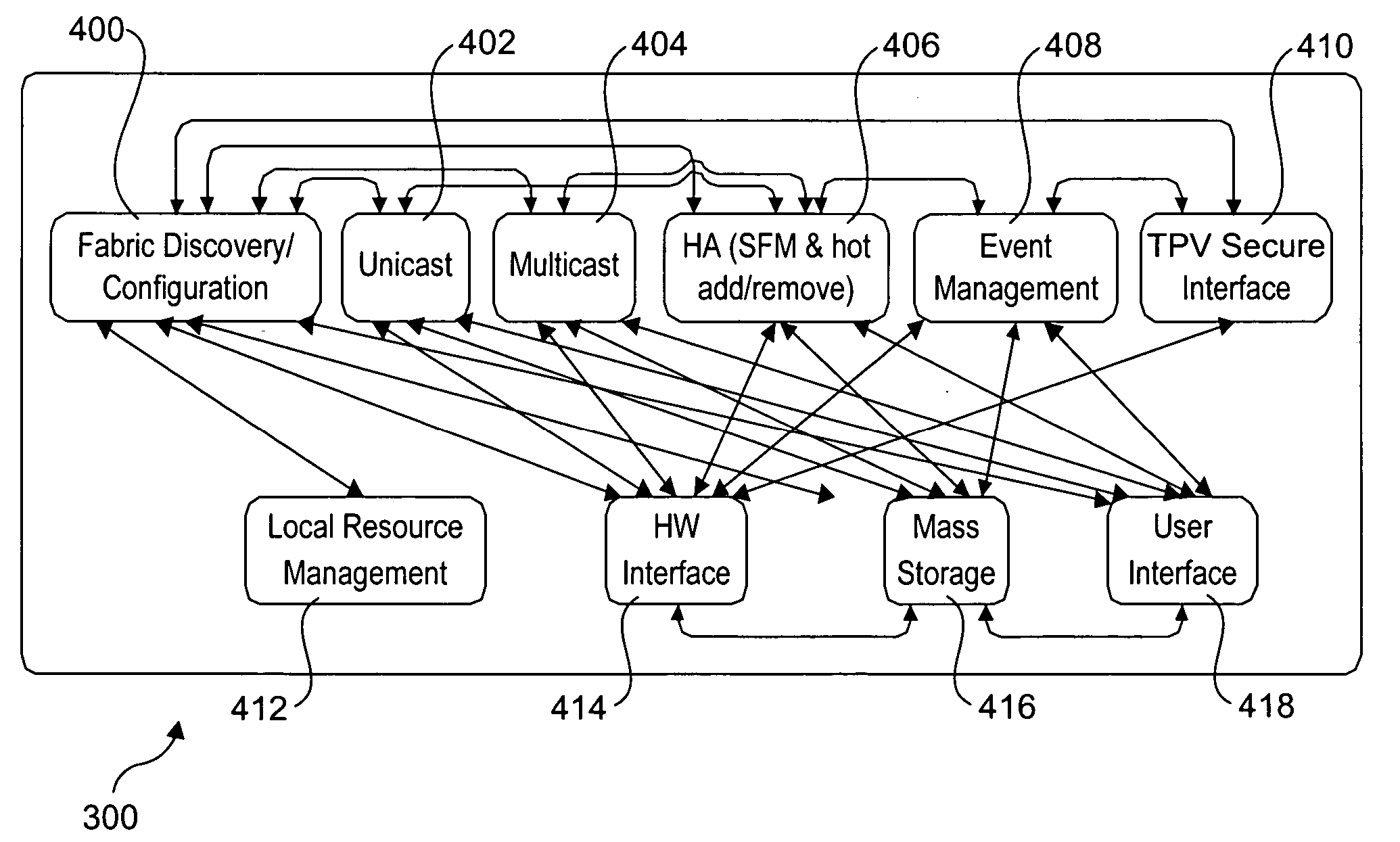
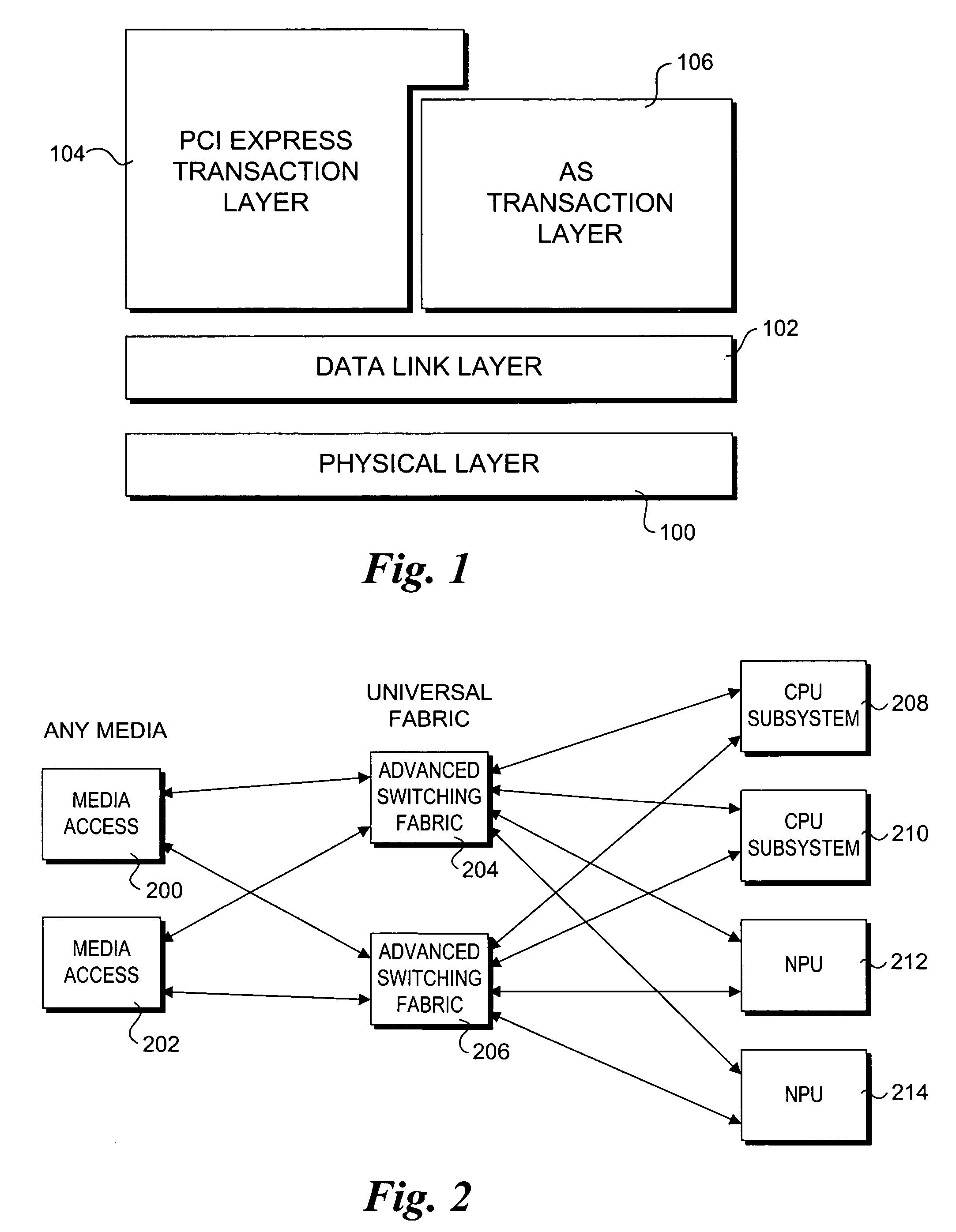
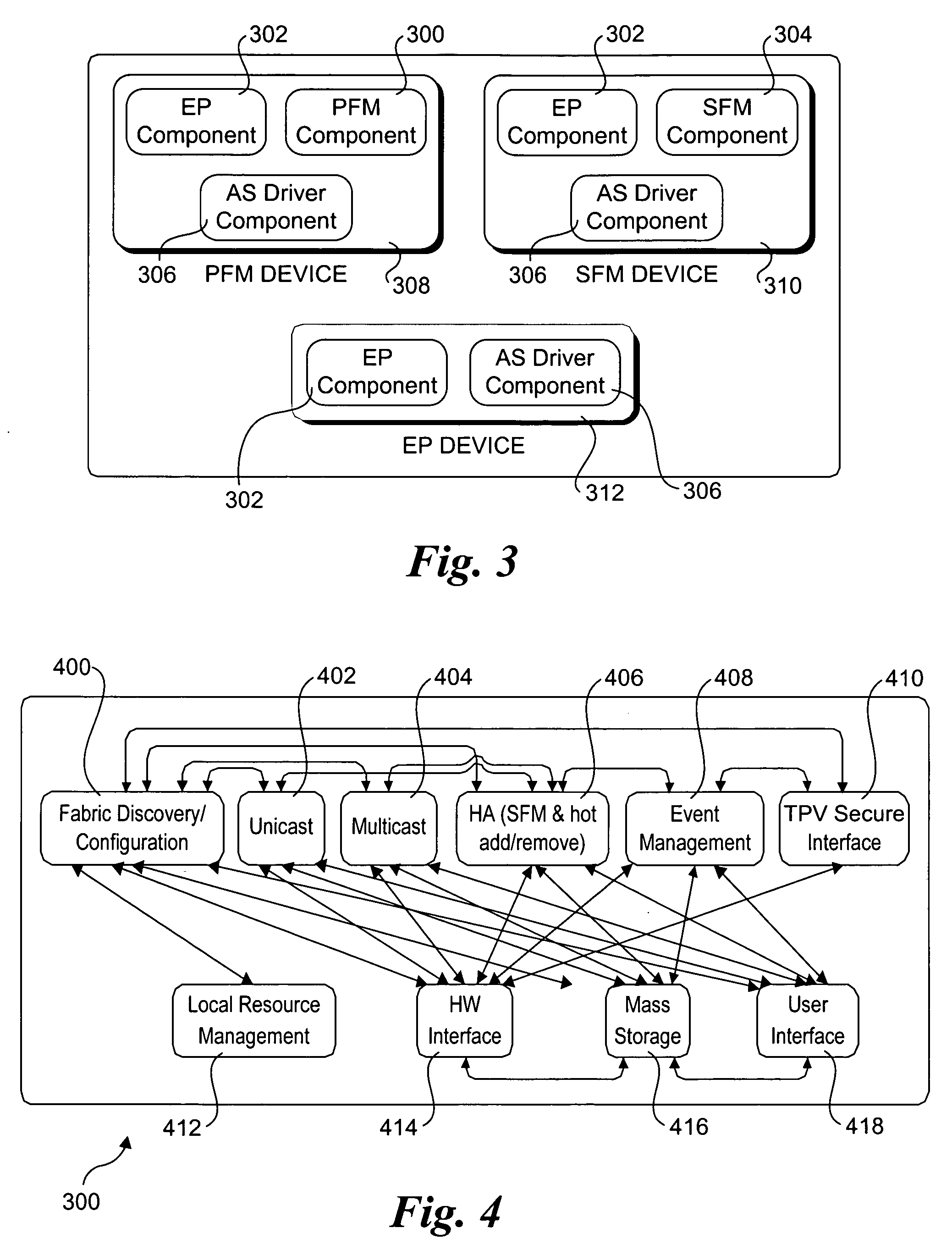
- The Advanced Switching (AS) architecture provides a packet-based transaction layer protocol that operates over PCI Express physical and data link layers, offering sophisticated packet routing, congestion management, and fail-over mechanisms, along with fabric redundancy, to support high-performance and availability in multi-host systems without additional bridges or media access control.

Fabric control protocol for large-scale multi-stage data center networks
PatentActiveUS20210320820A1
Innovation
- The Fabric Control Protocol (FCP) enables end-to-end admission control, packet spraying across multiple parallel paths, and adaptive bandwidth management, using FCP Path Index for path selection and explicit request/grant mechanisms to optimize bandwidth utilization and resilience.


Data Governance Standards for Cross-Connection Systems
Data governance standards for cross-connection systems represent a critical framework that ensures data integrity, security, and compliance across interconnected fabric architectures. These standards establish comprehensive protocols for data classification, access control, and lineage tracking within distributed environments where multiple data sources and destinations are dynamically connected through optimized cross-connection protocols.
The foundation of effective data governance in cross-connection systems relies on establishing clear data ownership models and stewardship responsibilities. Organizations must define explicit roles for data custodians who oversee cross-connection endpoints, ensuring that data quality metrics are maintained throughout the transmission process. This includes implementing automated data validation checkpoints at each connection node to verify data consistency and completeness before routing decisions are executed.
Metadata management emerges as a cornerstone requirement for cross-connection governance standards. Advanced data fabric systems require sophisticated metadata repositories that capture real-time information about data flows, transformation processes, and connection pathways. These repositories must support dynamic schema evolution and maintain comprehensive audit trails that document every cross-connection transaction, enabling full traceability and regulatory compliance.
Privacy and security governance standards mandate the implementation of encryption protocols and access authentication mechanisms at every cross-connection interface. Data classification schemes must be embedded within the connection protocols themselves, ensuring that sensitive information is automatically routed through appropriate security channels based on predefined governance policies.
Compliance frameworks for cross-connection systems must address multi-jurisdictional data protection regulations, particularly when data traverses geographical boundaries through fabric connections. Standards must incorporate automated compliance checking mechanisms that evaluate data movement against regulatory requirements in real-time, preventing unauthorized cross-border data transfers and ensuring adherence to data residency requirements.
Quality assurance standards require continuous monitoring of cross-connection performance metrics, including data accuracy rates, transmission latency, and error frequencies. These standards establish baseline performance thresholds and automated alerting systems that notify governance teams when connection quality degrades below acceptable levels, enabling proactive remediation before data integrity is compromised.
The foundation of effective data governance in cross-connection systems relies on establishing clear data ownership models and stewardship responsibilities. Organizations must define explicit roles for data custodians who oversee cross-connection endpoints, ensuring that data quality metrics are maintained throughout the transmission process. This includes implementing automated data validation checkpoints at each connection node to verify data consistency and completeness before routing decisions are executed.
Metadata management emerges as a cornerstone requirement for cross-connection governance standards. Advanced data fabric systems require sophisticated metadata repositories that capture real-time information about data flows, transformation processes, and connection pathways. These repositories must support dynamic schema evolution and maintain comprehensive audit trails that document every cross-connection transaction, enabling full traceability and regulatory compliance.
Privacy and security governance standards mandate the implementation of encryption protocols and access authentication mechanisms at every cross-connection interface. Data classification schemes must be embedded within the connection protocols themselves, ensuring that sensitive information is automatically routed through appropriate security channels based on predefined governance policies.
Compliance frameworks for cross-connection systems must address multi-jurisdictional data protection regulations, particularly when data traverses geographical boundaries through fabric connections. Standards must incorporate automated compliance checking mechanisms that evaluate data movement against regulatory requirements in real-time, preventing unauthorized cross-border data transfers and ensuring adherence to data residency requirements.
Quality assurance standards require continuous monitoring of cross-connection performance metrics, including data accuracy rates, transmission latency, and error frequencies. These standards establish baseline performance thresholds and automated alerting systems that notify governance teams when connection quality degrades below acceptable levels, enabling proactive remediation before data integrity is compromised.
Performance Benchmarking for Protocol Optimization
Performance benchmarking serves as the cornerstone for evaluating and optimizing cross-connection protocols in advanced data fabric systems. Establishing comprehensive benchmarking frameworks enables systematic measurement of protocol efficiency, latency characteristics, and throughput capabilities across diverse operational scenarios. These benchmarks provide quantitative foundations for protocol enhancement decisions and facilitate objective comparisons between alternative implementation approaches.
Standardized benchmarking methodologies encompass multiple performance dimensions critical to data fabric operations. Latency measurements focus on end-to-end connection establishment times, data transmission delays, and protocol overhead assessment. Throughput evaluations examine maximum data transfer rates, concurrent connection handling capabilities, and bandwidth utilization efficiency under varying load conditions. Resource consumption metrics analyze CPU utilization, memory footprint, and network bandwidth requirements during protocol operations.
Synthetic workload generation plays a pivotal role in protocol performance assessment. Benchmark suites incorporate realistic data patterns, connection request distributions, and failure scenario simulations that mirror production environments. These synthetic workloads enable controlled testing of protocol behavior under stress conditions, peak load scenarios, and degraded network circumstances. Parameterized test configurations allow systematic exploration of protocol performance across different system scales and operational parameters.
Real-world performance validation complements synthetic benchmarking through production environment monitoring and measurement. Field deployment metrics provide insights into protocol behavior under actual operational conditions, revealing performance characteristics that synthetic tests might not capture. Continuous performance monitoring systems track protocol efficiency over time, identifying performance degradation patterns and optimization opportunities in live data fabric deployments.
Comparative benchmarking frameworks facilitate objective evaluation of competing protocol implementations and optimization strategies. Standardized test suites enable fair comparisons between different cross-connection approaches, highlighting relative strengths and weaknesses across various performance criteria. These comparative analyses inform protocol selection decisions and guide optimization priority setting based on specific deployment requirements and performance objectives.
Performance regression testing ensures that protocol optimizations deliver measurable improvements without introducing unintended performance penalties. Automated benchmarking pipelines integrate with development workflows, providing continuous performance feedback during protocol enhancement cycles. This systematic approach to performance validation accelerates optimization iterations while maintaining protocol reliability and stability standards essential for production data fabric systems.
Standardized benchmarking methodologies encompass multiple performance dimensions critical to data fabric operations. Latency measurements focus on end-to-end connection establishment times, data transmission delays, and protocol overhead assessment. Throughput evaluations examine maximum data transfer rates, concurrent connection handling capabilities, and bandwidth utilization efficiency under varying load conditions. Resource consumption metrics analyze CPU utilization, memory footprint, and network bandwidth requirements during protocol operations.
Synthetic workload generation plays a pivotal role in protocol performance assessment. Benchmark suites incorporate realistic data patterns, connection request distributions, and failure scenario simulations that mirror production environments. These synthetic workloads enable controlled testing of protocol behavior under stress conditions, peak load scenarios, and degraded network circumstances. Parameterized test configurations allow systematic exploration of protocol performance across different system scales and operational parameters.
Real-world performance validation complements synthetic benchmarking through production environment monitoring and measurement. Field deployment metrics provide insights into protocol behavior under actual operational conditions, revealing performance characteristics that synthetic tests might not capture. Continuous performance monitoring systems track protocol efficiency over time, identifying performance degradation patterns and optimization opportunities in live data fabric deployments.
Comparative benchmarking frameworks facilitate objective evaluation of competing protocol implementations and optimization strategies. Standardized test suites enable fair comparisons between different cross-connection approaches, highlighting relative strengths and weaknesses across various performance criteria. These comparative analyses inform protocol selection decisions and guide optimization priority setting based on specific deployment requirements and performance objectives.
Performance regression testing ensures that protocol optimizations deliver measurable improvements without introducing unintended performance penalties. Automated benchmarking pipelines integrate with development workflows, providing continuous performance feedback during protocol enhancement cycles. This systematic approach to performance validation accelerates optimization iterations while maintaining protocol reliability and stability standards essential for production data fabric systems.
Unlock deeper insights with PatSnap Eureka Quick Research — get a full tech report to explore trends and direct your research. Try now!
Generate Your Research Report Instantly with AI Agent
Supercharge your innovation with PatSnap Eureka AI Agent Platform!