Optimizing Electromagnetic Compatibility of Composite Current Sources
MAR 19, 20269 MIN READ
Generate Your Research Report Instantly with AI Agent
Patsnap Eureka helps you evaluate technical feasibility & market potential.
EMC Optimization Background and Technical Objectives
Electromagnetic compatibility (EMC) has emerged as a critical design consideration in modern electronic systems, particularly as the proliferation of electronic devices continues to accelerate across industrial, automotive, aerospace, and consumer applications. The increasing density of electronic components and the growing complexity of power management systems have intensified the challenges associated with electromagnetic interference (EMI) mitigation and susceptibility control.
Composite current sources, which integrate multiple current generation and control mechanisms within a single system architecture, represent a significant advancement in power electronics technology. These systems typically combine various current source topologies, such as linear regulators, switching converters, and hybrid configurations, to achieve enhanced performance characteristics including improved efficiency, dynamic response, and load regulation. However, the integration of multiple switching elements, control circuits, and feedback mechanisms inherently introduces complex electromagnetic phenomena that can compromise system performance and regulatory compliance.
The evolution of EMC requirements has been driven by increasingly stringent international standards, including CISPR, FCC, and IEC regulations, which mandate specific limits for both conducted and radiated emissions across various frequency ranges. Simultaneously, the susceptibility requirements have become more demanding as electronic systems are expected to operate reliably in increasingly hostile electromagnetic environments. This regulatory landscape necessitates proactive EMC design approaches rather than reactive compliance testing and mitigation strategies.
The primary technical objective of EMC optimization for composite current sources centers on achieving comprehensive electromagnetic compatibility while maintaining optimal electrical performance characteristics. This involves minimizing both differential-mode and common-mode noise generation through advanced circuit topologies, intelligent switching strategies, and sophisticated filtering techniques. The optimization process must address multiple frequency domains, from low-frequency conducted emissions to high-frequency radiated disturbances, while ensuring that mitigation measures do not compromise the fundamental current source performance parameters.
Furthermore, the technical goals encompass developing predictive modeling capabilities that enable early-stage EMC assessment and optimization during the design phase. This includes establishing robust simulation methodologies that accurately capture the electromagnetic behavior of composite current source architectures, enabling designers to evaluate trade-offs between EMC performance, efficiency, cost, and form factor constraints. The ultimate objective is to create design methodologies and implementation strategies that inherently achieve EMC compliance while maximizing the performance benefits of composite current source technologies.
Composite current sources, which integrate multiple current generation and control mechanisms within a single system architecture, represent a significant advancement in power electronics technology. These systems typically combine various current source topologies, such as linear regulators, switching converters, and hybrid configurations, to achieve enhanced performance characteristics including improved efficiency, dynamic response, and load regulation. However, the integration of multiple switching elements, control circuits, and feedback mechanisms inherently introduces complex electromagnetic phenomena that can compromise system performance and regulatory compliance.
The evolution of EMC requirements has been driven by increasingly stringent international standards, including CISPR, FCC, and IEC regulations, which mandate specific limits for both conducted and radiated emissions across various frequency ranges. Simultaneously, the susceptibility requirements have become more demanding as electronic systems are expected to operate reliably in increasingly hostile electromagnetic environments. This regulatory landscape necessitates proactive EMC design approaches rather than reactive compliance testing and mitigation strategies.
The primary technical objective of EMC optimization for composite current sources centers on achieving comprehensive electromagnetic compatibility while maintaining optimal electrical performance characteristics. This involves minimizing both differential-mode and common-mode noise generation through advanced circuit topologies, intelligent switching strategies, and sophisticated filtering techniques. The optimization process must address multiple frequency domains, from low-frequency conducted emissions to high-frequency radiated disturbances, while ensuring that mitigation measures do not compromise the fundamental current source performance parameters.
Furthermore, the technical goals encompass developing predictive modeling capabilities that enable early-stage EMC assessment and optimization during the design phase. This includes establishing robust simulation methodologies that accurately capture the electromagnetic behavior of composite current source architectures, enabling designers to evaluate trade-offs between EMC performance, efficiency, cost, and form factor constraints. The ultimate objective is to create design methodologies and implementation strategies that inherently achieve EMC compliance while maximizing the performance benefits of composite current source technologies.
Market Demand for EMC-Compliant Composite Current Sources
The global market for EMC-compliant composite current sources is experiencing robust growth driven by increasingly stringent electromagnetic compatibility regulations across multiple industries. Regulatory bodies worldwide, including the Federal Communications Commission (FCC), European Telecommunications Standards Institute (ETSI), and International Electrotechnical Commission (IEC), have implemented more rigorous EMC standards that mandate lower electromagnetic interference levels for electronic devices and power systems.
The automotive sector represents one of the most significant demand drivers, particularly with the rapid adoption of electric vehicles and advanced driver assistance systems. Modern vehicles incorporate numerous electronic control units, power converters, and charging systems that require sophisticated current sources with superior EMC performance. The transition toward autonomous driving technologies further amplifies this demand as these systems require ultra-low noise current sources to ensure reliable sensor operation and communication integrity.
Industrial automation and manufacturing sectors demonstrate substantial market appetite for EMC-optimized composite current sources. Smart factory implementations, Industry 4.0 initiatives, and precision manufacturing processes demand current sources that maintain stable performance while minimizing electromagnetic emissions. These applications require current sources capable of operating in electromagnetically harsh environments without compromising measurement accuracy or system reliability.
The telecommunications and data center industries present another major market segment, driven by the deployment of 5G networks, edge computing infrastructure, and high-speed data processing systems. These applications require current sources with exceptional EMC characteristics to prevent interference with sensitive communication equipment and ensure signal integrity across complex network architectures.
Medical device manufacturing represents a specialized but high-value market segment where EMC compliance is critical for patient safety and device certification. Diagnostic equipment, therapeutic devices, and monitoring systems require current sources that meet strict medical EMC standards while delivering precise, stable current outputs.
The aerospace and defense sectors continue to drive demand for advanced EMC-compliant current sources, particularly for avionics systems, radar applications, and electronic warfare equipment. These applications require current sources that can operate reliably in extreme electromagnetic environments while meeting stringent military and aerospace EMC specifications.
Market growth is further supported by the increasing complexity of electronic systems and the proliferation of wireless technologies, which create more challenging electromagnetic environments. This trend necessitates more sophisticated current source designs that can maintain performance while achieving superior EMC characteristics through advanced composite architectures and innovative filtering techniques.
The automotive sector represents one of the most significant demand drivers, particularly with the rapid adoption of electric vehicles and advanced driver assistance systems. Modern vehicles incorporate numerous electronic control units, power converters, and charging systems that require sophisticated current sources with superior EMC performance. The transition toward autonomous driving technologies further amplifies this demand as these systems require ultra-low noise current sources to ensure reliable sensor operation and communication integrity.
Industrial automation and manufacturing sectors demonstrate substantial market appetite for EMC-optimized composite current sources. Smart factory implementations, Industry 4.0 initiatives, and precision manufacturing processes demand current sources that maintain stable performance while minimizing electromagnetic emissions. These applications require current sources capable of operating in electromagnetically harsh environments without compromising measurement accuracy or system reliability.
The telecommunications and data center industries present another major market segment, driven by the deployment of 5G networks, edge computing infrastructure, and high-speed data processing systems. These applications require current sources with exceptional EMC characteristics to prevent interference with sensitive communication equipment and ensure signal integrity across complex network architectures.
Medical device manufacturing represents a specialized but high-value market segment where EMC compliance is critical for patient safety and device certification. Diagnostic equipment, therapeutic devices, and monitoring systems require current sources that meet strict medical EMC standards while delivering precise, stable current outputs.
The aerospace and defense sectors continue to drive demand for advanced EMC-compliant current sources, particularly for avionics systems, radar applications, and electronic warfare equipment. These applications require current sources that can operate reliably in extreme electromagnetic environments while meeting stringent military and aerospace EMC specifications.
Market growth is further supported by the increasing complexity of electronic systems and the proliferation of wireless technologies, which create more challenging electromagnetic environments. This trend necessitates more sophisticated current source designs that can maintain performance while achieving superior EMC characteristics through advanced composite architectures and innovative filtering techniques.
Current EMC Challenges in Composite Current Source Design
Composite current sources face significant electromagnetic compatibility challenges that stem from their inherent multi-component architecture and complex switching behaviors. These systems typically integrate multiple current generation units, control circuits, and power conversion stages, creating numerous potential sources of electromagnetic interference. The primary EMC concerns arise from high-frequency switching operations, parasitic coupling between components, and the cumulative effect of multiple simultaneous current paths operating within close proximity.
Switching noise represents one of the most critical EMC challenges in composite current source design. The rapid current transitions during switching events generate broadband electromagnetic emissions that can extend well into the radio frequency spectrum. These emissions are particularly problematic when multiple current sources operate asynchronously, creating beat frequencies and intermodulation products that are difficult to predict and mitigate. The situation becomes more complex when considering the varying load conditions and dynamic current requirements that these systems must accommodate.
Parasitic coupling mechanisms pose another significant challenge, manifesting through both capacitive and inductive pathways between circuit elements. In composite designs, the close physical proximity of multiple current channels creates opportunities for cross-talk and mutual interference. Common-mode currents can propagate through shared ground planes and power distribution networks, while differential-mode interference can couple directly between adjacent current paths. These coupling mechanisms are often frequency-dependent and can vary significantly with component placement and routing strategies.
Ground bounce and power supply noise constitute additional EMC concerns that are amplified in composite current source architectures. The simultaneous switching of multiple current sources can create substantial transient currents in the power distribution network, leading to voltage fluctuations that affect both conducted and radiated emissions. The shared power infrastructure in composite systems means that noise generated by one current source can directly impact the performance and EMC characteristics of neighboring sources.
Thermal management requirements further complicate EMC design considerations, as the need for heat dissipation often conflicts with optimal electromagnetic shielding strategies. The integration of cooling systems, heat sinks, and thermal interface materials can create additional coupling paths and resonant structures that affect the overall electromagnetic behavior of the composite system.
Switching noise represents one of the most critical EMC challenges in composite current source design. The rapid current transitions during switching events generate broadband electromagnetic emissions that can extend well into the radio frequency spectrum. These emissions are particularly problematic when multiple current sources operate asynchronously, creating beat frequencies and intermodulation products that are difficult to predict and mitigate. The situation becomes more complex when considering the varying load conditions and dynamic current requirements that these systems must accommodate.
Parasitic coupling mechanisms pose another significant challenge, manifesting through both capacitive and inductive pathways between circuit elements. In composite designs, the close physical proximity of multiple current channels creates opportunities for cross-talk and mutual interference. Common-mode currents can propagate through shared ground planes and power distribution networks, while differential-mode interference can couple directly between adjacent current paths. These coupling mechanisms are often frequency-dependent and can vary significantly with component placement and routing strategies.
Ground bounce and power supply noise constitute additional EMC concerns that are amplified in composite current source architectures. The simultaneous switching of multiple current sources can create substantial transient currents in the power distribution network, leading to voltage fluctuations that affect both conducted and radiated emissions. The shared power infrastructure in composite systems means that noise generated by one current source can directly impact the performance and EMC characteristics of neighboring sources.
Thermal management requirements further complicate EMC design considerations, as the need for heat dissipation often conflicts with optimal electromagnetic shielding strategies. The integration of cooling systems, heat sinks, and thermal interface materials can create additional coupling paths and resonant structures that affect the overall electromagnetic behavior of the composite system.
Existing EMC Optimization Solutions for Current Sources
01 Shielding and filtering techniques for composite current sources
Electromagnetic compatibility in composite current sources can be improved through the implementation of shielding structures and filtering circuits. These techniques help to reduce electromagnetic interference by blocking or attenuating unwanted electromagnetic emissions. Shielding materials and filter components are strategically placed to minimize the coupling of electromagnetic energy between different parts of the current source system.- Shielding and filtering techniques for composite current sources: Electromagnetic compatibility in composite current sources can be improved through the implementation of shielding structures and filtering circuits. These techniques help to reduce electromagnetic interference by blocking or attenuating unwanted electromagnetic emissions. Shielding materials and filter components are strategically placed to minimize the coupling of electromagnetic energy between different parts of the circuit and external environment.
- Circuit topology optimization for EMC enhancement: The electromagnetic compatibility of composite current sources can be enhanced by optimizing the circuit topology and layout design. This includes careful arrangement of components, minimizing loop areas, and implementing proper grounding techniques. The circuit design focuses on reducing parasitic inductance and capacitance that can cause electromagnetic interference. Advanced layout strategies help to control current paths and minimize radiation.
- Active EMI suppression and compensation methods: Active electromagnetic interference suppression techniques can be employed in composite current sources to improve compatibility. These methods involve the use of active circuits that detect and cancel out interference signals in real-time. Compensation circuits are designed to counteract the effects of electromagnetic disturbances, ensuring stable operation of the current source under various electromagnetic environments.
- Multi-stage isolation and decoupling structures: Electromagnetic compatibility in composite current sources can be achieved through multi-stage isolation and decoupling structures. These structures provide electrical isolation between different functional blocks and power domains, preventing the propagation of electromagnetic interference. Decoupling capacitors and isolation transformers are used to break interference paths and maintain signal integrity across different stages of the current source.
- Integrated EMC testing and monitoring systems: Composite current sources can incorporate integrated electromagnetic compatibility testing and monitoring systems to ensure compliance with EMC standards. These systems enable real-time monitoring of electromagnetic emissions and susceptibility levels. Built-in diagnostic features help identify potential EMC issues during operation, allowing for adaptive control strategies to maintain electromagnetic compatibility under varying conditions.
02 Circuit topology optimization for EMC enhancement
The electromagnetic compatibility of composite current sources can be enhanced by optimizing the circuit topology and layout design. This includes careful arrangement of components, minimizing loop areas, and controlling current paths to reduce electromagnetic radiation and susceptibility. Proper grounding schemes and impedance matching techniques are also employed to improve overall EMC performance.Expand Specific Solutions03 Active EMI suppression in composite current source systems
Active electromagnetic interference suppression methods can be implemented in composite current sources to dynamically reduce EMI. These methods involve the use of active circuits that detect and cancel electromagnetic disturbances in real-time. Feedback control mechanisms and compensation circuits are utilized to maintain electromagnetic compatibility under varying operating conditions.Expand Specific Solutions04 Modular design approach for improved electromagnetic isolation
A modular design approach can be adopted for composite current sources to enhance electromagnetic isolation between different functional modules. This involves partitioning the system into separate modules with dedicated EMC protection measures. Each module is designed with its own shielding, filtering, and grounding to prevent electromagnetic coupling and ensure compliance with EMC standards.Expand Specific Solutions05 Testing and measurement methods for EMC verification
Comprehensive testing and measurement methods are essential for verifying the electromagnetic compatibility of composite current sources. These methods include conducted and radiated emission testing, immunity testing, and compliance verification according to international EMC standards. Specialized test equipment and procedures are used to evaluate the EMC performance and identify potential issues that need to be addressed.Expand Specific Solutions
Key Players in EMC and Current Source Industry
The electromagnetic compatibility optimization of composite current sources represents a mature technology sector experiencing steady growth, driven by increasing electronic device complexity and stringent regulatory requirements. The market demonstrates significant scale with established players like Siemens AG, Robert Bosch GmbH, and TE Connectivity Solutions GmbH leading through comprehensive EMC solutions and decades of expertise. Technology maturity varies across segments, with companies like Rohde & Schwarz GmbH providing advanced testing equipment, while Murata Manufacturing and TDK Corp excel in passive component innovations. Chinese firms including ZTE Corp, Honor Device Co., and Sichuan Changhong Electric represent emerging competitive forces, particularly in consumer electronics applications. The industry shows high technical sophistication with specialized players like Schaffner EMV AG focusing on EMC filtering solutions, indicating a well-developed ecosystem supporting diverse electromagnetic compatibility challenges across automotive, telecommunications, and industrial sectors.
Robert Bosch GmbH
Technical Solution: Bosch implements integrated EMC optimization for composite current sources in automotive applications, focusing on power electronics systems. Their methodology combines circuit-level design modifications with advanced PCB layout techniques, incorporating ground plane optimization and strategic component placement to minimize electromagnetic interference. The company utilizes simulation-driven design processes that model electromagnetic fields in three-dimensional space, enabling prediction and mitigation of EMC issues before physical prototyping. Their solutions include embedded filtering within power semiconductor modules and coordinated switching strategies that reduce high-frequency content in composite current waveforms.
Strengths: Strong automotive industry experience and integrated system approach. Weaknesses: Solutions primarily focused on automotive applications, limiting broader applicability.
Siemens AG
Technical Solution: Siemens develops comprehensive EMC solutions for industrial composite current sources through their power systems division. Their approach integrates advanced control algorithms with hardware-based filtering, utilizing digital signal processing to optimize current waveform quality while maintaining electromagnetic compatibility. The company implements multi-level converter topologies that inherently reduce harmonic content, combined with active EMC filters that adapt to varying operational conditions. Their solutions include real-time monitoring systems that detect EMC compliance deviations and automatically adjust filtering parameters, ensuring continuous optimization of electromagnetic compatibility in complex industrial environments.
Strengths: Comprehensive industrial automation expertise and adaptive filtering technologies. Weaknesses: Complex implementation requiring specialized technical knowledge and higher initial investment.
Core EMC Design Patents and Technical Innovations
Apparatus and method for improving electromagnetic compatibility
PatentInactiveUS7154254B2
Innovation
- An apparatus and method that includes a measuring device and a signal injector to monitor and minimize fluctuations in electrical variables such as voltage or current in power lines, using operational amplifiers and feedback loops to inject cancellation signals, thereby reducing electromagnetic interference without the need for large passive components.


Synthesis methods for enhancing electromagnetic compatibility and AC performance of power conversion circuits
PatentInactiveUS6507176B2
Innovation
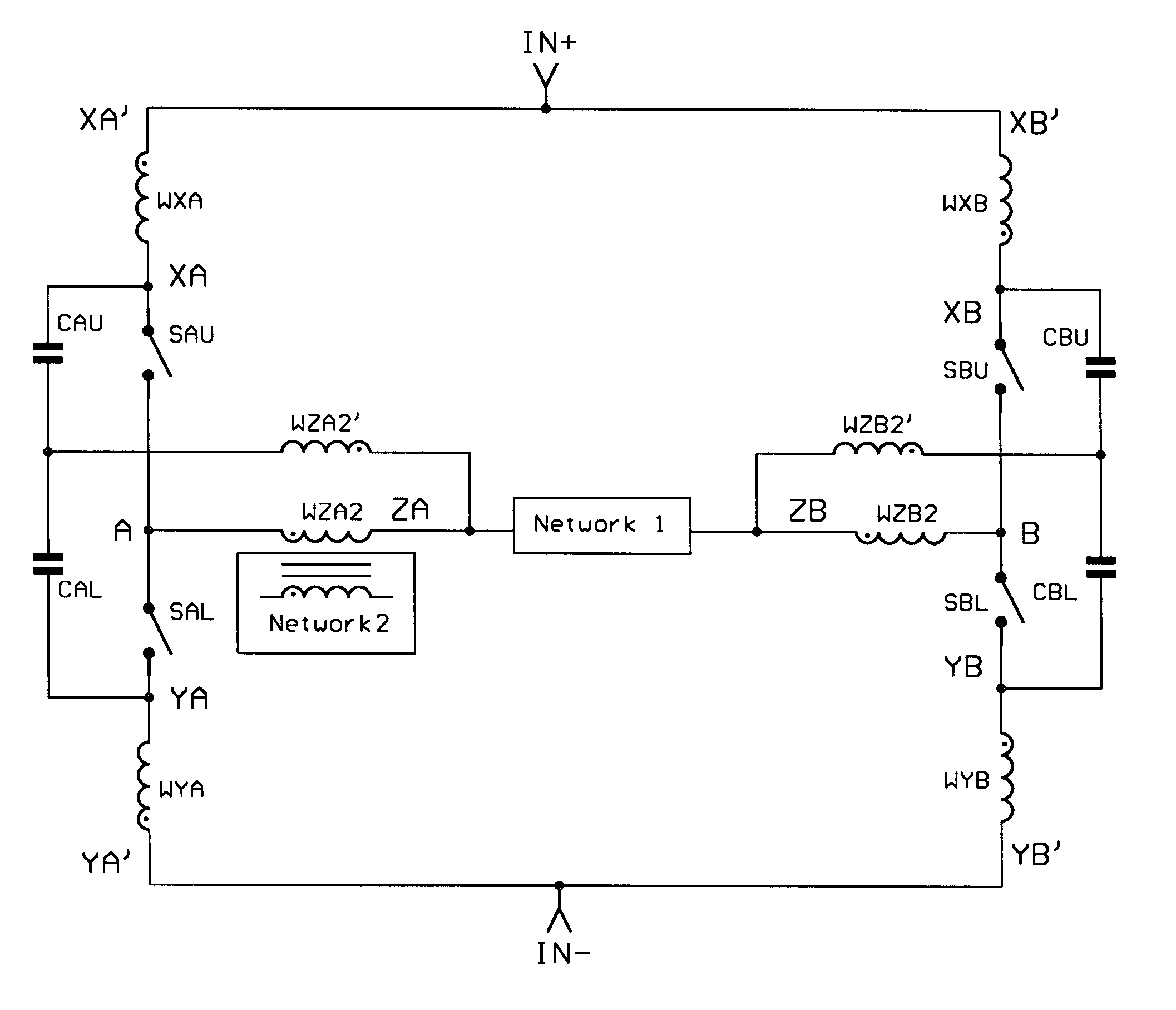
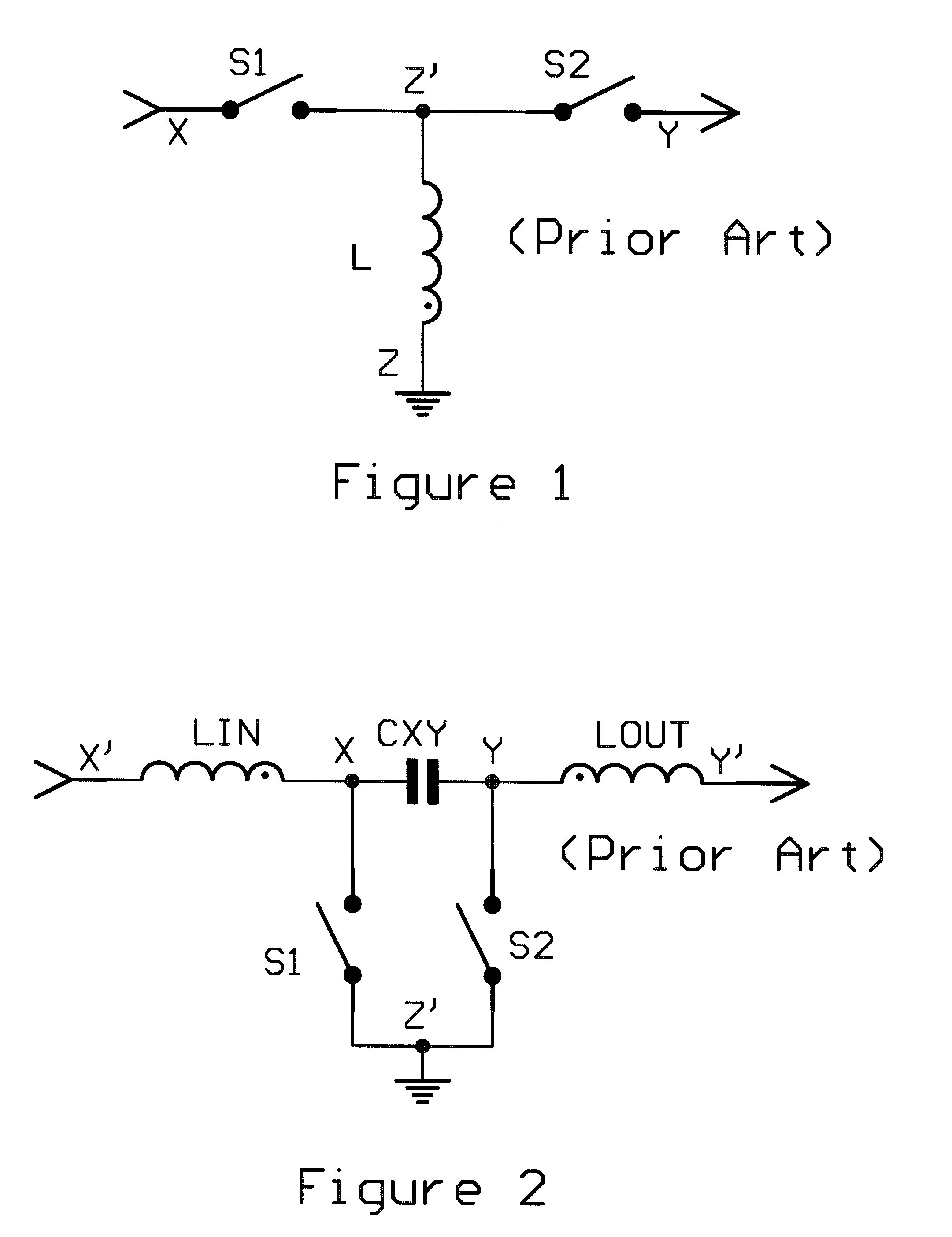
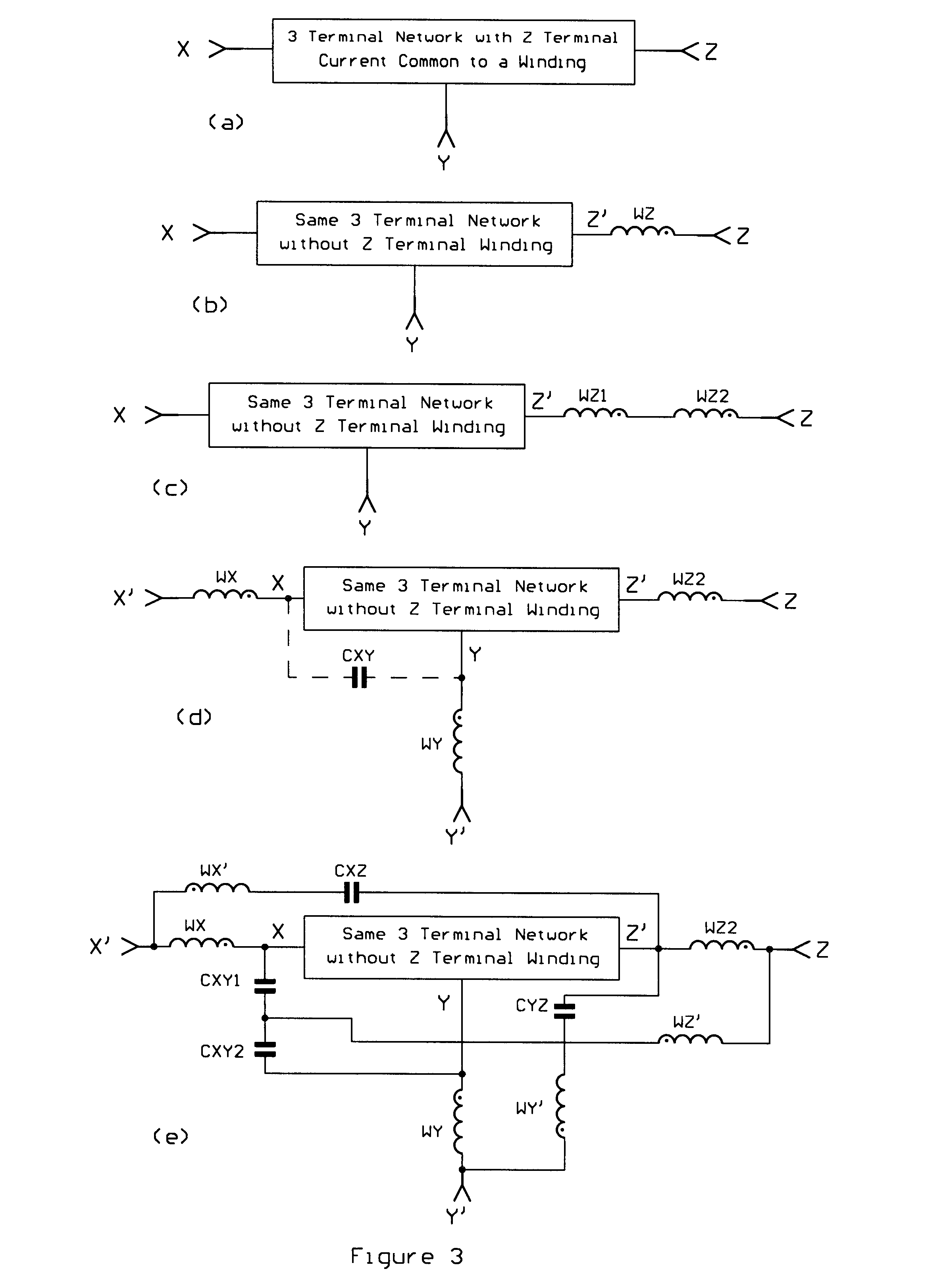
- The development of synthesis methods that involve splitting and adding windings, along with the use of capacitors, to create equivalent circuits with non-pulsating terminal currents and reduced common mode currents, without requiring additional magnetic cores or increasing magnetic circuit element size, effectively transforming circuits like the flyback converter into EMC-enhanced forms like the Cuk converter.

EMC Regulatory Standards and Compliance Requirements
Electromagnetic compatibility regulations for composite current sources are governed by a complex framework of international, regional, and national standards that ensure electronic devices operate without causing or experiencing harmful interference. The primary international standard IEC 61000 series provides comprehensive guidelines for EMC testing and compliance, with specific emphasis on emission limits and immunity requirements for power electronic equipment including composite current sources.
In the United States, the Federal Communications Commission (FCC) Part 15 regulations establish mandatory emission limits for unintentional radiators, while Part 18 covers industrial, scientific, and medical equipment that may incorporate composite current sources. These regulations specify conducted and radiated emission limits across frequency ranges from 150 kHz to several GHz, with particular attention to switching frequencies commonly used in composite current source designs.
European compliance is mandated through the EMC Directive 2014/30/EU, which requires conformity assessment before market placement. The directive references harmonized standards such as EN 55011 for industrial equipment emissions and EN 61000-6 series for generic immunity standards. Composite current sources must demonstrate compliance through standardized testing procedures including conducted emissions measurement using Line Impedance Stabilization Networks (LISN) and radiated emissions testing in anechoic chambers or open area test sites.
Military and aerospace applications follow more stringent requirements under MIL-STD-461 and DO-160 standards respectively. These specifications impose tighter emission limits and more severe immunity test levels, reflecting the critical nature of applications where composite current sources may be deployed. The standards also include unique test methods such as bulk current injection and direct current injection that are particularly relevant for composite current source configurations.
Compliance verification requires accredited testing laboratories following ISO/IEC 17025 standards, with test reports demonstrating conformity to applicable limits. The regulatory landscape continues evolving with emerging standards addressing higher frequency ranges and new interference mechanisms specific to advanced composite current source topologies.
In the United States, the Federal Communications Commission (FCC) Part 15 regulations establish mandatory emission limits for unintentional radiators, while Part 18 covers industrial, scientific, and medical equipment that may incorporate composite current sources. These regulations specify conducted and radiated emission limits across frequency ranges from 150 kHz to several GHz, with particular attention to switching frequencies commonly used in composite current source designs.
European compliance is mandated through the EMC Directive 2014/30/EU, which requires conformity assessment before market placement. The directive references harmonized standards such as EN 55011 for industrial equipment emissions and EN 61000-6 series for generic immunity standards. Composite current sources must demonstrate compliance through standardized testing procedures including conducted emissions measurement using Line Impedance Stabilization Networks (LISN) and radiated emissions testing in anechoic chambers or open area test sites.
Military and aerospace applications follow more stringent requirements under MIL-STD-461 and DO-160 standards respectively. These specifications impose tighter emission limits and more severe immunity test levels, reflecting the critical nature of applications where composite current sources may be deployed. The standards also include unique test methods such as bulk current injection and direct current injection that are particularly relevant for composite current source configurations.
Compliance verification requires accredited testing laboratories following ISO/IEC 17025 standards, with test reports demonstrating conformity to applicable limits. The regulatory landscape continues evolving with emerging standards addressing higher frequency ranges and new interference mechanisms specific to advanced composite current source topologies.
Cost-Performance Trade-offs in EMC Design
The optimization of electromagnetic compatibility in composite current sources presents a complex landscape of cost-performance trade-offs that significantly influence design decisions and market adoption. These trade-offs fundamentally shape how engineers approach EMC challenges, balancing technical excellence against economic constraints while meeting regulatory requirements and performance specifications.
Material selection represents one of the most critical cost-performance decision points in EMC design. High-performance ferrite cores and specialized magnetic materials can dramatically improve EMC characteristics but often carry premium pricing that may double or triple component costs. Conversely, standard ferrite materials offer acceptable performance for many applications at significantly lower costs, though they may require additional circuit complexity or larger form factors to achieve equivalent EMC performance.
Shielding strategies demonstrate another significant trade-off dimension. Advanced multi-layer shielding solutions using specialized alloys or composite materials can achieve superior attenuation characteristics, potentially reducing the need for complex filtering circuits. However, these premium shielding approaches often increase manufacturing complexity and material costs by 200-400% compared to standard aluminum or steel enclosures, while potentially improving EMC performance by only 10-20 dB in practical applications.
Filter design complexity directly correlates with both performance capabilities and manufacturing costs. Multi-stage active filtering systems can provide exceptional EMC performance across broad frequency ranges but require sophisticated control circuits, precision components, and extensive testing protocols. Single-stage passive solutions offer cost-effective alternatives that may satisfy regulatory requirements while maintaining reasonable performance margins, though they typically exhibit limited adaptability to varying load conditions.
Manufacturing scalability significantly influences the cost-performance equation. Custom EMC solutions optimized for specific applications can achieve superior performance but often require specialized manufacturing processes, limited supplier bases, and higher per-unit costs. Standardized approaches leveraging common components and established manufacturing processes offer predictable costs and supply chain stability, though they may necessitate performance compromises in demanding applications.
Testing and validation requirements add substantial cost considerations that vary dramatically based on performance targets. Basic EMC compliance testing may represent 5-10% of total development costs, while comprehensive performance optimization across multiple operating conditions can consume 25-30% of project budgets. The decision between meeting minimum regulatory requirements versus achieving optimal performance significantly impacts both development timelines and total project costs.
Material selection represents one of the most critical cost-performance decision points in EMC design. High-performance ferrite cores and specialized magnetic materials can dramatically improve EMC characteristics but often carry premium pricing that may double or triple component costs. Conversely, standard ferrite materials offer acceptable performance for many applications at significantly lower costs, though they may require additional circuit complexity or larger form factors to achieve equivalent EMC performance.
Shielding strategies demonstrate another significant trade-off dimension. Advanced multi-layer shielding solutions using specialized alloys or composite materials can achieve superior attenuation characteristics, potentially reducing the need for complex filtering circuits. However, these premium shielding approaches often increase manufacturing complexity and material costs by 200-400% compared to standard aluminum or steel enclosures, while potentially improving EMC performance by only 10-20 dB in practical applications.
Filter design complexity directly correlates with both performance capabilities and manufacturing costs. Multi-stage active filtering systems can provide exceptional EMC performance across broad frequency ranges but require sophisticated control circuits, precision components, and extensive testing protocols. Single-stage passive solutions offer cost-effective alternatives that may satisfy regulatory requirements while maintaining reasonable performance margins, though they typically exhibit limited adaptability to varying load conditions.
Manufacturing scalability significantly influences the cost-performance equation. Custom EMC solutions optimized for specific applications can achieve superior performance but often require specialized manufacturing processes, limited supplier bases, and higher per-unit costs. Standardized approaches leveraging common components and established manufacturing processes offer predictable costs and supply chain stability, though they may necessitate performance compromises in demanding applications.
Testing and validation requirements add substantial cost considerations that vary dramatically based on performance targets. Basic EMC compliance testing may represent 5-10% of total development costs, while comprehensive performance optimization across multiple operating conditions can consume 25-30% of project budgets. The decision between meeting minimum regulatory requirements versus achieving optimal performance significantly impacts both development timelines and total project costs.
Unlock deeper insights with Patsnap Eureka Quick Research — get a full tech report to explore trends and direct your research. Try now!
Generate Your Research Report Instantly with AI Agent
Supercharge your innovation with Patsnap Eureka AI Agent Platform!