

Optimizing Naval Vessels For Vortex Vibration Security
MAR 10, 20269 MIN READ
Generate Your Research Report Instantly with AI Agent
PatSnap Eureka helps you evaluate technical feasibility & market potential.
Naval Vortex Vibration Background and Objectives
Naval vessels operating in marine environments encounter complex hydrodynamic phenomena that significantly impact their structural integrity and operational effectiveness. Vortex-induced vibrations represent one of the most critical challenges in naval engineering, arising from the interaction between fluid flow and vessel structures. These vibrations occur when alternating vortices shed from bluff bodies create periodic forces that can excite structural resonances, potentially leading to fatigue damage, reduced operational lifespan, and compromised mission capabilities.
The phenomenon manifests across various naval vessel components, including masts, periscopes, sonar domes, propeller shafts, and hull appendages. When the vortex shedding frequency approaches the natural frequency of these structures, lock-in conditions develop, resulting in large-amplitude oscillations that can cause catastrophic failures. Historical incidents have demonstrated the severe consequences of inadequately addressed vortex vibrations, ranging from equipment malfunction to complete structural collapse.
Modern naval operations demand increasingly sophisticated vessels equipped with advanced sensor arrays, communication systems, and weapon platforms. These additions create more complex flow patterns and introduce additional vibration sources, amplifying the challenges associated with vortex-induced phenomena. The integration of stealth technologies further complicates the design process, as traditional vibration mitigation methods may conflict with signature reduction requirements.
The primary objective of optimizing naval vessels for vortex vibration security encompasses multiple interconnected goals. Foremost is the enhancement of structural durability through the prevention of fatigue-induced failures caused by persistent vibratory stresses. This involves developing comprehensive understanding of flow-structure interaction mechanisms and implementing effective suppression strategies that maintain structural integrity throughout the vessel's operational lifecycle.
Operational reliability represents another crucial objective, focusing on ensuring consistent performance of critical systems under various sea conditions. Vortex-induced vibrations can interfere with sensitive equipment operation, degrade sensor accuracy, and compromise weapon system effectiveness. Achieving vibration security requires balancing structural modifications with operational requirements while maintaining vessel performance characteristics.
The evolution of naval technology has progressively elevated the importance of vortex vibration mitigation. Early naval designs primarily addressed basic seaworthiness concerns, but contemporary vessels must satisfy stringent performance criteria across multiple domains. Advanced materials, computational fluid dynamics capabilities, and sophisticated monitoring systems now enable more precise characterization and control of vortex phenomena, establishing new possibilities for innovative solutions that were previously unattainable in naval engineering applications.
The phenomenon manifests across various naval vessel components, including masts, periscopes, sonar domes, propeller shafts, and hull appendages. When the vortex shedding frequency approaches the natural frequency of these structures, lock-in conditions develop, resulting in large-amplitude oscillations that can cause catastrophic failures. Historical incidents have demonstrated the severe consequences of inadequately addressed vortex vibrations, ranging from equipment malfunction to complete structural collapse.
Modern naval operations demand increasingly sophisticated vessels equipped with advanced sensor arrays, communication systems, and weapon platforms. These additions create more complex flow patterns and introduce additional vibration sources, amplifying the challenges associated with vortex-induced phenomena. The integration of stealth technologies further complicates the design process, as traditional vibration mitigation methods may conflict with signature reduction requirements.
The primary objective of optimizing naval vessels for vortex vibration security encompasses multiple interconnected goals. Foremost is the enhancement of structural durability through the prevention of fatigue-induced failures caused by persistent vibratory stresses. This involves developing comprehensive understanding of flow-structure interaction mechanisms and implementing effective suppression strategies that maintain structural integrity throughout the vessel's operational lifecycle.
Operational reliability represents another crucial objective, focusing on ensuring consistent performance of critical systems under various sea conditions. Vortex-induced vibrations can interfere with sensitive equipment operation, degrade sensor accuracy, and compromise weapon system effectiveness. Achieving vibration security requires balancing structural modifications with operational requirements while maintaining vessel performance characteristics.
The evolution of naval technology has progressively elevated the importance of vortex vibration mitigation. Early naval designs primarily addressed basic seaworthiness concerns, but contemporary vessels must satisfy stringent performance criteria across multiple domains. Advanced materials, computational fluid dynamics capabilities, and sophisticated monitoring systems now enable more precise characterization and control of vortex phenomena, establishing new possibilities for innovative solutions that were previously unattainable in naval engineering applications.
Market Demand for Enhanced Naval Vessel Stability
The global naval defense market demonstrates substantial demand for enhanced vessel stability solutions, driven by increasing maritime security concerns and the need for operational superiority in challenging sea conditions. Modern naval operations require vessels to maintain optimal performance across diverse maritime environments, from calm coastal waters to turbulent open seas where vortex-induced vibrations pose significant operational risks.
Military expenditure trends indicate sustained investment in naval modernization programs worldwide. Major naval powers are prioritizing fleet upgrades that incorporate advanced stability systems to ensure mission-critical operations remain uncompromised by environmental factors. The emphasis on multi-role naval platforms capable of extended deployments has intensified requirements for vessels that can withstand prolonged exposure to varying sea states without compromising structural integrity or operational effectiveness.
Commercial maritime sectors also contribute to market demand, particularly in specialized vessel categories such as offshore patrol vessels, coast guard cutters, and research ships. These platforms require enhanced stability characteristics to support extended operations in challenging conditions while maintaining crew safety and equipment functionality. The growing emphasis on maritime domain awareness has expanded the operational envelope requirements for these vessel types.
Emerging naval technologies and weapon systems integration create additional stability requirements. Modern naval vessels must accommodate increasingly sophisticated sensor arrays, communication systems, and defensive countermeasures that demand stable platforms for optimal performance. Vortex-induced vibrations can significantly impact the accuracy and reliability of these systems, creating operational vulnerabilities that naval architects must address through enhanced stability solutions.
Regional maritime tensions and evolving threat landscapes drive continuous demand for naval capability improvements. Nations investing in naval expansion programs prioritize vessels with superior seakeeping characteristics that provide tactical advantages in contested waters. The ability to maintain operational readiness despite adverse sea conditions represents a critical capability differentiator in modern naval operations.
Regulatory frameworks and safety standards continue evolving to address lessons learned from operational experiences. International maritime organizations increasingly emphasize stability requirements that go beyond traditional seakeeping metrics to encompass vibration mitigation and structural fatigue prevention. These regulatory developments create market drivers for innovative stability enhancement technologies that can meet or exceed emerging standards while providing operational benefits.
Military expenditure trends indicate sustained investment in naval modernization programs worldwide. Major naval powers are prioritizing fleet upgrades that incorporate advanced stability systems to ensure mission-critical operations remain uncompromised by environmental factors. The emphasis on multi-role naval platforms capable of extended deployments has intensified requirements for vessels that can withstand prolonged exposure to varying sea states without compromising structural integrity or operational effectiveness.
Commercial maritime sectors also contribute to market demand, particularly in specialized vessel categories such as offshore patrol vessels, coast guard cutters, and research ships. These platforms require enhanced stability characteristics to support extended operations in challenging conditions while maintaining crew safety and equipment functionality. The growing emphasis on maritime domain awareness has expanded the operational envelope requirements for these vessel types.
Emerging naval technologies and weapon systems integration create additional stability requirements. Modern naval vessels must accommodate increasingly sophisticated sensor arrays, communication systems, and defensive countermeasures that demand stable platforms for optimal performance. Vortex-induced vibrations can significantly impact the accuracy and reliability of these systems, creating operational vulnerabilities that naval architects must address through enhanced stability solutions.
Regional maritime tensions and evolving threat landscapes drive continuous demand for naval capability improvements. Nations investing in naval expansion programs prioritize vessels with superior seakeeping characteristics that provide tactical advantages in contested waters. The ability to maintain operational readiness despite adverse sea conditions represents a critical capability differentiator in modern naval operations.
Regulatory frameworks and safety standards continue evolving to address lessons learned from operational experiences. International maritime organizations increasingly emphasize stability requirements that go beyond traditional seakeeping metrics to encompass vibration mitigation and structural fatigue prevention. These regulatory developments create market drivers for innovative stability enhancement technologies that can meet or exceed emerging standards while providing operational benefits.
Current Vortex-Induced Vibration Challenges in Naval Design
Vortex-induced vibration (VIV) represents one of the most persistent and complex challenges in contemporary naval vessel design, fundamentally altering how engineers approach structural integrity and operational efficiency. This phenomenon occurs when fluid flow around cylindrical or bluff body structures creates alternating vortices, generating oscillating forces that can lead to catastrophic structural failures if not properly addressed.
Modern naval vessels face unprecedented VIV challenges due to increasingly sophisticated design requirements and operational demands. The integration of advanced sensor arrays, communication equipment, and weapon systems has introduced numerous cylindrical appendages and structural elements that are highly susceptible to vortex shedding. These components, ranging from periscopes and masts to sonar domes and propulsion systems, create complex flow interactions that traditional design methodologies struggle to predict accurately.
The primary technical obstacle lies in the multi-scale nature of VIV phenomena, where local vortex shedding can trigger system-wide resonance effects. Current computational fluid dynamics models often fail to capture the full spectrum of flow-structure interactions, particularly in the turbulent wake regions behind multiple cylindrical elements. This limitation forces designers to rely on conservative safety factors that significantly impact vessel performance and operational capabilities.
Structural fatigue remains the most critical concern, as VIV-induced stress cycles can accumulate over extended operational periods, leading to crack initiation and propagation in critical load-bearing components. The challenge is compounded by the variable nature of naval operating conditions, where vessels encounter diverse flow velocities, sea states, and operational configurations that create unpredictable VIV response patterns.
Existing mitigation strategies, including helical strakes, fairings, and active damping systems, often introduce secondary complications such as increased drag, maintenance requirements, and system complexity. The trade-offs between VIV suppression and overall vessel performance create design conflicts that require sophisticated optimization approaches.
The emergence of flexible hull designs and lightweight composite materials has further complicated VIV analysis, as these structures exhibit complex modal behaviors that interact unpredictably with fluid-induced excitations. Traditional rigid-body assumptions no longer adequately represent the dynamic response characteristics of modern naval platforms.
Current industry standards and classification society requirements provide limited guidance for addressing VIV in complex multi-body configurations, creating regulatory gaps that designers must navigate through conservative approaches that may compromise operational effectiveness and economic viability.
Modern naval vessels face unprecedented VIV challenges due to increasingly sophisticated design requirements and operational demands. The integration of advanced sensor arrays, communication equipment, and weapon systems has introduced numerous cylindrical appendages and structural elements that are highly susceptible to vortex shedding. These components, ranging from periscopes and masts to sonar domes and propulsion systems, create complex flow interactions that traditional design methodologies struggle to predict accurately.
The primary technical obstacle lies in the multi-scale nature of VIV phenomena, where local vortex shedding can trigger system-wide resonance effects. Current computational fluid dynamics models often fail to capture the full spectrum of flow-structure interactions, particularly in the turbulent wake regions behind multiple cylindrical elements. This limitation forces designers to rely on conservative safety factors that significantly impact vessel performance and operational capabilities.
Structural fatigue remains the most critical concern, as VIV-induced stress cycles can accumulate over extended operational periods, leading to crack initiation and propagation in critical load-bearing components. The challenge is compounded by the variable nature of naval operating conditions, where vessels encounter diverse flow velocities, sea states, and operational configurations that create unpredictable VIV response patterns.
Existing mitigation strategies, including helical strakes, fairings, and active damping systems, often introduce secondary complications such as increased drag, maintenance requirements, and system complexity. The trade-offs between VIV suppression and overall vessel performance create design conflicts that require sophisticated optimization approaches.
The emergence of flexible hull designs and lightweight composite materials has further complicated VIV analysis, as these structures exhibit complex modal behaviors that interact unpredictably with fluid-induced excitations. Traditional rigid-body assumptions no longer adequately represent the dynamic response characteristics of modern naval platforms.
Current industry standards and classification society requirements provide limited guidance for addressing VIV in complex multi-body configurations, creating regulatory gaps that designers must navigate through conservative approaches that may compromise operational effectiveness and economic viability.
Existing Vortex Suppression Solutions for Naval Vessels
01 Vortex-induced vibration suppression devices for naval vessel appendages
Various suppression devices can be installed on naval vessel appendages such as rudders, stabilizers, and propeller shafts to mitigate vortex-induced vibrations. These devices typically include fairings, strakes, or helical structures that disrupt the formation of regular vortex shedding patterns. The suppression mechanisms work by breaking up coherent vortex structures or modifying the flow separation characteristics around the appendages, thereby reducing the amplitude of vibration and associated structural fatigue.- Vortex-induced vibration suppression devices for naval vessel appendages: Specialized suppression devices can be installed on naval vessel appendages such as rudders, stabilizers, and propeller shafts to mitigate vortex-induced vibrations. These devices typically feature streamlined fairings, helical strakes, or spoiler plates that disrupt vortex formation and shedding patterns. The suppression mechanisms work by breaking up coherent vortex structures or modifying the flow separation characteristics around the appendages, thereby reducing oscillatory forces and structural fatigue.
- Damping systems for naval vessel structural vibration control: Advanced damping systems can be integrated into naval vessel structures to absorb and dissipate energy from vortex-induced vibrations. These systems may include tuned mass dampers, viscous dampers, or composite damping materials strategically positioned at critical vibration nodes. The damping mechanisms reduce amplitude of oscillations and prevent resonance conditions that could lead to structural damage or operational disruptions.
- Hydrodynamic optimization of naval vessel hull forms: Hull form optimization techniques focus on modifying the underwater geometry of naval vessels to minimize vortex generation and reduce flow-induced vibrations. This includes optimizing the shape of bilge keels, sonar domes, and hull appendages through computational fluid dynamics analysis and model testing. The optimized designs reduce drag, improve flow uniformity, and minimize the intensity of shed vortices that cause structural vibrations.
- Active vibration control systems for naval vessels: Active control systems employ sensors and actuators to detect and counteract vortex-induced vibrations in real-time. These systems use feedback control algorithms to generate opposing forces that cancel out vibration amplitudes. The technology can be applied to various naval vessel components including masts, periscopes, and towed arrays, providing adaptive protection against varying flow conditions and operational speeds.
- Structural reinforcement and material solutions for vibration resistance: Structural reinforcement approaches involve using high-strength materials, composite structures, or strategic stiffening elements to increase the natural frequency of naval vessel components above the vortex shedding frequency range. This includes the use of fiber-reinforced composites, optimized welding techniques, and strategic placement of stiffeners and brackets. These solutions enhance structural integrity and fatigue life while maintaining operational performance under vortex-induced loading conditions.
02 Damping systems for naval vessel structural vibration control
Damping systems are employed to absorb and dissipate vibrational energy caused by vortex shedding in naval vessels. These systems may incorporate viscoelastic materials, tuned mass dampers, or hydraulic damping mechanisms integrated into the vessel structure. The damping devices are strategically positioned at locations experiencing high vibration amplitudes to reduce resonance effects and improve crew comfort while extending the service life of structural components.Expand Specific Solutions03 Hydrodynamic shape optimization for vortex reduction
The hydrodynamic profiles of naval vessel components can be optimized to minimize vortex formation and shedding. This approach involves modifying the cross-sectional geometry, surface contours, and trailing edge configurations of underwater structures. Computational fluid dynamics and experimental testing are used to develop streamlined shapes that reduce flow separation and delay vortex formation, thereby decreasing the excitation forces that cause vibration.Expand Specific Solutions04 Active vibration control systems for naval vessels
Active control systems utilize sensors, actuators, and control algorithms to counteract vortex-induced vibrations in real-time. These systems detect vibration patterns through accelerometers or strain gauges and generate counteracting forces through piezoelectric actuators, electromagnetic devices, or hydraulic systems. The adaptive control strategies can respond to varying operational conditions and sea states, providing effective vibration suppression across different vessel speeds and configurations.Expand Specific Solutions05 Monitoring and prediction systems for vortex-induced vibration
Advanced monitoring systems are developed to detect, measure, and predict vortex-induced vibrations on naval vessels. These systems integrate multiple sensor types including accelerometers, pressure transducers, and fiber optic sensors to capture vibration characteristics. Data processing algorithms and machine learning techniques analyze the collected information to identify vibration patterns, predict potential failures, and provide early warnings for maintenance interventions, enabling proactive management of structural integrity.Expand Specific Solutions
Key Players in Naval Engineering and Vibration Control
The naval vessel vortex vibration security sector represents an emerging niche within the broader maritime defense and offshore energy industries, currently in early development stages with significant growth potential. The market encompasses both military naval applications and commercial offshore platforms, driven by increasing demands for vessel operational safety and structural integrity. Technology maturity varies considerably across key players, with established industrial giants like Mitsubishi Heavy Industries and Shell Oil Co. leveraging decades of marine engineering expertise, while specialized firms such as Oceaneering International and Asset Integrity Management Solutions focus on targeted vibration suppression solutions. Leading Chinese institutions including Shanghai Jiao Tong University, Tianjin University, and research entities like CNOOC Research Center are advancing fundamental research, while companies like Zhuzhou Times New Materials Technology develop specialized materials for vibration control applications in marine environments.
Mitsubishi Heavy Industries, Ltd.
Technical Solution: Mitsubishi Heavy Industries has developed advanced vortex-induced vibration (VIV) suppression systems for naval vessels, incorporating helical strakes and fairings technology. Their approach utilizes computational fluid dynamics modeling combined with experimental validation to optimize strake geometry and spacing. The company's solution includes adaptive damping systems that can adjust to varying flow conditions and vessel speeds. Their technology focuses on reducing drag-induced oscillations in naval structures, particularly for submarine periscopes, masts, and hull appendages. The system employs real-time monitoring sensors integrated with active control mechanisms to mitigate resonance frequencies that could compromise vessel stealth and structural integrity.
Strengths: Extensive maritime engineering experience and proven track record in naval applications. Weaknesses: High implementation costs and complex maintenance requirements for active systems.
Shanghai Jiao Tong University
Technical Solution: Shanghai Jiao Tong University has developed comprehensive vortex vibration suppression systems specifically designed for naval vessel applications, focusing on both passive and active control methodologies. Their research includes development of optimized hull appendage designs that minimize vortex formation while maintaining hydrodynamic efficiency. The university's approach incorporates advanced materials science with specialized damping compounds that can be applied to critical structural components. Their technology features modular suppression devices that can be customized for different vessel types and operational requirements. The research emphasizes cost-effective solutions suitable for large-scale naval fleet implementation, with particular attention to maintenance accessibility and system reliability in harsh marine environments.
Strengths: Strong research foundation and focus on practical naval applications with cost-effectiveness. Weaknesses: Limited international collaboration and potential technology transfer restrictions.
Core Patents in Naval Vortex Vibration Mitigation
Apparatus and method for inhibiting vortex-induced vibration
PatentActiveUS20090185868A1
Innovation
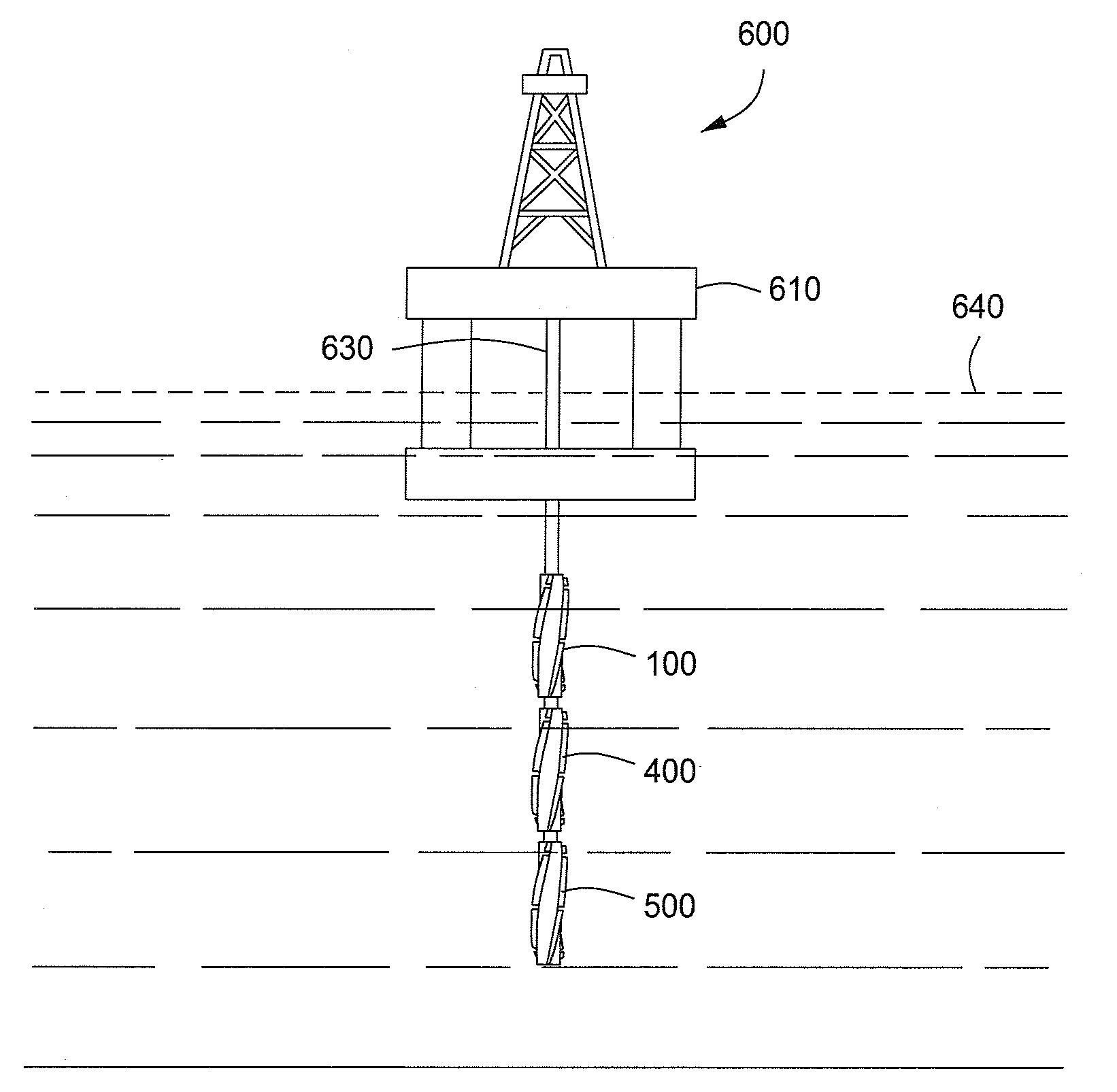
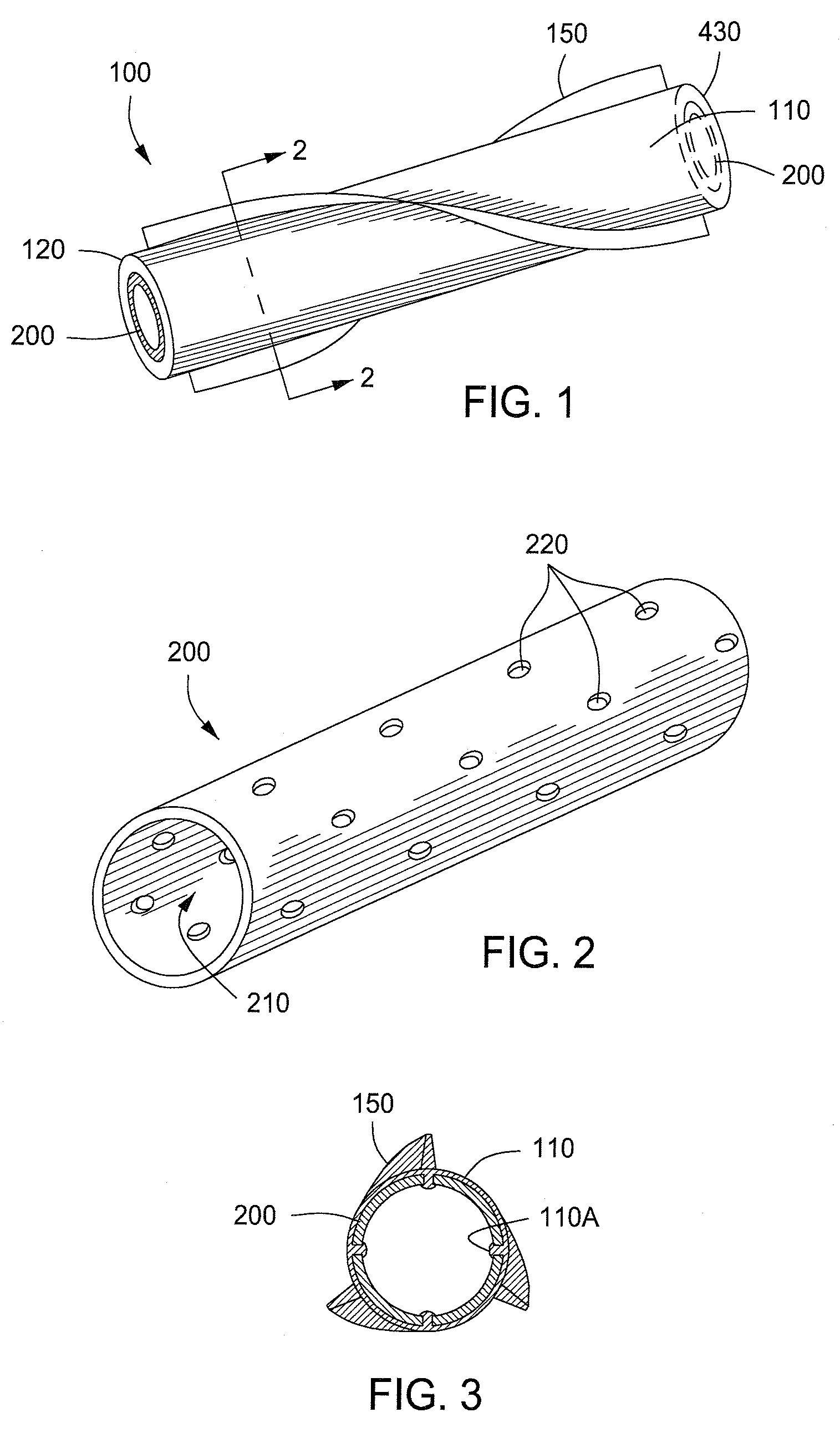
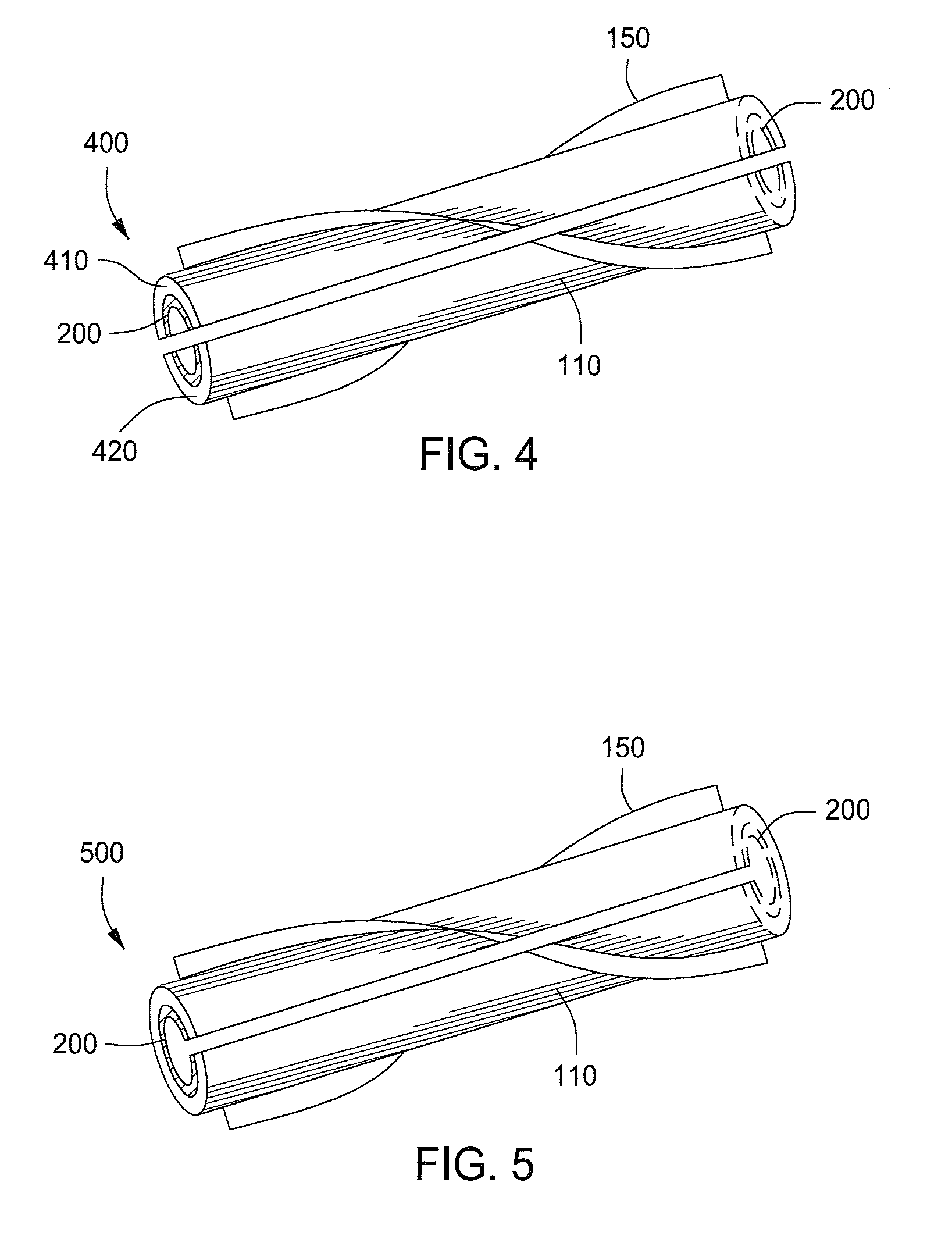
- A strake apparatus with a heavy inner body made of materials like metal or concrete, concentrically disposed within a lighter outer body, and equipped with helical fins to reduce drag and vibrations, is installed around marine elements.

The vibration isolation mount for the naval vessels
PatentActiveKR1020240067533A
Innovation
- An anti-vibration mount with a diamond-shaped structure comprising a center frame, side blocks, and elastic members, reinforced by binding means, which includes a horizontal buried plate and vertical coupling plates to enhance the bond between the rubber and metal components, effectively supporting and damping vibrations and shocks in all directions.


Maritime Safety Regulations for Naval Vessel Design
Maritime safety regulations for naval vessel design have evolved significantly to address the complex challenges of vortex-induced vibrations, establishing comprehensive frameworks that govern structural integrity and operational safety. The International Maritime Organization (IMO) has developed specific guidelines that mandate rigorous testing protocols for naval vessels, particularly focusing on flow-induced vibration phenomena that can compromise vessel stability and crew safety.
Current regulatory frameworks require naval architects to comply with classification society standards such as those established by Lloyd's Register, Det Norske Veritas, and the American Bureau of Shipping. These standards specifically address vortex shedding frequencies and their potential resonance with structural natural frequencies, mandating computational fluid dynamics analysis during the design phase to predict and mitigate vibration risks.
The SOLAS (Safety of Life at Sea) Convention has incorporated specific provisions for naval vessel structural design that directly impact vortex vibration management. These regulations require comprehensive vibration analysis for critical components including propeller shafts, rudders, and hull appendages where vortex formation is most prevalent. Design specifications must demonstrate adequate safety margins against resonance conditions across operational speed ranges.
Military naval standards, including MIL-STD-167 for mechanical vibrations and NATO STANAG agreements, establish stringent requirements for vibration control in naval platforms. These standards mandate specific testing procedures for vortex-induced vibration assessment, including model testing in controlled flow conditions and full-scale sea trials to validate design predictions.
Recent regulatory updates have emphasized the integration of advanced monitoring systems capable of real-time vibration detection and analysis. These requirements mandate the installation of sophisticated sensor networks that can identify vortex-induced vibration patterns and trigger appropriate mitigation responses, ensuring continuous compliance with safety thresholds during operational deployment.
Environmental protection regulations have also influenced naval vessel design standards, requiring optimization strategies that minimize wake turbulence and vortex formation to reduce marine ecosystem impact while maintaining structural integrity and operational effectiveness.
Current regulatory frameworks require naval architects to comply with classification society standards such as those established by Lloyd's Register, Det Norske Veritas, and the American Bureau of Shipping. These standards specifically address vortex shedding frequencies and their potential resonance with structural natural frequencies, mandating computational fluid dynamics analysis during the design phase to predict and mitigate vibration risks.
The SOLAS (Safety of Life at Sea) Convention has incorporated specific provisions for naval vessel structural design that directly impact vortex vibration management. These regulations require comprehensive vibration analysis for critical components including propeller shafts, rudders, and hull appendages where vortex formation is most prevalent. Design specifications must demonstrate adequate safety margins against resonance conditions across operational speed ranges.
Military naval standards, including MIL-STD-167 for mechanical vibrations and NATO STANAG agreements, establish stringent requirements for vibration control in naval platforms. These standards mandate specific testing procedures for vortex-induced vibration assessment, including model testing in controlled flow conditions and full-scale sea trials to validate design predictions.
Recent regulatory updates have emphasized the integration of advanced monitoring systems capable of real-time vibration detection and analysis. These requirements mandate the installation of sophisticated sensor networks that can identify vortex-induced vibration patterns and trigger appropriate mitigation responses, ensuring continuous compliance with safety thresholds during operational deployment.
Environmental protection regulations have also influenced naval vessel design standards, requiring optimization strategies that minimize wake turbulence and vortex formation to reduce marine ecosystem impact while maintaining structural integrity and operational effectiveness.
Environmental Impact of Naval Vibration Control Methods
Naval vibration control methods present significant environmental considerations that extend beyond vessel performance optimization. Traditional passive damping systems utilizing synthetic materials and heavy metal components contribute to marine pollution through material degradation and potential leaching of toxic substances into seawater. These conventional approaches often rely on non-biodegradable polymers and metallic alloys that pose long-term environmental risks when vessels reach end-of-life disposal phases.
Active vibration control systems, while more effective in managing vortex-induced oscillations, introduce electromagnetic interference concerns that can disrupt marine ecosystem navigation patterns. The electromagnetic fields generated by active control actuators may affect the migration routes of marine species that rely on Earth's magnetic field for orientation, particularly impacting cetaceans and migratory fish populations in naval operation zones.
Energy consumption represents another critical environmental factor in vibration control implementation. Advanced active control systems require substantial electrical power, increasing fuel consumption and consequently elevating greenhouse gas emissions from naval vessels. This energy demand conflicts with maritime industry sustainability goals and international emissions reduction targets, necessitating careful balance between operational effectiveness and environmental responsibility.
Acoustic pollution emerges as a particularly concerning environmental impact of certain vibration control methods. While these systems aim to reduce structural vibrations, some approaches inadvertently generate low-frequency noise that propagates through water over considerable distances. This acoustic contamination can disrupt marine mammal communication, feeding behaviors, and reproductive cycles, contributing to broader ocean noise pollution challenges.
Recent developments in bio-inspired vibration control materials offer promising environmental alternatives. These innovative approaches utilize biodegradable composites and biomimetic structures that minimize ecological impact while maintaining operational effectiveness. However, the manufacturing processes for these advanced materials often require energy-intensive production methods, creating upstream environmental costs that must be evaluated comprehensively.
The disposal and recycling challenges associated with vibration control systems demand immediate attention from naval engineering communities. Current disposal practices for decommissioned vibration control equipment lack standardized environmental protocols, leading to inconsistent waste management approaches across different naval organizations and potentially contributing to marine debris accumulation in shipyard vicinity waters.
Active vibration control systems, while more effective in managing vortex-induced oscillations, introduce electromagnetic interference concerns that can disrupt marine ecosystem navigation patterns. The electromagnetic fields generated by active control actuators may affect the migration routes of marine species that rely on Earth's magnetic field for orientation, particularly impacting cetaceans and migratory fish populations in naval operation zones.
Energy consumption represents another critical environmental factor in vibration control implementation. Advanced active control systems require substantial electrical power, increasing fuel consumption and consequently elevating greenhouse gas emissions from naval vessels. This energy demand conflicts with maritime industry sustainability goals and international emissions reduction targets, necessitating careful balance between operational effectiveness and environmental responsibility.
Acoustic pollution emerges as a particularly concerning environmental impact of certain vibration control methods. While these systems aim to reduce structural vibrations, some approaches inadvertently generate low-frequency noise that propagates through water over considerable distances. This acoustic contamination can disrupt marine mammal communication, feeding behaviors, and reproductive cycles, contributing to broader ocean noise pollution challenges.
Recent developments in bio-inspired vibration control materials offer promising environmental alternatives. These innovative approaches utilize biodegradable composites and biomimetic structures that minimize ecological impact while maintaining operational effectiveness. However, the manufacturing processes for these advanced materials often require energy-intensive production methods, creating upstream environmental costs that must be evaluated comprehensively.
The disposal and recycling challenges associated with vibration control systems demand immediate attention from naval engineering communities. Current disposal practices for decommissioned vibration control equipment lack standardized environmental protocols, leading to inconsistent waste management approaches across different naval organizations and potentially contributing to marine debris accumulation in shipyard vicinity waters.
Unlock deeper insights with PatSnap Eureka Quick Research — get a full tech report to explore trends and direct your research. Try now!
Generate Your Research Report Instantly with AI Agent
Supercharge your innovation with PatSnap Eureka AI Agent Platform!