

Optimizing Peristaltic Pump Flow for High Viscosity Liquids
MAR 13, 20269 MIN READ
Generate Your Research Report Instantly with AI Agent
PatSnap Eureka helps you evaluate technical feasibility & market potential.
Peristaltic Pump High Viscosity Flow Background and Objectives
Peristaltic pumps have emerged as critical fluid handling devices across numerous industrial applications due to their unique ability to provide contamination-free pumping through complete isolation of the fluid from pump components. The technology operates on the principle of progressive cavity displacement, where rotating rollers compress flexible tubing to create peristaltic waves that propel fluid forward. This mechanism has proven particularly valuable in pharmaceutical manufacturing, food processing, chemical handling, and biotechnology applications where maintaining fluid purity is paramount.
The evolution of peristaltic pump technology traces back to the 1930s, with significant advancements occurring throughout the latter half of the 20th century. Early developments focused primarily on basic flow control and tube longevity, while modern iterations have expanded to address complex fluid dynamics challenges. The technology has progressively evolved from simple laboratory dosing applications to sophisticated industrial systems capable of handling diverse fluid properties and demanding operational requirements.
Contemporary market demands have increasingly shifted toward processing high-viscosity fluids, presenting unique challenges that traditional peristaltic pump designs struggle to address effectively. High-viscosity liquids, typically defined as fluids with viscosities exceeding 1000 centipoise, exhibit significantly different flow characteristics compared to water-like fluids. These materials create substantial resistance to flow, generate higher pressure differentials, and often display non-Newtonian behavior that complicates predictable flow control.
The primary technical objectives for optimizing peristaltic pump performance with high-viscosity liquids encompass several critical areas. Flow rate consistency represents a fundamental challenge, as viscous fluids tend to create irregular flow patterns and pulsation effects that compromise process stability. Achieving predictable volumetric output across varying viscosity ranges requires sophisticated understanding of fluid-structure interactions within the pump mechanism.
Energy efficiency optimization constitutes another essential objective, as high-viscosity fluid pumping typically demands significantly higher power consumption compared to low-viscosity applications. The increased mechanical resistance necessitates enhanced motor capabilities and optimized roller configurations to minimize energy waste while maintaining adequate flow performance.
Tube life extension represents a critical economic and operational objective, given that high-viscosity fluids create elevated stress concentrations on pump tubing. The combination of increased internal pressure and mechanical compression forces accelerates tube fatigue, leading to premature failure and increased maintenance requirements. Developing solutions that balance flow optimization with tube longevity remains a key technical challenge requiring innovative approaches to materials science and mechanical design optimization.
The evolution of peristaltic pump technology traces back to the 1930s, with significant advancements occurring throughout the latter half of the 20th century. Early developments focused primarily on basic flow control and tube longevity, while modern iterations have expanded to address complex fluid dynamics challenges. The technology has progressively evolved from simple laboratory dosing applications to sophisticated industrial systems capable of handling diverse fluid properties and demanding operational requirements.
Contemporary market demands have increasingly shifted toward processing high-viscosity fluids, presenting unique challenges that traditional peristaltic pump designs struggle to address effectively. High-viscosity liquids, typically defined as fluids with viscosities exceeding 1000 centipoise, exhibit significantly different flow characteristics compared to water-like fluids. These materials create substantial resistance to flow, generate higher pressure differentials, and often display non-Newtonian behavior that complicates predictable flow control.
The primary technical objectives for optimizing peristaltic pump performance with high-viscosity liquids encompass several critical areas. Flow rate consistency represents a fundamental challenge, as viscous fluids tend to create irregular flow patterns and pulsation effects that compromise process stability. Achieving predictable volumetric output across varying viscosity ranges requires sophisticated understanding of fluid-structure interactions within the pump mechanism.
Energy efficiency optimization constitutes another essential objective, as high-viscosity fluid pumping typically demands significantly higher power consumption compared to low-viscosity applications. The increased mechanical resistance necessitates enhanced motor capabilities and optimized roller configurations to minimize energy waste while maintaining adequate flow performance.
Tube life extension represents a critical economic and operational objective, given that high-viscosity fluids create elevated stress concentrations on pump tubing. The combination of increased internal pressure and mechanical compression forces accelerates tube fatigue, leading to premature failure and increased maintenance requirements. Developing solutions that balance flow optimization with tube longevity remains a key technical challenge requiring innovative approaches to materials science and mechanical design optimization.
Market Demand for High Viscosity Fluid Handling Solutions
The global market for high viscosity fluid handling solutions has experienced substantial growth driven by expanding industrial applications across multiple sectors. Chemical processing industries represent the largest segment, where handling of polymers, resins, adhesives, and specialty chemicals requires precise flow control capabilities. These applications demand pumping systems that maintain consistent flow rates while preserving fluid integrity and preventing degradation of sensitive compounds.
Food and beverage manufacturing constitutes another significant market driver, particularly in processing viscous products such as sauces, syrups, dairy products, and confectionery materials. Regulatory compliance requirements in this sector emphasize hygienic design, easy cleaning protocols, and contamination prevention, making peristaltic pumps increasingly attractive due to their contained fluid path design.
Pharmaceutical and biotechnology industries present high-value market opportunities where precision dosing and sterile fluid transfer are critical. The handling of cell cultures, vaccine production materials, and active pharmaceutical ingredients requires pumping solutions that eliminate cross-contamination risks while maintaining accurate flow control across varying viscosity ranges.
The cosmetics and personal care sector drives demand through production of creams, lotions, gels, and other viscous formulations. Manufacturing processes require gentle handling to preserve product texture and consistency while achieving precise dispensing volumes for packaging operations.
Emerging applications in advanced materials manufacturing, including 3D printing with high-viscosity resins and composite material production, are creating new market segments. These applications often involve novel fluid formulations with unique rheological properties that challenge conventional pumping technologies.
Market growth is further accelerated by increasing automation in manufacturing processes, where consistent and repeatable fluid handling becomes essential for quality control and operational efficiency. Environmental regulations promoting closed-loop systems and waste reduction also favor peristaltic pump technologies due to their ability to handle aggressive chemicals without seal degradation.
Regional demand patterns show strong growth in Asia-Pacific markets driven by expanding manufacturing capabilities, while established markets in North America and Europe focus on technology upgrades and efficiency improvements. The trend toward smaller batch sizes and flexible manufacturing systems creates additional demand for adaptable pumping solutions capable of handling diverse fluid properties.
Food and beverage manufacturing constitutes another significant market driver, particularly in processing viscous products such as sauces, syrups, dairy products, and confectionery materials. Regulatory compliance requirements in this sector emphasize hygienic design, easy cleaning protocols, and contamination prevention, making peristaltic pumps increasingly attractive due to their contained fluid path design.
Pharmaceutical and biotechnology industries present high-value market opportunities where precision dosing and sterile fluid transfer are critical. The handling of cell cultures, vaccine production materials, and active pharmaceutical ingredients requires pumping solutions that eliminate cross-contamination risks while maintaining accurate flow control across varying viscosity ranges.
The cosmetics and personal care sector drives demand through production of creams, lotions, gels, and other viscous formulations. Manufacturing processes require gentle handling to preserve product texture and consistency while achieving precise dispensing volumes for packaging operations.
Emerging applications in advanced materials manufacturing, including 3D printing with high-viscosity resins and composite material production, are creating new market segments. These applications often involve novel fluid formulations with unique rheological properties that challenge conventional pumping technologies.
Market growth is further accelerated by increasing automation in manufacturing processes, where consistent and repeatable fluid handling becomes essential for quality control and operational efficiency. Environmental regulations promoting closed-loop systems and waste reduction also favor peristaltic pump technologies due to their ability to handle aggressive chemicals without seal degradation.
Regional demand patterns show strong growth in Asia-Pacific markets driven by expanding manufacturing capabilities, while established markets in North America and Europe focus on technology upgrades and efficiency improvements. The trend toward smaller batch sizes and flexible manufacturing systems creates additional demand for adaptable pumping solutions capable of handling diverse fluid properties.
Current Challenges in Peristaltic Pumping of Viscous Fluids
Peristaltic pumps face significant operational challenges when handling high viscosity liquids, primarily due to the fundamental mismatch between their design principles and the fluid dynamics of viscous media. The most critical challenge stems from increased flow resistance, where viscous fluids create substantially higher pressure drops across the pump tubing, leading to reduced flow rates and compromised pumping efficiency.
Tube deformation represents another major obstacle in viscous fluid applications. High viscosity liquids require greater compression forces to achieve adequate flow, which accelerates tube wear and increases the risk of premature failure. The elastic recovery of pump tubing becomes compromised when handling viscous media, as the increased internal pressure and slower fluid movement prevent complete tube restoration between compression cycles.
Flow pulsation issues are amplified when pumping viscous fluids, as the inherent pulsating nature of peristaltic pumps becomes more pronounced with higher viscosity media. This results in irregular flow patterns that can be problematic for applications requiring consistent fluid delivery. The pulsation effect is further exacerbated by the tendency of viscous fluids to maintain their flow momentum, creating pressure surges and flow irregularities.
Temperature sensitivity poses additional complications, as many high viscosity fluids exhibit significant viscosity variations with temperature changes. This creates operational challenges in maintaining consistent flow rates across different environmental conditions and can lead to unpredictable pump performance during extended operation periods.
Cavitation and air entrainment issues become more prevalent with viscous fluids due to their slower flow characteristics and tendency to trap air bubbles. These trapped air pockets can cause flow interruptions and reduce overall pumping efficiency, while also potentially damaging sensitive downstream equipment.
The challenge of achieving optimal occlusion settings becomes more complex with viscous fluids, as operators must balance between sufficient compression to maintain flow and excessive compression that accelerates tube degradation. This delicate balance is further complicated by the varying viscosity characteristics of different fluid types and operating conditions.
Tube deformation represents another major obstacle in viscous fluid applications. High viscosity liquids require greater compression forces to achieve adequate flow, which accelerates tube wear and increases the risk of premature failure. The elastic recovery of pump tubing becomes compromised when handling viscous media, as the increased internal pressure and slower fluid movement prevent complete tube restoration between compression cycles.
Flow pulsation issues are amplified when pumping viscous fluids, as the inherent pulsating nature of peristaltic pumps becomes more pronounced with higher viscosity media. This results in irregular flow patterns that can be problematic for applications requiring consistent fluid delivery. The pulsation effect is further exacerbated by the tendency of viscous fluids to maintain their flow momentum, creating pressure surges and flow irregularities.
Temperature sensitivity poses additional complications, as many high viscosity fluids exhibit significant viscosity variations with temperature changes. This creates operational challenges in maintaining consistent flow rates across different environmental conditions and can lead to unpredictable pump performance during extended operation periods.
Cavitation and air entrainment issues become more prevalent with viscous fluids due to their slower flow characteristics and tendency to trap air bubbles. These trapped air pockets can cause flow interruptions and reduce overall pumping efficiency, while also potentially damaging sensitive downstream equipment.
The challenge of achieving optimal occlusion settings becomes more complex with viscous fluids, as operators must balance between sufficient compression to maintain flow and excessive compression that accelerates tube degradation. This delicate balance is further complicated by the varying viscosity characteristics of different fluid types and operating conditions.
Current Flow Optimization Solutions for High Viscosity Pumping
01 Flow rate control mechanisms in peristaltic pumps
Various mechanisms have been developed to control and regulate the flow rate in peristaltic pumps. These include adjustable compression systems, variable speed motors, and feedback control systems that monitor and adjust the pumping action. Advanced control algorithms can maintain consistent flow rates despite variations in tubing properties or fluid viscosity. Electronic controllers and sensors enable precise flow rate adjustments for different applications requiring accurate fluid delivery.- Flow rate control mechanisms in peristaltic pumps: Various mechanisms have been developed to control and regulate the flow rate in peristaltic pumps. These include adjustable compression systems, variable speed motors, and feedback control systems that monitor and adjust the pumping action. Advanced control algorithms can maintain consistent flow rates despite variations in tube properties or fluid viscosity. Electronic controllers and sensors enable precise flow rate adjustments for different applications requiring accurate fluid delivery.
- Tube and roller configuration designs: The configuration of tubes and rollers significantly impacts peristaltic pump performance. Innovations include optimized roller arrangements, improved tube materials with enhanced durability, and specialized geometries that reduce pulsation and increase flow uniformity. Multi-roller designs and eccentric cam mechanisms provide smoother fluid delivery. Advanced tube retention systems ensure consistent compression and prevent tube slippage during operation, extending service life and maintaining flow accuracy.
- Pulsation reduction and flow smoothing technologies: Technologies have been developed to minimize flow pulsation inherent in peristaltic pumping. These include dampening chambers, multiple pump head configurations operating in phase-shifted sequences, and specialized valve arrangements. Compliant tubing sections and pressure stabilization systems help achieve more continuous flow profiles. Software-based compensation algorithms can also adjust pump speed dynamically to reduce pulsation effects in sensitive applications.
- Flow monitoring and measurement systems: Integrated flow monitoring systems provide real-time feedback on peristaltic pump performance. These systems employ various sensing technologies including ultrasonic, optical, and pressure-based sensors to measure actual flow rates. Data acquisition systems enable continuous monitoring and logging of flow parameters. Closed-loop control systems use this feedback to automatically adjust pump operation, compensating for tube wear, fluid property changes, or system pressure variations to maintain target flow rates.
- Multi-channel and high-precision dosing applications: Specialized peristaltic pump designs enable simultaneous control of multiple fluid channels with independent flow rates. These systems are particularly useful for applications requiring precise dosing or mixing of multiple fluids. Miniaturized pump heads and micro-tubing configurations allow for very low flow rates with high accuracy. Programmable dispensing sequences and synchronized multi-pump operations enable complex fluid handling protocols in laboratory, medical, and industrial applications.
02 Tubing and roller design optimization
The design of tubing materials and roller configurations significantly impacts pump performance and flow characteristics. Innovations include specialized tubing materials with enhanced durability and elasticity, optimized roller geometries for uniform compression, and multi-roller arrangements that reduce pulsation. The relationship between roller diameter, tubing wall thickness, and compression depth is critical for achieving smooth, consistent flow while minimizing tubing wear and extending service life.Expand Specific Solutions03 Pulsation reduction and flow smoothing techniques
Methods to minimize flow pulsation inherent in peristaltic pumping include multiple roller head designs, dampening chambers, and synchronized multi-pump systems. These approaches create overlapping compression zones that maintain more constant pressure and reduce flow variations. Software-based compensation algorithms can also adjust motor speed dynamically to counteract pulsation effects, resulting in smoother fluid delivery for sensitive applications.Expand Specific Solutions04 Flow measurement and monitoring systems
Integrated flow measurement technologies enable real-time monitoring and verification of peristaltic pump output. These systems incorporate various sensing methods including ultrasonic, optical, and pressure-based sensors to accurately measure flow rates without contacting the fluid. Data logging capabilities and alarm functions alert operators to flow deviations, blockages, or tubing failures, ensuring process reliability and enabling predictive maintenance.Expand Specific Solutions05 Multi-channel and high-precision dosing applications
Advanced peristaltic pump systems feature multiple independent channels for simultaneous delivery of different fluids with precise flow control. These designs incorporate individual motor controls, synchronized operation modes, and calibration systems for each channel. High-precision dosing capabilities enable accurate delivery of small volumes for laboratory, medical, and industrial applications where exact fluid ratios and reproducible flow rates are essential.Expand Specific Solutions
Key Players in Peristaltic Pump and Fluid Handling Industry
The peristaltic pump optimization for high viscosity liquids represents a mature yet evolving market segment within the broader fluid handling industry. The competitive landscape spans multiple sectors including medical devices, industrial processing, and laboratory equipment, with market participants ranging from established multinational corporations to specialized pump manufacturers. Key players like Graco Minnesota and KSB SE demonstrate strong industrial pump capabilities, while medical device leaders such as Baxter International, Fresenius Medical Care, and Berlin Heart leverage peristaltic technology for critical healthcare applications. Specialized manufacturers including Baoding Shenchen Pump Industry and ZEVEX focus specifically on precision fluid delivery systems. The technology maturity varies across applications, with medical and pharmaceutical uses showing advanced development due to stringent regulatory requirements, while industrial applications continue evolving to handle increasingly challenging high-viscosity materials. This diverse ecosystem reflects the technology's broad applicability and ongoing innovation potential.
Graco Minnesota, Inc.
Technical Solution: Graco has developed advanced peristaltic pump systems specifically designed for high viscosity fluid handling applications. Their technology incorporates precision-engineered roller mechanisms with optimized compression ratios to maintain consistent flow rates even with viscous materials up to 100,000 cP. The company's pumps feature variable speed control systems that automatically adjust pumping rates based on fluid viscosity feedback, ensuring optimal flow characteristics. Their proprietary tube materials are designed to withstand the increased pressure requirements of high viscosity applications while maintaining flexibility for extended operational life.
Strengths: Industry-leading expertise in fluid handling equipment with robust high-viscosity solutions. Weaknesses: Higher initial investment costs compared to standard peristaltic pumps.
Baxter International, Inc.
Technical Solution: Baxter has developed sophisticated peristaltic pump technology for medical applications involving high viscosity fluids such as blood products and pharmaceutical solutions. Their systems utilize advanced pressure sensing algorithms that monitor tube compression and automatically adjust roller positioning to maintain consistent flow rates. The pumps incorporate multi-channel designs allowing simultaneous handling of different viscosity fluids with independent flow control. Their technology includes specialized tubing materials with enhanced elasticity properties specifically formulated for high viscosity applications, reducing the risk of tube fatigue and ensuring reliable long-term performance in critical medical procedures.
Strengths: Proven reliability in critical medical applications with FDA-approved systems for high viscosity fluid handling. Weaknesses: Limited to medical applications, may not be suitable for industrial high-viscosity processes.
Core Patents in Viscous Fluid Peristaltic Pump Design
Peristaltic pump having an adaptive variable speed control
PatentActiveEP1835179A1
Innovation
- A peristaltic pump with an adaptive pulsation profile is achieved through a variable speed control mechanism that accelerates roller rotation during minimum flow points and decelerates during maximum flow points, using a stepper or D.C. servo motor and an elastomeric sheet with a molded fluid channel, allowing for real-time adjustment based on pressure and flow data from sensors.


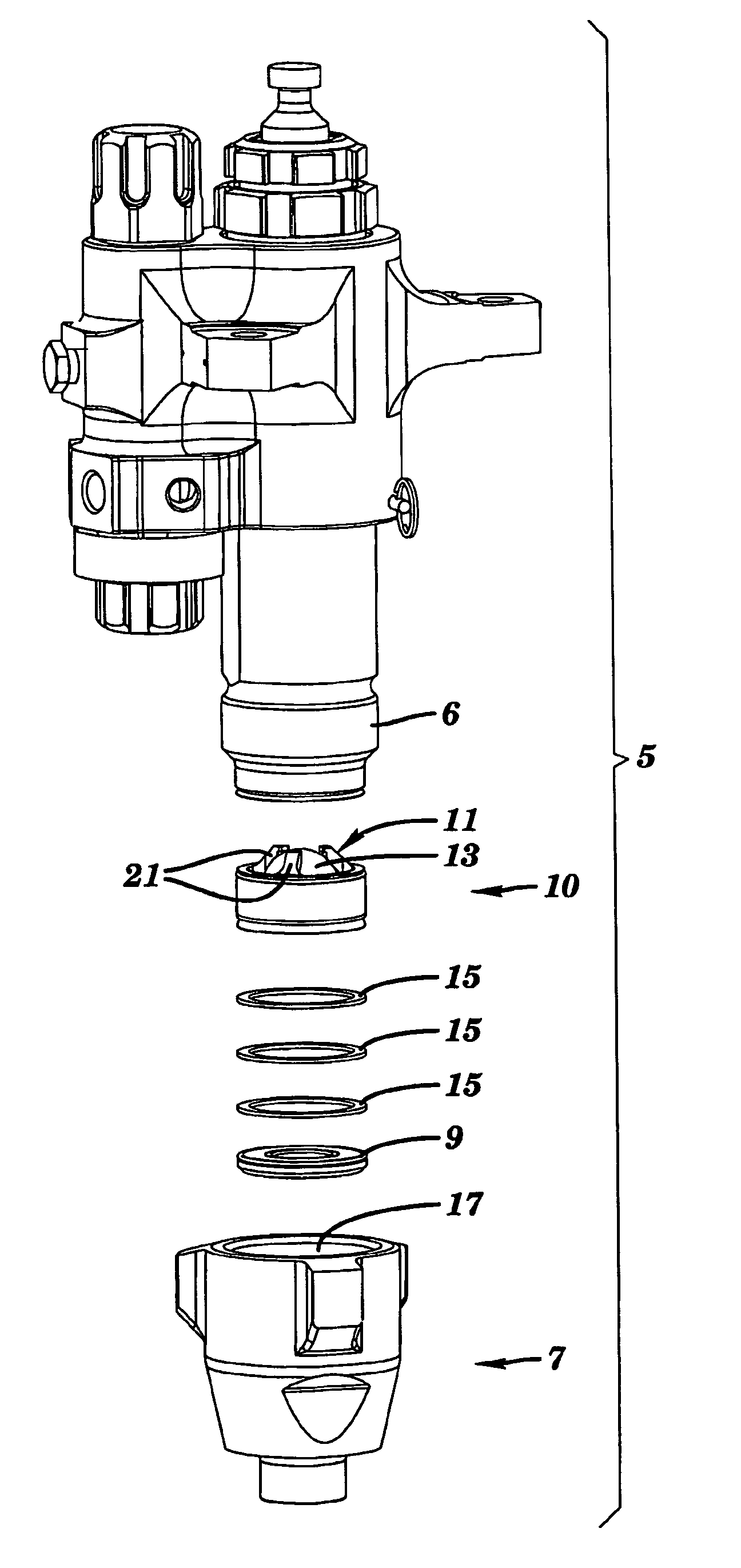
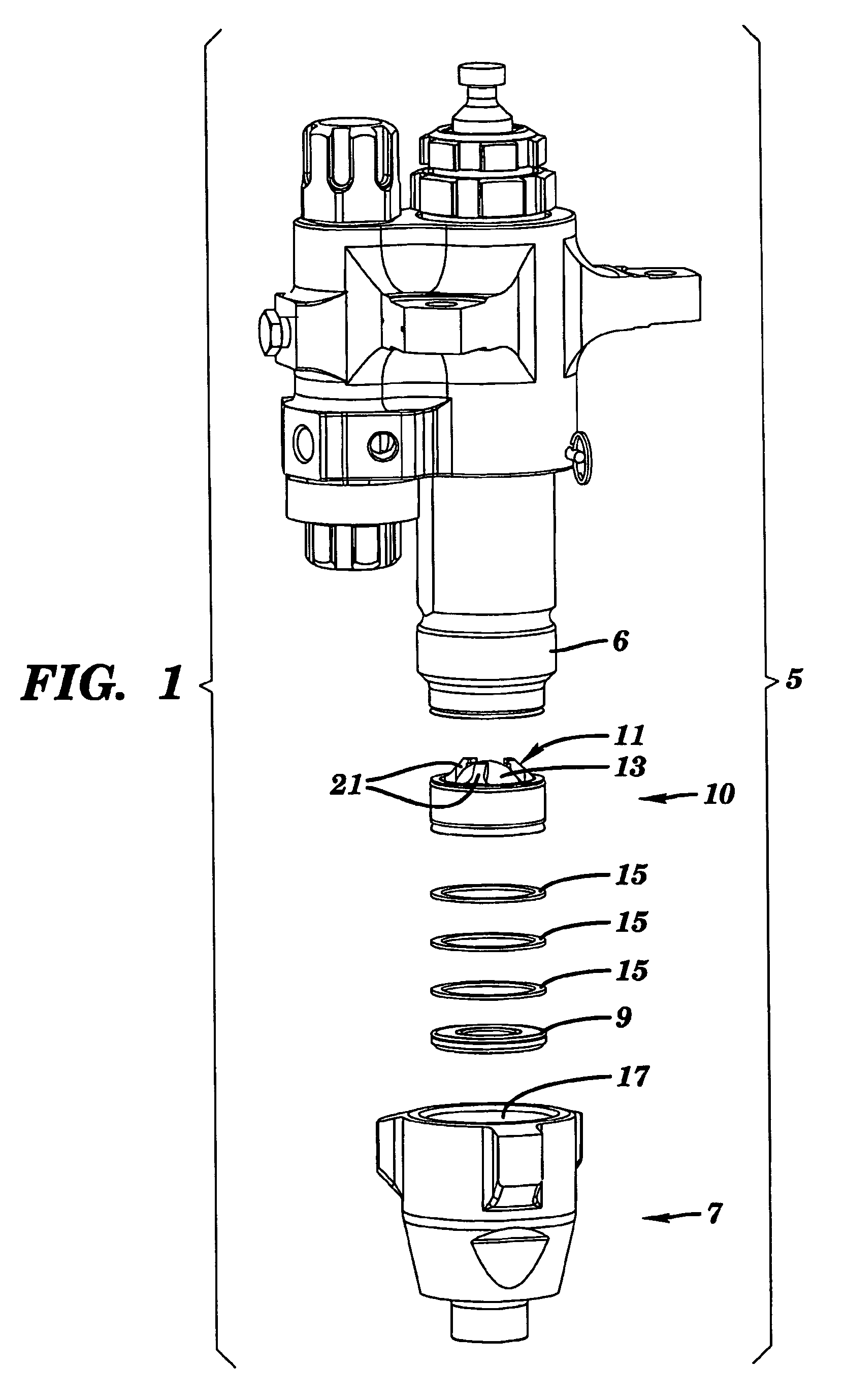
Reciprocating piston pump adjustable inlet ball travel
PatentInactiveUS7025087B2
Innovation
- The ability to adjust the ball travel within the pump by using adjustable shims above or below the check valve to vary the opening size, accommodating different viscosities and maintaining constant internal pressure.
Industrial Safety Standards for High Viscosity Pump Systems
Industrial safety standards for high viscosity pump systems represent a critical framework governing the design, installation, operation, and maintenance of peristaltic pumps handling viscous fluids. These standards have evolved significantly over the past decade, driven by increasing industrial applications in pharmaceuticals, food processing, chemical manufacturing, and biotechnology sectors where viscous liquid handling poses unique safety challenges.
The primary safety standards applicable to high viscosity peristaltic pump systems include ISO 14122 for machinery safety, ANSI/HI 14.6 for rotary pump standards, and ATEX directives for explosive atmosphere applications. Additionally, industry-specific regulations such as FDA 21 CFR Part 820 for medical device manufacturing and EHEDG guidelines for hygienic equipment design establish stringent requirements for pump systems handling viscous biological or pharmaceutical fluids.
Key safety considerations encompass pressure containment protocols, given that high viscosity fluids require elevated pressures for effective pumping. Standards mandate pressure relief systems, burst disc installations, and regular pressure testing procedures. Temperature management represents another critical aspect, as viscous fluids often require heating, necessitating thermal safety interlocks and emergency shutdown systems to prevent overheating incidents.
Material compatibility standards ensure that pump components, particularly tubing and seals, maintain chemical resistance when exposed to aggressive viscous media. Standards specify testing protocols for material degradation, permeation rates, and long-term compatibility assessments. This is particularly crucial for peristaltic pumps where tubing failure can result in hazardous fluid exposure.
Electrical safety standards address motor protection, control system reliability, and hazardous area classifications. For viscous fluid applications, standards require enhanced motor protection due to increased torque demands and potential overload conditions. Emergency stop systems, fail-safe valve positioning, and redundant safety circuits are mandated for critical applications.
Maintenance safety protocols establish procedures for safe pump disassembly, cleaning validation, and component replacement. These standards are particularly stringent for high viscosity applications due to increased wear rates and potential for fluid retention in system components, requiring specialized cleaning and decontamination procedures.
The primary safety standards applicable to high viscosity peristaltic pump systems include ISO 14122 for machinery safety, ANSI/HI 14.6 for rotary pump standards, and ATEX directives for explosive atmosphere applications. Additionally, industry-specific regulations such as FDA 21 CFR Part 820 for medical device manufacturing and EHEDG guidelines for hygienic equipment design establish stringent requirements for pump systems handling viscous biological or pharmaceutical fluids.
Key safety considerations encompass pressure containment protocols, given that high viscosity fluids require elevated pressures for effective pumping. Standards mandate pressure relief systems, burst disc installations, and regular pressure testing procedures. Temperature management represents another critical aspect, as viscous fluids often require heating, necessitating thermal safety interlocks and emergency shutdown systems to prevent overheating incidents.
Material compatibility standards ensure that pump components, particularly tubing and seals, maintain chemical resistance when exposed to aggressive viscous media. Standards specify testing protocols for material degradation, permeation rates, and long-term compatibility assessments. This is particularly crucial for peristaltic pumps where tubing failure can result in hazardous fluid exposure.
Electrical safety standards address motor protection, control system reliability, and hazardous area classifications. For viscous fluid applications, standards require enhanced motor protection due to increased torque demands and potential overload conditions. Emergency stop systems, fail-safe valve positioning, and redundant safety circuits are mandated for critical applications.
Maintenance safety protocols establish procedures for safe pump disassembly, cleaning validation, and component replacement. These standards are particularly stringent for high viscosity applications due to increased wear rates and potential for fluid retention in system components, requiring specialized cleaning and decontamination procedures.
Energy Efficiency Considerations in Viscous Fluid Pumping
Energy efficiency represents a critical performance parameter in peristaltic pump operations for high viscosity fluids, directly impacting operational costs and system sustainability. The inherent characteristics of viscous fluids create substantial resistance to flow, requiring significantly higher energy input compared to low-viscosity applications. This energy demand stems from the increased mechanical work needed to overcome fluid resistance and maintain desired flow rates.
The relationship between fluid viscosity and energy consumption follows a non-linear pattern, where doubling viscosity can result in exponentially higher power requirements. Peristaltic pumps face particular challenges in this regard due to their positive displacement mechanism, which must generate sufficient pressure differential to move viscous media through the tubing system. The occlusion process itself becomes more energy-intensive as roller assemblies encounter greater resistance from compressed tubing containing high-viscosity fluids.
Motor efficiency optimization emerges as a primary consideration, with variable frequency drives offering significant advantages over fixed-speed configurations. These systems enable precise speed control, allowing operators to match pump output to actual demand while minimizing energy waste during low-flow periods. Advanced motor technologies, including permanent magnet synchronous motors and high-efficiency induction motors, demonstrate superior performance characteristics when handling viscous fluid applications.
Tubing selection profoundly influences energy efficiency through its impact on compression forces and flow resistance. Optimized tubing materials with appropriate durometer ratings reduce the mechanical energy required for complete occlusion while maintaining adequate flow characteristics. The tubing inner diameter and wall thickness must be carefully balanced to minimize pressure losses without compromising pump performance or increasing compression energy requirements.
System-level energy optimization involves comprehensive evaluation of pump head configurations, including inlet and outlet manifold designs that minimize turbulence and pressure drops. Preheating systems for temperature-sensitive viscous fluids can dramatically reduce viscosity and associated pumping energy, though the overall energy balance must account for heating costs versus pumping efficiency gains.
Predictive maintenance strategies contribute significantly to sustained energy efficiency by ensuring optimal roller alignment, tubing condition, and motor performance. Real-time monitoring systems that track power consumption patterns enable early detection of efficiency degradation, facilitating proactive maintenance interventions before significant energy penalties occur.
The relationship between fluid viscosity and energy consumption follows a non-linear pattern, where doubling viscosity can result in exponentially higher power requirements. Peristaltic pumps face particular challenges in this regard due to their positive displacement mechanism, which must generate sufficient pressure differential to move viscous media through the tubing system. The occlusion process itself becomes more energy-intensive as roller assemblies encounter greater resistance from compressed tubing containing high-viscosity fluids.
Motor efficiency optimization emerges as a primary consideration, with variable frequency drives offering significant advantages over fixed-speed configurations. These systems enable precise speed control, allowing operators to match pump output to actual demand while minimizing energy waste during low-flow periods. Advanced motor technologies, including permanent magnet synchronous motors and high-efficiency induction motors, demonstrate superior performance characteristics when handling viscous fluid applications.
Tubing selection profoundly influences energy efficiency through its impact on compression forces and flow resistance. Optimized tubing materials with appropriate durometer ratings reduce the mechanical energy required for complete occlusion while maintaining adequate flow characteristics. The tubing inner diameter and wall thickness must be carefully balanced to minimize pressure losses without compromising pump performance or increasing compression energy requirements.
System-level energy optimization involves comprehensive evaluation of pump head configurations, including inlet and outlet manifold designs that minimize turbulence and pressure drops. Preheating systems for temperature-sensitive viscous fluids can dramatically reduce viscosity and associated pumping energy, though the overall energy balance must account for heating costs versus pumping efficiency gains.
Predictive maintenance strategies contribute significantly to sustained energy efficiency by ensuring optimal roller alignment, tubing condition, and motor performance. Real-time monitoring systems that track power consumption patterns enable early detection of efficiency degradation, facilitating proactive maintenance interventions before significant energy penalties occur.
Unlock deeper insights with PatSnap Eureka Quick Research — get a full tech report to explore trends and direct your research. Try now!
Generate Your Research Report Instantly with AI Agent
Supercharge your innovation with PatSnap Eureka AI Agent Platform!