

Optimizing Persistent Memory for High-Throughput Workloads in HPC
MAY 13, 20269 MIN READ
Generate Your Research Report Instantly with AI Agent
PatSnap Eureka helps you evaluate technical feasibility & market potential.
Persistent Memory HPC Evolution and Optimization Goals
Persistent memory technology has undergone significant evolution since its conceptual inception in the early 2000s, transitioning from theoretical storage-class memory concepts to commercially viable solutions. The journey began with academic research exploring non-volatile memory technologies, including phase-change memory, resistive RAM, and 3D XPoint technology. Intel's introduction of Optane DC Persistent Memory in 2019 marked a pivotal milestone, bringing persistent memory from laboratory environments into production HPC systems.
The evolution trajectory demonstrates a clear progression from basic non-volatile storage to sophisticated memory-storage hybrid architectures. Early implementations focused primarily on storage acceleration, while contemporary developments emphasize memory-centric computing paradigms. This shift reflects the growing recognition that traditional memory hierarchies create bottlenecks in data-intensive HPC applications, particularly those requiring rapid access to large datasets exceeding DRAM capacity limitations.
Current persistent memory technologies exhibit unique characteristics that distinguish them from conventional memory and storage solutions. Unlike traditional DRAM, persistent memory retains data across power cycles while providing byte-addressable access patterns. However, performance asymmetries exist between read and write operations, with write latencies typically 2-3 times higher than reads. These characteristics necessitate specialized optimization strategies for HPC workloads that demand consistent high-throughput performance.
The primary optimization goals for persistent memory in HPC environments center on maximizing bandwidth utilization while minimizing latency penalties. Key objectives include developing efficient data placement strategies that leverage persistent memory's unique properties, implementing intelligent caching mechanisms that optimize hot data placement, and creating workload-aware memory management systems. Additionally, optimizing for wear leveling and endurance management ensures long-term reliability in demanding HPC environments.
Future optimization targets focus on achieving near-DRAM performance levels while maintaining persistent memory's capacity advantages. This includes developing advanced memory controllers capable of predictive prefetching, implementing hardware-accelerated compression techniques to increase effective capacity, and creating adaptive memory allocation algorithms that dynamically adjust to workload characteristics. The ultimate goal involves seamlessly integrating persistent memory into existing HPC software stacks while maximizing application performance and system efficiency.
The evolution trajectory demonstrates a clear progression from basic non-volatile storage to sophisticated memory-storage hybrid architectures. Early implementations focused primarily on storage acceleration, while contemporary developments emphasize memory-centric computing paradigms. This shift reflects the growing recognition that traditional memory hierarchies create bottlenecks in data-intensive HPC applications, particularly those requiring rapid access to large datasets exceeding DRAM capacity limitations.
Current persistent memory technologies exhibit unique characteristics that distinguish them from conventional memory and storage solutions. Unlike traditional DRAM, persistent memory retains data across power cycles while providing byte-addressable access patterns. However, performance asymmetries exist between read and write operations, with write latencies typically 2-3 times higher than reads. These characteristics necessitate specialized optimization strategies for HPC workloads that demand consistent high-throughput performance.
The primary optimization goals for persistent memory in HPC environments center on maximizing bandwidth utilization while minimizing latency penalties. Key objectives include developing efficient data placement strategies that leverage persistent memory's unique properties, implementing intelligent caching mechanisms that optimize hot data placement, and creating workload-aware memory management systems. Additionally, optimizing for wear leveling and endurance management ensures long-term reliability in demanding HPC environments.
Future optimization targets focus on achieving near-DRAM performance levels while maintaining persistent memory's capacity advantages. This includes developing advanced memory controllers capable of predictive prefetching, implementing hardware-accelerated compression techniques to increase effective capacity, and creating adaptive memory allocation algorithms that dynamically adjust to workload characteristics. The ultimate goal involves seamlessly integrating persistent memory into existing HPC software stacks while maximizing application performance and system efficiency.
Market Demand for High-Throughput HPC Memory Solutions
The high-performance computing market is experiencing unprecedented growth driven by the exponential increase in data-intensive applications across scientific research, artificial intelligence, and enterprise analytics. Traditional memory hierarchies are increasingly inadequate for handling the massive datasets and complex computational workloads that characterize modern HPC environments. This performance gap has created substantial market demand for innovative memory solutions that can bridge the latency and capacity divide between volatile DRAM and non-volatile storage systems.
Scientific computing institutions, national laboratories, and research universities represent primary demand drivers for high-throughput HPC memory solutions. These organizations require sustained memory bandwidth for applications including climate modeling, genomic sequencing, particle physics simulations, and materials science research. The computational intensity of these workloads necessitates memory systems capable of maintaining consistent performance under sustained high-throughput conditions while managing datasets that exceed traditional memory capacity limitations.
The artificial intelligence and machine learning sectors constitute another significant demand segment, particularly for training large-scale neural networks and processing massive datasets. Deep learning frameworks require memory systems that can efficiently handle both the high-bandwidth requirements of matrix operations and the persistent storage needs of model checkpointing and dataset caching. The growing complexity of AI models and the increasing size of training datasets continue to drive demand for memory solutions that combine high throughput with large capacity.
Enterprise HPC applications in financial modeling, oil and gas exploration, pharmaceutical research, and automotive design simulation represent substantial commercial demand. These sectors require memory solutions that can support real-time analytics, complex simulations, and data-intensive processing while maintaining cost-effectiveness and operational reliability. The increasing adoption of cloud-based HPC services has further amplified demand for scalable, high-performance memory architectures.
Emerging applications in quantum computing simulation, edge computing, and real-time data analytics are creating new market segments with specific requirements for low-latency, high-throughput memory solutions. These applications demand memory systems that can support both traditional HPC workloads and specialized computational patterns, driving innovation in persistent memory technologies and hybrid memory architectures that optimize for diverse performance characteristics.
Scientific computing institutions, national laboratories, and research universities represent primary demand drivers for high-throughput HPC memory solutions. These organizations require sustained memory bandwidth for applications including climate modeling, genomic sequencing, particle physics simulations, and materials science research. The computational intensity of these workloads necessitates memory systems capable of maintaining consistent performance under sustained high-throughput conditions while managing datasets that exceed traditional memory capacity limitations.
The artificial intelligence and machine learning sectors constitute another significant demand segment, particularly for training large-scale neural networks and processing massive datasets. Deep learning frameworks require memory systems that can efficiently handle both the high-bandwidth requirements of matrix operations and the persistent storage needs of model checkpointing and dataset caching. The growing complexity of AI models and the increasing size of training datasets continue to drive demand for memory solutions that combine high throughput with large capacity.
Enterprise HPC applications in financial modeling, oil and gas exploration, pharmaceutical research, and automotive design simulation represent substantial commercial demand. These sectors require memory solutions that can support real-time analytics, complex simulations, and data-intensive processing while maintaining cost-effectiveness and operational reliability. The increasing adoption of cloud-based HPC services has further amplified demand for scalable, high-performance memory architectures.
Emerging applications in quantum computing simulation, edge computing, and real-time data analytics are creating new market segments with specific requirements for low-latency, high-throughput memory solutions. These applications demand memory systems that can support both traditional HPC workloads and specialized computational patterns, driving innovation in persistent memory technologies and hybrid memory architectures that optimize for diverse performance characteristics.
Current State and Bottlenecks of Persistent Memory in HPC
Persistent memory technologies have achieved significant maturity in recent years, with Intel's Optane DC Persistent Memory leading commercial adoption in HPC environments. Current implementations primarily utilize 3D XPoint technology, offering byte-addressable storage with latencies substantially lower than traditional NAND flash but higher than DRAM. Major HPC centers worldwide have deployed persistent memory solutions, with installations ranging from research clusters to production supercomputing facilities.
The technology landscape reveals a heterogeneous deployment pattern across different geographical regions. North American and European HPC facilities demonstrate higher adoption rates, particularly in national laboratories and academic research centers. Asian markets show growing interest, with significant investments in persistent memory infrastructure for AI and scientific computing workloads. However, deployment density remains limited compared to traditional memory hierarchies.
Performance characteristics of current persistent memory solutions present both opportunities and limitations for high-throughput HPC workloads. Read latencies typically range from 300-400 nanoseconds, approximately 3-4 times slower than DRAM, while write operations exhibit even higher latencies. Bandwidth capabilities reach up to 6.8 GB/s per DIMM, which constrains throughput-intensive applications requiring sustained high-bandwidth memory access patterns.
Several critical bottlenecks impede optimal performance in HPC environments. Memory access patterns in scientific computing often involve irregular data structures and non-sequential access, which exacerbate persistent memory's inherent latency penalties. The asymmetric read-write performance characteristics create additional challenges for applications with balanced I/O requirements. Furthermore, wear leveling mechanisms and error correction overhead introduce unpredictable performance variations that affect deterministic execution requirements.
Software stack limitations represent another significant constraint. Current programming models and runtime systems lack sophisticated optimization frameworks specifically designed for persistent memory characteristics. Memory management overhead, particularly in garbage collection and allocation strategies, fails to account for the unique performance profile of persistent storage technologies.
Thermal management and power consumption issues further complicate deployment scenarios. Persistent memory modules generate substantial heat under sustained high-throughput operations, requiring enhanced cooling solutions that increase operational costs. Power efficiency, while improved compared to traditional storage, remains suboptimal for energy-constrained HPC environments where performance-per-watt metrics are critical.
Integration challenges with existing HPC software ecosystems persist, as many applications require significant modifications to leverage persistent memory effectively. Legacy code bases struggle to adapt to new memory models, while emerging applications lack mature development frameworks optimized for persistent memory architectures.
The technology landscape reveals a heterogeneous deployment pattern across different geographical regions. North American and European HPC facilities demonstrate higher adoption rates, particularly in national laboratories and academic research centers. Asian markets show growing interest, with significant investments in persistent memory infrastructure for AI and scientific computing workloads. However, deployment density remains limited compared to traditional memory hierarchies.
Performance characteristics of current persistent memory solutions present both opportunities and limitations for high-throughput HPC workloads. Read latencies typically range from 300-400 nanoseconds, approximately 3-4 times slower than DRAM, while write operations exhibit even higher latencies. Bandwidth capabilities reach up to 6.8 GB/s per DIMM, which constrains throughput-intensive applications requiring sustained high-bandwidth memory access patterns.
Several critical bottlenecks impede optimal performance in HPC environments. Memory access patterns in scientific computing often involve irregular data structures and non-sequential access, which exacerbate persistent memory's inherent latency penalties. The asymmetric read-write performance characteristics create additional challenges for applications with balanced I/O requirements. Furthermore, wear leveling mechanisms and error correction overhead introduce unpredictable performance variations that affect deterministic execution requirements.
Software stack limitations represent another significant constraint. Current programming models and runtime systems lack sophisticated optimization frameworks specifically designed for persistent memory characteristics. Memory management overhead, particularly in garbage collection and allocation strategies, fails to account for the unique performance profile of persistent storage technologies.
Thermal management and power consumption issues further complicate deployment scenarios. Persistent memory modules generate substantial heat under sustained high-throughput operations, requiring enhanced cooling solutions that increase operational costs. Power efficiency, while improved compared to traditional storage, remains suboptimal for energy-constrained HPC environments where performance-per-watt metrics are critical.
Integration challenges with existing HPC software ecosystems persist, as many applications require significant modifications to leverage persistent memory effectively. Legacy code bases struggle to adapt to new memory models, while emerging applications lack mature development frameworks optimized for persistent memory architectures.
Existing Solutions for PM Optimization in HPC Workloads
01 Memory access optimization techniques
Various techniques are employed to optimize memory access patterns and reduce latency in persistent memory systems. These methods include prefetching strategies, cache management algorithms, and memory controller optimizations that enhance data retrieval efficiency. Advanced scheduling algorithms and buffer management techniques are implemented to minimize access conflicts and improve overall system performance.- Memory access optimization techniques: Various techniques are employed to optimize memory access patterns and reduce latency in persistent memory systems. These methods focus on improving data locality, reducing memory fragmentation, and implementing efficient caching mechanisms to enhance overall system performance. Advanced algorithms are used to predict and prefetch data, minimizing wait times and maximizing throughput efficiency.
- Data management and storage architectures: Specialized data management systems and storage architectures are designed to handle persistent memory operations efficiently. These solutions implement sophisticated data structures, indexing mechanisms, and storage layouts that are optimized for the unique characteristics of persistent memory technologies. The architectures focus on balancing performance, durability, and consistency requirements.
- Hardware-software interface optimization: The interface between hardware and software components is optimized to maximize persistent memory throughput. This includes developing specialized drivers, middleware, and system-level optimizations that take advantage of the unique properties of persistent memory devices. These optimizations reduce overhead and improve the efficiency of data transfer operations.
- Parallel processing and concurrency control: Advanced parallel processing techniques and concurrency control mechanisms are implemented to handle multiple simultaneous operations on persistent memory systems. These approaches include multi-threading optimizations, lock-free data structures, and sophisticated synchronization protocols that ensure data consistency while maximizing concurrent access performance.
- Performance monitoring and adaptive optimization: Comprehensive performance monitoring systems and adaptive optimization techniques are employed to continuously improve persistent memory throughput. These systems collect real-time performance metrics, analyze usage patterns, and dynamically adjust system parameters to maintain optimal performance under varying workload conditions. Machine learning algorithms may be used to predict and prevent performance bottlenecks.
02 Data structure and storage management
Specialized data structures and storage management systems are designed to maximize throughput in persistent memory environments. These approaches focus on efficient data organization, metadata management, and storage allocation strategies that reduce overhead and improve data access speeds. Advanced indexing methods and compression techniques are utilized to optimize storage utilization while maintaining high performance.Expand Specific Solutions03 Memory interface and controller design
Hardware-level optimizations in memory interfaces and controllers play a crucial role in enhancing persistent memory throughput. These innovations include improved command queuing mechanisms, enhanced error correction capabilities, and optimized data path designs. Advanced memory controllers implement sophisticated arbitration schemes and bandwidth management techniques to maximize data transfer rates.Expand Specific Solutions04 Parallel processing and multi-threading optimization
Techniques for leveraging parallel processing capabilities and multi-threading architectures to improve persistent memory throughput are extensively developed. These methods include thread synchronization mechanisms, parallel data processing algorithms, and concurrent access management systems. Load balancing strategies and distributed processing approaches are implemented to maximize system utilization and performance.Expand Specific Solutions05 Performance monitoring and adaptive optimization
Dynamic performance monitoring systems and adaptive optimization techniques are employed to continuously improve persistent memory throughput. These solutions include real-time performance analysis, workload characterization methods, and self-tuning algorithms that automatically adjust system parameters based on usage patterns. Machine learning approaches and predictive analytics are utilized to anticipate performance bottlenecks and proactively optimize system behavior.Expand Specific Solutions
Key Players in Persistent Memory and HPC Industry
The persistent memory optimization for high-throughput HPC workloads represents a rapidly evolving competitive landscape characterized by intense technological advancement and significant market potential. The industry is currently in a growth phase, driven by increasing demand for memory-centric computing architectures that can handle massive datasets efficiently. Major technology incumbents including Intel, Samsung Electronics, Hewlett Packard Enterprise, IBM, and NVIDIA are leading the charge with mature persistent memory technologies and comprehensive HPC solutions. These established players compete alongside emerging specialists like SiPearl and xFusion Digital Technologies, who are developing next-generation processors optimized for memory-intensive workloads. The technology maturity varies significantly across the ecosystem, with Intel's Optane and Samsung's storage-class memory representing commercially viable solutions, while companies like Cray (now part of HPE) and Dell continue advancing system-level integration. Academic institutions including Columbia University, Tsinghua University, and Shanghai Jiao Tong University contribute fundamental research, accelerating innovation cycles and creating a robust talent pipeline for this high-growth sector.
Hewlett Packard Enterprise Development LP
Technical Solution: HPE has developed persistent memory solutions through their Apollo and Cray supercomputing systems, focusing on memory-driven computing architectures that treat persistent memory as a first-class citizen in the memory hierarchy. Their technology includes advanced memory fabric interconnects that provide low-latency access to distributed persistent memory pools, enabling HPC applications to scale beyond single-node memory limitations. HPE's approach incorporates intelligent memory tiering algorithms that automatically migrate data between different memory types based on access frequency and thermal characteristics. The company has implemented specialized burst buffer technologies that use persistent memory to accelerate I/O-intensive HPC workloads, providing significant performance improvements for checkpoint/restart operations and large-scale data analytics applications through optimized data staging and prefetching mechanisms.
Strengths: Leadership in supercomputing market through Cray acquisition, comprehensive HPC ecosystem integration, strong customer relationships in research institutions. Weaknesses: Complex system integration requirements, higher barrier to entry for smaller HPC deployments.
Huawei Technologies Co., Ltd.
Technical Solution: Huawei has developed persistent memory optimization solutions through their FusionServer and Atlas computing platforms, focusing on memory-centric computing architectures for HPC workloads. Their approach includes intelligent memory management algorithms that dynamically allocate data between volatile and non-volatile memory based on access patterns and workload characteristics. Huawei's persistent memory solutions integrate with their Kunpeng processors and feature advanced prefetching mechanisms, write optimization techniques, and workload-aware data placement strategies. The company has implemented specialized firmware and driver optimizations that reduce latency overhead and maximize bandwidth utilization for scientific computing applications, particularly in areas like computational fluid dynamics and molecular simulation where large datasets require frequent access.
Strengths: Integrated hardware-software co-design approach, strong presence in Asian HPC markets, competitive pricing strategies. Weaknesses: Limited global market penetration in some regions, dependency on third-party persistent memory hardware components.
Core Innovations in PM Performance Enhancement
High performance persistent memory
PatentWO2014035377A1
Innovation
- A high-performance persistent memory system utilizing three-dimensional non-volatile memory (3D NVM) with an ACID transaction accelerator for quick data access and recovery, enabling checkpointing without complex undo and redo log constraints, thus minimizing downtime and optimizing data loading processes.


Hyperconverged ecosystem
PatentInactiveUS20170135249A1
Innovation
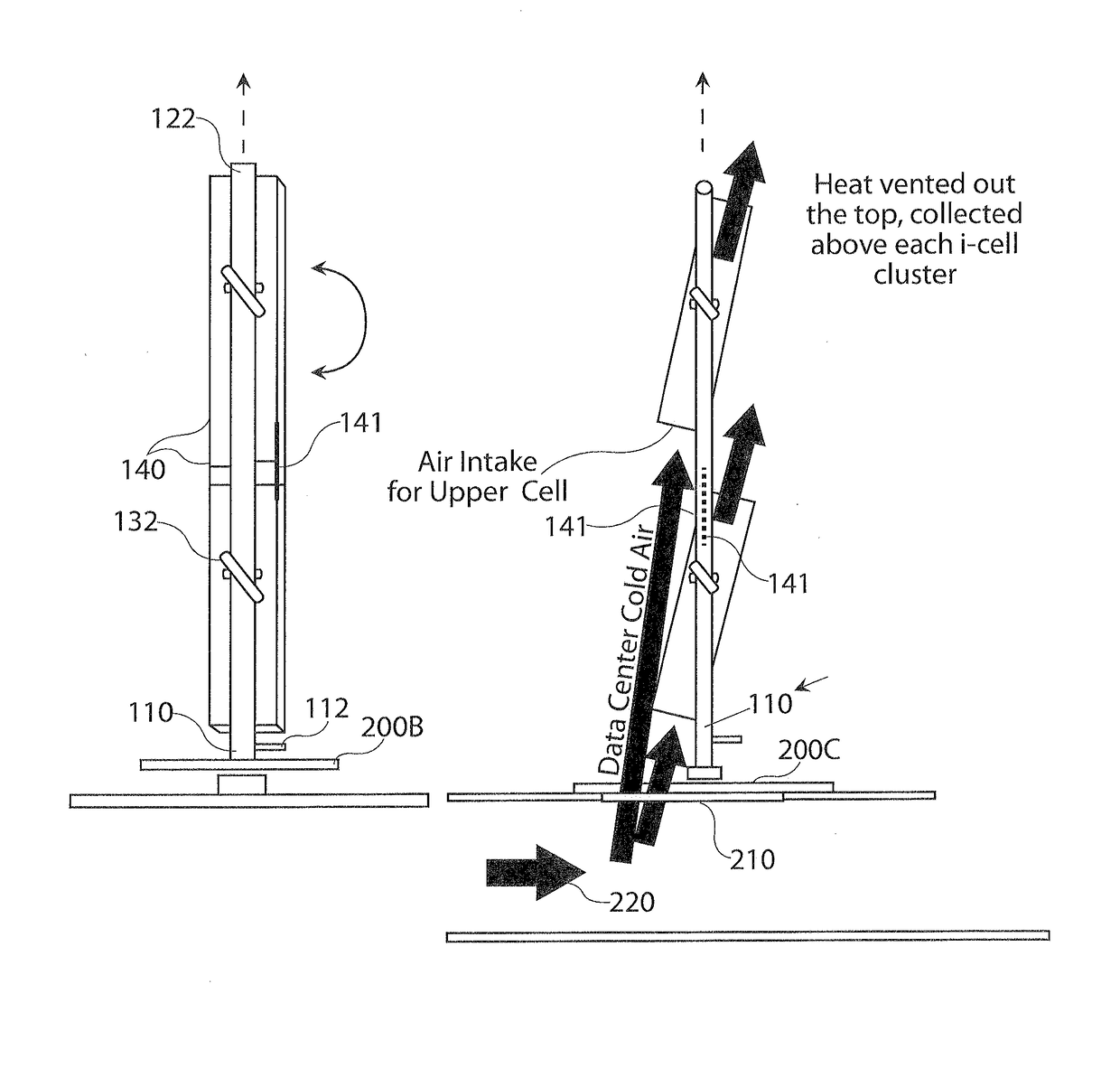
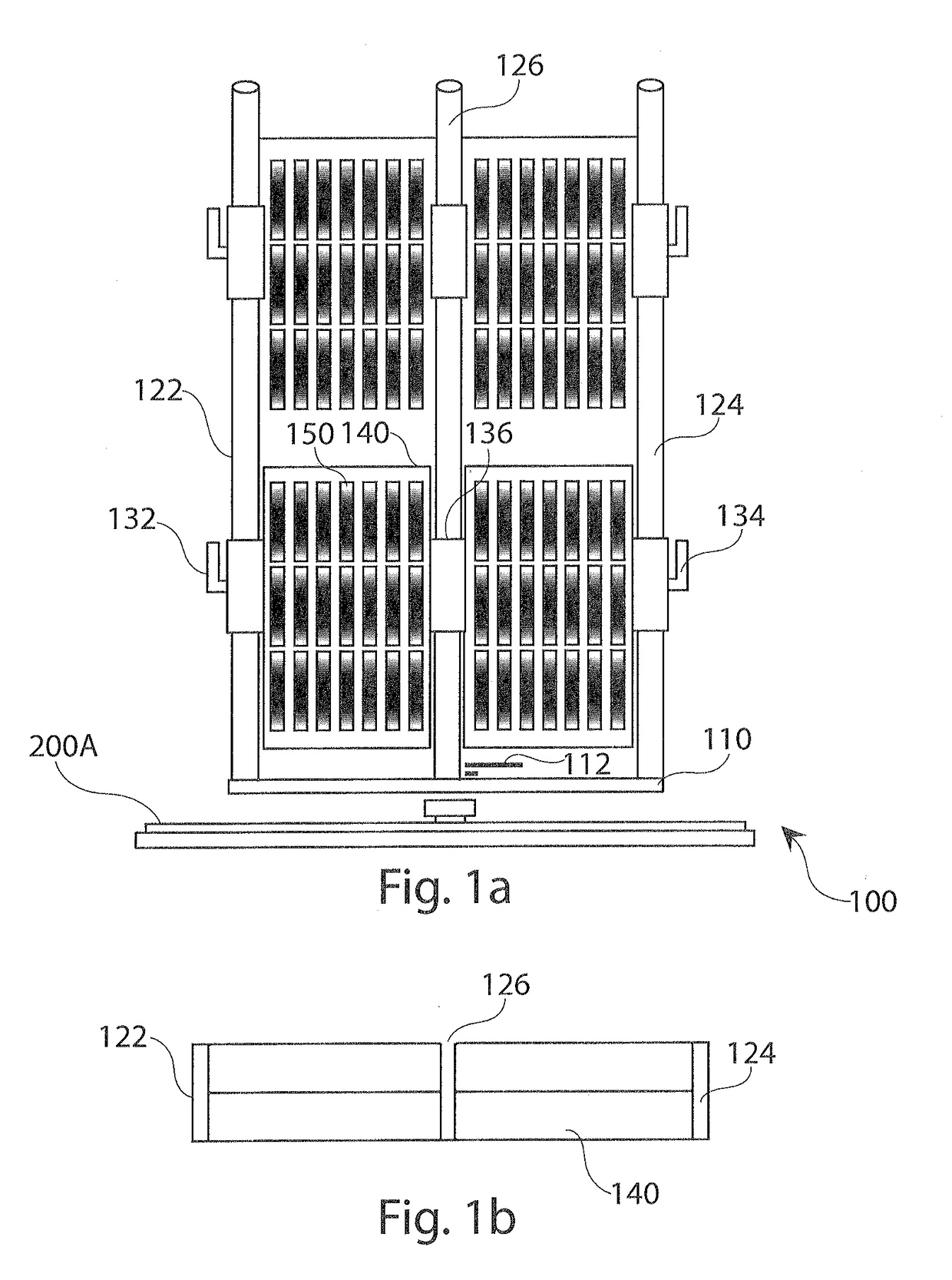
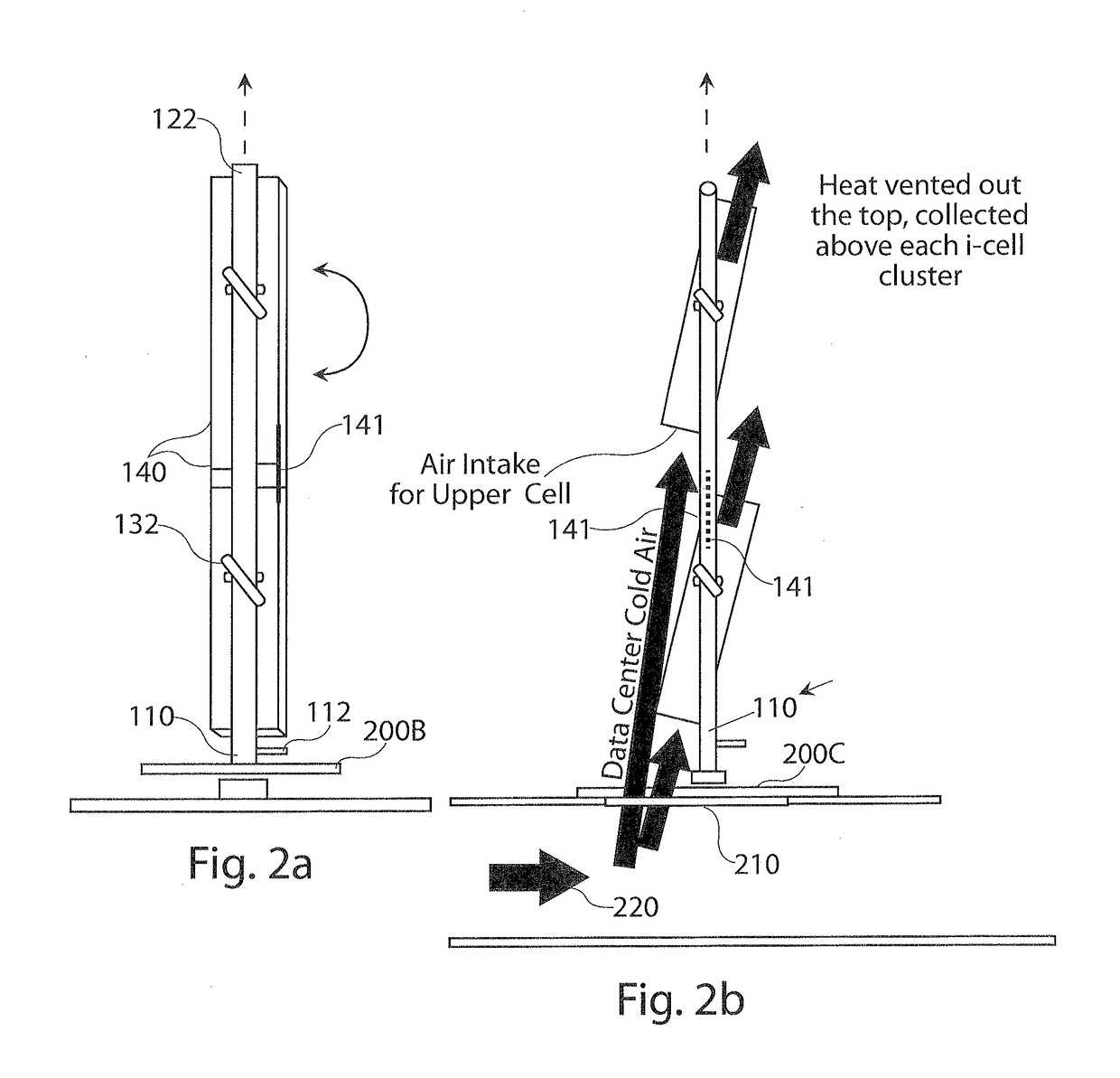
- The introduction of a novel racking system, Open ZRack, which allows for pivotable iCells hosting Raptor 'Vx' cards with integrated high-speed Non Volatile Memory (NVM) and compute capabilities, utilizing a shared InfiniBand backplane for efficient cooling and reduced power consumption, eliminating the need for hot/cold aisles and minimizing supporting equipment by drawing cool air from the Data Center floor and exhausting heated air upwards.

Energy Efficiency Standards for HPC Memory Systems
The establishment of comprehensive energy efficiency standards for HPC memory systems has become increasingly critical as high-performance computing environments face mounting pressure to reduce power consumption while maintaining computational performance. Current industry initiatives focus on developing standardized metrics that can accurately measure and compare energy efficiency across different persistent memory technologies and configurations.
The IEEE and JEDEC organizations are leading efforts to create unified benchmarking protocols specifically designed for HPC memory systems. These standards emphasize the importance of measuring energy consumption per unit of data throughput, particularly for persistent memory technologies like Intel Optane and emerging storage-class memory solutions. The proposed metrics include dynamic power consumption during read/write operations, idle power states, and thermal management efficiency.
Energy efficiency standards must address the unique characteristics of persistent memory in HPC workloads, where data persistence requirements often conflict with power optimization goals. The standards framework incorporates workload-specific energy profiles that account for the mixed access patterns typical in scientific computing applications. This includes provisions for measuring energy efficiency during burst write operations, sustained read-intensive tasks, and memory-intensive parallel processing scenarios.
Regulatory compliance frameworks are emerging at both national and international levels, with the European Union's Green Deal and the United States' ENERGY STAR program extending their scope to include HPC infrastructure. These regulations mandate minimum energy efficiency thresholds for memory subsystems in large-scale computing installations, driving the need for standardized measurement methodologies.
The standards also encompass thermal design power specifications and cooling efficiency requirements, recognizing that persistent memory systems generate different heat profiles compared to traditional DRAM. Advanced power management features, including dynamic voltage and frequency scaling for memory controllers, are being integrated into the standardization efforts to ensure comprehensive energy optimization across the entire memory hierarchy in HPC environments.
The IEEE and JEDEC organizations are leading efforts to create unified benchmarking protocols specifically designed for HPC memory systems. These standards emphasize the importance of measuring energy consumption per unit of data throughput, particularly for persistent memory technologies like Intel Optane and emerging storage-class memory solutions. The proposed metrics include dynamic power consumption during read/write operations, idle power states, and thermal management efficiency.
Energy efficiency standards must address the unique characteristics of persistent memory in HPC workloads, where data persistence requirements often conflict with power optimization goals. The standards framework incorporates workload-specific energy profiles that account for the mixed access patterns typical in scientific computing applications. This includes provisions for measuring energy efficiency during burst write operations, sustained read-intensive tasks, and memory-intensive parallel processing scenarios.
Regulatory compliance frameworks are emerging at both national and international levels, with the European Union's Green Deal and the United States' ENERGY STAR program extending their scope to include HPC infrastructure. These regulations mandate minimum energy efficiency thresholds for memory subsystems in large-scale computing installations, driving the need for standardized measurement methodologies.
The standards also encompass thermal design power specifications and cooling efficiency requirements, recognizing that persistent memory systems generate different heat profiles compared to traditional DRAM. Advanced power management features, including dynamic voltage and frequency scaling for memory controllers, are being integrated into the standardization efforts to ensure comprehensive energy optimization across the entire memory hierarchy in HPC environments.
Software Stack Integration for PM-Optimized HPC
The integration of persistent memory into HPC software stacks represents a fundamental shift in how high-performance computing systems manage data persistence and memory hierarchy. Traditional HPC software architectures were designed around the assumption of volatile main memory and separate storage systems, creating inherent bottlenecks in data movement and persistence operations. The emergence of persistent memory technologies necessitates comprehensive software stack redesign to fully exploit the unique characteristics of byte-addressable, non-volatile storage that bridges the performance gap between DRAM and traditional storage devices.
Modern HPC software stacks require multi-layered integration approaches to accommodate persistent memory effectively. At the system level, operating systems must provide enhanced memory management capabilities that distinguish between volatile and persistent memory regions while maintaining performance-critical direct access patterns. Runtime systems need modification to handle persistent memory allocation, deallocation, and consistency guarantees without introducing significant overhead that could compromise high-throughput workload performance.
Programming model adaptations constitute another critical integration aspect, where existing parallel programming frameworks like MPI, OpenMP, and CUDA require extensions to support persistent memory semantics. These extensions must provide developers with intuitive interfaces for managing persistent data structures while abstracting the complexity of ensuring crash consistency and data integrity across distributed HPC environments.
Middleware components play an essential role in PM-optimized software stacks by providing standardized interfaces and services for persistent memory management. Libraries such as PMDK (Persistent Memory Development Kit) offer building blocks for application developers, while distributed storage systems must evolve to leverage persistent memory for improved metadata management and reduced I/O latency in large-scale HPC deployments.
Application-level integration challenges include redesigning algorithms and data structures to take advantage of persistent memory characteristics. This involves rethinking checkpoint-restart mechanisms, implementing efficient persistent data structures, and optimizing memory access patterns to minimize the performance impact of persistence operations. The software stack must also address consistency models, transaction support, and failure recovery mechanisms that are essential for maintaining data integrity in high-throughput HPC workloads while preserving the performance benefits that persistent memory technologies promise to deliver.
Modern HPC software stacks require multi-layered integration approaches to accommodate persistent memory effectively. At the system level, operating systems must provide enhanced memory management capabilities that distinguish between volatile and persistent memory regions while maintaining performance-critical direct access patterns. Runtime systems need modification to handle persistent memory allocation, deallocation, and consistency guarantees without introducing significant overhead that could compromise high-throughput workload performance.
Programming model adaptations constitute another critical integration aspect, where existing parallel programming frameworks like MPI, OpenMP, and CUDA require extensions to support persistent memory semantics. These extensions must provide developers with intuitive interfaces for managing persistent data structures while abstracting the complexity of ensuring crash consistency and data integrity across distributed HPC environments.
Middleware components play an essential role in PM-optimized software stacks by providing standardized interfaces and services for persistent memory management. Libraries such as PMDK (Persistent Memory Development Kit) offer building blocks for application developers, while distributed storage systems must evolve to leverage persistent memory for improved metadata management and reduced I/O latency in large-scale HPC deployments.
Application-level integration challenges include redesigning algorithms and data structures to take advantage of persistent memory characteristics. This involves rethinking checkpoint-restart mechanisms, implementing efficient persistent data structures, and optimizing memory access patterns to minimize the performance impact of persistence operations. The software stack must also address consistency models, transaction support, and failure recovery mechanisms that are essential for maintaining data integrity in high-throughput HPC workloads while preserving the performance benefits that persistent memory technologies promise to deliver.
Unlock deeper insights with PatSnap Eureka Quick Research — get a full tech report to explore trends and direct your research. Try now!
Generate Your Research Report Instantly with AI Agent
Supercharge your innovation with PatSnap Eureka AI Agent Platform!