Optimizing Pipe Lining Systems for Underwater Applications
MAR 8, 20269 MIN READ
Generate Your Research Report Instantly with AI Agent
Patsnap Eureka helps you evaluate technical feasibility & market potential.
Underwater Pipe Lining Technology Background and Objectives
Underwater pipe lining technology has emerged as a critical solution for maintaining and extending the operational life of submerged pipeline infrastructure across various industries. The evolution of this technology traces back to the early offshore oil and gas developments in the 1960s, where traditional pipeline maintenance methods proved inadequate for underwater environments. Initial approaches relied heavily on external coatings and cathodic protection systems, but these solutions often failed to address internal corrosion and structural degradation effectively.
The development trajectory of underwater pipe lining has been driven by the increasing complexity of subsea operations and the growing demand for reliable pipeline systems in harsh marine environments. Early techniques involved simple slip-lining methods using rigid materials, which gradually evolved to incorporate flexible thermoplastic and composite materials. The introduction of cured-in-place pipe (CIPP) technology marked a significant milestone, enabling seamless installation without extensive excavation or pipeline replacement.
Current technological trends indicate a shift toward advanced composite materials, smart monitoring systems, and robotics-assisted installation methods. The integration of fiber-reinforced polymers, thermoplastic liners, and hybrid coating systems has significantly enhanced the durability and performance characteristics of underwater pipe lining solutions. These advancements address critical challenges including hydrostatic pressure resistance, chemical compatibility, and long-term structural integrity.
The primary technical objectives driving innovation in this field focus on achieving superior corrosion resistance, maintaining structural integrity under extreme pressure conditions, and ensuring compatibility with diverse fluid media. Enhanced installation efficiency represents another crucial goal, as traditional methods often require costly vessel operations and extended downtime. The development of self-expanding liners and remote installation techniques aims to minimize operational disruptions while maximizing system reliability.
Future technological aspirations include the development of self-healing materials, real-time health monitoring capabilities, and modular lining systems that can adapt to varying pipeline geometries. The integration of nanotechnology and advanced polymer science promises to deliver next-generation solutions with unprecedented performance characteristics, positioning underwater pipe lining as an essential component of sustainable subsea infrastructure management.
The development trajectory of underwater pipe lining has been driven by the increasing complexity of subsea operations and the growing demand for reliable pipeline systems in harsh marine environments. Early techniques involved simple slip-lining methods using rigid materials, which gradually evolved to incorporate flexible thermoplastic and composite materials. The introduction of cured-in-place pipe (CIPP) technology marked a significant milestone, enabling seamless installation without extensive excavation or pipeline replacement.
Current technological trends indicate a shift toward advanced composite materials, smart monitoring systems, and robotics-assisted installation methods. The integration of fiber-reinforced polymers, thermoplastic liners, and hybrid coating systems has significantly enhanced the durability and performance characteristics of underwater pipe lining solutions. These advancements address critical challenges including hydrostatic pressure resistance, chemical compatibility, and long-term structural integrity.
The primary technical objectives driving innovation in this field focus on achieving superior corrosion resistance, maintaining structural integrity under extreme pressure conditions, and ensuring compatibility with diverse fluid media. Enhanced installation efficiency represents another crucial goal, as traditional methods often require costly vessel operations and extended downtime. The development of self-expanding liners and remote installation techniques aims to minimize operational disruptions while maximizing system reliability.
Future technological aspirations include the development of self-healing materials, real-time health monitoring capabilities, and modular lining systems that can adapt to varying pipeline geometries. The integration of nanotechnology and advanced polymer science promises to deliver next-generation solutions with unprecedented performance characteristics, positioning underwater pipe lining as an essential component of sustainable subsea infrastructure management.
Market Demand for Underwater Pipeline Rehabilitation Solutions
The global underwater pipeline infrastructure represents a critical component of energy transportation systems, with aging networks creating substantial rehabilitation demands. Offshore oil and gas pipelines, many installed decades ago, are experiencing deterioration due to corrosion, mechanical damage, and environmental stresses. This aging infrastructure drives significant market demand for advanced pipe lining solutions that can extend operational lifespans without requiring complete pipeline replacement.
Market drivers extend beyond traditional oil and gas sectors into emerging applications. Offshore wind energy development requires extensive submarine cable protection systems and associated pipeline infrastructure. Desalination plants increasingly rely on underwater intake and outfall systems requiring specialized lining technologies. Municipal water systems in coastal regions face growing pressure to upgrade aging underwater distribution networks while maintaining service continuity.
The rehabilitation market demonstrates strong growth momentum driven by regulatory compliance requirements. Environmental protection standards mandate enhanced leak prevention measures, pushing operators toward proactive pipeline rehabilitation strategies. Cost considerations favor lining solutions over replacement projects, as underwater excavation and new installation costs can exceed rehabilitation expenses by substantial margins.
Geographic demand patterns reflect global energy infrastructure distribution. North Sea operations drive significant European market activity, while Gulf of Mexico installations create substantial North American demand. Asia-Pacific markets show rapid expansion due to increasing offshore energy development and industrial coastal infrastructure growth.
Technical performance requirements shape market demand characteristics. Deep-water applications require lining systems capable of withstanding extreme pressure differentials and temperature variations. Corrosive environments demand specialized material formulations resistant to seawater, hydrogen sulfide, and other aggressive substances. Installation efficiency requirements favor systems enabling rapid deployment with minimal operational disruption.
Market segmentation reveals diverse application-specific demands. Large-diameter transmission pipelines require different lining approaches compared to smaller distribution systems. Emergency repair applications drive demand for rapid-deployment solutions, while planned maintenance projects allow for more comprehensive rehabilitation approaches. The growing emphasis on asset life extension creates sustained demand for high-performance lining technologies capable of providing multi-decade service life extensions.
Market drivers extend beyond traditional oil and gas sectors into emerging applications. Offshore wind energy development requires extensive submarine cable protection systems and associated pipeline infrastructure. Desalination plants increasingly rely on underwater intake and outfall systems requiring specialized lining technologies. Municipal water systems in coastal regions face growing pressure to upgrade aging underwater distribution networks while maintaining service continuity.
The rehabilitation market demonstrates strong growth momentum driven by regulatory compliance requirements. Environmental protection standards mandate enhanced leak prevention measures, pushing operators toward proactive pipeline rehabilitation strategies. Cost considerations favor lining solutions over replacement projects, as underwater excavation and new installation costs can exceed rehabilitation expenses by substantial margins.
Geographic demand patterns reflect global energy infrastructure distribution. North Sea operations drive significant European market activity, while Gulf of Mexico installations create substantial North American demand. Asia-Pacific markets show rapid expansion due to increasing offshore energy development and industrial coastal infrastructure growth.
Technical performance requirements shape market demand characteristics. Deep-water applications require lining systems capable of withstanding extreme pressure differentials and temperature variations. Corrosive environments demand specialized material formulations resistant to seawater, hydrogen sulfide, and other aggressive substances. Installation efficiency requirements favor systems enabling rapid deployment with minimal operational disruption.
Market segmentation reveals diverse application-specific demands. Large-diameter transmission pipelines require different lining approaches compared to smaller distribution systems. Emergency repair applications drive demand for rapid-deployment solutions, while planned maintenance projects allow for more comprehensive rehabilitation approaches. The growing emphasis on asset life extension creates sustained demand for high-performance lining technologies capable of providing multi-decade service life extensions.
Current State and Challenges of Subsea Pipe Lining Systems
Subsea pipe lining systems have evolved significantly over the past three decades, driven by the offshore oil and gas industry's expansion into deeper waters and harsher environments. Current technologies primarily encompass three main categories: cured-in-place pipe (CIPP) lining, slip lining systems, and spray-applied pipe lining (SAPL). These systems are designed to address corrosion protection, structural reinforcement, and flow assurance in underwater pipeline networks operating at depths ranging from shallow coastal waters to ultra-deep environments exceeding 3,000 meters.
The geographical distribution of subsea pipe lining technology development shows concentrated expertise in regions with established offshore industries. Norway leads in deep-water lining solutions, particularly for Arctic conditions, while the Gulf of Mexico serves as a testing ground for high-temperature, high-pressure applications. Brazil's pre-salt developments have driven innovations in flexible lining systems, and the North Sea continues to pioneer rehabilitation technologies for aging infrastructure.
Current technical challenges center around material degradation under extreme conditions. Hydrostatic pressure at significant depths creates compression forces that can compromise lining integrity, while temperature fluctuations between seabed conditions and transported fluids cause thermal cycling stress. Chemical compatibility remains problematic, as hydrogen sulfide and carbon dioxide in production fluids can cause rapid deterioration of conventional lining materials.
Installation methodology presents another critical challenge. Traditional surface-installed lining systems require extensive vessel time and weather windows, significantly increasing project costs. Remote installation techniques using subsea robotics face limitations in precision and quality control, particularly for complex pipeline geometries and junction points.
Quality assurance and monitoring represent ongoing technical barriers. Non-destructive testing methods suitable for subsea environments are limited, making it difficult to verify lining integrity post-installation. Real-time monitoring systems for detecting lining failures or degradation are still in developmental stages, creating risks for undetected system compromises.
Material science constraints further complicate system optimization. Current polymer-based linings struggle with long-term stability under combined mechanical, thermal, and chemical stresses. Adhesion between lining materials and host pipe surfaces remains inconsistent, particularly in the presence of marine growth or corrosion products.
The industry faces increasing pressure to extend pipeline service life while reducing maintenance interventions. Existing lining systems typically require replacement or major repairs within 15-20 years, which is insufficient for modern subsea field development economics that demand 30-40 year operational lifespans.
The geographical distribution of subsea pipe lining technology development shows concentrated expertise in regions with established offshore industries. Norway leads in deep-water lining solutions, particularly for Arctic conditions, while the Gulf of Mexico serves as a testing ground for high-temperature, high-pressure applications. Brazil's pre-salt developments have driven innovations in flexible lining systems, and the North Sea continues to pioneer rehabilitation technologies for aging infrastructure.
Current technical challenges center around material degradation under extreme conditions. Hydrostatic pressure at significant depths creates compression forces that can compromise lining integrity, while temperature fluctuations between seabed conditions and transported fluids cause thermal cycling stress. Chemical compatibility remains problematic, as hydrogen sulfide and carbon dioxide in production fluids can cause rapid deterioration of conventional lining materials.
Installation methodology presents another critical challenge. Traditional surface-installed lining systems require extensive vessel time and weather windows, significantly increasing project costs. Remote installation techniques using subsea robotics face limitations in precision and quality control, particularly for complex pipeline geometries and junction points.
Quality assurance and monitoring represent ongoing technical barriers. Non-destructive testing methods suitable for subsea environments are limited, making it difficult to verify lining integrity post-installation. Real-time monitoring systems for detecting lining failures or degradation are still in developmental stages, creating risks for undetected system compromises.
Material science constraints further complicate system optimization. Current polymer-based linings struggle with long-term stability under combined mechanical, thermal, and chemical stresses. Adhesion between lining materials and host pipe surfaces remains inconsistent, particularly in the presence of marine growth or corrosion products.
The industry faces increasing pressure to extend pipeline service life while reducing maintenance interventions. Existing lining systems typically require replacement or major repairs within 15-20 years, which is insufficient for modern subsea field development economics that demand 30-40 year operational lifespans.
Existing Underwater Pipe Lining Solutions and Methods
01 Trenchless pipe rehabilitation methods
Technologies for rehabilitating existing pipes without excavation, including methods for inserting and installing liner materials within deteriorated pipes. These systems allow for pipe repair while minimizing surface disruption and reducing installation time and costs. The methods typically involve pulling or pushing liner materials through existing pipe infrastructure and securing them in place through various curing or expansion techniques.- Trenchless pipe rehabilitation methods: Technologies for rehabilitating existing pipes without excavation, including methods for inserting and installing liner materials within deteriorated pipes. These systems allow for pipe repair while minimizing surface disruption and reducing installation time and costs. The methods typically involve pulling or pushing liner materials through existing pipe infrastructure and securing them in place through various curing or expansion techniques.
- Composite liner materials and structures: Pipe lining systems utilizing composite materials that combine multiple layers or components to provide enhanced structural integrity and corrosion resistance. These liners may incorporate reinforcing fibers, resin matrices, and protective coatings to create durable rehabilitation solutions. The composite structures are designed to conform to the interior surface of existing pipes while providing long-term performance.
- Curing and hardening systems for pipe liners: Methods and apparatus for curing resin-impregnated liners installed within pipes, including thermal curing, UV curing, and ambient curing techniques. These systems ensure proper hardening and bonding of liner materials to achieve required structural properties. The curing process may involve specialized equipment for controlling temperature, pressure, and curing time to optimize liner performance.
- Connection and joint sealing technologies: Systems for creating watertight connections between lined pipe sections and sealing joints, lateral connections, and service branches. These technologies address the challenge of maintaining system integrity at connection points while accommodating different pipe geometries and configurations. Solutions include specialized sealing devices, robotic installation tools, and materials designed for joint rehabilitation.
- Installation equipment and tooling: Specialized equipment and tools designed for the installation of pipe lining systems, including inversion equipment, pulling devices, and positioning apparatus. These tools facilitate the proper placement and installation of liner materials within existing pipe infrastructure. The equipment may include features for remote operation, monitoring, and quality control during the lining process.
02 Cured-in-place pipe lining systems
Systems utilizing resin-impregnated flexible tubes or materials that are inserted into existing pipes and then cured to form a tight-fitting, corrosion-resistant liner. The curing process may involve heat, UV light, or chemical reactions to harden the liner material, creating a structural pipe within the existing pipe. These systems provide long-term rehabilitation solutions for various pipe diameters and materials.Expand Specific Solutions03 Pipe liner materials and compositions
Specialized materials and composite structures designed for pipe lining applications, including thermoplastic materials, fiber-reinforced composites, and multi-layer constructions. These materials are engineered to provide specific properties such as chemical resistance, structural strength, flexibility, and durability. The compositions may include various resins, reinforcing fibers, and additives to optimize performance for different pipe rehabilitation scenarios.Expand Specific Solutions04 Pipe lining installation equipment and apparatus
Devices and equipment specifically designed for installing pipe liners, including inversion equipment, pulling systems, expansion devices, and positioning tools. These apparatus facilitate the proper placement and installation of liner materials within existing pipes, ensuring proper alignment and fit. The equipment may include mechanisms for controlling liner deployment, monitoring installation progress, and achieving proper liner positioning.Expand Specific Solutions05 Connection and joint systems for pipe liners
Methods and devices for connecting pipe liner sections and creating sealed joints between liner segments or at pipe junctions. These systems address the challenge of maintaining continuity and structural integrity across liner connections, including techniques for joining liner materials at branch connections, service laterals, and between adjacent liner sections. Solutions include mechanical connectors, adhesive bonding methods, and integrated sealing systems.Expand Specific Solutions
Key Players in Subsea Pipeline and Lining Industry
The underwater pipe lining systems market is experiencing significant growth driven by aging subsea infrastructure and increasing offshore energy activities. The industry is in a mature development stage with established players like Shell Oil Co., Saipem SpA, and CNOOC China Ltd. leading offshore operations, while specialized companies such as Sipp Technologies LLC and ProKASRO Mechatronik GmbH focus on advanced robotic lining solutions. Technology maturity varies across segments, with traditional methods well-established but innovative approaches like UV-curing systems and robotic rehabilitation gaining traction. Companies like Schlumberger Technologies and Heerema Marine Contractors bring deep technical expertise, while Asian players including Tokyo Gas and China Railway First Group contribute regional market expansion. The competitive landscape shows consolidation around comprehensive service providers offering integrated engineering, installation, and maintenance capabilities for underwater pipeline optimization.
Heerema Marine Contractors Nederland BV
Technical Solution: Heerema has developed specialized pipeline installation and optimization technologies for challenging underwater environments, utilizing their fleet of heavy-lift vessels and pipelay barges. Their technology includes advanced pipeline installation methods such as the J-lay system with active heave compensation, allowing for precise pipeline placement in deep waters up to 4,000 meters. The company's optimization approach focuses on installation efficiency through advanced project planning software that considers factors such as weather windows, vessel positioning, and pipeline routing. Their systems incorporate real-time monitoring of pipeline stress and curvature during installation, ensuring optimal pipeline configuration while minimizing installation-induced damage and maximizing long-term operational performance.
Strengths: Specialized heavy-lift capabilities, extensive deepwater experience, advanced installation technologies. Weaknesses: Limited to installation phase optimization, high mobilization costs, weather-sensitive operations.
Saipem SA
Technical Solution: Saipem has developed advanced pipeline installation systems specifically designed for deepwater applications, including the J-lay and S-lay methods for underwater pipeline installation. Their technology incorporates dynamic positioning systems, advanced welding stations, and real-time monitoring capabilities to ensure precise pipeline placement at depths exceeding 3,000 meters. The company utilizes specialized vessels equipped with tensioning systems that can handle large-diameter pipes while maintaining structural integrity under extreme underwater conditions. Their pipeline systems feature corrosion-resistant materials and advanced coating technologies to withstand harsh marine environments for extended operational periods.
Strengths: Proven track record in deepwater installations, advanced vessel technology, comprehensive project management capabilities. Weaknesses: High operational costs, limited availability of specialized vessels, weather-dependent operations.
Core Innovations in Subsea Lining Material Technologies
Undersea pipe including an internal liner
PatentActiveUS7722085B2
Innovation
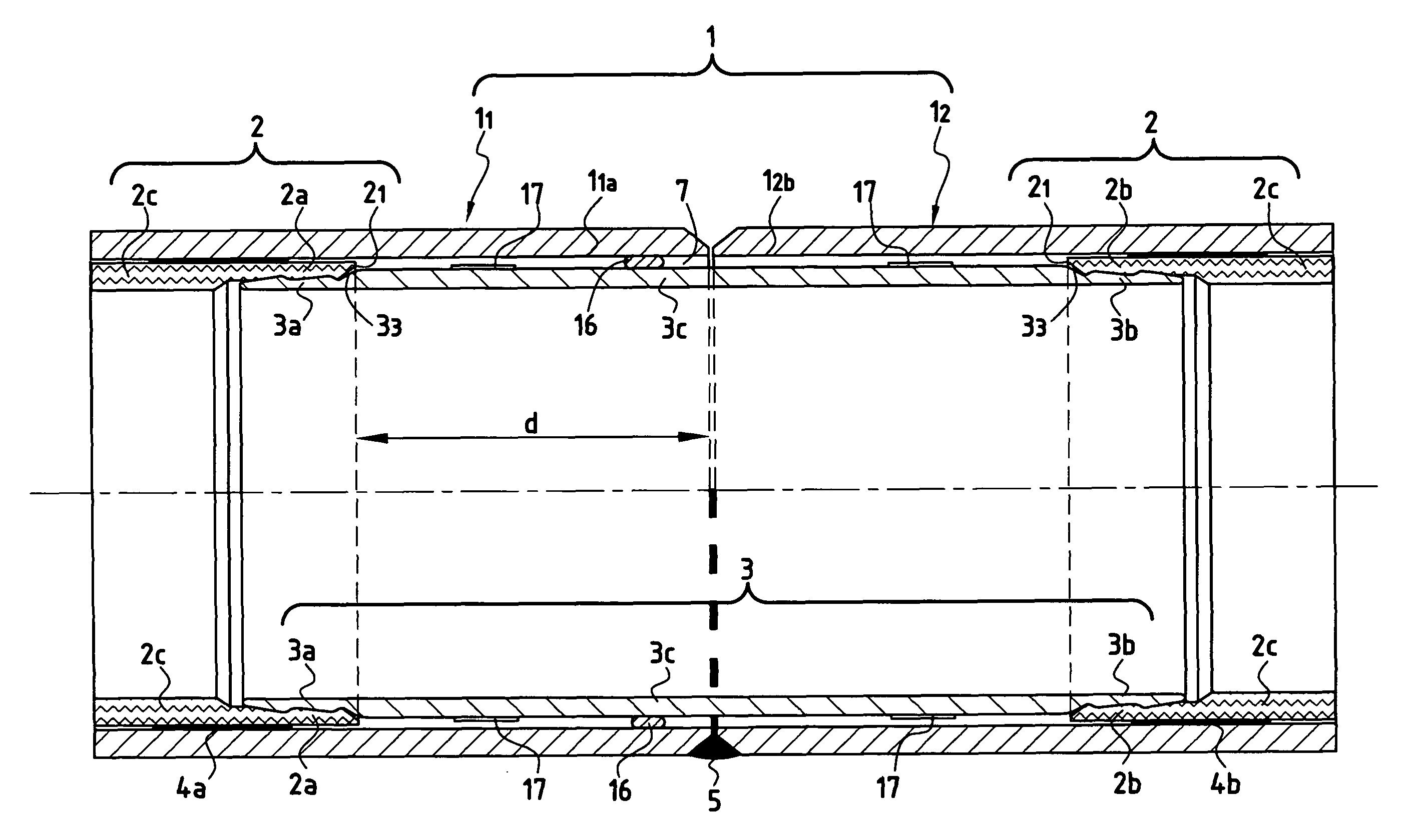
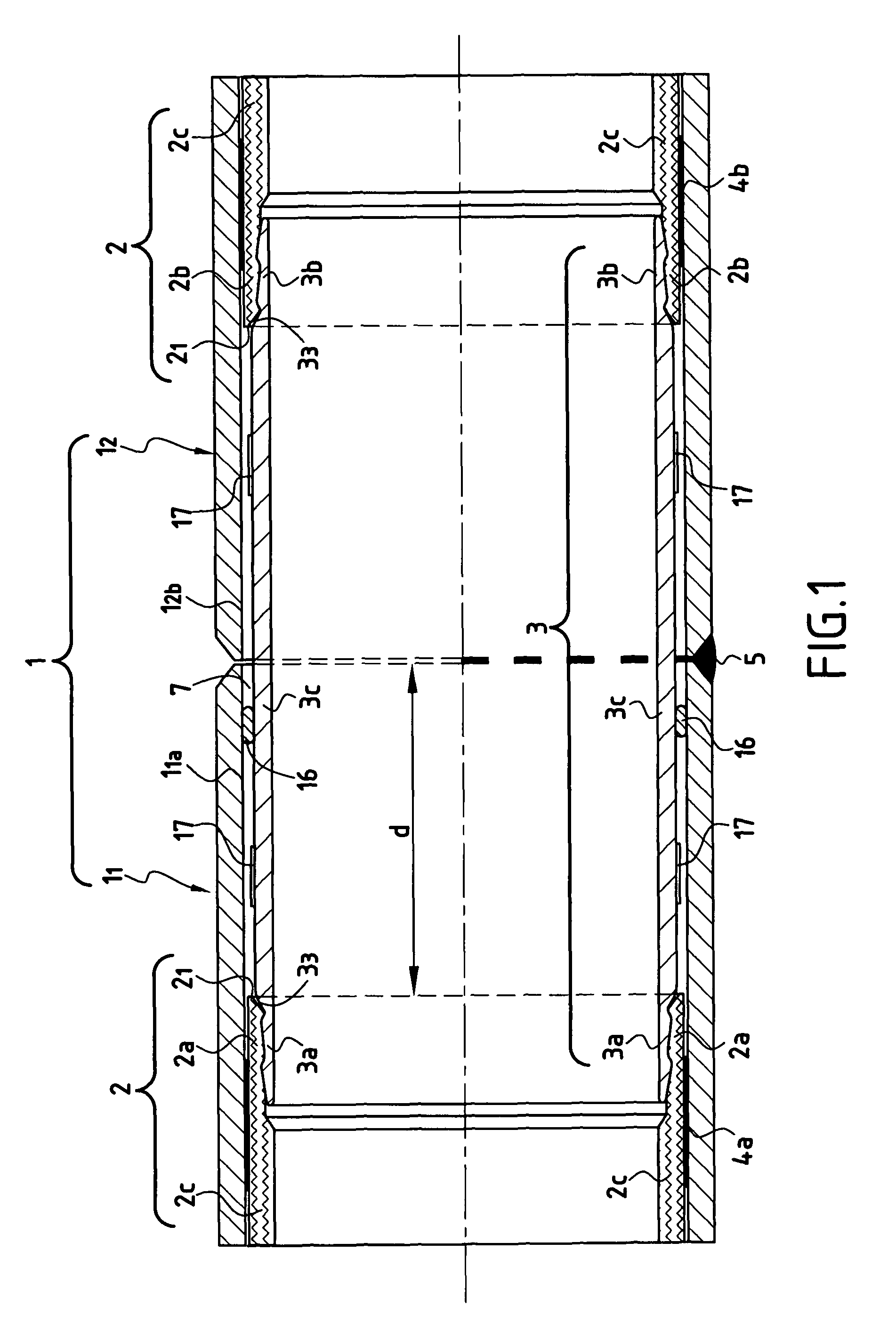
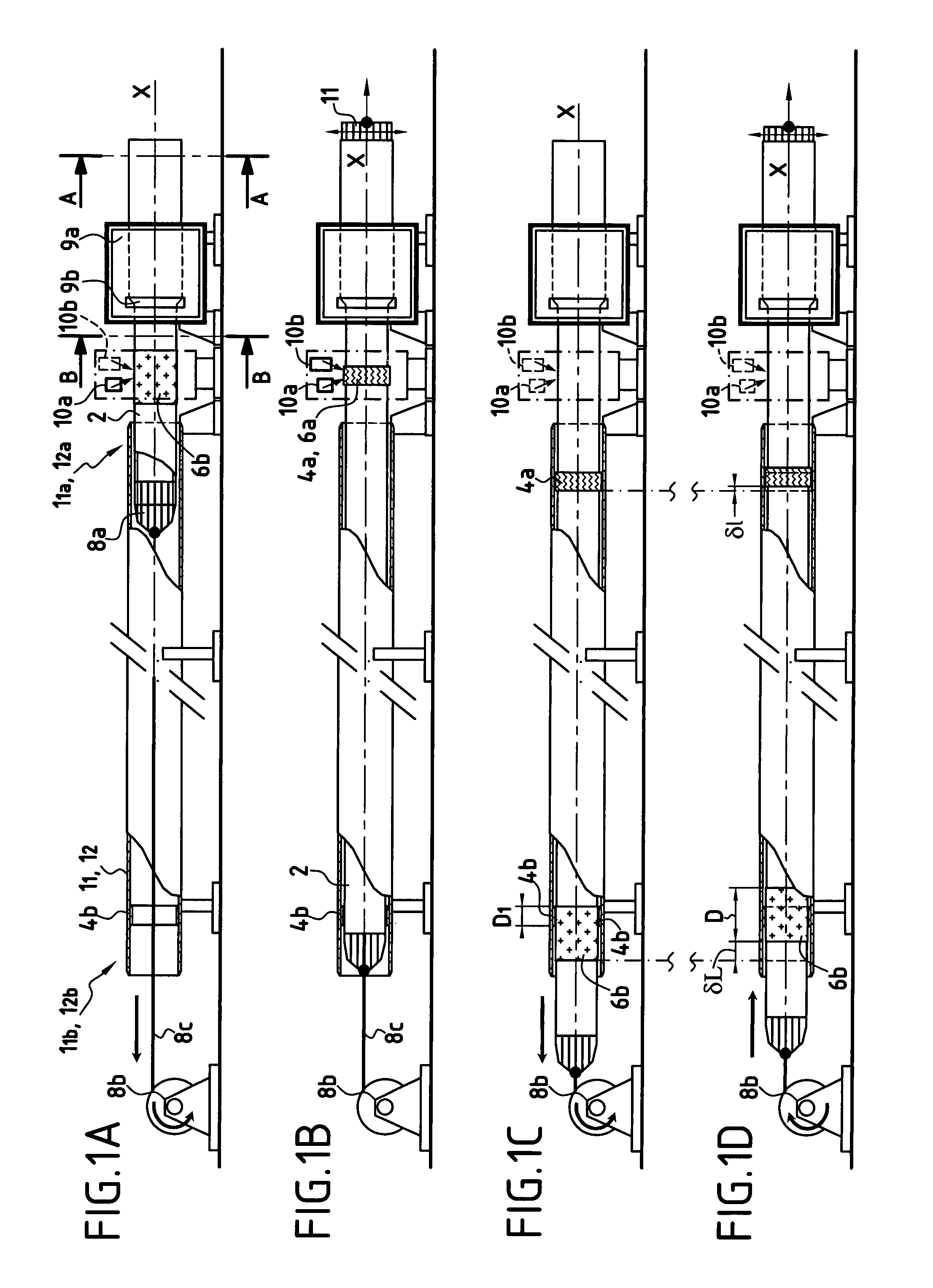
- A method involving thermoplastic liners with reduced thickness terminal portions and a stainless steel or Inconel tubular junction sleeve, where the sleeve is adhesively bonded to the liner and not directly in contact with the steel pipe, allowing for butt-welding without noble metal welding and reducing the need for crimping tools, ensuring mechanical reliability and cost-effectiveness.

Process for lining a steel pipe for the subsea transport of fluids
PatentActiveUS20200041062A1
Innovation
- A process involving the machining of an annular cavity in the pipe, deposition of a first resurfacing layer, introduction of a corrosion-resistant alloy liner, and additional welding of second resurfacing layers to enhance mechanical properties and reduce fatigue crack initiation, specifically targeting the area most sensitive to fatigue.


Marine Environmental Regulations for Pipeline Operations
Marine environmental regulations for underwater pipeline operations have evolved into a comprehensive framework that governs every aspect of subsea infrastructure development and maintenance. These regulations are primarily driven by international maritime organizations, national environmental agencies, and regional authorities that recognize the critical importance of protecting marine ecosystems while enabling essential energy and utility infrastructure.
The International Maritime Organization (IMO) serves as the primary global regulatory body, establishing baseline standards through conventions such as MARPOL 73/78 and the London Protocol. These frameworks specifically address pollution prevention, waste discharge limitations, and environmental impact assessment requirements for underwater pipeline installations. National jurisdictions typically implement more stringent standards, with agencies like the U.S. Environmental Protection Agency, the UK's Marine Management Organisation, and Norway's Petroleum Safety Authority leading regulatory development.
Environmental impact assessment protocols represent a cornerstone of marine pipeline regulations. Operators must conduct comprehensive baseline studies documenting benthic habitats, water quality parameters, and marine life populations before installation. These assessments must demonstrate minimal ecological disruption and include detailed mitigation strategies for potential environmental impacts during construction and operational phases.
Discharge and emission standards impose strict limitations on materials that can be released during pipeline operations. Regulations typically prohibit the discharge of drilling fluids, cement slurries, and chemical additives within specified distances from sensitive marine areas. Water-based drilling fluids must meet biodegradability requirements, while synthetic-based fluids face complete discharge prohibitions in most jurisdictions.
Marine protected area restrictions significantly influence pipeline routing and installation methodologies. Operators must navigate complex regulatory landscapes where certain marine zones prohibit industrial activities entirely, while others require specialized installation techniques to minimize seabed disturbance. These restrictions often necessitate alternative routing strategies and advanced horizontal directional drilling techniques.
Monitoring and reporting obligations extend throughout the pipeline lifecycle, requiring continuous environmental surveillance and regular compliance documentation. Operators must establish real-time monitoring systems for water quality, marine life behavior, and ecosystem health indicators, with mandatory reporting to regulatory authorities at predetermined intervals.
The International Maritime Organization (IMO) serves as the primary global regulatory body, establishing baseline standards through conventions such as MARPOL 73/78 and the London Protocol. These frameworks specifically address pollution prevention, waste discharge limitations, and environmental impact assessment requirements for underwater pipeline installations. National jurisdictions typically implement more stringent standards, with agencies like the U.S. Environmental Protection Agency, the UK's Marine Management Organisation, and Norway's Petroleum Safety Authority leading regulatory development.
Environmental impact assessment protocols represent a cornerstone of marine pipeline regulations. Operators must conduct comprehensive baseline studies documenting benthic habitats, water quality parameters, and marine life populations before installation. These assessments must demonstrate minimal ecological disruption and include detailed mitigation strategies for potential environmental impacts during construction and operational phases.
Discharge and emission standards impose strict limitations on materials that can be released during pipeline operations. Regulations typically prohibit the discharge of drilling fluids, cement slurries, and chemical additives within specified distances from sensitive marine areas. Water-based drilling fluids must meet biodegradability requirements, while synthetic-based fluids face complete discharge prohibitions in most jurisdictions.
Marine protected area restrictions significantly influence pipeline routing and installation methodologies. Operators must navigate complex regulatory landscapes where certain marine zones prohibit industrial activities entirely, while others require specialized installation techniques to minimize seabed disturbance. These restrictions often necessitate alternative routing strategies and advanced horizontal directional drilling techniques.
Monitoring and reporting obligations extend throughout the pipeline lifecycle, requiring continuous environmental surveillance and regular compliance documentation. Operators must establish real-time monitoring systems for water quality, marine life behavior, and ecosystem health indicators, with mandatory reporting to regulatory authorities at predetermined intervals.
Deep Water Installation and Maintenance Challenges
Deep water installation of pipe lining systems presents unprecedented engineering challenges that intensify with increasing depth and harsh marine environments. The primary installation challenge stems from the exponential increase in hydrostatic pressure, which can exceed 1,000 bar at depths beyond 10,000 meters. This extreme pressure differential creates significant structural stress on lining materials during deployment, requiring specialized pressure-resistant installation equipment and modified deployment techniques that differ substantially from shallow water applications.
The logistics of deep water installation involve complex vessel positioning systems and dynamic positioning capabilities to maintain precise location accuracy despite surface weather conditions and deep ocean currents. Installation vessels must be equipped with advanced crane systems capable of handling heavy pipe sections while compensating for wave motion and maintaining controlled descent rates. The extended installation timeframes in deep water environments increase exposure to weather windows, creating project delays and cost escalations that can reach 200-300% compared to shallow water installations.
Maintenance operations in deep water environments face even more formidable challenges due to limited accessibility and the high cost of intervention. Traditional diving operations become impossible beyond 300 meters, necessitating the use of remotely operated vehicles (ROVs) or autonomous underwater vehicles (AUVs) for inspection and repair activities. These robotic systems require sophisticated manipulation capabilities and specialized tooling to perform maintenance tasks that would be routine in accessible environments.
The corrosive nature of deep sea environments, combined with high salinity and low temperatures, accelerates material degradation and creates unique failure modes not encountered in surface applications. Maintenance scheduling becomes critical as emergency repairs in deep water can cost millions of dollars and require months of planning and specialized equipment mobilization.
Inspection and monitoring systems must be integrated into the initial installation design, as retrofitting monitoring equipment in deep water environments is often technically unfeasible or economically prohibitive. Real-time monitoring systems using fiber optic sensors and acoustic monitoring become essential for predictive maintenance strategies, enabling operators to identify potential failures before catastrophic events occur that would require complex and expensive deep water intervention operations.
The logistics of deep water installation involve complex vessel positioning systems and dynamic positioning capabilities to maintain precise location accuracy despite surface weather conditions and deep ocean currents. Installation vessels must be equipped with advanced crane systems capable of handling heavy pipe sections while compensating for wave motion and maintaining controlled descent rates. The extended installation timeframes in deep water environments increase exposure to weather windows, creating project delays and cost escalations that can reach 200-300% compared to shallow water installations.
Maintenance operations in deep water environments face even more formidable challenges due to limited accessibility and the high cost of intervention. Traditional diving operations become impossible beyond 300 meters, necessitating the use of remotely operated vehicles (ROVs) or autonomous underwater vehicles (AUVs) for inspection and repair activities. These robotic systems require sophisticated manipulation capabilities and specialized tooling to perform maintenance tasks that would be routine in accessible environments.
The corrosive nature of deep sea environments, combined with high salinity and low temperatures, accelerates material degradation and creates unique failure modes not encountered in surface applications. Maintenance scheduling becomes critical as emergency repairs in deep water can cost millions of dollars and require months of planning and specialized equipment mobilization.
Inspection and monitoring systems must be integrated into the initial installation design, as retrofitting monitoring equipment in deep water environments is often technically unfeasible or economically prohibitive. Real-time monitoring systems using fiber optic sensors and acoustic monitoring become essential for predictive maintenance strategies, enabling operators to identify potential failures before catastrophic events occur that would require complex and expensive deep water intervention operations.
Unlock deeper insights with Patsnap Eureka Quick Research — get a full tech report to explore trends and direct your research. Try now!
Generate Your Research Report Instantly with AI Agent
Supercharge your innovation with Patsnap Eureka AI Agent Platform!