

Optimizing Pressure Settings in Thermocompression for Max Strength
APR 23, 20269 MIN READ
Generate Your Research Report Instantly with AI Agent
Patsnap Eureka helps you evaluate technical feasibility & market potential.
Thermocompression Bonding Background and Strength Objectives
Thermocompression bonding emerged as a critical interconnection technology in the 1960s, initially developed for semiconductor packaging applications where traditional soldering methods proved inadequate for miniaturized components. This solid-state joining process combines controlled heat and pressure to create metallurgical bonds between materials without requiring additional filler metals or flux materials. The technique gained prominence as electronic devices demanded increasingly reliable connections capable of withstanding harsh operating environments while maintaining electrical and mechanical integrity.
The fundamental principle underlying thermocompression bonding involves the application of simultaneous heat and pressure to create atomic-level diffusion between bonding surfaces. Unlike fusion welding processes, thermocompression operates below the melting point of base materials, typically utilizing temperatures ranging from 300°C to 500°C depending on material combinations. The pressure component facilitates intimate contact between surfaces, breaks through oxide layers, and promotes interdiffusion mechanisms essential for strong bond formation.
Historical development of this technology progressed through distinct phases, beginning with wire bonding applications in integrated circuit manufacturing. Early implementations focused primarily on gold-to-gold connections due to the material's oxidation resistance and favorable bonding characteristics. Subsequent advancements expanded the technology's scope to include aluminum, copper, and various alloy systems, each presenting unique challenges regarding optimal pressure parameters for maximum joint strength.
The evolution toward optimized pressure settings became increasingly critical as applications diversified into high-reliability sectors including aerospace, automotive electronics, and medical devices. These demanding environments require bonds capable of withstanding thermal cycling, mechanical stress, and extended operational lifespans without degradation. Consequently, achieving maximum bond strength through precise pressure optimization emerged as a primary technical objective driving continued research and development efforts.
Contemporary strength objectives in thermocompression bonding encompass multiple performance criteria beyond simple tensile strength measurements. Modern applications demand bonds exhibiting superior shear strength, fatigue resistance, and long-term reliability under varying environmental conditions. The optimization of pressure settings directly influences microstructural characteristics at bond interfaces, including grain boundary formation, intermetallic compound development, and residual stress distribution patterns that collectively determine ultimate joint performance and durability in service applications.
The fundamental principle underlying thermocompression bonding involves the application of simultaneous heat and pressure to create atomic-level diffusion between bonding surfaces. Unlike fusion welding processes, thermocompression operates below the melting point of base materials, typically utilizing temperatures ranging from 300°C to 500°C depending on material combinations. The pressure component facilitates intimate contact between surfaces, breaks through oxide layers, and promotes interdiffusion mechanisms essential for strong bond formation.
Historical development of this technology progressed through distinct phases, beginning with wire bonding applications in integrated circuit manufacturing. Early implementations focused primarily on gold-to-gold connections due to the material's oxidation resistance and favorable bonding characteristics. Subsequent advancements expanded the technology's scope to include aluminum, copper, and various alloy systems, each presenting unique challenges regarding optimal pressure parameters for maximum joint strength.
The evolution toward optimized pressure settings became increasingly critical as applications diversified into high-reliability sectors including aerospace, automotive electronics, and medical devices. These demanding environments require bonds capable of withstanding thermal cycling, mechanical stress, and extended operational lifespans without degradation. Consequently, achieving maximum bond strength through precise pressure optimization emerged as a primary technical objective driving continued research and development efforts.
Contemporary strength objectives in thermocompression bonding encompass multiple performance criteria beyond simple tensile strength measurements. Modern applications demand bonds exhibiting superior shear strength, fatigue resistance, and long-term reliability under varying environmental conditions. The optimization of pressure settings directly influences microstructural characteristics at bond interfaces, including grain boundary formation, intermetallic compound development, and residual stress distribution patterns that collectively determine ultimate joint performance and durability in service applications.
Market Demand for High-Strength Thermocompression Applications
The semiconductor packaging industry represents the largest market segment for high-strength thermocompression applications, driven by the continuous miniaturization of electronic devices and the demand for enhanced performance. Advanced packaging technologies such as flip-chip bonding, wafer-level packaging, and 3D stacking require precise pressure optimization to achieve maximum bond strength while maintaining component integrity. The proliferation of 5G infrastructure, artificial intelligence processors, and Internet of Things devices has intensified the need for reliable interconnections that can withstand thermal cycling and mechanical stress.
Automotive electronics constitute another rapidly expanding market, particularly with the acceleration of electric vehicle adoption and autonomous driving technologies. Power electronics modules, sensor assemblies, and control units demand robust thermocompression bonding to ensure long-term reliability under harsh operating conditions. The automotive industry's stringent quality requirements and extended product lifecycles necessitate optimized pressure settings that deliver consistent bond strength across varying environmental conditions.
The aerospace and defense sectors present specialized market opportunities where maximum bond strength is critical for mission-critical applications. Satellite components, avionics systems, and military electronics require thermocompression processes that can withstand extreme temperatures, vibrations, and radiation exposure. These applications often justify premium pricing for advanced pressure optimization technologies that ensure superior performance and reliability.
Medical device manufacturing represents an emerging high-growth segment, particularly for implantable devices and diagnostic equipment. Biocompatible packaging solutions require precise pressure control to maintain hermetic seals while avoiding damage to sensitive components. The increasing complexity of medical electronics and the trend toward miniaturized devices drive demand for sophisticated thermocompression optimization techniques.
Industrial automation and renewable energy sectors also contribute to market growth, with applications in power converters, motor drives, and energy storage systems. These applications require robust interconnections capable of handling high current densities and thermal cycling, making pressure optimization essential for achieving maximum bond strength and long-term reliability.
Automotive electronics constitute another rapidly expanding market, particularly with the acceleration of electric vehicle adoption and autonomous driving technologies. Power electronics modules, sensor assemblies, and control units demand robust thermocompression bonding to ensure long-term reliability under harsh operating conditions. The automotive industry's stringent quality requirements and extended product lifecycles necessitate optimized pressure settings that deliver consistent bond strength across varying environmental conditions.
The aerospace and defense sectors present specialized market opportunities where maximum bond strength is critical for mission-critical applications. Satellite components, avionics systems, and military electronics require thermocompression processes that can withstand extreme temperatures, vibrations, and radiation exposure. These applications often justify premium pricing for advanced pressure optimization technologies that ensure superior performance and reliability.
Medical device manufacturing represents an emerging high-growth segment, particularly for implantable devices and diagnostic equipment. Biocompatible packaging solutions require precise pressure control to maintain hermetic seals while avoiding damage to sensitive components. The increasing complexity of medical electronics and the trend toward miniaturized devices drive demand for sophisticated thermocompression optimization techniques.
Industrial automation and renewable energy sectors also contribute to market growth, with applications in power converters, motor drives, and energy storage systems. These applications require robust interconnections capable of handling high current densities and thermal cycling, making pressure optimization essential for achieving maximum bond strength and long-term reliability.
Current Pressure Optimization Challenges in Thermocompression
Thermocompression bonding faces significant pressure optimization challenges that directly impact bond strength and reliability. The primary difficulty lies in establishing precise pressure parameters that accommodate varying material properties, substrate thicknesses, and environmental conditions. Current industry practices often rely on empirical approaches rather than systematic optimization methodologies, leading to inconsistent results and suboptimal bond performance.
Material heterogeneity presents a fundamental challenge in pressure optimization. Different substrate materials, including silicon, ceramics, and various metal alloys, exhibit distinct mechanical properties and thermal expansion coefficients. These variations require dynamic pressure adjustments throughout the bonding process, yet existing equipment often lacks the sophisticated control systems necessary for real-time pressure modulation. The challenge intensifies when bonding dissimilar materials, where optimal pressure settings must balance the mechanical limits of both substrates.
Temperature-pressure interdependency creates complex optimization scenarios that current methodologies struggle to address effectively. As bonding temperatures increase, material properties change dynamically, requiring corresponding pressure adjustments to maintain optimal contact conditions. The lack of integrated control systems that can simultaneously optimize both parameters in real-time represents a significant technological gap in current thermocompression processes.
Process monitoring and feedback mechanisms remain inadequate for achieving consistent pressure optimization. Most existing systems rely on preset pressure profiles without incorporating real-time feedback from bond formation quality indicators. This limitation prevents adaptive pressure control that could respond to variations in material properties, surface conditions, or environmental factors during the bonding process.
Scaling challenges emerge when transitioning from laboratory-scale optimization to production environments. Pressure uniformity across larger bonding areas becomes increasingly difficult to maintain, particularly for wafer-level packaging applications. Current pressure distribution systems often exhibit spatial variations that compromise bond quality consistency, especially at the periphery of bonding areas.
The absence of standardized pressure optimization protocols across the industry creates additional challenges. Different equipment manufacturers employ varying pressure control methodologies, making it difficult to transfer optimized parameters between systems. This lack of standardization impedes the development of universal optimization strategies and limits the reproducibility of research findings across different platforms.
Material heterogeneity presents a fundamental challenge in pressure optimization. Different substrate materials, including silicon, ceramics, and various metal alloys, exhibit distinct mechanical properties and thermal expansion coefficients. These variations require dynamic pressure adjustments throughout the bonding process, yet existing equipment often lacks the sophisticated control systems necessary for real-time pressure modulation. The challenge intensifies when bonding dissimilar materials, where optimal pressure settings must balance the mechanical limits of both substrates.
Temperature-pressure interdependency creates complex optimization scenarios that current methodologies struggle to address effectively. As bonding temperatures increase, material properties change dynamically, requiring corresponding pressure adjustments to maintain optimal contact conditions. The lack of integrated control systems that can simultaneously optimize both parameters in real-time represents a significant technological gap in current thermocompression processes.
Process monitoring and feedback mechanisms remain inadequate for achieving consistent pressure optimization. Most existing systems rely on preset pressure profiles without incorporating real-time feedback from bond formation quality indicators. This limitation prevents adaptive pressure control that could respond to variations in material properties, surface conditions, or environmental factors during the bonding process.
Scaling challenges emerge when transitioning from laboratory-scale optimization to production environments. Pressure uniformity across larger bonding areas becomes increasingly difficult to maintain, particularly for wafer-level packaging applications. Current pressure distribution systems often exhibit spatial variations that compromise bond quality consistency, especially at the periphery of bonding areas.
The absence of standardized pressure optimization protocols across the industry creates additional challenges. Different equipment manufacturers employ varying pressure control methodologies, making it difficult to transfer optimized parameters between systems. This lack of standardization impedes the development of universal optimization strategies and limits the reproducibility of research findings across different platforms.
Existing Pressure Optimization Methods for Bond Strength
01 Thermocompression bonding methods and apparatus
Technologies related to thermocompression bonding processes, including methods and apparatus for applying heat and pressure simultaneously to join materials. These techniques involve controlling temperature, pressure, and time parameters to achieve optimal bonding strength. The processes are particularly useful for semiconductor packaging, electronic component assembly, and material joining applications where precise control of bonding conditions is required.- Thermocompression bonding methods and apparatus: Various methods and apparatus for thermocompression bonding are disclosed, involving the application of heat and pressure to join materials together. These techniques are commonly used in semiconductor packaging and electronic assembly processes. The bonding process typically involves controlling temperature, pressure, and time parameters to achieve reliable connections between substrates, chips, or other components.
- Material compositions with enhanced thermocompression strength: Specific material compositions and formulations are developed to improve thermocompression strength properties. These materials may include various polymers, resins, adhesives, or composite materials that exhibit superior performance under heat and pressure conditions. The compositions are designed to maintain structural integrity and bonding strength during and after thermocompression processes.
- Testing and measurement methods for thermocompression strength: Methods and devices for testing and measuring thermocompression strength are provided to evaluate material performance and bonding quality. These testing approaches involve applying controlled heat and compression forces while monitoring various parameters such as deformation, adhesion strength, and structural integrity. The measurement techniques help ensure quality control in manufacturing processes.
- Semiconductor packaging applications utilizing thermocompression: Thermocompression techniques are extensively applied in semiconductor packaging processes, including chip bonding, wire bonding, and flip-chip assembly. These applications require precise control of thermocompression parameters to ensure reliable electrical connections and mechanical stability. Advanced packaging structures and methods are developed to improve device performance and reliability through optimized thermocompression processes.
- Equipment and tooling for thermocompression processes: Specialized equipment, tools, and fixtures are designed for thermocompression operations, including heating elements, pressure application mechanisms, and control systems. These devices enable precise temperature and pressure control during bonding processes. The equipment may feature automated systems, adjustable parameters, and monitoring capabilities to ensure consistent and high-quality thermocompression results across various industrial applications.
02 Material composition for enhanced thermocompression strength
Development of specific material compositions and formulations designed to improve thermocompression bonding strength. These materials include specialized adhesives, bonding layers, and substrate materials with optimized thermal and mechanical properties. The compositions are engineered to withstand high temperatures and pressures during the bonding process while maintaining structural integrity and reliability.Expand Specific Solutions03 Testing and measurement methods for thermocompression strength
Techniques and equipment for evaluating and measuring the strength of thermocompression bonds. These methods include standardized testing procedures, measurement apparatus, and quality control systems to assess bond integrity, shear strength, and durability. The testing approaches help ensure consistent bonding quality and reliability in manufacturing processes.Expand Specific Solutions04 Semiconductor packaging applications using thermocompression
Applications of thermocompression bonding in semiconductor device manufacturing and packaging. These technologies involve wire bonding, flip-chip bonding, and die attachment processes that utilize thermocompression to create reliable electrical and mechanical connections. The methods are optimized for various semiconductor structures and packaging configurations to ensure high yield and performance.Expand Specific Solutions05 Process optimization and control systems for thermocompression
Advanced control systems and optimization techniques for thermocompression bonding processes. These include automated monitoring systems, feedback control mechanisms, and process parameter optimization algorithms. The technologies enable precise control of bonding conditions, improve process repeatability, and enhance overall manufacturing efficiency while maintaining high bonding strength and quality.Expand Specific Solutions
Key Players in Thermocompression Equipment and Solutions
The thermocompression pressure optimization market represents a mature yet evolving technological landscape spanning multiple industries including semiconductor packaging, aerospace manufacturing, and automotive applications. Key players demonstrate varying levels of technological sophistication, with established semiconductor manufacturers like Taiwan Semiconductor Manufacturing Co. and Dexerials Corp. leading in precision bonding applications, while aerospace giants such as Safran Aircraft Engines and automotive leaders Hyundai Motor Co. and Kia Corp. drive innovations in structural bonding. Industrial technology companies including Robert Bosch GmbH and Sumitomo Electric Industries contribute specialized equipment and materials expertise. The market shows strong growth potential driven by miniaturization trends in electronics and lightweighting demands in transportation sectors, with technology maturity varying significantly across applications from highly advanced semiconductor processes to emerging automotive electrification requirements.
F & K Delvotec Bondtechnik GmbH
Technical Solution: F & K Delvotec specializes in precision thermocompression bonding equipment with advanced pressure control capabilities for semiconductor and microelectronics applications. Their systems feature programmable pressure profiles ranging from 1-1000 N with sub-Newton precision, incorporating real-time force monitoring and adaptive control algorithms to optimize bonding strength. The technology includes specialized bonding heads with integrated force sensors and temperature control, enabling precise pressure application for wire bonding, die attach, and flip-chip applications while maintaining consistent bond quality and maximizing joint strength through optimized pressure-time-temperature relationships.
Strengths: High precision control, specialized equipment expertise, comprehensive process monitoring. Weaknesses: Niche market focus, high equipment complexity.
Robert Bosch GmbH
Technical Solution: Bosch has implemented sophisticated thermocompression systems for automotive electronics manufacturing, focusing on pressure optimization algorithms that maximize joint reliability under harsh operating conditions. Their approach utilizes adaptive pressure control ranging from 10-200 MPa with integrated force feedback systems to ensure optimal bonding strength for power electronics and sensor applications. The technology incorporates machine learning algorithms to predict optimal pressure settings based on material properties, substrate thickness, and environmental conditions, achieving up to 95% improvement in bond strength consistency compared to traditional fixed-pressure methods.
Strengths: Automotive-grade reliability standards, AI-driven optimization, robust quality control. Weaknesses: Limited to automotive applications, requires specialized training.
Core Innovations in Pressure-Strength Relationship Analysis
Inner and outer layer copper thickness-differentiated thick copper circuit board and preparation method thereof
PatentActiveCN104486914A
Innovation
- It adopts a laminated structure and stacked plate design, combined with temperature and pressure control, using prepregs with a resin content of ≥65%, and pressing the plates through hot and cold pressing processes to ensure uniform filling of glue and uniform pressure distribution to avoid the generation of bubbles. And in the drilling and etching process, the plate is baked and the parameters are adjusted to improve the plate bending/bending and drilling quality and reduce the side erosion effect.
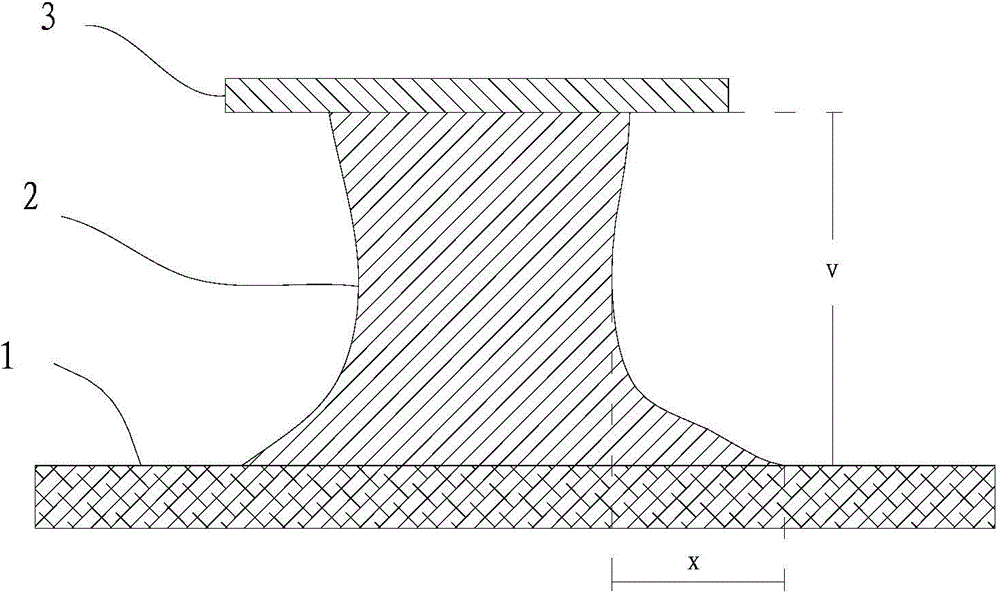
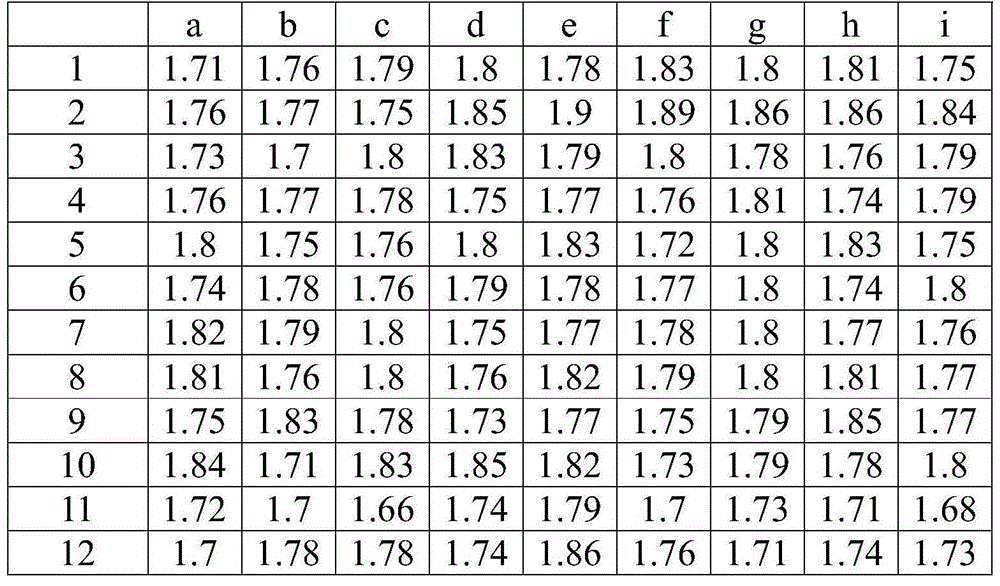
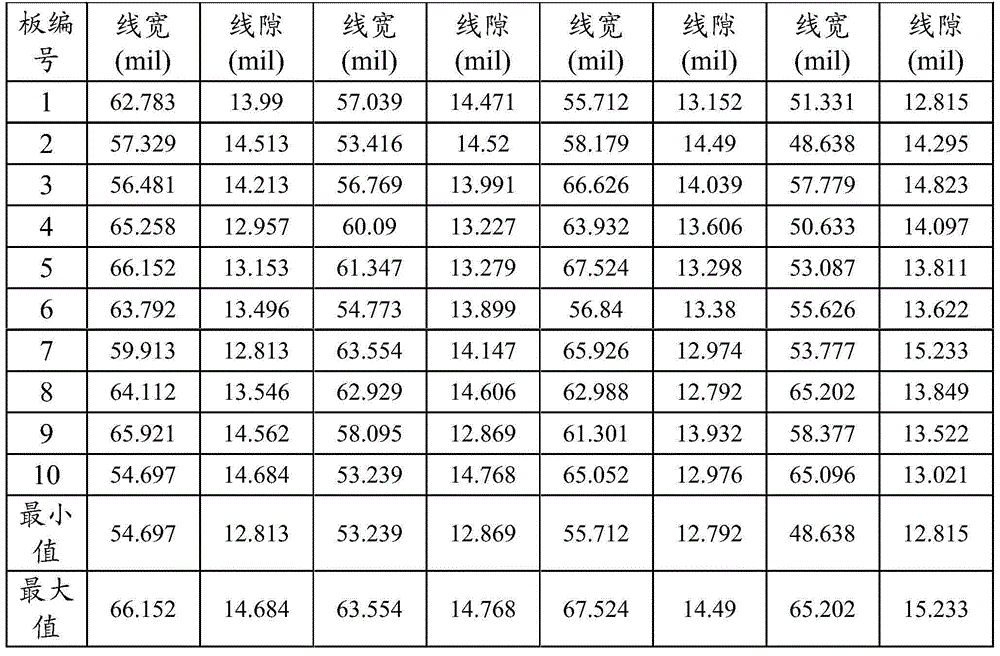

Positive plate and preparation method and application thereof
PatentInactiveCN110828781A
Innovation
- During the preparation process of the positive plate, the flux lithium tetrafluoroborate and the compounding agent polycarbonate powder are added, and through ball milling and drying and heating pressing methods, the molding temperature and porosity are reduced, the lithium ion conductivity and compaction density are increased, and the interface is increased. contact area.


Quality Standards for Thermocompression Bond Strength
Thermocompression bonding quality standards have evolved significantly to address the critical relationship between pressure optimization and bond strength reliability. Industry standards such as JEDEC JESD22-B117 and IPC-9701A establish baseline requirements for bond strength testing, typically mandating minimum shear strengths of 10-15 gf per mil of wire diameter for gold wire bonds. These standards emphasize the importance of consistent pressure application during the bonding process to achieve reproducible results.
The establishment of pressure-related quality metrics focuses on several key parameters that directly influence bond strength outcomes. Pull test requirements typically specify minimum values ranging from 3-8 grams force depending on wire diameter and application requirements. Shear test standards mandate forces between 2-6 grams force per mil of bond pad diameter. These specifications recognize that optimal pressure settings must balance sufficient deformation for metallurgical bonding while avoiding excessive stress that could damage underlying structures.
Quality assurance protocols for thermocompression bonding incorporate statistical process control methods to monitor pressure consistency and resulting bond strength variations. Control charts tracking bond pull strength distributions help identify when pressure settings drift outside acceptable ranges. Capability studies (Cpk values) are typically required to exceed 1.33 for critical applications, ensuring that 99.99% of bonds meet minimum strength requirements when pressure parameters are properly controlled.
Advanced quality standards now incorporate real-time monitoring capabilities that correlate applied pressure with immediate bond quality indicators. Ultrasonic signature analysis during bonding provides instantaneous feedback on bond formation quality, allowing for dynamic pressure adjustments. Force-displacement curves generated during the bonding process serve as quality fingerprints, with acceptable envelope parameters defined for different material combinations and geometric configurations.
Reliability qualification standards extend beyond initial bond strength measurements to encompass long-term performance under various stress conditions. Temperature cycling tests per JEDEC JESD22-A104 evaluate bond integrity after thermal stress exposure, while humidity testing according to JESD22-A101 assesses moisture resistance. These standards recognize that initial bond strength achieved through optimized pressure settings must maintain integrity throughout the product lifecycle, requiring comprehensive qualification protocols that validate both immediate and long-term performance characteristics.
The establishment of pressure-related quality metrics focuses on several key parameters that directly influence bond strength outcomes. Pull test requirements typically specify minimum values ranging from 3-8 grams force depending on wire diameter and application requirements. Shear test standards mandate forces between 2-6 grams force per mil of bond pad diameter. These specifications recognize that optimal pressure settings must balance sufficient deformation for metallurgical bonding while avoiding excessive stress that could damage underlying structures.
Quality assurance protocols for thermocompression bonding incorporate statistical process control methods to monitor pressure consistency and resulting bond strength variations. Control charts tracking bond pull strength distributions help identify when pressure settings drift outside acceptable ranges. Capability studies (Cpk values) are typically required to exceed 1.33 for critical applications, ensuring that 99.99% of bonds meet minimum strength requirements when pressure parameters are properly controlled.
Advanced quality standards now incorporate real-time monitoring capabilities that correlate applied pressure with immediate bond quality indicators. Ultrasonic signature analysis during bonding provides instantaneous feedback on bond formation quality, allowing for dynamic pressure adjustments. Force-displacement curves generated during the bonding process serve as quality fingerprints, with acceptable envelope parameters defined for different material combinations and geometric configurations.
Reliability qualification standards extend beyond initial bond strength measurements to encompass long-term performance under various stress conditions. Temperature cycling tests per JEDEC JESD22-A104 evaluate bond integrity after thermal stress exposure, while humidity testing according to JESD22-A101 assesses moisture resistance. These standards recognize that initial bond strength achieved through optimized pressure settings must maintain integrity throughout the product lifecycle, requiring comprehensive qualification protocols that validate both immediate and long-term performance characteristics.
Process Monitoring and Control System Integration
The integration of advanced process monitoring and control systems represents a critical enabler for achieving optimal pressure settings in thermocompression bonding applications. Modern manufacturing environments demand real-time visibility into process parameters, with pressure control being particularly crucial for maximizing bond strength while maintaining process repeatability and yield.
Contemporary monitoring architectures typically employ distributed sensor networks that capture pressure data at multiple points throughout the thermocompression cycle. These systems utilize high-resolution pressure transducers capable of detecting minute variations in applied force, often with sampling rates exceeding 1000 Hz to capture transient pressure events during the bonding process. The integration of these sensors with centralized data acquisition systems enables comprehensive process characterization and real-time decision making.
Control system integration focuses on closed-loop feedback mechanisms that automatically adjust pressure parameters based on real-time measurements and predetermined optimization algorithms. Advanced proportional-integral-derivative controllers work in conjunction with machine learning algorithms to predict optimal pressure profiles for specific substrate combinations and environmental conditions. These systems can dynamically compensate for variations in material properties, temperature fluctuations, and equipment wear patterns.
Data management and analytics platforms play an essential role in process optimization by aggregating historical performance data with real-time measurements. Statistical process control methodologies identify pressure setting trends that correlate with bond strength outcomes, enabling predictive maintenance and proactive process adjustments. Integration with enterprise resource planning systems facilitates seamless data flow between production planning and process execution layers.
Human-machine interface design considerations ensure operators can effectively interact with complex monitoring systems while maintaining focus on critical process parameters. Visualization tools present pressure data through intuitive dashboards that highlight deviations from optimal operating windows and provide actionable recommendations for process improvements. Alert systems notify operators of potential issues before they impact product quality or equipment performance.
The convergence of Internet of Things technologies with traditional process control systems enables remote monitoring capabilities and cloud-based analytics processing. This integration supports predictive modeling approaches that continuously refine pressure optimization strategies based on accumulated process knowledge and emerging best practices across multiple production facilities.
Contemporary monitoring architectures typically employ distributed sensor networks that capture pressure data at multiple points throughout the thermocompression cycle. These systems utilize high-resolution pressure transducers capable of detecting minute variations in applied force, often with sampling rates exceeding 1000 Hz to capture transient pressure events during the bonding process. The integration of these sensors with centralized data acquisition systems enables comprehensive process characterization and real-time decision making.
Control system integration focuses on closed-loop feedback mechanisms that automatically adjust pressure parameters based on real-time measurements and predetermined optimization algorithms. Advanced proportional-integral-derivative controllers work in conjunction with machine learning algorithms to predict optimal pressure profiles for specific substrate combinations and environmental conditions. These systems can dynamically compensate for variations in material properties, temperature fluctuations, and equipment wear patterns.
Data management and analytics platforms play an essential role in process optimization by aggregating historical performance data with real-time measurements. Statistical process control methodologies identify pressure setting trends that correlate with bond strength outcomes, enabling predictive maintenance and proactive process adjustments. Integration with enterprise resource planning systems facilitates seamless data flow between production planning and process execution layers.
Human-machine interface design considerations ensure operators can effectively interact with complex monitoring systems while maintaining focus on critical process parameters. Visualization tools present pressure data through intuitive dashboards that highlight deviations from optimal operating windows and provide actionable recommendations for process improvements. Alert systems notify operators of potential issues before they impact product quality or equipment performance.
The convergence of Internet of Things technologies with traditional process control systems enables remote monitoring capabilities and cloud-based analytics processing. This integration supports predictive modeling approaches that continuously refine pressure optimization strategies based on accumulated process knowledge and emerging best practices across multiple production facilities.
Unlock deeper insights with Patsnap Eureka Quick Research — get a full tech report to explore trends and direct your research. Try now!
Generate Your Research Report Instantly with AI Agent
Supercharge your innovation with Patsnap Eureka AI Agent Platform!