Optimizing Redox Mediators for MFCs: Durability & Voltage Output
APR 29, 20269 MIN READ
Generate Your Research Report Instantly with AI Agent
PatSnap Eureka helps you evaluate technical feasibility & market potential.
Redox Mediator Technology Background and MFC Optimization Goals
Microbial Fuel Cells represent a revolutionary bioelectrochemical technology that harnesses the metabolic processes of electroactive microorganisms to directly convert organic matter into electrical energy. Since their conceptual introduction in the early 20th century and subsequent development acceleration in the 1990s, MFCs have evolved from laboratory curiosities into promising sustainable energy solutions. The fundamental principle relies on bacteria oxidizing organic substrates at the anode while transferring electrons through an external circuit to a cathode where reduction reactions occur.
The integration of redox mediators emerged as a critical advancement in MFC technology development. These electrochemically active compounds serve as electron shuttles between microbial cells and electrode surfaces, significantly enhancing electron transfer efficiency. Early MFC systems suffered from limited power output due to poor electron transfer kinetics between bacteria and electrodes. Redox mediators address this fundamental bottleneck by providing alternative electron transfer pathways that bypass the natural limitations of direct microbial-electrode interactions.
Historical development of redox mediator technology has progressed through several distinct phases. Initial research focused on artificial mediators such as methylene blue, neutral red, and potassium ferricyanide, which demonstrated substantial power enhancement but raised concerns about toxicity and long-term stability. Subsequently, researchers explored naturally occurring mediators like riboflavin and phenazines produced by specific bacterial strains, leading to more biocompatible systems with improved sustainability profiles.
Contemporary MFC optimization goals center on achieving two primary objectives: maximizing voltage output and ensuring long-term operational durability. Voltage output optimization requires mediators with appropriate redox potentials that create favorable thermodynamic conditions for electron transfer while minimizing energy losses. The ideal mediator should possess redox potentials positioned optimally between bacterial metabolic potentials and cathode reduction potentials to maximize the overall cell voltage.
Durability considerations encompass multiple dimensions including chemical stability under operational conditions, resistance to microbial degradation, and maintenance of electrochemical activity over extended periods. Mediator degradation represents a significant challenge as it leads to performance decay and necessitates costly replacement or regeneration procedures. Environmental factors such as pH fluctuations, temperature variations, and exposure to reactive oxygen species further complicate durability requirements.
The convergence of these optimization goals drives current research toward developing next-generation mediator systems that balance high electrochemical performance with robust operational stability, ultimately enabling practical MFC deployment in real-world applications.
The integration of redox mediators emerged as a critical advancement in MFC technology development. These electrochemically active compounds serve as electron shuttles between microbial cells and electrode surfaces, significantly enhancing electron transfer efficiency. Early MFC systems suffered from limited power output due to poor electron transfer kinetics between bacteria and electrodes. Redox mediators address this fundamental bottleneck by providing alternative electron transfer pathways that bypass the natural limitations of direct microbial-electrode interactions.
Historical development of redox mediator technology has progressed through several distinct phases. Initial research focused on artificial mediators such as methylene blue, neutral red, and potassium ferricyanide, which demonstrated substantial power enhancement but raised concerns about toxicity and long-term stability. Subsequently, researchers explored naturally occurring mediators like riboflavin and phenazines produced by specific bacterial strains, leading to more biocompatible systems with improved sustainability profiles.
Contemporary MFC optimization goals center on achieving two primary objectives: maximizing voltage output and ensuring long-term operational durability. Voltage output optimization requires mediators with appropriate redox potentials that create favorable thermodynamic conditions for electron transfer while minimizing energy losses. The ideal mediator should possess redox potentials positioned optimally between bacterial metabolic potentials and cathode reduction potentials to maximize the overall cell voltage.
Durability considerations encompass multiple dimensions including chemical stability under operational conditions, resistance to microbial degradation, and maintenance of electrochemical activity over extended periods. Mediator degradation represents a significant challenge as it leads to performance decay and necessitates costly replacement or regeneration procedures. Environmental factors such as pH fluctuations, temperature variations, and exposure to reactive oxygen species further complicate durability requirements.
The convergence of these optimization goals drives current research toward developing next-generation mediator systems that balance high electrochemical performance with robust operational stability, ultimately enabling practical MFC deployment in real-world applications.
Market Demand Analysis for Enhanced MFC Performance
The global microbial fuel cell market is experiencing significant growth driven by increasing environmental concerns and the urgent need for sustainable energy solutions. Industrial wastewater treatment facilities represent the largest market segment, as these operations require both effective waste processing and cost-effective energy generation. The dual functionality of MFCs addresses critical operational challenges while providing environmental benefits, making them attractive to facility operators seeking to reduce operational costs and carbon footprints.
Municipal water treatment plants constitute another substantial market opportunity, particularly in developing regions where energy costs represent a significant portion of operational expenses. Enhanced MFC performance through optimized redox mediators could enable these facilities to achieve energy neutrality or even generate surplus power, fundamentally transforming the economics of water treatment operations.
The agricultural sector presents emerging demand for enhanced MFC systems, particularly for treating organic waste streams from livestock operations and food processing facilities. Improved voltage output and mediator durability would make MFC installations economically viable for smaller-scale agricultural applications, expanding the addressable market significantly.
Remote monitoring and sensing applications represent a specialized but growing market segment where enhanced MFC performance is critical. Environmental monitoring stations, oceanographic sensors, and remote communication devices require reliable, long-term power sources. Durable redox mediators that maintain consistent voltage output over extended periods would enable broader deployment of these systems in challenging environments.
The bioelectronics and medical device sectors are showing increased interest in MFC technology for powering implantable devices and biosensors. Enhanced performance characteristics, particularly improved voltage stability and mediator longevity, could enable breakthrough applications in continuous health monitoring and therapeutic devices.
Market growth is constrained by current limitations in power density and system reliability. Enhanced redox mediator performance directly addresses these barriers, potentially accelerating market adoption across multiple sectors. The convergence of environmental regulations, energy cost pressures, and technological advancement creates favorable conditions for widespread MFC deployment, contingent upon achieving the performance improvements that optimized redox mediators can provide.
Municipal water treatment plants constitute another substantial market opportunity, particularly in developing regions where energy costs represent a significant portion of operational expenses. Enhanced MFC performance through optimized redox mediators could enable these facilities to achieve energy neutrality or even generate surplus power, fundamentally transforming the economics of water treatment operations.
The agricultural sector presents emerging demand for enhanced MFC systems, particularly for treating organic waste streams from livestock operations and food processing facilities. Improved voltage output and mediator durability would make MFC installations economically viable for smaller-scale agricultural applications, expanding the addressable market significantly.
Remote monitoring and sensing applications represent a specialized but growing market segment where enhanced MFC performance is critical. Environmental monitoring stations, oceanographic sensors, and remote communication devices require reliable, long-term power sources. Durable redox mediators that maintain consistent voltage output over extended periods would enable broader deployment of these systems in challenging environments.
The bioelectronics and medical device sectors are showing increased interest in MFC technology for powering implantable devices and biosensors. Enhanced performance characteristics, particularly improved voltage stability and mediator longevity, could enable breakthrough applications in continuous health monitoring and therapeutic devices.
Market growth is constrained by current limitations in power density and system reliability. Enhanced redox mediator performance directly addresses these barriers, potentially accelerating market adoption across multiple sectors. The convergence of environmental regulations, energy cost pressures, and technological advancement creates favorable conditions for widespread MFC deployment, contingent upon achieving the performance improvements that optimized redox mediators can provide.
Current State and Challenges of Redox Mediators in MFCs
Microbial fuel cells have emerged as a promising technology for sustainable energy generation and wastewater treatment, with redox mediators playing a crucial role in facilitating electron transfer between microbial cells and electrodes. Currently, the field faces significant challenges in developing mediators that can simultaneously achieve high durability and optimal voltage output performance.
The present landscape of redox mediators encompasses several categories, including synthetic organic compounds such as methylene blue, neutral red, and anthraquinone derivatives, as well as naturally occurring mediators like riboflavin and phenazines. While these mediators have demonstrated varying degrees of effectiveness in laboratory settings, their real-world application remains constrained by fundamental limitations in stability and electrochemical performance.
Durability represents one of the most pressing challenges in current MFC systems. Many existing redox mediators suffer from chemical degradation under operational conditions, particularly when exposed to fluctuating pH levels, temperature variations, and oxidative stress. Synthetic mediators like methylene blue, despite showing promising initial performance, exhibit significant degradation rates that compromise long-term system reliability. The breakdown products often accumulate in the system, potentially inhibiting microbial activity and further reducing overall efficiency.
Voltage output optimization presents another critical challenge, as current mediators often fail to achieve the theoretical maximum potential difference. The redox potential mismatch between mediators and both microbial metabolic pathways and cathode reactions results in substantial energy losses. Additionally, mass transfer limitations and mediator concentration optimization remain poorly understood, leading to suboptimal electron transfer rates and reduced power density.
The geographical distribution of research efforts reveals concentrated activity in developed nations, with significant contributions from institutions in the United States, Europe, and East Asia. However, the translation of laboratory achievements to practical applications remains limited, with most commercial MFC systems still operating without optimized mediator systems.
Current technological constraints also include mediator toxicity concerns, which limit the concentration ranges that can be safely employed, particularly in wastewater treatment applications. The economic viability of mediator replacement and system maintenance further complicates the practical implementation of these technologies in industrial settings.
The present landscape of redox mediators encompasses several categories, including synthetic organic compounds such as methylene blue, neutral red, and anthraquinone derivatives, as well as naturally occurring mediators like riboflavin and phenazines. While these mediators have demonstrated varying degrees of effectiveness in laboratory settings, their real-world application remains constrained by fundamental limitations in stability and electrochemical performance.
Durability represents one of the most pressing challenges in current MFC systems. Many existing redox mediators suffer from chemical degradation under operational conditions, particularly when exposed to fluctuating pH levels, temperature variations, and oxidative stress. Synthetic mediators like methylene blue, despite showing promising initial performance, exhibit significant degradation rates that compromise long-term system reliability. The breakdown products often accumulate in the system, potentially inhibiting microbial activity and further reducing overall efficiency.
Voltage output optimization presents another critical challenge, as current mediators often fail to achieve the theoretical maximum potential difference. The redox potential mismatch between mediators and both microbial metabolic pathways and cathode reactions results in substantial energy losses. Additionally, mass transfer limitations and mediator concentration optimization remain poorly understood, leading to suboptimal electron transfer rates and reduced power density.
The geographical distribution of research efforts reveals concentrated activity in developed nations, with significant contributions from institutions in the United States, Europe, and East Asia. However, the translation of laboratory achievements to practical applications remains limited, with most commercial MFC systems still operating without optimized mediator systems.
Current technological constraints also include mediator toxicity concerns, which limit the concentration ranges that can be safely employed, particularly in wastewater treatment applications. The economic viability of mediator replacement and system maintenance further complicates the practical implementation of these technologies in industrial settings.
Current Redox Mediator Solutions for MFC Applications
01 Enhanced redox mediator compositions for improved electron transfer
Development of advanced redox mediator formulations that facilitate efficient electron transfer between microorganisms and electrodes in microbial fuel cells. These compositions focus on optimizing the chemical structure and concentration of mediators to enhance the overall electrochemical performance and reduce internal resistance of the fuel cell system.- Enhanced redox mediator compositions for improved electron transfer: Advanced redox mediator formulations that optimize electron transfer efficiency in microbial fuel cells through the use of specific organic and inorganic compounds. These compositions facilitate better communication between microorganisms and electrodes, leading to enhanced overall performance and stability of the fuel cell system.
- Electrode modification techniques for mediator integration: Methods for incorporating redox mediators directly into electrode structures or surface modifications to create more efficient electron pathways. These techniques involve coating, embedding, or chemically bonding mediators to electrode materials to ensure sustained performance and reduced mediator leaching over extended operational periods.
- Stability enhancement mechanisms for long-term operation: Approaches to improve the chemical and electrochemical stability of redox mediators under operational conditions. These mechanisms focus on preventing degradation, oxidation, and loss of mediator activity through protective matrices, stabilizing agents, and optimized operating parameters to ensure consistent performance over extended periods.
- Voltage optimization through mediator selection and concentration: Strategies for maximizing voltage output by carefully selecting appropriate redox mediators and optimizing their concentrations within the fuel cell system. This involves understanding the relationship between mediator properties, microbial compatibility, and electrochemical potential to achieve higher power densities and improved energy conversion efficiency.
- Multi-mediator systems and synergistic effects: Implementation of multiple redox mediators working in combination to create synergistic effects that enhance both durability and voltage output. These systems utilize complementary mediator properties to create more robust electron transfer networks and provide backup pathways for sustained operation under varying conditions.
02 Durable electrode materials with integrated redox systems
Innovation in electrode design incorporating stable redox mediator systems that maintain long-term performance in microbial fuel cell applications. These materials are engineered to resist degradation and maintain consistent electrochemical activity over extended operational periods, addressing durability challenges in practical implementations.Expand Specific Solutions03 Voltage optimization through mediator-catalyst combinations
Strategic combination of redox mediators with catalytic materials to maximize voltage output in microbial fuel cells. This approach involves synergistic effects between different electroactive compounds that work together to enhance the overall power generation capacity while maintaining system stability.Expand Specific Solutions04 Biocompatible mediator systems for enhanced microbial activity
Development of redox mediators that are specifically designed to be compatible with microbial metabolism while promoting efficient electron transfer. These systems focus on maintaining healthy microbial communities while optimizing the electrochemical interface for sustained power generation and improved cell longevity.Expand Specific Solutions05 Stabilized mediator delivery and retention mechanisms
Advanced methods for delivering and retaining redox mediators within microbial fuel cell systems to ensure consistent performance over time. These mechanisms address mediator loss and degradation issues through innovative encapsulation, immobilization, or controlled release strategies that maintain optimal mediator concentrations throughout the operational lifetime.Expand Specific Solutions
Key Players in MFC and Redox Mediator Industry
The microbial fuel cell (MFC) redox mediator optimization field represents an emerging technology sector in early development stages with significant growth potential. The market remains relatively small but shows promising expansion driven by increasing demand for sustainable energy solutions and bioelectrochemical systems. Technology maturity varies considerably across different approaches, with established semiconductor companies like Samsung Electronics, Taiwan Semiconductor Manufacturing, and STMicroelectronics leveraging their materials expertise, while research institutions including Zhejiang University, South China University of Technology, and Waseda University drive fundamental innovations. Industrial players such as Honda Motor, DENSO Corp, and Mitsubishi Electric are exploring applications in automotive and energy systems. The competitive landscape features a mix of academic research leadership from Chinese and Japanese institutions, semiconductor industry giants applying existing technologies to new applications, and specialized companies like Huawei Digital Power Technologies focusing on energy solutions, indicating a technology transition from laboratory research toward commercial viability.
South China University of Technology
Technical Solution: Developed novel quinone-based redox mediators with enhanced electron transfer kinetics for microbial fuel cells. Their research focuses on optimizing mediator concentration and pH conditions to achieve maximum voltage output while maintaining long-term stability. The university has pioneered the use of anthraquinone derivatives that demonstrate superior durability compared to traditional mediators, with operational lifespans exceeding 180 days under continuous operation.
Strengths: Strong research foundation in electrochemical systems and proven track record in MFC optimization. Weaknesses: Limited commercial scalability and industrial partnerships for technology transfer.
Honda Motor Co., Ltd.
Technical Solution: Focused on automotive applications of MFCs with optimized redox mediators for vehicle energy systems. Honda has developed robust mediator formulations specifically designed for mobile applications, emphasizing durability under mechanical stress and temperature variations. Their research targets integration of MFC technology with hybrid vehicle systems, creating mediators that maintain consistent voltage output despite challenging operational environments including vibration, temperature fluctuations, and varying load conditions.
Strengths: Extensive automotive engineering expertise and real-world testing capabilities in harsh environments. Weaknesses: Limited focus on stationary MFC applications and narrow market scope compared to broader energy storage solutions.
Core Patents in Durable High-Voltage Redox Mediators
Redox mediator encapsulation
PatentPendingUS20250046826A1
Innovation
- A redox mediator/mesoporous carbon nanocomposite is developed, where the redox mediator is encapsulated within a mesoporous carbon structure using a melt diffusion vaporization strategy, creating a reservoir that maintains a local supersaturation of the mediator, thereby enhancing its availability and stability.


Agents for enhanced charge transport across microbial membranes
PatentInactiveUS20120264649A1
Innovation
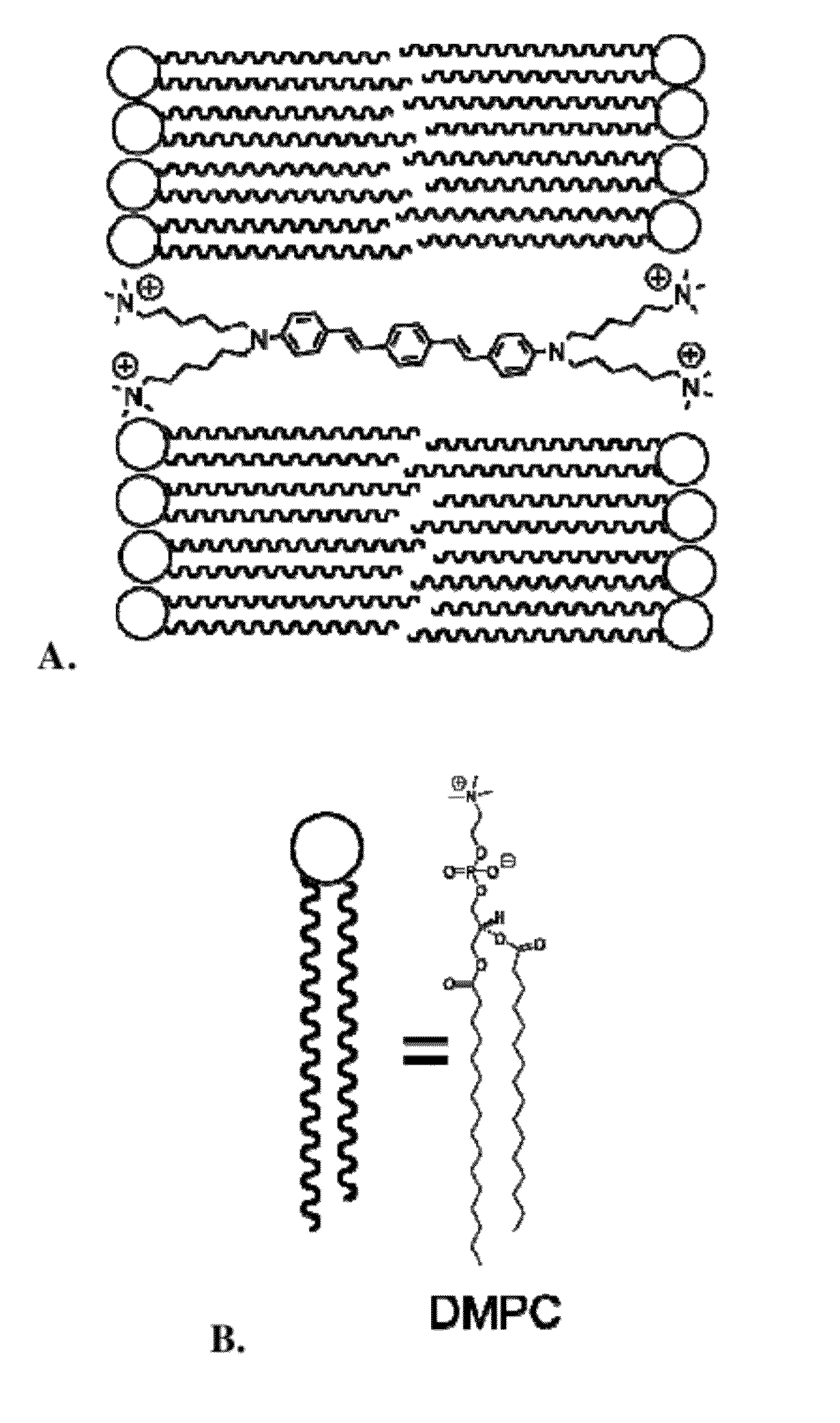
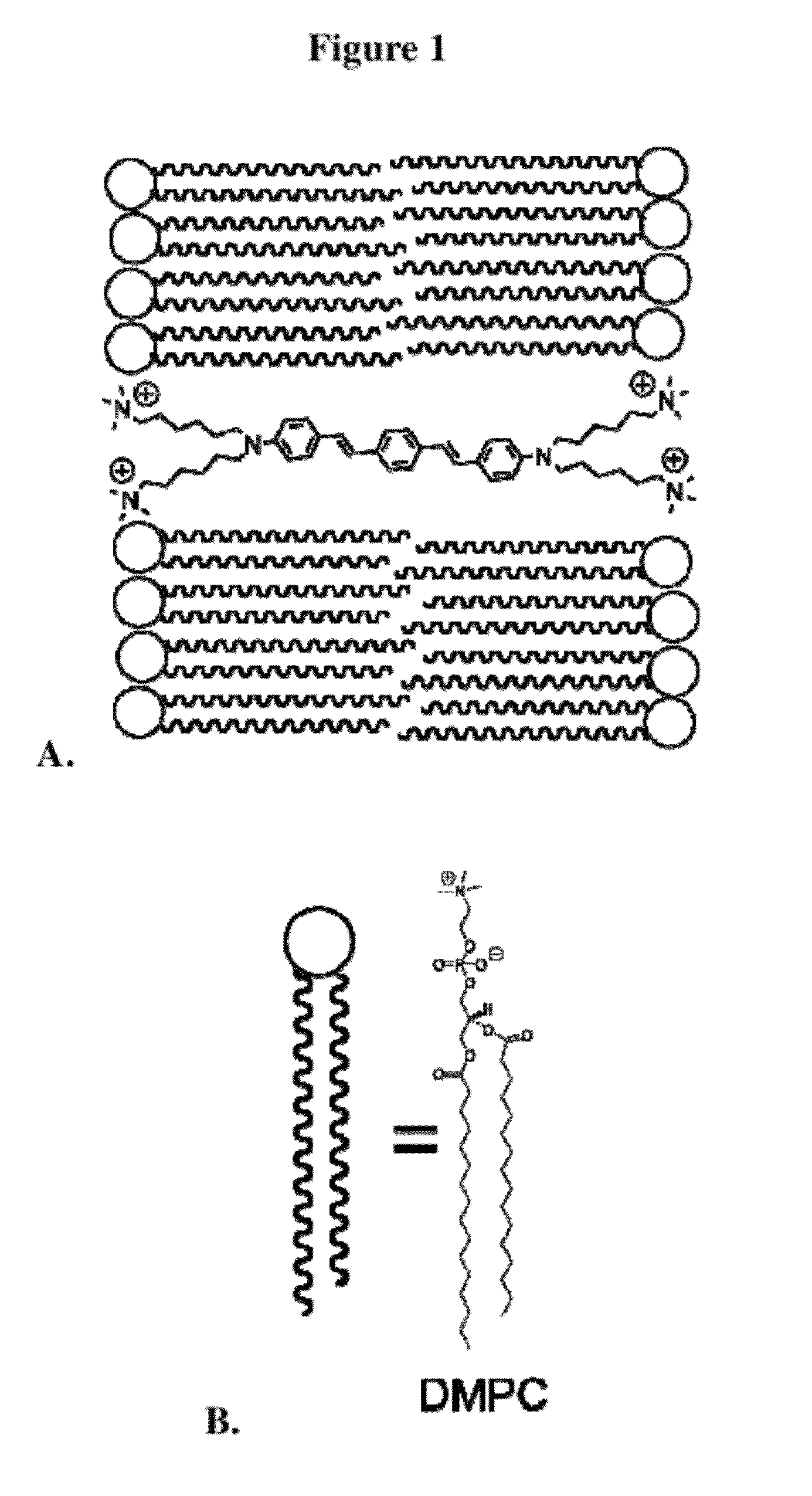
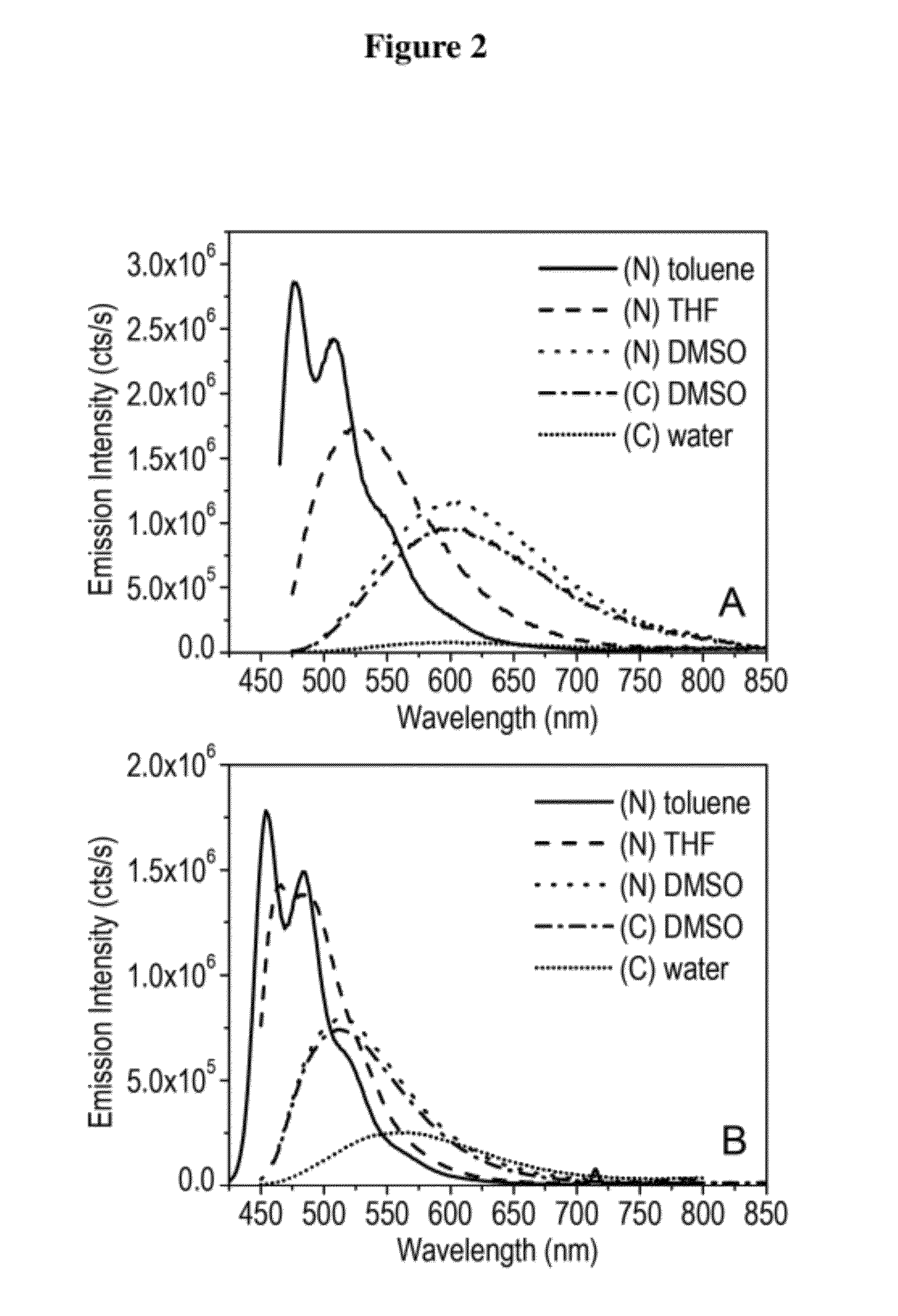
- Incorporating charge-transfer agents, such as electronically delocalized molecules, into the lipid bilayer of microbes to facilitate direct electron transfer across the cell membrane, enhancing the rate and electromotive force of transmembrane charge transfer.

Environmental Regulations for MFC Deployment
The deployment of microbial fuel cells (MFCs) with optimized redox mediators faces a complex regulatory landscape that varies significantly across different jurisdictions. Current environmental regulations primarily focus on waste management, water quality standards, and biotechnology safety protocols. In the United States, the Environmental Protection Agency (EPA) oversees MFC deployment through multiple regulatory frameworks including the Clean Water Act, the Resource Conservation and Recovery Act, and biotechnology regulations under TSCA.
European Union regulations present additional complexity through the REACH regulation for chemical substances, the Water Framework Directive, and the Waste Framework Directive. These regulations particularly impact redox mediator selection and disposal protocols. The European Medicines Agency also evaluates certain organic redox mediators that may have pharmaceutical applications, creating dual regulatory pathways for some compounds.
Redox mediator durability optimization must comply with chemical safety assessments that evaluate environmental persistence, bioaccumulation potential, and toxicity profiles. Synthetic mediators like methylene blue and neutral red require comprehensive environmental risk assessments before large-scale deployment. The regulatory approval process typically involves demonstrating that mediator degradation products do not pose environmental hazards or exceed established water quality thresholds.
Voltage output optimization strategies face scrutiny under electrical safety standards and grid interconnection regulations. Many jurisdictions require MFC systems to meet specific electrical codes and safety certifications before commercial deployment. The International Electrotechnical Commission (IEC) has begun developing standards for bioelectrochemical systems, though comprehensive guidelines remain under development.
Emerging regulatory trends indicate increasing focus on life cycle assessments for MFC components, including redox mediators. Several countries are developing specific guidelines for bioelectrochemical waste treatment systems, recognizing their unique environmental benefits while addressing potential risks. Future regulatory frameworks are expected to establish standardized testing protocols for mediator environmental fate and create streamlined approval pathways for proven low-risk compounds.
The regulatory landscape continues evolving as MFC technology matures, with increasing emphasis on sustainable mediator design and comprehensive environmental impact assessments that balance innovation with environmental protection.
European Union regulations present additional complexity through the REACH regulation for chemical substances, the Water Framework Directive, and the Waste Framework Directive. These regulations particularly impact redox mediator selection and disposal protocols. The European Medicines Agency also evaluates certain organic redox mediators that may have pharmaceutical applications, creating dual regulatory pathways for some compounds.
Redox mediator durability optimization must comply with chemical safety assessments that evaluate environmental persistence, bioaccumulation potential, and toxicity profiles. Synthetic mediators like methylene blue and neutral red require comprehensive environmental risk assessments before large-scale deployment. The regulatory approval process typically involves demonstrating that mediator degradation products do not pose environmental hazards or exceed established water quality thresholds.
Voltage output optimization strategies face scrutiny under electrical safety standards and grid interconnection regulations. Many jurisdictions require MFC systems to meet specific electrical codes and safety certifications before commercial deployment. The International Electrotechnical Commission (IEC) has begun developing standards for bioelectrochemical systems, though comprehensive guidelines remain under development.
Emerging regulatory trends indicate increasing focus on life cycle assessments for MFC components, including redox mediators. Several countries are developing specific guidelines for bioelectrochemical waste treatment systems, recognizing their unique environmental benefits while addressing potential risks. Future regulatory frameworks are expected to establish standardized testing protocols for mediator environmental fate and create streamlined approval pathways for proven low-risk compounds.
The regulatory landscape continues evolving as MFC technology matures, with increasing emphasis on sustainable mediator design and comprehensive environmental impact assessments that balance innovation with environmental protection.
Cost-Benefit Analysis of Advanced Redox Mediator Systems
The economic viability of advanced redox mediator systems in microbial fuel cells requires comprehensive evaluation of both capital expenditures and operational benefits. Initial investment costs for high-performance mediators such as methylene blue derivatives, quinone-based compounds, and novel synthetic mediators typically range from $50-200 per kilogram, significantly higher than conventional alternatives. However, these costs must be weighed against enhanced durability and performance characteristics that extend operational lifespans from months to years.
Advanced mediator systems demonstrate superior cost-effectiveness through reduced replacement frequencies and maintenance requirements. Traditional mediators often require replacement every 3-6 months due to degradation, while optimized systems can maintain functionality for 18-24 months under continuous operation. This extended lifespan translates to reduced labor costs, system downtime, and material procurement expenses, creating substantial operational savings over the system lifecycle.
The enhanced voltage output capabilities of advanced mediators directly impact revenue generation potential in commercial applications. Systems utilizing optimized redox mediators achieve 20-40% higher power densities compared to baseline configurations, enabling smaller reactor footprints for equivalent energy output. This improvement reduces infrastructure costs per unit of power generation and increases the economic attractiveness of MFC installations in wastewater treatment and remote power applications.
Long-term economic analysis reveals that despite higher upfront costs, advanced mediator systems achieve break-even points within 12-18 months of operation. The total cost of ownership over a five-year period shows 25-35% lower expenses compared to conventional systems when factoring in replacement costs, maintenance intervals, and productivity gains from improved reliability.
Market adoption barriers primarily center on initial capital requirements and risk perception among early adopters. However, emerging financing models and performance guarantees from mediator suppliers are addressing these concerns, facilitating broader market penetration and driving down unit costs through economies of scale.
Advanced mediator systems demonstrate superior cost-effectiveness through reduced replacement frequencies and maintenance requirements. Traditional mediators often require replacement every 3-6 months due to degradation, while optimized systems can maintain functionality for 18-24 months under continuous operation. This extended lifespan translates to reduced labor costs, system downtime, and material procurement expenses, creating substantial operational savings over the system lifecycle.
The enhanced voltage output capabilities of advanced mediators directly impact revenue generation potential in commercial applications. Systems utilizing optimized redox mediators achieve 20-40% higher power densities compared to baseline configurations, enabling smaller reactor footprints for equivalent energy output. This improvement reduces infrastructure costs per unit of power generation and increases the economic attractiveness of MFC installations in wastewater treatment and remote power applications.
Long-term economic analysis reveals that despite higher upfront costs, advanced mediator systems achieve break-even points within 12-18 months of operation. The total cost of ownership over a five-year period shows 25-35% lower expenses compared to conventional systems when factoring in replacement costs, maintenance intervals, and productivity gains from improved reliability.
Market adoption barriers primarily center on initial capital requirements and risk perception among early adopters. However, emerging financing models and performance guarantees from mediator suppliers are addressing these concerns, facilitating broader market penetration and driving down unit costs through economies of scale.
Unlock deeper insights with PatSnap Eureka Quick Research — get a full tech report to explore trends and direct your research. Try now!
Generate Your Research Report Instantly with AI Agent
Supercharge your innovation with PatSnap Eureka AI Agent Platform!