

Optimizing Sensor Placement on Morphing Wings for Instant Structural Feedback
MAY 18, 20269 MIN READ
Generate Your Research Report Instantly with AI Agent
PatSnap Eureka helps you evaluate technical feasibility & market potential.
Morphing Wing Technology Background and Objectives
Morphing wing technology represents a revolutionary advancement in aerospace engineering, drawing inspiration from natural flight mechanisms observed in birds and insects. This biomimetic approach seeks to overcome the inherent limitations of conventional fixed-wing aircraft by enabling real-time geometric modifications to wing structures during flight operations. The concept emerged from decades of research into adaptive structures and smart materials, with early theoretical foundations established in the 1980s and practical implementations gaining momentum in the 21st century.
The fundamental principle underlying morphing wings involves the controlled deformation of wing geometry to optimize aerodynamic performance across varying flight conditions. Unlike traditional aircraft that rely on discrete control surfaces such as flaps and ailerons, morphing wings achieve continuous shape adaptation through integrated actuation systems and flexible structural elements. This paradigm shift enables aircraft to maintain optimal lift-to-drag ratios throughout different phases of flight, from takeoff and cruise to landing configurations.
Historical development of morphing wing technology has progressed through several distinct phases, beginning with conceptual studies and advancing toward practical demonstrators. Early research focused primarily on understanding the aerodynamic benefits of shape adaptation, while subsequent efforts concentrated on developing enabling technologies including smart materials, distributed actuation systems, and adaptive control algorithms. The integration of advanced composite materials and shape memory alloys has been particularly instrumental in achieving the structural flexibility required for effective morphing capabilities.
The primary technical objectives driving morphing wing development encompass multiple performance enhancement goals. Aerodynamic efficiency optimization remains the foremost priority, targeting significant improvements in fuel consumption and operational range through real-time wing shape adaptation. Additionally, morphing technology aims to enhance aircraft maneuverability and control authority while reducing mechanical complexity associated with traditional control surface systems.
Contemporary morphing wing implementations face substantial challenges in achieving reliable structural health monitoring and feedback control systems. The dynamic nature of morphing structures necessitates sophisticated sensor networks capable of providing instantaneous feedback on structural deformation, stress distribution, and aerodynamic loading conditions. This requirement has catalyzed research into optimized sensor placement strategies that can deliver comprehensive structural awareness while minimizing weight penalties and system complexity.
The strategic importance of morphing wing technology extends beyond performance improvements to encompass broader implications for future aircraft design philosophies. Successful implementation promises to enable new categories of aircraft optimized for multi-mission capabilities, potentially revolutionizing both military and civilian aviation sectors through unprecedented operational flexibility and efficiency gains.
The fundamental principle underlying morphing wings involves the controlled deformation of wing geometry to optimize aerodynamic performance across varying flight conditions. Unlike traditional aircraft that rely on discrete control surfaces such as flaps and ailerons, morphing wings achieve continuous shape adaptation through integrated actuation systems and flexible structural elements. This paradigm shift enables aircraft to maintain optimal lift-to-drag ratios throughout different phases of flight, from takeoff and cruise to landing configurations.
Historical development of morphing wing technology has progressed through several distinct phases, beginning with conceptual studies and advancing toward practical demonstrators. Early research focused primarily on understanding the aerodynamic benefits of shape adaptation, while subsequent efforts concentrated on developing enabling technologies including smart materials, distributed actuation systems, and adaptive control algorithms. The integration of advanced composite materials and shape memory alloys has been particularly instrumental in achieving the structural flexibility required for effective morphing capabilities.
The primary technical objectives driving morphing wing development encompass multiple performance enhancement goals. Aerodynamic efficiency optimization remains the foremost priority, targeting significant improvements in fuel consumption and operational range through real-time wing shape adaptation. Additionally, morphing technology aims to enhance aircraft maneuverability and control authority while reducing mechanical complexity associated with traditional control surface systems.
Contemporary morphing wing implementations face substantial challenges in achieving reliable structural health monitoring and feedback control systems. The dynamic nature of morphing structures necessitates sophisticated sensor networks capable of providing instantaneous feedback on structural deformation, stress distribution, and aerodynamic loading conditions. This requirement has catalyzed research into optimized sensor placement strategies that can deliver comprehensive structural awareness while minimizing weight penalties and system complexity.
The strategic importance of morphing wing technology extends beyond performance improvements to encompass broader implications for future aircraft design philosophies. Successful implementation promises to enable new categories of aircraft optimized for multi-mission capabilities, potentially revolutionizing both military and civilian aviation sectors through unprecedented operational flexibility and efficiency gains.
Market Demand for Adaptive Wing Systems
The aerospace industry is experiencing unprecedented demand for adaptive wing systems driven by stringent environmental regulations and fuel efficiency requirements. Commercial aviation faces mounting pressure to reduce carbon emissions, with the International Civil Aviation Organization setting ambitious targets for carbon-neutral growth. This regulatory environment creates substantial market pull for morphing wing technologies that can optimize aerodynamic performance across diverse flight conditions.
Military and defense applications represent another significant demand driver for adaptive wing systems. Modern combat aircraft require enhanced maneuverability, stealth capabilities, and mission flexibility that traditional fixed-wing designs cannot adequately provide. The ability to dynamically reconfigure wing geometry offers tactical advantages in varying operational scenarios, from high-speed intercept missions to low-speed surveillance operations.
The unmanned aerial vehicle sector demonstrates particularly strong growth potential for morphing wing applications. Commercial drone operations in logistics, agriculture, and infrastructure monitoring require aircraft capable of efficient performance across wide operational envelopes. Adaptive wing systems enable single platforms to excel in both long-endurance cruise missions and precision maneuvering tasks, reducing fleet complexity and operational costs.
Emerging urban air mobility markets present new opportunities for adaptive wing technologies. Electric vertical takeoff and landing aircraft require sophisticated control systems to manage complex flight transitions between hover and forward flight modes. Morphing wing capabilities can enhance safety margins and operational efficiency during these critical flight phases.
The space industry increasingly recognizes the value of adaptive structures for atmospheric entry vehicles and planetary exploration aircraft. Mars helicopter missions have demonstrated the feasibility of powered flight in extraterrestrial environments, creating demand for more sophisticated adaptive flight systems capable of operating in challenging atmospheric conditions.
Market growth is further accelerated by advances in materials science, particularly shape memory alloys and smart composites that enable practical implementation of morphing wing concepts. These technological enablers are reducing the complexity and weight penalties traditionally associated with adaptive wing systems, making commercial applications increasingly viable.
Industrial applications beyond traditional aerospace also drive demand for adaptive wing systems. Wind energy companies explore morphing blade technologies to optimize power generation across varying wind conditions, while automotive manufacturers investigate adaptive aerodynamic surfaces for improved vehicle efficiency.
Military and defense applications represent another significant demand driver for adaptive wing systems. Modern combat aircraft require enhanced maneuverability, stealth capabilities, and mission flexibility that traditional fixed-wing designs cannot adequately provide. The ability to dynamically reconfigure wing geometry offers tactical advantages in varying operational scenarios, from high-speed intercept missions to low-speed surveillance operations.
The unmanned aerial vehicle sector demonstrates particularly strong growth potential for morphing wing applications. Commercial drone operations in logistics, agriculture, and infrastructure monitoring require aircraft capable of efficient performance across wide operational envelopes. Adaptive wing systems enable single platforms to excel in both long-endurance cruise missions and precision maneuvering tasks, reducing fleet complexity and operational costs.
Emerging urban air mobility markets present new opportunities for adaptive wing technologies. Electric vertical takeoff and landing aircraft require sophisticated control systems to manage complex flight transitions between hover and forward flight modes. Morphing wing capabilities can enhance safety margins and operational efficiency during these critical flight phases.
The space industry increasingly recognizes the value of adaptive structures for atmospheric entry vehicles and planetary exploration aircraft. Mars helicopter missions have demonstrated the feasibility of powered flight in extraterrestrial environments, creating demand for more sophisticated adaptive flight systems capable of operating in challenging atmospheric conditions.
Market growth is further accelerated by advances in materials science, particularly shape memory alloys and smart composites that enable practical implementation of morphing wing concepts. These technological enablers are reducing the complexity and weight penalties traditionally associated with adaptive wing systems, making commercial applications increasingly viable.
Industrial applications beyond traditional aerospace also drive demand for adaptive wing systems. Wind energy companies explore morphing blade technologies to optimize power generation across varying wind conditions, while automotive manufacturers investigate adaptive aerodynamic surfaces for improved vehicle efficiency.
Current Sensor Integration Challenges in Morphing Structures
The integration of sensors into morphing wing structures presents unprecedented challenges that stem from the fundamental conflict between structural adaptability and sensor reliability. Traditional sensor mounting techniques, designed for rigid aerospace structures, become inadequate when applied to surfaces that undergo continuous geometric transformation. The primary challenge lies in maintaining sensor functionality while accommodating the extreme deformations that morphing wings experience during flight operations.
Mechanical stress concentration represents a critical concern in current sensor integration approaches. As morphing wings flex, twist, and change camber, sensors experience multi-axial loading conditions that can exceed their design limits. Conventional strain gauges and accelerometers, when rigidly bonded to morphing surfaces, often fail due to fatigue cracking or debonding at the sensor-structure interface. This mechanical incompatibility severely limits the operational envelope of morphing aircraft systems.
Signal integrity degradation poses another significant challenge in dynamic morphing environments. Continuous structural deformation introduces noise artifacts and signal drift that compromise measurement accuracy. Cable routing becomes particularly problematic as traditional wiring harnesses cannot accommodate the large displacement ranges without creating stress concentrations or mechanical interference with the morphing mechanism.
Power delivery to distributed sensor networks on morphing structures remains technically challenging. Conventional power distribution systems rely on fixed routing paths that are incompatible with the dynamic geometry changes inherent in morphing wings. Wireless power transmission solutions, while promising, introduce additional complexity regarding electromagnetic interference and power efficiency concerns.
Environmental sealing and protection of sensor systems become exponentially more difficult in morphing applications. The continuous surface deformation creates dynamic gaps and interfaces that are difficult to seal effectively against moisture, debris, and electromagnetic interference. Traditional encapsulation methods often restrict the morphing capability or fail under repeated deformation cycles.
Data synchronization and processing challenges emerge from the distributed nature of sensor networks on morphing structures. The varying distances between sensors and processing units, combined with the dynamic electromagnetic environment created by structural motion, complicate real-time data acquisition and processing requirements essential for instant structural feedback systems.
Mechanical stress concentration represents a critical concern in current sensor integration approaches. As morphing wings flex, twist, and change camber, sensors experience multi-axial loading conditions that can exceed their design limits. Conventional strain gauges and accelerometers, when rigidly bonded to morphing surfaces, often fail due to fatigue cracking or debonding at the sensor-structure interface. This mechanical incompatibility severely limits the operational envelope of morphing aircraft systems.
Signal integrity degradation poses another significant challenge in dynamic morphing environments. Continuous structural deformation introduces noise artifacts and signal drift that compromise measurement accuracy. Cable routing becomes particularly problematic as traditional wiring harnesses cannot accommodate the large displacement ranges without creating stress concentrations or mechanical interference with the morphing mechanism.
Power delivery to distributed sensor networks on morphing structures remains technically challenging. Conventional power distribution systems rely on fixed routing paths that are incompatible with the dynamic geometry changes inherent in morphing wings. Wireless power transmission solutions, while promising, introduce additional complexity regarding electromagnetic interference and power efficiency concerns.
Environmental sealing and protection of sensor systems become exponentially more difficult in morphing applications. The continuous surface deformation creates dynamic gaps and interfaces that are difficult to seal effectively against moisture, debris, and electromagnetic interference. Traditional encapsulation methods often restrict the morphing capability or fail under repeated deformation cycles.
Data synchronization and processing challenges emerge from the distributed nature of sensor networks on morphing structures. The varying distances between sensors and processing units, combined with the dynamic electromagnetic environment created by structural motion, complicate real-time data acquisition and processing requirements essential for instant structural feedback systems.
Existing Sensor Placement Solutions for Dynamic Wings
01 Optimal sensor positioning algorithms and methodologies
Advanced algorithms and computational methods are employed to determine the optimal placement of sensors in structural systems. These methodologies consider factors such as structural dynamics, measurement accuracy, and system observability to maximize the effectiveness of structural health monitoring. The algorithms often utilize optimization techniques to identify the most informative sensor locations that provide comprehensive coverage of the structure's response characteristics.- Optimal sensor positioning algorithms and methods: Advanced algorithms and computational methods are used to determine the optimal placement of sensors in structural systems to maximize feedback effectiveness. These methods consider factors such as structural dynamics, signal quality, and coverage area to identify the most strategic sensor locations for comprehensive monitoring and control.
- Multi-sensor array configuration for structural monitoring: Multiple sensors are strategically arranged in arrays or networks to provide comprehensive structural feedback. This approach involves coordinating various sensor types and positions to create redundant monitoring systems that can detect different types of structural responses and provide robust feedback for control systems.
- Adaptive sensor placement based on structural response: Dynamic sensor positioning systems that can adjust sensor locations based on real-time structural behavior and changing conditions. These systems use feedback from initial measurements to optimize sensor placement for improved monitoring accuracy and structural control effectiveness.
- Integration of sensor feedback with structural control systems: Methods for incorporating sensor placement strategies with active structural control mechanisms. This involves designing sensor networks that provide optimal feedback for vibration control, load management, and structural stability systems, ensuring effective communication between sensing and actuation components.
- Wireless and distributed sensor placement architectures: Implementation of wireless sensor networks and distributed sensing systems for structural monitoring applications. These architectures focus on efficient placement of wireless sensors to minimize power consumption while maximizing structural coverage and feedback quality for remote monitoring and control applications.
02 Wireless sensor networks for structural monitoring
Wireless communication technologies enable the deployment of distributed sensor networks throughout structural systems without the constraints of physical wiring. These networks facilitate real-time data collection and transmission from multiple sensor nodes, allowing for comprehensive monitoring of structural behavior. The wireless approach provides flexibility in sensor placement and reduces installation complexity while maintaining reliable data communication for feedback control systems.Expand Specific Solutions03 Multi-modal sensing and data fusion techniques
Integration of various sensor types including accelerometers, strain gauges, and displacement sensors provides comprehensive structural response measurement. Data fusion algorithms combine information from multiple sensing modalities to create a more complete understanding of structural behavior. This approach enhances the reliability and accuracy of structural feedback systems by leveraging the complementary characteristics of different sensor technologies.Expand Specific Solutions04 Real-time feedback control systems for structural response
Active control systems utilize sensor feedback to implement real-time structural response modification through actuators and control algorithms. These systems continuously monitor structural conditions and apply corrective forces or adjustments to mitigate unwanted vibrations or deformations. The feedback loop enables adaptive response to changing environmental conditions and loading scenarios, improving overall structural performance and safety.Expand Specific Solutions05 Structural health monitoring and damage detection systems
Sensor networks are strategically positioned to detect and monitor structural damage, degradation, and anomalous behavior patterns. These systems employ pattern recognition and signal processing techniques to identify changes in structural characteristics that may indicate potential problems. Early detection capabilities enable proactive maintenance and safety measures, extending structural lifespan and preventing catastrophic failures through continuous monitoring and assessment.Expand Specific Solutions
Key Players in Morphing Wing and Sensor Industries
The morphing wing sensor optimization field represents an emerging technology sector in early development stages, characterized by significant research activity but limited commercial deployment. The market remains nascent with substantial growth potential as adaptive wing technologies transition from laboratory to practical applications. Technology maturity varies considerably across stakeholders, with leading aerospace manufacturers like Boeing, Airbus Operations, Mitsubishi Heavy Industries, and Embraer driving advanced development alongside specialized firms such as Spirit AeroSystems and HRL Laboratories. Chinese entities including COMAC and research institutions like Beihang University, Northwestern Polytechnical University, and Nanjing University of Aeronautics & Astronautics are rapidly advancing capabilities. European contributors include Deutsches Zentrum für Luft- und Raumfahrt, Katholieke Universiteit Leuven, and Universidad Politécnica de Madrid, while technology integrators like Robert Bosch bring sensor expertise. The competitive landscape reflects a collaborative ecosystem where established aerospace giants, emerging manufacturers, research institutions, and specialized technology providers collectively advance morphing wing sensor technologies toward commercial viability.
The Boeing Co.
Technical Solution: Boeing has developed advanced morphing wing technologies integrated with distributed sensor networks for real-time structural health monitoring. Their approach utilizes fiber optic sensors and strain gauges strategically placed along wing surfaces to capture deformation data during flight operations. The company's sensor placement optimization algorithm considers aerodynamic loads, structural stress concentrations, and manufacturing constraints to determine optimal sensor locations. Boeing's system employs machine learning algorithms to process sensor data and provide instant feedback on wing structural integrity, enabling adaptive control of morphing mechanisms. Their technology has been tested on experimental aircraft platforms and demonstrates capability for real-time monitoring of wing shape changes with millisecond response times.
Strengths: Extensive flight testing experience and proven aerospace integration capabilities. Weaknesses: High development costs and complex certification requirements for commercial applications.
Beihang University
Technical Solution: Beihang University has conducted extensive research on sensor placement optimization for morphing wing structures using computational intelligence methods. Their approach combines particle swarm optimization with structural analysis to determine optimal sensor configurations for maximum structural feedback effectiveness. The university's research focuses on developing lightweight sensor networks that can adapt to changing wing geometries during morphing operations. Their methodology incorporates multi-physics simulations to account for aerodynamic, structural, and thermal effects on sensor performance. Beihang's system utilizes distributed fiber optic sensors and wireless sensor nodes to provide comprehensive monitoring of wing deformation and stress distribution. The research demonstrates significant improvements in sensor placement efficiency and structural feedback quality for morphing wing applications through advanced optimization algorithms.
Strengths: Strong research foundation and comprehensive multi-physics modeling capabilities. Weaknesses: Limited practical implementation experience and focus primarily on academic research applications.
Core Innovations in Real-time Structural Feedback Systems
Aircraft aeroelasticity inertia sensor layout method
PatentInactiveCN104991982A
Innovation
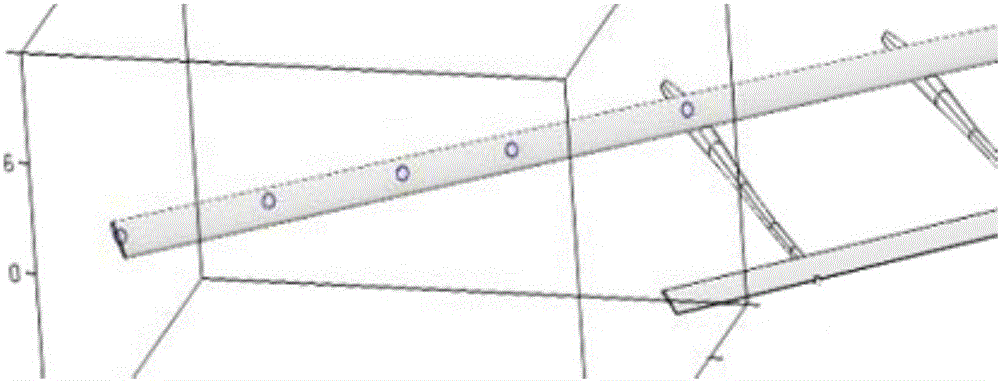
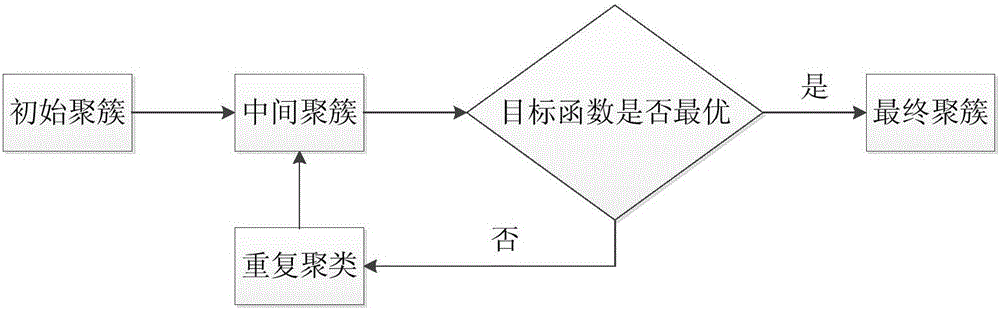
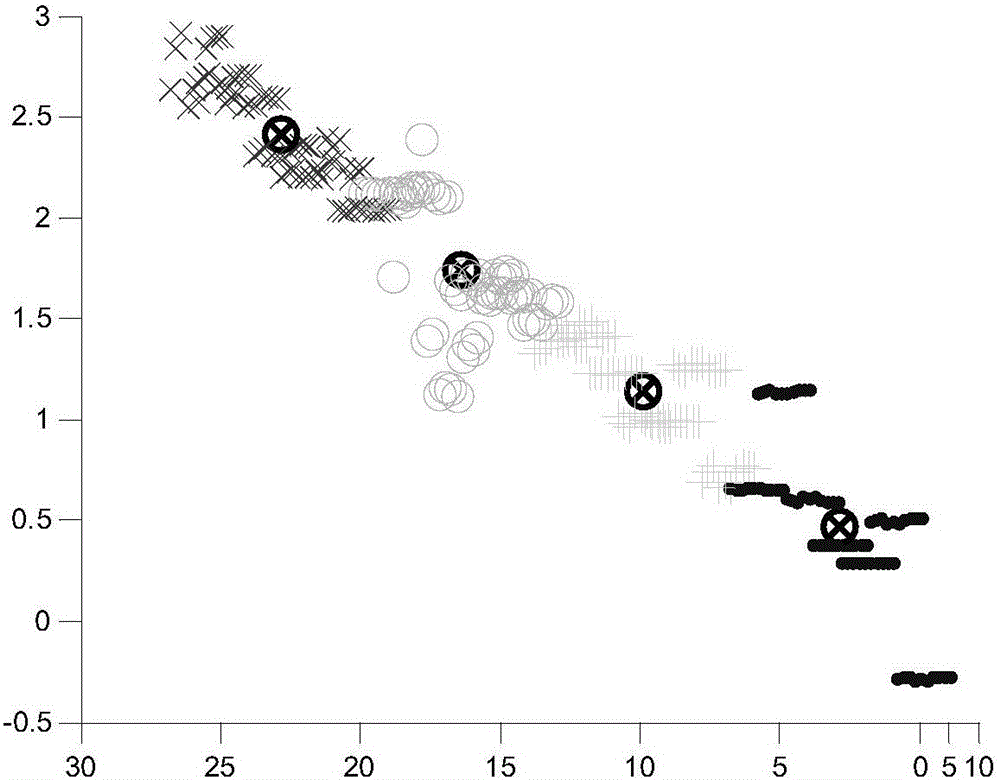
- The finite element method is used to solve the dynamic response of the aircraft structure, and the sensor positions are optimized through fluid-structure coupling analysis and distance metric-based clustering methods to ensure that each sensor can collect valuable aeroelastic characteristic values and support manual specification of the number of sensors.

Optimizing sensor placement for structural health monitoring based on information entropy or total modal energy
PatentActiveUS10451416B1
Innovation
- An analysis application optimizes sensor placement by minimizing information entropy or maximizing total modal energy using a two-part optimization procedure, involving the generation of an information matrix and a genetic algorithm to determine optimal sensor locations.


Aviation Safety Regulations for Morphing Aircraft
The regulatory landscape for morphing aircraft presents unprecedented challenges as traditional aviation safety frameworks were designed for fixed-geometry aircraft. Current Federal Aviation Regulations (FAR) and European Aviation Safety Agency (EASA) standards lack specific provisions for continuously variable wing configurations, creating significant certification hurdles for morphing wing technologies. The dynamic nature of these systems requires fundamental revisions to existing airworthiness standards, particularly in areas of structural integrity verification and flight envelope protection.
Structural certification represents the most complex regulatory challenge for morphing aircraft. Traditional static load testing and finite element analysis methods prove inadequate for wings that continuously change shape during flight. Regulatory bodies must develop new certification pathways that account for infinite geometric configurations rather than discrete design points. The integration of real-time sensor feedback systems for structural monitoring introduces additional complexity, as these systems become critical for flight safety rather than merely diagnostic tools.
Flight testing and validation protocols require comprehensive overhaul to accommodate morphing aircraft characteristics. Current certification flight test programs assume fixed aerodynamic properties, while morphing wings exhibit continuously variable lift, drag, and moment coefficients. New test methodologies must verify safe operation across the entire morphing envelope, including transition phases where structural loads and aerodynamic forces change rapidly. This necessitates expanded flight test matrices and novel validation techniques.
International harmonization efforts face significant obstacles as different regulatory authorities approach morphing aircraft certification from varying perspectives. The lack of established precedent creates divergent interpretation of safety requirements, potentially leading to fragmented certification standards. Collaborative frameworks between FAA, EASA, and other aviation authorities become essential to establish unified safety criteria and prevent regulatory barriers to global deployment.
Operational approval processes must address pilot training requirements and maintenance protocols specific to morphing aircraft systems. Traditional pilot certification programs lack provisions for managing continuously variable aircraft configurations, requiring new training curricula and competency standards. Maintenance regulations must evolve to encompass the complex mechanical, electrical, and software systems that enable wing morphing, including specialized inspection procedures for shape-changing components and sensor networks that provide critical structural feedback during flight operations.
Structural certification represents the most complex regulatory challenge for morphing aircraft. Traditional static load testing and finite element analysis methods prove inadequate for wings that continuously change shape during flight. Regulatory bodies must develop new certification pathways that account for infinite geometric configurations rather than discrete design points. The integration of real-time sensor feedback systems for structural monitoring introduces additional complexity, as these systems become critical for flight safety rather than merely diagnostic tools.
Flight testing and validation protocols require comprehensive overhaul to accommodate morphing aircraft characteristics. Current certification flight test programs assume fixed aerodynamic properties, while morphing wings exhibit continuously variable lift, drag, and moment coefficients. New test methodologies must verify safe operation across the entire morphing envelope, including transition phases where structural loads and aerodynamic forces change rapidly. This necessitates expanded flight test matrices and novel validation techniques.
International harmonization efforts face significant obstacles as different regulatory authorities approach morphing aircraft certification from varying perspectives. The lack of established precedent creates divergent interpretation of safety requirements, potentially leading to fragmented certification standards. Collaborative frameworks between FAA, EASA, and other aviation authorities become essential to establish unified safety criteria and prevent regulatory barriers to global deployment.
Operational approval processes must address pilot training requirements and maintenance protocols specific to morphing aircraft systems. Traditional pilot certification programs lack provisions for managing continuously variable aircraft configurations, requiring new training curricula and competency standards. Maintenance regulations must evolve to encompass the complex mechanical, electrical, and software systems that enable wing morphing, including specialized inspection procedures for shape-changing components and sensor networks that provide critical structural feedback during flight operations.
Environmental Impact of Smart Wing Technologies
Smart wing technologies, while offering significant performance advantages in aerospace applications, present complex environmental implications that require careful evaluation across their entire lifecycle. The integration of sensor networks for optimizing placement on morphing wings introduces both positive and negative environmental factors that must be comprehensively assessed.
The manufacturing phase of smart wing sensor systems generates considerable environmental impact through the production of specialized materials. Advanced sensors require rare earth elements, high-purity silicon, and specialized polymers that demand energy-intensive extraction and processing methods. The fabrication of flexible sensor arrays and adaptive materials involves chemical processes that produce industrial waste and emissions. However, these initial environmental costs must be weighed against the long-term benefits of improved aircraft efficiency.
During operational phases, smart wing technologies demonstrate substantial environmental benefits through enhanced fuel efficiency and reduced emissions. Optimized sensor placement enables real-time structural feedback that allows for continuous wing shape adaptation, resulting in improved aerodynamic performance. Studies indicate that morphing wing systems can achieve fuel consumption reductions of 8-12% compared to conventional fixed-wing designs, translating to significant decreases in carbon dioxide emissions over aircraft operational lifetimes.
The environmental impact extends beyond direct fuel savings to include reduced noise pollution through optimized wing configurations. Smart wing systems can adapt their geometry to minimize acoustic signatures during takeoff and landing phases, contributing to reduced noise impact on communities surrounding airports. This adaptive capability represents a significant advancement in sustainable aviation technology.
End-of-life considerations present both challenges and opportunities for environmental stewardship. The complex integration of sensors within wing structures complicates recycling processes, as electronic components must be separated from composite materials. However, the extended operational life enabled by continuous structural monitoring and predictive maintenance capabilities reduces the frequency of component replacement, ultimately decreasing material consumption over the aircraft's service life.
The broader environmental assessment reveals that while smart wing technologies require initial resource investments, their operational benefits significantly outweigh manufacturing impacts, positioning them as environmentally beneficial innovations for sustainable aviation development.
The manufacturing phase of smart wing sensor systems generates considerable environmental impact through the production of specialized materials. Advanced sensors require rare earth elements, high-purity silicon, and specialized polymers that demand energy-intensive extraction and processing methods. The fabrication of flexible sensor arrays and adaptive materials involves chemical processes that produce industrial waste and emissions. However, these initial environmental costs must be weighed against the long-term benefits of improved aircraft efficiency.
During operational phases, smart wing technologies demonstrate substantial environmental benefits through enhanced fuel efficiency and reduced emissions. Optimized sensor placement enables real-time structural feedback that allows for continuous wing shape adaptation, resulting in improved aerodynamic performance. Studies indicate that morphing wing systems can achieve fuel consumption reductions of 8-12% compared to conventional fixed-wing designs, translating to significant decreases in carbon dioxide emissions over aircraft operational lifetimes.
The environmental impact extends beyond direct fuel savings to include reduced noise pollution through optimized wing configurations. Smart wing systems can adapt their geometry to minimize acoustic signatures during takeoff and landing phases, contributing to reduced noise impact on communities surrounding airports. This adaptive capability represents a significant advancement in sustainable aviation technology.
End-of-life considerations present both challenges and opportunities for environmental stewardship. The complex integration of sensors within wing structures complicates recycling processes, as electronic components must be separated from composite materials. However, the extended operational life enabled by continuous structural monitoring and predictive maintenance capabilities reduces the frequency of component replacement, ultimately decreasing material consumption over the aircraft's service life.
The broader environmental assessment reveals that while smart wing technologies require initial resource investments, their operational benefits significantly outweigh manufacturing impacts, positioning them as environmentally beneficial innovations for sustainable aviation development.
Unlock deeper insights with PatSnap Eureka Quick Research — get a full tech report to explore trends and direct your research. Try now!
Generate Your Research Report Instantly with AI Agent
Supercharge your innovation with PatSnap Eureka AI Agent Platform!