Optimizing Soft Robotics Navigation in GPS-Free Areas
APR 14, 20269 MIN READ
Generate Your Research Report Instantly with AI Agent
Patsnap Eureka helps you evaluate technical feasibility & market potential.
Soft Robotics Navigation Background and Objectives
Soft robotics represents a paradigm shift from traditional rigid robotic systems, drawing inspiration from biological organisms that achieve remarkable mobility through compliant materials and adaptive structures. Unlike conventional robots constructed from hard materials like metals and plastics, soft robots utilize elastomers, hydrogels, and other deformable materials that enable inherent safety, adaptability, and resilience in complex environments. This field has emerged as a critical research domain over the past two decades, driven by advances in materials science, manufacturing techniques, and bio-inspired design principles.
The evolution of soft robotics navigation has been closely intertwined with developments in sensor miniaturization, machine learning algorithms, and autonomous systems. Early soft robotic prototypes relied heavily on external positioning systems and tethered control mechanisms, limiting their operational autonomy. As the field matured, researchers began integrating sophisticated sensing capabilities directly into soft structures, enabling proprioceptive feedback and environmental awareness without compromising the robots' inherent compliance.
Navigation in GPS-denied environments presents unique challenges that have become increasingly relevant across multiple application domains. Underground exploration, deep-sea operations, indoor facility monitoring, disaster response scenarios, and space exploration missions all require robust navigation solutions that function independently of satellite-based positioning systems. Traditional rigid robots have addressed these challenges through simultaneous localization and mapping techniques, inertial navigation systems, and visual odometry approaches.
The convergence of soft robotics with GPS-free navigation represents a frontier technology area with transformative potential. Soft robots possess inherent advantages for operating in constrained, hazardous, or sensitive environments where traditional rigid systems might fail or cause damage. Their compliant nature allows them to navigate through narrow passages, recover from collisions, and interact safely with delicate structures or living organisms.
Current technological objectives focus on developing integrated navigation frameworks that leverage the unique properties of soft robotic systems while addressing the computational and sensing challenges inherent in GPS-denied environments. Key technical goals include achieving real-time localization accuracy comparable to rigid robotic systems, developing energy-efficient sensing and computation architectures suitable for soft platforms, and creating robust navigation algorithms that can handle the dynamic deformations characteristic of soft robotic locomotion.
The strategic importance of this technology extends beyond academic research, with significant implications for defense applications, healthcare robotics, environmental monitoring, and industrial automation. Success in this domain could enable new classes of autonomous systems capable of operating in previously inaccessible environments, potentially revolutionizing fields ranging from minimally invasive surgery to planetary exploration missions.
The evolution of soft robotics navigation has been closely intertwined with developments in sensor miniaturization, machine learning algorithms, and autonomous systems. Early soft robotic prototypes relied heavily on external positioning systems and tethered control mechanisms, limiting their operational autonomy. As the field matured, researchers began integrating sophisticated sensing capabilities directly into soft structures, enabling proprioceptive feedback and environmental awareness without compromising the robots' inherent compliance.
Navigation in GPS-denied environments presents unique challenges that have become increasingly relevant across multiple application domains. Underground exploration, deep-sea operations, indoor facility monitoring, disaster response scenarios, and space exploration missions all require robust navigation solutions that function independently of satellite-based positioning systems. Traditional rigid robots have addressed these challenges through simultaneous localization and mapping techniques, inertial navigation systems, and visual odometry approaches.
The convergence of soft robotics with GPS-free navigation represents a frontier technology area with transformative potential. Soft robots possess inherent advantages for operating in constrained, hazardous, or sensitive environments where traditional rigid systems might fail or cause damage. Their compliant nature allows them to navigate through narrow passages, recover from collisions, and interact safely with delicate structures or living organisms.
Current technological objectives focus on developing integrated navigation frameworks that leverage the unique properties of soft robotic systems while addressing the computational and sensing challenges inherent in GPS-denied environments. Key technical goals include achieving real-time localization accuracy comparable to rigid robotic systems, developing energy-efficient sensing and computation architectures suitable for soft platforms, and creating robust navigation algorithms that can handle the dynamic deformations characteristic of soft robotic locomotion.
The strategic importance of this technology extends beyond academic research, with significant implications for defense applications, healthcare robotics, environmental monitoring, and industrial automation. Success in this domain could enable new classes of autonomous systems capable of operating in previously inaccessible environments, potentially revolutionizing fields ranging from minimally invasive surgery to planetary exploration missions.
Market Demand for GPS-Free Robotic Navigation Solutions
The market demand for GPS-free robotic navigation solutions is experiencing unprecedented growth across multiple sectors, driven by the inherent limitations of satellite-based positioning systems in challenging environments. Traditional GPS technology fails to provide reliable positioning data in underground facilities, dense urban canyons, indoor spaces, underwater environments, and areas with intentional signal jamming or interference.
Industrial automation represents one of the most significant demand drivers, particularly in manufacturing facilities, warehouses, and mining operations where autonomous systems must navigate complex indoor environments. The logistics and supply chain sector increasingly requires autonomous mobile robots capable of operating in GPS-denied environments such as distribution centers, underground storage facilities, and multi-story warehouses. These applications demand precise navigation capabilities without reliance on external positioning infrastructure.
Search and rescue operations constitute another critical market segment, where robotic systems must navigate through collapsed structures, underground tunnels, or disaster-affected areas where GPS signals are unavailable or unreliable. Emergency response teams require autonomous robots capable of mapping unknown environments while maintaining accurate positioning for mission-critical operations.
The defense and security sector presents substantial market opportunities, particularly for applications in urban warfare scenarios, underground facility reconnaissance, and operations in GPS-jammed environments. Military and security organizations seek robust navigation solutions that cannot be compromised by electronic warfare tactics or signal interference.
Healthcare facilities increasingly demand autonomous robots for medication delivery, patient transport, and disinfection services within complex hospital environments where GPS signals are typically weak or absent. The aging population and healthcare automation trends further amplify this demand.
Underground infrastructure inspection and maintenance represent emerging market segments, including subway systems, utility tunnels, and underground parking facilities. These environments require specialized navigation solutions capable of operating in confined spaces with limited external reference points.
The market demand is further intensified by regulatory requirements for autonomous systems in safety-critical applications, where redundant navigation capabilities independent of GPS are becoming mandatory. This regulatory push creates sustained demand for alternative positioning technologies across multiple industries.
Industrial automation represents one of the most significant demand drivers, particularly in manufacturing facilities, warehouses, and mining operations where autonomous systems must navigate complex indoor environments. The logistics and supply chain sector increasingly requires autonomous mobile robots capable of operating in GPS-denied environments such as distribution centers, underground storage facilities, and multi-story warehouses. These applications demand precise navigation capabilities without reliance on external positioning infrastructure.
Search and rescue operations constitute another critical market segment, where robotic systems must navigate through collapsed structures, underground tunnels, or disaster-affected areas where GPS signals are unavailable or unreliable. Emergency response teams require autonomous robots capable of mapping unknown environments while maintaining accurate positioning for mission-critical operations.
The defense and security sector presents substantial market opportunities, particularly for applications in urban warfare scenarios, underground facility reconnaissance, and operations in GPS-jammed environments. Military and security organizations seek robust navigation solutions that cannot be compromised by electronic warfare tactics or signal interference.
Healthcare facilities increasingly demand autonomous robots for medication delivery, patient transport, and disinfection services within complex hospital environments where GPS signals are typically weak or absent. The aging population and healthcare automation trends further amplify this demand.
Underground infrastructure inspection and maintenance represent emerging market segments, including subway systems, utility tunnels, and underground parking facilities. These environments require specialized navigation solutions capable of operating in confined spaces with limited external reference points.
The market demand is further intensified by regulatory requirements for autonomous systems in safety-critical applications, where redundant navigation capabilities independent of GPS are becoming mandatory. This regulatory push creates sustained demand for alternative positioning technologies across multiple industries.
Current State and Challenges of Soft Robot Localization
Soft robot localization in GPS-denied environments represents a critical technological frontier that combines the inherent advantages of compliant robotics with the complexities of autonomous navigation. Current soft robotic systems demonstrate remarkable adaptability in confined spaces, underwater environments, and human-interactive scenarios, yet their navigation capabilities remain significantly constrained by the absence of reliable positioning infrastructure.
The fundamental challenge stems from the unique mechanical properties of soft robots, which create both opportunities and obstacles for localization. Unlike rigid robots with predictable kinematic models, soft robots exhibit continuous deformation, making traditional odometry and inertial measurement approaches highly unreliable. The elastic nature of soft materials introduces nonlinear dynamics that are difficult to model accurately, leading to substantial drift in dead-reckoning systems.
Contemporary soft robot localization relies heavily on external sensing modalities, including vision-based systems, magnetic field sensors, and acoustic positioning. Computer vision approaches utilizing onboard cameras or external camera networks show promise but suffer from computational limitations and environmental sensitivity. Simultaneous Localization and Mapping (SLAM) implementations face unique challenges when applied to soft robots due to irregular motion patterns and sensor mounting difficulties on deformable structures.
Sensor integration presents another significant hurdle, as traditional rigid sensors must be embedded within or attached to soft materials without compromising the robot's compliance. This constraint limits sensor selection and placement options, often resulting in reduced sensing accuracy and reliability. Flexible electronics and soft sensors are emerging as potential solutions, but their current technological maturity remains insufficient for robust localization applications.
The underwater and underground deployment scenarios, where soft robots excel, exacerbate localization difficulties due to signal attenuation and multipath effects. Acoustic positioning systems, while functional in aquatic environments, suffer from limited range and accuracy. Magnetic field-based approaches show potential but require extensive environmental mapping and are susceptible to interference from metallic structures.
Machine learning approaches are increasingly being explored to address the complex dynamics of soft robot motion prediction. However, these methods require extensive training data and struggle with generalization across different soft robot morphologies and environmental conditions. The lack of standardized benchmarks and datasets further impedes progress in this domain.
Current research efforts focus on developing hybrid localization frameworks that combine multiple sensing modalities with advanced filtering techniques. Particle filters and extended Kalman filters are being adapted to handle the nonlinear characteristics of soft robot dynamics, though computational requirements remain a limiting factor for real-time applications.
The fundamental challenge stems from the unique mechanical properties of soft robots, which create both opportunities and obstacles for localization. Unlike rigid robots with predictable kinematic models, soft robots exhibit continuous deformation, making traditional odometry and inertial measurement approaches highly unreliable. The elastic nature of soft materials introduces nonlinear dynamics that are difficult to model accurately, leading to substantial drift in dead-reckoning systems.
Contemporary soft robot localization relies heavily on external sensing modalities, including vision-based systems, magnetic field sensors, and acoustic positioning. Computer vision approaches utilizing onboard cameras or external camera networks show promise but suffer from computational limitations and environmental sensitivity. Simultaneous Localization and Mapping (SLAM) implementations face unique challenges when applied to soft robots due to irregular motion patterns and sensor mounting difficulties on deformable structures.
Sensor integration presents another significant hurdle, as traditional rigid sensors must be embedded within or attached to soft materials without compromising the robot's compliance. This constraint limits sensor selection and placement options, often resulting in reduced sensing accuracy and reliability. Flexible electronics and soft sensors are emerging as potential solutions, but their current technological maturity remains insufficient for robust localization applications.
The underwater and underground deployment scenarios, where soft robots excel, exacerbate localization difficulties due to signal attenuation and multipath effects. Acoustic positioning systems, while functional in aquatic environments, suffer from limited range and accuracy. Magnetic field-based approaches show potential but require extensive environmental mapping and are susceptible to interference from metallic structures.
Machine learning approaches are increasingly being explored to address the complex dynamics of soft robot motion prediction. However, these methods require extensive training data and struggle with generalization across different soft robot morphologies and environmental conditions. The lack of standardized benchmarks and datasets further impedes progress in this domain.
Current research efforts focus on developing hybrid localization frameworks that combine multiple sensing modalities with advanced filtering techniques. Particle filters and extended Kalman filters are being adapted to handle the nonlinear characteristics of soft robot dynamics, though computational requirements remain a limiting factor for real-time applications.
Existing GPS-Free Navigation Solutions for Soft Robots
01 Sensor-based navigation systems for soft robots
Soft robotic systems can utilize various sensor technologies to enable autonomous navigation and obstacle detection. These sensors may include proximity sensors, tactile sensors, vision systems, and environmental sensors that provide real-time feedback for path planning and collision avoidance. The integration of multiple sensor modalities allows soft robots to perceive their surroundings and adapt their movement accordingly in complex environments.- Sensor-based navigation systems for soft robots: Soft robotic systems can utilize various sensor technologies to enable autonomous navigation and obstacle detection. These sensors may include proximity sensors, tactile sensors, vision systems, and environmental monitoring devices that provide real-time feedback for path planning and collision avoidance. The integration of multiple sensor modalities allows soft robots to perceive their surroundings and adapt their movement accordingly in complex environments.
- Control algorithms and path planning for soft robotic locomotion: Advanced control algorithms are essential for managing the complex dynamics of soft robotic systems during navigation. These algorithms process sensory input and generate appropriate actuation commands to achieve desired trajectories while maintaining stability. Path planning methods incorporate computational techniques to determine optimal routes through environments, accounting for the unique mechanical properties and constraints of soft robotic structures.
- Actuation mechanisms for soft robot mobility: Various actuation technologies enable soft robots to achieve controlled movement and navigation capabilities. These mechanisms may include pneumatic systems, hydraulic actuators, shape memory materials, or electroactive polymers that provide the necessary forces for locomotion. The actuation systems are designed to work in harmony with the compliant structures of soft robots, allowing for adaptive movement patterns and the ability to navigate through confined or irregular spaces.
- Communication and coordination systems for multi-robot navigation: Soft robotic systems can be equipped with communication interfaces that enable coordination between multiple robots or with external control systems. These systems facilitate information sharing, collaborative task execution, and distributed navigation strategies. Wireless communication protocols and networking architectures allow soft robots to operate as part of larger robotic teams or swarms, enhancing their collective navigation capabilities in complex scenarios.
- Adaptive morphology and reconfigurable structures for navigation: Soft robots can incorporate adaptive morphological features that enable them to change shape or configuration in response to environmental conditions. These reconfigurable structures enhance navigation capabilities by allowing robots to squeeze through narrow passages, climb over obstacles, or adjust their form factor for different terrain types. The mechanical design integrates flexible materials and modular components that support dynamic shape transformation while maintaining structural integrity during movement.
02 Control algorithms and path planning for soft robotic navigation
Advanced control algorithms are essential for managing the complex dynamics of soft robotic systems during navigation. These algorithms process sensor data and generate appropriate actuation commands to guide the robot along desired trajectories. Machine learning and artificial intelligence techniques can be employed to optimize path planning, enable adaptive behavior, and improve navigation efficiency in dynamic environments.Expand Specific Solutions03 Actuation mechanisms for soft robot mobility
Soft robots employ various actuation technologies to achieve controlled movement and navigation. These may include pneumatic actuators, hydraulic systems, shape memory alloys, or electroactive polymers that enable flexible and compliant motion. The actuation systems are designed to provide sufficient force and precision while maintaining the inherent softness and adaptability of the robotic structure for safe navigation in constrained spaces.Expand Specific Solutions04 Medical and minimally invasive applications of soft robotic navigation
Soft robotic navigation technologies are particularly suited for medical applications where safe interaction with biological tissues is critical. These systems can navigate through complex anatomical pathways, such as blood vessels or the gastrointestinal tract, for diagnostic or therapeutic purposes. The compliant nature of soft robots reduces the risk of tissue damage while enabling access to difficult-to-reach areas within the human body.Expand Specific Solutions05 Environmental adaptation and terrain traversal for soft robots
Soft robotic systems can be designed to adapt to various environmental conditions and terrain types during navigation. The flexible structure allows these robots to deform and conform to irregular surfaces, squeeze through narrow passages, and traverse challenging terrains that would be difficult for rigid robots. Specialized designs may incorporate features for underwater navigation, climbing, or operation in confined spaces.Expand Specific Solutions
Key Players in Soft Robotics and Navigation Industry
The soft robotics navigation in GPS-free environments represents an emerging technological frontier currently in its early development stage, with significant growth potential driven by increasing demand for autonomous systems in indoor, underground, and underwater applications. The market remains nascent but shows promising expansion as industries recognize the need for flexible robotic solutions capable of operating without satellite positioning. Technology maturity varies considerably across the competitive landscape, with academic institutions like Shandong University, South China University of Technology, Northwestern Polytechnical University, and Xidian University leading fundamental research in navigation algorithms and sensor fusion. Industrial players including UBTECH Robotics, Samsung Electronics, Robert Bosch GmbH, and Guangzhou Gosuncn Robotics are advancing practical implementations, while specialized companies like RobArt GmbH and Jetbrain Robotics focus on specific applications. The field demonstrates strong academic-industry collaboration, particularly evident in partnerships involving Cambridge Enterprise Ltd. and various Chinese universities, indicating a healthy innovation ecosystem poised for technological breakthroughs in autonomous navigation solutions.
UBTECH Robotics Corp. Ltd.
Technical Solution: UBTECH develops advanced humanoid and service robots with integrated SLAM (Simultaneous Localization and Mapping) technology for GPS-denied environments. Their robots utilize multi-sensor fusion combining LiDAR, cameras, and IMU sensors to create real-time environmental maps while tracking robot position. The company's proprietary navigation algorithms enable autonomous path planning and obstacle avoidance in complex indoor environments, making their soft robotics platforms suitable for applications in healthcare, education, and service industries where GPS signals are unavailable.
Strengths: Strong commercial robotics platform with proven SLAM implementation. Weaknesses: Limited focus specifically on soft robotics materials and actuation systems.
Robert Bosch GmbH
Technical Solution: Bosch has developed comprehensive indoor positioning and navigation solutions for robotics applications, particularly focusing on sensor fusion technologies that combine inertial measurement units, visual odometry, and environmental mapping. Their approach integrates advanced algorithms for localization in GPS-denied environments, utilizing machine learning techniques to improve navigation accuracy over time. The company's solutions are designed for industrial automation and service robotics, providing robust navigation capabilities in challenging indoor environments where traditional GPS-based systems fail to operate effectively.
Strengths: Extensive sensor technology expertise and industrial automation experience. Weaknesses: Primary focus on rigid robotics rather than soft robotics specific challenges.
Core Innovations in Soft Robot Sensing and Mapping
Robust and stable autonomous vision-inertial navigation system for unmanned vehicles
PatentActiveUS20180164124A1
Innovation
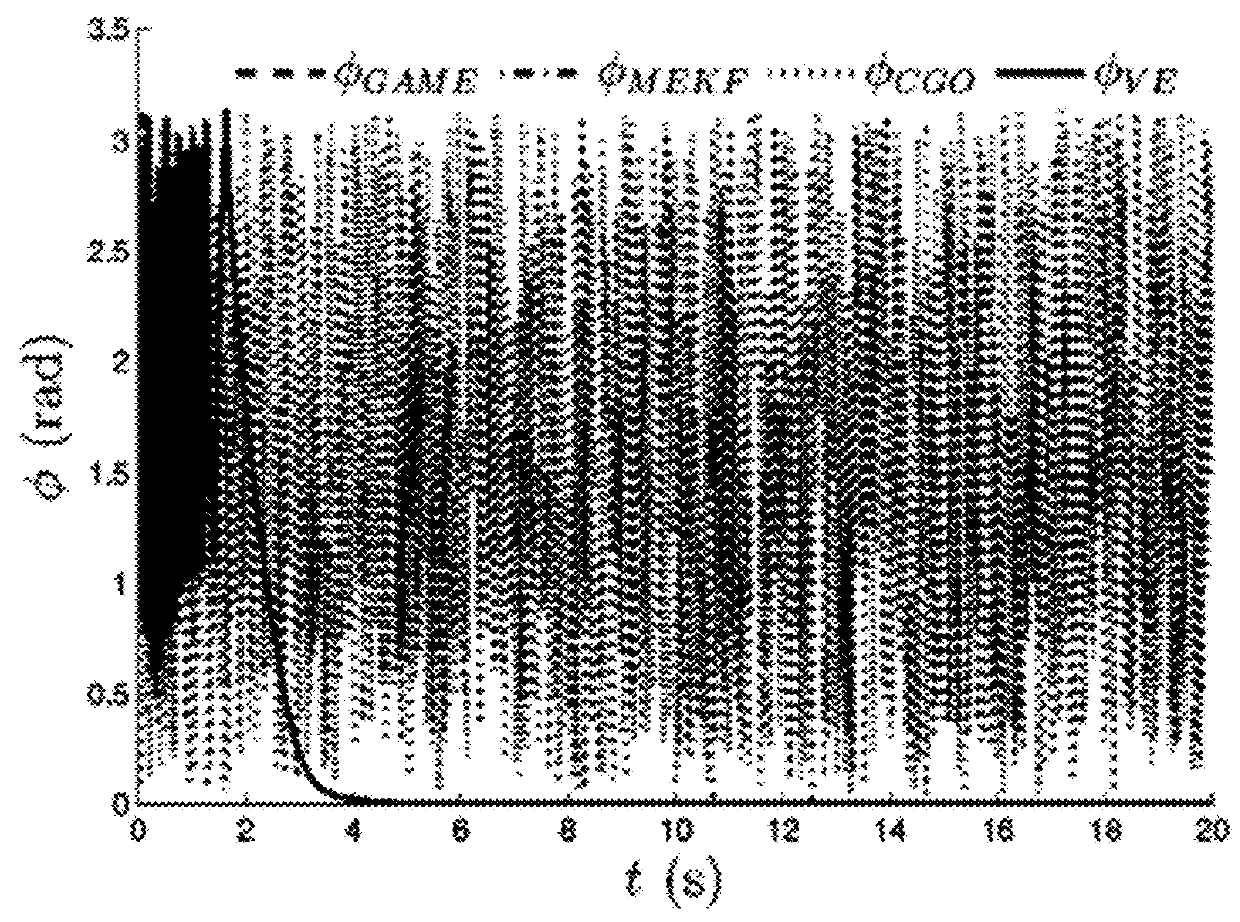
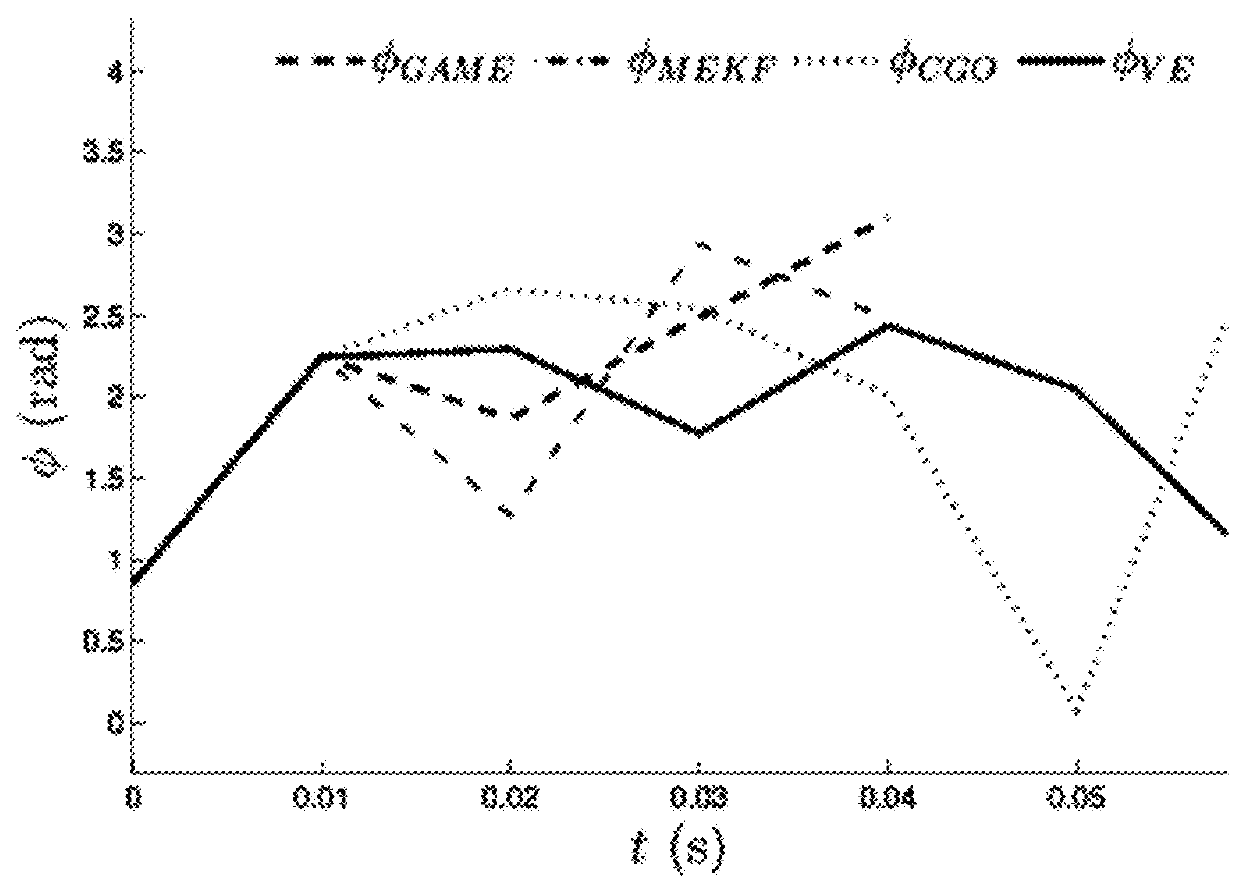
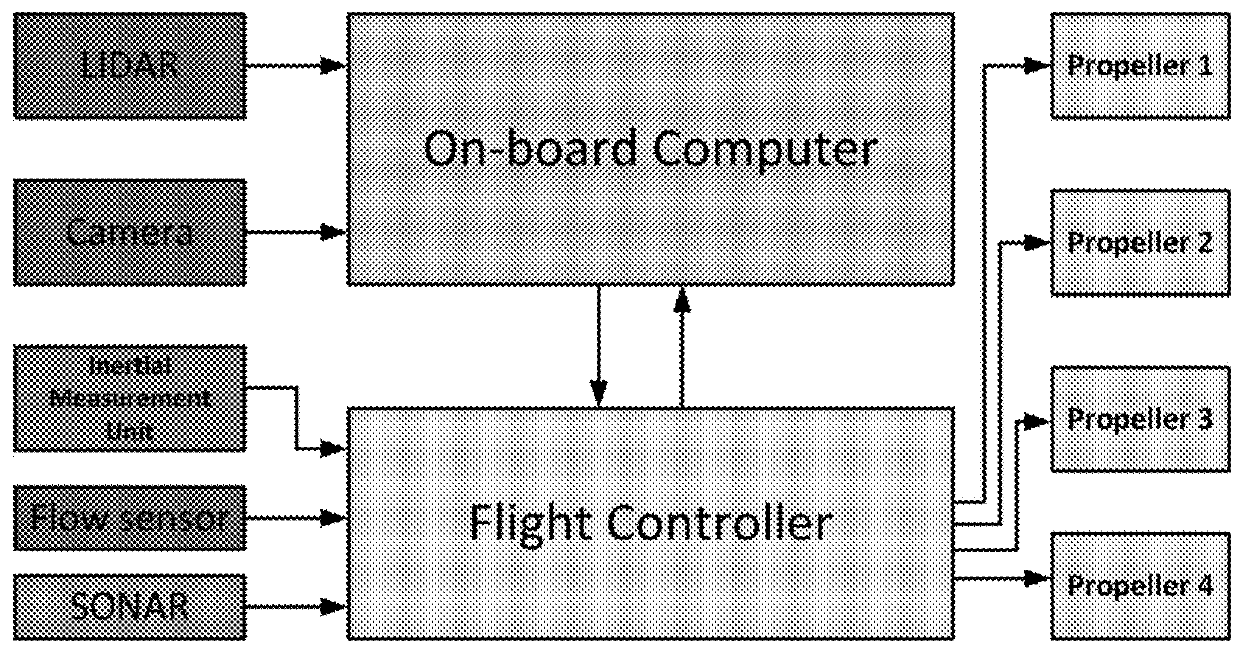
- A robust and stable vision-inertial navigation system (ROSAVINS) that integrates onboard vision and inertial sensors, using a system-on-chip platform with open-source software for real-time processing, enabling autonomous navigation by estimating pose, translational velocity, and angular velocity, and computing control inputs for actuators, thus addressing stability and noise robustness.

Method and system for performing seamless localization
PatentActiveUS20120158177A1
Innovation
- A system and method utilizing an ad-hoc mesh network with a mother robot and child robots, where the mother robot collects and transfers absolute location information via a Wide Area Network, and performs relative localization using local area communication to determine the position of child robots in shadow areas, ensuring seamless localization even when GPS signals are not received.


Safety Standards for Autonomous Soft Robotics
The development of comprehensive safety standards for autonomous soft robotics represents a critical imperative as these systems increasingly operate in complex, unstructured environments without human oversight. Unlike traditional rigid robotic systems, soft robots present unique safety challenges due to their compliant materials, adaptive behaviors, and inherent unpredictability in deformation patterns. Current safety frameworks primarily address conventional industrial robots and fail to adequately encompass the distinctive characteristics of soft robotic systems.
Existing safety standards such as ISO 10218 and ISO 13482 provide foundational guidelines for industrial and service robots respectively, but lack specific provisions for soft robotic materials and their dynamic properties. The compliant nature of soft robots introduces novel failure modes, including material degradation, unpredictable deformation under stress, and potential entanglement scenarios that conventional safety protocols do not address. Additionally, the integration of artificial intelligence and machine learning algorithms in autonomous soft robots creates new categories of behavioral uncertainties that require specialized safety considerations.
The regulatory landscape currently lacks unified international standards specifically tailored to soft robotics applications. Various national and regional bodies are developing preliminary frameworks, with the European Union's Machinery Directive and the FDA's medical device regulations beginning to incorporate soft robotic considerations. However, these efforts remain fragmented and industry-specific, creating gaps in comprehensive safety coverage for autonomous soft robotic systems operating across different domains.
Key safety parameters for autonomous soft robots must encompass material biocompatibility, mechanical failure thresholds, and behavioral predictability metrics. Critical considerations include establishing maximum force exertion limits for soft actuators, defining acceptable material fatigue cycles, and implementing fail-safe mechanisms for autonomous decision-making processes. Environmental interaction protocols must address contamination prevention, material degradation monitoring, and emergency shutdown procedures specific to soft robotic architectures.
The development of standardized testing methodologies remains a significant challenge, requiring new approaches to evaluate soft material performance, long-term reliability, and human-robot interaction safety. These standards must balance innovation enablement with risk mitigation, ensuring that safety requirements do not unnecessarily constrain the beneficial applications of soft robotic technologies while maintaining public trust and regulatory compliance.
Existing safety standards such as ISO 10218 and ISO 13482 provide foundational guidelines for industrial and service robots respectively, but lack specific provisions for soft robotic materials and their dynamic properties. The compliant nature of soft robots introduces novel failure modes, including material degradation, unpredictable deformation under stress, and potential entanglement scenarios that conventional safety protocols do not address. Additionally, the integration of artificial intelligence and machine learning algorithms in autonomous soft robots creates new categories of behavioral uncertainties that require specialized safety considerations.
The regulatory landscape currently lacks unified international standards specifically tailored to soft robotics applications. Various national and regional bodies are developing preliminary frameworks, with the European Union's Machinery Directive and the FDA's medical device regulations beginning to incorporate soft robotic considerations. However, these efforts remain fragmented and industry-specific, creating gaps in comprehensive safety coverage for autonomous soft robotic systems operating across different domains.
Key safety parameters for autonomous soft robots must encompass material biocompatibility, mechanical failure thresholds, and behavioral predictability metrics. Critical considerations include establishing maximum force exertion limits for soft actuators, defining acceptable material fatigue cycles, and implementing fail-safe mechanisms for autonomous decision-making processes. Environmental interaction protocols must address contamination prevention, material degradation monitoring, and emergency shutdown procedures specific to soft robotic architectures.
The development of standardized testing methodologies remains a significant challenge, requiring new approaches to evaluate soft material performance, long-term reliability, and human-robot interaction safety. These standards must balance innovation enablement with risk mitigation, ensuring that safety requirements do not unnecessarily constrain the beneficial applications of soft robotic technologies while maintaining public trust and regulatory compliance.
Environmental Impact of Soft Robotic Systems
The environmental implications of soft robotic systems designed for GPS-free navigation present a complex landscape of both opportunities and challenges. Unlike traditional rigid robotics, soft robotics inherently offers several environmental advantages through material composition and operational characteristics. The bio-inspired materials commonly used in soft robotics, such as silicone elastomers, hydrogels, and biodegradable polymers, generally exhibit lower environmental toxicity compared to conventional metallic and plastic components found in traditional robotic systems.
Manufacturing processes for soft robotic systems typically require less energy-intensive production methods, particularly when utilizing additive manufacturing techniques like 3D printing. This reduced energy footprint during production contributes to lower overall carbon emissions throughout the system lifecycle. Additionally, the lightweight nature of soft robotic materials translates to reduced transportation costs and associated environmental impacts during deployment phases.
The operational environmental benefits become particularly pronounced in GPS-free navigation scenarios. Soft robots designed for such environments often employ bio-mimetic locomotion strategies that minimize ground disturbance and ecosystem disruption. Their compliant nature allows for gentler interaction with natural environments, making them suitable for sensitive ecological monitoring applications without causing significant habitat interference.
However, several environmental challenges must be addressed. The durability limitations of current soft materials often result in shorter operational lifespans compared to traditional robots, potentially leading to increased replacement frequency and waste generation. Material degradation in harsh environmental conditions can release microparticles or chemical compounds into surrounding ecosystems, raising concerns about long-term environmental accumulation.
End-of-life disposal presents another critical consideration. While some soft robotic materials offer biodegradability advantages, others, particularly specialized polymers with enhanced durability properties, may pose recycling challenges. The integration of electronic components for navigation and control systems further complicates disposal processes, requiring specialized handling procedures to prevent environmental contamination.
Energy consumption patterns in GPS-free navigation systems also influence environmental impact. The computational demands of alternative localization methods, such as simultaneous localization and mapping or visual odometry, can increase power requirements, potentially offsetting some environmental benefits gained through material selection and manufacturing processes.
Manufacturing processes for soft robotic systems typically require less energy-intensive production methods, particularly when utilizing additive manufacturing techniques like 3D printing. This reduced energy footprint during production contributes to lower overall carbon emissions throughout the system lifecycle. Additionally, the lightweight nature of soft robotic materials translates to reduced transportation costs and associated environmental impacts during deployment phases.
The operational environmental benefits become particularly pronounced in GPS-free navigation scenarios. Soft robots designed for such environments often employ bio-mimetic locomotion strategies that minimize ground disturbance and ecosystem disruption. Their compliant nature allows for gentler interaction with natural environments, making them suitable for sensitive ecological monitoring applications without causing significant habitat interference.
However, several environmental challenges must be addressed. The durability limitations of current soft materials often result in shorter operational lifespans compared to traditional robots, potentially leading to increased replacement frequency and waste generation. Material degradation in harsh environmental conditions can release microparticles or chemical compounds into surrounding ecosystems, raising concerns about long-term environmental accumulation.
End-of-life disposal presents another critical consideration. While some soft robotic materials offer biodegradability advantages, others, particularly specialized polymers with enhanced durability properties, may pose recycling challenges. The integration of electronic components for navigation and control systems further complicates disposal processes, requiring specialized handling procedures to prevent environmental contamination.
Energy consumption patterns in GPS-free navigation systems also influence environmental impact. The computational demands of alternative localization methods, such as simultaneous localization and mapping or visual odometry, can increase power requirements, potentially offsetting some environmental benefits gained through material selection and manufacturing processes.
Unlock deeper insights with Patsnap Eureka Quick Research — get a full tech report to explore trends and direct your research. Try now!
Generate Your Research Report Instantly with AI Agent
Supercharge your innovation with Patsnap Eureka AI Agent Platform!