

Optimizing Temperature Control in Precision Fermentation Processes
MAY 18, 20269 MIN READ
Generate Your Research Report Instantly with AI Agent
PatSnap Eureka helps you evaluate technical feasibility & market potential.
Precision Fermentation Temperature Control Background and Objectives
Precision fermentation represents a revolutionary biotechnology approach that harnesses engineered microorganisms to produce complex molecules, proteins, and materials with unprecedented accuracy and efficiency. This technology has emerged as a critical enabler for sustainable manufacturing across industries including pharmaceuticals, food production, cosmetics, and specialty chemicals. Unlike traditional fermentation processes that rely on naturally occurring organisms, precision fermentation employs genetically modified microbes programmed to synthesize specific target compounds with enhanced yield and purity.
The historical evolution of fermentation technology spans millennia, from ancient brewing and food preservation techniques to modern industrial biotechnology. The advent of genetic engineering in the 1970s marked a pivotal transition, enabling scientists to reprogram cellular machinery for targeted production. Recent advances in synthetic biology, CRISPR gene editing, and computational biology have accelerated the development of precision fermentation platforms, making previously impossible molecular syntheses commercially viable.
Temperature control has emerged as one of the most critical parameters governing precision fermentation success. Microbial metabolism, enzyme activity, protein folding, and cellular growth rates are all highly temperature-sensitive processes. Even minor temperature fluctuations can dramatically impact product quality, yield efficiency, and process reproducibility. The challenge intensifies when dealing with engineered organisms that may exhibit different thermal sensitivities compared to their wild-type counterparts.
Current industry trends indicate exponential growth in precision fermentation applications, driven by increasing demand for sustainable alternatives to traditional manufacturing processes. Companies are scaling production from laboratory bench-scale to industrial bioreactors, where maintaining precise temperature control becomes exponentially more complex due to heat transfer limitations, mixing inefficiencies, and thermal gradients within large vessels.
The primary objective of optimizing temperature control in precision fermentation processes encompasses multiple interconnected goals. First, achieving maximum product yield by maintaining optimal growth conditions throughout the entire fermentation cycle. Second, ensuring consistent product quality by minimizing temperature-induced variations in cellular metabolism and protein expression. Third, reducing production costs through improved energy efficiency and decreased batch failure rates.
Advanced temperature control strategies aim to implement real-time monitoring systems capable of detecting and correcting thermal deviations within seconds. This includes developing sophisticated feedback control algorithms that can predict and preemptively adjust heating and cooling systems based on fermentation stage, metabolic activity, and environmental conditions. The ultimate goal involves creating autonomous fermentation platforms that can self-optimize temperature profiles for maximum efficiency while maintaining product specifications across diverse microbial strains and production scales.
The historical evolution of fermentation technology spans millennia, from ancient brewing and food preservation techniques to modern industrial biotechnology. The advent of genetic engineering in the 1970s marked a pivotal transition, enabling scientists to reprogram cellular machinery for targeted production. Recent advances in synthetic biology, CRISPR gene editing, and computational biology have accelerated the development of precision fermentation platforms, making previously impossible molecular syntheses commercially viable.
Temperature control has emerged as one of the most critical parameters governing precision fermentation success. Microbial metabolism, enzyme activity, protein folding, and cellular growth rates are all highly temperature-sensitive processes. Even minor temperature fluctuations can dramatically impact product quality, yield efficiency, and process reproducibility. The challenge intensifies when dealing with engineered organisms that may exhibit different thermal sensitivities compared to their wild-type counterparts.
Current industry trends indicate exponential growth in precision fermentation applications, driven by increasing demand for sustainable alternatives to traditional manufacturing processes. Companies are scaling production from laboratory bench-scale to industrial bioreactors, where maintaining precise temperature control becomes exponentially more complex due to heat transfer limitations, mixing inefficiencies, and thermal gradients within large vessels.
The primary objective of optimizing temperature control in precision fermentation processes encompasses multiple interconnected goals. First, achieving maximum product yield by maintaining optimal growth conditions throughout the entire fermentation cycle. Second, ensuring consistent product quality by minimizing temperature-induced variations in cellular metabolism and protein expression. Third, reducing production costs through improved energy efficiency and decreased batch failure rates.
Advanced temperature control strategies aim to implement real-time monitoring systems capable of detecting and correcting thermal deviations within seconds. This includes developing sophisticated feedback control algorithms that can predict and preemptively adjust heating and cooling systems based on fermentation stage, metabolic activity, and environmental conditions. The ultimate goal involves creating autonomous fermentation platforms that can self-optimize temperature profiles for maximum efficiency while maintaining product specifications across diverse microbial strains and production scales.
Market Demand for Advanced Fermentation Temperature Systems
The global fermentation industry is experiencing unprecedented growth driven by expanding applications across biotechnology, pharmaceuticals, food and beverage production, and sustainable manufacturing sectors. This surge has created substantial demand for sophisticated temperature control systems that can maintain precise thermal conditions throughout complex fermentation processes. Traditional temperature management approaches are increasingly inadequate for meeting the stringent requirements of modern precision fermentation applications.
Biopharmaceutical manufacturing represents one of the most demanding market segments, where temperature deviations of even fractions of a degree can compromise product quality and regulatory compliance. The production of therapeutic proteins, vaccines, and cell-based therapies requires temperature control systems capable of maintaining stability within extremely narrow tolerances while accommodating dynamic process conditions and varying batch sizes.
The alternative protein industry has emerged as a significant growth driver, with companies developing fermentation-based meat alternatives, dairy proteins, and novel food ingredients. These applications demand temperature control solutions that can optimize microbial productivity while ensuring consistent product characteristics. Market expansion in this sector is accelerating as consumer acceptance grows and production scales increase.
Industrial biotechnology applications, including the production of enzymes, organic acids, and bio-based chemicals, require temperature management systems that can handle diverse fermentation profiles and process variations. The shift toward sustainable manufacturing processes has intensified demand for energy-efficient temperature control technologies that minimize environmental impact while maximizing operational efficiency.
Emerging applications in synthetic biology and metabolic engineering are creating new requirements for temperature control systems with enhanced flexibility and programmability. These advanced applications often involve complex multi-stage processes requiring precise temperature transitions and the ability to maintain different thermal zones within single fermentation vessels.
The market demand is further amplified by regulatory pressures for improved process control and documentation capabilities. Modern fermentation facilities require temperature management systems with comprehensive monitoring, data logging, and validation features to meet evolving regulatory standards across different geographical markets and application domains.
Biopharmaceutical manufacturing represents one of the most demanding market segments, where temperature deviations of even fractions of a degree can compromise product quality and regulatory compliance. The production of therapeutic proteins, vaccines, and cell-based therapies requires temperature control systems capable of maintaining stability within extremely narrow tolerances while accommodating dynamic process conditions and varying batch sizes.
The alternative protein industry has emerged as a significant growth driver, with companies developing fermentation-based meat alternatives, dairy proteins, and novel food ingredients. These applications demand temperature control solutions that can optimize microbial productivity while ensuring consistent product characteristics. Market expansion in this sector is accelerating as consumer acceptance grows and production scales increase.
Industrial biotechnology applications, including the production of enzymes, organic acids, and bio-based chemicals, require temperature management systems that can handle diverse fermentation profiles and process variations. The shift toward sustainable manufacturing processes has intensified demand for energy-efficient temperature control technologies that minimize environmental impact while maximizing operational efficiency.
Emerging applications in synthetic biology and metabolic engineering are creating new requirements for temperature control systems with enhanced flexibility and programmability. These advanced applications often involve complex multi-stage processes requiring precise temperature transitions and the ability to maintain different thermal zones within single fermentation vessels.
The market demand is further amplified by regulatory pressures for improved process control and documentation capabilities. Modern fermentation facilities require temperature management systems with comprehensive monitoring, data logging, and validation features to meet evolving regulatory standards across different geographical markets and application domains.
Current Challenges in Precision Fermentation Temperature Management
Precision fermentation processes face significant temperature control challenges that directly impact product quality, yield, and process economics. Traditional temperature management systems often struggle with the dynamic nature of fermentation, where metabolic heat generation varies substantially throughout different growth phases. The heterogeneous temperature distribution within large-scale bioreactors creates localized hot spots and cold zones, leading to inconsistent product formation and reduced overall efficiency.
Heat transfer limitations represent a fundamental constraint in scaling precision fermentation operations. As bioreactor volumes increase, the surface-area-to-volume ratio decreases, making it increasingly difficult to maintain uniform temperature distribution. This scaling challenge is particularly pronounced in fed-batch and continuous fermentation processes where substrate addition and product removal create additional thermal disturbances. The resulting temperature gradients can cause cellular stress, alter metabolic pathways, and compromise the precision required for high-value bioproduct manufacturing.
Real-time monitoring and control present another layer of complexity in temperature management. Current sensor technologies often provide limited spatial resolution within fermentation vessels, making it difficult to detect and respond to localized temperature variations. The lag time between temperature measurement and corrective action can result in overshooting or undershooting target temperatures, particularly during critical phases such as induction or harvest preparation.
Energy efficiency concerns compound these technical challenges, as maintaining precise temperature control throughout extended fermentation cycles requires substantial energy input. The integration of heating and cooling systems with fermentation operations often lacks optimization, leading to energy waste and increased operational costs. Additionally, the need for rapid temperature transitions during process phases demands highly responsive thermal management systems that can quickly adapt to changing requirements.
Contamination risks associated with temperature control equipment pose ongoing operational challenges. Heat exchangers, temperature probes, and circulation systems create potential entry points for contaminants, requiring careful design and maintenance protocols. The balance between achieving optimal temperature control and maintaining sterile conditions often forces compromises that impact both process performance and product safety.
Process variability stemming from inadequate temperature control affects reproducibility and regulatory compliance in precision fermentation applications. Batch-to-batch variations in temperature profiles can lead to inconsistent product quality, making it difficult to meet stringent specifications required for pharmaceutical, food, and industrial applications.
Heat transfer limitations represent a fundamental constraint in scaling precision fermentation operations. As bioreactor volumes increase, the surface-area-to-volume ratio decreases, making it increasingly difficult to maintain uniform temperature distribution. This scaling challenge is particularly pronounced in fed-batch and continuous fermentation processes where substrate addition and product removal create additional thermal disturbances. The resulting temperature gradients can cause cellular stress, alter metabolic pathways, and compromise the precision required for high-value bioproduct manufacturing.
Real-time monitoring and control present another layer of complexity in temperature management. Current sensor technologies often provide limited spatial resolution within fermentation vessels, making it difficult to detect and respond to localized temperature variations. The lag time between temperature measurement and corrective action can result in overshooting or undershooting target temperatures, particularly during critical phases such as induction or harvest preparation.
Energy efficiency concerns compound these technical challenges, as maintaining precise temperature control throughout extended fermentation cycles requires substantial energy input. The integration of heating and cooling systems with fermentation operations often lacks optimization, leading to energy waste and increased operational costs. Additionally, the need for rapid temperature transitions during process phases demands highly responsive thermal management systems that can quickly adapt to changing requirements.
Contamination risks associated with temperature control equipment pose ongoing operational challenges. Heat exchangers, temperature probes, and circulation systems create potential entry points for contaminants, requiring careful design and maintenance protocols. The balance between achieving optimal temperature control and maintaining sterile conditions often forces compromises that impact both process performance and product safety.
Process variability stemming from inadequate temperature control affects reproducibility and regulatory compliance in precision fermentation applications. Batch-to-batch variations in temperature profiles can lead to inconsistent product quality, making it difficult to meet stringent specifications required for pharmaceutical, food, and industrial applications.
Existing Temperature Control Solutions for Fermentation Processes
01 Thermal regulation systems and control mechanisms
Advanced thermal regulation systems utilize sophisticated control mechanisms to maintain precise temperature ranges. These systems incorporate feedback loops, sensors, and automated adjustment protocols to ensure optimal thermal conditions. The technology focuses on real-time monitoring and dynamic response capabilities to maintain stable temperature environments across various applications.- Thermal regulation systems and control mechanisms: Advanced thermal regulation systems utilize sophisticated control mechanisms to maintain precise temperature ranges. These systems incorporate feedback loops, sensors, and automated adjustment capabilities to ensure optimal temperature maintenance across various applications. The control mechanisms can include proportional-integral-derivative controllers and adaptive algorithms that respond to environmental changes and system demands.
- Temperature monitoring and sensing technologies: Comprehensive temperature monitoring solutions employ various sensing technologies to provide accurate real-time temperature measurements. These systems integrate multiple sensor types and data acquisition methods to ensure reliable temperature detection and monitoring across different operational conditions. The sensing technologies enable precise control and adjustment of thermal parameters.
- Automated temperature adjustment and compensation: Automated systems for temperature adjustment utilize intelligent algorithms and compensation mechanisms to maintain desired thermal conditions. These solutions can automatically adjust heating or cooling parameters based on detected variations and predetermined setpoints. The compensation methods account for external factors and system dynamics to ensure stable temperature control.
- Multi-zone temperature control systems: Multi-zone temperature control systems enable independent thermal management across different areas or zones within a single application. These systems provide localized temperature control capabilities while maintaining overall system coordination. The technology allows for customized temperature profiles and zone-specific adjustments to meet varying thermal requirements.
- Energy-efficient temperature management: Energy-efficient temperature management solutions focus on optimizing thermal control while minimizing energy consumption. These systems incorporate smart scheduling, predictive algorithms, and efficient thermal transfer methods to reduce operational costs. The technology balances performance requirements with energy conservation through intelligent control strategies and optimized system design.
02 Temperature sensing and monitoring technologies
Comprehensive temperature sensing solutions employ multiple sensor types and monitoring technologies to provide accurate thermal measurements. These systems integrate various detection methods and data processing algorithms to ensure reliable temperature tracking and control. The technology emphasizes precision measurement capabilities and continuous monitoring for enhanced system performance.Expand Specific Solutions03 Automated temperature adjustment and calibration
Automated systems for temperature adjustment incorporate self-calibrating mechanisms and intelligent control algorithms. These technologies enable automatic compensation for thermal variations and provide consistent temperature maintenance without manual intervention. The systems feature adaptive learning capabilities and predictive adjustment protocols for enhanced efficiency.Expand Specific Solutions04 Multi-zone temperature control systems
Multi-zone thermal management systems provide independent temperature control across different areas or zones within a single system. These technologies enable customized thermal environments for specific requirements while maintaining overall system efficiency. The approach allows for simultaneous management of multiple temperature parameters and zones with individual control capabilities.Expand Specific Solutions05 Energy-efficient temperature control methods
Energy-efficient thermal control technologies focus on minimizing power consumption while maintaining precise temperature regulation. These systems incorporate optimization algorithms, smart scheduling, and energy recovery mechanisms to reduce operational costs. The technology emphasizes sustainable thermal management with reduced environmental impact and improved energy utilization efficiency.Expand Specific Solutions
Key Players in Precision Fermentation and Control Systems Industry
The precision fermentation temperature control market is experiencing rapid growth, driven by increasing demand for sustainable protein alternatives and biotechnology applications. The industry is in an expansion phase with significant market potential, as companies across semiconductor manufacturing, industrial automation, and biotechnology sectors converge on this technology. The competitive landscape shows varying levels of technical maturity, with established players like Applied Materials, Tokyo Electron Ltd., and Rockwell Automation Technologies bringing advanced process control expertise from semiconductor and industrial sectors. Meanwhile, specialized companies such as KELK Ltd. focus on thermoelectric temperature control solutions, and academic institutions like Huazhong Agricultural University and Jiangnan University contribute fundamental research. The technology maturity spans from research-stage innovations at universities to commercially deployed systems by industrial giants, indicating a dynamic ecosystem where cross-industry knowledge transfer accelerates development of precision fermentation temperature optimization solutions.
Rockwell Automation Technologies, Inc.
Technical Solution: Rockwell Automation provides comprehensive temperature control solutions for precision fermentation through their PlantPAx distributed control system (DCS) integrated with FactoryTalk software. Their approach utilizes advanced PID control algorithms combined with model predictive control (MPC) for maintaining precise temperature setpoints within ±0.1°C tolerance. The system incorporates real-time data analytics and machine learning algorithms to predict temperature fluctuations and automatically adjust heating/cooling systems. Their ControlLogix controllers interface with high-precision RTD sensors and smart actuators to enable rapid response times under 2 seconds for temperature corrections.
Strengths: Proven industrial automation expertise with robust control systems and excellent integration capabilities. Weaknesses: Higher initial investment costs and complexity requiring specialized technical expertise for implementation and maintenance.
Applied Materials, Inc.
Technical Solution: Applied Materials leverages their semiconductor processing expertise to develop precision thermal management systems for fermentation applications. Their solution employs advanced thermal cycling technology with multi-zone temperature control capable of maintaining temperature uniformity across large fermentation vessels. The system uses proprietary heat transfer algorithms and ceramic heating elements that provide rapid thermal response with minimal overshoot. Their EcoThermal platform integrates IoT sensors for continuous monitoring and predictive maintenance, achieving temperature stability within ±0.05°C while reducing energy consumption by up to 30% compared to conventional systems.
Strengths: Superior thermal engineering expertise and energy-efficient solutions with high precision control. Weaknesses: Limited experience in biotechnology applications and potentially higher costs due to advanced semiconductor-grade components.
Core Innovations in Thermal Management for Precision Fermentation
Temperature control method for fermentation tank
PatentInactiveJP2008012496A
Innovation
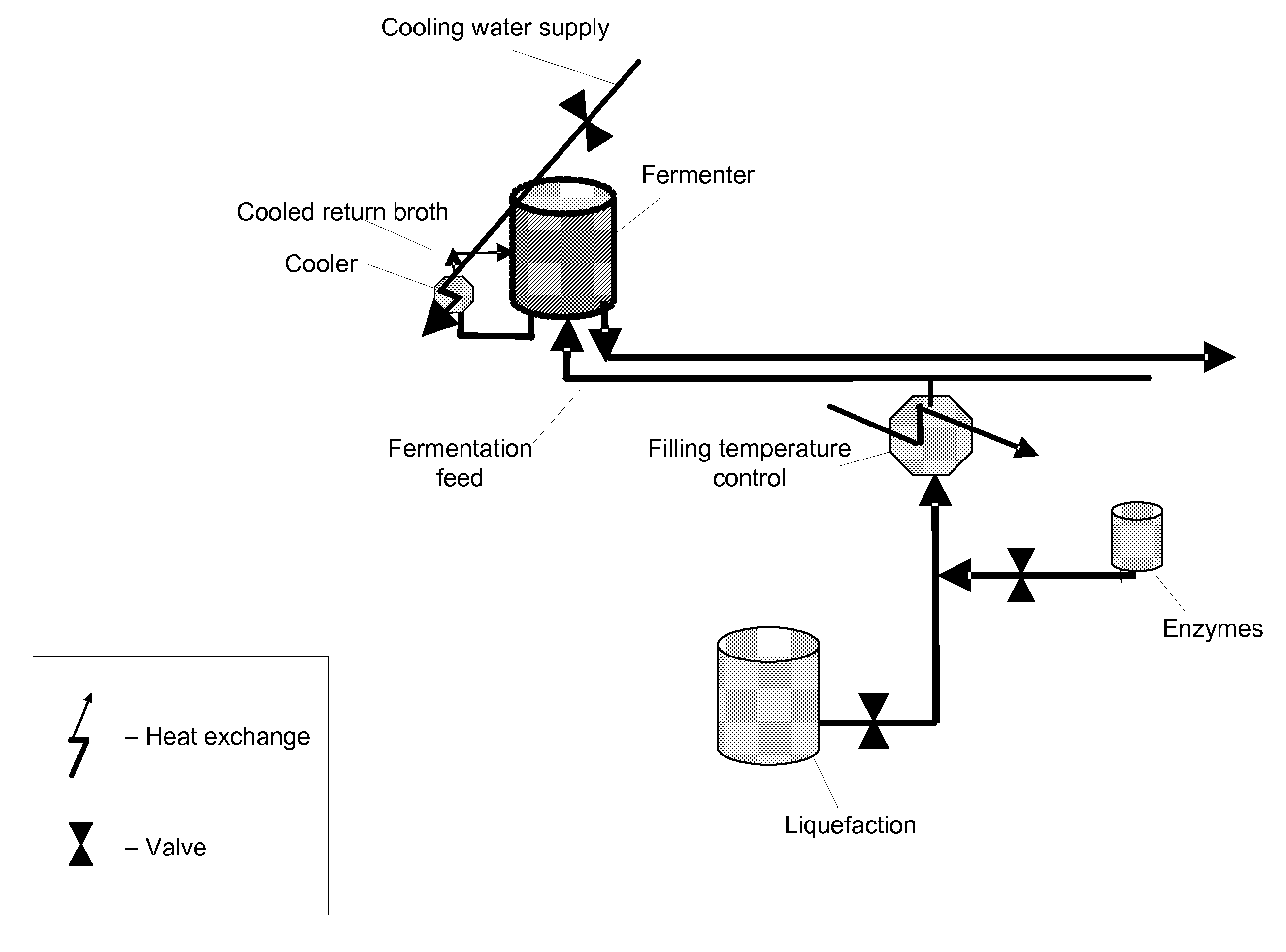
- A method using a heat medium circulated within an agitator in the fermenter to control temperature, adjusting the heat medium based on measurements of fermenter and external conditions to maintain optimal fermentation temperatures without killing microorganisms.


Model predictive control of fermentation temperature in biofuel production
PatentInactiveUS20080108048A1
Innovation
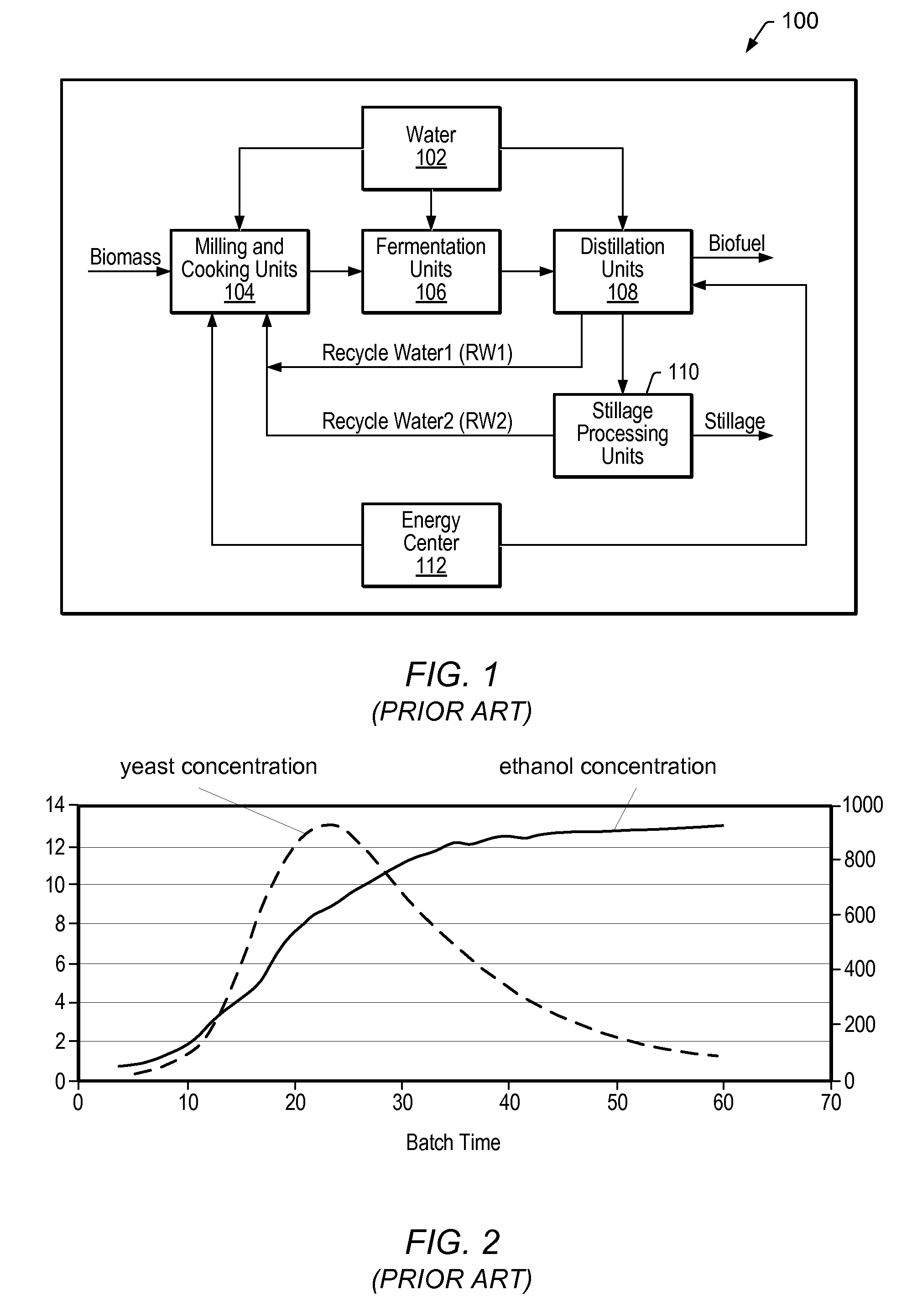
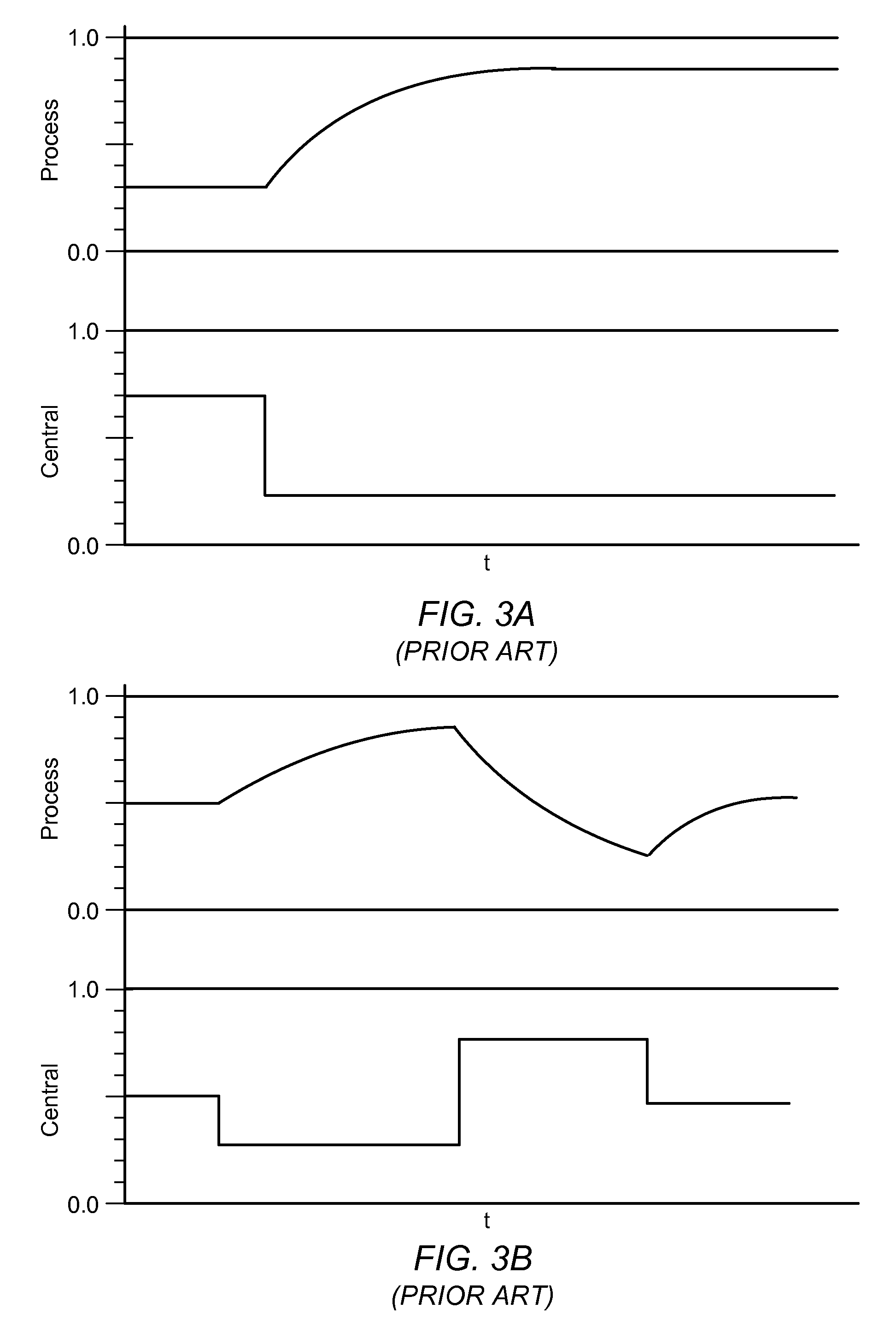
- Implementing a nonlinear predictive integrating temperature model based on heat balance to control fermentation temperature, considering factors like fermenter level and available cooling, to stabilize temperature and optimize biofuel production.

Regulatory Framework for Fermentation Process Control Systems
The regulatory landscape for fermentation process control systems encompasses a complex web of international, national, and industry-specific standards that govern temperature control optimization in precision fermentation. These frameworks are primarily driven by food safety, pharmaceutical quality assurance, and biotechnology manufacturing requirements, with agencies such as the FDA, EMA, and various national regulatory bodies establishing comprehensive guidelines for process validation and control system qualification.
Current regulatory standards mandate rigorous documentation and validation protocols for temperature control systems in fermentation processes. The FDA's Process Validation Guidance and ICH Q7 guidelines require extensive qualification of critical process parameters, including temperature monitoring and control systems. These regulations emphasize the need for real-time monitoring capabilities, alarm systems, and comprehensive data logging to ensure product quality and safety throughout the fermentation cycle.
Compliance requirements vary significantly across different application sectors, with pharmaceutical and biopharmaceutical fermentation facing the most stringent regulations under cGMP standards. Food and beverage fermentation processes must adhere to HACCP principles and FDA food safety regulations, while industrial biotechnology applications are governed by environmental protection standards and occupational safety requirements. Each sector demands specific temperature control validation protocols and documentation standards.
Emerging regulatory trends reflect the increasing adoption of digital technologies and Industry 4.0 principles in fermentation control systems. Regulatory bodies are developing new frameworks to address advanced process analytics, artificial intelligence integration, and cloud-based monitoring systems. The FDA's recent guidance on digital manufacturing technologies and the EU's proposed regulations on AI in manufacturing indicate a shift toward more flexible, risk-based regulatory approaches that accommodate technological innovation while maintaining safety standards.
International harmonization efforts are progressing through organizations such as ICH and ISO, aiming to standardize fermentation process control requirements across different jurisdictions. These initiatives focus on establishing common validation protocols, data integrity standards, and quality management system requirements that facilitate global market access while ensuring consistent safety and efficacy standards for fermentation-derived products.
Current regulatory standards mandate rigorous documentation and validation protocols for temperature control systems in fermentation processes. The FDA's Process Validation Guidance and ICH Q7 guidelines require extensive qualification of critical process parameters, including temperature monitoring and control systems. These regulations emphasize the need for real-time monitoring capabilities, alarm systems, and comprehensive data logging to ensure product quality and safety throughout the fermentation cycle.
Compliance requirements vary significantly across different application sectors, with pharmaceutical and biopharmaceutical fermentation facing the most stringent regulations under cGMP standards. Food and beverage fermentation processes must adhere to HACCP principles and FDA food safety regulations, while industrial biotechnology applications are governed by environmental protection standards and occupational safety requirements. Each sector demands specific temperature control validation protocols and documentation standards.
Emerging regulatory trends reflect the increasing adoption of digital technologies and Industry 4.0 principles in fermentation control systems. Regulatory bodies are developing new frameworks to address advanced process analytics, artificial intelligence integration, and cloud-based monitoring systems. The FDA's recent guidance on digital manufacturing technologies and the EU's proposed regulations on AI in manufacturing indicate a shift toward more flexible, risk-based regulatory approaches that accommodate technological innovation while maintaining safety standards.
International harmonization efforts are progressing through organizations such as ICH and ISO, aiming to standardize fermentation process control requirements across different jurisdictions. These initiatives focus on establishing common validation protocols, data integrity standards, and quality management system requirements that facilitate global market access while ensuring consistent safety and efficacy standards for fermentation-derived products.
Energy Efficiency and Sustainability in Fermentation Temperature Control
Energy efficiency has emerged as a critical consideration in precision fermentation temperature control systems, driven by both economic pressures and environmental sustainability mandates. Traditional heating and cooling systems in fermentation facilities typically account for 30-40% of total operational energy consumption, making temperature control optimization a primary target for efficiency improvements. The integration of advanced heat recovery systems, variable frequency drives, and intelligent thermal management protocols has demonstrated potential energy savings of 25-35% in industrial fermentation operations.
Sustainable temperature control approaches are increasingly incorporating renewable energy integration and waste heat recovery mechanisms. Modern fermentation facilities are implementing geothermal heat pumps, solar thermal systems, and biomass-derived heating solutions to reduce dependence on fossil fuel-based energy sources. Heat exchanger networks designed with pinch analysis principles enable effective thermal integration between multiple fermentation vessels, allowing waste heat from exothermic fermentation processes to support heating requirements in adjacent systems.
Advanced control algorithms play a pivotal role in optimizing energy consumption while maintaining precise temperature parameters. Model predictive control systems analyze fermentation kinetics, ambient conditions, and energy pricing to determine optimal heating and cooling strategies. These systems can reduce energy consumption by 15-20% compared to conventional PID controllers by anticipating temperature requirements and minimizing thermal overshoot events.
Thermal insulation innovations and smart building envelope technologies contribute significantly to energy efficiency improvements. Phase change materials integrated into fermentation vessel walls provide passive temperature stabilization, reducing active heating and cooling demands. Advanced insulation materials with dynamic thermal properties can adapt to varying process requirements, optimizing heat retention during different fermentation phases.
The circular economy approach to fermentation temperature control emphasizes resource recovery and waste minimization. Biogas generated from fermentation processes can be captured and utilized for heating applications, creating closed-loop energy systems. Additionally, thermal energy storage systems using molten salts or other phase change materials enable load shifting to optimize energy consumption during off-peak periods, reducing operational costs and grid demand.
Sustainable temperature control approaches are increasingly incorporating renewable energy integration and waste heat recovery mechanisms. Modern fermentation facilities are implementing geothermal heat pumps, solar thermal systems, and biomass-derived heating solutions to reduce dependence on fossil fuel-based energy sources. Heat exchanger networks designed with pinch analysis principles enable effective thermal integration between multiple fermentation vessels, allowing waste heat from exothermic fermentation processes to support heating requirements in adjacent systems.
Advanced control algorithms play a pivotal role in optimizing energy consumption while maintaining precise temperature parameters. Model predictive control systems analyze fermentation kinetics, ambient conditions, and energy pricing to determine optimal heating and cooling strategies. These systems can reduce energy consumption by 15-20% compared to conventional PID controllers by anticipating temperature requirements and minimizing thermal overshoot events.
Thermal insulation innovations and smart building envelope technologies contribute significantly to energy efficiency improvements. Phase change materials integrated into fermentation vessel walls provide passive temperature stabilization, reducing active heating and cooling demands. Advanced insulation materials with dynamic thermal properties can adapt to varying process requirements, optimizing heat retention during different fermentation phases.
The circular economy approach to fermentation temperature control emphasizes resource recovery and waste minimization. Biogas generated from fermentation processes can be captured and utilized for heating applications, creating closed-loop energy systems. Additionally, thermal energy storage systems using molten salts or other phase change materials enable load shifting to optimize energy consumption during off-peak periods, reducing operational costs and grid demand.
Unlock deeper insights with PatSnap Eureka Quick Research — get a full tech report to explore trends and direct your research. Try now!
Generate Your Research Report Instantly with AI Agent
Supercharge your innovation with PatSnap Eureka AI Agent Platform!