

Optimizing Ultracapacitor Performance for Renewable Energy Storage
MAY 21, 20269 MIN READ
Generate Your Research Report Instantly with AI Agent
PatSnap Eureka helps you evaluate technical feasibility & market potential.
Ultracapacitor Technology Background and Energy Storage Goals
Ultracapacitors, also known as supercapacitors or electrochemical double-layer capacitors (EDLCs), represent a critical energy storage technology that bridges the gap between conventional capacitors and batteries. These devices store energy through electrostatic charge accumulation at the electrode-electrolyte interface, enabling rapid charge and discharge cycles that far exceed traditional battery capabilities. The technology emerged in the 1950s with early research on carbon-based electrodes, but significant commercial development began in the 1990s as materials science advanced.
The fundamental principle of ultracapacitor operation relies on the formation of an electric double layer at the interface between high-surface-area electrode materials and electrolytes. Unlike batteries that store energy through chemical reactions, ultracapacitors achieve energy storage through physical charge separation, resulting in exceptional cycle life exceeding one million charge-discharge cycles and power densities ranging from 1-10 kW/kg.
The evolution of ultracapacitor technology has progressed through several distinct phases. Early developments focused on activated carbon electrodes with aqueous electrolytes, achieving energy densities of 1-5 Wh/kg. Subsequent innovations introduced organic electrolytes, expanding operating voltage windows to 2.7-3.0V and improving energy density to 5-10 Wh/kg. Recent advances in pseudocapacitive materials, including metal oxides and conducting polymers, have pushed energy densities toward 15-20 Wh/kg while maintaining high power characteristics.
Contemporary research directions emphasize hybrid ultracapacitor architectures that combine double-layer capacitance with pseudocapacitive or battery-like mechanisms. These hybrid systems aim to achieve energy densities approaching 30-50 Wh/kg while preserving the rapid charging capabilities and long cycle life inherent to ultracapacitor technology.
In the context of renewable energy storage, ultracapacitors address critical challenges associated with grid stabilization, power quality management, and energy buffering. The intermittent nature of solar and wind energy generation creates demand for storage systems capable of rapid response to power fluctuations. Traditional battery systems, while offering high energy density, suffer from limited cycle life and slow response times that make them suboptimal for frequent charge-discharge applications.
The primary energy storage goals for ultracapacitors in renewable energy applications include achieving energy densities of 20-30 Wh/kg to enable practical grid-scale deployment, maintaining power densities above 5 kW/kg for rapid grid response, and ensuring operational lifetimes exceeding 15-20 years with minimal performance degradation. Additionally, cost targets of $100-200 per kWh are essential for widespread commercial adoption in renewable energy infrastructure.
The fundamental principle of ultracapacitor operation relies on the formation of an electric double layer at the interface between high-surface-area electrode materials and electrolytes. Unlike batteries that store energy through chemical reactions, ultracapacitors achieve energy storage through physical charge separation, resulting in exceptional cycle life exceeding one million charge-discharge cycles and power densities ranging from 1-10 kW/kg.
The evolution of ultracapacitor technology has progressed through several distinct phases. Early developments focused on activated carbon electrodes with aqueous electrolytes, achieving energy densities of 1-5 Wh/kg. Subsequent innovations introduced organic electrolytes, expanding operating voltage windows to 2.7-3.0V and improving energy density to 5-10 Wh/kg. Recent advances in pseudocapacitive materials, including metal oxides and conducting polymers, have pushed energy densities toward 15-20 Wh/kg while maintaining high power characteristics.
Contemporary research directions emphasize hybrid ultracapacitor architectures that combine double-layer capacitance with pseudocapacitive or battery-like mechanisms. These hybrid systems aim to achieve energy densities approaching 30-50 Wh/kg while preserving the rapid charging capabilities and long cycle life inherent to ultracapacitor technology.
In the context of renewable energy storage, ultracapacitors address critical challenges associated with grid stabilization, power quality management, and energy buffering. The intermittent nature of solar and wind energy generation creates demand for storage systems capable of rapid response to power fluctuations. Traditional battery systems, while offering high energy density, suffer from limited cycle life and slow response times that make them suboptimal for frequent charge-discharge applications.
The primary energy storage goals for ultracapacitors in renewable energy applications include achieving energy densities of 20-30 Wh/kg to enable practical grid-scale deployment, maintaining power densities above 5 kW/kg for rapid grid response, and ensuring operational lifetimes exceeding 15-20 years with minimal performance degradation. Additionally, cost targets of $100-200 per kWh are essential for widespread commercial adoption in renewable energy infrastructure.
Market Demand for Advanced Renewable Energy Storage Solutions
The global renewable energy storage market is experiencing unprecedented growth driven by the accelerating transition toward clean energy systems and the increasing deployment of intermittent renewable sources such as solar and wind power. This transformation has created substantial demand for advanced energy storage technologies that can effectively bridge the gap between energy generation and consumption while maintaining grid stability and reliability.
Ultracapacitors are emerging as a critical component in renewable energy storage applications due to their unique characteristics including rapid charge-discharge capabilities, extended cycle life, and superior power density compared to traditional battery technologies. The market demand for ultracapacitor-based storage solutions is particularly strong in applications requiring frequent cycling, peak power delivery, and long-term operational reliability without significant performance degradation.
Grid-scale renewable energy installations represent a major market segment driving ultracapacitor adoption. These systems require storage solutions capable of providing instantaneous power regulation, frequency stabilization, and voltage support to maintain grid quality as renewable penetration increases. Ultracapacitors excel in these applications by delivering high power output within milliseconds, making them ideal for grid ancillary services and power quality management.
The distributed energy resources sector presents another significant market opportunity for optimized ultracapacitor systems. Residential and commercial solar installations increasingly require storage solutions that can handle multiple daily charge-discharge cycles while maintaining efficiency over decades of operation. Enhanced ultracapacitor performance directly addresses these requirements by offering superior cycle stability and reduced maintenance compared to electrochemical alternatives.
Industrial renewable energy applications are driving demand for hybrid storage systems combining ultracapacitors with other technologies. Manufacturing facilities, data centers, and critical infrastructure installations require storage solutions that can provide both short-term power buffering and longer-term energy management. Optimized ultracapacitor performance enables more efficient hybrid configurations by maximizing power handling capabilities while minimizing system complexity.
The electric vehicle charging infrastructure market represents an emerging application area where ultracapacitor performance optimization is crucial. Fast-charging stations powered by renewable sources require storage systems capable of managing high power transients while maintaining stable operation. Enhanced ultracapacitor technologies can significantly improve charging station efficiency and reduce grid impact during peak demand periods.
Market growth is further accelerated by regulatory frameworks promoting renewable energy adoption and grid modernization initiatives worldwide. These policies create sustained demand for advanced storage technologies that can support higher renewable penetration levels while maintaining system reliability and performance standards.
Ultracapacitors are emerging as a critical component in renewable energy storage applications due to their unique characteristics including rapid charge-discharge capabilities, extended cycle life, and superior power density compared to traditional battery technologies. The market demand for ultracapacitor-based storage solutions is particularly strong in applications requiring frequent cycling, peak power delivery, and long-term operational reliability without significant performance degradation.
Grid-scale renewable energy installations represent a major market segment driving ultracapacitor adoption. These systems require storage solutions capable of providing instantaneous power regulation, frequency stabilization, and voltage support to maintain grid quality as renewable penetration increases. Ultracapacitors excel in these applications by delivering high power output within milliseconds, making them ideal for grid ancillary services and power quality management.
The distributed energy resources sector presents another significant market opportunity for optimized ultracapacitor systems. Residential and commercial solar installations increasingly require storage solutions that can handle multiple daily charge-discharge cycles while maintaining efficiency over decades of operation. Enhanced ultracapacitor performance directly addresses these requirements by offering superior cycle stability and reduced maintenance compared to electrochemical alternatives.
Industrial renewable energy applications are driving demand for hybrid storage systems combining ultracapacitors with other technologies. Manufacturing facilities, data centers, and critical infrastructure installations require storage solutions that can provide both short-term power buffering and longer-term energy management. Optimized ultracapacitor performance enables more efficient hybrid configurations by maximizing power handling capabilities while minimizing system complexity.
The electric vehicle charging infrastructure market represents an emerging application area where ultracapacitor performance optimization is crucial. Fast-charging stations powered by renewable sources require storage systems capable of managing high power transients while maintaining stable operation. Enhanced ultracapacitor technologies can significantly improve charging station efficiency and reduce grid impact during peak demand periods.
Market growth is further accelerated by regulatory frameworks promoting renewable energy adoption and grid modernization initiatives worldwide. These policies create sustained demand for advanced storage technologies that can support higher renewable penetration levels while maintaining system reliability and performance standards.
Current State and Performance Limitations of Ultracapacitors
Ultracapacitors, also known as supercapacitors or electrochemical double-layer capacitors (EDLCs), represent a critical energy storage technology positioned between conventional capacitors and batteries. These devices store energy through electrostatic charge accumulation at the electrode-electrolyte interface, enabling rapid charge and discharge cycles that make them particularly suitable for renewable energy applications requiring quick power delivery and absorption.
Current ultracapacitor technology demonstrates impressive power density capabilities, typically ranging from 1-10 kW/kg, significantly exceeding lithium-ion batteries. However, energy density remains the primary limitation, with commercial ultracapacitors achieving only 5-15 Wh/kg compared to 150-250 Wh/kg for advanced battery systems. This fundamental constraint restricts their application in long-duration energy storage scenarios essential for renewable energy grid integration.
The operational voltage window of ultracapacitors presents another significant challenge. Most commercial devices operate within 2.7-3.0V per cell, necessitating complex series configurations for higher voltage applications. This requirement introduces voltage balancing complexities and reduces overall system efficiency, particularly problematic in renewable energy systems where voltage fluctuations are common.
Temperature sensitivity significantly impacts ultracapacitor performance in renewable energy environments. While these devices function across wide temperature ranges (-40°C to +70°C), their capacitance and internal resistance vary substantially with temperature changes. In solar and wind applications, where ambient conditions fluctuate dramatically, this temperature dependence can reduce system reliability and predictability.
Self-discharge rates, though lower than batteries, still pose challenges for renewable energy storage applications. Typical ultracapacitors exhibit self-discharge rates of 10-40% per month, making them unsuitable for long-term energy storage without active management systems. This characteristic limits their effectiveness in applications requiring energy retention during extended periods of low renewable generation.
Cost considerations remain a substantial barrier to widespread adoption. Current ultracapacitor costs range from $0.01-0.05 per Farad, translating to approximately $5,000-20,000 per kWh of storage capacity. This cost structure makes ultracapacitors economically viable only for specific high-value applications where their unique characteristics justify the premium pricing.
Manufacturing scalability presents additional constraints, particularly for electrode materials and electrolyte systems. The production of high-surface-area activated carbon electrodes requires precise control of pore size distribution and surface chemistry, while advanced electrolyte formulations demand specialized handling and purification processes that limit production throughput and increase costs.
Current ultracapacitor technology demonstrates impressive power density capabilities, typically ranging from 1-10 kW/kg, significantly exceeding lithium-ion batteries. However, energy density remains the primary limitation, with commercial ultracapacitors achieving only 5-15 Wh/kg compared to 150-250 Wh/kg for advanced battery systems. This fundamental constraint restricts their application in long-duration energy storage scenarios essential for renewable energy grid integration.
The operational voltage window of ultracapacitors presents another significant challenge. Most commercial devices operate within 2.7-3.0V per cell, necessitating complex series configurations for higher voltage applications. This requirement introduces voltage balancing complexities and reduces overall system efficiency, particularly problematic in renewable energy systems where voltage fluctuations are common.
Temperature sensitivity significantly impacts ultracapacitor performance in renewable energy environments. While these devices function across wide temperature ranges (-40°C to +70°C), their capacitance and internal resistance vary substantially with temperature changes. In solar and wind applications, where ambient conditions fluctuate dramatically, this temperature dependence can reduce system reliability and predictability.
Self-discharge rates, though lower than batteries, still pose challenges for renewable energy storage applications. Typical ultracapacitors exhibit self-discharge rates of 10-40% per month, making them unsuitable for long-term energy storage without active management systems. This characteristic limits their effectiveness in applications requiring energy retention during extended periods of low renewable generation.
Cost considerations remain a substantial barrier to widespread adoption. Current ultracapacitor costs range from $0.01-0.05 per Farad, translating to approximately $5,000-20,000 per kWh of storage capacity. This cost structure makes ultracapacitors economically viable only for specific high-value applications where their unique characteristics justify the premium pricing.
Manufacturing scalability presents additional constraints, particularly for electrode materials and electrolyte systems. The production of high-surface-area activated carbon electrodes requires precise control of pore size distribution and surface chemistry, while advanced electrolyte formulations demand specialized handling and purification processes that limit production throughput and increase costs.
Existing Solutions for Ultracapacitor Performance Enhancement
01 Electrode materials and structures for enhanced capacitance
Advanced electrode materials including carbon-based composites, nanostructured materials, and conductive polymers are utilized to increase the surface area and improve charge storage capacity. These materials enhance the electrochemical performance by providing better ion accessibility and electron conductivity, leading to higher energy density and improved charging characteristics.- Electrode materials and structures for enhanced capacitance: Advanced electrode materials and innovative structural designs are crucial for improving ultracapacitor performance. These include the use of high surface area materials, nanostructured electrodes, and composite materials that can significantly increase the energy storage capacity. The electrode architecture and material composition directly impact the capacitance values and overall energy density of the ultracapacitor system.
- Electrolyte optimization and ionic conductivity enhancement: The electrolyte system plays a vital role in ultracapacitor performance by facilitating ion transport between electrodes. Optimization involves developing electrolytes with higher ionic conductivity, wider operating voltage windows, and improved thermal stability. Advanced electrolyte formulations can significantly enhance power density and extend the operational temperature range of ultracapacitors.
- Power density and charge-discharge rate improvements: Enhancing the power delivery capabilities and charge-discharge rates is essential for high-performance ultracapacitor applications. This involves optimizing the internal resistance, improving ion mobility, and developing fast-charging mechanisms. These improvements enable ultracapacitors to deliver high power bursts and achieve rapid energy storage and release cycles for demanding applications.
- Thermal management and operating temperature range: Effective thermal management is critical for maintaining ultracapacitor performance across various operating conditions. This includes developing materials and designs that can withstand extreme temperatures while maintaining stable performance characteristics. Proper thermal management ensures consistent operation, prevents degradation, and extends the operational lifespan of ultracapacitor systems.
- Cycle life and long-term stability enhancement: Improving the durability and long-term performance stability of ultracapacitors is essential for practical applications. This involves developing materials and designs that can withstand millions of charge-discharge cycles without significant performance degradation. Enhanced cycle life ensures reliable operation over extended periods and reduces maintenance requirements in various applications.
02 Electrolyte composition and optimization
Specialized electrolyte formulations are developed to improve ionic conductivity and operating voltage range. These electrolytes may include organic solvents, ionic liquids, or aqueous solutions with specific additives that enhance ion mobility while maintaining stability across wide temperature ranges and voltage windows.Expand Specific Solutions03 Cell design and packaging technologies
Innovative cell architectures and packaging methods are employed to optimize space utilization and thermal management. These designs focus on minimizing internal resistance, improving mechanical stability, and ensuring reliable electrical connections while maintaining compact form factors for various applications.Expand Specific Solutions04 Manufacturing processes and quality control
Advanced manufacturing techniques are implemented to ensure consistent performance and reliability. These processes include precise coating methods, controlled atmosphere processing, and automated assembly procedures that minimize defects and optimize the uniformity of active materials and interfaces.Expand Specific Solutions05 Performance monitoring and management systems
Integrated monitoring and control systems are developed to track performance parameters such as voltage, current, temperature, and state of charge. These systems enable real-time optimization of operating conditions and provide diagnostic capabilities to ensure optimal performance and longevity.Expand Specific Solutions
Key Players in Ultracapacitor and Energy Storage Industry
The ultracapacitor optimization for renewable energy storage market represents a rapidly evolving sector transitioning from early adoption to mainstream integration. The market demonstrates significant growth potential driven by increasing renewable energy deployment and grid stabilization needs. Technology maturity varies considerably across market players, with established leaders like Maxwell Technologies and Tesla advancing commercial-scale applications, while specialized firms such as Skeleton Technologies and InnoCELL focus on breakthrough graphene-based and fast-charging innovations. Research institutions including University of Texas System and Industrial Technology Research Institute contribute fundamental advancements, while automotive giants like Toyota integrate ultracapacitors into hybrid systems. The competitive landscape spans from mature semiconductor companies like Intel to emerging energy storage specialists, indicating a diverse ecosystem with varying technological approaches and market positioning strategies.
Maxwell Technologies, Inc.
Technical Solution: Maxwell Technologies specializes in ultracapacitor technology with advanced electrode materials and electrolyte formulations designed for renewable energy storage applications. Their technology focuses on high-power density supercapacitors that can handle rapid charge-discharge cycles essential for grid stabilization and renewable energy buffering. The company develops proprietary carbon-based electrode materials with enhanced surface area and optimized pore structure to maximize energy storage capacity while maintaining excellent power delivery characteristics for wind and solar energy storage systems.
Strengths: Industry-leading expertise in ultracapacitor manufacturing, proven track record in energy storage applications, advanced electrode material technology. Weaknesses: Limited energy density compared to battery technologies, higher cost per unit of energy stored.
Tesla, Inc.
Technical Solution: Tesla integrates ultracapacitors into their energy storage ecosystem, particularly for grid-scale renewable energy projects through their Megapack systems. Their approach combines ultracapacitors with lithium-ion batteries to create hybrid energy storage solutions that leverage the fast response time of ultracapacitors for frequency regulation and grid stabilization while using batteries for longer-duration energy storage. Tesla's technology optimizes the power electronics and thermal management systems to maximize ultracapacitor performance in renewable energy applications, particularly for solar and wind farm integration.
Strengths: Comprehensive energy storage system integration, strong market presence in renewable energy sector, advanced power electronics expertise. Weaknesses: Primary focus on battery technology may limit dedicated ultracapacitor development, higher system complexity in hybrid solutions.
Core Innovations in Ultracapacitor Materials and Design
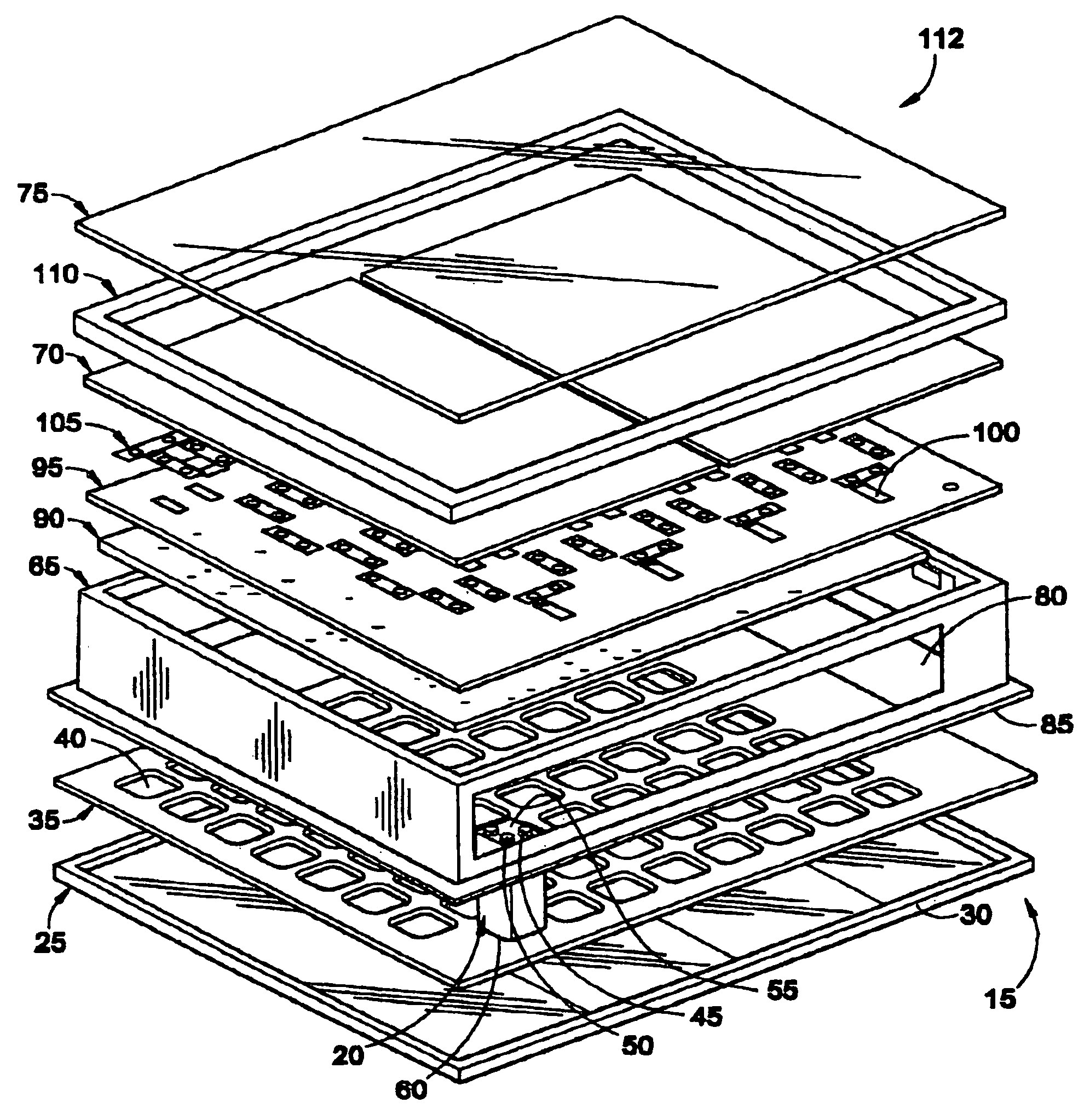
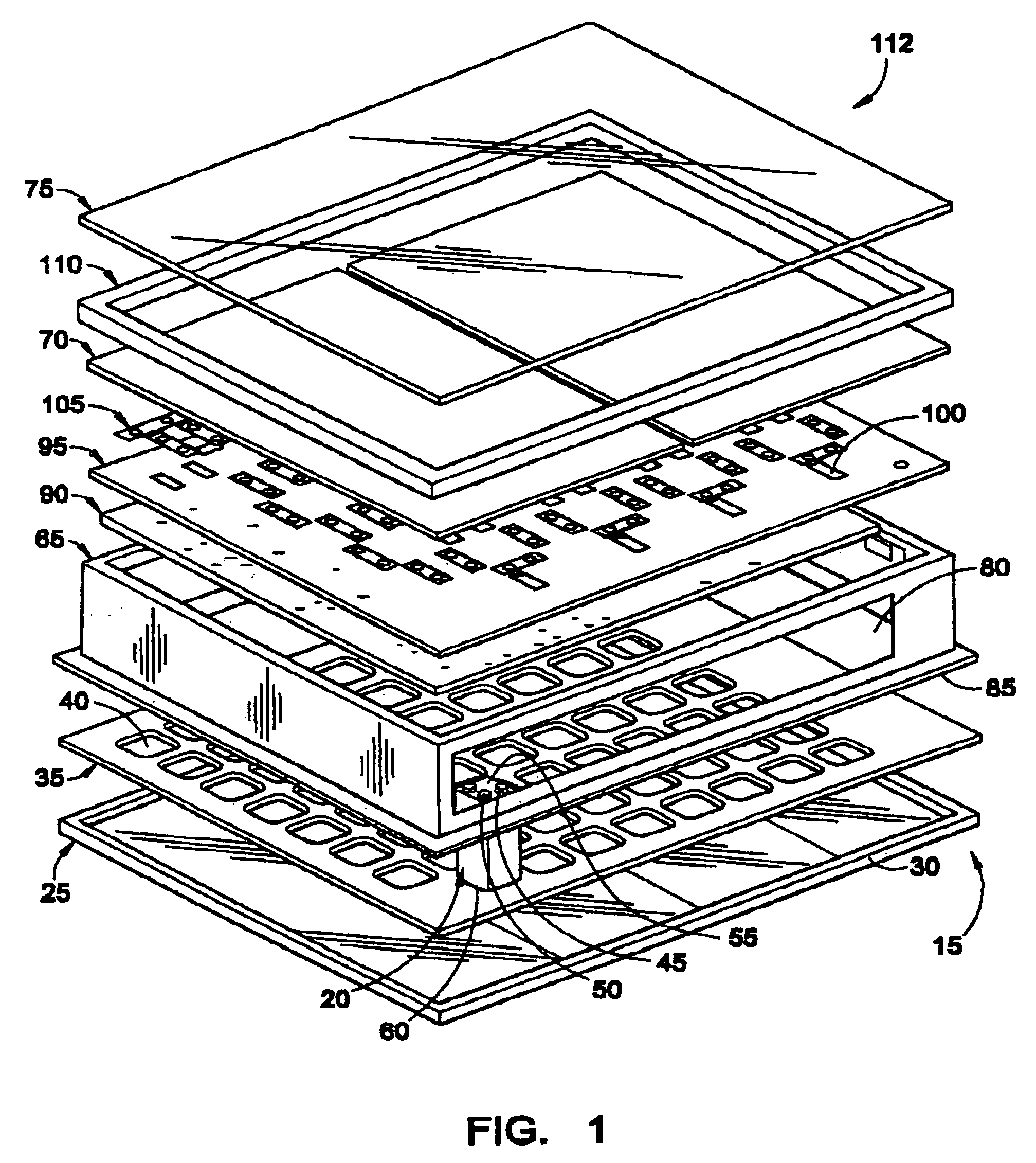
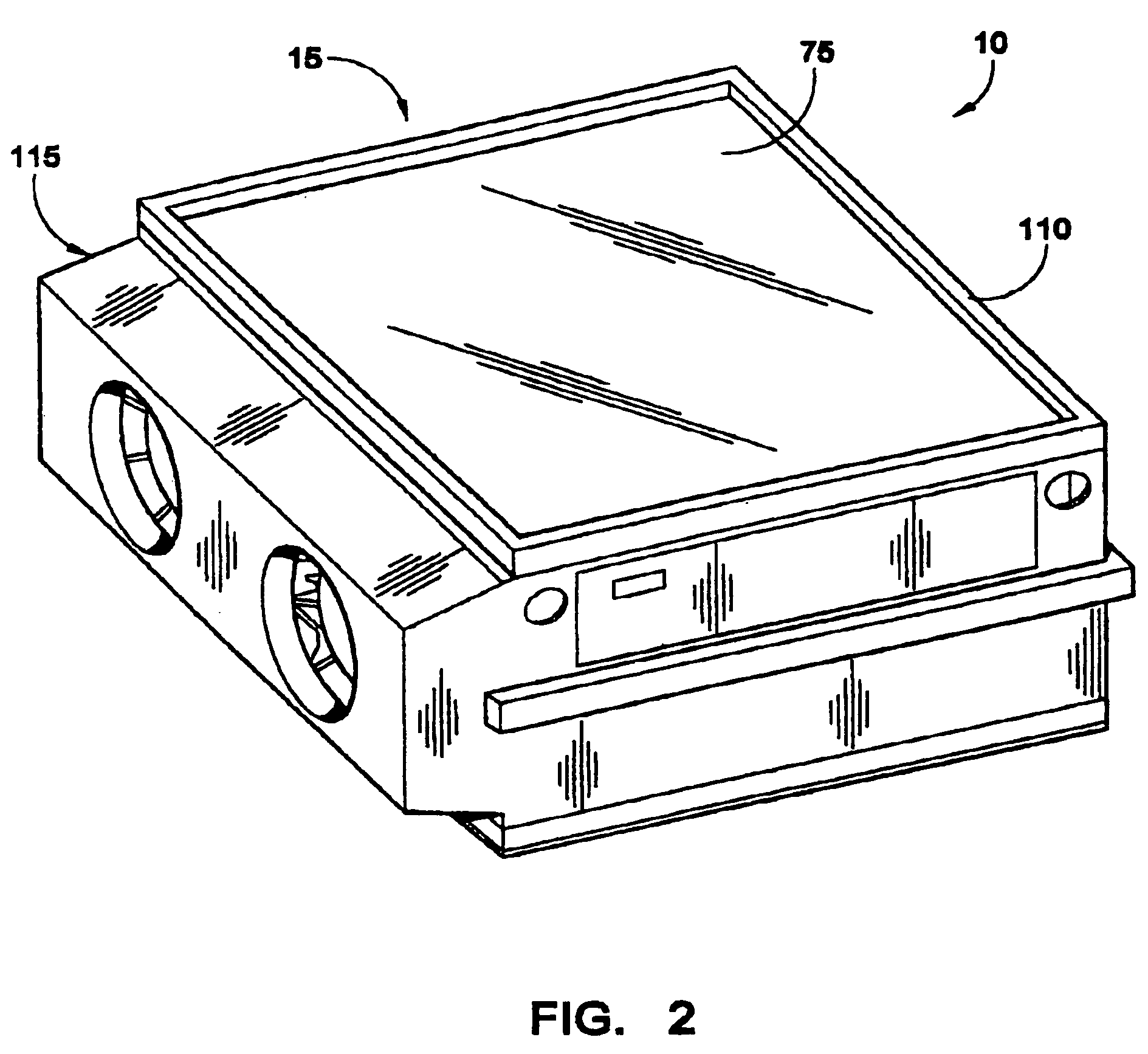
High-power ultracapacitor energy storage pack and method of use
PatentInactiveUS7218489B2
Innovation
- An ultracapacitor energy storage pack with structural support, automatic cooling, electrical interconnection, remote switching, safety pre-charge and equalizing circuits, a programmable logic controller, and a digital interface for control and status reporting, housed in an aluminum enclosure with cooling provisions and fire safety systems, along with balancing resistors to equalize cell voltages and extend lifespan.

A supercapacitor and a method for expanding the voltage range of an aqueous electrolyte supercapacitor
PatentWO2018001430A1
Innovation
- A hybrid electrolyte system combining water with a non-aqueous solvent and a salt, having a solubility above 0.1M and lower buffer capacity, expands the electrochemical stability window, allowing for a wider range of usable potentials and improved conductivity while maintaining cost-effectiveness.


Environmental Impact and Sustainability of Ultracapacitor Systems
Ultracapacitor systems present significant environmental advantages compared to traditional energy storage technologies, particularly in renewable energy applications. The manufacturing process of ultracapacitors generates substantially lower carbon emissions than lithium-ion batteries, primarily due to the absence of rare earth metals and toxic materials. The production relies mainly on activated carbon, aluminum, and organic electrolytes, which are more abundant and environmentally benign materials.
The lifecycle environmental impact of ultracapacitors demonstrates remarkable sustainability characteristics. These devices typically operate for over one million charge-discharge cycles without significant performance degradation, translating to operational lifespans exceeding 15-20 years in renewable energy storage applications. This exceptional durability reduces the frequency of replacement and associated environmental costs of manufacturing, transportation, and disposal.
End-of-life management for ultracapacitor systems offers considerable advantages over conventional battery technologies. The primary components - activated carbon electrodes, aluminum current collectors, and organic electrolytes - are largely recyclable or biodegradable. Aluminum recovery rates exceed 95% through established recycling processes, while activated carbon can be regenerated or safely returned to natural carbon cycles. The absence of heavy metals eliminates soil and groundwater contamination risks typically associated with battery disposal.
Resource extraction impacts are minimized due to ultracapacitors' reliance on abundant materials. Unlike lithium-ion batteries requiring cobalt, lithium, and nickel mining operations that often involve significant ecological disruption, ultracapacitor production primarily utilizes carbon-based materials derived from renewable biomass sources. This reduces dependency on finite mineral resources and associated geopolitical supply chain vulnerabilities.
The integration of ultracapacitors in renewable energy systems enhances overall environmental benefits by improving grid stability and reducing energy waste. Their rapid response capabilities enable more efficient utilization of intermittent renewable sources, decreasing reliance on fossil fuel backup systems. The high round-trip efficiency of ultracapacitors, typically exceeding 95%, minimizes energy losses during storage and retrieval processes, contributing to reduced overall carbon footprint of renewable energy installations.
The lifecycle environmental impact of ultracapacitors demonstrates remarkable sustainability characteristics. These devices typically operate for over one million charge-discharge cycles without significant performance degradation, translating to operational lifespans exceeding 15-20 years in renewable energy storage applications. This exceptional durability reduces the frequency of replacement and associated environmental costs of manufacturing, transportation, and disposal.
End-of-life management for ultracapacitor systems offers considerable advantages over conventional battery technologies. The primary components - activated carbon electrodes, aluminum current collectors, and organic electrolytes - are largely recyclable or biodegradable. Aluminum recovery rates exceed 95% through established recycling processes, while activated carbon can be regenerated or safely returned to natural carbon cycles. The absence of heavy metals eliminates soil and groundwater contamination risks typically associated with battery disposal.
Resource extraction impacts are minimized due to ultracapacitors' reliance on abundant materials. Unlike lithium-ion batteries requiring cobalt, lithium, and nickel mining operations that often involve significant ecological disruption, ultracapacitor production primarily utilizes carbon-based materials derived from renewable biomass sources. This reduces dependency on finite mineral resources and associated geopolitical supply chain vulnerabilities.
The integration of ultracapacitors in renewable energy systems enhances overall environmental benefits by improving grid stability and reducing energy waste. Their rapid response capabilities enable more efficient utilization of intermittent renewable sources, decreasing reliance on fossil fuel backup systems. The high round-trip efficiency of ultracapacitors, typically exceeding 95%, minimizes energy losses during storage and retrieval processes, contributing to reduced overall carbon footprint of renewable energy installations.
Grid Integration Standards for Ultracapacitor Energy Storage
The integration of ultracapacitor energy storage systems into electrical grids requires adherence to comprehensive technical standards that ensure safe, reliable, and efficient operation. Current grid integration standards for ultracapacitor systems are primarily governed by IEEE 1547 series standards, which establish interconnection requirements for distributed energy resources, and IEC 62040 standards that address uninterruptible power systems incorporating energy storage technologies.
Voltage and frequency regulation standards mandate that ultracapacitor systems maintain grid voltage within ±5% of nominal values and frequency deviations within ±0.5 Hz under normal operating conditions. These requirements necessitate sophisticated power conditioning systems that can rapidly respond to grid fluctuations while maintaining power quality standards outlined in IEEE 519 for harmonic distortion limits.
Safety standards encompass multiple layers of protection, including arc fault detection per IEEE 1584 guidelines, ground fault protection according to UL 1741 requirements, and thermal management systems that comply with NFPA 855 energy storage system safety codes. Ultracapacitor installations must incorporate fail-safe mechanisms that automatically disconnect from the grid during fault conditions within 2.0 seconds as specified by IEEE 1547.1 testing procedures.
Communication protocols for grid integration follow IEC 61850 standards, enabling real-time monitoring and control of ultracapacitor systems through standardized data models and communication interfaces. These protocols facilitate seamless integration with existing grid management systems and enable advanced functionalities such as demand response participation and ancillary service provision.
Power conversion system standards require compliance with IEEE 1547.2 application guides, which specify inverter performance characteristics, power factor requirements ranging from 0.85 leading to 0.85 lagging, and ride-through capabilities during grid disturbances. Additionally, electromagnetic compatibility standards per IEC 61000 series ensure that ultracapacitor systems do not interfere with other grid-connected equipment while maintaining immunity to external electromagnetic disturbances.
Emerging standards development focuses on enhanced grid services capabilities, including fast frequency response requirements and synthetic inertia provision, which leverage ultracapacitors' rapid charge-discharge characteristics to support grid stability in high renewable energy penetration scenarios.
Voltage and frequency regulation standards mandate that ultracapacitor systems maintain grid voltage within ±5% of nominal values and frequency deviations within ±0.5 Hz under normal operating conditions. These requirements necessitate sophisticated power conditioning systems that can rapidly respond to grid fluctuations while maintaining power quality standards outlined in IEEE 519 for harmonic distortion limits.
Safety standards encompass multiple layers of protection, including arc fault detection per IEEE 1584 guidelines, ground fault protection according to UL 1741 requirements, and thermal management systems that comply with NFPA 855 energy storage system safety codes. Ultracapacitor installations must incorporate fail-safe mechanisms that automatically disconnect from the grid during fault conditions within 2.0 seconds as specified by IEEE 1547.1 testing procedures.
Communication protocols for grid integration follow IEC 61850 standards, enabling real-time monitoring and control of ultracapacitor systems through standardized data models and communication interfaces. These protocols facilitate seamless integration with existing grid management systems and enable advanced functionalities such as demand response participation and ancillary service provision.
Power conversion system standards require compliance with IEEE 1547.2 application guides, which specify inverter performance characteristics, power factor requirements ranging from 0.85 leading to 0.85 lagging, and ride-through capabilities during grid disturbances. Additionally, electromagnetic compatibility standards per IEC 61000 series ensure that ultracapacitor systems do not interfere with other grid-connected equipment while maintaining immunity to external electromagnetic disturbances.
Emerging standards development focuses on enhanced grid services capabilities, including fast frequency response requirements and synthetic inertia provision, which leverage ultracapacitors' rapid charge-discharge characteristics to support grid stability in high renewable energy penetration scenarios.
Unlock deeper insights with PatSnap Eureka Quick Research — get a full tech report to explore trends and direct your research. Try now!
Generate Your Research Report Instantly with AI Agent
Supercharge your innovation with PatSnap Eureka AI Agent Platform!