

Persistent Memory Use Cases for Real-Time Video Streaming Workloads
MAY 13, 20269 MIN READ
Generate Your Research Report Instantly with AI Agent
PatSnap Eureka helps you evaluate technical feasibility & market potential.
Persistent Memory Background and Real-Time Streaming Goals
Persistent memory represents a revolutionary storage technology that bridges the traditional gap between volatile memory and non-volatile storage, combining the speed characteristics of DRAM with the data persistence of traditional storage devices. This hybrid approach addresses critical limitations in conventional memory hierarchies, where applications must choose between fast but volatile RAM and slower but persistent storage solutions.
The evolution of persistent memory technologies has been driven by the increasing demands of data-intensive applications requiring both high performance and data durability. Intel's 3D XPoint technology, implemented in Optane products, emerged as a pioneering solution offering byte-addressable non-volatile memory with latencies significantly lower than traditional NAND flash storage. This technological advancement enables direct CPU access to persistent data without the overhead of traditional I/O operations.
Real-time video streaming workloads present unique challenges that align perfectly with persistent memory capabilities. These applications demand ultra-low latency data access, high throughput for continuous media streams, and reliable data persistence to prevent content loss during system failures. Traditional storage architectures often struggle to meet these simultaneous requirements, creating bottlenecks that impact streaming quality and user experience.
The primary technical objectives for implementing persistent memory in video streaming environments focus on achieving sub-millisecond data access latencies while maintaining data integrity across system interruptions. Key goals include eliminating the performance penalties associated with traditional storage I/O operations, reducing memory copy overhead in video processing pipelines, and enabling instantaneous recovery from system failures without data loss.
Performance targets for persistent memory integration in streaming workloads typically aim for memory bandwidth utilization exceeding 80% of theoretical maximums while maintaining consistent latency profiles under varying load conditions. Additionally, the technology seeks to enable seamless scaling of concurrent streaming sessions without proportional increases in infrastructure complexity or operational overhead.
The strategic implementation of persistent memory in video streaming architectures represents a fundamental shift toward memory-centric computing models, where data persistence becomes an inherent characteristic of the processing environment rather than a separate storage concern. This paradigm enables new approaches to content delivery, real-time analytics, and adaptive streaming optimization that were previously constrained by traditional storage limitations.
The evolution of persistent memory technologies has been driven by the increasing demands of data-intensive applications requiring both high performance and data durability. Intel's 3D XPoint technology, implemented in Optane products, emerged as a pioneering solution offering byte-addressable non-volatile memory with latencies significantly lower than traditional NAND flash storage. This technological advancement enables direct CPU access to persistent data without the overhead of traditional I/O operations.
Real-time video streaming workloads present unique challenges that align perfectly with persistent memory capabilities. These applications demand ultra-low latency data access, high throughput for continuous media streams, and reliable data persistence to prevent content loss during system failures. Traditional storage architectures often struggle to meet these simultaneous requirements, creating bottlenecks that impact streaming quality and user experience.
The primary technical objectives for implementing persistent memory in video streaming environments focus on achieving sub-millisecond data access latencies while maintaining data integrity across system interruptions. Key goals include eliminating the performance penalties associated with traditional storage I/O operations, reducing memory copy overhead in video processing pipelines, and enabling instantaneous recovery from system failures without data loss.
Performance targets for persistent memory integration in streaming workloads typically aim for memory bandwidth utilization exceeding 80% of theoretical maximums while maintaining consistent latency profiles under varying load conditions. Additionally, the technology seeks to enable seamless scaling of concurrent streaming sessions without proportional increases in infrastructure complexity or operational overhead.
The strategic implementation of persistent memory in video streaming architectures represents a fundamental shift toward memory-centric computing models, where data persistence becomes an inherent characteristic of the processing environment rather than a separate storage concern. This paradigm enables new approaches to content delivery, real-time analytics, and adaptive streaming optimization that were previously constrained by traditional storage limitations.
Market Demand for Low-Latency Video Streaming Solutions
The global video streaming market has experienced unprecedented growth, driven by the proliferation of live streaming platforms, cloud gaming services, and real-time communication applications. Enterprise video conferencing solutions have become mission-critical infrastructure, particularly following the widespread adoption of remote work models. This transformation has elevated latency requirements from a performance preference to a business necessity.
Live streaming platforms face intense competition where milliseconds of latency difference can determine user engagement and platform preference. Gaming streaming services require ultra-low latency to maintain competitive gameplay experiences, while financial trading platforms demand real-time video communication with minimal delay for time-sensitive transactions. These applications represent high-value market segments willing to invest in premium infrastructure solutions.
The emergence of interactive live streaming has created new market dynamics where audience participation through real-time comments, reactions, and collaborative features drives revenue generation. Content creators and platform operators increasingly recognize that latency directly impacts user retention and monetization potential. This correlation has established low-latency streaming as a key differentiator in saturated markets.
Edge computing adoption has accelerated demand for distributed video processing capabilities, requiring memory solutions that can handle high-throughput workloads at network edges. Content delivery networks are evolving toward more sophisticated architectures that prioritize latency reduction over traditional bandwidth optimization approaches.
Industrial applications including remote surgery, autonomous vehicle teleoperation, and industrial automation represent emerging high-value segments with stringent latency requirements. These sectors demonstrate willingness to adopt specialized hardware solutions when they enable new service capabilities or improve operational safety margins.
The convergence of artificial intelligence with real-time video processing has created additional market pressure for low-latency solutions. AI-powered content moderation, real-time video enhancement, and automated production workflows require memory architectures that can support both streaming workloads and computational processing without introducing bottlenecks.
Market demand continues expanding as organizations recognize that superior streaming performance translates directly into competitive advantages, user satisfaction improvements, and new revenue opportunities across diverse industry verticals.
Live streaming platforms face intense competition where milliseconds of latency difference can determine user engagement and platform preference. Gaming streaming services require ultra-low latency to maintain competitive gameplay experiences, while financial trading platforms demand real-time video communication with minimal delay for time-sensitive transactions. These applications represent high-value market segments willing to invest in premium infrastructure solutions.
The emergence of interactive live streaming has created new market dynamics where audience participation through real-time comments, reactions, and collaborative features drives revenue generation. Content creators and platform operators increasingly recognize that latency directly impacts user retention and monetization potential. This correlation has established low-latency streaming as a key differentiator in saturated markets.
Edge computing adoption has accelerated demand for distributed video processing capabilities, requiring memory solutions that can handle high-throughput workloads at network edges. Content delivery networks are evolving toward more sophisticated architectures that prioritize latency reduction over traditional bandwidth optimization approaches.
Industrial applications including remote surgery, autonomous vehicle teleoperation, and industrial automation represent emerging high-value segments with stringent latency requirements. These sectors demonstrate willingness to adopt specialized hardware solutions when they enable new service capabilities or improve operational safety margins.
The convergence of artificial intelligence with real-time video processing has created additional market pressure for low-latency solutions. AI-powered content moderation, real-time video enhancement, and automated production workflows require memory architectures that can support both streaming workloads and computational processing without introducing bottlenecks.
Market demand continues expanding as organizations recognize that superior streaming performance translates directly into competitive advantages, user satisfaction improvements, and new revenue opportunities across diverse industry verticals.
Current State and Challenges of PM in Video Workloads
Persistent Memory technology has reached a critical juncture in its adoption for real-time video streaming workloads, with Intel's Optane DC Persistent Memory leading the commercial deployment landscape. Current implementations primarily focus on leveraging PM's unique characteristics of byte-addressability and non-volatility to address the demanding requirements of video processing pipelines. Major cloud service providers and content delivery networks have begun integrating PM solutions into their infrastructure, though adoption remains selective and concentrated in high-performance computing environments.
The technology demonstrates significant promise in addressing video streaming's core challenges, particularly in buffer management and frame processing acceleration. Current deployments show PM's effectiveness in reducing latency for live streaming applications, where traditional storage hierarchies create bottlenecks. Video encoding and transcoding workloads benefit from PM's ability to maintain large working datasets in persistent, directly accessible memory, eliminating frequent disk I/O operations that traditionally plague real-time processing scenarios.
However, several technical challenges continue to impede widespread adoption across video streaming infrastructures. Performance consistency remains a primary concern, as PM exhibits variable latency characteristics under different access patterns common in video workloads. Write endurance limitations pose significant constraints for applications involving continuous frame buffering and temporary data storage, requiring careful workload optimization and wear-leveling strategies.
Programming complexity represents another substantial barrier, as existing video processing frameworks require significant modifications to effectively utilize PM's hybrid memory-storage characteristics. Current software stacks often lack native PM awareness, forcing developers to implement custom memory management solutions that can properly leverage both volatile and persistent memory regions within video processing pipelines.
Cost considerations further complicate PM adoption decisions, particularly for streaming services operating on thin margins. While PM offers performance benefits, the price-per-gigabyte premium compared to traditional DRAM and storage solutions requires careful justification through measurable improvements in streaming quality, reduced infrastructure complexity, or enhanced user experience metrics.
Geographic distribution of PM technology development reveals concentration in North American and European markets, with limited penetration in emerging video streaming markets. This disparity creates challenges for global streaming platforms seeking consistent performance characteristics across diverse infrastructure environments, potentially limiting the technology's scalability for worldwide content delivery networks.
The technology demonstrates significant promise in addressing video streaming's core challenges, particularly in buffer management and frame processing acceleration. Current deployments show PM's effectiveness in reducing latency for live streaming applications, where traditional storage hierarchies create bottlenecks. Video encoding and transcoding workloads benefit from PM's ability to maintain large working datasets in persistent, directly accessible memory, eliminating frequent disk I/O operations that traditionally plague real-time processing scenarios.
However, several technical challenges continue to impede widespread adoption across video streaming infrastructures. Performance consistency remains a primary concern, as PM exhibits variable latency characteristics under different access patterns common in video workloads. Write endurance limitations pose significant constraints for applications involving continuous frame buffering and temporary data storage, requiring careful workload optimization and wear-leveling strategies.
Programming complexity represents another substantial barrier, as existing video processing frameworks require significant modifications to effectively utilize PM's hybrid memory-storage characteristics. Current software stacks often lack native PM awareness, forcing developers to implement custom memory management solutions that can properly leverage both volatile and persistent memory regions within video processing pipelines.
Cost considerations further complicate PM adoption decisions, particularly for streaming services operating on thin margins. While PM offers performance benefits, the price-per-gigabyte premium compared to traditional DRAM and storage solutions requires careful justification through measurable improvements in streaming quality, reduced infrastructure complexity, or enhanced user experience metrics.
Geographic distribution of PM technology development reveals concentration in North American and European markets, with limited penetration in emerging video streaming markets. This disparity creates challenges for global streaming platforms seeking consistent performance characteristics across diverse infrastructure environments, potentially limiting the technology's scalability for worldwide content delivery networks.
Current PM Solutions for Real-Time Video Applications
01 Persistent memory architecture and system design
Technologies focused on the fundamental architecture and system-level design of persistent memory systems. These innovations address the integration of non-volatile memory components into computing systems, including memory controllers, system interfaces, and architectural frameworks that enable persistent storage capabilities while maintaining high performance access patterns.- Persistent memory architecture and management systems: Technologies for implementing persistent memory architectures that maintain data integrity across power cycles. These systems include specialized memory controllers, data persistence mechanisms, and architectural designs that enable non-volatile storage with memory-like performance characteristics. The implementations focus on managing data flow between volatile and non-volatile memory components while ensuring system reliability and performance optimization.
- Data recovery and error correction in persistent memory: Methods and systems for ensuring data integrity and recovery in persistent memory environments. These technologies include error detection and correction mechanisms, data validation techniques, and recovery procedures that protect against data corruption or loss. The approaches encompass both hardware and software solutions for maintaining data consistency and enabling reliable data restoration after system failures or unexpected shutdowns.
- Memory allocation and garbage collection for persistent storage: Techniques for managing memory allocation, deallocation, and garbage collection in persistent memory systems. These methods optimize memory usage patterns, implement efficient allocation algorithms, and provide automated cleanup mechanisms for persistent data structures. The technologies address challenges related to memory fragmentation, allocation efficiency, and long-term storage management in non-volatile memory environments.
- Programming interfaces and APIs for persistent memory access: Software interfaces and programming models that enable applications to interact with persistent memory systems. These technologies provide standardized access methods, programming abstractions, and development frameworks that simplify the integration of persistent memory capabilities into applications. The interfaces handle the complexities of persistent data management while offering developers intuitive programming models for leveraging non-volatile memory features.
- Performance optimization and caching strategies: Optimization techniques for enhancing the performance of persistent memory systems through intelligent caching, prefetching, and data placement strategies. These methods improve access latency, maximize throughput, and optimize the utilization of both volatile and non-volatile memory resources. The technologies include adaptive algorithms that learn from access patterns and dynamically adjust memory management policies to achieve optimal performance characteristics.
02 Memory management and allocation techniques
Methods and systems for managing persistent memory resources, including allocation algorithms, memory mapping strategies, and resource optimization techniques. These approaches handle the unique characteristics of persistent memory by providing efficient allocation mechanisms, memory pool management, and strategies for balancing performance with persistence requirements.Expand Specific Solutions03 Data consistency and transaction processing
Technologies that ensure data integrity and consistency in persistent memory environments. These solutions address challenges related to atomic operations, transaction logging, crash recovery mechanisms, and maintaining data coherence across system failures while leveraging the persistence characteristics of the memory technology.Expand Specific Solutions04 Performance optimization and caching mechanisms
Techniques for optimizing the performance of persistent memory systems through advanced caching strategies, prefetching algorithms, and access pattern optimization. These innovations focus on minimizing latency, maximizing throughput, and efficiently utilizing the unique performance characteristics of persistent memory technologies.Expand Specific Solutions05 Programming interfaces and software abstractions
Software frameworks, programming models, and abstraction layers that enable developers to effectively utilize persistent memory capabilities. These solutions provide APIs, libraries, and development tools that simplify the integration of persistent memory into applications while hiding the complexity of the underlying hardware implementation.Expand Specific Solutions
Key Players in PM and Video Streaming Industry
The persistent memory market for real-time video streaming workloads represents an emerging technology sector in its early growth phase, driven by increasing demand for low-latency, high-throughput data processing. The market demonstrates significant potential as streaming services like Netflix and content platforms from Meta Platforms and Disney Enterprises require enhanced performance capabilities. Technology maturity varies considerably across key players, with established semiconductor companies like NVIDIA, AMD, and Intel (through Microsoft Technology Licensing) leading hardware innovation, while cloud infrastructure providers including Google LLC, Amazon Technologies, and IBM offer integrated solutions. Chinese technology giants such as Huawei Technologies, Tencent Technology, and ByteDance (Beijing Zitiao Network Technology) are rapidly advancing their capabilities, particularly in mobile streaming applications. The competitive landscape shows convergence between traditional hardware manufacturers like Hewlett Packard Enterprise and software-focused companies like Adobe, indicating technology consolidation as persistent memory solutions mature from experimental implementations toward mainstream deployment in enterprise video streaming infrastructures.
Google LLC
Technical Solution: Google implements persistent memory technologies through their custom-designed infrastructure combining Storage Class Memory with their Spanner distributed database for video streaming applications. Their solution utilizes persistent memory to maintain YouTube's video metadata cache and recommendation engine state across data center operations. Google's approach includes persistent memory-backed video transcoding pipelines that can preserve encoding progress during system maintenance, and implements memory-mapped video segment storage for their global content delivery network. The architecture leverages persistent memory for real-time video analytics processing, maintaining machine learning model states and user interaction data to enable personalized streaming experiences with minimal latency impact during system updates or failures.
Strengths: Proven at massive scale with advanced distributed systems expertise, innovative custom hardware and software integration for optimal performance. Weaknesses: Proprietary technology stack limits third-party integration options, significant technical complexity for implementation outside Google's ecosystem.
Hewlett Packard Enterprise Development LP
Technical Solution: HPE utilizes persistent memory through their Memory-Driven Computing architecture, specifically implementing 3D XPoint technology and NVDIMM solutions for video streaming workloads. Their approach creates a unified memory pool that spans volatile and non-volatile memory, allowing video streaming applications to maintain session state and buffer data across power cycles. HPE's solution includes persistent memory-aware video transcoding engines that can checkpoint encoding progress and resume operations seamlessly. The architecture supports real-time video analytics by keeping machine learning models and intermediate processing results in persistent memory, enabling faster decision-making for adaptive bitrate streaming and content delivery optimization.
Strengths: Mature enterprise hardware platform with proven scalability, strong memory management and fault tolerance capabilities. Weaknesses: Limited software ecosystem compared to hyperscale cloud providers, higher upfront infrastructure investment required.
Core PM Innovations for Video Streaming Optimization
Using persistent memory to enable consistent data for batch processing and streaming processing
PatentActiveUS20190197146A1
Innovation
- Implementing a system that uses an intermediary non-volatile memory to validate and store incoming data, ensuring it is consistent for both streaming and batch processing, and then sending this validated data to a disk for subsequent batch processing.


Demand-driven opportunistic garbage collection in memory components
PatentActiveUS8032724B1
Innovation
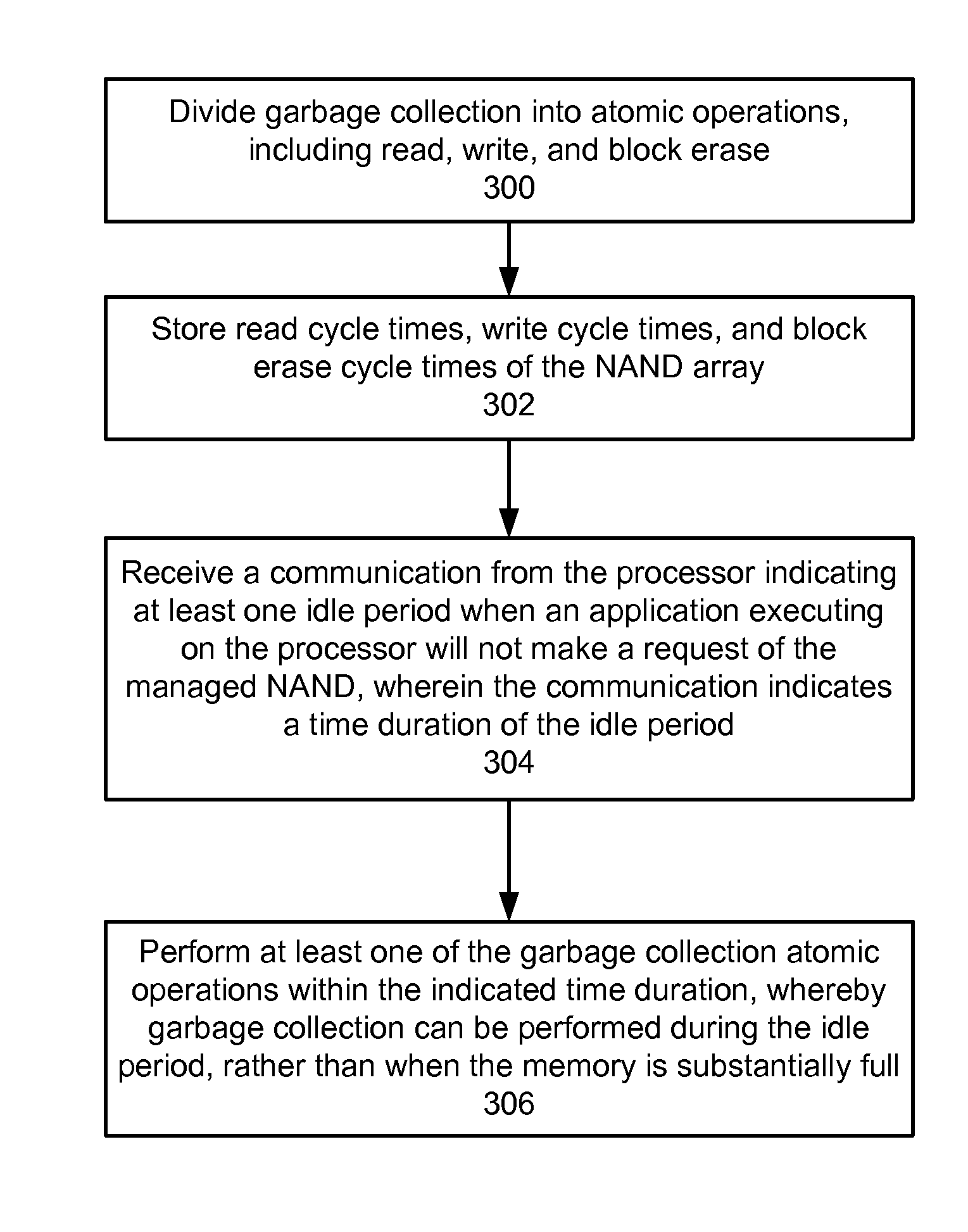
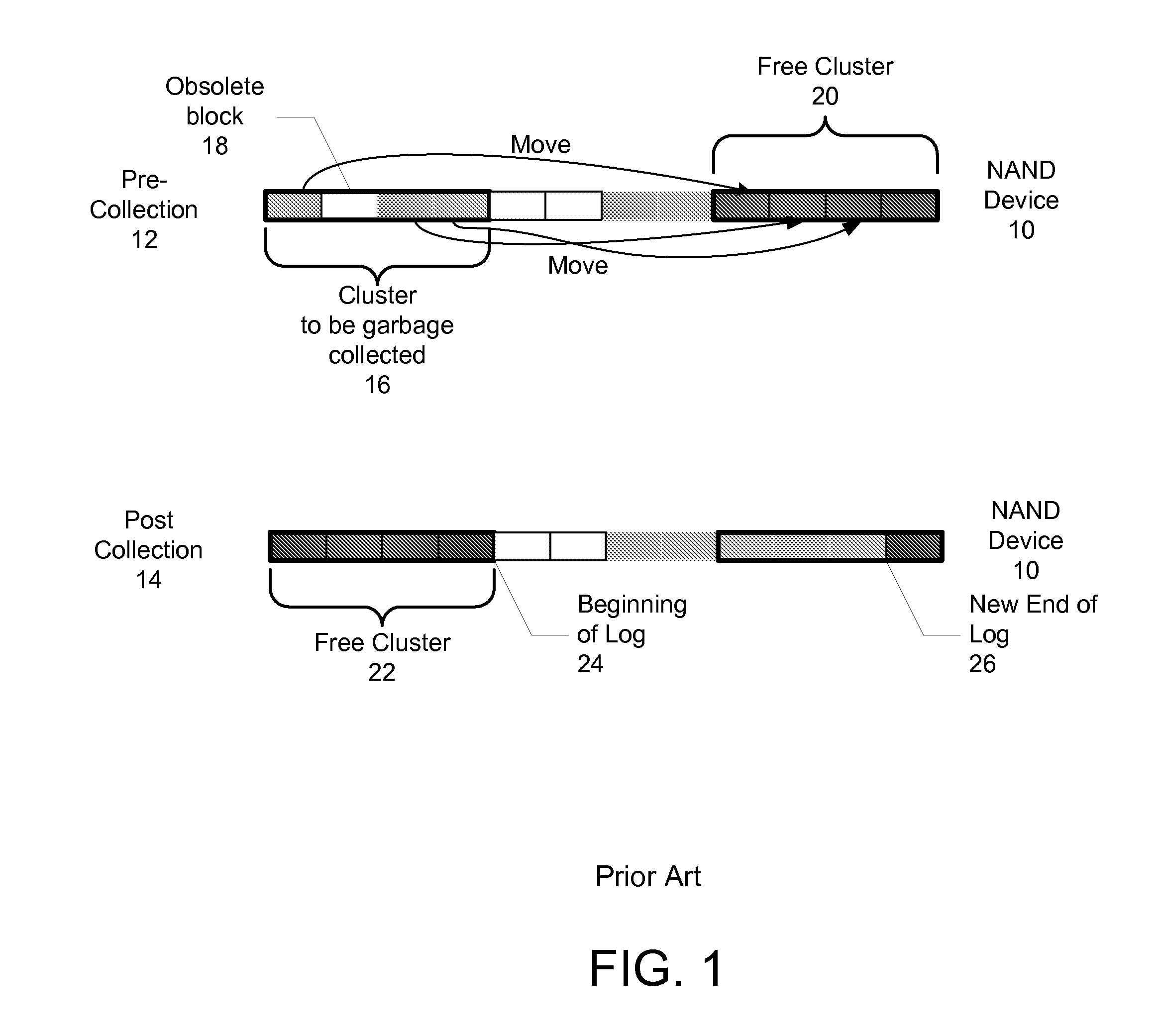
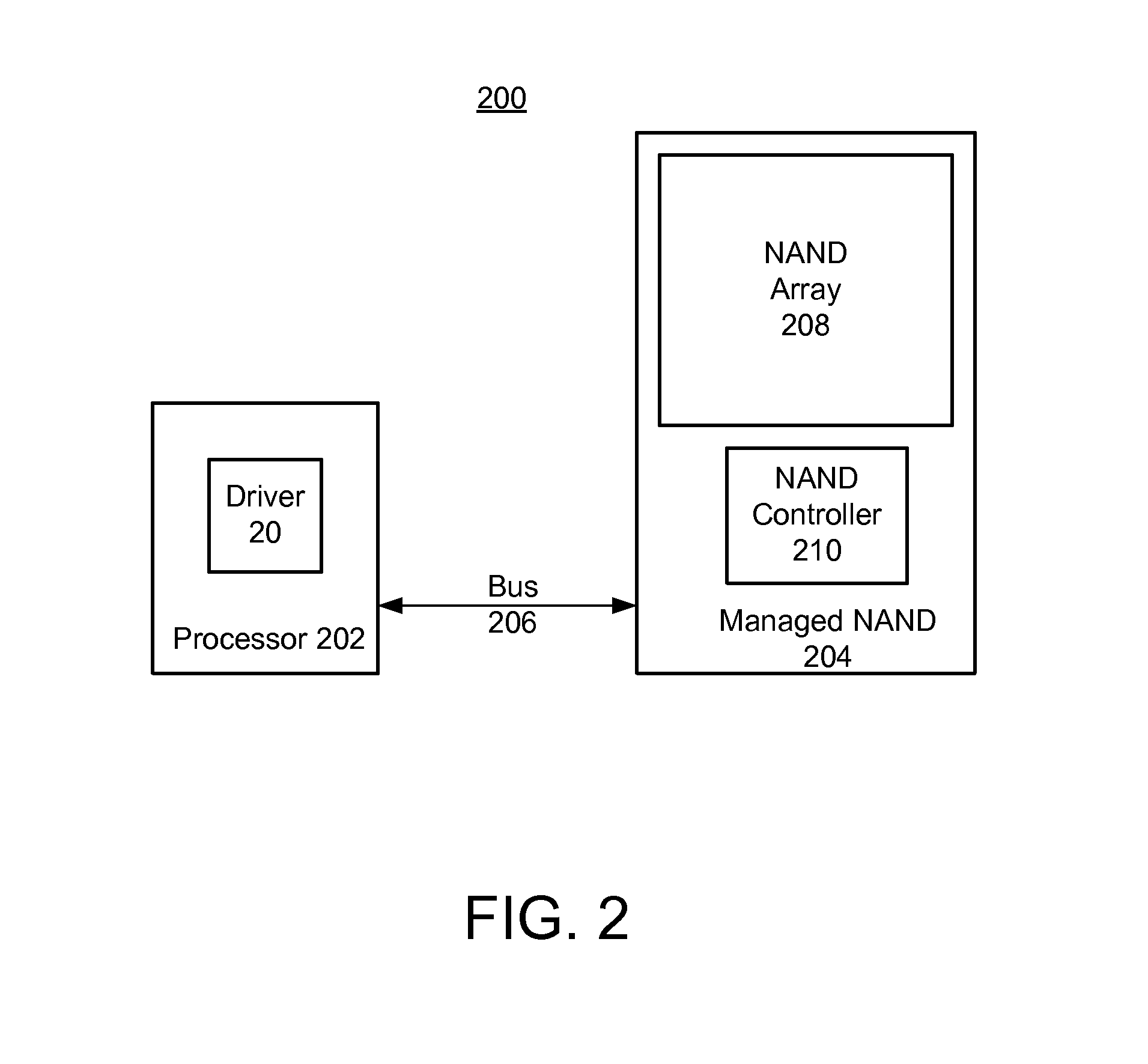
- The system performs demand-driven opportunistic garbage collection by dividing operations into atomic read, write, and block erase phases, and utilizes idle periods indicated by the processor to execute these operations, allowing for proactive management of garbage collection without disrupting real-time media streams.

Data Privacy and Security in PM Video Applications
Data privacy and security represent critical considerations in persistent memory video streaming applications, where sensitive multimedia content requires robust protection mechanisms throughout the entire data lifecycle. The unique characteristics of persistent memory technology introduce both opportunities and challenges for maintaining data confidentiality and integrity in real-time video workloads.
The persistent nature of PM storage creates extended exposure windows for sensitive video data, as content remains accessible even after system power cycles. This characteristic necessitates comprehensive encryption strategies that protect data both at rest and during active processing. Hardware-based encryption engines integrated with PM controllers provide efficient cryptographic operations without significantly impacting streaming performance, while software-based approaches offer greater flexibility in implementing custom security protocols.
Access control mechanisms become particularly complex in PM video environments due to the need for fine-grained permissions across different user groups and content categories. Role-based access control systems must accommodate dynamic permission changes while maintaining low-latency access to authorized content. Multi-tenant architectures require strict isolation between different video streams and user sessions to prevent unauthorized data exposure.
Memory forensics and data remnant management pose unique challenges in PM systems, where deleted video content may persist in memory cells longer than in traditional volatile memory. Secure deletion protocols must ensure complete data sanitization through cryptographic key destruction or physical memory cell overwriting, depending on the specific PM technology implementation.
Real-time video streaming applications often handle personally identifiable information embedded within video metadata, requiring compliance with privacy regulations such as GDPR and CCPA. PM systems must implement data anonymization and pseudonymization techniques that operate efficiently within the performance constraints of live video processing workflows.
Network security integration becomes crucial when PM-based video systems interface with external streaming platforms and content delivery networks. End-to-end encryption protocols must maintain security boundaries while enabling efficient data transfer between PM storage and network interfaces, often requiring specialized cryptographic accelerators to meet real-time performance requirements.
The persistent nature of PM storage creates extended exposure windows for sensitive video data, as content remains accessible even after system power cycles. This characteristic necessitates comprehensive encryption strategies that protect data both at rest and during active processing. Hardware-based encryption engines integrated with PM controllers provide efficient cryptographic operations without significantly impacting streaming performance, while software-based approaches offer greater flexibility in implementing custom security protocols.
Access control mechanisms become particularly complex in PM video environments due to the need for fine-grained permissions across different user groups and content categories. Role-based access control systems must accommodate dynamic permission changes while maintaining low-latency access to authorized content. Multi-tenant architectures require strict isolation between different video streams and user sessions to prevent unauthorized data exposure.
Memory forensics and data remnant management pose unique challenges in PM systems, where deleted video content may persist in memory cells longer than in traditional volatile memory. Secure deletion protocols must ensure complete data sanitization through cryptographic key destruction or physical memory cell overwriting, depending on the specific PM technology implementation.
Real-time video streaming applications often handle personally identifiable information embedded within video metadata, requiring compliance with privacy regulations such as GDPR and CCPA. PM systems must implement data anonymization and pseudonymization techniques that operate efficiently within the performance constraints of live video processing workflows.
Network security integration becomes crucial when PM-based video systems interface with external streaming platforms and content delivery networks. End-to-end encryption protocols must maintain security boundaries while enabling efficient data transfer between PM storage and network interfaces, often requiring specialized cryptographic accelerators to meet real-time performance requirements.
Energy Efficiency Considerations for PM Video Systems
Energy efficiency represents a critical design consideration for persistent memory-based video streaming systems, as these workloads typically demand substantial computational resources and continuous data processing capabilities. The integration of persistent memory technologies introduces unique power consumption patterns that differ significantly from traditional DRAM-based architectures, necessitating comprehensive evaluation of energy trade-offs across the entire system stack.
Persistent memory devices exhibit distinct power characteristics compared to conventional storage and memory hierarchies. Intel Optane DC Persistent Memory modules, for instance, consume approximately 12-15 watts per DIMM under active workloads, which is notably higher than standard DRAM but significantly lower than NVMe SSDs when considering per-gigabyte power efficiency. For real-time video streaming applications processing 4K content at 60fps, the reduced need for frequent disk I/O operations can result in overall system power savings of 20-30% compared to traditional storage-centric architectures.
The persistent nature of these memory technologies enables innovative power management strategies specifically beneficial for video streaming workloads. Systems can implement intelligent data placement algorithms that maintain frequently accessed video segments in persistent memory during low-power states, eliminating the energy overhead associated with reconstructing buffer pools and metadata structures during system wake-up cycles. This capability proves particularly valuable for edge streaming deployments where power constraints are paramount.
Thermal management considerations become increasingly important as persistent memory densities increase within video streaming infrastructure. The continuous write-intensive nature of live video ingestion can generate sustained thermal loads that impact both performance and longevity of persistent memory devices. Advanced cooling solutions and dynamic workload distribution mechanisms are essential to maintain optimal operating temperatures while preserving energy efficiency targets.
Modern persistent memory controllers incorporate sophisticated power scaling features that can dynamically adjust performance states based on streaming workload characteristics. These adaptive mechanisms can reduce power consumption by up to 40% during periods of lower bitrate content or reduced concurrent stream counts, while maintaining the rapid response capabilities required for real-time video processing applications.
Persistent memory devices exhibit distinct power characteristics compared to conventional storage and memory hierarchies. Intel Optane DC Persistent Memory modules, for instance, consume approximately 12-15 watts per DIMM under active workloads, which is notably higher than standard DRAM but significantly lower than NVMe SSDs when considering per-gigabyte power efficiency. For real-time video streaming applications processing 4K content at 60fps, the reduced need for frequent disk I/O operations can result in overall system power savings of 20-30% compared to traditional storage-centric architectures.
The persistent nature of these memory technologies enables innovative power management strategies specifically beneficial for video streaming workloads. Systems can implement intelligent data placement algorithms that maintain frequently accessed video segments in persistent memory during low-power states, eliminating the energy overhead associated with reconstructing buffer pools and metadata structures during system wake-up cycles. This capability proves particularly valuable for edge streaming deployments where power constraints are paramount.
Thermal management considerations become increasingly important as persistent memory densities increase within video streaming infrastructure. The continuous write-intensive nature of live video ingestion can generate sustained thermal loads that impact both performance and longevity of persistent memory devices. Advanced cooling solutions and dynamic workload distribution mechanisms are essential to maintain optimal operating temperatures while preserving energy efficiency targets.
Modern persistent memory controllers incorporate sophisticated power scaling features that can dynamically adjust performance states based on streaming workload characteristics. These adaptive mechanisms can reduce power consumption by up to 40% during periods of lower bitrate content or reduced concurrent stream counts, while maintaining the rapid response capabilities required for real-time video processing applications.
Unlock deeper insights with PatSnap Eureka Quick Research — get a full tech report to explore trends and direct your research. Try now!
Generate Your Research Report Instantly with AI Agent
Supercharge your innovation with PatSnap Eureka AI Agent Platform!