

Persistent Memory vs SRAM for High-Speed Signal Processing Tasks
MAY 13, 20268 MIN READ
Generate Your Research Report Instantly with AI Agent
PatSnap Eureka helps you evaluate technical feasibility & market potential.
Persistent Memory and SRAM Technology Background and Objectives
The evolution of memory technologies has been fundamentally driven by the perpetual demand for faster data processing and reduced latency in computing systems. Static Random Access Memory (SRAM) emerged in the 1960s as one of the earliest forms of semiconductor memory, utilizing bistable latching circuitry to store data bits. Its architecture, based on cross-coupled inverters, provides exceptional speed characteristics with access times typically ranging from 0.5 to 25 nanoseconds, making it the preferred choice for cache memory in processors and high-performance computing applications.
Persistent Memory represents a revolutionary paradigm shift that emerged in the 2010s, bridging the traditional gap between volatile memory and non-volatile storage. Technologies such as Intel's 3D XPoint, Phase Change Memory (PCM), and Resistive RAM (ReRAM) have enabled the development of memory systems that combine near-DRAM performance with storage-class persistence. This breakthrough addresses the fundamental von Neumann bottleneck by eliminating the need for constant data movement between memory and storage layers.
The technological trajectory in memory systems has been shaped by Moore's Law limitations and the increasing demands of data-intensive applications. Traditional memory hierarchies, with SRAM at the top tier, have faced scalability challenges due to power consumption and manufacturing costs. The emergence of persistent memory technologies offers an alternative approach, potentially flattening the memory hierarchy while maintaining data integrity across power cycles.
Current market drivers for high-speed signal processing applications include real-time analytics, edge computing, artificial intelligence workloads, and telecommunications infrastructure. These applications demand memory systems capable of handling massive data throughput with minimal latency while ensuring data persistence for critical operations. The convergence of Internet of Things (IoT) devices, 5G networks, and autonomous systems has intensified the need for memory solutions that can process signals at unprecedented speeds.
The primary objective of comparing persistent memory and SRAM technologies centers on identifying optimal memory architectures for next-generation signal processing systems. This evaluation encompasses performance metrics including bandwidth, latency, power efficiency, and data retention capabilities. Understanding the trade-offs between these technologies is crucial for developing memory subsystems that can meet the stringent requirements of modern signal processing applications while providing cost-effective and scalable solutions for enterprise and embedded systems deployment.
Persistent Memory represents a revolutionary paradigm shift that emerged in the 2010s, bridging the traditional gap between volatile memory and non-volatile storage. Technologies such as Intel's 3D XPoint, Phase Change Memory (PCM), and Resistive RAM (ReRAM) have enabled the development of memory systems that combine near-DRAM performance with storage-class persistence. This breakthrough addresses the fundamental von Neumann bottleneck by eliminating the need for constant data movement between memory and storage layers.
The technological trajectory in memory systems has been shaped by Moore's Law limitations and the increasing demands of data-intensive applications. Traditional memory hierarchies, with SRAM at the top tier, have faced scalability challenges due to power consumption and manufacturing costs. The emergence of persistent memory technologies offers an alternative approach, potentially flattening the memory hierarchy while maintaining data integrity across power cycles.
Current market drivers for high-speed signal processing applications include real-time analytics, edge computing, artificial intelligence workloads, and telecommunications infrastructure. These applications demand memory systems capable of handling massive data throughput with minimal latency while ensuring data persistence for critical operations. The convergence of Internet of Things (IoT) devices, 5G networks, and autonomous systems has intensified the need for memory solutions that can process signals at unprecedented speeds.
The primary objective of comparing persistent memory and SRAM technologies centers on identifying optimal memory architectures for next-generation signal processing systems. This evaluation encompasses performance metrics including bandwidth, latency, power efficiency, and data retention capabilities. Understanding the trade-offs between these technologies is crucial for developing memory subsystems that can meet the stringent requirements of modern signal processing applications while providing cost-effective and scalable solutions for enterprise and embedded systems deployment.
Market Demand for High-Speed Signal Processing Memory Solutions
The global high-speed signal processing market is experiencing unprecedented growth driven by the proliferation of 5G networks, autonomous vehicles, artificial intelligence applications, and advanced radar systems. These applications demand memory solutions capable of handling massive data throughput with minimal latency, creating substantial market opportunities for both persistent memory and SRAM technologies.
Telecommunications infrastructure represents the largest market segment, where base stations and network equipment require ultra-low latency memory for real-time signal processing. The deployment of 5G networks has intensified demand for memory solutions that can support higher bandwidth and faster processing speeds. Edge computing applications further amplify this need, as data processing moves closer to end users, requiring more sophisticated memory architectures.
The automotive sector presents another significant growth driver, particularly with the advancement of autonomous driving technologies. Advanced driver assistance systems, LiDAR processing, and real-time sensor fusion applications require memory solutions that can process vast amounts of data instantaneously. These applications cannot tolerate the latency associated with traditional storage solutions, creating strong demand for high-performance memory technologies.
Defense and aerospace applications continue to drive premium market segments, where mission-critical signal processing systems require the highest performance memory solutions. Radar systems, electronic warfare applications, and satellite communications demand memory technologies that can operate reliably under extreme conditions while maintaining exceptional speed and accuracy.
Industrial automation and Internet of Things applications are emerging as substantial market drivers. Smart manufacturing systems, predictive maintenance applications, and real-time quality control systems require memory solutions that can handle continuous data streams from multiple sensors simultaneously.
The market exhibits distinct preferences based on application requirements. Applications requiring non-volatility and larger capacity tend to favor persistent memory solutions, while those prioritizing absolute speed and deterministic performance lean toward SRAM implementations. This segmentation creates diverse market opportunities for both technologies, with total addressable market expanding as signal processing requirements become more sophisticated across industries.
Telecommunications infrastructure represents the largest market segment, where base stations and network equipment require ultra-low latency memory for real-time signal processing. The deployment of 5G networks has intensified demand for memory solutions that can support higher bandwidth and faster processing speeds. Edge computing applications further amplify this need, as data processing moves closer to end users, requiring more sophisticated memory architectures.
The automotive sector presents another significant growth driver, particularly with the advancement of autonomous driving technologies. Advanced driver assistance systems, LiDAR processing, and real-time sensor fusion applications require memory solutions that can process vast amounts of data instantaneously. These applications cannot tolerate the latency associated with traditional storage solutions, creating strong demand for high-performance memory technologies.
Defense and aerospace applications continue to drive premium market segments, where mission-critical signal processing systems require the highest performance memory solutions. Radar systems, electronic warfare applications, and satellite communications demand memory technologies that can operate reliably under extreme conditions while maintaining exceptional speed and accuracy.
Industrial automation and Internet of Things applications are emerging as substantial market drivers. Smart manufacturing systems, predictive maintenance applications, and real-time quality control systems require memory solutions that can handle continuous data streams from multiple sensors simultaneously.
The market exhibits distinct preferences based on application requirements. Applications requiring non-volatility and larger capacity tend to favor persistent memory solutions, while those prioritizing absolute speed and deterministic performance lean toward SRAM implementations. This segmentation creates diverse market opportunities for both technologies, with total addressable market expanding as signal processing requirements become more sophisticated across industries.
Current State and Challenges of Memory Technologies in Signal Processing
The current landscape of memory technologies in signal processing applications presents a complex dichotomy between performance requirements and technological limitations. Traditional SRAM continues to dominate high-speed signal processing tasks due to its exceptional access speeds, typically ranging from 1-10 nanoseconds, and deterministic latency characteristics that are crucial for real-time applications. However, SRAM faces significant scalability challenges, with density limitations and exponentially increasing costs as cache sizes expand beyond current architectural boundaries.
Persistent memory technologies, including Intel's Optane DC Persistent Memory and emerging storage-class memory solutions, have introduced a paradigm shift by bridging the gap between volatile and non-volatile storage. These technologies offer substantially higher density compared to SRAM, with capacities reaching terabytes per module, while maintaining access latencies in the hundreds of nanoseconds range. Despite these advantages, persistent memory still exhibits 10-100 times slower access speeds compared to SRAM, creating performance bottlenecks in latency-critical signal processing applications.
The integration challenges extend beyond raw performance metrics to encompass power consumption patterns, thermal management, and system-level architectural considerations. SRAM's power efficiency during active operations contrasts sharply with persistent memory's advantage in standby power consumption and data retention capabilities. Signal processing workloads, characterized by intensive computational bursts and varying data access patterns, expose these fundamental trade-offs between speed, capacity, and energy efficiency.
Current implementations reveal significant gaps in memory hierarchy optimization for signal processing tasks. Existing cache coherency protocols and memory management systems were primarily designed for general-purpose computing rather than the specialized requirements of digital signal processors and field-programmable gate arrays. This mismatch results in suboptimal utilization of available memory bandwidth and introduces unnecessary latency overhead in time-sensitive processing chains.
The heterogeneous memory landscape further complicates system design, as engineers must navigate compatibility issues between different memory technologies within unified platforms. Software stack limitations, including operating system support and compiler optimizations, remain significant barriers to fully exploiting the potential benefits of hybrid memory architectures in signal processing applications.
Persistent memory technologies, including Intel's Optane DC Persistent Memory and emerging storage-class memory solutions, have introduced a paradigm shift by bridging the gap between volatile and non-volatile storage. These technologies offer substantially higher density compared to SRAM, with capacities reaching terabytes per module, while maintaining access latencies in the hundreds of nanoseconds range. Despite these advantages, persistent memory still exhibits 10-100 times slower access speeds compared to SRAM, creating performance bottlenecks in latency-critical signal processing applications.
The integration challenges extend beyond raw performance metrics to encompass power consumption patterns, thermal management, and system-level architectural considerations. SRAM's power efficiency during active operations contrasts sharply with persistent memory's advantage in standby power consumption and data retention capabilities. Signal processing workloads, characterized by intensive computational bursts and varying data access patterns, expose these fundamental trade-offs between speed, capacity, and energy efficiency.
Current implementations reveal significant gaps in memory hierarchy optimization for signal processing tasks. Existing cache coherency protocols and memory management systems were primarily designed for general-purpose computing rather than the specialized requirements of digital signal processors and field-programmable gate arrays. This mismatch results in suboptimal utilization of available memory bandwidth and introduces unnecessary latency overhead in time-sensitive processing chains.
The heterogeneous memory landscape further complicates system design, as engineers must navigate compatibility issues between different memory technologies within unified platforms. Software stack limitations, including operating system support and compiler optimizations, remain significant barriers to fully exploiting the potential benefits of hybrid memory architectures in signal processing applications.
Current Memory Solutions for High-Speed Signal Processing Applications
01 Memory architecture optimization for persistent memory systems
Advanced memory architectures are designed to optimize the performance of persistent memory systems by implementing specialized controllers and data pathways. These architectures focus on reducing latency and improving throughput between persistent memory and processing units through innovative circuit designs and memory management techniques.- Memory architecture optimization for persistent memory systems: Advanced memory architectures are designed to optimize the performance of persistent memory systems by implementing specialized controllers, cache hierarchies, and data path optimizations. These architectures focus on reducing latency and improving throughput between persistent memory and processing units through innovative memory management techniques and hardware-software co-design approaches.
- SRAM-based cache systems for enhanced processing speed: Static Random Access Memory implementations are utilized as high-speed cache systems to accelerate processing operations. These systems employ multi-level cache hierarchies, predictive caching algorithms, and optimized SRAM cell designs to minimize access times and maximize data throughput in computing systems requiring high-performance memory operations.
- Hybrid memory systems combining persistent and volatile memory: Integrated memory solutions that combine persistent memory technologies with high-speed volatile memory components to achieve optimal performance characteristics. These hybrid systems utilize intelligent data placement algorithms, wear leveling techniques, and dynamic memory allocation strategies to balance speed, persistence, and energy efficiency requirements.
- Memory controller and interface optimization techniques: Specialized memory controllers and interface designs that optimize data transfer protocols between processing units and memory subsystems. These solutions implement advanced scheduling algorithms, bandwidth optimization techniques, and error correction mechanisms to enhance overall system performance while maintaining data integrity and reliability.
- Power management and energy efficiency in high-speed memory systems: Energy-efficient memory management techniques that reduce power consumption while maintaining high processing speeds. These approaches include dynamic voltage scaling, clock gating mechanisms, power-aware memory allocation strategies, and sleep mode optimizations specifically designed for persistent memory and SRAM-based systems.
02 SRAM cache integration with persistent memory
Integration techniques that combine SRAM cache systems with persistent memory to enhance overall processing speed. These methods utilize SRAM as a high-speed buffer layer that interfaces with persistent memory, enabling faster data access and improved system responsiveness through optimized cache management algorithms.Expand Specific Solutions03 Data transfer protocols for memory speed enhancement
Specialized protocols and interfaces designed to accelerate data transfer between different memory types including persistent memory and SRAM. These protocols implement advanced signaling methods, timing optimizations, and bandwidth management techniques to maximize data throughput and minimize access delays.Expand Specific Solutions04 Power management in high-speed memory systems
Power optimization strategies specifically developed for high-performance memory systems that incorporate both persistent memory and SRAM components. These approaches balance processing speed requirements with energy efficiency through dynamic voltage scaling, selective memory activation, and intelligent power state management.Expand Specific Solutions05 Memory controller design for enhanced processing performance
Advanced memory controller architectures that coordinate operations between persistent memory and SRAM to optimize processing speed. These controllers implement sophisticated scheduling algorithms, predictive caching mechanisms, and parallel processing capabilities to maximize system performance and minimize memory access bottlenecks.Expand Specific Solutions
Key Players in Memory Technology and Signal Processing Industry
The persistent memory versus SRAM competition for high-speed signal processing represents a mature market in transition, with the industry moving from traditional SRAM dominance toward emerging persistent memory solutions. The market demonstrates substantial scale, driven by growing demands in AI, automotive, and edge computing applications requiring ultra-low latency processing. Technology maturity varies significantly across players: established memory leaders like Samsung Electronics, SK Hynix, and Micron Technology possess advanced SRAM manufacturing capabilities, while Intel and IBM pioneer persistent memory innovations through technologies like 3D XPoint and storage-class memory. Foundry giants TSMC and GlobalFoundries enable advanced process nodes critical for both technologies. The competitive landscape features semiconductor incumbents leveraging existing SRAM expertise against emerging persistent memory challengers, with companies like Qualcomm and Infineon integrating these solutions into specialized signal processing applications, creating a dynamic ecosystem where traditional and innovative approaches coexist.
Intel Corp.
Technical Solution: Intel has developed comprehensive persistent memory solutions including Intel Optane DC Persistent Memory, which bridges the gap between DRAM and storage with byte-addressable non-volatile memory. Their technology offers near-DRAM performance with storage-class persistence, enabling applications to maintain data across power cycles. Intel's persistent memory architecture supports both Memory Mode and App Direct Mode, allowing flexible deployment for high-speed signal processing workloads. The company has integrated persistent memory controllers directly into their processors, reducing latency and improving bandwidth utilization for real-time signal processing applications.
Strengths: Industry-leading persistent memory technology with proven scalability and processor integration. Weaknesses: Higher cost compared to traditional SRAM solutions and dependency on specific processor architectures.
Micron Technology, Inc.
Technical Solution: Micron has developed innovative persistent memory technologies including 3D XPoint memory architecture and advanced SRAM solutions optimized for high-speed signal processing. Their persistent memory products offer byte-addressability with latencies significantly lower than traditional NAND flash while maintaining data persistence. Micron's SRAM portfolio includes high-performance synchronous SRAM with access times as low as 8ns and specialized signal processing SRAM with enhanced bandwidth capabilities. The company focuses on hybrid memory architectures that combine SRAM caching with persistent memory storage for optimal signal processing performance.
Strengths: Strong expertise in both volatile and non-volatile memory technologies with comprehensive product portfolio. Weaknesses: Persistent memory adoption still limited by cost considerations and application-specific optimization requirements.
Core Innovations in Persistent Memory vs SRAM Performance
Method and framework for optimum grading of the inside of high performance static state random access memory
PatentInactiveCN102760487A
Innovation
- A flip-flop is inserted between the global word line and the local word line, and each row of the memory array is divided into an equal number of memory modules. The number of levels is reasonably selected through the bit line discharge delay, so that the first and second level delays are approximately equal, thus Reduce latency and increase operating frequency.
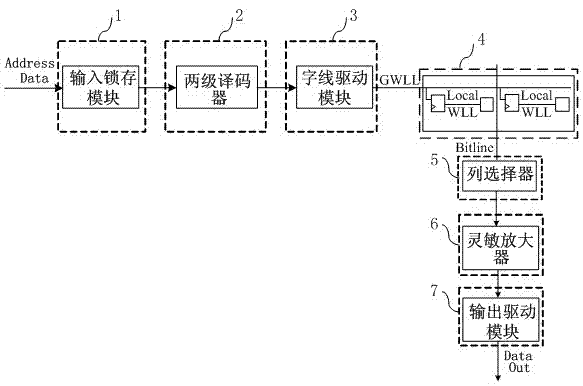
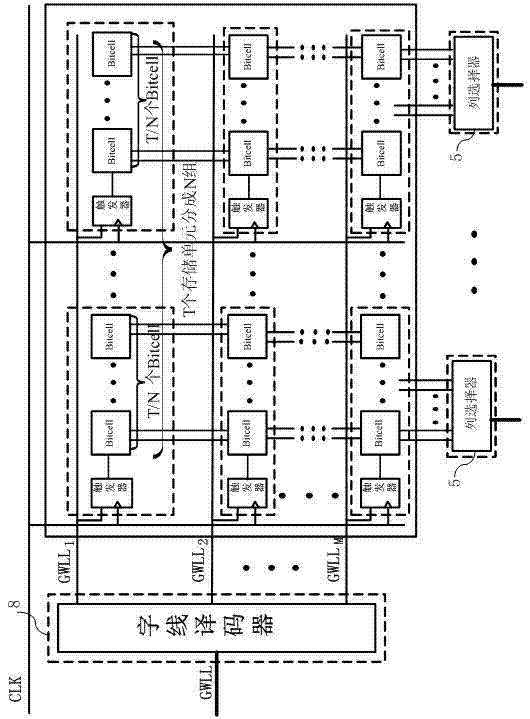
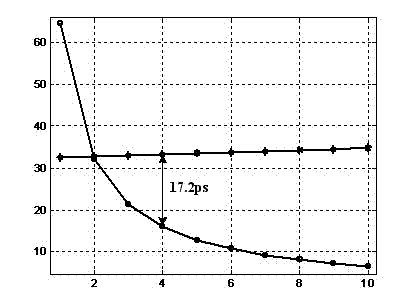
Two-port SRAM with a high speed sensing scheme
PatentActiveUS7502273B2
Innovation
- A two-port SRAM design with a high-speed sensing scheme that includes a cell array, reference cells, a column selector, and a sense amplifier, which compares sensing currents from SRAM cells to reference currents to generate an output signal, improving read operation speed and sensing margin without increasing device area.


Performance Benchmarking and Comparative Analysis Framework
Establishing a comprehensive performance benchmarking framework for comparing Persistent Memory and SRAM in high-speed signal processing applications requires standardized methodologies that account for the unique characteristics of both memory technologies. The framework must encompass multiple performance dimensions including latency, throughput, power consumption, and scalability metrics under various signal processing workloads.
The benchmarking methodology should incorporate synthetic workloads that simulate real-world signal processing scenarios such as FFT operations, digital filtering, convolution algorithms, and real-time data streaming. These workloads must be designed with varying data access patterns, from sequential streaming operations typical in audio processing to random access patterns common in radar signal analysis. Each test scenario should measure memory access latency at different queue depths, sustained bandwidth under continuous operation, and peak performance under burst conditions.
Comparative analysis requires establishing baseline performance metrics for both memory technologies across different operational parameters. SRAM benchmarks should focus on its ultra-low latency characteristics and deterministic access times, while Persistent Memory evaluation must account for read-write asymmetry and wear leveling impacts. The framework should measure performance degradation over extended operation periods, particularly relevant for Persistent Memory's endurance characteristics.
Power efficiency analysis forms a critical component of the comparative framework, measuring both active power consumption during intensive signal processing tasks and idle power characteristics during standby periods. This analysis should include thermal behavior assessment, as high-speed signal processing applications often operate in thermally constrained environments where memory power consumption directly impacts system cooling requirements.
The framework must also incorporate scalability testing to evaluate how performance characteristics change with increasing memory capacity and concurrent access patterns. This includes measuring the impact of memory controller overhead, bus contention effects, and system-level integration challenges. Statistical analysis methodologies should be employed to ensure measurement reliability and account for performance variations across different operating conditions and environmental factors.
The benchmarking methodology should incorporate synthetic workloads that simulate real-world signal processing scenarios such as FFT operations, digital filtering, convolution algorithms, and real-time data streaming. These workloads must be designed with varying data access patterns, from sequential streaming operations typical in audio processing to random access patterns common in radar signal analysis. Each test scenario should measure memory access latency at different queue depths, sustained bandwidth under continuous operation, and peak performance under burst conditions.
Comparative analysis requires establishing baseline performance metrics for both memory technologies across different operational parameters. SRAM benchmarks should focus on its ultra-low latency characteristics and deterministic access times, while Persistent Memory evaluation must account for read-write asymmetry and wear leveling impacts. The framework should measure performance degradation over extended operation periods, particularly relevant for Persistent Memory's endurance characteristics.
Power efficiency analysis forms a critical component of the comparative framework, measuring both active power consumption during intensive signal processing tasks and idle power characteristics during standby periods. This analysis should include thermal behavior assessment, as high-speed signal processing applications often operate in thermally constrained environments where memory power consumption directly impacts system cooling requirements.
The framework must also incorporate scalability testing to evaluate how performance characteristics change with increasing memory capacity and concurrent access patterns. This includes measuring the impact of memory controller overhead, bus contention effects, and system-level integration challenges. Statistical analysis methodologies should be employed to ensure measurement reliability and account for performance variations across different operating conditions and environmental factors.
Power Efficiency and Thermal Management Considerations
Power efficiency represents a critical differentiator between persistent memory and SRAM technologies in high-speed signal processing applications. SRAM traditionally consumes significantly higher static power due to its six-transistor cell structure requiring continuous refresh operations to maintain data integrity. Each SRAM cell draws leakage current even during idle states, resulting in power consumption ranging from 0.5 to 2 watts per gigabyte depending on process technology and operating frequency.
Persistent memory technologies, particularly Intel Optane and emerging MRAM solutions, demonstrate substantially lower idle power consumption. These technologies eliminate the need for continuous refresh cycles, reducing static power by up to 70% compared to equivalent SRAM configurations. However, persistent memory exhibits higher dynamic power consumption during write operations due to the energy required for phase change or magnetic field manipulation processes.
Thermal management challenges vary significantly between these memory architectures. SRAM generates concentrated heat due to its high transistor density and continuous operation, creating localized hotspots that can exceed 85°C in high-performance applications. This necessitates sophisticated cooling solutions including heat spreaders, thermal interface materials, and active cooling systems that add complexity and cost to system designs.
Persistent memory technologies distribute thermal loads more evenly across the memory array, with peak operating temperatures typically 15-20°C lower than equivalent SRAM implementations. The reduced thermal stress extends component lifespan and enables more compact system designs with simplified cooling requirements.
Advanced power management techniques further differentiate these technologies. SRAM benefits from established voltage scaling and clock gating methodologies, while persistent memory enables novel approaches such as selective bank activation and adaptive write scheduling. These techniques can reduce overall system power consumption by 25-40% in typical signal processing workloads.
The thermal coefficient of performance varies between technologies, with persistent memory maintaining more stable electrical characteristics across temperature ranges. This stability reduces the need for temperature compensation circuits and enables more predictable system behavior in varying environmental conditions, particularly important for aerospace and automotive signal processing applications.
Persistent memory technologies, particularly Intel Optane and emerging MRAM solutions, demonstrate substantially lower idle power consumption. These technologies eliminate the need for continuous refresh cycles, reducing static power by up to 70% compared to equivalent SRAM configurations. However, persistent memory exhibits higher dynamic power consumption during write operations due to the energy required for phase change or magnetic field manipulation processes.
Thermal management challenges vary significantly between these memory architectures. SRAM generates concentrated heat due to its high transistor density and continuous operation, creating localized hotspots that can exceed 85°C in high-performance applications. This necessitates sophisticated cooling solutions including heat spreaders, thermal interface materials, and active cooling systems that add complexity and cost to system designs.
Persistent memory technologies distribute thermal loads more evenly across the memory array, with peak operating temperatures typically 15-20°C lower than equivalent SRAM implementations. The reduced thermal stress extends component lifespan and enables more compact system designs with simplified cooling requirements.
Advanced power management techniques further differentiate these technologies. SRAM benefits from established voltage scaling and clock gating methodologies, while persistent memory enables novel approaches such as selective bank activation and adaptive write scheduling. These techniques can reduce overall system power consumption by 25-40% in typical signal processing workloads.
The thermal coefficient of performance varies between technologies, with persistent memory maintaining more stable electrical characteristics across temperature ranges. This stability reduces the need for temperature compensation circuits and enables more predictable system behavior in varying environmental conditions, particularly important for aerospace and automotive signal processing applications.
Unlock deeper insights with PatSnap Eureka Quick Research — get a full tech report to explore trends and direct your research. Try now!
Generate Your Research Report Instantly with AI Agent
Supercharge your innovation with PatSnap Eureka AI Agent Platform!