

Potential Energy Utilization in Modern Rail Systems
FEB 25, 20269 MIN READ
Generate Your Research Report Instantly with AI Agent
PatSnap Eureka helps you evaluate technical feasibility & market potential.
Rail System Energy Background and Objectives
Rail transportation systems have undergone significant transformation since the advent of steam locomotives in the early 19th century. The evolution from coal-powered engines to electric and hybrid systems reflects humanity's continuous pursuit of energy efficiency and environmental sustainability. Modern rail networks consume substantial amounts of energy, with global railway systems accounting for approximately 3% of total energy consumption worldwide, yet they remain one of the most energy-efficient modes of mass transportation per passenger-kilometer.
The fundamental challenge in contemporary rail systems lies in optimizing energy utilization across multiple operational phases. Traditional rail operations involve substantial energy losses during braking, idling, and acceleration phases, with conventional systems dissipating kinetic energy as heat through friction braking. This energy wastage represents a significant opportunity for improvement, particularly as rail networks expand globally and environmental regulations become increasingly stringent.
Energy recovery and utilization technologies have emerged as critical focus areas for rail system optimization. Regenerative braking systems, which convert kinetic energy back into electrical energy during deceleration, represent the most mature technology in this domain. However, the potential extends beyond regenerative braking to encompass gravitational potential energy recovery, compressed air energy storage, and flywheel energy storage systems integrated within rail infrastructure.
The primary objective of modern potential energy utilization initiatives centers on achieving comprehensive energy efficiency improvements across rail operations. This encompasses developing systems capable of capturing, storing, and redistributing energy generated during train operations, particularly during braking and downhill travel phases. The goal extends to creating intelligent energy management systems that can optimize power distribution across entire rail networks.
Secondary objectives include reducing operational costs through decreased energy consumption and minimizing environmental impact through improved energy efficiency. Rail operators seek to achieve energy savings of 15-30% through advanced potential energy utilization technologies, while simultaneously improving service reliability and reducing maintenance requirements associated with traditional braking systems.
The technological roadmap for potential energy utilization in rail systems aims to establish fully integrated energy management ecosystems. These systems would seamlessly coordinate between multiple trains, stationary energy storage installations, and grid connections to maximize energy recovery and utilization efficiency. The ultimate vision encompasses autonomous energy optimization that adapts to real-time operational conditions, weather patterns, and passenger demand fluctuations.
The fundamental challenge in contemporary rail systems lies in optimizing energy utilization across multiple operational phases. Traditional rail operations involve substantial energy losses during braking, idling, and acceleration phases, with conventional systems dissipating kinetic energy as heat through friction braking. This energy wastage represents a significant opportunity for improvement, particularly as rail networks expand globally and environmental regulations become increasingly stringent.
Energy recovery and utilization technologies have emerged as critical focus areas for rail system optimization. Regenerative braking systems, which convert kinetic energy back into electrical energy during deceleration, represent the most mature technology in this domain. However, the potential extends beyond regenerative braking to encompass gravitational potential energy recovery, compressed air energy storage, and flywheel energy storage systems integrated within rail infrastructure.
The primary objective of modern potential energy utilization initiatives centers on achieving comprehensive energy efficiency improvements across rail operations. This encompasses developing systems capable of capturing, storing, and redistributing energy generated during train operations, particularly during braking and downhill travel phases. The goal extends to creating intelligent energy management systems that can optimize power distribution across entire rail networks.
Secondary objectives include reducing operational costs through decreased energy consumption and minimizing environmental impact through improved energy efficiency. Rail operators seek to achieve energy savings of 15-30% through advanced potential energy utilization technologies, while simultaneously improving service reliability and reducing maintenance requirements associated with traditional braking systems.
The technological roadmap for potential energy utilization in rail systems aims to establish fully integrated energy management ecosystems. These systems would seamlessly coordinate between multiple trains, stationary energy storage installations, and grid connections to maximize energy recovery and utilization efficiency. The ultimate vision encompasses autonomous energy optimization that adapts to real-time operational conditions, weather patterns, and passenger demand fluctuations.
Market Demand for Energy-Efficient Rail Transportation
The global rail transportation sector is experiencing unprecedented demand for energy-efficient solutions, driven by mounting environmental pressures and economic imperatives. Governments worldwide are implementing stringent carbon emission regulations, compelling rail operators to seek innovative energy management technologies. The European Union's Green Deal and similar initiatives in Asia-Pacific regions have established ambitious decarbonization targets, creating substantial market pull for potential energy utilization systems.
Urban rail networks represent the most dynamic segment of this market demand. Metropolitan areas across developing economies are rapidly expanding their subway and light rail systems to address growing urbanization challenges. These new installations prioritize energy efficiency from the design phase, creating immediate opportunities for regenerative braking systems and energy storage solutions that capture and reuse potential energy during train operations.
High-speed rail corridors demonstrate particularly strong demand for advanced energy recovery technologies. The frequent acceleration and deceleration cycles inherent in high-speed operations generate significant amounts of recoverable kinetic and potential energy. Rail operators in these segments actively seek technologies that can reduce overall energy consumption while maintaining operational performance standards.
Freight rail operators face distinct market pressures that drive demand for energy-efficient solutions. Rising fuel costs and increasing cargo volumes necessitate more sophisticated energy management approaches. Heavy freight trains operating on mountainous routes present exceptional opportunities for potential energy capture during descent phases, with operators showing strong interest in systems that can store and redistribute this energy effectively.
The market demand extends beyond new installations to retrofit applications. Existing rail networks worldwide seek cost-effective upgrades that can improve energy efficiency without requiring complete infrastructure overhaul. This retrofit market represents substantial volume potential, as operators balance capital investment constraints with operational efficiency improvements.
Regional variations in market demand reflect different economic development stages and regulatory environments. Developed markets emphasize advanced technological solutions with higher performance specifications, while emerging markets prioritize cost-effective implementations that deliver measurable energy savings. This diversity creates multiple market entry points for potential energy utilization technologies across different performance and price segments.
Urban rail networks represent the most dynamic segment of this market demand. Metropolitan areas across developing economies are rapidly expanding their subway and light rail systems to address growing urbanization challenges. These new installations prioritize energy efficiency from the design phase, creating immediate opportunities for regenerative braking systems and energy storage solutions that capture and reuse potential energy during train operations.
High-speed rail corridors demonstrate particularly strong demand for advanced energy recovery technologies. The frequent acceleration and deceleration cycles inherent in high-speed operations generate significant amounts of recoverable kinetic and potential energy. Rail operators in these segments actively seek technologies that can reduce overall energy consumption while maintaining operational performance standards.
Freight rail operators face distinct market pressures that drive demand for energy-efficient solutions. Rising fuel costs and increasing cargo volumes necessitate more sophisticated energy management approaches. Heavy freight trains operating on mountainous routes present exceptional opportunities for potential energy capture during descent phases, with operators showing strong interest in systems that can store and redistribute this energy effectively.
The market demand extends beyond new installations to retrofit applications. Existing rail networks worldwide seek cost-effective upgrades that can improve energy efficiency without requiring complete infrastructure overhaul. This retrofit market represents substantial volume potential, as operators balance capital investment constraints with operational efficiency improvements.
Regional variations in market demand reflect different economic development stages and regulatory environments. Developed markets emphasize advanced technological solutions with higher performance specifications, while emerging markets prioritize cost-effective implementations that deliver measurable energy savings. This diversity creates multiple market entry points for potential energy utilization technologies across different performance and price segments.
Current State of Rail Energy Recovery Technologies
Rail energy recovery technologies have evolved significantly over the past two decades, with regenerative braking systems now representing the most mature and widely deployed solution. Modern electric trains routinely capture 15-30% of their traction energy through regenerative braking, converting kinetic energy back into electrical power during deceleration phases. This technology has become standard across major metropolitan transit systems, high-speed rail networks, and freight operations worldwide.
Contemporary regenerative braking implementations utilize advanced power electronics and inverter systems that seamlessly transition between motoring and generating modes. The recovered energy is typically fed back into the catenary system or third rail, where it can be immediately consumed by other trains in the network or returned to the grid. Leading manufacturers like Siemens, Alstom, and Bombardier have developed sophisticated energy management systems that optimize the timing and distribution of regenerated power across multiple train consists.
Onboard energy storage systems represent the next frontier in rail energy recovery, with several pilot deployments demonstrating promising results. Lithium-ion battery systems, supercapacitors, and hybrid storage solutions are being integrated into rolling stock to capture and store regenerative energy for later use. These systems enable trains to operate in catenary-free zones and provide backup power during supply interruptions. Current battery systems achieve energy densities of 150-250 Wh/kg, with rapid charging capabilities supporting multiple brake-acceleration cycles.
Wayside energy storage installations are gaining traction as utilities and transit operators seek to maximize the value of recovered energy. Large-scale battery farms and flywheel systems positioned at strategic locations along rail corridors can absorb excess regenerative energy and release it during peak demand periods. These installations also provide grid stabilization services and can reduce overall infrastructure costs by minimizing peak power requirements from utility connections.
Emerging technologies include kinetic energy recovery systems that capture energy from track vibrations and thermal recovery systems that harness waste heat from braking resistors and traction motors. While still in early development phases, these approaches could potentially recover an additional 5-10% of total energy consumption. Advanced control algorithms and machine learning systems are being deployed to optimize energy recovery timing and maximize system-wide efficiency across complex rail networks.
Contemporary regenerative braking implementations utilize advanced power electronics and inverter systems that seamlessly transition between motoring and generating modes. The recovered energy is typically fed back into the catenary system or third rail, where it can be immediately consumed by other trains in the network or returned to the grid. Leading manufacturers like Siemens, Alstom, and Bombardier have developed sophisticated energy management systems that optimize the timing and distribution of regenerated power across multiple train consists.
Onboard energy storage systems represent the next frontier in rail energy recovery, with several pilot deployments demonstrating promising results. Lithium-ion battery systems, supercapacitors, and hybrid storage solutions are being integrated into rolling stock to capture and store regenerative energy for later use. These systems enable trains to operate in catenary-free zones and provide backup power during supply interruptions. Current battery systems achieve energy densities of 150-250 Wh/kg, with rapid charging capabilities supporting multiple brake-acceleration cycles.
Wayside energy storage installations are gaining traction as utilities and transit operators seek to maximize the value of recovered energy. Large-scale battery farms and flywheel systems positioned at strategic locations along rail corridors can absorb excess regenerative energy and release it during peak demand periods. These installations also provide grid stabilization services and can reduce overall infrastructure costs by minimizing peak power requirements from utility connections.
Emerging technologies include kinetic energy recovery systems that capture energy from track vibrations and thermal recovery systems that harness waste heat from braking resistors and traction motors. While still in early development phases, these approaches could potentially recover an additional 5-10% of total energy consumption. Advanced control algorithms and machine learning systems are being deployed to optimize energy recovery timing and maximize system-wide efficiency across complex rail networks.
Existing Potential Energy Harvesting Methods
01 Gravitational potential energy conversion systems
Systems and methods for converting gravitational potential energy into usable electrical energy through mechanical devices. These systems typically involve the controlled descent of masses or fluids to drive generators or turbines. The technology focuses on capturing energy from height differences and converting it efficiently into electricity through various mechanical arrangements and control mechanisms.- Gravitational potential energy conversion systems: Systems and methods for converting gravitational potential energy into usable electrical energy through mechanical devices. These systems typically involve the controlled descent of masses or fluids to drive generators or turbines. The technology focuses on capturing energy from height differences and converting it efficiently into electricity through various mechanical arrangements and control mechanisms.
- Thermal potential energy storage and recovery: Technologies for storing energy in the form of thermal potential and subsequently recovering it for practical use. These systems utilize temperature differentials and phase change materials to store energy efficiently. The methods include heat accumulation, thermal gradient exploitation, and conversion of stored thermal energy back into electrical or mechanical energy through various thermodynamic cycles.
- Compressed air and pneumatic energy storage: Systems that store energy by compressing air or gases and later release this stored potential energy to generate power. These technologies involve compression chambers, pressure vessels, and expansion mechanisms to convert the stored pneumatic potential energy into mechanical work or electricity. The systems often integrate with renewable energy sources for load balancing and energy management.
- Hydraulic potential energy utilization: Methods and apparatus for harnessing hydraulic potential energy from water pressure differences and elevation changes. These systems capture energy from water flow, pressure gradients, and hydraulic head to drive turbines or other energy conversion devices. The technology includes pumped storage systems, pressure recovery devices, and water-based energy accumulation mechanisms.
- Elastic and mechanical potential energy systems: Devices and methods that store energy in elastic materials, springs, flywheels, or other mechanical systems and convert this stored potential energy into useful work. These systems utilize material deformation, rotational inertia, and mechanical stress to accumulate energy that can be released on demand. Applications include energy buffering, power smoothing, and mechanical energy storage for various industrial and transportation purposes.
02 Thermal potential energy storage and recovery
Technologies for storing energy in the form of thermal potential and subsequently recovering it for practical use. These systems utilize temperature differentials and phase change materials to store energy efficiently. The methods include heat accumulation, thermal gradient exploitation, and conversion of stored thermal energy back into electrical or mechanical energy through various heat exchange and conversion processes.Expand Specific Solutions03 Compressed air and pneumatic energy storage
Systems that store energy by compressing air or gases and later release this stored potential energy to generate power. These technologies involve compression chambers, pressure vessels, and expansion mechanisms to convert the stored pneumatic potential energy into mechanical or electrical energy. The systems often integrate with renewable energy sources to provide energy storage solutions.Expand Specific Solutions04 Hydraulic and fluid-based potential energy systems
Methods and apparatus for utilizing hydraulic potential energy through fluid pressure and flow control. These systems capture and store energy in pressurized fluids or elevated water reservoirs, then convert it to usable energy through turbines or hydraulic motors. The technology encompasses pumped storage, pressure accumulation, and controlled fluid release mechanisms for energy generation.Expand Specific Solutions05 Elastic and mechanical potential energy devices
Devices that store energy through elastic deformation or mechanical displacement and release it for power generation. These systems utilize springs, flywheels, counterweights, and other mechanical elements to accumulate potential energy. The stored energy is then converted into kinetic energy and subsequently into electrical energy through generators or other conversion mechanisms, providing efficient energy storage and release capabilities.Expand Specific Solutions
Major Players in Rail Energy Recovery Solutions
The potential energy utilization in modern rail systems represents a rapidly evolving technological landscape characterized by significant market expansion and varying levels of technological maturity across different applications. The industry is transitioning from traditional mechanical systems to advanced energy recovery and storage solutions, with regenerative braking and energy storage systems gaining substantial traction. Major players demonstrate diverse technological approaches: established giants like Siemens AG, Hitachi Ltd., and Mitsubishi Electric Corp. lead in mature regenerative braking technologies, while companies such as BYD Co., Ltd. and TAE Technologies drive innovation in energy storage solutions. Chinese manufacturers including CRRC Zhuzhou Institute and various railway design institutes are rapidly advancing, particularly in high-speed rail applications. European leaders like ALSTOM Transport Technologies and emerging players are focusing on integrated energy management systems, indicating a competitive landscape where technological convergence and energy efficiency optimization are becoming critical differentiators for market success.
ALSTOM Transport Technologies SAS
Technical Solution: Alstom has pioneered the development of energy recovery systems through their HESOP (Harmonic and Energy Saving Optimizer) technology, which recovers up to 99% of braking energy in metro systems. Their approach utilizes ground-based energy storage systems that capture regenerative braking energy and redistribute it to accelerating trains or feed it back to the electrical grid. The company has also developed hydrogen fuel cell trains like the Coradia iLint, which represents a breakthrough in sustainable rail transport by utilizing hydrogen as a clean energy source. Additionally, their APS (Alimentation Par le Sol) ground-level power supply system eliminates the need for overhead catenary lines while maintaining energy efficiency.
Strengths: Industry-leading energy recovery efficiency, innovative hydrogen propulsion technology, extensive global deployment experience. Weaknesses: High infrastructure modification costs, limited hydrogen refueling infrastructure, complex maintenance requirements for fuel cell systems.
Siemens AG
Technical Solution: Siemens has developed comprehensive energy recovery systems for rail applications, including regenerative braking technology that converts kinetic energy back to electrical energy during deceleration. Their SITRAS energy storage systems utilize supercapacitors and battery storage to capture and reuse braking energy, achieving energy savings of up to 30% in urban rail systems. The company's traction converters incorporate advanced power electronics that optimize energy flow and minimize losses during acceleration and braking cycles. Their integrated approach combines wayside energy storage with onboard systems to maximize energy utilization efficiency across entire rail networks.
Strengths: Market-leading regenerative braking technology, comprehensive system integration capabilities, proven track record in energy-efficient rail solutions. Weaknesses: High initial investment costs, complex system integration requirements, dependency on advanced power electronics.
Core Technologies in Rail Energy Storage Systems
High-speed rail station comprehensive energy system scheduling method utilizing train regenerative braking energy
PatentInactiveCN112016853A
Innovation
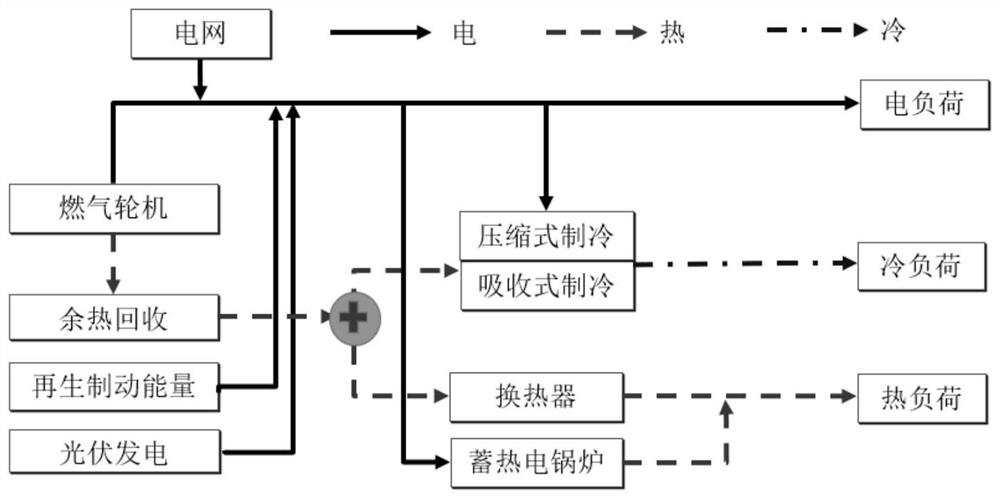
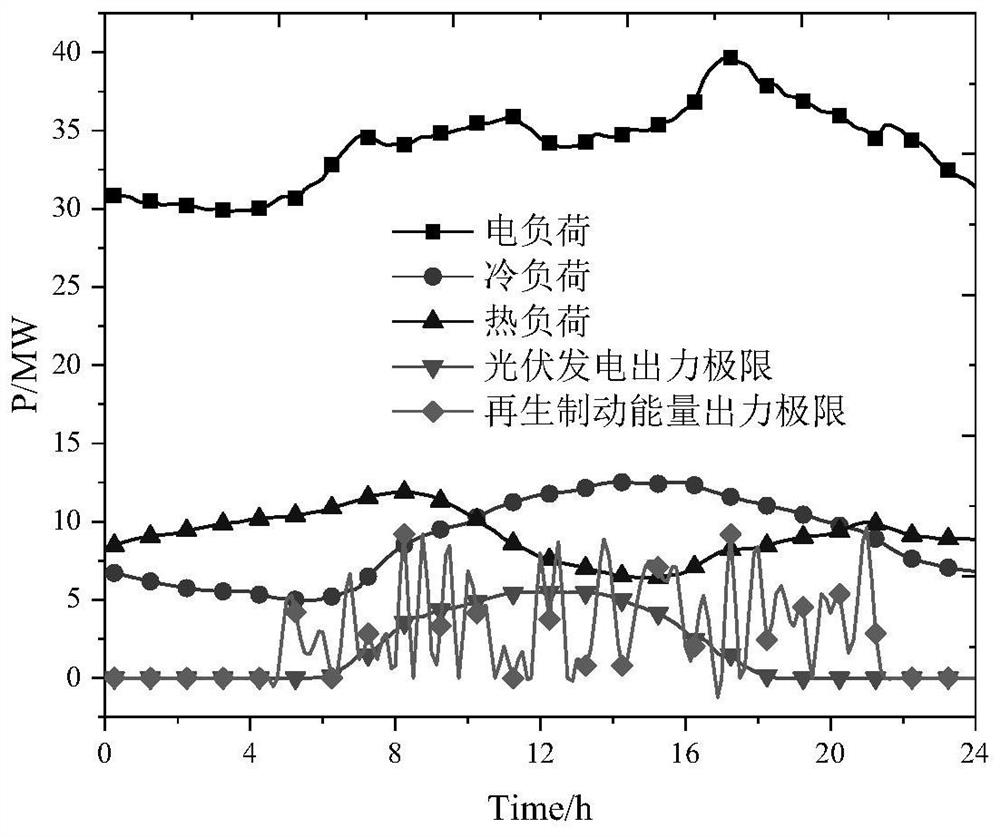
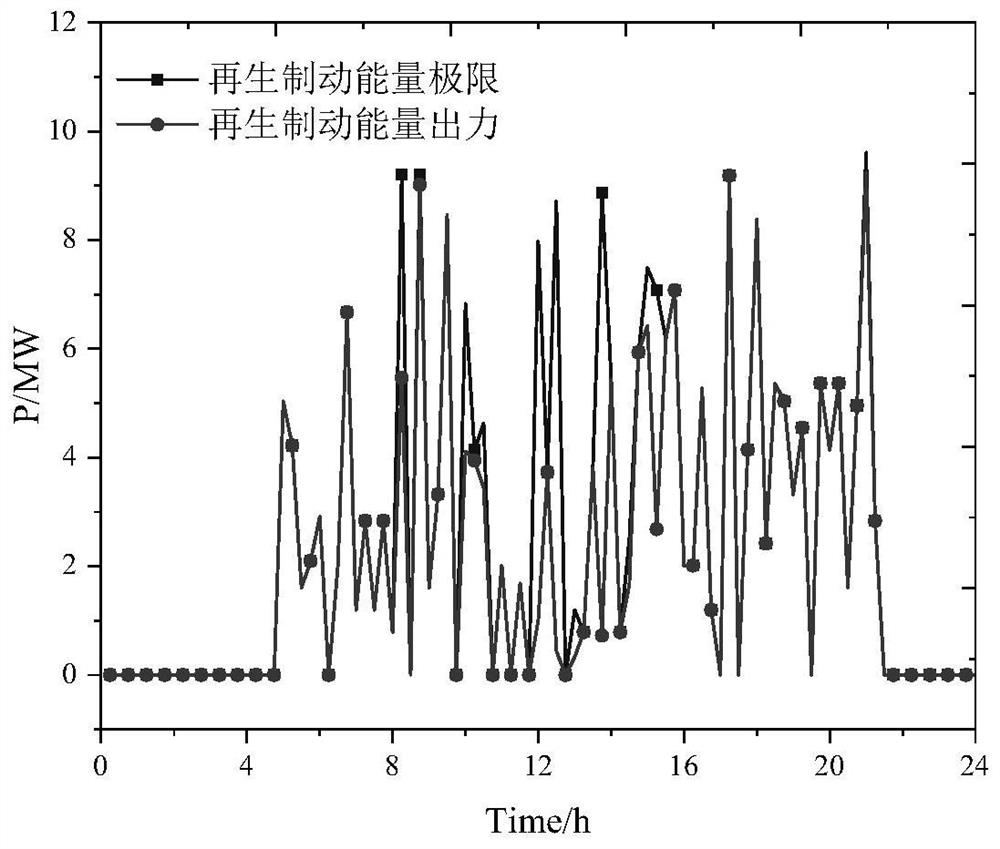
- Establish an integrated energy system of cooling, heating and electricity that includes train regenerative braking energy, photovoltaic power generation equipment, combined heat and power units, municipal power grids, electric refrigeration units, thermal storage electric boilers and absorption refrigeration units. The unit meets the power demand of the high-speed railway station. The regenerative braking energy of the train and solar photovoltaic power generation are used as auxiliary power supply. The excess power is converted into heat storage. The waste heat recovered from the combined heat and power generation is used to meet the cooling and heating load needs. When the power is insufficient, the power is purchased through the municipal power grid. .

Rail transit collaborative energy supply system energy management method based on dynamic planning
PatentPendingCN119809187A
Innovation
- The energy management method based on dynamic programming algorithm is adopted to establish a multi-objective energy management optimization model, and adaptive energy exchange between the energy storage system and the new energy power generation system is realized through offline training and online operation.


Environmental Regulations for Rail Energy Efficiency
The regulatory landscape governing rail energy efficiency has evolved significantly in response to growing environmental concerns and climate change commitments. International frameworks such as the Paris Agreement have established binding targets for carbon emission reductions, directly impacting transportation sectors including rail systems. The European Union's Green Deal and associated directives mandate substantial improvements in energy efficiency across all transport modes, with specific provisions for rail electrification and renewable energy integration.
National governments have implemented comprehensive regulatory frameworks that establish mandatory energy performance standards for rail operators. The United States Federal Railroad Administration has introduced energy efficiency reporting requirements, while European member states have adopted the Energy Efficiency Directive, requiring rail companies to achieve specific energy consumption reductions. These regulations typically include provisions for energy auditing, performance monitoring, and the implementation of energy management systems compliant with ISO 50001 standards.
Carbon pricing mechanisms and emissions trading systems have created additional regulatory pressures that incentivize energy efficiency improvements in rail operations. The European Union Emissions Trading System now covers certain rail activities, while carbon tax implementations in various jurisdictions directly impact operational costs for energy-intensive rail services. These market-based instruments effectively translate environmental compliance into economic imperatives for rail operators.
Regulatory bodies have established specific technical standards governing energy recovery systems and regenerative braking technologies. Safety regulations must be carefully balanced with efficiency requirements, particularly regarding the integration of energy storage systems and grid interconnection protocols. Standards organizations such as the International Electrotechnical Commission have developed comprehensive guidelines for energy measurement and reporting in rail applications.
Emerging regulations increasingly focus on lifecycle energy assessments and circular economy principles, requiring rail operators to consider energy implications throughout infrastructure development and rolling stock procurement processes. These evolving regulatory frameworks are driving innovation in potential energy utilization technologies while ensuring environmental protection remains paramount in rail system modernization efforts.
National governments have implemented comprehensive regulatory frameworks that establish mandatory energy performance standards for rail operators. The United States Federal Railroad Administration has introduced energy efficiency reporting requirements, while European member states have adopted the Energy Efficiency Directive, requiring rail companies to achieve specific energy consumption reductions. These regulations typically include provisions for energy auditing, performance monitoring, and the implementation of energy management systems compliant with ISO 50001 standards.
Carbon pricing mechanisms and emissions trading systems have created additional regulatory pressures that incentivize energy efficiency improvements in rail operations. The European Union Emissions Trading System now covers certain rail activities, while carbon tax implementations in various jurisdictions directly impact operational costs for energy-intensive rail services. These market-based instruments effectively translate environmental compliance into economic imperatives for rail operators.
Regulatory bodies have established specific technical standards governing energy recovery systems and regenerative braking technologies. Safety regulations must be carefully balanced with efficiency requirements, particularly regarding the integration of energy storage systems and grid interconnection protocols. Standards organizations such as the International Electrotechnical Commission have developed comprehensive guidelines for energy measurement and reporting in rail applications.
Emerging regulations increasingly focus on lifecycle energy assessments and circular economy principles, requiring rail operators to consider energy implications throughout infrastructure development and rolling stock procurement processes. These evolving regulatory frameworks are driving innovation in potential energy utilization technologies while ensuring environmental protection remains paramount in rail system modernization efforts.
Grid Integration Standards for Rail Energy Systems
The integration of rail energy systems with electrical grids requires adherence to comprehensive technical standards that ensure safe, reliable, and efficient power exchange. Current grid integration frameworks are primarily governed by IEEE 1547 series standards for distributed energy resources, IEC 61850 for communication protocols in electrical substations, and EN 50388 for railway applications of power supply systems. These standards establish fundamental requirements for voltage regulation, frequency control, power quality, and protection coordination between rail infrastructure and utility networks.
Power quality management represents a critical aspect of grid integration standards, particularly addressing harmonic distortion, voltage fluctuations, and power factor correction. Rail systems typically generate significant harmonic content due to traction motor operations and regenerative braking systems. Standards such as IEEE 519 and IEC 61000 series define acceptable limits for total harmonic distortion and establish filtering requirements to maintain grid stability. Advanced power conditioning systems must comply with these specifications while accommodating the dynamic nature of rail energy consumption and generation patterns.
Communication and control protocols form the backbone of modern grid integration standards, enabling real-time coordination between rail energy systems and grid operators. The IEC 61850 standard provides a comprehensive framework for substation automation and communication, while DNP3 and Modbus protocols facilitate data exchange in supervisory control and data acquisition systems. These protocols must support bidirectional power flow monitoring, demand response capabilities, and emergency disconnection procedures to ensure grid stability during various operational scenarios.
Interconnection requirements specify technical parameters for connecting rail energy systems to distribution and transmission networks. Voltage ride-through capabilities, as defined in IEEE 1547.1, ensure that rail systems can maintain operation during grid disturbances while providing necessary support functions. Anti-islanding protection mechanisms prevent unintentional energization of grid sections during maintenance operations, while synchronization requirements ensure smooth connection and disconnection processes that minimize system disturbances.
Emerging standards are addressing the integration of energy storage systems and renewable energy sources within rail infrastructure. IEEE 2030 series standards provide guidance for smart grid interoperability, while IEC 62933 addresses electrical energy storage systems integration. These evolving frameworks recognize the increasing complexity of rail energy systems that incorporate photovoltaic installations, battery storage, and advanced energy management systems, requiring sophisticated coordination mechanisms to optimize both rail operations and grid support functions.
Power quality management represents a critical aspect of grid integration standards, particularly addressing harmonic distortion, voltage fluctuations, and power factor correction. Rail systems typically generate significant harmonic content due to traction motor operations and regenerative braking systems. Standards such as IEEE 519 and IEC 61000 series define acceptable limits for total harmonic distortion and establish filtering requirements to maintain grid stability. Advanced power conditioning systems must comply with these specifications while accommodating the dynamic nature of rail energy consumption and generation patterns.
Communication and control protocols form the backbone of modern grid integration standards, enabling real-time coordination between rail energy systems and grid operators. The IEC 61850 standard provides a comprehensive framework for substation automation and communication, while DNP3 and Modbus protocols facilitate data exchange in supervisory control and data acquisition systems. These protocols must support bidirectional power flow monitoring, demand response capabilities, and emergency disconnection procedures to ensure grid stability during various operational scenarios.
Interconnection requirements specify technical parameters for connecting rail energy systems to distribution and transmission networks. Voltage ride-through capabilities, as defined in IEEE 1547.1, ensure that rail systems can maintain operation during grid disturbances while providing necessary support functions. Anti-islanding protection mechanisms prevent unintentional energization of grid sections during maintenance operations, while synchronization requirements ensure smooth connection and disconnection processes that minimize system disturbances.
Emerging standards are addressing the integration of energy storage systems and renewable energy sources within rail infrastructure. IEEE 2030 series standards provide guidance for smart grid interoperability, while IEC 62933 addresses electrical energy storage systems integration. These evolving frameworks recognize the increasing complexity of rail energy systems that incorporate photovoltaic installations, battery storage, and advanced energy management systems, requiring sophisticated coordination mechanisms to optimize both rail operations and grid support functions.
Unlock deeper insights with PatSnap Eureka Quick Research — get a full tech report to explore trends and direct your research. Try now!
Generate Your Research Report Instantly with AI Agent
Supercharge your innovation with PatSnap Eureka AI Agent Platform!