

Propyne Utilization in Novel Carbon-Based Material Designs
JUL 30, 20259 MIN READ
Generate Your Research Report Instantly with AI Agent
Patsnap Eureka helps you evaluate technical feasibility & market potential.
Propyne in Materials: Background and Objectives
Propyne, also known as methylacetylene, has emerged as a promising candidate in the field of novel carbon-based material designs. This simple alkyne, with its unique molecular structure and reactivity, has garnered significant attention from researchers and industry experts alike. The evolution of propyne utilization in materials science can be traced back to the mid-20th century, with initial applications primarily focused on organic synthesis and fuel additives.
As the demand for advanced materials with tailored properties has grown exponentially in recent decades, the potential of propyne as a precursor for carbon-based materials has come to the forefront. The linear structure of propyne, featuring a carbon-carbon triple bond, provides an ideal starting point for the creation of various carbon allotropes and functionalized materials. This characteristic has opened up new avenues for material design, particularly in the realms of nanotechnology and advanced composites.
The technological trajectory of propyne utilization has been marked by several key milestones. Early research focused on understanding the fundamental chemistry of propyne and its derivatives. This laid the groundwork for subsequent breakthroughs in polymerization techniques and the development of novel carbon structures. The advent of nanotechnology in the late 20th century further accelerated interest in propyne-based materials, as researchers began to explore its potential in creating nanotubes, graphene-like structures, and other nanoscale carbon architectures.
Recent years have witnessed a surge in research aimed at harnessing propyne for the creation of high-performance materials. These efforts are driven by the growing need for lightweight, strong, and multifunctional materials in industries ranging from aerospace to electronics. The unique properties of propyne-derived materials, such as high thermal and electrical conductivity, exceptional mechanical strength, and tunable surface chemistry, make them particularly attractive for a wide array of applications.
The primary objectives of current research in propyne utilization for novel carbon-based material designs are multifaceted. Firstly, there is a concerted effort to develop more efficient and scalable methods for synthesizing propyne-based materials, with a focus on improving yield and reducing production costs. Secondly, researchers are exploring ways to fine-tune the properties of these materials through precise control of molecular architecture and functionalization. This includes investigating novel catalysts and reaction conditions to achieve desired material characteristics.
Furthermore, there is a growing emphasis on understanding the structure-property relationships of propyne-derived materials at the molecular level. This knowledge is crucial for designing materials with tailored properties for specific applications. Additionally, researchers are working towards integrating propyne-based materials into existing manufacturing processes and developing new fabrication techniques to fully leverage their unique properties.
As the demand for advanced materials with tailored properties has grown exponentially in recent decades, the potential of propyne as a precursor for carbon-based materials has come to the forefront. The linear structure of propyne, featuring a carbon-carbon triple bond, provides an ideal starting point for the creation of various carbon allotropes and functionalized materials. This characteristic has opened up new avenues for material design, particularly in the realms of nanotechnology and advanced composites.
The technological trajectory of propyne utilization has been marked by several key milestones. Early research focused on understanding the fundamental chemistry of propyne and its derivatives. This laid the groundwork for subsequent breakthroughs in polymerization techniques and the development of novel carbon structures. The advent of nanotechnology in the late 20th century further accelerated interest in propyne-based materials, as researchers began to explore its potential in creating nanotubes, graphene-like structures, and other nanoscale carbon architectures.
Recent years have witnessed a surge in research aimed at harnessing propyne for the creation of high-performance materials. These efforts are driven by the growing need for lightweight, strong, and multifunctional materials in industries ranging from aerospace to electronics. The unique properties of propyne-derived materials, such as high thermal and electrical conductivity, exceptional mechanical strength, and tunable surface chemistry, make them particularly attractive for a wide array of applications.
The primary objectives of current research in propyne utilization for novel carbon-based material designs are multifaceted. Firstly, there is a concerted effort to develop more efficient and scalable methods for synthesizing propyne-based materials, with a focus on improving yield and reducing production costs. Secondly, researchers are exploring ways to fine-tune the properties of these materials through precise control of molecular architecture and functionalization. This includes investigating novel catalysts and reaction conditions to achieve desired material characteristics.
Furthermore, there is a growing emphasis on understanding the structure-property relationships of propyne-derived materials at the molecular level. This knowledge is crucial for designing materials with tailored properties for specific applications. Additionally, researchers are working towards integrating propyne-based materials into existing manufacturing processes and developing new fabrication techniques to fully leverage their unique properties.
Market Analysis for Propyne-Based Materials
The market for propyne-based materials is experiencing significant growth, driven by the increasing demand for advanced carbon-based materials across various industries. Propyne, also known as methylacetylene, serves as a versatile precursor for synthesizing novel carbon materials with unique properties and applications.
In the automotive sector, propyne-derived carbon materials are gaining traction for lightweight structural components and high-performance batteries. The push for electric vehicles has created a substantial market for advanced battery materials, where propyne-based carbons show promise in improving energy density and charging rates. This segment is expected to grow rapidly as major automakers invest heavily in electrification.
The aerospace industry represents another key market for propyne-based materials. These materials offer potential weight reduction and enhanced thermal properties for aircraft components. With the aerospace sector's continuous pursuit of fuel efficiency and performance improvements, the demand for innovative carbon materials is projected to increase steadily over the coming years.
In the electronics industry, propyne-based carbon materials are finding applications in next-generation semiconductors and flexible electronics. The unique electronic properties of these materials make them suitable for developing high-performance transistors and sensors. As the Internet of Things (IoT) and wearable technology markets expand, the demand for such advanced materials is expected to surge.
The energy sector, particularly in renewable energy applications, presents a growing market for propyne-based materials. These materials show potential in improving the efficiency of solar cells and enhancing the performance of energy storage systems. With the global push towards sustainable energy solutions, this market segment is poised for substantial growth in the coming decade.
Environmental applications represent an emerging market for propyne-based materials. Their potential use in water purification systems and air filtration technologies is attracting attention from both industry and government sectors. As environmental regulations become more stringent worldwide, the demand for advanced filtration materials is expected to increase significantly.
While the market potential for propyne-based materials is promising, it's important to note that many applications are still in the research and development phase. The transition from laboratory to commercial scale production remains a key challenge. However, as manufacturing processes improve and costs decrease, wider adoption across industries is anticipated.
The global market for advanced carbon materials, including propyne-based products, is highly competitive. Major chemical companies and materials science firms are investing in research and development to capitalize on this growing market. Collaborations between industry and academic institutions are also driving innovation in this field, potentially accelerating market growth.
In the automotive sector, propyne-derived carbon materials are gaining traction for lightweight structural components and high-performance batteries. The push for electric vehicles has created a substantial market for advanced battery materials, where propyne-based carbons show promise in improving energy density and charging rates. This segment is expected to grow rapidly as major automakers invest heavily in electrification.
The aerospace industry represents another key market for propyne-based materials. These materials offer potential weight reduction and enhanced thermal properties for aircraft components. With the aerospace sector's continuous pursuit of fuel efficiency and performance improvements, the demand for innovative carbon materials is projected to increase steadily over the coming years.
In the electronics industry, propyne-based carbon materials are finding applications in next-generation semiconductors and flexible electronics. The unique electronic properties of these materials make them suitable for developing high-performance transistors and sensors. As the Internet of Things (IoT) and wearable technology markets expand, the demand for such advanced materials is expected to surge.
The energy sector, particularly in renewable energy applications, presents a growing market for propyne-based materials. These materials show potential in improving the efficiency of solar cells and enhancing the performance of energy storage systems. With the global push towards sustainable energy solutions, this market segment is poised for substantial growth in the coming decade.
Environmental applications represent an emerging market for propyne-based materials. Their potential use in water purification systems and air filtration technologies is attracting attention from both industry and government sectors. As environmental regulations become more stringent worldwide, the demand for advanced filtration materials is expected to increase significantly.
While the market potential for propyne-based materials is promising, it's important to note that many applications are still in the research and development phase. The transition from laboratory to commercial scale production remains a key challenge. However, as manufacturing processes improve and costs decrease, wider adoption across industries is anticipated.
The global market for advanced carbon materials, including propyne-based products, is highly competitive. Major chemical companies and materials science firms are investing in research and development to capitalize on this growing market. Collaborations between industry and academic institutions are also driving innovation in this field, potentially accelerating market growth.
Current Challenges in Propyne Utilization
Despite the promising potential of propyne in novel carbon-based material designs, several significant challenges currently hinder its widespread utilization. One of the primary obstacles is the limited availability and high cost of propyne. As a byproduct of petroleum refining, propyne production is not as abundant as other hydrocarbons, making it less economically viable for large-scale applications. This scarcity also impacts the consistency of supply, creating uncertainties for industries considering propyne-based materials.
Another major challenge lies in the reactivity and stability of propyne. Its triple bond structure, while advantageous for certain applications, also makes it highly reactive. This reactivity can lead to uncontrolled polymerization or side reactions during material synthesis, affecting the quality and properties of the final product. Ensuring precise control over propyne reactions in various material design processes remains a significant technical hurdle.
The scalability of propyne-based material production presents another critical challenge. While laboratory-scale experiments have shown promising results, translating these processes to industrial-scale production introduces complexities in maintaining reaction conditions, ensuring product consistency, and managing safety concerns associated with handling large quantities of this flammable gas.
Environmental and safety considerations also pose challenges in propyne utilization. As a hydrocarbon, propyne contributes to carbon emissions, raising concerns about its environmental impact. Additionally, its flammability and potential for forming explosive mixtures with air necessitate stringent safety protocols, which can increase operational costs and complexity in manufacturing settings.
The integration of propyne-based materials into existing product lines and manufacturing processes presents further challenges. Many industries have established protocols and equipment optimized for current materials. Adapting these systems to accommodate propyne-based alternatives often requires significant investment in new infrastructure and training, creating barriers to adoption.
Lastly, there is a knowledge gap in fully understanding the long-term performance and durability of propyne-derived carbon-based materials. Limited data on their behavior under various environmental conditions and over extended periods hampers their acceptance in applications where long-term reliability is crucial. This uncertainty also affects regulatory approvals and standardization processes, further complicating their commercial adoption.
Another major challenge lies in the reactivity and stability of propyne. Its triple bond structure, while advantageous for certain applications, also makes it highly reactive. This reactivity can lead to uncontrolled polymerization or side reactions during material synthesis, affecting the quality and properties of the final product. Ensuring precise control over propyne reactions in various material design processes remains a significant technical hurdle.
The scalability of propyne-based material production presents another critical challenge. While laboratory-scale experiments have shown promising results, translating these processes to industrial-scale production introduces complexities in maintaining reaction conditions, ensuring product consistency, and managing safety concerns associated with handling large quantities of this flammable gas.
Environmental and safety considerations also pose challenges in propyne utilization. As a hydrocarbon, propyne contributes to carbon emissions, raising concerns about its environmental impact. Additionally, its flammability and potential for forming explosive mixtures with air necessitate stringent safety protocols, which can increase operational costs and complexity in manufacturing settings.
The integration of propyne-based materials into existing product lines and manufacturing processes presents further challenges. Many industries have established protocols and equipment optimized for current materials. Adapting these systems to accommodate propyne-based alternatives often requires significant investment in new infrastructure and training, creating barriers to adoption.
Lastly, there is a knowledge gap in fully understanding the long-term performance and durability of propyne-derived carbon-based materials. Limited data on their behavior under various environmental conditions and over extended periods hampers their acceptance in applications where long-term reliability is crucial. This uncertainty also affects regulatory approvals and standardization processes, further complicating their commercial adoption.
Existing Propyne-Based Material Solutions
01 Synthesis and production of propyne
Various methods for synthesizing and producing propyne are described. These include catalytic processes, thermal decomposition, and chemical reactions involving precursor compounds. The production methods aim to improve yield, selectivity, and efficiency in obtaining propyne.- Synthesis and production of propyne: Various methods for synthesizing and producing propyne are described, including catalytic processes, thermal cracking, and dehydrogenation reactions. These techniques aim to improve yield, selectivity, and efficiency in propyne production.
- Purification and separation of propyne: Techniques for purifying and separating propyne from other hydrocarbons or reaction mixtures are outlined. These methods may involve distillation, adsorption, membrane separation, or other physical and chemical processes to obtain high-purity propyne.
- Applications of propyne in chemical synthesis: Propyne serves as a valuable building block in various chemical syntheses, including the production of pharmaceuticals, agrochemicals, and specialty chemicals. Its triple bond reactivity is exploited in cycloaddition reactions, hydrogenations, and other transformations.
- Propyne as a fuel or fuel additive: Research into the use of propyne as a fuel or fuel additive is presented. Studies explore its potential in improving combustion efficiency, reducing emissions, and enhancing the performance of internal combustion engines or other energy systems.
- Safety and handling of propyne: Methods and systems for the safe handling, storage, and transportation of propyne are described. These include specialized equipment designs, risk assessment protocols, and safety measures to mitigate the hazards associated with this flammable gas.
02 Purification and separation of propyne
Techniques for purifying and separating propyne from mixtures or reaction products are outlined. These may involve distillation, adsorption, membrane separation, or other physical and chemical separation methods to obtain high-purity propyne.Expand Specific Solutions03 Applications of propyne in chemical synthesis
Propyne serves as a versatile building block in various chemical syntheses. It is used in the production of polymers, fine chemicals, pharmaceuticals, and other organic compounds. The reactivity of the triple bond in propyne is exploited in numerous synthetic routes.Expand Specific Solutions04 Propyne as a fuel or fuel additive
Research into the use of propyne as a fuel or fuel additive is presented. This includes studies on its combustion properties, energy content, and potential applications in internal combustion engines or other energy systems.Expand Specific Solutions05 Safety and handling of propyne
Guidelines and methods for the safe handling, storage, and transportation of propyne are discussed. This includes considerations for its flammability, reactivity, and potential hazards associated with its use in industrial settings.Expand Specific Solutions
Key Industry Players and Competitors
The propyne utilization in novel carbon-based material designs market is in its early growth stage, characterized by increasing research and development activities. The global market size is projected to expand significantly due to the rising demand for advanced materials in various industries. While the technology is still evolving, several key players are making strides in commercialization. Companies like Honeywell International Technologies, SK Innovation, and NIPPON STEEL Chemical & Material are leading industrial efforts, while research institutions such as the Chinese Academy of Science Institute of Chemistry, University of Guelph, and Rice University are driving fundamental advancements. Collaborations between academia and industry are accelerating the technology's maturation, with a focus on scalable production methods and diverse applications in energy storage, electronics, and composite materials.
Chinese Academy of Science Institute of Chemistry
Technical Solution: The Chinese Academy of Science Institute of Chemistry has developed a novel approach for propyne utilization in carbon-based material designs. They have successfully synthesized graphene-like carbon nanosheets using propyne as a precursor through a controlled chemical vapor deposition (CVD) process[1]. The method involves the decomposition of propyne at high temperatures (800-1000°C) over catalytic metal surfaces, resulting in the formation of sp2-hybridized carbon networks[2]. This process allows for precise control over the thickness and morphology of the carbon nanosheets by adjusting parameters such as temperature, pressure, and gas flow rates[3]. The institute has also explored the functionalization of these propyne-derived carbon materials with heteroatoms like nitrogen and boron to enhance their electronic and catalytic properties[4].
Strengths: High-quality graphene-like materials with tunable properties, scalable synthesis process, and potential for diverse applications in electronics and catalysis. Weaknesses: High energy consumption due to elevated synthesis temperatures, potential for metal impurities from catalysts, and challenges in large-scale production.
SK Innovation Co., Ltd.
Technical Solution: SK Innovation has developed a proprietary technology for propyne utilization in the production of high-performance carbon fibers. Their process involves the controlled polymerization of propyne to form polyacetylene precursors, which are then subjected to thermal stabilization and carbonization[1]. The company has optimized the stabilization process to achieve a high degree of molecular orientation, resulting in carbon fibers with exceptional tensile strength and modulus[2]. SK Innovation's method also incorporates a surface treatment step using propyne-derived carbon nanoparticles to enhance the interfacial properties of the fibers[3]. This innovative approach allows for the production of lightweight, high-strength carbon fiber composites with improved durability and resistance to environmental factors[4].
Strengths: High-performance carbon fibers with superior mechanical properties, efficient use of propyne as both precursor and surface modifier, and potential for lightweight structural applications. Weaknesses: Complex multi-step production process, high energy requirements for carbonization, and potential for variability in fiber quality.
Innovative Propyne Incorporation Techniques
Controlled growth of carbon nanocones on carbon fibers (s)/ fabric and method and synthesis thereof
PatentInactiveIN1900DEL2008A
Innovation
- A novel technique involving thermal chemical vapor deposition to coat CNCs on carbon fibers/fabrics, using transition metal catalysts like iron, cobalt, and nickel, with a simple dip coating process, allowing for dense arrays of well-aligned CNCs on carbon fiber substrates, overcoming previous cost and substrate limitations.


Carbon composite materials comprising particles of metal carbides dispersed therein and method for producing the same
PatentInactiveUS20070166546A1
Innovation
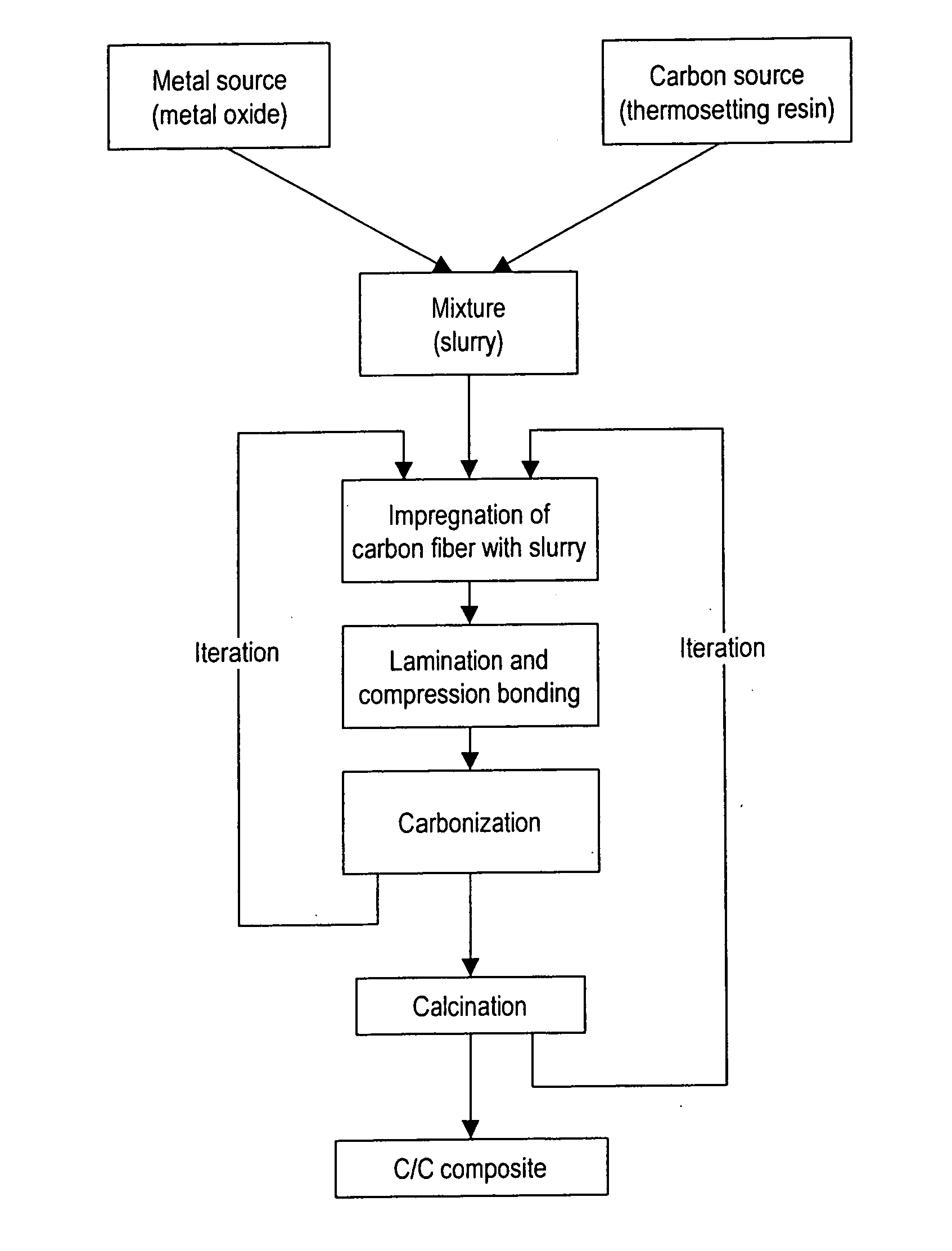
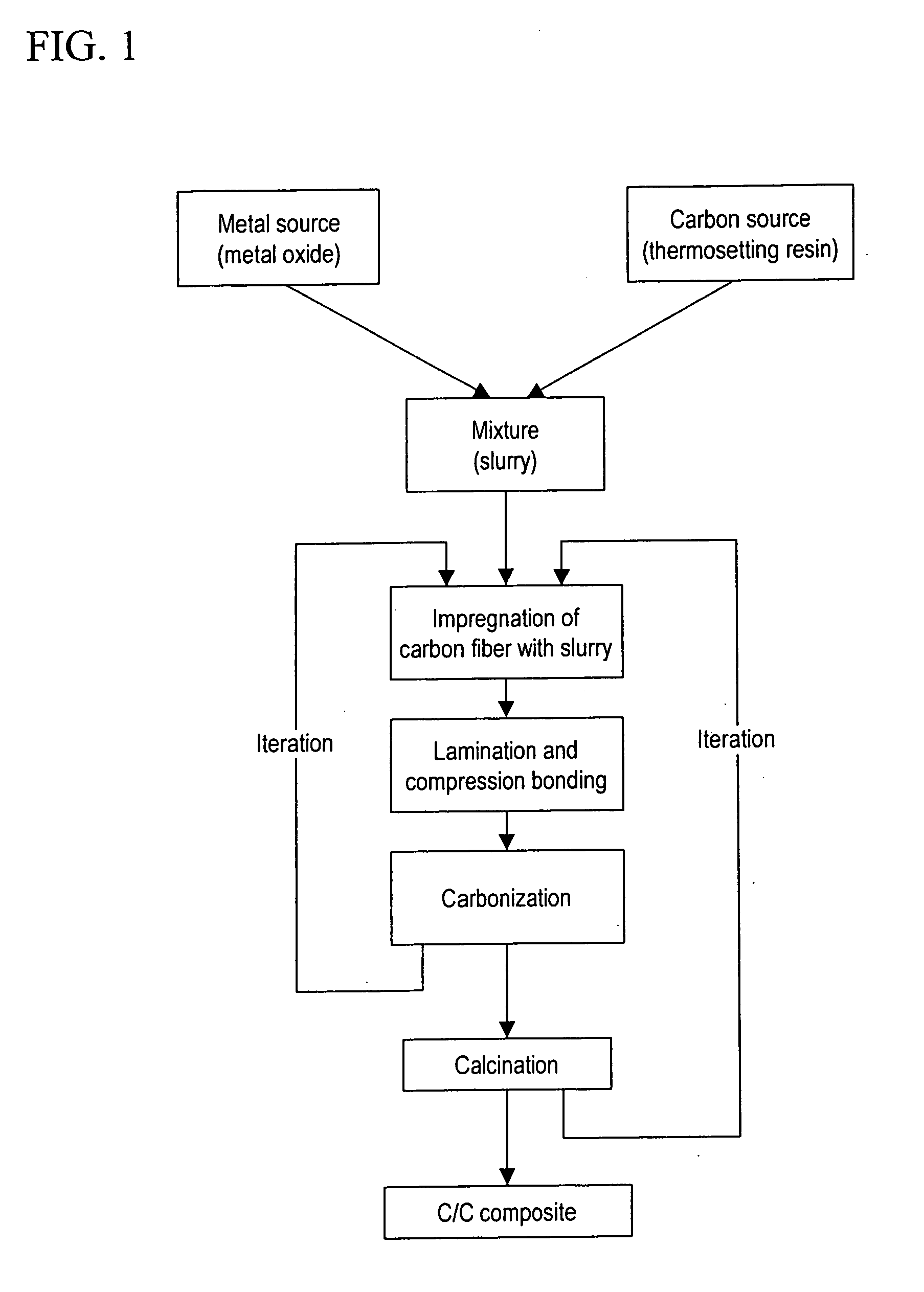
- In situ synthesis of metal carbide particles from metal and carbon sources within a carbon matrix using a thermosetting resin, ensuring homogeneous dispersion and complete reaction without free metal particles, utilizing a slurry mixture with a dispersant for improved particle distribution and calcination at controlled temperatures.

Environmental Impact of Propyne-Based Materials
The environmental impact of propyne-based materials is a critical consideration in the development and application of novel carbon-based designs. As propyne utilization in material science advances, it is essential to assess both the positive and negative environmental implications throughout the lifecycle of these materials.
One of the primary environmental benefits of propyne-based materials is their potential to reduce carbon footprint in various applications. These materials often exhibit enhanced durability and performance characteristics, which can lead to longer product lifespans and reduced resource consumption. For instance, propyne-derived carbon fibers used in lightweight composites for automotive and aerospace industries can significantly improve fuel efficiency, thereby decreasing greenhouse gas emissions over the long term.
However, the production process of propyne-based materials presents several environmental challenges. The synthesis of propyne often involves energy-intensive processes and may rely on fossil fuel feedstocks, contributing to carbon emissions. Additionally, the use of catalysts and solvents in the production of these materials can generate hazardous waste streams that require careful management and disposal.
The end-of-life phase of propyne-based materials also warrants attention from an environmental perspective. While some of these materials show promise for recyclability, others may pose challenges in terms of biodegradability or safe disposal. The persistence of certain propyne-derived polymers in the environment could contribute to microplastic pollution if not properly managed.
On the other hand, propyne-based materials offer opportunities for environmental remediation. Some novel carbon-based designs incorporating propyne have shown potential for applications in water purification and air filtration systems, potentially mitigating environmental pollutants.
The scalability of propyne-based material production is another factor influencing its environmental impact. As manufacturing processes evolve and become more efficient, the environmental footprint of these materials may decrease. However, increased production volumes could also lead to greater cumulative environmental effects if not carefully managed.
Lifecycle assessment (LCA) studies are crucial for comprehensively evaluating the environmental impact of propyne-based materials. These assessments consider factors such as raw material extraction, energy consumption, emissions, and waste generation throughout the entire lifecycle of the materials. LCA results can guide researchers and manufacturers in optimizing production processes and material designs to minimize negative environmental impacts.
In conclusion, while propyne-based materials offer promising environmental benefits in terms of performance and potential applications, their overall environmental impact is complex and multifaceted. Continued research and development efforts should focus on improving production efficiency, enhancing recyclability, and exploring bio-based alternatives to further mitigate the environmental footprint of these innovative carbon-based materials.
One of the primary environmental benefits of propyne-based materials is their potential to reduce carbon footprint in various applications. These materials often exhibit enhanced durability and performance characteristics, which can lead to longer product lifespans and reduced resource consumption. For instance, propyne-derived carbon fibers used in lightweight composites for automotive and aerospace industries can significantly improve fuel efficiency, thereby decreasing greenhouse gas emissions over the long term.
However, the production process of propyne-based materials presents several environmental challenges. The synthesis of propyne often involves energy-intensive processes and may rely on fossil fuel feedstocks, contributing to carbon emissions. Additionally, the use of catalysts and solvents in the production of these materials can generate hazardous waste streams that require careful management and disposal.
The end-of-life phase of propyne-based materials also warrants attention from an environmental perspective. While some of these materials show promise for recyclability, others may pose challenges in terms of biodegradability or safe disposal. The persistence of certain propyne-derived polymers in the environment could contribute to microplastic pollution if not properly managed.
On the other hand, propyne-based materials offer opportunities for environmental remediation. Some novel carbon-based designs incorporating propyne have shown potential for applications in water purification and air filtration systems, potentially mitigating environmental pollutants.
The scalability of propyne-based material production is another factor influencing its environmental impact. As manufacturing processes evolve and become more efficient, the environmental footprint of these materials may decrease. However, increased production volumes could also lead to greater cumulative environmental effects if not carefully managed.
Lifecycle assessment (LCA) studies are crucial for comprehensively evaluating the environmental impact of propyne-based materials. These assessments consider factors such as raw material extraction, energy consumption, emissions, and waste generation throughout the entire lifecycle of the materials. LCA results can guide researchers and manufacturers in optimizing production processes and material designs to minimize negative environmental impacts.
In conclusion, while propyne-based materials offer promising environmental benefits in terms of performance and potential applications, their overall environmental impact is complex and multifaceted. Continued research and development efforts should focus on improving production efficiency, enhancing recyclability, and exploring bio-based alternatives to further mitigate the environmental footprint of these innovative carbon-based materials.
Intellectual Property Landscape
The intellectual property landscape surrounding propyne utilization in novel carbon-based material designs is characterized by a diverse array of patents and ongoing research initiatives. Major chemical and materials science companies have been actively filing patents related to propyne-based carbon materials, with a focus on synthesis methods, material properties, and potential applications.
Several key patent families have emerged in recent years, covering various aspects of propyne-derived carbon materials. These include patents on the synthesis of carbon nanotubes and graphene using propyne as a precursor, methods for controlling the morphology and properties of propyne-based carbon structures, and applications of these materials in areas such as energy storage, electronics, and composite materials.
One notable trend in the patent landscape is the increasing emphasis on scalable and cost-effective production methods for propyne-derived carbon materials. This reflects the growing interest in commercializing these materials for industrial applications. Patents in this area often focus on optimizing reaction conditions, developing continuous production processes, and improving yield and quality control.
Another significant area of patent activity relates to the functionalization and modification of propyne-derived carbon materials. These patents aim to enhance the materials' properties or tailor them for specific applications. Examples include methods for introducing heteroatoms, creating hybrid structures with other materials, and developing surface modification techniques.
The geographical distribution of patent filings shows a concentration in major industrialized countries, with the United States, China, Japan, and European nations leading in terms of patent activity. This distribution reflects the global nature of research and development in this field, as well as the potential market opportunities in these regions.
Academic institutions and research organizations also play a crucial role in the intellectual property landscape, often focusing on fundamental research and novel applications. Collaborations between industry and academia have resulted in joint patent filings, combining theoretical insights with practical industrial considerations.
As the field of propyne-based carbon materials continues to evolve, the patent landscape is expected to become increasingly complex. Emerging areas of focus include the development of propyne-derived materials for advanced energy storage systems, high-performance electronics, and environmental applications such as carbon capture and water purification.
Several key patent families have emerged in recent years, covering various aspects of propyne-derived carbon materials. These include patents on the synthesis of carbon nanotubes and graphene using propyne as a precursor, methods for controlling the morphology and properties of propyne-based carbon structures, and applications of these materials in areas such as energy storage, electronics, and composite materials.
One notable trend in the patent landscape is the increasing emphasis on scalable and cost-effective production methods for propyne-derived carbon materials. This reflects the growing interest in commercializing these materials for industrial applications. Patents in this area often focus on optimizing reaction conditions, developing continuous production processes, and improving yield and quality control.
Another significant area of patent activity relates to the functionalization and modification of propyne-derived carbon materials. These patents aim to enhance the materials' properties or tailor them for specific applications. Examples include methods for introducing heteroatoms, creating hybrid structures with other materials, and developing surface modification techniques.
The geographical distribution of patent filings shows a concentration in major industrialized countries, with the United States, China, Japan, and European nations leading in terms of patent activity. This distribution reflects the global nature of research and development in this field, as well as the potential market opportunities in these regions.
Academic institutions and research organizations also play a crucial role in the intellectual property landscape, often focusing on fundamental research and novel applications. Collaborations between industry and academia have resulted in joint patent filings, combining theoretical insights with practical industrial considerations.
As the field of propyne-based carbon materials continues to evolve, the patent landscape is expected to become increasingly complex. Emerging areas of focus include the development of propyne-derived materials for advanced energy storage systems, high-performance electronics, and environmental applications such as carbon capture and water purification.
Unlock deeper insights with Patsnap Eureka Quick Research — get a full tech report to explore trends and direct your research. Try now!
Generate Your Research Report Instantly with AI Agent
Supercharge your innovation with Patsnap Eureka AI Agent Platform!