

Quantify Char Production in Catalytic Pyrolysis with Data
APR 23, 20269 MIN READ
Generate Your Research Report Instantly with AI Agent
PatSnap Eureka helps you evaluate technical feasibility & market potential.
Catalytic Pyrolysis Char Quantification Background and Objectives
Catalytic pyrolysis represents a critical thermochemical conversion process that has gained substantial momentum in the renewable energy and waste management sectors over the past two decades. This technology enables the transformation of biomass and organic waste materials into valuable products including bio-oil, syngas, and biochar through controlled thermal decomposition in the presence of catalysts. The process operates at moderate temperatures ranging from 400-600°C under oxygen-limited conditions, making it more energy-efficient compared to traditional gasification methods.
The quantification of char production during catalytic pyrolysis has emerged as a fundamental challenge that directly impacts process optimization and economic viability. Char yield typically represents 15-35% of the total product distribution, yet its precise measurement and prediction remain inconsistent across different feedstock types and operating conditions. This variability stems from complex interactions between catalyst properties, reactor design parameters, and feedstock characteristics that are not fully understood or adequately modeled.
Current industrial applications face significant obstacles in achieving consistent char quality and quantity, leading to unpredictable revenue streams and operational inefficiencies. The lack of standardized measurement protocols and real-time monitoring capabilities further compounds these challenges, resulting in suboptimal process control and reduced overall system performance.
The primary objective of advancing char quantification methodologies centers on developing robust data-driven approaches that can accurately predict and monitor char production rates across diverse operating scenarios. This involves establishing comprehensive databases that correlate process variables with char yield outcomes, enabling the development of predictive models with enhanced accuracy and reliability.
Secondary objectives include creating standardized measurement frameworks that can be universally applied across different reactor configurations and feedstock types. The integration of advanced sensor technologies and machine learning algorithms aims to enable real-time char quantification, facilitating dynamic process optimization and improved product quality control.
Long-term strategic goals encompass the development of intelligent process control systems that can autonomously adjust operating parameters to achieve desired char production targets while maximizing overall process efficiency and economic returns.
The quantification of char production during catalytic pyrolysis has emerged as a fundamental challenge that directly impacts process optimization and economic viability. Char yield typically represents 15-35% of the total product distribution, yet its precise measurement and prediction remain inconsistent across different feedstock types and operating conditions. This variability stems from complex interactions between catalyst properties, reactor design parameters, and feedstock characteristics that are not fully understood or adequately modeled.
Current industrial applications face significant obstacles in achieving consistent char quality and quantity, leading to unpredictable revenue streams and operational inefficiencies. The lack of standardized measurement protocols and real-time monitoring capabilities further compounds these challenges, resulting in suboptimal process control and reduced overall system performance.
The primary objective of advancing char quantification methodologies centers on developing robust data-driven approaches that can accurately predict and monitor char production rates across diverse operating scenarios. This involves establishing comprehensive databases that correlate process variables with char yield outcomes, enabling the development of predictive models with enhanced accuracy and reliability.
Secondary objectives include creating standardized measurement frameworks that can be universally applied across different reactor configurations and feedstock types. The integration of advanced sensor technologies and machine learning algorithms aims to enable real-time char quantification, facilitating dynamic process optimization and improved product quality control.
Long-term strategic goals encompass the development of intelligent process control systems that can autonomously adjust operating parameters to achieve desired char production targets while maximizing overall process efficiency and economic returns.
Market Demand for Char Production Analytics in Pyrolysis Industry
The global pyrolysis industry is experiencing unprecedented growth driven by increasing environmental regulations and the urgent need for sustainable waste management solutions. Industrial facilities processing biomass, plastic waste, and organic materials are under mounting pressure to optimize their operations while meeting stringent environmental compliance standards. This regulatory landscape has created substantial demand for precise monitoring and quantification systems that can track char production throughout catalytic pyrolysis processes.
Manufacturing sectors, particularly those involved in biochar production, activated carbon manufacturing, and waste-to-energy conversion, represent the primary market segments driving demand for char production analytics. These industries require real-time data collection and analysis capabilities to ensure product quality consistency, optimize yield rates, and maintain operational efficiency. The growing emphasis on circular economy principles has further amplified the need for comprehensive data-driven approaches to char quantification.
Environmental compliance requirements have emerged as a critical market driver, with regulatory bodies demanding detailed documentation of pyrolysis outputs and emissions. Companies must demonstrate precise control over their char production processes to obtain and maintain operating permits. This regulatory pressure has created a substantial market opportunity for advanced analytics solutions that can provide accurate, real-time quantification of char production parameters.
The renewable energy sector presents another significant market opportunity, as biochar production facilities seek to maximize their carbon sequestration potential while optimizing energy recovery. These operations require sophisticated data analytics to balance char yield optimization with energy output, creating demand for integrated monitoring systems that can track multiple production variables simultaneously.
Industrial automation trends are reshaping market expectations, with facilities increasingly seeking automated data collection and analysis systems that can integrate with existing process control infrastructure. The demand extends beyond simple measurement to encompass predictive analytics capabilities that can forecast production outcomes and identify optimization opportunities. This technological evolution is driving market growth toward more sophisticated, AI-enabled analytics platforms that can process complex datasets and provide actionable insights for process improvement.
Manufacturing sectors, particularly those involved in biochar production, activated carbon manufacturing, and waste-to-energy conversion, represent the primary market segments driving demand for char production analytics. These industries require real-time data collection and analysis capabilities to ensure product quality consistency, optimize yield rates, and maintain operational efficiency. The growing emphasis on circular economy principles has further amplified the need for comprehensive data-driven approaches to char quantification.
Environmental compliance requirements have emerged as a critical market driver, with regulatory bodies demanding detailed documentation of pyrolysis outputs and emissions. Companies must demonstrate precise control over their char production processes to obtain and maintain operating permits. This regulatory pressure has created a substantial market opportunity for advanced analytics solutions that can provide accurate, real-time quantification of char production parameters.
The renewable energy sector presents another significant market opportunity, as biochar production facilities seek to maximize their carbon sequestration potential while optimizing energy recovery. These operations require sophisticated data analytics to balance char yield optimization with energy output, creating demand for integrated monitoring systems that can track multiple production variables simultaneously.
Industrial automation trends are reshaping market expectations, with facilities increasingly seeking automated data collection and analysis systems that can integrate with existing process control infrastructure. The demand extends beyond simple measurement to encompass predictive analytics capabilities that can forecast production outcomes and identify optimization opportunities. This technological evolution is driving market growth toward more sophisticated, AI-enabled analytics platforms that can process complex datasets and provide actionable insights for process improvement.
Current Challenges in Char Quantification Methods and Data Analysis
Accurate quantification of char production in catalytic pyrolysis processes faces significant methodological limitations that hinder comprehensive understanding and optimization of these systems. Traditional gravimetric methods, while straightforward, often fail to account for volatile matter retention and moisture content variations, leading to systematic errors in char yield calculations. The heterogeneous nature of char particles, ranging from nanoscale to millimeter dimensions, presents sampling challenges that compromise representativeness of analytical results.
Spectroscopic techniques such as thermogravimetric analysis coupled with mass spectrometry (TGA-MS) provide real-time monitoring capabilities but struggle with complex feedstock matrices and catalyst interference effects. The presence of catalytic materials can alter thermal decomposition pathways, making it difficult to distinguish between catalytic and thermal char formation mechanisms. Additionally, volatile organic compounds trapped within char structures are often misclassified, affecting accurate mass balance calculations.
Data analysis challenges emerge from the multivariable nature of catalytic pyrolysis systems, where temperature profiles, residence times, catalyst properties, and feedstock characteristics simultaneously influence char formation. Conventional statistical approaches often fail to capture non-linear relationships and interaction effects between process parameters. The lack of standardized data collection protocols across research institutions creates inconsistencies in experimental datasets, limiting the development of robust predictive models.
Real-time monitoring systems face technical constraints in harsh pyrolysis environments, where high temperatures and corrosive atmospheres limit sensor reliability and accuracy. Optical measurement techniques, including laser-based particle sizing and infrared spectroscopy, suffer from signal interference caused by tar vapors and particulate matter in the reactor atmosphere. These limitations result in incomplete temporal resolution of char formation kinetics.
Machine learning applications in char quantification encounter data quality issues, including insufficient training datasets and poor feature selection strategies. The complexity of char characterization requires integration of multiple analytical techniques, yet current data fusion methodologies lack sophistication to handle multi-modal information effectively. Uncertainty quantification in predictive models remains inadequately addressed, limiting confidence in process optimization recommendations.
Standardization gaps exist in char property definitions and measurement protocols, creating difficulties in comparing results across different research groups and reactor configurations. The absence of reference materials specifically designed for catalytic pyrolysis char analysis further compounds these challenges, making method validation and inter-laboratory comparisons problematic.
Spectroscopic techniques such as thermogravimetric analysis coupled with mass spectrometry (TGA-MS) provide real-time monitoring capabilities but struggle with complex feedstock matrices and catalyst interference effects. The presence of catalytic materials can alter thermal decomposition pathways, making it difficult to distinguish between catalytic and thermal char formation mechanisms. Additionally, volatile organic compounds trapped within char structures are often misclassified, affecting accurate mass balance calculations.
Data analysis challenges emerge from the multivariable nature of catalytic pyrolysis systems, where temperature profiles, residence times, catalyst properties, and feedstock characteristics simultaneously influence char formation. Conventional statistical approaches often fail to capture non-linear relationships and interaction effects between process parameters. The lack of standardized data collection protocols across research institutions creates inconsistencies in experimental datasets, limiting the development of robust predictive models.
Real-time monitoring systems face technical constraints in harsh pyrolysis environments, where high temperatures and corrosive atmospheres limit sensor reliability and accuracy. Optical measurement techniques, including laser-based particle sizing and infrared spectroscopy, suffer from signal interference caused by tar vapors and particulate matter in the reactor atmosphere. These limitations result in incomplete temporal resolution of char formation kinetics.
Machine learning applications in char quantification encounter data quality issues, including insufficient training datasets and poor feature selection strategies. The complexity of char characterization requires integration of multiple analytical techniques, yet current data fusion methodologies lack sophistication to handle multi-modal information effectively. Uncertainty quantification in predictive models remains inadequately addressed, limiting confidence in process optimization recommendations.
Standardization gaps exist in char property definitions and measurement protocols, creating difficulties in comparing results across different research groups and reactor configurations. The absence of reference materials specifically designed for catalytic pyrolysis char analysis further compounds these challenges, making method validation and inter-laboratory comparisons problematic.
Existing Data-Driven Solutions for Char Yield Quantification
01 Catalytic pyrolysis process optimization and reactor design
Methods and systems for optimizing catalytic pyrolysis processes through improved reactor configurations and operating conditions. This includes the design of specialized reactors that enhance heat transfer, residence time control, and catalyst-feedstock contact to maximize char yield and quality. The optimization focuses on temperature control, pressure management, and flow dynamics to achieve efficient conversion of biomass or organic materials into char products with desired properties.- Catalytic pyrolysis using metal-based catalysts: Metal-based catalysts such as zeolites, metal oxides, and transition metals are employed in pyrolysis processes to enhance char production and improve product quality. These catalysts facilitate the breakdown of organic materials at lower temperatures while increasing char yield and modifying its properties. The catalytic action helps control the pyrolysis reaction pathways, leading to more efficient conversion of biomass or waste materials into valuable char products with enhanced surface area and porosity.
- Reactor design and process optimization for char production: Advanced reactor configurations including fluidized bed reactors, fixed bed reactors, and rotary kilns are utilized to optimize char production during catalytic pyrolysis. Process parameters such as temperature control, residence time, heating rate, and pressure are carefully managed to maximize char yield and quality. The reactor design influences heat transfer efficiency, gas-solid contact, and product distribution, enabling better control over the pyrolysis process and char characteristics.
- Feedstock pretreatment and preparation methods: Various pretreatment techniques are applied to feedstock materials before catalytic pyrolysis to enhance char production. These methods include drying, grinding, pelletizing, and chemical treatment to improve feedstock reactivity and uniformity. Pretreatment processes help remove moisture, reduce particle size, and modify the chemical composition of raw materials, leading to more efficient pyrolysis reactions and higher quality char products with desired properties.
- Co-pyrolysis and blended feedstock approaches: Co-pyrolysis techniques involve the simultaneous thermal decomposition of multiple feedstock types, such as biomass combined with plastics or coal, to produce char with enhanced properties. The synergistic effects between different feedstock materials during catalytic pyrolysis can improve char yield, modify its chemical composition, and create products with specific characteristics. This approach allows for better utilization of diverse waste streams and optimization of char production for various applications.
- Char activation and post-treatment processes: Post-pyrolysis treatment methods are employed to activate and enhance the properties of produced char. These processes include physical activation using steam or carbon dioxide, chemical activation with acids or bases, and thermal treatment at elevated temperatures. Activation procedures increase the surface area, porosity, and adsorption capacity of char, making it suitable for applications such as soil amendment, carbon sequestration, water purification, and energy storage. The treatment conditions are optimized to achieve desired char characteristics for specific end-use applications.
02 Catalyst selection and formulation for char production
Development and application of specific catalysts to enhance char formation during pyrolysis processes. This involves the selection of catalyst materials, including metal oxides, zeolites, and other compounds that promote carbonization and influence char characteristics such as surface area, porosity, and carbon content. The catalyst formulations are designed to improve conversion efficiency and produce char with enhanced properties for various applications.Expand Specific Solutions03 Feedstock preparation and pretreatment methods
Techniques for preparing and pretreating raw materials before catalytic pyrolysis to optimize char production. This includes methods for drying, sizing, and chemical treatment of biomass or waste materials to improve their suitability for pyrolysis. Pretreatment processes may involve removal of impurities, adjustment of moisture content, and modification of feedstock structure to enhance catalyst effectiveness and char yield during the pyrolysis process.Expand Specific Solutions04 Char product recovery and post-processing
Systems and methods for recovering and processing char products from catalytic pyrolysis operations. This encompasses separation techniques to isolate char from gaseous and liquid byproducts, as well as post-treatment processes to enhance char properties. Recovery methods include cooling systems, filtration, and collection mechanisms designed to maintain char quality. Post-processing may involve activation, grinding, or further treatment to produce char suitable for specific end-use applications.Expand Specific Solutions05 Integration of catalytic pyrolysis with waste valorization
Approaches for integrating catalytic pyrolysis char production into waste management and resource recovery systems. This includes the conversion of agricultural residues, municipal solid waste, and industrial byproducts into valuable char products through catalytic pyrolysis. The integration focuses on sustainable processing methods that transform waste materials into char for applications such as soil amendment, carbon sequestration, or as precursors for activated carbon production, thereby creating value from waste streams.Expand Specific Solutions
Key Players in Pyrolysis Analytics and Char Production Industry
The catalytic pyrolysis char production sector represents an emerging technology field at the intersection of waste-to-energy and advanced materials, currently in early commercialization stages with significant growth potential. The market encompasses diverse applications from renewable fuel production to carbon material manufacturing, driven by increasing circular economy demands and sustainability regulations. Technology maturity varies considerably across market participants, with established energy giants like Shell Oil Co., Phillips 66, and China Petroleum & Chemical Corp. leveraging extensive R&D capabilities and existing infrastructure to integrate pyrolysis technologies into their operations. Specialized technology developers such as Anellotech Inc., Plastic Energy Ltd., and Ensyn Renewables Inc. focus on proprietary catalytic processes and reactor designs, while research institutions including University of York, Dalian University of Technology, and Federal University of Rio de Janeiro contribute fundamental scientific advances. Industrial players like UOP LLC and Calgon Carbon Corp. provide critical catalyst and carbon processing expertise, positioning the sector for accelerated development as quantification methodologies and data analytics capabilities mature.
Shell Oil Co.
Technical Solution: Shell has developed advanced catalytic pyrolysis technologies for converting plastic waste and biomass into valuable chemicals and fuels. Their integrated approach combines proprietary catalyst systems with sophisticated data analytics platforms to monitor and quantify char formation during pyrolysis processes. Shell's technology utilizes machine learning algorithms to analyze real-time process data including temperature gradients, pressure variations, and feedstock composition to predict char yields with high accuracy. The company's pilot facilities demonstrate the ability to maintain char production within optimal ranges through automated process adjustments based on predictive models that incorporate catalyst deactivation rates and feedstock variability.
Strengths: Extensive R&D resources and proven industrial scale-up capabilities with robust data analytics infrastructure. Weaknesses: Focus primarily on large-scale operations may limit applicability to smaller distributed processing systems.
UOP LLC
Technical Solution: UOP has developed the RapidThermal Processing technology for catalytic pyrolysis applications with integrated data systems for char quantification. Their process utilizes circulating fluidized bed reactors with proprietary catalyst formulations designed to minimize char formation while maximizing desired product yields. The technology incorporates advanced process control algorithms that continuously monitor reactor conditions and adjust parameters to optimize char production. UOP's data analytics platform processes real-time measurements from multiple sensors including temperature, pressure, and composition analyzers to provide accurate char yield predictions and enable proactive process optimization through automated control systems.
Strengths: Proven track record in catalyst development and process optimization with established commercial partnerships. Weaknesses: Technology primarily designed for petroleum refining applications requiring adaptation for alternative feedstocks.
Core Innovations in Catalytic Pyrolysis Char Analytics Patents
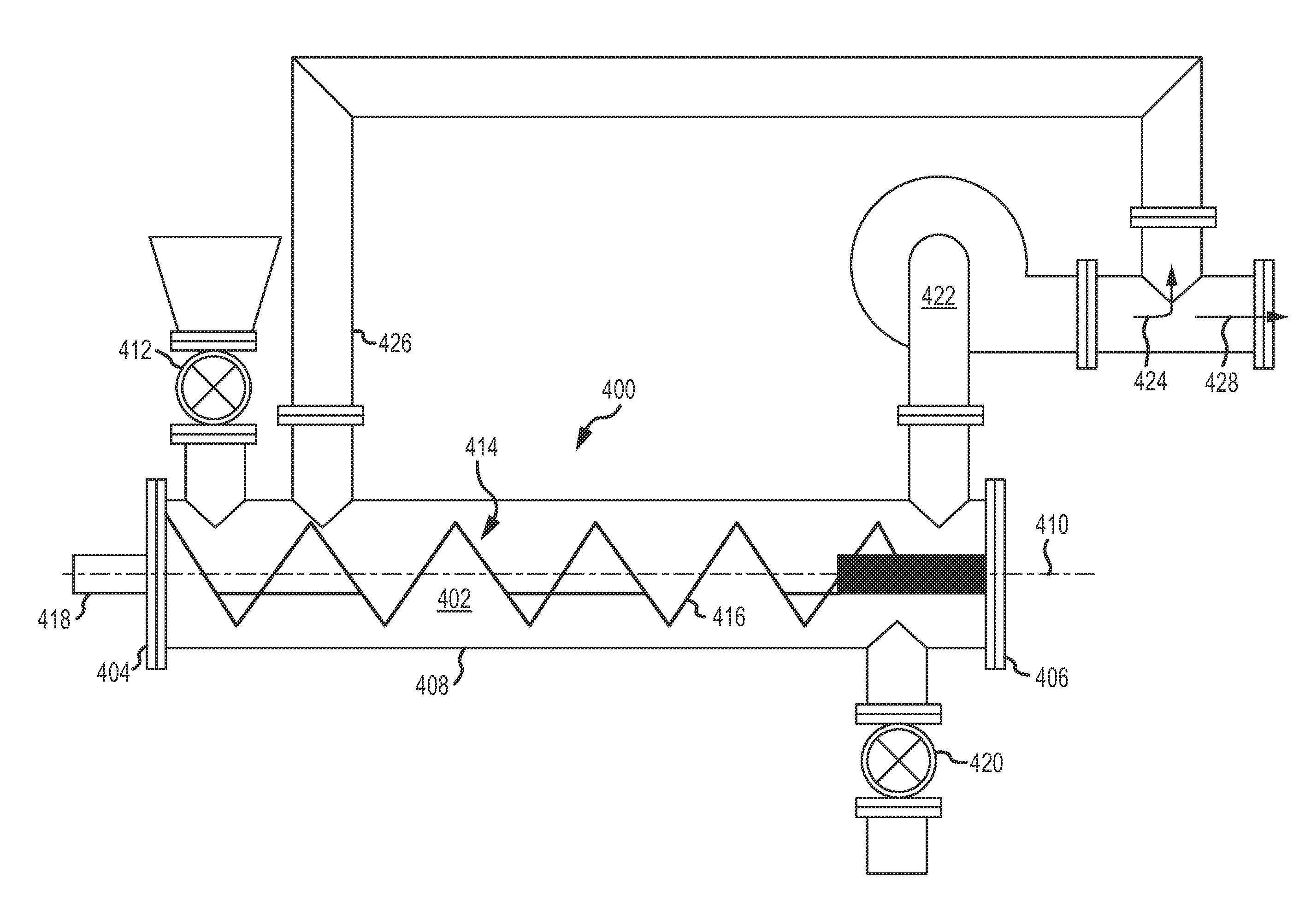
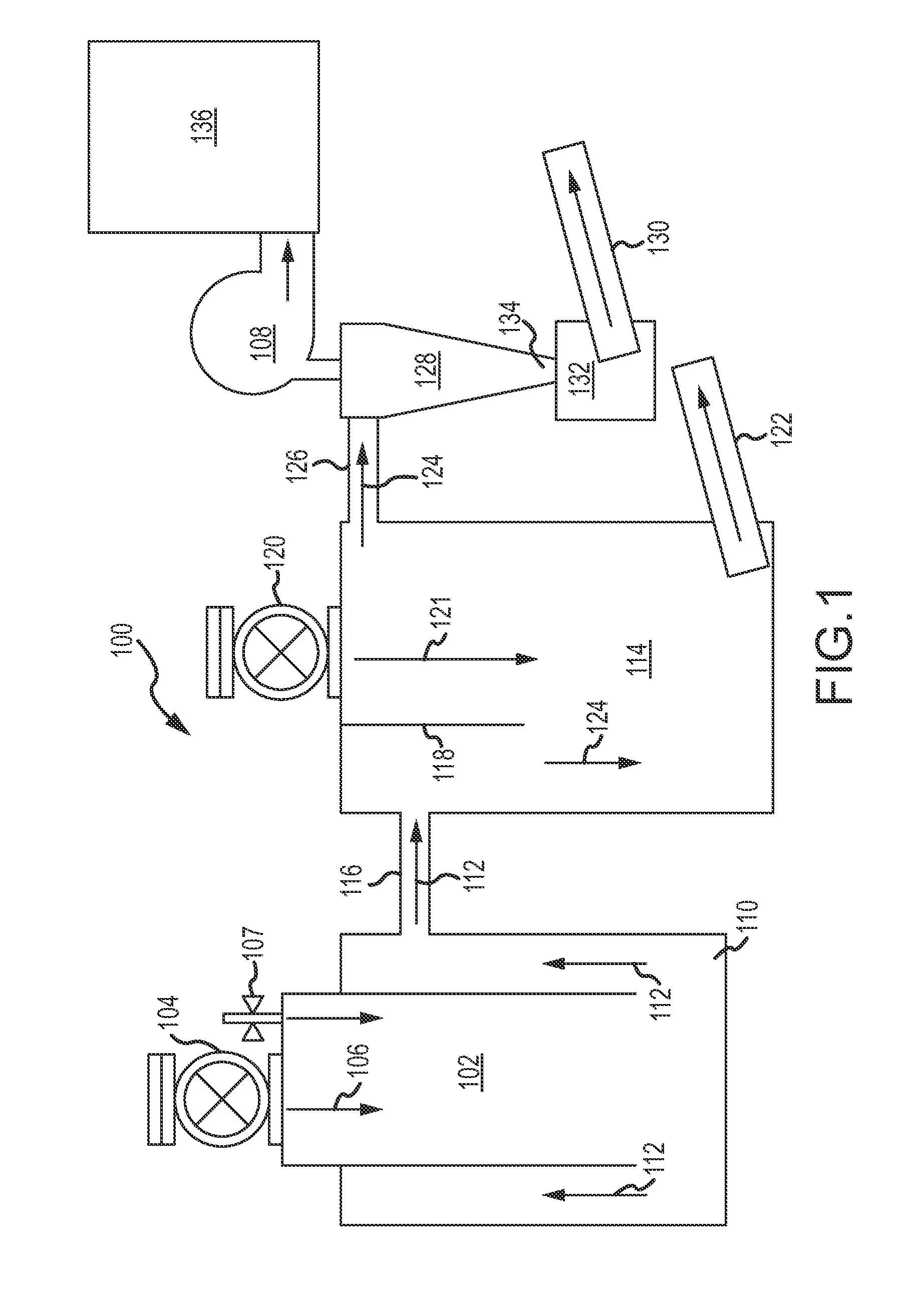
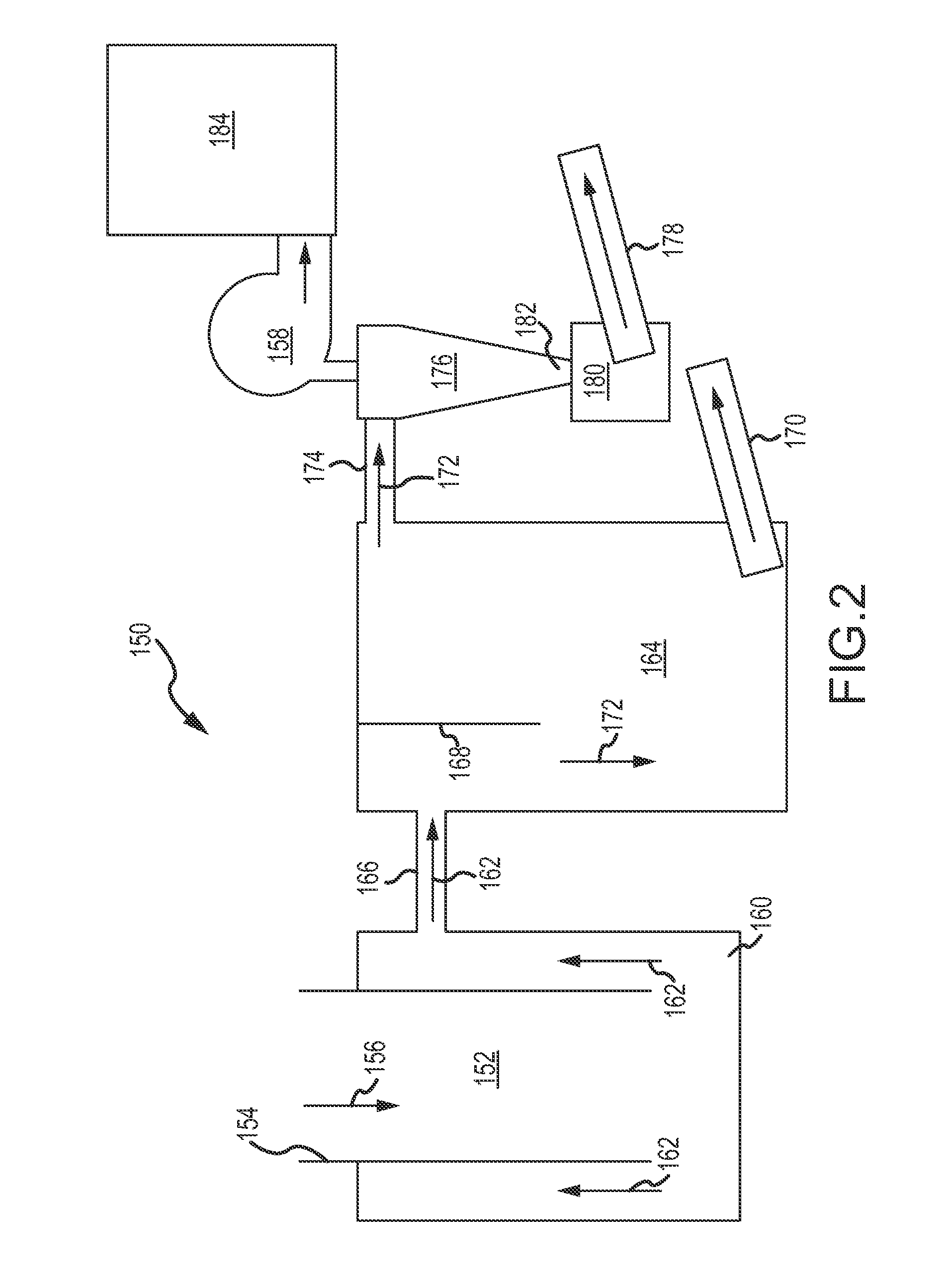
Method and Apparatus For Continuous Production of Carbonaceous Pyrolysis By-Products
PatentInactiveUS20110278150A1
Innovation
- A continuous pyrolysis system that operates partially or incompletely, allowing atmospheric oxygen, reducing explosion risks and costs, and utilizing a mechanical airlock and blower to control oxygen flow, enabling the use of a wide range of feedstocks with varying moisture and particle sizes, and producing biochar and gases that can be easily transported and used as agricultural amendments or fuel.

Process for production of carbonaceous chars having catalytic activity
PatentInactiveEP1200342B1
Innovation
- A process that combines a nitrogen-poor carbonaceous feedstock with a nitrogen-containing compound, carbonizes it in an oxidizing environment at low temperatures, and then activates the product at higher temperatures, achieving significant catalytic activity with minimal amounts of the nitrogen-containing compound.


Environmental Regulations for Pyrolysis Char Production Standards
The regulatory landscape for pyrolysis char production has evolved significantly as environmental agencies worldwide recognize the need for comprehensive standards governing this emerging technology. Current environmental regulations primarily focus on emission controls during the pyrolysis process, waste feedstock specifications, and end-product quality standards for char applications. The European Union's Waste Framework Directive and the United States Environmental Protection Agency's Resource Conservation and Recovery Act serve as foundational frameworks, though specific pyrolysis char standards remain fragmented across jurisdictions.
Emission standards represent the most stringent regulatory requirements, with limits on particulate matter, volatile organic compounds, and hazardous air pollutants during catalytic pyrolysis operations. The quantification of char production directly impacts compliance calculations, as regulatory bodies require precise mass balance reporting to verify process efficiency and environmental impact. Many jurisdictions mandate continuous emission monitoring systems and periodic stack testing to ensure adherence to established thresholds.
Product quality standards for pyrolysis char vary significantly depending on intended applications, with agricultural use requiring compliance with soil amendment regulations, while industrial applications must meet specific chemical composition criteria. Heavy metal content, polycyclic aromatic hydrocarbon levels, and ash composition are commonly regulated parameters that directly correlate with feedstock selection and process optimization strategies.
Emerging regulatory trends indicate increasing emphasis on lifecycle assessment requirements, carbon footprint reporting, and circular economy principles. Several countries are developing specific certification schemes for pyrolysis char products, particularly for carbon sequestration applications where long-term stability and environmental safety are paramount concerns.
The regulatory framework continues to evolve rapidly, with proposed updates focusing on standardized testing methodologies for char characterization, mandatory reporting of production yields, and enhanced monitoring requirements for catalytic pyrolysis facilities. These developments necessitate robust data collection systems to ensure compliance and support regulatory submissions for facility permitting and product commercialization.
Emission standards represent the most stringent regulatory requirements, with limits on particulate matter, volatile organic compounds, and hazardous air pollutants during catalytic pyrolysis operations. The quantification of char production directly impacts compliance calculations, as regulatory bodies require precise mass balance reporting to verify process efficiency and environmental impact. Many jurisdictions mandate continuous emission monitoring systems and periodic stack testing to ensure adherence to established thresholds.
Product quality standards for pyrolysis char vary significantly depending on intended applications, with agricultural use requiring compliance with soil amendment regulations, while industrial applications must meet specific chemical composition criteria. Heavy metal content, polycyclic aromatic hydrocarbon levels, and ash composition are commonly regulated parameters that directly correlate with feedstock selection and process optimization strategies.
Emerging regulatory trends indicate increasing emphasis on lifecycle assessment requirements, carbon footprint reporting, and circular economy principles. Several countries are developing specific certification schemes for pyrolysis char products, particularly for carbon sequestration applications where long-term stability and environmental safety are paramount concerns.
The regulatory framework continues to evolve rapidly, with proposed updates focusing on standardized testing methodologies for char characterization, mandatory reporting of production yields, and enhanced monitoring requirements for catalytic pyrolysis facilities. These developments necessitate robust data collection systems to ensure compliance and support regulatory submissions for facility permitting and product commercialization.
Data Quality Standards for Catalytic Pyrolysis Char Analytics
Establishing robust data quality standards for catalytic pyrolysis char analytics requires comprehensive frameworks that ensure measurement accuracy, reproducibility, and reliability across different experimental conditions and analytical platforms. These standards must address the inherent complexities of char characterization while maintaining consistency in quantitative assessments.
Precision and accuracy benchmarks form the foundation of quality standards, typically requiring analytical methods to achieve relative standard deviations below 5% for replicate measurements and recovery rates between 95-105% for standard reference materials. Calibration protocols must incorporate certified reference materials with known char properties, establishing traceability to international measurement standards and enabling inter-laboratory comparisons.
Sample preparation standardization is critical for maintaining data integrity, encompassing protocols for char collection, storage, grinding, sieving, and sub-sampling procedures. Moisture content control, particle size distribution specifications, and contamination prevention measures must be clearly defined to minimize variability in analytical results. Temperature and atmospheric conditions during sample handling require strict control to prevent char oxidation or structural changes.
Analytical method validation represents a cornerstone of quality assurance, requiring demonstration of method linearity, detection limits, quantification limits, and measurement uncertainty. Each analytical technique employed for char quantification must undergo rigorous validation studies, including assessment of matrix effects, interference studies, and robustness testing under varying operational parameters.
Documentation and traceability requirements ensure complete data provenance, mandating detailed records of sample origins, preparation procedures, analytical conditions, instrument calibrations, and quality control results. Chain of custody protocols must track samples from pyrolysis reactor to final analysis, maintaining sample integrity and enabling result verification.
Statistical quality control measures incorporate control charts, trend analysis, and outlier detection algorithms to monitor analytical performance continuously. Regular participation in inter-laboratory comparison studies and proficiency testing programs validates method performance against external benchmarks, ensuring sustained analytical competence and identifying potential systematic errors in char quantification procedures.
Precision and accuracy benchmarks form the foundation of quality standards, typically requiring analytical methods to achieve relative standard deviations below 5% for replicate measurements and recovery rates between 95-105% for standard reference materials. Calibration protocols must incorporate certified reference materials with known char properties, establishing traceability to international measurement standards and enabling inter-laboratory comparisons.
Sample preparation standardization is critical for maintaining data integrity, encompassing protocols for char collection, storage, grinding, sieving, and sub-sampling procedures. Moisture content control, particle size distribution specifications, and contamination prevention measures must be clearly defined to minimize variability in analytical results. Temperature and atmospheric conditions during sample handling require strict control to prevent char oxidation or structural changes.
Analytical method validation represents a cornerstone of quality assurance, requiring demonstration of method linearity, detection limits, quantification limits, and measurement uncertainty. Each analytical technique employed for char quantification must undergo rigorous validation studies, including assessment of matrix effects, interference studies, and robustness testing under varying operational parameters.
Documentation and traceability requirements ensure complete data provenance, mandating detailed records of sample origins, preparation procedures, analytical conditions, instrument calibrations, and quality control results. Chain of custody protocols must track samples from pyrolysis reactor to final analysis, maintaining sample integrity and enabling result verification.
Statistical quality control measures incorporate control charts, trend analysis, and outlier detection algorithms to monitor analytical performance continuously. Regular participation in inter-laboratory comparison studies and proficiency testing programs validates method performance against external benchmarks, ensuring sustained analytical competence and identifying potential systematic errors in char quantification procedures.
Unlock deeper insights with PatSnap Eureka Quick Research — get a full tech report to explore trends and direct your research. Try now!
Generate Your Research Report Instantly with AI Agent
Supercharge your innovation with PatSnap Eureka AI Agent Platform!