

Quantifying Lignin Conversion through Catalytic Pyrolysis
APR 23, 20268 MIN READ
Generate Your Research Report Instantly with AI Agent
PatSnap Eureka helps you evaluate technical feasibility & market potential.
Lignin Catalytic Pyrolysis Background and Objectives
Lignin, the second most abundant biopolymer on Earth after cellulose, represents approximately 15-30% of lignocellulosic biomass by weight. This complex aromatic polymer has historically been considered a waste byproduct in the pulp and paper industry, with most lignin being burned for energy recovery. However, the growing emphasis on sustainable chemistry and circular economy principles has repositioned lignin as a valuable feedstock for producing high-value chemicals and materials.
The structural complexity of lignin, characterized by its three-dimensional network of phenylpropane units connected through various C-C and C-O bonds, presents both opportunities and challenges for valorization. Unlike cellulose and hemicellulose, lignin's irregular structure and heterogeneous composition make its depolymerization and conversion significantly more challenging to control and predict.
Catalytic pyrolysis has emerged as one of the most promising thermochemical conversion technologies for lignin valorization. This process involves the thermal decomposition of lignin in an oxygen-limited environment at temperatures typically ranging from 300-600°C, in the presence of catalysts that can selectively break specific bonds and direct product formation toward desired compounds.
The primary objective of quantifying lignin conversion through catalytic pyrolysis is to establish reliable methodologies for measuring and predicting conversion efficiency, product selectivity, and yield optimization. Current challenges in this field include the lack of standardized analytical protocols, difficulties in tracking complex reaction pathways, and the need for real-time monitoring systems that can provide accurate conversion data.
Key technical goals include developing robust analytical frameworks that can quantify both the extent of lignin depolymerization and the distribution of resulting products, ranging from bio-oils and phenolic compounds to aromatic monomers and syngas. Additionally, there is a critical need to establish correlations between lignin source characteristics, catalyst properties, process conditions, and conversion outcomes.
The ultimate aim is to enable precise control over catalytic pyrolysis processes, facilitating the selective production of target compounds such as benzene, toluene, xylene, phenol, and other valuable aromatics that currently rely heavily on petroleum-based feedstocks.
The structural complexity of lignin, characterized by its three-dimensional network of phenylpropane units connected through various C-C and C-O bonds, presents both opportunities and challenges for valorization. Unlike cellulose and hemicellulose, lignin's irregular structure and heterogeneous composition make its depolymerization and conversion significantly more challenging to control and predict.
Catalytic pyrolysis has emerged as one of the most promising thermochemical conversion technologies for lignin valorization. This process involves the thermal decomposition of lignin in an oxygen-limited environment at temperatures typically ranging from 300-600°C, in the presence of catalysts that can selectively break specific bonds and direct product formation toward desired compounds.
The primary objective of quantifying lignin conversion through catalytic pyrolysis is to establish reliable methodologies for measuring and predicting conversion efficiency, product selectivity, and yield optimization. Current challenges in this field include the lack of standardized analytical protocols, difficulties in tracking complex reaction pathways, and the need for real-time monitoring systems that can provide accurate conversion data.
Key technical goals include developing robust analytical frameworks that can quantify both the extent of lignin depolymerization and the distribution of resulting products, ranging from bio-oils and phenolic compounds to aromatic monomers and syngas. Additionally, there is a critical need to establish correlations between lignin source characteristics, catalyst properties, process conditions, and conversion outcomes.
The ultimate aim is to enable precise control over catalytic pyrolysis processes, facilitating the selective production of target compounds such as benzene, toluene, xylene, phenol, and other valuable aromatics that currently rely heavily on petroleum-based feedstocks.
Market Demand for Lignin Valorization Technologies
The global lignin market has experienced substantial growth driven by increasing environmental regulations and the urgent need for sustainable alternatives to petroleum-based chemicals. Lignin, as the second most abundant biopolymer on Earth, represents a significantly underutilized resource in the biorefinery industry. Traditional pulp and paper operations generate millions of tons of lignin annually, with most being burned for low-value energy recovery rather than converted into high-value chemicals and materials.
The demand for lignin valorization technologies stems from multiple converging factors. Stringent environmental policies worldwide are pushing industries toward circular economy models, creating regulatory pressure to maximize biomass utilization efficiency. The chemical industry faces mounting pressure to reduce carbon footprints and develop renewable feedstock alternatives, positioning lignin as an attractive substitute for fossil-based aromatics production.
Catalytic pyrolysis represents a particularly promising approach for lignin conversion, offering the potential to produce valuable aromatic compounds, phenolic chemicals, and bio-oils. The technology addresses critical market needs in sectors including specialty chemicals, pharmaceuticals, adhesives, and carbon fiber precursors. Quantifying lignin conversion through catalytic pyrolysis has become essential for process optimization and commercial viability assessment.
Market drivers include the growing demand for bio-based phenolic compounds in the polymer industry, where lignin-derived products can replace petroleum-based phenol and cresols. The carbon fiber market presents another significant opportunity, as lignin-based precursors offer cost advantages over traditional polyacrylonitrile-based materials. Additionally, the pharmaceutical and nutraceutical industries show increasing interest in lignin-derived antioxidants and bioactive compounds.
The economic incentives for lignin valorization are strengthening as crude oil price volatility continues and carbon pricing mechanisms expand globally. Biorefineries are increasingly seeking integrated approaches that maximize revenue streams from all biomass components, making efficient lignin conversion technologies commercially attractive.
Regional demand patterns vary significantly, with Europe leading in regulatory support for bio-based chemicals, North America focusing on integrated biorefinery development, and Asia-Pacific emerging as a major market due to rapid industrialization and environmental concerns. The quantification of lignin conversion efficiency through advanced analytical techniques has become crucial for technology developers to demonstrate commercial viability and attract investment in this expanding market.
The demand for lignin valorization technologies stems from multiple converging factors. Stringent environmental policies worldwide are pushing industries toward circular economy models, creating regulatory pressure to maximize biomass utilization efficiency. The chemical industry faces mounting pressure to reduce carbon footprints and develop renewable feedstock alternatives, positioning lignin as an attractive substitute for fossil-based aromatics production.
Catalytic pyrolysis represents a particularly promising approach for lignin conversion, offering the potential to produce valuable aromatic compounds, phenolic chemicals, and bio-oils. The technology addresses critical market needs in sectors including specialty chemicals, pharmaceuticals, adhesives, and carbon fiber precursors. Quantifying lignin conversion through catalytic pyrolysis has become essential for process optimization and commercial viability assessment.
Market drivers include the growing demand for bio-based phenolic compounds in the polymer industry, where lignin-derived products can replace petroleum-based phenol and cresols. The carbon fiber market presents another significant opportunity, as lignin-based precursors offer cost advantages over traditional polyacrylonitrile-based materials. Additionally, the pharmaceutical and nutraceutical industries show increasing interest in lignin-derived antioxidants and bioactive compounds.
The economic incentives for lignin valorization are strengthening as crude oil price volatility continues and carbon pricing mechanisms expand globally. Biorefineries are increasingly seeking integrated approaches that maximize revenue streams from all biomass components, making efficient lignin conversion technologies commercially attractive.
Regional demand patterns vary significantly, with Europe leading in regulatory support for bio-based chemicals, North America focusing on integrated biorefinery development, and Asia-Pacific emerging as a major market due to rapid industrialization and environmental concerns. The quantification of lignin conversion efficiency through advanced analytical techniques has become crucial for technology developers to demonstrate commercial viability and attract investment in this expanding market.
Current State of Lignin Conversion Quantification Methods
The quantification of lignin conversion during catalytic pyrolysis currently relies on several established analytical methods, each with distinct advantages and limitations. Gas chromatography-mass spectrometry (GC-MS) remains the predominant technique for analyzing pyrolysis products, enabling detailed identification and quantification of monomeric phenolic compounds such as guaiacol, syringol, and their derivatives. This method provides excellent resolution for volatile and semi-volatile products but faces challenges in detecting higher molecular weight oligomers and char residues.
High-performance liquid chromatography (HPLC) serves as a complementary approach, particularly effective for analyzing water-soluble lignin degradation products and phenolic acids. Recent developments in HPLC-UV and HPLC-MS configurations have enhanced detection sensitivity and compound identification capabilities. However, the method's effectiveness is limited by the complex matrix effects inherent in pyrolysis oil samples.
Thermogravimetric analysis (TGA) coupled with differential scanning calorimetry (DSC) offers real-time monitoring of lignin decomposition kinetics during pyrolysis processes. These thermal analysis techniques provide valuable insights into conversion rates and temperature-dependent degradation patterns, though they primarily yield bulk conversion data rather than detailed product speciation.
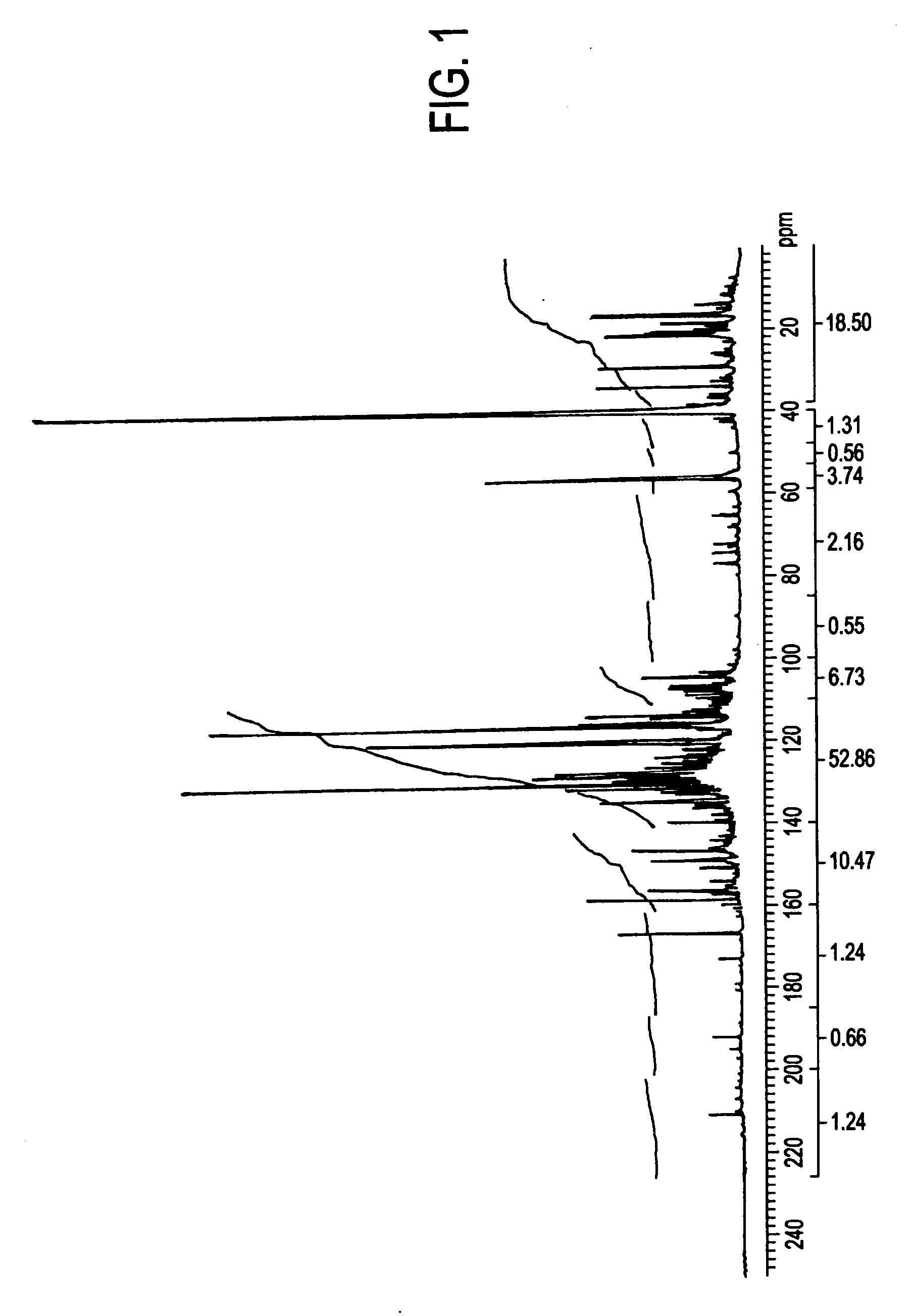
Nuclear magnetic resonance (NMR) spectroscopy, particularly 13C and 31P NMR, has emerged as a powerful tool for structural characterization of both feedstock lignin and pyrolysis products. Two-dimensional NMR techniques enable quantification of specific linkage types and functional groups, providing mechanistic insights into conversion pathways. The method's limitation lies in its requirement for extensive sample preparation and relatively long analysis times.
Fourier-transform infrared (FTIR) spectroscopy offers rapid screening capabilities for functional group analysis in lignin conversion studies. While less specific than chromatographic methods, FTIR provides valuable information about aromatic content, hydroxyl groups, and carbonyl functionalities in pyrolysis products.
Current quantification approaches face significant challenges in achieving complete mass balance closure, typically accounting for 70-85% of initial lignin carbon. The formation of complex oligomeric species and char residues remains difficult to quantify accurately using conventional analytical methods. Additionally, standardization of lignin conversion metrics across different research groups presents ongoing difficulties due to variations in feedstock preparation, pyrolysis conditions, and analytical protocols.
High-performance liquid chromatography (HPLC) serves as a complementary approach, particularly effective for analyzing water-soluble lignin degradation products and phenolic acids. Recent developments in HPLC-UV and HPLC-MS configurations have enhanced detection sensitivity and compound identification capabilities. However, the method's effectiveness is limited by the complex matrix effects inherent in pyrolysis oil samples.
Thermogravimetric analysis (TGA) coupled with differential scanning calorimetry (DSC) offers real-time monitoring of lignin decomposition kinetics during pyrolysis processes. These thermal analysis techniques provide valuable insights into conversion rates and temperature-dependent degradation patterns, though they primarily yield bulk conversion data rather than detailed product speciation.
Nuclear magnetic resonance (NMR) spectroscopy, particularly 13C and 31P NMR, has emerged as a powerful tool for structural characterization of both feedstock lignin and pyrolysis products. Two-dimensional NMR techniques enable quantification of specific linkage types and functional groups, providing mechanistic insights into conversion pathways. The method's limitation lies in its requirement for extensive sample preparation and relatively long analysis times.
Fourier-transform infrared (FTIR) spectroscopy offers rapid screening capabilities for functional group analysis in lignin conversion studies. While less specific than chromatographic methods, FTIR provides valuable information about aromatic content, hydroxyl groups, and carbonyl functionalities in pyrolysis products.
Current quantification approaches face significant challenges in achieving complete mass balance closure, typically accounting for 70-85% of initial lignin carbon. The formation of complex oligomeric species and char residues remains difficult to quantify accurately using conventional analytical methods. Additionally, standardization of lignin conversion metrics across different research groups presents ongoing difficulties due to variations in feedstock preparation, pyrolysis conditions, and analytical protocols.
Existing Lignin Conversion Quantification Solutions
01 Catalytic conversion methods for lignin depolymerization
Various catalytic processes can be employed to break down lignin into smaller molecular weight compounds. These methods typically involve the use of metal catalysts, acid or base catalysts, and specific reaction conditions such as temperature and pressure to enhance the conversion rate. The catalytic approach helps to cleave the complex aromatic structure of lignin, producing valuable chemical intermediates and fuels with improved conversion efficiency.- Catalytic conversion methods for lignin depolymerization: Various catalytic processes can be employed to break down lignin into smaller molecular weight compounds. These methods typically involve the use of metal catalysts, acid or base catalysts, and specific reaction conditions such as temperature and pressure to enhance the conversion rate. The catalytic approach helps to cleave the complex aromatic structure of lignin, producing valuable chemical intermediates and fuels with improved conversion efficiency.
- Oxidative degradation processes for lignin conversion: Oxidative methods utilize oxidizing agents or oxygen-rich environments to facilitate the breakdown of lignin structures. These processes can operate under various conditions including aerobic or chemical oxidation pathways. The oxidative degradation helps to open up the aromatic rings and break ether bonds in lignin, leading to higher conversion rates and the production of aromatic compounds and other valuable products.
- Enzymatic and biological conversion approaches: Biological methods employ microorganisms or enzymes such as laccases and peroxidases to degrade lignin. These biocatalytic processes offer environmentally friendly alternatives with high selectivity. Enzymatic conversion can achieve significant lignin breakdown under mild conditions, improving conversion rates while minimizing energy consumption and producing less harmful byproducts compared to chemical methods.
- Thermal and hydrothermal treatment technologies: Thermal processing methods including pyrolysis and hydrothermal liquefaction are effective for lignin conversion. These techniques apply elevated temperatures with or without water as a medium to break down lignin into bio-oils, gases, and char. The conversion rate can be optimized by controlling parameters such as temperature, residence time, and pressure, resulting in efficient transformation of lignin into energy-dense products.
- Solvent-based extraction and fractionation methods: Solvent systems including organic solvents, ionic liquids, and supercritical fluids can be used to extract and fractionate lignin from biomass. These methods enhance the accessibility of lignin for subsequent conversion processes by removing it from the lignocellulosic matrix. Proper selection of solvents and extraction conditions can significantly improve the conversion rate by providing purer lignin feedstock and facilitating downstream processing.
02 Oxidative degradation processes for lignin conversion
Oxidative methods utilize oxidizing agents or oxygen-rich environments to facilitate the breakdown of lignin structures. These processes can operate under various conditions including aerobic or chemical oxidation pathways. The oxidative degradation helps to open up the aromatic rings and break ether bonds within the lignin polymer, leading to enhanced conversion rates and the production of aromatic compounds and other valuable products.Expand Specific Solutions03 Thermal and hydrothermal treatment for lignin transformation
Thermal processing methods, including pyrolysis and hydrothermal liquefaction, can effectively convert lignin into bio-oils and other products. These processes involve heating lignin at elevated temperatures with or without the presence of water or solvents. The thermal energy breaks down the complex lignin structure, resulting in improved conversion rates and the generation of liquid fuels and chemical feedstocks.Expand Specific Solutions04 Biological and enzymatic conversion of lignin
Biological approaches utilize microorganisms or enzymes to degrade lignin through natural metabolic pathways. These methods offer environmentally friendly alternatives for lignin conversion, operating under mild conditions. Specific enzymes such as laccases and peroxidases can selectively break down lignin bonds, achieving effective conversion rates while producing valuable biochemicals and reducing environmental impact.Expand Specific Solutions05 Solvent-based extraction and fractionation methods
Solvent systems can be employed to extract and fractionate lignin from biomass sources, improving the accessibility and conversion efficiency. These methods involve the use of organic solvents, ionic liquids, or supercritical fluids to dissolve and separate lignin components. The solvent-based approach enhances the conversion rate by removing impurities and breaking down lignin into more reactive forms suitable for further processing.Expand Specific Solutions
Key Players in Lignin Processing Industry
The competitive landscape for quantifying lignin conversion through catalytic pyrolysis reflects an emerging technology sector in early-to-mid development stages. The market demonstrates significant growth potential driven by increasing demand for sustainable biomass valorization and renewable chemical production. Key players span diverse geographical regions and institutional types, including leading research universities like KU Leuven, ETH Zurich, and Chinese institutions (Zhejiang University, South China University of Technology), alongside major industrial corporations such as Shell, ExxonMobil Chemical, Eni SpA, and Sinopec. Technology maturity varies considerably across participants, with academic institutions focusing on fundamental research and process optimization, while industrial players like Shell and ExxonMobil are advancing toward commercial-scale applications. The presence of specialized research organizations like FPInnovations and CSIR indicates strong governmental and industry collaboration in developing scalable lignin conversion technologies for the bioeconomy transition.
Katholieke Universiteit Leuven
Technical Solution: KU Leuven has developed sophisticated analytical frameworks for quantifying lignin conversion through catalytic pyrolysis, focusing on mechanistic understanding of depolymerization pathways. Their research emphasizes the use of model compounds and advanced spectroscopic techniques to track conversion processes. The university has pioneered methods combining in-situ FTIR monitoring with ex-situ product analysis to provide comprehensive conversion quantification. Their work includes development of novel catalyst systems based on transition metals and detailed kinetic modeling to predict and optimize lignin conversion under various pyrolysis conditions.
Strengths: Strong fundamental research capabilities, advanced analytical methods, comprehensive mechanistic understanding. Weaknesses: Limited industrial scale experience, focus primarily on laboratory-scale studies.
ExxonMobil Chemical Patents, Inc.
Technical Solution: ExxonMobil has developed advanced catalytic pyrolysis technologies for lignin conversion, focusing on zeolite-based catalysts and metal-supported systems. Their approach involves precise temperature control (400-600°C) and optimized catalyst formulations to maximize bio-oil yields while minimizing char formation. The company has invested heavily in quantification methods using GC-MS and FTIR spectroscopy to track lignin depolymerization pathways and product selectivity. Their proprietary catalyst systems demonstrate enhanced activity for cleaving β-O-4 linkages in lignin structures, achieving conversion rates of up to 85% under optimized conditions.
Strengths: Extensive industrial experience, robust catalyst development capabilities, strong analytical infrastructure. Weaknesses: Focus primarily on large-scale applications, limited flexibility for specialized lignin feedstocks.
Core Innovations in Catalytic Pyrolysis Analytics
Fractional catalytic pyrolysis of biomass
PatentActiveUS20090165378A1
Innovation
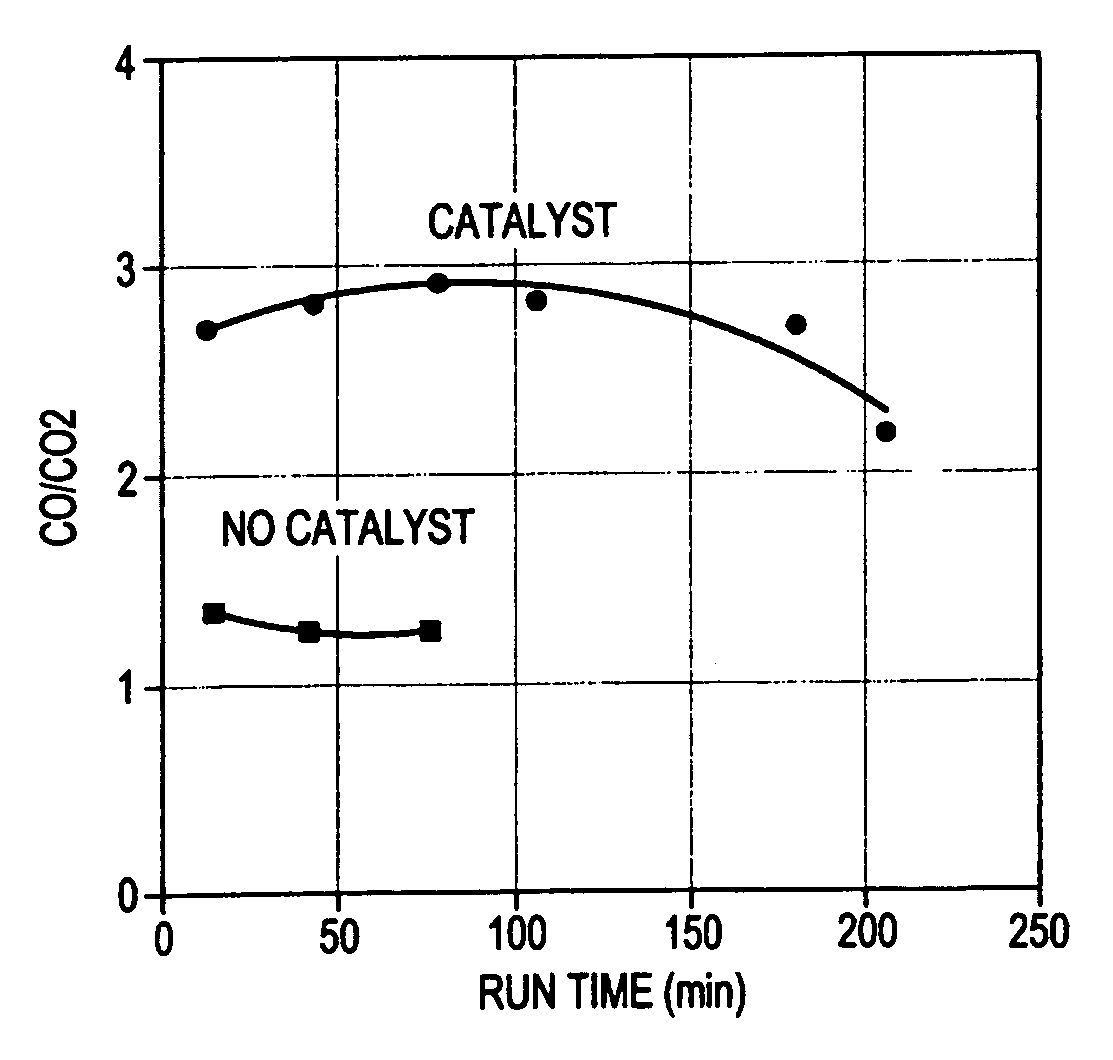
- The process involves fractional catalytic pyrolysis using a fluidized catalyst bed to selectively convert biomass components into desired products in situ, eliminating the need for secondary processing by using a suitable catalyst in a fluidized bed reactor, where biomass is pyrolyzed at controlled temperatures, and vapors are collected in fractions suitable for direct use.

Environmental Impact Assessment of Lignin Processing
The environmental implications of lignin processing through catalytic pyrolysis present both opportunities and challenges for sustainable biomass utilization. As a renewable aromatic polymer derived from lignocellulosic biomass, lignin processing offers significant potential for reducing dependence on fossil-based chemicals while contributing to circular economy principles.
Life cycle assessment studies indicate that catalytic pyrolysis of lignin generates substantially lower greenhouse gas emissions compared to conventional petrochemical processes. The carbon footprint reduction ranges from 40-70% when considering the entire value chain, from biomass cultivation to final product synthesis. This advantage stems primarily from lignin's renewable nature and the potential for carbon sequestration during biomass growth phases.
Water consumption and wastewater generation represent critical environmental considerations in lignin processing operations. Catalytic pyrolysis typically requires minimal water input compared to traditional lignin extraction methods, reducing overall water stress. However, downstream product purification and catalyst regeneration processes may generate aqueous waste streams containing organic compounds and trace metals that require appropriate treatment before discharge.
Air quality impacts from lignin catalytic pyrolysis are generally favorable when compared to fossil fuel processing. Emissions of sulfur compounds, nitrogen oxides, and particulate matter are typically lower due to the inherently cleaner composition of lignin feedstock. Nevertheless, volatile organic compounds released during pyrolysis require careful monitoring and control through appropriate emission control technologies.
Solid waste management presents unique opportunities in lignin processing systems. Biochar produced as a co-product during catalytic pyrolysis can serve as a carbon sequestration agent when applied to agricultural soils, providing additional environmental benefits beyond the primary chemical products. Spent catalysts, however, require specialized handling and recycling protocols to minimize heavy metal contamination risks.
The overall environmental performance of lignin processing through catalytic pyrolysis demonstrates clear advantages over conventional petrochemical routes, particularly in terms of carbon footprint reduction and renewable resource utilization. Continued optimization of process conditions and catalyst systems will further enhance the environmental sustainability profile of this promising technology pathway.
Life cycle assessment studies indicate that catalytic pyrolysis of lignin generates substantially lower greenhouse gas emissions compared to conventional petrochemical processes. The carbon footprint reduction ranges from 40-70% when considering the entire value chain, from biomass cultivation to final product synthesis. This advantage stems primarily from lignin's renewable nature and the potential for carbon sequestration during biomass growth phases.
Water consumption and wastewater generation represent critical environmental considerations in lignin processing operations. Catalytic pyrolysis typically requires minimal water input compared to traditional lignin extraction methods, reducing overall water stress. However, downstream product purification and catalyst regeneration processes may generate aqueous waste streams containing organic compounds and trace metals that require appropriate treatment before discharge.
Air quality impacts from lignin catalytic pyrolysis are generally favorable when compared to fossil fuel processing. Emissions of sulfur compounds, nitrogen oxides, and particulate matter are typically lower due to the inherently cleaner composition of lignin feedstock. Nevertheless, volatile organic compounds released during pyrolysis require careful monitoring and control through appropriate emission control technologies.
Solid waste management presents unique opportunities in lignin processing systems. Biochar produced as a co-product during catalytic pyrolysis can serve as a carbon sequestration agent when applied to agricultural soils, providing additional environmental benefits beyond the primary chemical products. Spent catalysts, however, require specialized handling and recycling protocols to minimize heavy metal contamination risks.
The overall environmental performance of lignin processing through catalytic pyrolysis demonstrates clear advantages over conventional petrochemical routes, particularly in terms of carbon footprint reduction and renewable resource utilization. Continued optimization of process conditions and catalyst systems will further enhance the environmental sustainability profile of this promising technology pathway.
Economic Feasibility of Lignin Valorization Processes
The economic feasibility of lignin valorization through catalytic pyrolysis represents a critical factor determining the commercial viability of this biorefinery approach. Current economic assessments indicate that the profitability of lignin conversion processes heavily depends on feedstock costs, product yields, and market prices for derived chemicals. Industrial lignin, typically available as a byproduct from pulp and paper mills at costs ranging from $100-300 per ton, offers an attractive low-cost feedstock compared to virgin biomass sources.
Capital expenditure requirements for catalytic pyrolysis facilities present significant investment barriers, with estimates ranging from $50-150 million for commercial-scale plants processing 100,000 tons of lignin annually. The high-temperature reactors, catalyst systems, and downstream separation equipment constitute the major cost components. Operating expenses, including catalyst replacement, energy consumption, and maintenance, typically account for 60-70% of total production costs.
Product portfolio optimization emerges as a key economic driver, where the selective production of high-value aromatics such as phenol, cresols, and guaiacol can significantly improve process economics. Market prices for these chemicals range from $1,000-3,000 per ton, compared to $400-600 per ton for fuel-grade bio-oil. The ability to quantify and control lignin conversion toward specific product streams directly impacts revenue generation potential.
Process integration strategies, particularly heat recovery and catalyst regeneration systems, can reduce operating costs by 15-25%. Co-location with existing biorefineries or chemical plants offers additional economic advantages through shared infrastructure and utilities. Government incentives and carbon credit mechanisms further enhance the economic attractiveness, with potential benefits of $50-100 per ton of processed lignin.
Break-even analysis suggests that achieving conversion efficiencies above 70% with selective production of high-value chemicals is essential for economic viability. Current techno-economic models project internal rates of return between 8-15% under optimistic scenarios, indicating moderate economic attractiveness that requires continued technological advancement and market development to achieve robust commercial viability.
Capital expenditure requirements for catalytic pyrolysis facilities present significant investment barriers, with estimates ranging from $50-150 million for commercial-scale plants processing 100,000 tons of lignin annually. The high-temperature reactors, catalyst systems, and downstream separation equipment constitute the major cost components. Operating expenses, including catalyst replacement, energy consumption, and maintenance, typically account for 60-70% of total production costs.
Product portfolio optimization emerges as a key economic driver, where the selective production of high-value aromatics such as phenol, cresols, and guaiacol can significantly improve process economics. Market prices for these chemicals range from $1,000-3,000 per ton, compared to $400-600 per ton for fuel-grade bio-oil. The ability to quantify and control lignin conversion toward specific product streams directly impacts revenue generation potential.
Process integration strategies, particularly heat recovery and catalyst regeneration systems, can reduce operating costs by 15-25%. Co-location with existing biorefineries or chemical plants offers additional economic advantages through shared infrastructure and utilities. Government incentives and carbon credit mechanisms further enhance the economic attractiveness, with potential benefits of $50-100 per ton of processed lignin.
Break-even analysis suggests that achieving conversion efficiencies above 70% with selective production of high-value chemicals is essential for economic viability. Current techno-economic models project internal rates of return between 8-15% under optimistic scenarios, indicating moderate economic attractiveness that requires continued technological advancement and market development to achieve robust commercial viability.
Unlock deeper insights with PatSnap Eureka Quick Research — get a full tech report to explore trends and direct your research. Try now!
Generate Your Research Report Instantly with AI Agent
Supercharge your innovation with PatSnap Eureka AI Agent Platform!