

Quantify quantum repeaters memory lifetime vs magnetic shielding
MAY 7, 20269 MIN READ
Generate Your Research Report Instantly with AI Agent
PatSnap Eureka helps you evaluate technical feasibility & market potential.
Quantum Repeater Memory Lifetime Background and Objectives
Quantum repeaters represent a critical infrastructure component for enabling long-distance quantum communication networks, addressing the fundamental challenge of quantum signal degradation over extended fiber optic distances. Unlike classical communication systems that can amplify signals without information loss, quantum states cannot be perfectly copied due to the no-cloning theorem, necessitating specialized quantum memory systems that can store and forward quantum information with high fidelity.
The quantum memory lifetime in repeater systems directly determines the maximum achievable communication distance and overall network performance. Current quantum repeater architectures rely on various physical platforms including atomic ensembles, trapped ions, nitrogen-vacancy centers in diamond, and rare-earth-doped crystals, each exhibiting different sensitivities to environmental magnetic field fluctuations that significantly impact coherence times.
Magnetic field variations pose a substantial threat to quantum memory coherence, as they induce unwanted phase evolution and decoherence in quantum states through Zeeman shifts and magnetic field gradient effects. The relationship between magnetic shielding effectiveness and memory lifetime has emerged as a critical design parameter, yet lacks comprehensive quantitative characterization across different quantum memory platforms and operational conditions.
The primary objective of this research initiative is to establish quantitative relationships between magnetic shielding configurations and quantum memory coherence times across multiple repeater architectures. This involves developing standardized measurement protocols for characterizing magnetic field environments, implementing various shielding strategies ranging from passive mu-metal enclosures to active field compensation systems, and correlating shielding performance with observed memory lifetimes.
Secondary objectives include identifying optimal cost-performance trade-offs for different shielding approaches, establishing design guidelines for quantum repeater deployment in real-world environments with varying magnetic field conditions, and developing predictive models that can guide future quantum network infrastructure planning. The research aims to provide actionable insights for quantum repeater manufacturers and network operators seeking to optimize system performance while managing implementation costs and complexity.
The quantum memory lifetime in repeater systems directly determines the maximum achievable communication distance and overall network performance. Current quantum repeater architectures rely on various physical platforms including atomic ensembles, trapped ions, nitrogen-vacancy centers in diamond, and rare-earth-doped crystals, each exhibiting different sensitivities to environmental magnetic field fluctuations that significantly impact coherence times.
Magnetic field variations pose a substantial threat to quantum memory coherence, as they induce unwanted phase evolution and decoherence in quantum states through Zeeman shifts and magnetic field gradient effects. The relationship between magnetic shielding effectiveness and memory lifetime has emerged as a critical design parameter, yet lacks comprehensive quantitative characterization across different quantum memory platforms and operational conditions.
The primary objective of this research initiative is to establish quantitative relationships between magnetic shielding configurations and quantum memory coherence times across multiple repeater architectures. This involves developing standardized measurement protocols for characterizing magnetic field environments, implementing various shielding strategies ranging from passive mu-metal enclosures to active field compensation systems, and correlating shielding performance with observed memory lifetimes.
Secondary objectives include identifying optimal cost-performance trade-offs for different shielding approaches, establishing design guidelines for quantum repeater deployment in real-world environments with varying magnetic field conditions, and developing predictive models that can guide future quantum network infrastructure planning. The research aims to provide actionable insights for quantum repeater manufacturers and network operators seeking to optimize system performance while managing implementation costs and complexity.
Market Demand for Quantum Communication Infrastructure
The global quantum communication infrastructure market is experiencing unprecedented growth driven by escalating cybersecurity threats and the urgent need for quantum-safe communication networks. Government agencies, financial institutions, and defense organizations are increasingly recognizing the strategic importance of quantum key distribution systems and quantum networks as foundational elements for future secure communications.
The demand for quantum repeaters specifically stems from the fundamental limitation of quantum communication over long distances. Current quantum communication systems face significant signal degradation beyond several hundred kilometers, creating a critical bottleneck for establishing continental and intercontinental quantum networks. This limitation has generated substantial market interest in quantum repeater technologies that can extend quantum communication ranges while maintaining quantum entanglement fidelity.
Memory lifetime optimization in quantum repeaters represents a crucial market driver, as extended coherence times directly translate to improved network performance and reduced infrastructure costs. Organizations investing in quantum communication infrastructure require reliable performance metrics, particularly regarding how environmental factors like magnetic interference affect system reliability and operational costs.
The telecommunications sector shows strong demand for quantum repeater solutions that can integrate with existing fiber optic networks. Major telecom operators are evaluating quantum communication capabilities as a competitive differentiator and future revenue stream. The ability to quantify and optimize memory lifetime under various magnetic shielding conditions becomes essential for deployment planning and network architecture decisions.
Financial services and government sectors represent primary early adopters, driven by regulatory requirements for enhanced data protection and national security considerations. These sectors demand robust performance guarantees and standardized metrics for quantum repeater reliability, making memory lifetime quantification under controlled magnetic environments a critical procurement criterion.
Research institutions and quantum technology companies are driving demand for advanced characterization tools and methodologies to evaluate quantum repeater performance. The market requires standardized testing protocols that can accurately assess memory lifetime degradation under different magnetic shielding configurations, enabling informed technology selection and deployment strategies.
The emerging quantum internet vision further amplifies market demand for scalable quantum repeater solutions. As quantum computing capabilities advance, the need for reliable quantum communication infrastructure grows correspondingly, positioning memory lifetime optimization as a key technological and commercial priority for the expanding quantum ecosystem.
The demand for quantum repeaters specifically stems from the fundamental limitation of quantum communication over long distances. Current quantum communication systems face significant signal degradation beyond several hundred kilometers, creating a critical bottleneck for establishing continental and intercontinental quantum networks. This limitation has generated substantial market interest in quantum repeater technologies that can extend quantum communication ranges while maintaining quantum entanglement fidelity.
Memory lifetime optimization in quantum repeaters represents a crucial market driver, as extended coherence times directly translate to improved network performance and reduced infrastructure costs. Organizations investing in quantum communication infrastructure require reliable performance metrics, particularly regarding how environmental factors like magnetic interference affect system reliability and operational costs.
The telecommunications sector shows strong demand for quantum repeater solutions that can integrate with existing fiber optic networks. Major telecom operators are evaluating quantum communication capabilities as a competitive differentiator and future revenue stream. The ability to quantify and optimize memory lifetime under various magnetic shielding conditions becomes essential for deployment planning and network architecture decisions.
Financial services and government sectors represent primary early adopters, driven by regulatory requirements for enhanced data protection and national security considerations. These sectors demand robust performance guarantees and standardized metrics for quantum repeater reliability, making memory lifetime quantification under controlled magnetic environments a critical procurement criterion.
Research institutions and quantum technology companies are driving demand for advanced characterization tools and methodologies to evaluate quantum repeater performance. The market requires standardized testing protocols that can accurately assess memory lifetime degradation under different magnetic shielding configurations, enabling informed technology selection and deployment strategies.
The emerging quantum internet vision further amplifies market demand for scalable quantum repeater solutions. As quantum computing capabilities advance, the need for reliable quantum communication infrastructure grows correspondingly, positioning memory lifetime optimization as a key technological and commercial priority for the expanding quantum ecosystem.
Current State of Quantum Memory and Magnetic Interference
Quantum memory systems represent a critical bottleneck in the development of practical quantum repeater networks, with memory lifetime being fundamentally limited by environmental decoherence mechanisms. Current quantum memory implementations primarily utilize atomic ensembles, trapped ions, and solid-state defect centers, each exhibiting distinct sensitivities to magnetic field fluctuations. The state-of-the-art quantum memories achieve coherence times ranging from microseconds to several seconds under laboratory conditions, with significant performance degradation observed in unshielded environments.
Magnetic field interference constitutes one of the most pervasive sources of decoherence in quantum memory systems. Ambient magnetic field fluctuations, typically ranging from 0.1 to 10 microtesla in laboratory environments, directly couple to the magnetic moments of quantum states, inducing phase decoherence and reducing memory fidelity. The sensitivity varies dramatically across different quantum memory platforms, with atomic vapor cells showing particular vulnerability to magnetic noise due to their reliance on Zeeman-sensitive transitions.
Contemporary magnetic shielding approaches employ multi-layer mu-metal enclosures, active magnetic field compensation, and cryogenic environments to mitigate interference. High-performance magnetic shields can achieve attenuation factors exceeding 10^6 for low-frequency magnetic fields, reducing ambient field fluctuations to sub-nanotesla levels. However, the effectiveness of shielding decreases significantly at higher frequencies, and practical implementations must balance shielding performance against system complexity and cost constraints.
Recent experimental studies have demonstrated clear correlations between magnetic shielding quality and quantum memory performance. Atomic ensemble memories show memory lifetime improvements of 2-3 orders of magnitude when transitioning from unshielded to optimally shielded environments. Solid-state quantum memories, while generally less sensitive to magnetic interference, still exhibit measurable performance gains under enhanced shielding conditions.
The current technological landscape reveals significant gaps in quantitative understanding of the shielding-lifetime relationship across different quantum memory architectures. Most existing studies focus on qualitative improvements rather than establishing precise mathematical relationships between shielding parameters and memory coherence times. This limitation hampers the development of optimized quantum repeater systems and prevents accurate performance predictions for real-world deployment scenarios.
Magnetic field interference constitutes one of the most pervasive sources of decoherence in quantum memory systems. Ambient magnetic field fluctuations, typically ranging from 0.1 to 10 microtesla in laboratory environments, directly couple to the magnetic moments of quantum states, inducing phase decoherence and reducing memory fidelity. The sensitivity varies dramatically across different quantum memory platforms, with atomic vapor cells showing particular vulnerability to magnetic noise due to their reliance on Zeeman-sensitive transitions.
Contemporary magnetic shielding approaches employ multi-layer mu-metal enclosures, active magnetic field compensation, and cryogenic environments to mitigate interference. High-performance magnetic shields can achieve attenuation factors exceeding 10^6 for low-frequency magnetic fields, reducing ambient field fluctuations to sub-nanotesla levels. However, the effectiveness of shielding decreases significantly at higher frequencies, and practical implementations must balance shielding performance against system complexity and cost constraints.
Recent experimental studies have demonstrated clear correlations between magnetic shielding quality and quantum memory performance. Atomic ensemble memories show memory lifetime improvements of 2-3 orders of magnitude when transitioning from unshielded to optimally shielded environments. Solid-state quantum memories, while generally less sensitive to magnetic interference, still exhibit measurable performance gains under enhanced shielding conditions.
The current technological landscape reveals significant gaps in quantitative understanding of the shielding-lifetime relationship across different quantum memory architectures. Most existing studies focus on qualitative improvements rather than establishing precise mathematical relationships between shielding parameters and memory coherence times. This limitation hampers the development of optimized quantum repeater systems and prevents accurate performance predictions for real-world deployment scenarios.
Existing Magnetic Shielding Solutions for Quantum Devices
01 Quantum memory storage systems with extended coherence time
Advanced quantum memory systems that utilize specific materials and configurations to extend the coherence time of stored quantum states. These systems employ techniques such as spin-echo sequences, dynamical decoupling, and optimized storage protocols to maintain quantum information for longer periods while minimizing decoherence effects.- Quantum memory storage systems with extended coherence time: Advanced quantum memory systems that utilize specific materials and configurations to extend the coherence time of stored quantum states. These systems employ techniques such as atomic ensembles, trapped ions, or solid-state defects to maintain quantum information for extended periods while minimizing decoherence effects.
- Error correction and stabilization methods for quantum repeaters: Implementation of quantum error correction protocols and stabilization techniques specifically designed for quantum repeater networks. These methods focus on maintaining the fidelity of quantum states during storage and transmission, utilizing redundancy and active feedback mechanisms to combat environmental noise and operational errors.
- Photonic quantum memory interfaces and coupling mechanisms: Development of efficient interfaces between photonic qubits and quantum memory systems, enabling reliable storage and retrieval of quantum information. These systems focus on optimizing the coupling between light and matter to achieve high storage efficiency and long memory lifetimes while preserving quantum coherence.
- Atomic and molecular quantum storage platforms: Utilization of atomic vapors, molecular systems, and ensemble-based approaches for quantum information storage in repeater networks. These platforms leverage specific energy level structures and collective excitations to achieve long-lived quantum memories with controllable storage and retrieval processes.
- Solid-state quantum memory devices and architectures: Implementation of solid-state quantum memory systems using crystalline hosts, defect centers, and engineered materials for quantum repeater applications. These devices focus on achieving room-temperature operation and scalable architectures while maintaining long coherence times and high fidelity quantum state storage.
02 Error correction and quantum state preservation methods
Implementation of quantum error correction codes and state preservation techniques specifically designed for quantum repeater applications. These methods include active error correction protocols, redundant encoding schemes, and real-time monitoring systems that detect and correct quantum state degradation during storage periods.Expand Specific Solutions03 Atomic ensemble and solid-state quantum memory platforms
Development of quantum memory systems based on atomic ensembles, rare-earth doped crystals, and other solid-state platforms optimized for long-term storage. These platforms utilize specific atomic transitions, crystal structures, and environmental controls to achieve extended memory lifetimes suitable for quantum repeater networks.Expand Specific Solutions04 Photonic quantum memory interfaces and storage protocols
Specialized photonic interfaces and storage protocols designed to efficiently store and retrieve quantum information in repeater systems. These include cavity-enhanced storage systems, electromagnetically induced transparency protocols, and optimized light-matter interaction schemes that maximize storage fidelity and lifetime.Expand Specific Solutions05 Environmental control and stabilization techniques
Comprehensive environmental control systems and stabilization methods to minimize external factors that reduce quantum memory lifetime. These include temperature stabilization, magnetic field control, vibration isolation, and electromagnetic shielding techniques specifically tailored for quantum repeater memory applications.Expand Specific Solutions
Key Players in Quantum Communication and Memory Systems
The quantum repeater memory lifetime optimization through magnetic shielding represents an emerging field within the broader quantum communication landscape, currently in its early development stage with significant growth potential. The global quantum communication market, valued at approximately $1.3 billion in 2023, is projected to reach $8.2 billion by 2030, driven by increasing demand for secure communication networks. Technology maturity varies considerably across market participants, with established players like IBM, Quantinuum, and research institutions such as University of Science & Technology of China and Delft University of Technology leading fundamental research initiatives. Traditional semiconductor companies including Samsung Electronics, Toshiba, and Micron Technology are leveraging their manufacturing expertise to develop quantum memory solutions, while specialized firms like MagiQ Technologies focus exclusively on quantum communication technologies. The competitive landscape shows a clear division between pure-play quantum companies advancing theoretical frameworks and established technology giants applying existing infrastructure capabilities to quantum applications, indicating a market transitioning from research-focused to commercially viable solutions.
Quantinuum LLC
Technical Solution: Quantinuum employs trapped-ion quantum technology with sophisticated magnetic field control systems for quantum memory applications. Their quantum repeater systems utilize precision magnetic shielding combined with laser cooling techniques to achieve memory coherence times exceeding several milliseconds. The company's approach integrates active magnetic field stabilization with passive shielding materials to create ultra-stable environments for quantum state storage. Their repeater nodes feature modular magnetic shielding designs that can be optimized for different deployment scenarios while maintaining quantum memory fidelity above 99% for extended periods.
Strengths: Trapped-ion technology offers excellent coherence properties, modular and scalable system design. Weaknesses: Complex laser systems required, sensitivity to environmental vibrations and electromagnetic interference.
International Business Machines Corp.
Technical Solution: IBM has developed comprehensive quantum memory systems with advanced magnetic shielding techniques for their quantum processors. Their approach utilizes superconducting qubits with coherence times extending up to 100+ microseconds through sophisticated magnetic field isolation chambers and active noise cancellation systems. The company implements multi-layer magnetic shielding using mu-metal enclosures combined with active compensation coils to maintain quantum state fidelity. Their quantum repeater architecture incorporates error correction protocols that work synergistically with magnetic shielding to extend memory lifetime significantly beyond unshielded systems.
Strengths: Industry-leading quantum hardware expertise, extensive R&D resources, proven superconducting qubit technology. Weaknesses: High system complexity and cost, requires cryogenic operation environments.
Core Innovations in Quantum Memory Coherence Protection
Magnetic memory device
PatentInactiveUS20050226030A1
Innovation
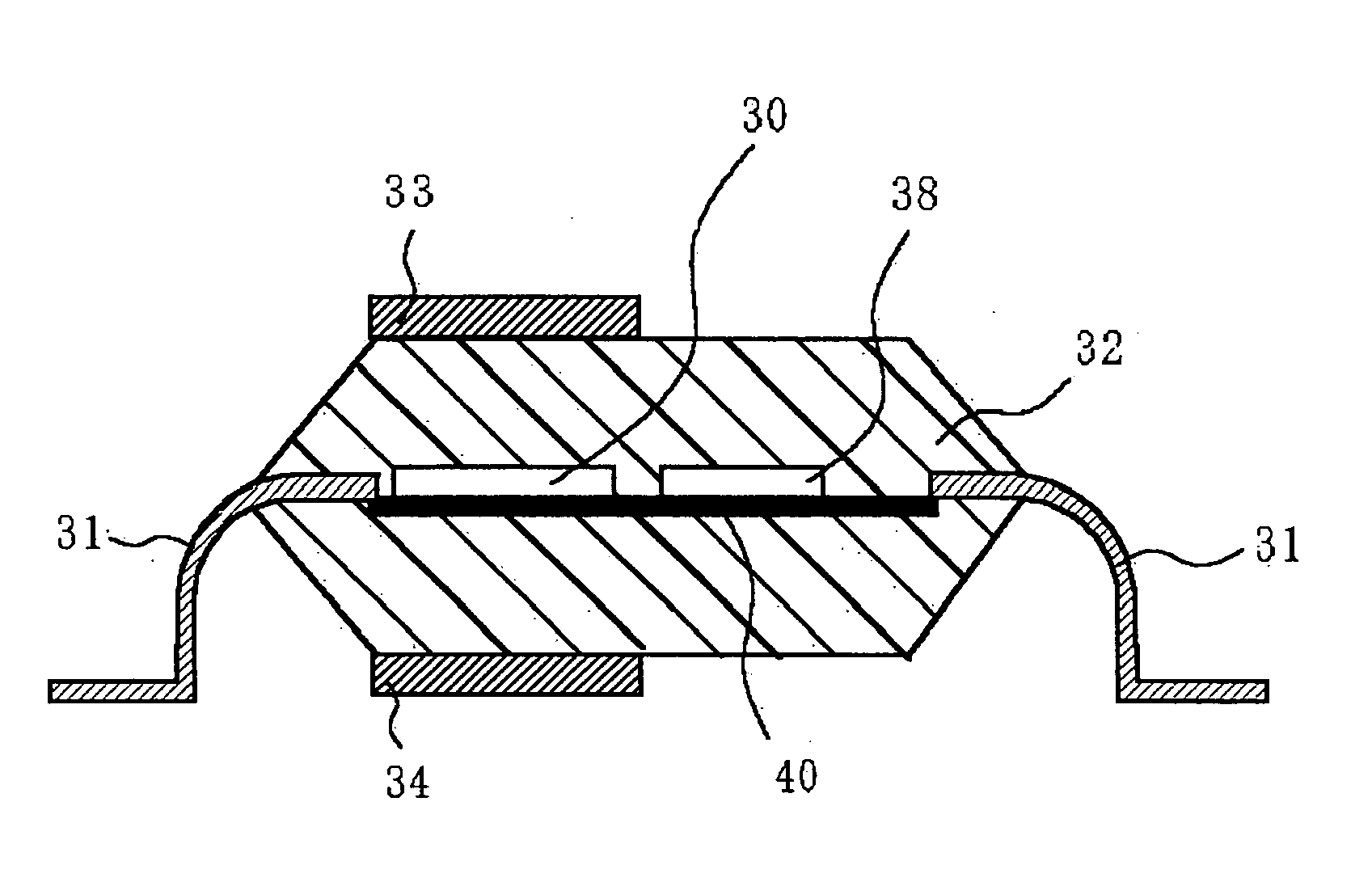
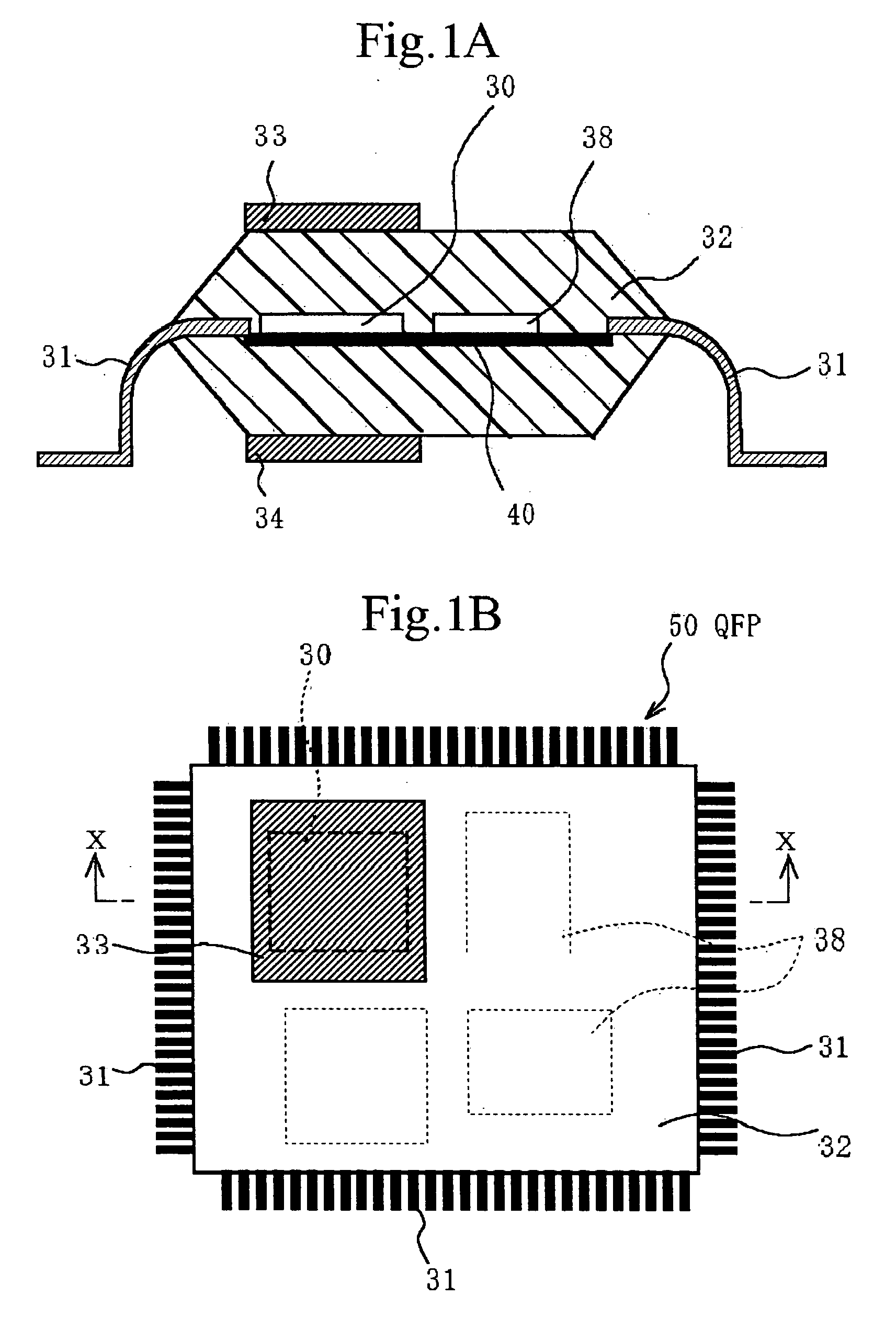
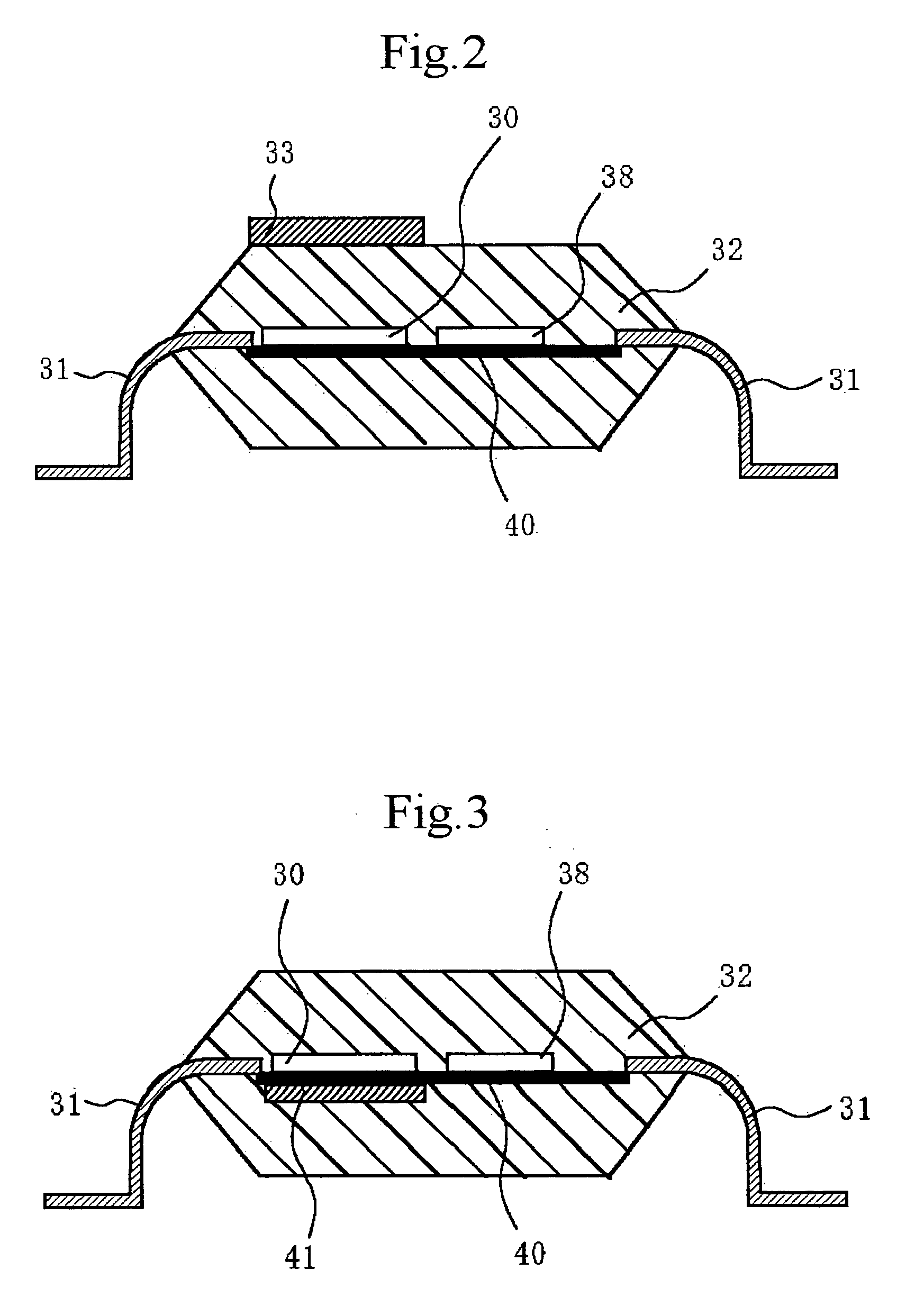
- A magnetic memory device with a magnetic shielding layer formed in a region corresponding to the area occupied by the memory element, where the distance between the opposite sides of the shielding layer is 15 mm or less, utilizing soft magnetic materials like Permalloy to reduce magnetic saturation and enhance shielding effectiveness.

Magnetic shielding for magneto resistive memory
PatentPendingUS20240339417A1
Innovation
- The implementation of magnetic shielding configurations that extend along the z-axis, using multiple layers of magnetic materials on the top, bottom, and sides of the magnetic device, forming voids to expose side surfaces and shunt both in-plane and out-of-plane magnetization fields, thereby protecting the device from external magnetic interference.


Quantum Technology Standards and Regulations
The quantum technology landscape currently lacks comprehensive standardization frameworks specifically addressing quantum repeater systems and their operational parameters. Existing quantum technology standards primarily focus on quantum key distribution protocols and basic quantum communication systems, leaving significant gaps in regulations governing quantum memory components and their environmental protection requirements.
International standardization bodies including ISO/IEC JTC 1/SC 27 and ITU-T Study Group 17 have initiated preliminary work on quantum communication standards, but specific guidelines for quantum repeater memory systems remain underdeveloped. The absence of standardized testing protocols for magnetic shielding effectiveness in quantum memory applications creates challenges for manufacturers and researchers attempting to validate system performance across different operational environments.
Current regulatory frameworks struggle to address the unique requirements of quantum repeater networks, particularly regarding memory lifetime specifications under varying magnetic field conditions. The IEEE Standards Association has begun developing P1913 standards for quantum networking, yet specific metrics for quantifying memory coherence times in relation to magnetic shielding effectiveness are not adequately covered in existing documentation.
Emerging regulatory considerations focus on establishing minimum performance thresholds for quantum memory systems operating in different magnetic environments. Proposed standards suggest implementing tiered classification systems that correlate magnetic shielding levels with expected memory lifetime performance, enabling standardized comparison across different quantum repeater implementations.
The development of measurement protocols for quantum memory lifetime assessment represents a critical regulatory gap. Current proposals emphasize the need for standardized testing environments that can accurately simulate various magnetic field conditions while maintaining reproducible measurement conditions for memory coherence evaluation.
Future regulatory frameworks will likely mandate comprehensive documentation of magnetic shielding specifications alongside corresponding memory performance metrics. This standardization effort aims to establish industry-wide benchmarks that facilitate interoperability between quantum repeater systems from different manufacturers while ensuring consistent performance expectations across diverse deployment scenarios.
International standardization bodies including ISO/IEC JTC 1/SC 27 and ITU-T Study Group 17 have initiated preliminary work on quantum communication standards, but specific guidelines for quantum repeater memory systems remain underdeveloped. The absence of standardized testing protocols for magnetic shielding effectiveness in quantum memory applications creates challenges for manufacturers and researchers attempting to validate system performance across different operational environments.
Current regulatory frameworks struggle to address the unique requirements of quantum repeater networks, particularly regarding memory lifetime specifications under varying magnetic field conditions. The IEEE Standards Association has begun developing P1913 standards for quantum networking, yet specific metrics for quantifying memory coherence times in relation to magnetic shielding effectiveness are not adequately covered in existing documentation.
Emerging regulatory considerations focus on establishing minimum performance thresholds for quantum memory systems operating in different magnetic environments. Proposed standards suggest implementing tiered classification systems that correlate magnetic shielding levels with expected memory lifetime performance, enabling standardized comparison across different quantum repeater implementations.
The development of measurement protocols for quantum memory lifetime assessment represents a critical regulatory gap. Current proposals emphasize the need for standardized testing environments that can accurately simulate various magnetic field conditions while maintaining reproducible measurement conditions for memory coherence evaluation.
Future regulatory frameworks will likely mandate comprehensive documentation of magnetic shielding specifications alongside corresponding memory performance metrics. This standardization effort aims to establish industry-wide benchmarks that facilitate interoperability between quantum repeater systems from different manufacturers while ensuring consistent performance expectations across diverse deployment scenarios.
Environmental Factors Impact on Quantum Memory Performance
Environmental factors play a critical role in determining quantum memory performance, with magnetic field interference representing one of the most significant challenges for quantum repeater systems. The coherence lifetime of quantum memories is fundamentally limited by environmental decoherence mechanisms, where magnetic field fluctuations can cause rapid dephasing of quantum states stored in atomic ensembles or solid-state systems.
Temperature variations constitute another major environmental factor affecting quantum memory performance. Thermal fluctuations introduce phonon interactions that can disrupt the delicate quantum states, leading to reduced storage fidelity and shortened coherence times. Cryogenic operation typically improves performance but introduces additional complexity and energy requirements for practical quantum repeater deployments.
Electromagnetic interference from external sources creates significant challenges for maintaining quantum coherence. Radio frequency fields, power line fluctuations, and nearby electronic equipment can couple to quantum memory systems through various mechanisms, including direct electromagnetic coupling and induced current loops in the experimental apparatus.
Vibrations and mechanical instabilities represent often-overlooked environmental factors that can severely impact quantum memory performance. Ground vibrations, acoustic noise, and thermal expansion can cause relative motion between optical components, leading to phase drift and reduced coupling efficiency between light and matter interfaces in quantum memory systems.
The spatial uniformity of environmental conditions across the quantum memory volume becomes increasingly important for ensemble-based systems. Magnetic field gradients, temperature variations, and light intensity non-uniformities can create inhomogeneous broadening effects that reduce the effective coherence time and storage efficiency of the quantum memory.
Atmospheric conditions, including humidity and pressure variations, can affect the performance of quantum memories through multiple pathways. Water vapor absorption can introduce optical losses, while pressure changes can cause mechanical stress in solid-state quantum memory materials, potentially altering their electronic and optical properties.
The temporal stability of environmental conditions proves equally crucial for quantum repeater applications requiring consistent performance over extended operational periods. Slow drifts in magnetic fields, temperature, or other environmental parameters can gradually degrade quantum memory performance, necessitating active stabilization and feedback control systems to maintain optimal operating conditions for reliable quantum communication networks.
Temperature variations constitute another major environmental factor affecting quantum memory performance. Thermal fluctuations introduce phonon interactions that can disrupt the delicate quantum states, leading to reduced storage fidelity and shortened coherence times. Cryogenic operation typically improves performance but introduces additional complexity and energy requirements for practical quantum repeater deployments.
Electromagnetic interference from external sources creates significant challenges for maintaining quantum coherence. Radio frequency fields, power line fluctuations, and nearby electronic equipment can couple to quantum memory systems through various mechanisms, including direct electromagnetic coupling and induced current loops in the experimental apparatus.
Vibrations and mechanical instabilities represent often-overlooked environmental factors that can severely impact quantum memory performance. Ground vibrations, acoustic noise, and thermal expansion can cause relative motion between optical components, leading to phase drift and reduced coupling efficiency between light and matter interfaces in quantum memory systems.
The spatial uniformity of environmental conditions across the quantum memory volume becomes increasingly important for ensemble-based systems. Magnetic field gradients, temperature variations, and light intensity non-uniformities can create inhomogeneous broadening effects that reduce the effective coherence time and storage efficiency of the quantum memory.
Atmospheric conditions, including humidity and pressure variations, can affect the performance of quantum memories through multiple pathways. Water vapor absorption can introduce optical losses, while pressure changes can cause mechanical stress in solid-state quantum memory materials, potentially altering their electronic and optical properties.
The temporal stability of environmental conditions proves equally crucial for quantum repeater applications requiring consistent performance over extended operational periods. Slow drifts in magnetic fields, temperature, or other environmental parameters can gradually degrade quantum memory performance, necessitating active stabilization and feedback control systems to maintain optimal operating conditions for reliable quantum communication networks.
Unlock deeper insights with PatSnap Eureka Quick Research — get a full tech report to explore trends and direct your research. Try now!
Generate Your Research Report Instantly with AI Agent
Supercharge your innovation with PatSnap Eureka AI Agent Platform!