

Quantitative Frameworks for Capture System Performance Metrics
MAR 23, 20269 MIN READ
Generate Your Research Report Instantly with AI Agent
PatSnap Eureka helps you evaluate technical feasibility & market potential.
Capture System Performance Framework Background and Objectives
The evolution of capture systems across various industries has highlighted the critical need for standardized performance measurement frameworks. From carbon capture technologies in environmental applications to data capture systems in telecommunications and digital imaging capture in medical devices, the absence of unified quantitative metrics has created significant challenges in system optimization, comparison, and validation.
Historically, capture system performance evaluation has been fragmented across different domains, with each industry developing its own metrics and measurement approaches. This fragmentation has led to inefficiencies in technology transfer, limited cross-industry learning opportunities, and difficulties in establishing benchmarks for system performance. The increasing complexity of modern capture systems, coupled with growing demands for efficiency and reliability, has intensified the need for comprehensive quantitative frameworks.
The primary objective of developing quantitative frameworks for capture system performance metrics is to establish standardized measurement methodologies that can be universally applied across different capture technologies and applications. These frameworks aim to provide consistent, reliable, and comparable performance indicators that enable accurate assessment of system effectiveness, efficiency, and operational reliability.
A fundamental goal is to create metrics that capture both static and dynamic performance characteristics of capture systems. Static metrics focus on baseline performance under controlled conditions, while dynamic metrics evaluate system behavior under varying operational conditions, load fluctuations, and environmental changes. This dual approach ensures comprehensive performance characterization that reflects real-world operational scenarios.
The framework development also targets the integration of multi-dimensional performance indicators, including capture rate, accuracy, throughput, energy efficiency, and system reliability. By establishing mathematical relationships between these parameters, the framework enables holistic performance optimization rather than single-metric improvements that may compromise overall system effectiveness.
Another critical objective involves establishing scalability metrics that allow performance prediction across different system sizes and configurations. This capability is essential for technology scaling decisions and investment planning in capture system deployments.
The framework aims to incorporate temporal performance analysis, enabling the assessment of system degradation patterns, maintenance requirements, and lifecycle performance trends. This temporal dimension provides valuable insights for predictive maintenance strategies and system lifecycle management.
Furthermore, the quantitative framework seeks to establish standardized testing protocols and measurement procedures that ensure reproducible and comparable results across different testing environments and organizations. This standardization is crucial for technology validation, certification processes, and regulatory compliance in various industries.
Historically, capture system performance evaluation has been fragmented across different domains, with each industry developing its own metrics and measurement approaches. This fragmentation has led to inefficiencies in technology transfer, limited cross-industry learning opportunities, and difficulties in establishing benchmarks for system performance. The increasing complexity of modern capture systems, coupled with growing demands for efficiency and reliability, has intensified the need for comprehensive quantitative frameworks.
The primary objective of developing quantitative frameworks for capture system performance metrics is to establish standardized measurement methodologies that can be universally applied across different capture technologies and applications. These frameworks aim to provide consistent, reliable, and comparable performance indicators that enable accurate assessment of system effectiveness, efficiency, and operational reliability.
A fundamental goal is to create metrics that capture both static and dynamic performance characteristics of capture systems. Static metrics focus on baseline performance under controlled conditions, while dynamic metrics evaluate system behavior under varying operational conditions, load fluctuations, and environmental changes. This dual approach ensures comprehensive performance characterization that reflects real-world operational scenarios.
The framework development also targets the integration of multi-dimensional performance indicators, including capture rate, accuracy, throughput, energy efficiency, and system reliability. By establishing mathematical relationships between these parameters, the framework enables holistic performance optimization rather than single-metric improvements that may compromise overall system effectiveness.
Another critical objective involves establishing scalability metrics that allow performance prediction across different system sizes and configurations. This capability is essential for technology scaling decisions and investment planning in capture system deployments.
The framework aims to incorporate temporal performance analysis, enabling the assessment of system degradation patterns, maintenance requirements, and lifecycle performance trends. This temporal dimension provides valuable insights for predictive maintenance strategies and system lifecycle management.
Furthermore, the quantitative framework seeks to establish standardized testing protocols and measurement procedures that ensure reproducible and comparable results across different testing environments and organizations. This standardization is crucial for technology validation, certification processes, and regulatory compliance in various industries.
Market Demand for Quantitative Performance Assessment Systems
The global market for quantitative performance assessment systems is experiencing unprecedented growth driven by increasing regulatory requirements and operational complexity across multiple industries. Organizations worldwide are recognizing the critical need for standardized, data-driven approaches to evaluate system performance, moving away from subjective assessments toward measurable, repeatable methodologies.
Industrial sectors including manufacturing, energy, telecommunications, and aerospace are demonstrating particularly strong demand for comprehensive performance measurement frameworks. These industries face mounting pressure to optimize operational efficiency while maintaining strict quality standards and regulatory compliance. The complexity of modern capture systems, whether in carbon sequestration, data acquisition, or material processing applications, necessitates sophisticated quantitative evaluation tools.
Regulatory bodies across major markets are implementing stricter performance reporting requirements, creating mandatory demand for standardized assessment frameworks. Environmental regulations, safety standards, and quality certifications increasingly require quantifiable performance metrics with traceable measurement methodologies. This regulatory push is transforming performance assessment from optional best practice to essential business requirement.
The digital transformation wave is amplifying market demand as organizations seek to integrate performance assessment systems with broader digital infrastructure. Real-time monitoring capabilities, predictive analytics, and automated reporting functionalities are becoming standard expectations rather than premium features. Companies are investing heavily in systems that can provide continuous performance visibility and support data-driven decision making.
Emerging markets are showing accelerated adoption patterns as they implement modern industrial infrastructure. These regions often bypass legacy assessment methods, directly adopting advanced quantitative frameworks. The growing emphasis on sustainability and environmental responsibility is creating additional market drivers, particularly for systems that can accurately measure and report environmental impact metrics.
The market landscape reveals strong demand for customizable, scalable solutions that can adapt to diverse operational contexts while maintaining measurement consistency. Organizations require frameworks capable of handling multi-dimensional performance criteria, from technical efficiency metrics to environmental and economic indicators, reflecting the increasingly holistic approach to system performance evaluation.
Industrial sectors including manufacturing, energy, telecommunications, and aerospace are demonstrating particularly strong demand for comprehensive performance measurement frameworks. These industries face mounting pressure to optimize operational efficiency while maintaining strict quality standards and regulatory compliance. The complexity of modern capture systems, whether in carbon sequestration, data acquisition, or material processing applications, necessitates sophisticated quantitative evaluation tools.
Regulatory bodies across major markets are implementing stricter performance reporting requirements, creating mandatory demand for standardized assessment frameworks. Environmental regulations, safety standards, and quality certifications increasingly require quantifiable performance metrics with traceable measurement methodologies. This regulatory push is transforming performance assessment from optional best practice to essential business requirement.
The digital transformation wave is amplifying market demand as organizations seek to integrate performance assessment systems with broader digital infrastructure. Real-time monitoring capabilities, predictive analytics, and automated reporting functionalities are becoming standard expectations rather than premium features. Companies are investing heavily in systems that can provide continuous performance visibility and support data-driven decision making.
Emerging markets are showing accelerated adoption patterns as they implement modern industrial infrastructure. These regions often bypass legacy assessment methods, directly adopting advanced quantitative frameworks. The growing emphasis on sustainability and environmental responsibility is creating additional market drivers, particularly for systems that can accurately measure and report environmental impact metrics.
The market landscape reveals strong demand for customizable, scalable solutions that can adapt to diverse operational contexts while maintaining measurement consistency. Organizations require frameworks capable of handling multi-dimensional performance criteria, from technical efficiency metrics to environmental and economic indicators, reflecting the increasingly holistic approach to system performance evaluation.
Current State and Challenges in Capture System Metrics
The current landscape of capture system performance metrics reveals a fragmented ecosystem where standardization remains elusive across different application domains. Traditional metrics have evolved organically within specific industries, leading to inconsistent measurement approaches that hinder cross-platform comparisons and systematic optimization efforts. Carbon capture systems, for instance, primarily rely on capture efficiency percentages and energy penalties, while data capture systems focus on throughput rates and accuracy measures.
Existing quantitative frameworks suffer from significant limitations in their scope and applicability. Most current metrics operate in isolation, failing to provide holistic assessments that account for interdependencies between performance parameters. The lack of standardized benchmarking protocols creates substantial barriers for technology developers seeking to validate improvements or compare alternative solutions objectively.
Geographic distribution of advanced capture system metrics development shows pronounced concentration in North America and Europe, where regulatory frameworks and research funding have accelerated standardization efforts. However, emerging markets demonstrate growing adoption of proprietary measurement systems that often lack interoperability with established frameworks, creating additional fragmentation challenges.
The technical complexity of modern capture systems presents unprecedented measurement challenges that existing frameworks struggle to address adequately. Multi-phase capture processes, dynamic operating conditions, and integration with existing infrastructure introduce variables that traditional static metrics cannot effectively quantify. Real-time performance monitoring requirements further complicate the measurement landscape, demanding frameworks capable of handling continuous data streams and adaptive threshold management.
Scalability constraints represent another critical challenge facing current metric frameworks. Laboratory-scale measurements often fail to translate meaningfully to industrial applications, while pilot-scale metrics may not accurately predict full-scale performance characteristics. This scaling gap creates uncertainty in technology deployment decisions and investment planning processes.
Data quality and validation issues plague many existing measurement approaches, particularly in environments where sensor reliability and calibration maintenance present ongoing challenges. The absence of standardized uncertainty quantification methods undermines confidence in reported performance metrics and complicates regulatory compliance efforts across different jurisdictions.
Existing quantitative frameworks suffer from significant limitations in their scope and applicability. Most current metrics operate in isolation, failing to provide holistic assessments that account for interdependencies between performance parameters. The lack of standardized benchmarking protocols creates substantial barriers for technology developers seeking to validate improvements or compare alternative solutions objectively.
Geographic distribution of advanced capture system metrics development shows pronounced concentration in North America and Europe, where regulatory frameworks and research funding have accelerated standardization efforts. However, emerging markets demonstrate growing adoption of proprietary measurement systems that often lack interoperability with established frameworks, creating additional fragmentation challenges.
The technical complexity of modern capture systems presents unprecedented measurement challenges that existing frameworks struggle to address adequately. Multi-phase capture processes, dynamic operating conditions, and integration with existing infrastructure introduce variables that traditional static metrics cannot effectively quantify. Real-time performance monitoring requirements further complicate the measurement landscape, demanding frameworks capable of handling continuous data streams and adaptive threshold management.
Scalability constraints represent another critical challenge facing current metric frameworks. Laboratory-scale measurements often fail to translate meaningfully to industrial applications, while pilot-scale metrics may not accurately predict full-scale performance characteristics. This scaling gap creates uncertainty in technology deployment decisions and investment planning processes.
Data quality and validation issues plague many existing measurement approaches, particularly in environments where sensor reliability and calibration maintenance present ongoing challenges. The absence of standardized uncertainty quantification methods undermines confidence in reported performance metrics and complicates regulatory compliance efforts across different jurisdictions.
Existing Quantitative Performance Evaluation Solutions
01 Real-time performance monitoring and data collection systems
Systems designed to capture and monitor performance metrics in real-time through various sensors and data collection mechanisms. These systems continuously gather operational data, system status information, and performance indicators to provide immediate insights into system behavior. The captured metrics enable operators to track system efficiency, identify anomalies, and make timely adjustments to optimize performance.- Real-time performance monitoring and data collection systems: Systems designed to capture and monitor performance metrics in real-time through various sensors and data collection mechanisms. These systems continuously gather operational data, system status information, and performance indicators to provide immediate insights into system behavior. The captured metrics enable operators to track system efficiency, identify anomalies, and make timely adjustments to optimize performance.
- Performance analytics and reporting frameworks: Frameworks that process captured performance data to generate comprehensive analytics and reports. These systems aggregate multiple performance indicators, apply statistical analysis, and present results through dashboards and visualization tools. The frameworks enable stakeholders to understand system performance trends, compare against benchmarks, and support data-driven decision making for system improvements.
- Automated performance threshold detection and alerting: Mechanisms that automatically detect when performance metrics exceed or fall below predefined thresholds and trigger appropriate alerts. These systems employ rule-based engines or machine learning algorithms to identify performance degradation, bottlenecks, or failures. The automated detection enables proactive response to performance issues before they impact overall system operations.
- Multi-dimensional performance metric correlation and analysis: Advanced analytical approaches that correlate multiple performance metrics across different system dimensions to identify root causes and interdependencies. These methods analyze relationships between various performance indicators such as throughput, latency, resource utilization, and error rates. The correlation analysis provides deeper insights into system behavior and helps optimize overall performance by addressing underlying issues.
- Historical performance data storage and trend analysis: Systems for storing historical performance metrics and conducting long-term trend analysis to support capacity planning and predictive maintenance. These solutions maintain time-series databases of performance data, enabling retrospective analysis and forecasting. The historical data analysis helps identify patterns, predict future performance issues, and guide strategic decisions regarding system upgrades and resource allocation.
02 Performance analytics and reporting frameworks
Frameworks that process captured performance data to generate comprehensive analytics and reports. These systems aggregate multiple performance indicators, apply statistical analysis, and present results through dashboards and visualization tools. The frameworks enable trend analysis, comparative assessments, and historical performance tracking to support decision-making and system optimization efforts.Expand Specific Solutions03 Automated performance threshold detection and alerting
Mechanisms that automatically detect when performance metrics exceed or fall below predefined thresholds and trigger appropriate alerts. These systems employ rule-based engines or machine learning algorithms to identify performance degradation, bottlenecks, or anomalous behavior. Alert notifications enable rapid response to performance issues before they impact overall system operation.Expand Specific Solutions04 Multi-dimensional performance metric correlation and analysis
Advanced analytical approaches that correlate multiple performance metrics across different system dimensions to identify root causes and interdependencies. These methods analyze relationships between various performance indicators such as throughput, latency, resource utilization, and error rates. The correlation analysis provides deeper insights into system behavior and helps optimize overall performance by addressing underlying issues.Expand Specific Solutions05 Cloud-based and distributed performance metrics capture
Architectures for capturing performance metrics in distributed and cloud computing environments where systems span multiple locations and platforms. These solutions handle the complexity of collecting, aggregating, and synchronizing performance data from diverse sources. They provide unified visibility into system performance across distributed infrastructure while managing scalability and data consistency challenges.Expand Specific Solutions
Key Players in Capture System and Metrics Industry
The quantitative frameworks for capture system performance metrics field represents an emerging technology domain currently in its early-to-mid development stage, with significant growth potential driven by increasing demands for precise measurement and optimization across various industries. The market demonstrates substantial expansion opportunities, particularly in telecommunications, healthcare, and industrial automation sectors, where performance quantification is becoming critical for competitive advantage. Technology maturity varies considerably among market participants, with established tech giants like Google LLC, Apple Inc., IBM, and Intel Corp. leading in foundational technologies and data analytics capabilities, while telecommunications leaders such as Huawei Technologies and ZTE Corp. focus on network performance metrics. Specialized players including Siemens AG, VMware LLC, and Dynatrace LLC contribute domain-specific expertise in industrial and IT performance monitoring, creating a diverse competitive landscape where innovation cycles are accelerating rapidly.
Huawei Technologies Co., Ltd.
Technical Solution: Huawei has established comprehensive quantitative frameworks for capture system performance metrics through their cloud and telecommunications infrastructure solutions. Their approach integrates network-aware performance monitoring with traditional system metrics to provide holistic visibility into capture system operations. The framework includes advanced statistical analysis tools that measure end-to-end system performance, including network latency, data throughput, and system reliability metrics. Huawei's solution emphasizes real-time performance optimization with automated adjustment capabilities that respond to changing network conditions and system loads. Their methodology includes predictive analytics and machine learning algorithms that help organizations anticipate performance issues and maintain optimal system operation.
Strengths: Network-integrated monitoring, telecommunications expertise, cost-effective solutions. Weaknesses: Geopolitical restrictions, limited market presence in some regions, integration challenges with non-Huawei systems.
Google LLC
Technical Solution: Google has developed comprehensive quantitative frameworks for capture system performance metrics through their cloud infrastructure and AI platforms. Their approach integrates real-time monitoring systems that track key performance indicators including latency, throughput, error rates, and resource utilization across distributed capture systems. The framework employs machine learning algorithms to predict system bottlenecks and automatically adjust resource allocation. Google's methodology includes statistical analysis tools that provide detailed performance baselines and anomaly detection capabilities, enabling proactive system optimization and capacity planning for large-scale data capture operations.
Strengths: Massive scale experience, advanced ML integration, real-time analytics capabilities. Weaknesses: Complex implementation, high resource requirements, potential vendor lock-in concerns.
Core Innovations in Performance Metrics Frameworks
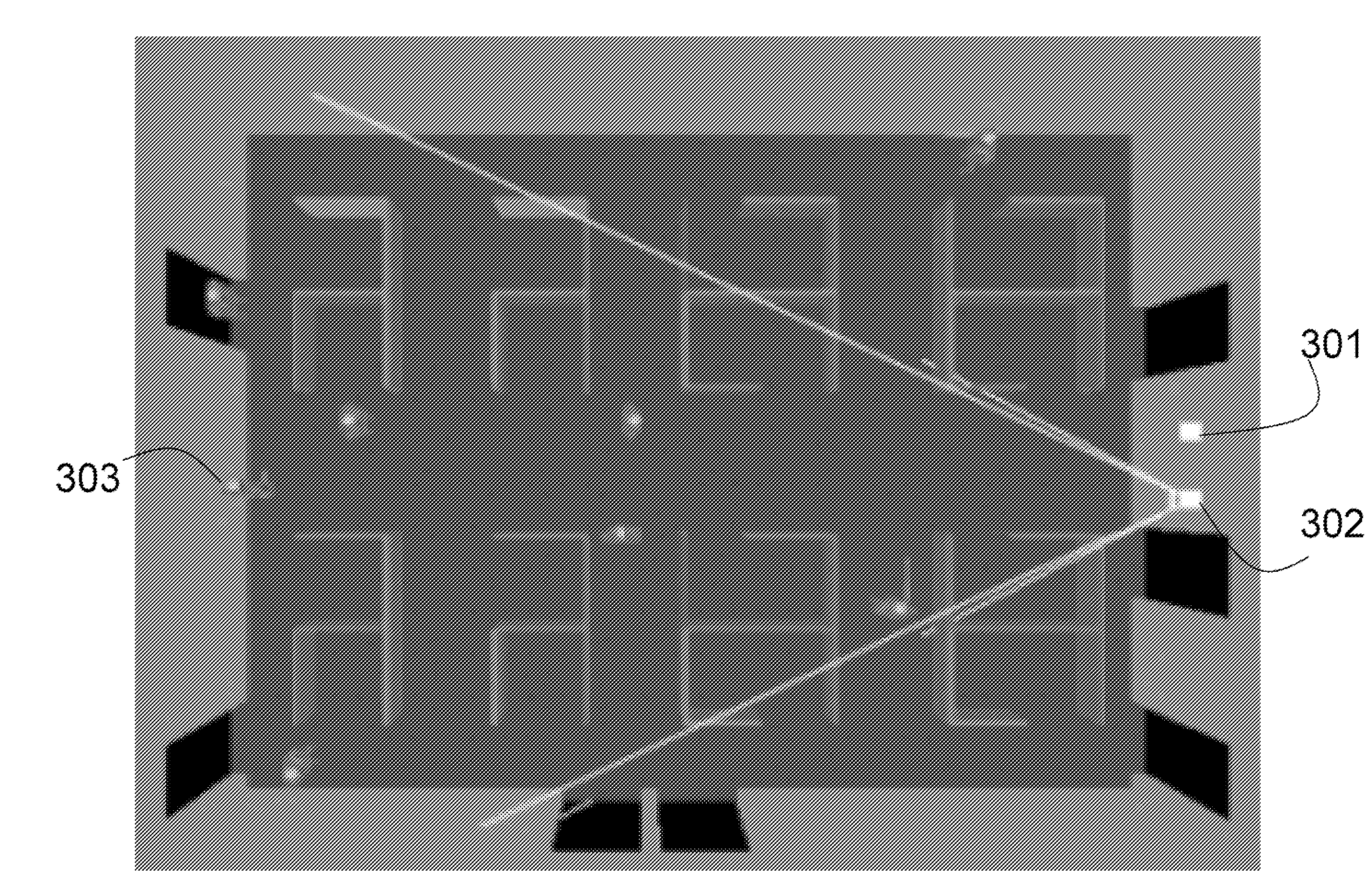
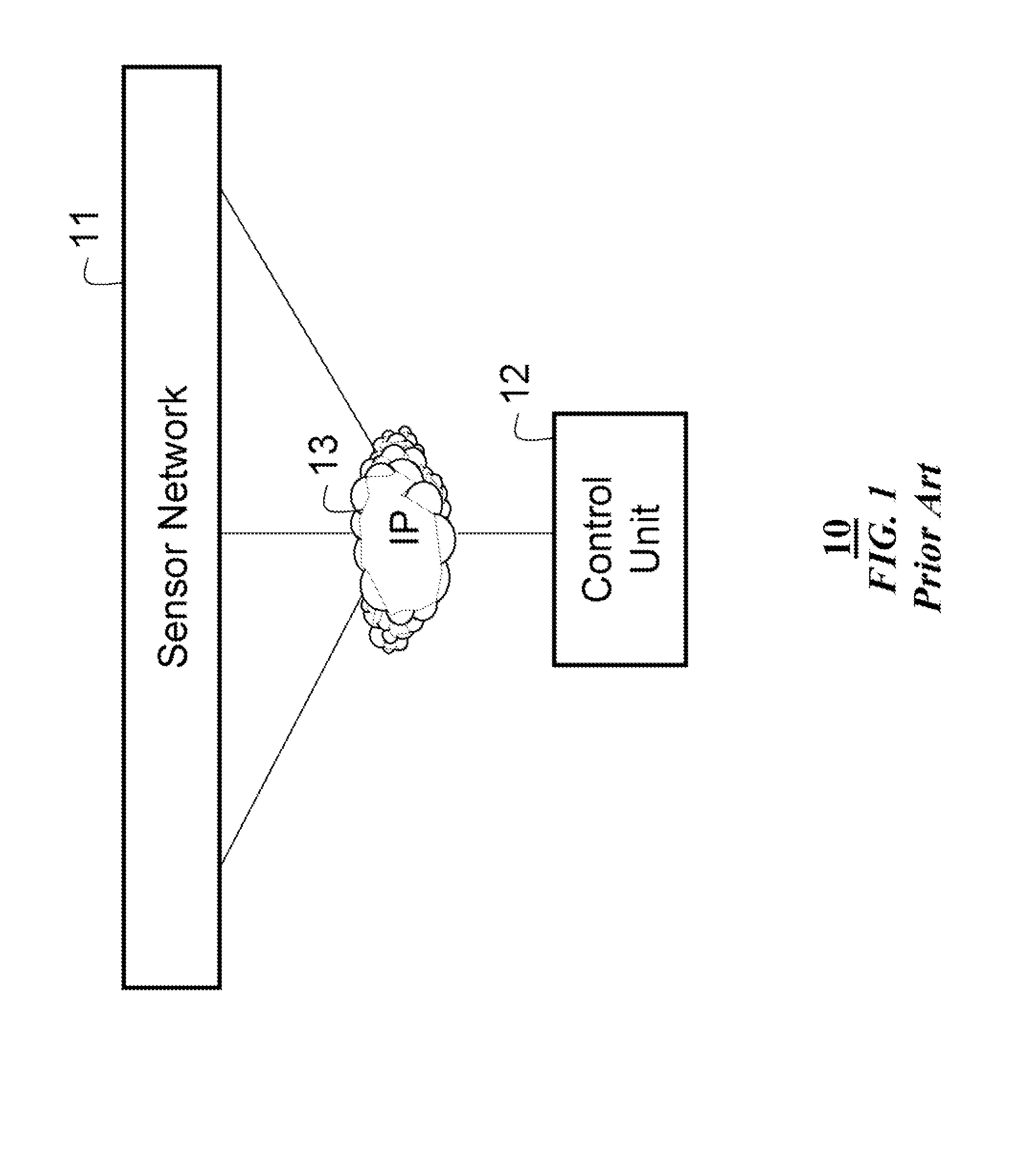
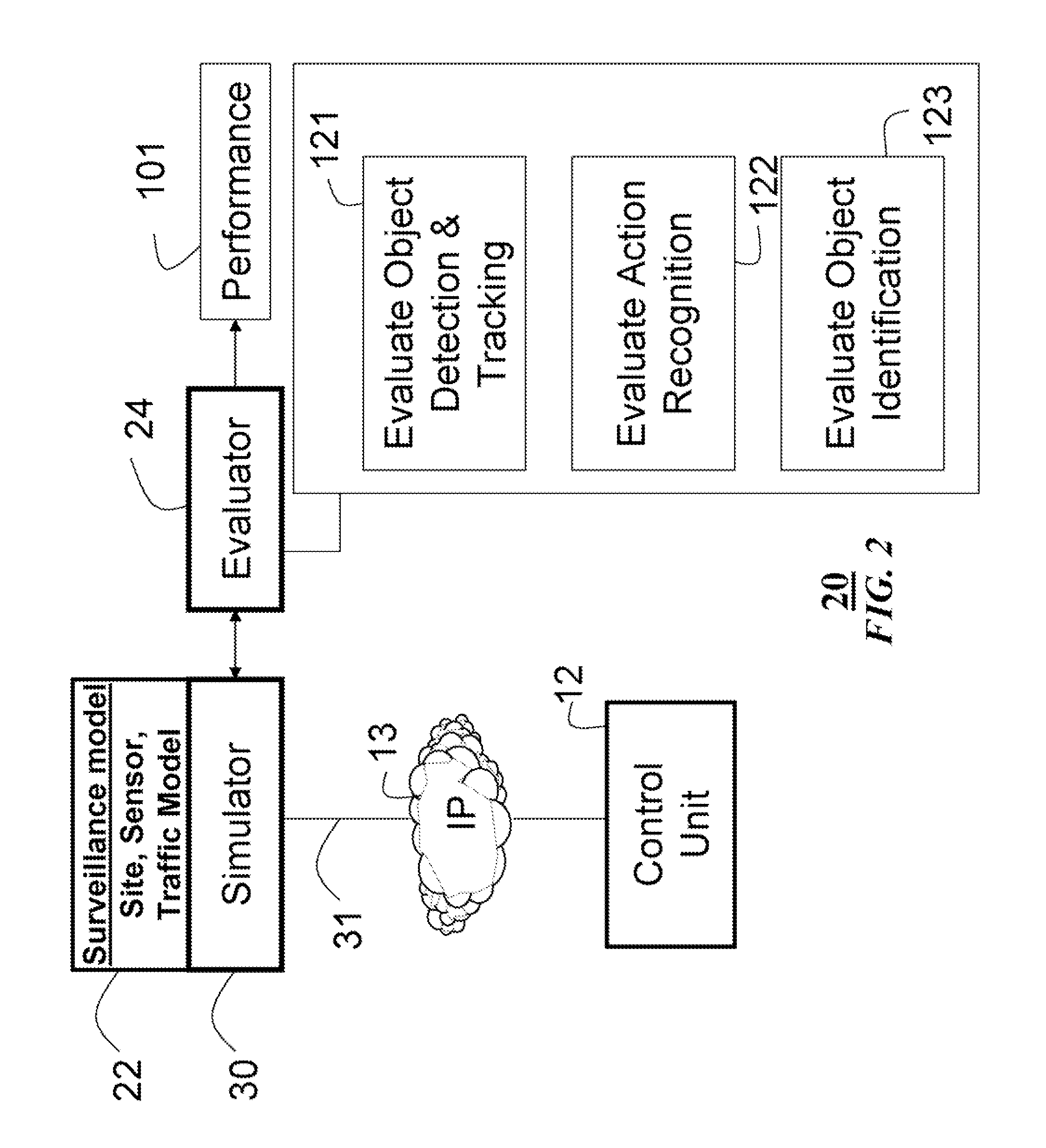
System and Method for Measuring Performances of Surveillance Systems
PatentInactiveUS20080126031A1
Innovation
- A computer-implemented method using site, sensor, and traffic models to simulate surveillance operations, generating simulated signals that evaluate object detection, tracking, and identification, allowing for the calculation of a quantitative performance metric that can be applied to various surveillance systems, including those with fixed and active cameras.

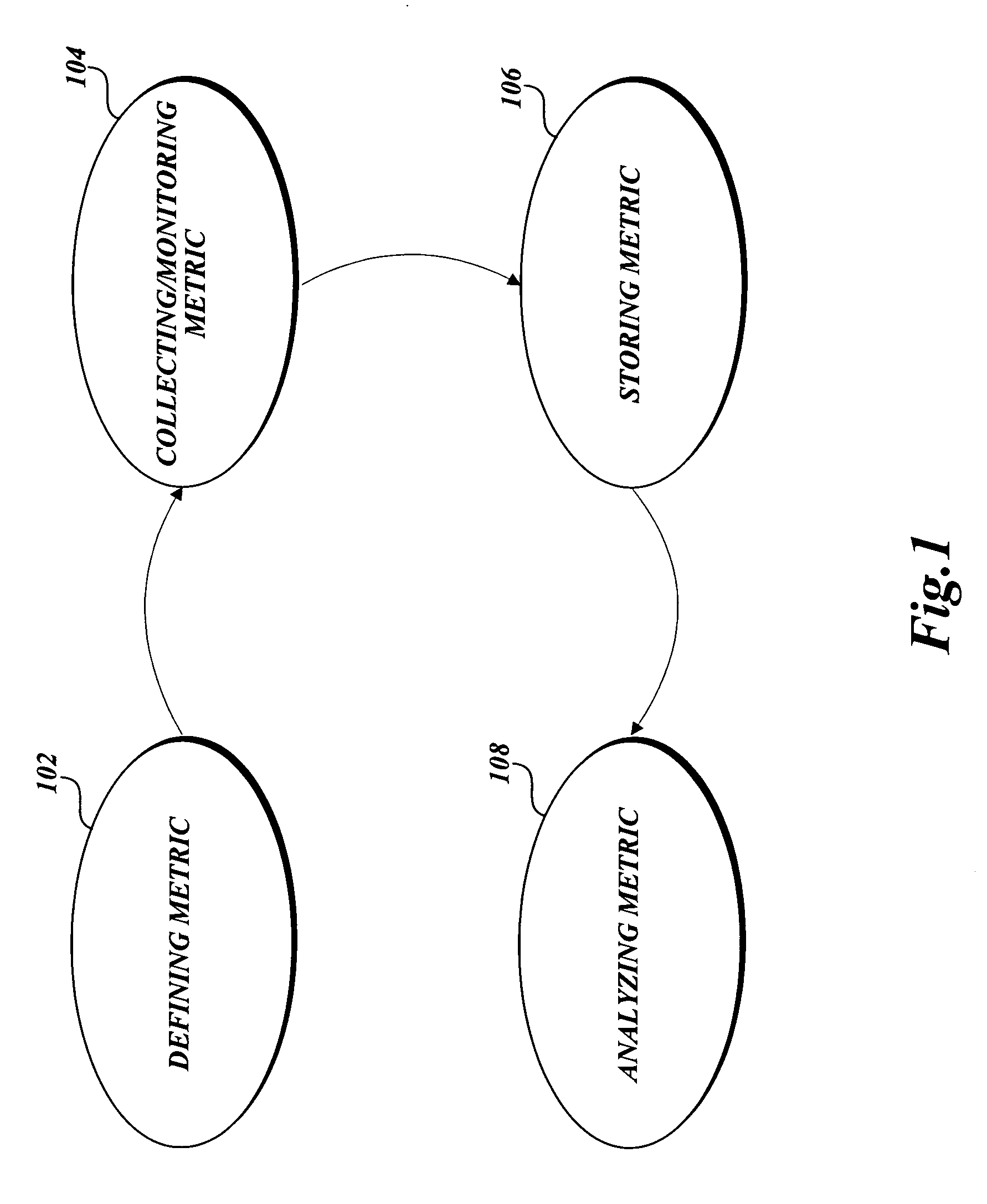
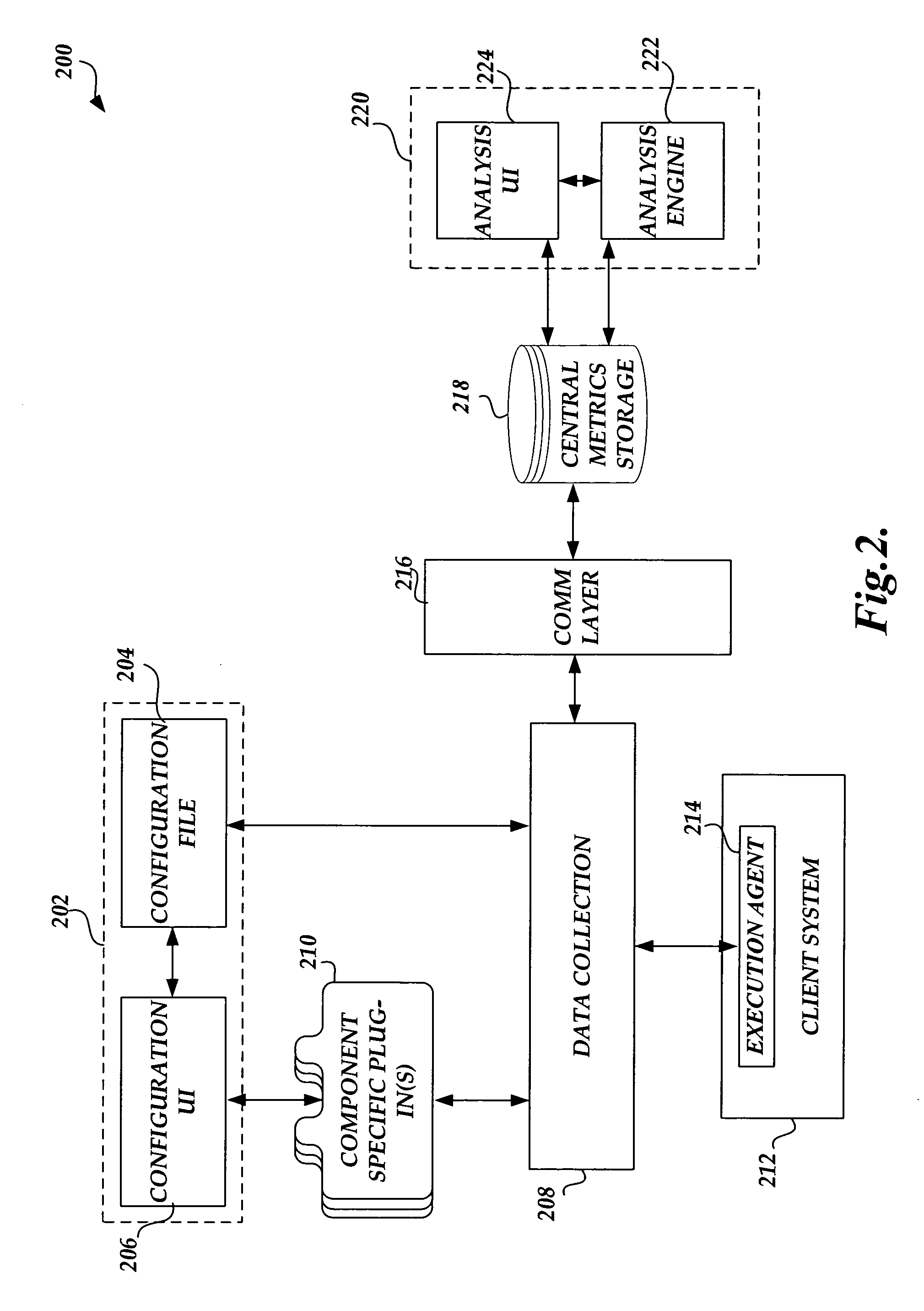
Framework for collecting, storing, and analyzing system metrics
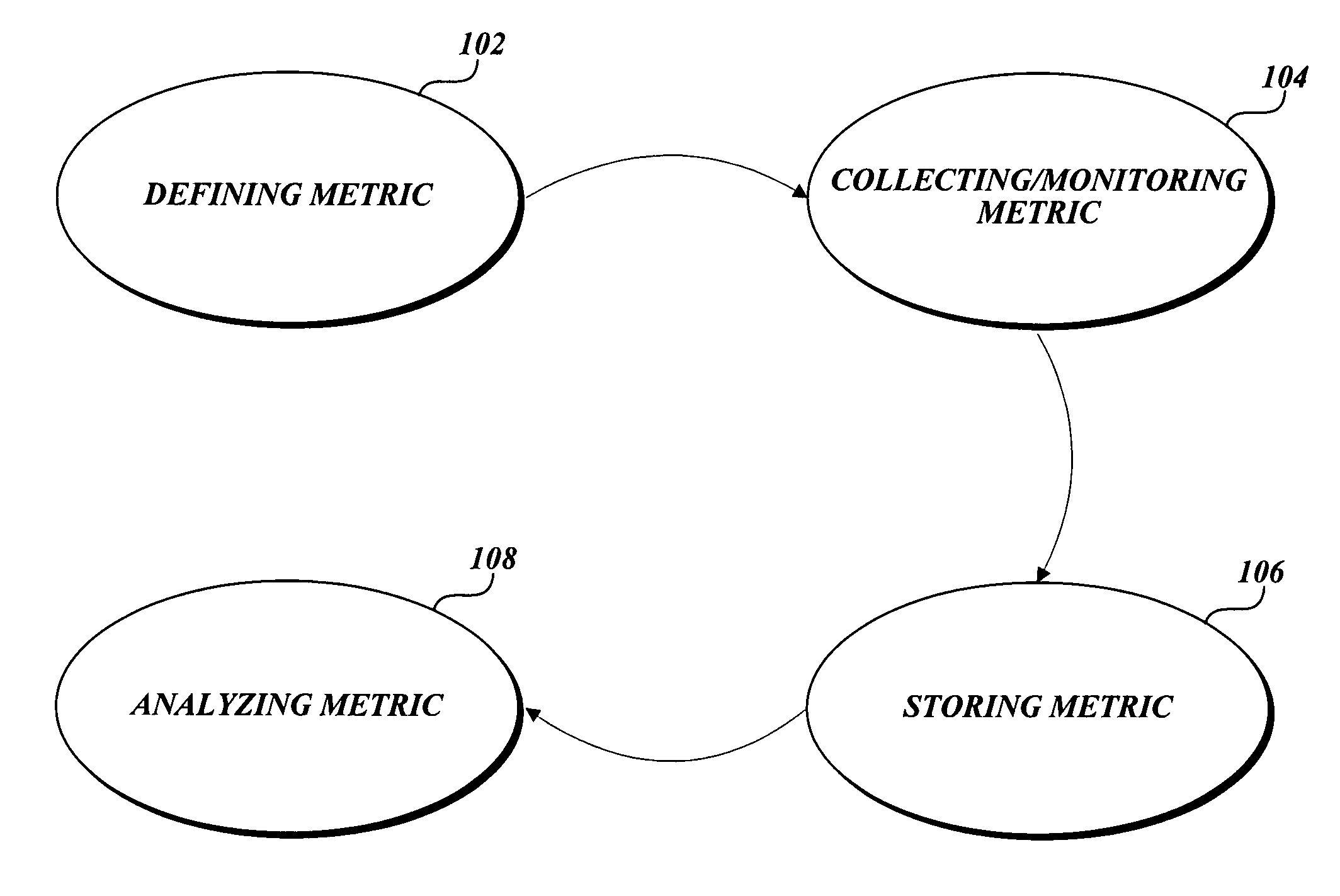
PatentInactiveUS7162390B2
Innovation
- A framework that includes a configuration module, data collection module, central metrics storage module, and analysis module to collect and store system metrics in a predefined format, allowing for online or offline analysis of individual or combined metrics, with component-specific plug-ins for customized data collection and analysis.

Standardization and Compliance Requirements for Metrics
The establishment of standardization and compliance requirements for capture system performance metrics represents a critical foundation for ensuring consistency, reliability, and interoperability across diverse technological implementations. Current industry practices reveal significant fragmentation in measurement approaches, with different organizations employing varying methodologies that often lack mutual compatibility and comparative validity.
International standardization bodies, including ISO, IEEE, and IEC, have begun developing comprehensive frameworks that address the fundamental requirements for metric standardization in capture systems. These frameworks emphasize the necessity of establishing uniform measurement protocols, calibration procedures, and reporting formats that enable meaningful cross-platform comparisons and performance benchmarking.
Regulatory compliance requirements vary significantly across different geographical regions and application domains. In the European Union, the General Data Protection Regulation (GDPR) and emerging AI Act impose specific constraints on data capture and processing metrics, requiring organizations to demonstrate compliance through standardized measurement frameworks. Similarly, the United States Federal Information Processing Standards (FIPS) and National Institute of Standards and Technology (NIST) guidelines establish mandatory compliance criteria for government and critical infrastructure applications.
Industry-specific compliance requirements further complicate the standardization landscape. Healthcare applications must adhere to HIPAA regulations and FDA guidelines, which mandate specific performance metrics and validation procedures. Financial services sector implementations require compliance with SOX, PCI-DSS, and Basel III frameworks, each imposing distinct measurement and reporting obligations that must be integrated into comprehensive metric systems.
The development of certification programs and third-party validation mechanisms has emerged as a crucial component of compliance frameworks. Organizations such as Common Criteria and FIDO Alliance provide standardized evaluation methodologies that enable independent assessment of capture system performance against established benchmarks. These certification processes require adherence to specific testing protocols, documentation standards, and continuous monitoring requirements.
Emerging challenges in standardization include the rapid evolution of capture technologies, cross-border data transfer regulations, and the integration of artificial intelligence components that introduce additional complexity in performance measurement and compliance verification processes.
International standardization bodies, including ISO, IEEE, and IEC, have begun developing comprehensive frameworks that address the fundamental requirements for metric standardization in capture systems. These frameworks emphasize the necessity of establishing uniform measurement protocols, calibration procedures, and reporting formats that enable meaningful cross-platform comparisons and performance benchmarking.
Regulatory compliance requirements vary significantly across different geographical regions and application domains. In the European Union, the General Data Protection Regulation (GDPR) and emerging AI Act impose specific constraints on data capture and processing metrics, requiring organizations to demonstrate compliance through standardized measurement frameworks. Similarly, the United States Federal Information Processing Standards (FIPS) and National Institute of Standards and Technology (NIST) guidelines establish mandatory compliance criteria for government and critical infrastructure applications.
Industry-specific compliance requirements further complicate the standardization landscape. Healthcare applications must adhere to HIPAA regulations and FDA guidelines, which mandate specific performance metrics and validation procedures. Financial services sector implementations require compliance with SOX, PCI-DSS, and Basel III frameworks, each imposing distinct measurement and reporting obligations that must be integrated into comprehensive metric systems.
The development of certification programs and third-party validation mechanisms has emerged as a crucial component of compliance frameworks. Organizations such as Common Criteria and FIDO Alliance provide standardized evaluation methodologies that enable independent assessment of capture system performance against established benchmarks. These certification processes require adherence to specific testing protocols, documentation standards, and continuous monitoring requirements.
Emerging challenges in standardization include the rapid evolution of capture technologies, cross-border data transfer regulations, and the integration of artificial intelligence components that introduce additional complexity in performance measurement and compliance verification processes.
Data Privacy and Security in Performance Monitoring
Data privacy and security represent critical considerations in the implementation of quantitative frameworks for capture system performance monitoring. As organizations increasingly rely on comprehensive data collection to evaluate system effectiveness, the protection of sensitive information becomes paramount to maintaining stakeholder trust and regulatory compliance.
The collection of performance metrics often involves processing personally identifiable information, proprietary business data, and operational intelligence that could compromise competitive advantages if exposed. Modern capture systems generate vast amounts of granular data points, including user behavior patterns, system access logs, and transaction details that require sophisticated protection mechanisms throughout the monitoring lifecycle.
Privacy-preserving techniques such as differential privacy and homomorphic encryption are emerging as essential components in performance monitoring architectures. These approaches enable organizations to extract meaningful insights from quantitative metrics while maintaining mathematical guarantees of individual privacy protection. Federated learning frameworks additionally allow distributed performance analysis without centralizing sensitive data, reducing exposure risks while maintaining analytical capabilities.
Security frameworks must address multiple threat vectors including unauthorized access, data tampering, and inference attacks that could compromise both system integrity and individual privacy. Implementation of zero-trust architectures, end-to-end encryption, and secure multi-party computation protocols ensures that performance data remains protected during collection, transmission, storage, and analysis phases.
Regulatory compliance frameworks such as GDPR, CCPA, and industry-specific standards impose additional constraints on performance monitoring systems. These regulations mandate explicit consent mechanisms, data minimization principles, and audit trail requirements that directly impact the design of quantitative measurement frameworks. Organizations must balance comprehensive performance visibility with strict privacy controls.
The integration of privacy-enhancing technologies with real-time performance monitoring presents ongoing challenges in maintaining system responsiveness while ensuring data protection. Advanced anonymization techniques, secure aggregation protocols, and privacy-aware analytics platforms are becoming standard components in enterprise-grade capture system implementations, enabling organizations to achieve both operational excellence and privacy compliance objectives.
The collection of performance metrics often involves processing personally identifiable information, proprietary business data, and operational intelligence that could compromise competitive advantages if exposed. Modern capture systems generate vast amounts of granular data points, including user behavior patterns, system access logs, and transaction details that require sophisticated protection mechanisms throughout the monitoring lifecycle.
Privacy-preserving techniques such as differential privacy and homomorphic encryption are emerging as essential components in performance monitoring architectures. These approaches enable organizations to extract meaningful insights from quantitative metrics while maintaining mathematical guarantees of individual privacy protection. Federated learning frameworks additionally allow distributed performance analysis without centralizing sensitive data, reducing exposure risks while maintaining analytical capabilities.
Security frameworks must address multiple threat vectors including unauthorized access, data tampering, and inference attacks that could compromise both system integrity and individual privacy. Implementation of zero-trust architectures, end-to-end encryption, and secure multi-party computation protocols ensures that performance data remains protected during collection, transmission, storage, and analysis phases.
Regulatory compliance frameworks such as GDPR, CCPA, and industry-specific standards impose additional constraints on performance monitoring systems. These regulations mandate explicit consent mechanisms, data minimization principles, and audit trail requirements that directly impact the design of quantitative measurement frameworks. Organizations must balance comprehensive performance visibility with strict privacy controls.
The integration of privacy-enhancing technologies with real-time performance monitoring presents ongoing challenges in maintaining system responsiveness while ensuring data protection. Advanced anonymization techniques, secure aggregation protocols, and privacy-aware analytics platforms are becoming standard components in enterprise-grade capture system implementations, enabling organizations to achieve both operational excellence and privacy compliance objectives.
Unlock deeper insights with PatSnap Eureka Quick Research — get a full tech report to explore trends and direct your research. Try now!
Generate Your Research Report Instantly with AI Agent
Supercharge your innovation with PatSnap Eureka AI Agent Platform!