

Understanding Interplay Between Capture and Broader Climate Goals
MAR 23, 20269 MIN READ
Generate Your Research Report Instantly with AI Agent
PatSnap Eureka helps you evaluate technical feasibility & market potential.
Carbon Capture Climate Integration Background and Objectives
Carbon capture technologies have emerged as critical components in the global climate mitigation strategy, representing a bridge between current high-emission industrial processes and the ambitious net-zero targets outlined in international climate agreements. The evolution of carbon capture, utilization, and storage (CCUS) technologies spans several decades, beginning with enhanced oil recovery applications in the 1970s and progressing to today's sophisticated direct air capture and industrial integration systems.
The historical development trajectory reveals three distinct phases: initial industrial applications focused on economic benefits, followed by environmental compliance-driven adoption, and the current phase emphasizing climate-centric deployment. Early implementations primarily targeted natural gas processing and ammonia production, where CO2 separation was economically justified. The paradigm shifted significantly following the Paris Agreement, as carbon capture transitioned from a niche industrial process to a cornerstone technology for achieving global temperature targets.
Current technological evolution trends indicate rapid advancement in capture efficiency, cost reduction, and integration capabilities. Post-combustion capture technologies have achieved commercial viability in power generation, while pre-combustion and oxy-fuel combustion approaches are gaining traction in heavy industry applications. Direct air capture represents the frontier technology, with deployment scaling from pilot projects to commercial facilities capable of removing millions of tons of CO2 annually.
The integration challenge extends beyond technical implementation to encompass policy frameworks, economic incentives, and social acceptance. Carbon capture technologies must align with renewable energy deployment, energy efficiency improvements, and nature-based solutions to create synergistic climate benefits rather than competing for limited resources and attention.
Primary technical objectives center on achieving cost parity with alternative mitigation strategies while maintaining high capture rates and long-term storage security. Current targets aim for capture costs below $100 per ton of CO2 for industrial applications and under $150 per ton for direct air capture by 2030. These objectives must be balanced against broader climate goals including rapid decarbonization of electricity systems, electrification of transport, and protection of natural carbon sinks.
The strategic imperative involves positioning carbon capture as an enabler of comprehensive climate action rather than a substitute for emission reduction efforts, ensuring technological development supports rather than undermines the transition to a low-carbon economy.
The historical development trajectory reveals three distinct phases: initial industrial applications focused on economic benefits, followed by environmental compliance-driven adoption, and the current phase emphasizing climate-centric deployment. Early implementations primarily targeted natural gas processing and ammonia production, where CO2 separation was economically justified. The paradigm shifted significantly following the Paris Agreement, as carbon capture transitioned from a niche industrial process to a cornerstone technology for achieving global temperature targets.
Current technological evolution trends indicate rapid advancement in capture efficiency, cost reduction, and integration capabilities. Post-combustion capture technologies have achieved commercial viability in power generation, while pre-combustion and oxy-fuel combustion approaches are gaining traction in heavy industry applications. Direct air capture represents the frontier technology, with deployment scaling from pilot projects to commercial facilities capable of removing millions of tons of CO2 annually.
The integration challenge extends beyond technical implementation to encompass policy frameworks, economic incentives, and social acceptance. Carbon capture technologies must align with renewable energy deployment, energy efficiency improvements, and nature-based solutions to create synergistic climate benefits rather than competing for limited resources and attention.
Primary technical objectives center on achieving cost parity with alternative mitigation strategies while maintaining high capture rates and long-term storage security. Current targets aim for capture costs below $100 per ton of CO2 for industrial applications and under $150 per ton for direct air capture by 2030. These objectives must be balanced against broader climate goals including rapid decarbonization of electricity systems, electrification of transport, and protection of natural carbon sinks.
The strategic imperative involves positioning carbon capture as an enabler of comprehensive climate action rather than a substitute for emission reduction efforts, ensuring technological development supports rather than undermines the transition to a low-carbon economy.
Market Demand for Integrated Carbon Capture Climate Solutions
The global market for integrated carbon capture climate solutions is experiencing unprecedented growth driven by escalating climate commitments and regulatory pressures. Governments worldwide are implementing increasingly stringent carbon pricing mechanisms and net-zero mandates, creating substantial demand for comprehensive carbon management technologies that extend beyond traditional point-source capture to encompass broader climate mitigation strategies.
Industrial sectors face mounting pressure to decarbonize operations while maintaining economic viability. Heavy industries including cement, steel, chemicals, and power generation are actively seeking integrated solutions that combine direct air capture, point-source capture, and carbon utilization technologies. These sectors represent significant market opportunities as they collectively account for substantial global emissions and possess limited alternative decarbonization pathways.
The energy transition is driving demand for carbon capture solutions that complement renewable energy deployment. As intermittent renewable sources increase grid penetration, integrated carbon capture systems offer valuable flexibility services while addressing residual emissions from backup power generation and industrial processes. This dual functionality creates compelling value propositions for energy system operators and industrial customers.
Corporate sustainability commitments are reshaping procurement patterns across multiple industries. Companies with science-based targets and net-zero pledges are increasingly prioritizing suppliers offering integrated carbon management solutions. This trend extends beyond traditional heavy industry to encompass technology companies, financial institutions, and consumer goods manufacturers seeking comprehensive carbon neutrality strategies.
Financial markets are channeling substantial capital toward integrated climate solutions through green bonds, sustainability-linked financing, and dedicated climate funds. The convergence of carbon capture with nature-based solutions, renewable energy, and circular economy principles is attracting diverse investor interest and enabling larger-scale project development.
Regional market dynamics vary significantly based on policy frameworks and industrial structures. European markets emphasize regulatory compliance and carbon border adjustments, while North American markets focus on tax incentives and voluntary corporate commitments. Asian markets present substantial growth potential driven by rapid industrialization and emerging climate policies, though regulatory frameworks remain heterogeneous across different countries.
The market increasingly demands solutions that demonstrate measurable climate impact beyond carbon capture metrics alone. Customers seek integrated approaches that address multiple environmental objectives including air quality improvement, ecosystem restoration, and resource efficiency enhancement, reflecting broader sustainability priorities and stakeholder expectations.
Industrial sectors face mounting pressure to decarbonize operations while maintaining economic viability. Heavy industries including cement, steel, chemicals, and power generation are actively seeking integrated solutions that combine direct air capture, point-source capture, and carbon utilization technologies. These sectors represent significant market opportunities as they collectively account for substantial global emissions and possess limited alternative decarbonization pathways.
The energy transition is driving demand for carbon capture solutions that complement renewable energy deployment. As intermittent renewable sources increase grid penetration, integrated carbon capture systems offer valuable flexibility services while addressing residual emissions from backup power generation and industrial processes. This dual functionality creates compelling value propositions for energy system operators and industrial customers.
Corporate sustainability commitments are reshaping procurement patterns across multiple industries. Companies with science-based targets and net-zero pledges are increasingly prioritizing suppliers offering integrated carbon management solutions. This trend extends beyond traditional heavy industry to encompass technology companies, financial institutions, and consumer goods manufacturers seeking comprehensive carbon neutrality strategies.
Financial markets are channeling substantial capital toward integrated climate solutions through green bonds, sustainability-linked financing, and dedicated climate funds. The convergence of carbon capture with nature-based solutions, renewable energy, and circular economy principles is attracting diverse investor interest and enabling larger-scale project development.
Regional market dynamics vary significantly based on policy frameworks and industrial structures. European markets emphasize regulatory compliance and carbon border adjustments, while North American markets focus on tax incentives and voluntary corporate commitments. Asian markets present substantial growth potential driven by rapid industrialization and emerging climate policies, though regulatory frameworks remain heterogeneous across different countries.
The market increasingly demands solutions that demonstrate measurable climate impact beyond carbon capture metrics alone. Customers seek integrated approaches that address multiple environmental objectives including air quality improvement, ecosystem restoration, and resource efficiency enhancement, reflecting broader sustainability priorities and stakeholder expectations.
Current State and Challenges of Capture-Climate Goal Alignment
The current landscape of carbon capture technologies reveals a complex web of technical achievements and persistent challenges in aligning with broader climate objectives. While significant progress has been made in developing various capture methodologies, including direct air capture, point-source capture, and nature-based solutions, the integration of these technologies into comprehensive climate strategies remains fragmented and inconsistent across different sectors and regions.
Existing carbon capture initiatives often operate in isolation from broader decarbonization efforts, creating potential conflicts with renewable energy deployment, land use optimization, and resource allocation priorities. Many current capture projects focus primarily on technical feasibility and economic viability without adequately considering their role within integrated climate action frameworks. This siloed approach has resulted in suboptimal resource utilization and missed opportunities for synergistic climate benefits.
The scalability challenge represents one of the most significant barriers to effective capture-climate goal alignment. Current capture technologies demonstrate promising results at pilot and demonstration scales, but face substantial hurdles in achieving the gigaton-scale deployment necessary to meaningfully contribute to global climate targets. Infrastructure limitations, energy requirements, and material constraints create bottlenecks that impede rapid scaling while potentially competing with other critical climate interventions.
Economic and policy misalignments further complicate the integration of capture technologies with broader climate objectives. Existing carbon pricing mechanisms, regulatory frameworks, and incentive structures often fail to adequately value the full climate benefits of capture technologies or account for their interactions with other mitigation strategies. This creates market distortions that may prioritize capture solutions over more cost-effective or environmentally beneficial alternatives.
Technical integration challenges persist in coordinating capture technologies with renewable energy systems, storage infrastructure, and utilization pathways. The intermittent nature of renewable energy sources creates operational complexities for energy-intensive capture processes, while inadequate storage and transport infrastructure limits the effectiveness of captured carbon management. These technical constraints highlight the need for more sophisticated system-level approaches to technology deployment.
Measurement, reporting, and verification gaps present additional obstacles to effective alignment between capture initiatives and climate goals. Current monitoring systems often lack the precision and comprehensiveness needed to accurately assess the net climate impact of capture technologies, particularly when considering lifecycle emissions, indirect effects, and long-term storage permanence. This uncertainty undermines confidence in capture technologies as reliable climate solutions and complicates their integration into national and international climate commitments.
Existing carbon capture initiatives often operate in isolation from broader decarbonization efforts, creating potential conflicts with renewable energy deployment, land use optimization, and resource allocation priorities. Many current capture projects focus primarily on technical feasibility and economic viability without adequately considering their role within integrated climate action frameworks. This siloed approach has resulted in suboptimal resource utilization and missed opportunities for synergistic climate benefits.
The scalability challenge represents one of the most significant barriers to effective capture-climate goal alignment. Current capture technologies demonstrate promising results at pilot and demonstration scales, but face substantial hurdles in achieving the gigaton-scale deployment necessary to meaningfully contribute to global climate targets. Infrastructure limitations, energy requirements, and material constraints create bottlenecks that impede rapid scaling while potentially competing with other critical climate interventions.
Economic and policy misalignments further complicate the integration of capture technologies with broader climate objectives. Existing carbon pricing mechanisms, regulatory frameworks, and incentive structures often fail to adequately value the full climate benefits of capture technologies or account for their interactions with other mitigation strategies. This creates market distortions that may prioritize capture solutions over more cost-effective or environmentally beneficial alternatives.
Technical integration challenges persist in coordinating capture technologies with renewable energy systems, storage infrastructure, and utilization pathways. The intermittent nature of renewable energy sources creates operational complexities for energy-intensive capture processes, while inadequate storage and transport infrastructure limits the effectiveness of captured carbon management. These technical constraints highlight the need for more sophisticated system-level approaches to technology deployment.
Measurement, reporting, and verification gaps present additional obstacles to effective alignment between capture initiatives and climate goals. Current monitoring systems often lack the precision and comprehensiveness needed to accurately assess the net climate impact of capture technologies, particularly when considering lifecycle emissions, indirect effects, and long-term storage permanence. This uncertainty undermines confidence in capture technologies as reliable climate solutions and complicates their integration into national and international climate commitments.
Existing Approaches for Capture-Climate Goal Synergy
01 Carbon capture and storage systems
Technologies and methods for capturing carbon dioxide from industrial emissions or ambient air and storing it in geological formations or other storage media. These systems typically involve absorption, adsorption, or membrane separation processes to isolate CO2 from gas streams, followed by compression and transportation to suitable storage sites. The captured carbon can be sequestered underground in depleted oil and gas reservoirs, saline aquifers, or other geological formations to prevent its release into the atmosphere.- Carbon capture and storage systems: Technologies and methods for capturing carbon dioxide from industrial emissions or ambient air and storing it in geological formations or other storage media. These systems typically involve absorption, adsorption, or membrane separation processes to isolate CO2 from gas streams, followed by compression and transportation to storage sites. The captured carbon can be sequestered underground in depleted oil and gas reservoirs, saline aquifers, or other suitable geological formations to prevent atmospheric release.
- Chemical absorption processes for gas capture: Methods utilizing chemical solvents or reagents to selectively absorb target gases from mixed gas streams. These processes involve contacting the gas stream with liquid absorbents that chemically react with or physically dissolve the target components. The loaded absorbent is then regenerated through heating, pressure reduction, or other means to release the captured gas in concentrated form. This approach is particularly effective for capturing acidic gases and can be applied in various industrial settings.
- Solid sorbent materials for gas adsorption: Development and application of solid materials with high surface area and selective adsorption properties for capturing specific gases. These materials include metal-organic frameworks, zeolites, activated carbons, and functionalized porous materials that can selectively bind target molecules through physical or chemical interactions. The sorbents can be regenerated through temperature or pressure swing processes, enabling cyclic operation for continuous gas capture applications.
- Membrane separation technologies: Gas separation systems employing selective membranes that allow preferential permeation of target components while retaining others. These membranes can be polymeric, ceramic, or composite materials designed with specific pore sizes and surface properties to achieve desired separation performance. The technology offers advantages in terms of energy efficiency, compact footprint, and continuous operation without phase changes or chemical regeneration requirements.
- Integrated capture and utilization systems: Comprehensive approaches that combine gas capture with subsequent conversion or utilization of the captured components. These systems may incorporate catalytic conversion, electrochemical transformation, or biological processes to convert captured gases into valuable products such as fuels, chemicals, or building materials. The integration of capture and utilization provides economic incentives while reducing overall environmental impact through circular economy principles.
02 Chemical absorption methods for gas capture
Utilization of chemical solvents and absorbents to selectively capture target gases through chemical reactions. These methods often employ amine-based solutions or other reactive compounds that form reversible chemical bonds with the target gas molecules. The absorption process can be regenerated by heating or pressure changes, allowing the solvent to be reused while releasing the captured gas in concentrated form for further processing or storage.Expand Specific Solutions03 Physical adsorption using solid sorbents
Employment of porous solid materials such as activated carbon, zeolites, metal-organic frameworks, or other adsorbents to physically capture gas molecules on their surface. These materials offer high surface areas and selective binding properties that enable efficient gas separation. The adsorption process is typically reversible through temperature or pressure swing operations, allowing for cyclic capture and release of the target gases.Expand Specific Solutions04 Membrane-based separation technologies
Application of selective permeable membranes to separate and capture specific gas components from mixed gas streams. These membranes can be polymeric, ceramic, or composite materials designed with specific pore sizes and chemical properties to allow preferential passage of certain molecules while blocking others. Membrane systems offer continuous operation, compact design, and lower energy consumption compared to traditional separation methods.Expand Specific Solutions05 Integrated capture and utilization processes
Combined systems that not only capture gases but also convert them into valuable products or energy. These processes may include catalytic conversion, electrochemical reduction, or biological transformation of captured gases into fuels, chemicals, or building materials. Integration of capture with utilization provides economic incentives and reduces the overall cost of emission reduction by creating revenue streams from the captured materials.Expand Specific Solutions
Key Players in Carbon Capture and Climate Strategy Sectors
The carbon capture and climate goals sector represents an emerging but rapidly maturing industry driven by urgent decarbonization needs and supportive policy frameworks. The market demonstrates significant growth potential, with established players like Climeworks AG and emerging innovators such as 280 Earth Inc. and Carboncapture Inc. leading direct air capture technology development. Technology maturity varies considerably across the competitive landscape - while companies like Toshiba Corp. and Rolls-Royce Plc leverage existing industrial capabilities to enter carbon capture markets, specialized firms focus on breakthrough innovations. Academic institutions including Yale University, Cornell University, and various international research centers contribute foundational research, while government institutes like Korea Institute of Energy Research drive policy-aligned development. The sector spans from early-stage startups developing novel membrane technologies like Ardent Process Technologies to established industrial giants adapting existing infrastructure for carbon management solutions, indicating a diverse ecosystem transitioning from research-focused initiatives toward commercial-scale deployment.
Climeworks AG
Technical Solution: Climeworks operates the world's largest direct air capture (DAC) facility and has developed a comprehensive approach to align carbon capture with broader climate goals. Their technology captures CO2 directly from ambient air using renewable energy sources, with captured carbon either permanently stored underground or utilized for sustainable products. The company has established partnerships with major corporations for carbon removal credits and integrates their operations with renewable energy infrastructure to minimize lifecycle emissions. Their modular DAC systems are designed to scale globally while maintaining carbon negativity throughout the process. Climeworks actively participates in climate policy discussions and carbon market development to ensure DAC technology contributes meaningfully to net-zero targets and supports the transition to a circular carbon economy.
Strengths: Market leader in commercial DAC deployment with proven scalability and strong corporate partnerships for financing. Weaknesses: High energy requirements and costs limit rapid deployment scale needed for significant climate impact.
Carboncapture, Inc.
Technical Solution: Carboncapture has developed a modular direct air capture system that emphasizes cost-effectiveness and integration with renewable energy sources to support broader climate objectives. Their technology uses solid sorbent materials in a continuous process that can be powered entirely by renewable electricity or waste heat. The company focuses on creating economically viable carbon removal solutions that can scale to gigatonne levels required for meaningful climate impact. Their approach includes partnerships with renewable energy developers to co-locate DAC facilities with solar and wind installations, creating synergies that reduce overall system costs. Carboncapture also works on developing carbon utilization pathways to create sustainable fuels and materials, supporting circular economy principles while contributing to emissions reduction goals.
Strengths: Focus on cost reduction and renewable energy integration makes their solution more economically viable for large-scale deployment. Weaknesses: Still in early commercial stages with limited operational track record compared to established players.
Core Technologies Enabling Capture-Climate Integration
Systems and methods for selecting global climate simulation models for training neural network climate forecasting models
PatentPendingUS20240094435A1
Innovation
- An artificial neural network-based climate forecasting model is trained on global climate simulation data and fine-tuned with observational historical data, using a multi-model ensemble approach to select and combine validated GCM datasets, reducing computational power requirements while achieving forecasting skills comparable to operational dynamical models.


Computational modeling, climate plan scoring, and data tagging
PatentPendingUS20230169231A1
Innovation
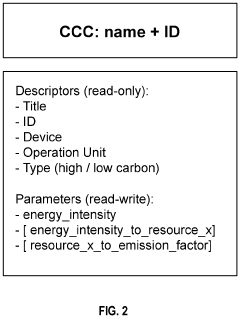
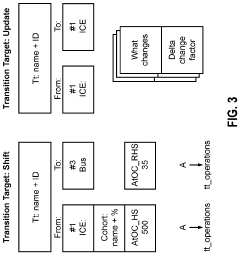
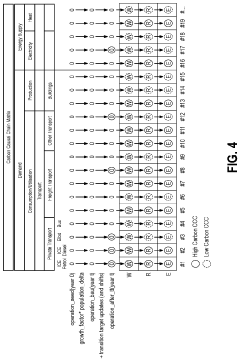
- A system utilizing a carbon causal chain model that represents the flow from policy actions to human activities to emissions, allowing for data structures to model and visualize transitions, and a computational framework to prioritize and select climate plans based on ambition and success probability data structures.

Policy Framework for Carbon Capture Climate Integration
The integration of carbon capture technologies within broader climate policy frameworks requires a comprehensive regulatory architecture that aligns capture initiatives with national and international climate commitments. Current policy landscapes demonstrate fragmented approaches where carbon capture deployment often operates in isolation from holistic climate strategies, creating inefficiencies and missed synergies with renewable energy transitions, energy efficiency programs, and nature-based solutions.
Effective policy frameworks must establish clear hierarchical priorities that position carbon capture as a complementary rather than competing technology within the climate mitigation portfolio. This involves creating regulatory mechanisms that incentivize capture deployment primarily in hard-to-abate sectors while preventing its use as justification for delayed decarbonization in sectors where direct emission reductions are feasible and cost-effective.
Carbon pricing mechanisms represent a critical policy instrument for ensuring proper integration, requiring sophisticated design that accounts for the temporal dynamics of capture technologies versus immediate emission reductions. Policies must address the challenge of carbon leakage and ensure that capture investments do not undermine investments in renewable energy infrastructure or energy efficiency measures that deliver more immediate climate benefits.
International coordination frameworks become essential given the global nature of climate goals and the potential for carbon capture technologies to create competitive distortions between jurisdictions with different regulatory approaches. Policy frameworks must establish standards for measurement, reporting, and verification that ensure captured carbon contributes meaningfully to global emission reduction targets rather than merely shifting accounting responsibilities.
The regulatory architecture must also address the lifecycle integration challenges, ensuring that policies governing capture deployment consider upstream emissions from energy requirements, downstream utilization or storage permanence, and the broader systemic effects on energy markets and industrial competitiveness. This requires sophisticated policy design that balances short-term deployment incentives with long-term climate integrity and economic efficiency objectives.
Effective policy frameworks must establish clear hierarchical priorities that position carbon capture as a complementary rather than competing technology within the climate mitigation portfolio. This involves creating regulatory mechanisms that incentivize capture deployment primarily in hard-to-abate sectors while preventing its use as justification for delayed decarbonization in sectors where direct emission reductions are feasible and cost-effective.
Carbon pricing mechanisms represent a critical policy instrument for ensuring proper integration, requiring sophisticated design that accounts for the temporal dynamics of capture technologies versus immediate emission reductions. Policies must address the challenge of carbon leakage and ensure that capture investments do not undermine investments in renewable energy infrastructure or energy efficiency measures that deliver more immediate climate benefits.
International coordination frameworks become essential given the global nature of climate goals and the potential for carbon capture technologies to create competitive distortions between jurisdictions with different regulatory approaches. Policy frameworks must establish standards for measurement, reporting, and verification that ensure captured carbon contributes meaningfully to global emission reduction targets rather than merely shifting accounting responsibilities.
The regulatory architecture must also address the lifecycle integration challenges, ensuring that policies governing capture deployment consider upstream emissions from energy requirements, downstream utilization or storage permanence, and the broader systemic effects on energy markets and industrial competitiveness. This requires sophisticated policy design that balances short-term deployment incentives with long-term climate integrity and economic efficiency objectives.
Economic Models for Sustainable Capture Implementation
The economic viability of carbon capture technologies represents a critical determinant in achieving sustainable climate objectives. Current economic models demonstrate that successful capture implementation requires a multifaceted approach combining carbon pricing mechanisms, government incentives, and private sector investment strategies. The levelized cost of carbon capture varies significantly across different technologies, ranging from $50-150 per ton of CO2 for industrial applications to $200-600 per ton for direct air capture systems.
Financial modeling frameworks increasingly incorporate risk assessment methodologies that account for regulatory uncertainties, technological learning curves, and market volatility. These models utilize net present value calculations adjusted for carbon credit revenues, tax incentives, and potential penalty costs associated with emission targets. The integration of real options theory allows for flexible investment strategies that can adapt to evolving policy landscapes and technological breakthroughs.
Public-private partnership models have emerged as particularly effective mechanisms for scaling capture technologies. These frameworks leverage government funding for research and development while enabling private sector efficiency in deployment and operations. Blended finance approaches combine concessional funding with commercial investment, reducing overall project risks and improving return profiles for private investors.
Economic sustainability requires consideration of full lifecycle costs, including infrastructure development, operational expenses, and end-of-life decommissioning. Advanced economic models incorporate learning curve effects, where costs decrease as cumulative production increases, typically following a 15-25% cost reduction for every doubling of installed capacity. This phenomenon is particularly relevant for emerging technologies like direct air capture and carbon utilization systems.
Revenue diversification strategies enhance economic resilience by creating multiple value streams beyond carbon credits. These include the production of valuable chemicals, enhanced oil recovery applications, and integration with renewable energy systems for grid balancing services. Such approaches reduce dependence on volatile carbon markets while creating additional economic incentives for deployment.
The temporal dimension of economic models must align with climate urgency requirements. Accelerated depreciation schedules, green bonds, and climate-focused investment funds provide mechanisms for bridging the gap between long-term climate benefits and short-term financial returns, ensuring that economic incentives support rapid deployment timelines necessary for meeting global climate targets.
Financial modeling frameworks increasingly incorporate risk assessment methodologies that account for regulatory uncertainties, technological learning curves, and market volatility. These models utilize net present value calculations adjusted for carbon credit revenues, tax incentives, and potential penalty costs associated with emission targets. The integration of real options theory allows for flexible investment strategies that can adapt to evolving policy landscapes and technological breakthroughs.
Public-private partnership models have emerged as particularly effective mechanisms for scaling capture technologies. These frameworks leverage government funding for research and development while enabling private sector efficiency in deployment and operations. Blended finance approaches combine concessional funding with commercial investment, reducing overall project risks and improving return profiles for private investors.
Economic sustainability requires consideration of full lifecycle costs, including infrastructure development, operational expenses, and end-of-life decommissioning. Advanced economic models incorporate learning curve effects, where costs decrease as cumulative production increases, typically following a 15-25% cost reduction for every doubling of installed capacity. This phenomenon is particularly relevant for emerging technologies like direct air capture and carbon utilization systems.
Revenue diversification strategies enhance economic resilience by creating multiple value streams beyond carbon credits. These include the production of valuable chemicals, enhanced oil recovery applications, and integration with renewable energy systems for grid balancing services. Such approaches reduce dependence on volatile carbon markets while creating additional economic incentives for deployment.
The temporal dimension of economic models must align with climate urgency requirements. Accelerated depreciation schedules, green bonds, and climate-focused investment funds provide mechanisms for bridging the gap between long-term climate benefits and short-term financial returns, ensuring that economic incentives support rapid deployment timelines necessary for meeting global climate targets.
Unlock deeper insights with PatSnap Eureka Quick Research — get a full tech report to explore trends and direct your research. Try now!
Generate Your Research Report Instantly with AI Agent
Supercharge your innovation with PatSnap Eureka AI Agent Platform!