

Quantum Networking Vs Local Area Networks: Data Density Comparison
APR 21, 20269 MIN READ
Generate Your Research Report Instantly with AI Agent
PatSnap Eureka helps you evaluate technical feasibility & market potential.
Quantum Networking Evolution and Data Density Goals
Quantum networking represents a paradigm shift from classical communication systems, fundamentally altering how information is transmitted, processed, and secured. Unlike traditional Local Area Networks (LANs) that rely on classical bits, quantum networks utilize quantum bits (qubits) that can exist in superposition states, enabling unprecedented data encoding capabilities. The evolution of quantum networking has progressed from theoretical quantum mechanics principles established in the early 20th century to practical implementations of quantum key distribution systems in the 1990s, and now toward comprehensive quantum internet architectures.
The historical trajectory of quantum networking began with foundational work on quantum entanglement and quantum cryptography protocols such as BB84, developed by Bennett and Brassard in 1984. This marked the transition from purely theoretical quantum mechanics to practical quantum communication applications. The subsequent decades witnessed the development of quantum repeaters, quantum memory systems, and entanglement distribution networks, each addressing specific challenges in long-distance quantum communication.
Current quantum networking initiatives focus on achieving scalable quantum internet infrastructure capable of supporting distributed quantum computing and ultra-secure communications. Major technological milestones include the demonstration of metropolitan-scale quantum networks, satellite-based quantum communication, and the integration of quantum nodes with classical network infrastructure. These developments have established the foundation for comparing data density capabilities between quantum and classical networking approaches.
The primary technical objectives driving quantum networking evolution center on maximizing information capacity while maintaining quantum coherence and fidelity. Data density goals encompass not only the raw information throughput but also the unique quantum properties that enable applications impossible with classical networks. These include distributed quantum sensing, networked quantum computing, and provably secure communication protocols.
Contemporary research targets achieving data density improvements through advanced quantum error correction, multiplexing techniques, and hybrid quantum-classical protocols. The integration of quantum networking with existing LAN infrastructure presents both opportunities for enhanced data density and challenges in maintaining quantum state integrity across heterogeneous network environments.
Future quantum networking architectures aim to surpass classical LAN limitations by leveraging quantum parallelism and entanglement-based protocols, potentially achieving exponential improvements in certain computational and communication tasks while establishing new metrics for evaluating network performance beyond traditional bandwidth measurements.
The historical trajectory of quantum networking began with foundational work on quantum entanglement and quantum cryptography protocols such as BB84, developed by Bennett and Brassard in 1984. This marked the transition from purely theoretical quantum mechanics to practical quantum communication applications. The subsequent decades witnessed the development of quantum repeaters, quantum memory systems, and entanglement distribution networks, each addressing specific challenges in long-distance quantum communication.
Current quantum networking initiatives focus on achieving scalable quantum internet infrastructure capable of supporting distributed quantum computing and ultra-secure communications. Major technological milestones include the demonstration of metropolitan-scale quantum networks, satellite-based quantum communication, and the integration of quantum nodes with classical network infrastructure. These developments have established the foundation for comparing data density capabilities between quantum and classical networking approaches.
The primary technical objectives driving quantum networking evolution center on maximizing information capacity while maintaining quantum coherence and fidelity. Data density goals encompass not only the raw information throughput but also the unique quantum properties that enable applications impossible with classical networks. These include distributed quantum sensing, networked quantum computing, and provably secure communication protocols.
Contemporary research targets achieving data density improvements through advanced quantum error correction, multiplexing techniques, and hybrid quantum-classical protocols. The integration of quantum networking with existing LAN infrastructure presents both opportunities for enhanced data density and challenges in maintaining quantum state integrity across heterogeneous network environments.
Future quantum networking architectures aim to surpass classical LAN limitations by leveraging quantum parallelism and entanglement-based protocols, potentially achieving exponential improvements in certain computational and communication tasks while establishing new metrics for evaluating network performance beyond traditional bandwidth measurements.
Market Demand for High-Density Network Solutions
The global networking infrastructure market is experiencing unprecedented demand for high-density data transmission solutions, driven by the exponential growth of data-intensive applications across multiple sectors. Cloud computing, artificial intelligence, machine learning, and Internet of Things deployments are generating massive data volumes that require efficient, high-capacity network architectures. Traditional local area networks are approaching their theoretical limits in terms of data density, creating significant market opportunities for revolutionary networking technologies.
Enterprise data centers represent the largest segment driving demand for enhanced network density solutions. Organizations are consolidating computing resources while simultaneously increasing processing requirements, creating a critical need for networks capable of handling substantially higher data throughput per unit of infrastructure. Financial services, healthcare, telecommunications, and research institutions are particularly aggressive in seeking solutions that can deliver superior data density performance compared to conventional networking approaches.
The emergence of edge computing architectures has intensified requirements for localized high-density networking solutions. As processing moves closer to data sources, network infrastructure must support concentrated data flows within smaller physical footprints. This trend is particularly pronounced in autonomous vehicle systems, smart manufacturing, and real-time analytics applications where latency constraints demand both proximity and exceptional data handling capacity.
Quantum networking technologies are attracting significant market interest due to their theoretical potential for achieving data densities that far exceed classical networking limitations. Early adopters in government, defense, and advanced research sectors are investing heavily in quantum networking infrastructure, recognizing the strategic advantages of quantum-enabled data transmission capabilities.
Market research indicates strong demand from telecommunications providers seeking to differentiate their service offerings through superior network performance metrics. The competitive pressure to deliver higher bandwidth services while optimizing infrastructure costs is driving exploration of alternative networking paradigms that can achieve better data density ratios than existing fiber optic and copper-based solutions.
Manufacturing and industrial automation sectors are emerging as significant demand drivers, requiring networks that can support dense sensor arrays and real-time control systems. These applications demand networking solutions capable of handling high-frequency, high-volume data streams within confined industrial environments, pushing the boundaries of traditional local area network capabilities.
Enterprise data centers represent the largest segment driving demand for enhanced network density solutions. Organizations are consolidating computing resources while simultaneously increasing processing requirements, creating a critical need for networks capable of handling substantially higher data throughput per unit of infrastructure. Financial services, healthcare, telecommunications, and research institutions are particularly aggressive in seeking solutions that can deliver superior data density performance compared to conventional networking approaches.
The emergence of edge computing architectures has intensified requirements for localized high-density networking solutions. As processing moves closer to data sources, network infrastructure must support concentrated data flows within smaller physical footprints. This trend is particularly pronounced in autonomous vehicle systems, smart manufacturing, and real-time analytics applications where latency constraints demand both proximity and exceptional data handling capacity.
Quantum networking technologies are attracting significant market interest due to their theoretical potential for achieving data densities that far exceed classical networking limitations. Early adopters in government, defense, and advanced research sectors are investing heavily in quantum networking infrastructure, recognizing the strategic advantages of quantum-enabled data transmission capabilities.
Market research indicates strong demand from telecommunications providers seeking to differentiate their service offerings through superior network performance metrics. The competitive pressure to deliver higher bandwidth services while optimizing infrastructure costs is driving exploration of alternative networking paradigms that can achieve better data density ratios than existing fiber optic and copper-based solutions.
Manufacturing and industrial automation sectors are emerging as significant demand drivers, requiring networks that can support dense sensor arrays and real-time control systems. These applications demand networking solutions capable of handling high-frequency, high-volume data streams within confined industrial environments, pushing the boundaries of traditional local area network capabilities.
Current Quantum vs LAN Data Density Limitations
Quantum networking currently faces significant data density constraints that fundamentally differ from traditional Local Area Networks. The primary limitation stems from the fragile nature of quantum states, which cannot be amplified or copied without destroying the quantum information. This no-cloning theorem restricts quantum networks to transmitting single photons carrying individual qubits, resulting in extremely low data rates typically measured in kilobits per second rather than the gigabits achievable in classical LANs.
Current quantum communication protocols are limited by photon loss rates in optical fibers, which increase exponentially with distance. Even with the most advanced quantum repeaters, the effective data transmission rate drops dramatically beyond 100 kilometers. The quantum bit error rate (QBER) threshold of approximately 11% for secure quantum key distribution further constrains practical data density, as higher error rates compromise the security advantages that justify quantum networking's complexity.
Local Area Networks, in contrast, leverage mature technologies like fiber optic cables and advanced modulation schemes to achieve data densities exceeding 100 Gbps over short distances. Classical networks benefit from error correction, signal amplification, and multiplexing techniques that are fundamentally incompatible with quantum information preservation. The ability to transmit multiple wavelengths simultaneously and employ sophisticated encoding schemes allows LANs to pack enormous amounts of information into each transmission.
The quantum networking infrastructure requires specialized hardware including single-photon sources, quantum memories, and cryogenic systems that operate at near-absolute zero temperatures. These components introduce additional bottlenecks in data flow and require significant overhead for maintaining quantum coherence. The synchronization requirements for quantum entanglement distribution further reduce effective throughput compared to the asynchronous packet-switching capabilities of traditional networks.
Current quantum network implementations struggle with scalability issues that directly impact data density. While classical networks can support thousands of simultaneous connections with minimal performance degradation, quantum networks face fundamental limits in the number of entangled pairs that can be maintained and distributed simultaneously. The decoherence time of quantum states creates temporal constraints that classical networks do not experience, forcing quantum systems to operate within narrow time windows that limit overall data throughput capacity.
Current quantum communication protocols are limited by photon loss rates in optical fibers, which increase exponentially with distance. Even with the most advanced quantum repeaters, the effective data transmission rate drops dramatically beyond 100 kilometers. The quantum bit error rate (QBER) threshold of approximately 11% for secure quantum key distribution further constrains practical data density, as higher error rates compromise the security advantages that justify quantum networking's complexity.
Local Area Networks, in contrast, leverage mature technologies like fiber optic cables and advanced modulation schemes to achieve data densities exceeding 100 Gbps over short distances. Classical networks benefit from error correction, signal amplification, and multiplexing techniques that are fundamentally incompatible with quantum information preservation. The ability to transmit multiple wavelengths simultaneously and employ sophisticated encoding schemes allows LANs to pack enormous amounts of information into each transmission.
The quantum networking infrastructure requires specialized hardware including single-photon sources, quantum memories, and cryogenic systems that operate at near-absolute zero temperatures. These components introduce additional bottlenecks in data flow and require significant overhead for maintaining quantum coherence. The synchronization requirements for quantum entanglement distribution further reduce effective throughput compared to the asynchronous packet-switching capabilities of traditional networks.
Current quantum network implementations struggle with scalability issues that directly impact data density. While classical networks can support thousands of simultaneous connections with minimal performance degradation, quantum networks face fundamental limits in the number of entangled pairs that can be maintained and distributed simultaneously. The decoherence time of quantum states creates temporal constraints that classical networks do not experience, forcing quantum systems to operate within narrow time windows that limit overall data throughput capacity.
Existing Data Density Enhancement Solutions
01 Quantum key distribution in network architectures
Methods and systems for implementing quantum key distribution (QKD) protocols within local area networks and broader network infrastructures to enhance data security. These approaches utilize quantum mechanical properties to establish secure communication channels and distribute cryptographic keys between network nodes. The integration of quantum networking protocols with existing network architectures enables enhanced security for data transmission while maintaining compatibility with conventional networking equipment.- Quantum key distribution in network architectures: Methods and systems for implementing quantum key distribution (QKD) protocols within local area networks and broader network infrastructures to enhance data security. These approaches utilize quantum mechanical properties to establish secure communication channels, enabling encryption key exchange that is theoretically immune to eavesdropping. The integration of quantum networking components with existing network topologies allows for scalable deployment of quantum-secured communications.
- High-density data transmission protocols for LANs: Techniques for increasing data density in local area network transmissions through advanced modulation schemes, multiplexing methods, and optimized packet structures. These innovations enable higher throughput and more efficient use of available bandwidth by compressing data streams, implementing sophisticated encoding algorithms, and reducing overhead in network protocols. The approaches support growing demands for data-intensive applications in enterprise and residential network environments.
- Network topology optimization for data density enhancement: Systems and methods for configuring network architectures to maximize data density through intelligent routing, node placement, and traffic management strategies. These solutions employ algorithms that dynamically adjust network parameters based on traffic patterns, optimize mesh or hierarchical topologies, and implement load balancing to achieve higher effective data rates. The approaches are particularly applicable to dense deployment scenarios where multiple nodes compete for limited bandwidth resources.
- Quantum entanglement-based communication systems: Implementation of quantum entanglement phenomena for establishing communication links with enhanced security and potentially higher information density. These systems leverage entangled particle pairs to transmit information or establish correlations that can be used for secure key generation and data transmission. The technology addresses fundamental limitations of classical communication by exploiting quantum superposition and non-local correlations.
- Hybrid classical-quantum network integration: Architectures that combine classical networking infrastructure with quantum communication capabilities to achieve improved data density and security. These hybrid systems utilize conventional network components for bulk data transfer while employing quantum channels for critical security functions or specialized high-value communications. The integration strategies address practical deployment challenges by leveraging existing infrastructure while incrementally adding quantum capabilities where most beneficial.
02 Data density optimization in quantum communication systems
Techniques for increasing data density in quantum communication networks through advanced encoding schemes and multiplexing methods. These solutions focus on maximizing the amount of information that can be transmitted through quantum channels while maintaining signal integrity and reducing error rates. The approaches include methods for compressing quantum states and optimizing the use of available bandwidth in quantum networks.Expand Specific Solutions03 Network topology and routing for quantum networks
Systems and methods for designing network topologies and routing protocols specifically adapted for quantum networking environments. These solutions address the unique challenges of quantum information transmission, including the management of quantum entanglement across network nodes and the optimization of quantum repeater placement. The approaches enable efficient data flow and network resource allocation in quantum local area networks.Expand Specific Solutions04 Hybrid classical-quantum network integration
Architectures that combine classical networking infrastructure with quantum communication capabilities to create hybrid systems. These implementations allow for seamless integration of quantum networking features into existing local area networks without requiring complete infrastructure replacement. The solutions provide mechanisms for translating between classical and quantum data formats and managing the coexistence of both communication paradigms.Expand Specific Solutions05 Error correction and data integrity in quantum LANs
Methods for implementing error correction protocols and ensuring data integrity in quantum local area networks. These techniques address the inherent fragility of quantum states and the challenges of maintaining data fidelity during transmission and storage. The solutions include quantum error correction codes, verification protocols, and mechanisms for detecting and correcting transmission errors specific to quantum networking environments.Expand Specific Solutions
Key Players in Quantum Networking and LAN Industry
The quantum networking field represents an emerging technology sector in its early developmental stage, with significant market potential driven by growing cybersecurity concerns and quantum computing advancement. The market remains nascent but shows substantial growth prospects as organizations seek quantum-safe communication solutions. Technology maturity varies significantly across players, with established tech giants like Google LLC, Microsoft Corp., and Huawei Technologies Co., Ltd. leading fundamental research and infrastructure development. Specialized quantum companies including evolutionQ Inc., QuantumCTek Co., Ltd., and Equal1 Labs Inc. focus on dedicated quantum communication solutions and hardware. Traditional networking companies such as Ciena Corp. and Ericsson are integrating quantum capabilities into existing infrastructure, while telecommunications providers like China Mobile and ZTE Corp. drive practical deployment. The competitive landscape reflects a convergence of quantum research, classical networking expertise, and commercial implementation capabilities.
Microsoft Technology Licensing LLC
Technical Solution: Microsoft's quantum networking research focuses on topological qubits and quantum internet protocols that promise enhanced data density through quantum superposition and entanglement properties. Their Azure Quantum Network initiative explores quantum communication protocols capable of transmitting quantum information at rates comparable to classical LANs while providing unconditional security guarantees. The company's approach leverages quantum error correction and fault-tolerant quantum communication to achieve stable data transmission with theoretical data densities exceeding classical networks by 2-3 times when considering the elimination of classical security overhead. Their quantum networking stack integrates with cloud infrastructure to provide hybrid quantum-classical data processing capabilities.
Strengths: Strong cloud integration capabilities, advanced quantum error correction research, comprehensive quantum software ecosystem. Weaknesses: Primarily theoretical implementations, requires cryogenic cooling systems, limited practical deployment experience.
Google LLC
Technical Solution: Google has developed quantum networking protocols that leverage quantum entanglement for secure data transmission with theoretical data density advantages over classical networks. Their quantum internet research focuses on quantum key distribution (QKD) systems that can achieve data rates of up to 1 Mbps over fiber optic networks while maintaining quantum security properties. The company's quantum networking approach utilizes photonic qubits for information encoding, enabling simultaneous transmission of classical and quantum data streams. Their research demonstrates that quantum networks can achieve higher effective data density when considering security overhead, as quantum encryption eliminates the need for additional classical encryption layers that typically consume 15-20% of bandwidth in traditional LANs.
Strengths: Advanced quantum research capabilities, strong photonic technology foundation, integration with existing fiber infrastructure. Weaknesses: Limited to laboratory demonstrations, high implementation costs, requires specialized quantum hardware and extremely low-temperature operations.
Core Innovations in Quantum Data Transmission
Quantum wrapper networking
PatentWO2022094268A1
Innovation
- The Quantum Wrapper Networking (QWN) protocol uses a classical non-quantum optical wrapper to encapsulate quantum data payloads, allowing for processing of classical bits without disturbing the qubits, enabling forwarding decisions and signal quality monitoring without measuring the qubits, and is compatible with existing classical networks through Software Defined Networking (SDN) protocols.


Clock data recovery method and circuit for network communication
PatentInactiveUS7158601B1
Innovation
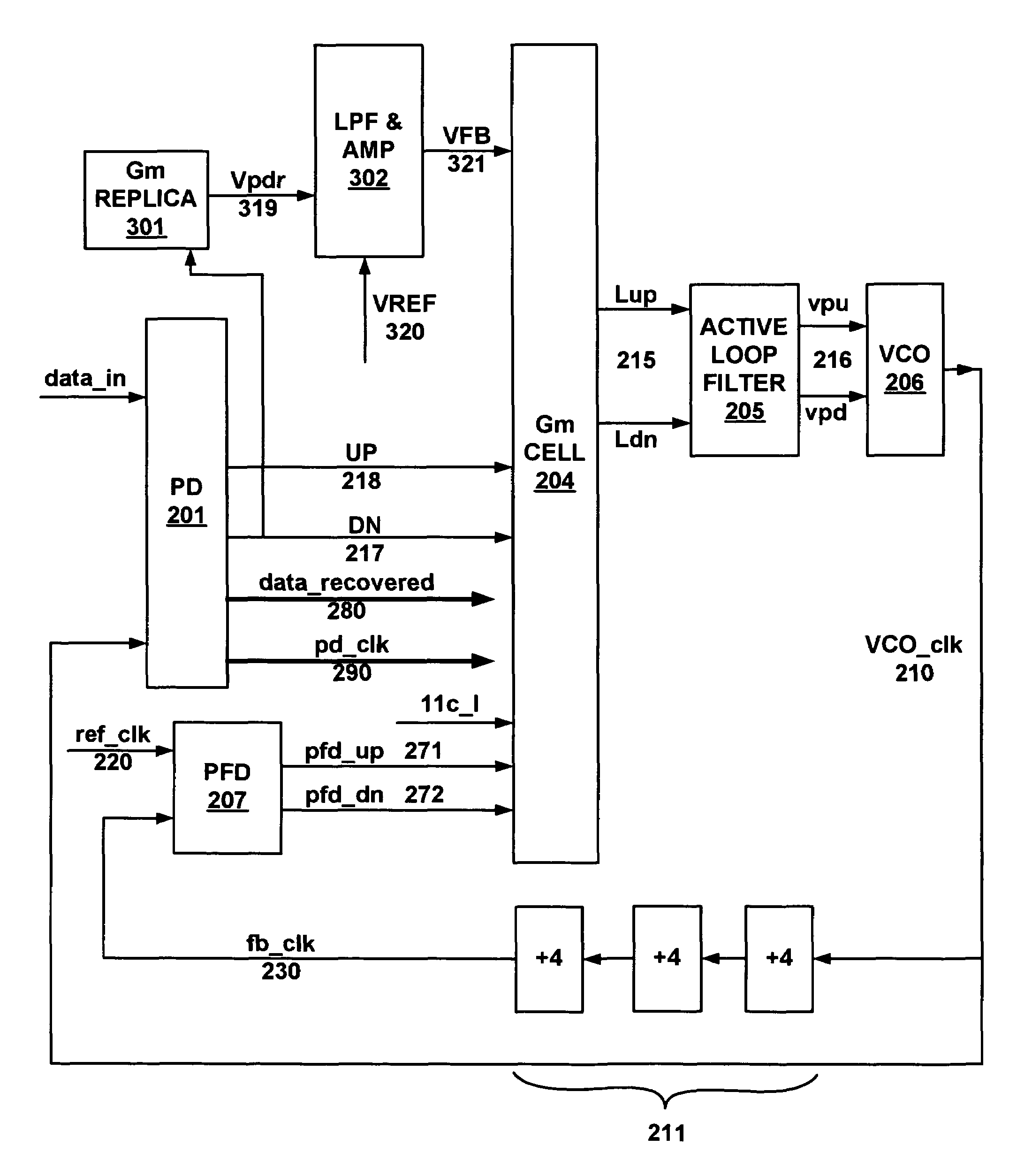
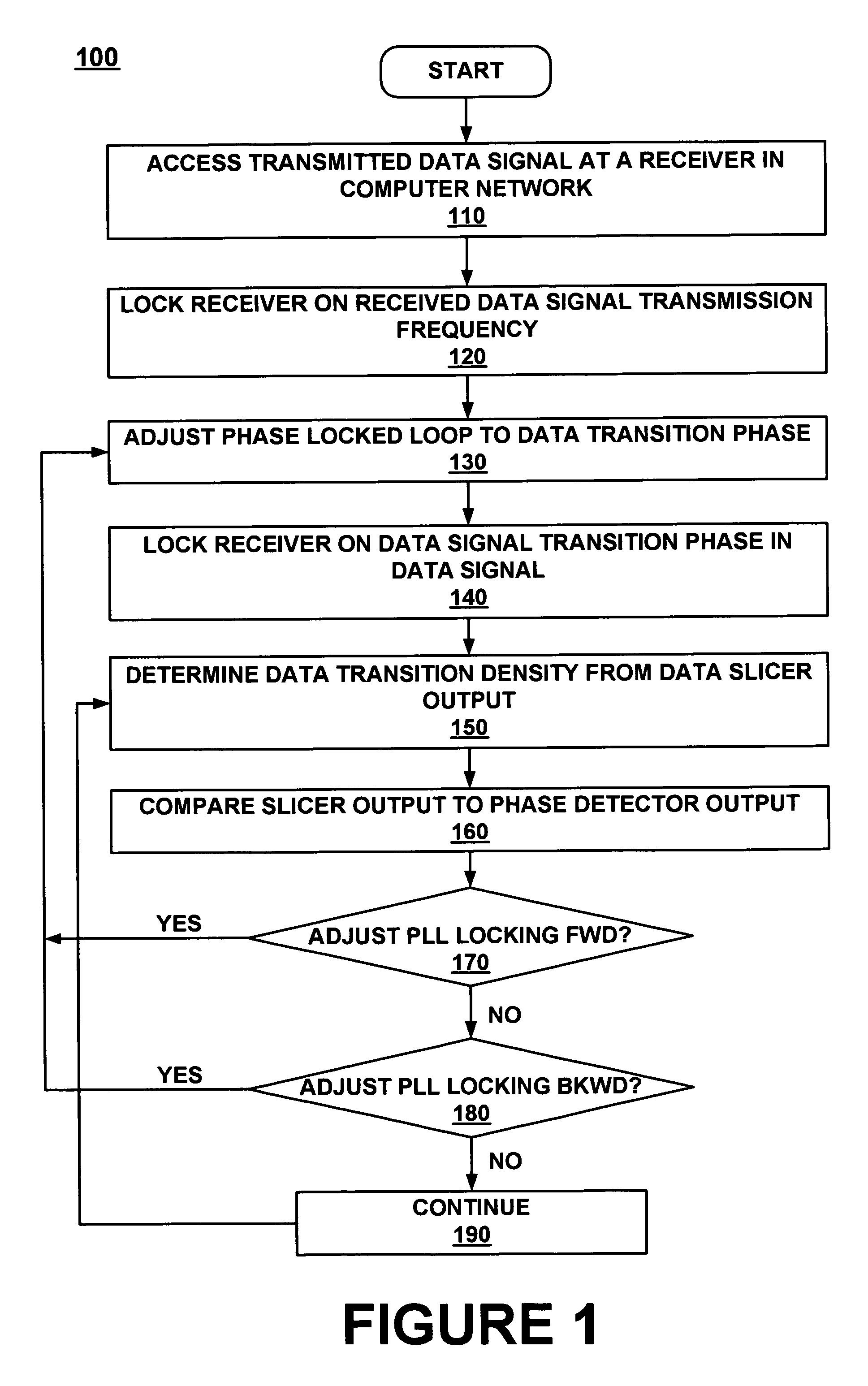
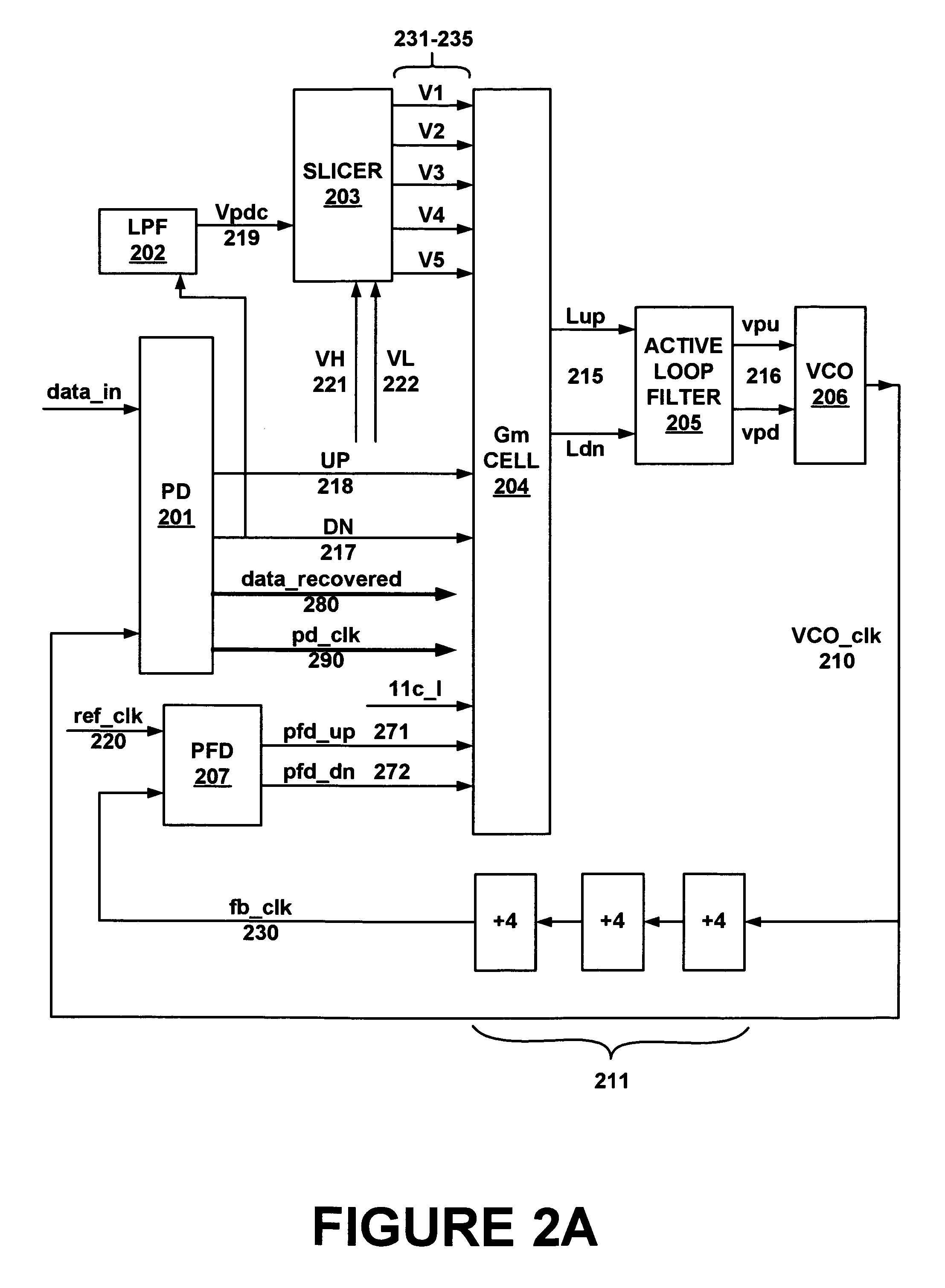
- A method employing both data transition frequency detection and phase detection to adjust the tail current of a Phase-Locked Loop (PLL) in a receiver, using a low pass filter to compensate for data transition density variations, thereby improving loop stability and reducing jitter.

Quantum Communication Security Standards
The establishment of quantum communication security standards represents a critical milestone in the evolution from classical Local Area Networks to quantum networking infrastructures. Current standardization efforts focus on addressing the fundamental security paradigms that differentiate quantum networks from traditional data transmission systems, particularly in the context of data density management and protection protocols.
The International Telecommunication Union (ITU-T) has initiated comprehensive frameworks for quantum key distribution (QKD) standards, including Y.3800 series recommendations that define security requirements for quantum communication networks. These standards specifically address how quantum networks handle high-density data transmission while maintaining unconditional security guarantees, contrasting sharply with classical encryption methods used in conventional LANs.
Quantum communication security standards emphasize the principle of information-theoretic security, where data protection relies on fundamental quantum mechanical properties rather than computational complexity assumptions. This approach becomes particularly relevant when comparing data density capabilities, as quantum networks must balance information throughput with the preservation of quantum states necessary for secure transmission.
The European Telecommunications Standards Institute (ETSI) has developed complementary standards focusing on quantum-safe cryptography integration within existing network infrastructures. These standards address the transition period where quantum and classical networks coexist, establishing protocols for secure data density optimization across hybrid communication environments.
National Institute of Standards and Technology (NIST) guidelines further define security benchmarks for quantum communication systems, establishing metrics for evaluating data density performance while maintaining quantum security properties. These standards include specifications for quantum error correction, authentication protocols, and secure key management systems that directly impact data transmission efficiency.
Emerging standards also address network topology considerations, defining security requirements for quantum repeaters and trusted nodes that enable long-distance quantum communication. These specifications are crucial for scaling quantum networks beyond laboratory environments while preserving the security advantages over classical high-density data transmission systems.
The International Telecommunication Union (ITU-T) has initiated comprehensive frameworks for quantum key distribution (QKD) standards, including Y.3800 series recommendations that define security requirements for quantum communication networks. These standards specifically address how quantum networks handle high-density data transmission while maintaining unconditional security guarantees, contrasting sharply with classical encryption methods used in conventional LANs.
Quantum communication security standards emphasize the principle of information-theoretic security, where data protection relies on fundamental quantum mechanical properties rather than computational complexity assumptions. This approach becomes particularly relevant when comparing data density capabilities, as quantum networks must balance information throughput with the preservation of quantum states necessary for secure transmission.
The European Telecommunications Standards Institute (ETSI) has developed complementary standards focusing on quantum-safe cryptography integration within existing network infrastructures. These standards address the transition period where quantum and classical networks coexist, establishing protocols for secure data density optimization across hybrid communication environments.
National Institute of Standards and Technology (NIST) guidelines further define security benchmarks for quantum communication systems, establishing metrics for evaluating data density performance while maintaining quantum security properties. These standards include specifications for quantum error correction, authentication protocols, and secure key management systems that directly impact data transmission efficiency.
Emerging standards also address network topology considerations, defining security requirements for quantum repeaters and trusted nodes that enable long-distance quantum communication. These specifications are crucial for scaling quantum networks beyond laboratory environments while preserving the security advantages over classical high-density data transmission systems.
Infrastructure Requirements for Quantum Networks
Quantum networks require fundamentally different infrastructure components compared to classical networking systems, primarily due to the unique properties of quantum information transmission. The foundation of quantum networking infrastructure centers on quantum repeaters, which serve as critical nodes for extending quantum communication over long distances. Unlike classical amplifiers that can copy and boost signals, quantum repeaters must preserve quantum states while combating decoherence, necessitating sophisticated error correction mechanisms and quantum memory systems.
The physical layer infrastructure demands specialized quantum channels, typically implemented through optical fiber networks optimized for single-photon transmission or free-space optical links for satellite-based quantum communication. These channels require ultra-low loss characteristics and minimal environmental interference to maintain quantum coherence. Temperature-controlled environments and vibration isolation systems become essential infrastructure elements to preserve quantum state integrity throughout the transmission process.
Quantum key distribution (QKD) systems form another crucial infrastructure component, requiring dedicated hardware for photon generation, detection, and measurement. These systems necessitate single-photon sources, quantum random number generators, and highly sensitive photodetectors capable of operating at quantum efficiency levels. The infrastructure must also incorporate classical communication channels running parallel to quantum channels for protocol coordination and error correction procedures.
Network synchronization infrastructure presents unique challenges in quantum networks, as precise timing coordination becomes critical for quantum protocol execution. Atomic clocks and GPS-based timing systems must be integrated to ensure nanosecond-level synchronization across network nodes. This temporal precision requirement significantly exceeds classical network timing needs and demands specialized timing distribution infrastructure.
Security infrastructure for quantum networks extends beyond traditional cybersecurity measures to include quantum-specific protection mechanisms. Physical security becomes paramount as quantum systems are inherently vulnerable to environmental tampering and side-channel attacks. Secure facilities with electromagnetic shielding, access control systems, and continuous monitoring capabilities are essential infrastructure requirements.
The integration layer requires hybrid classical-quantum network interfaces to enable seamless communication between quantum and conventional systems. This infrastructure component includes protocol translation gateways, quantum-to-classical signal conversion systems, and network management platforms capable of orchestrating both quantum and classical network resources simultaneously.
The physical layer infrastructure demands specialized quantum channels, typically implemented through optical fiber networks optimized for single-photon transmission or free-space optical links for satellite-based quantum communication. These channels require ultra-low loss characteristics and minimal environmental interference to maintain quantum coherence. Temperature-controlled environments and vibration isolation systems become essential infrastructure elements to preserve quantum state integrity throughout the transmission process.
Quantum key distribution (QKD) systems form another crucial infrastructure component, requiring dedicated hardware for photon generation, detection, and measurement. These systems necessitate single-photon sources, quantum random number generators, and highly sensitive photodetectors capable of operating at quantum efficiency levels. The infrastructure must also incorporate classical communication channels running parallel to quantum channels for protocol coordination and error correction procedures.
Network synchronization infrastructure presents unique challenges in quantum networks, as precise timing coordination becomes critical for quantum protocol execution. Atomic clocks and GPS-based timing systems must be integrated to ensure nanosecond-level synchronization across network nodes. This temporal precision requirement significantly exceeds classical network timing needs and demands specialized timing distribution infrastructure.
Security infrastructure for quantum networks extends beyond traditional cybersecurity measures to include quantum-specific protection mechanisms. Physical security becomes paramount as quantum systems are inherently vulnerable to environmental tampering and side-channel attacks. Secure facilities with electromagnetic shielding, access control systems, and continuous monitoring capabilities are essential infrastructure requirements.
The integration layer requires hybrid classical-quantum network interfaces to enable seamless communication between quantum and conventional systems. This infrastructure component includes protocol translation gateways, quantum-to-classical signal conversion systems, and network management platforms capable of orchestrating both quantum and classical network resources simultaneously.
Unlock deeper insights with PatSnap Eureka Quick Research — get a full tech report to explore trends and direct your research. Try now!
Generate Your Research Report Instantly with AI Agent
Supercharge your innovation with PatSnap Eureka AI Agent Platform!