Reciprocating Compressor Fuel Efficiency Optimization
MAR 20, 20269 MIN READ
Generate Your Research Report Instantly with AI Agent
PatSnap Eureka helps you evaluate technical feasibility & market potential.
Reciprocating Compressor Efficiency Background and Objectives
Reciprocating compressors have served as fundamental components in industrial applications for over a century, evolving from simple steam-driven mechanisms to sophisticated electronically controlled systems. These positive displacement machines operate through the cyclic motion of pistons within cylinders, compressing gases through intake, compression, and discharge phases. The technology has witnessed significant advancement since the early 1900s, transitioning from basic mechanical designs to modern computer-controlled systems with variable speed drives and advanced materials.
The historical development trajectory reveals three distinct evolutionary phases. The mechanical era spanning 1900-1960 focused on fundamental design improvements and reliability enhancements. The automation period from 1960-1990 introduced electronic controls and monitoring systems. The current digital transformation phase, beginning in the 1990s, emphasizes intelligent optimization, predictive maintenance, and energy efficiency through advanced algorithms and IoT integration.
Contemporary market demands increasingly prioritize energy efficiency optimization due to rising operational costs and environmental regulations. Industrial facilities face mounting pressure to reduce carbon footprints while maintaining production capacity. Energy costs typically represent 60-80% of total compressor lifecycle expenses, making efficiency improvements directly translate to substantial economic benefits. Regulatory frameworks worldwide mandate stricter emissions standards, compelling operators to seek advanced efficiency solutions.
The primary technical objective centers on maximizing volumetric and thermodynamic efficiency while minimizing energy consumption per unit of compressed gas output. This encompasses optimizing valve timing, reducing friction losses, improving heat management, and enhancing capacity control mechanisms. Secondary objectives include extending equipment lifespan, reducing maintenance requirements, and achieving stable performance across varying operating conditions.
Modern efficiency optimization targets encompass multiple performance parameters simultaneously. These include achieving volumetric efficiencies exceeding 85%, reducing specific power consumption by 15-25% compared to conventional designs, and maintaining consistent performance across 20-100% capacity ranges. Advanced control systems aim to optimize real-time operations based on demand patterns, ambient conditions, and gas composition variations.
The technological evolution continues toward intelligent, self-optimizing systems capable of autonomous performance adjustment. Integration with artificial intelligence and machine learning algorithms represents the frontier of efficiency optimization, enabling predictive performance tuning and proactive maintenance scheduling. These developments position reciprocating compressor efficiency optimization as a critical technology domain for sustainable industrial operations.
The historical development trajectory reveals three distinct evolutionary phases. The mechanical era spanning 1900-1960 focused on fundamental design improvements and reliability enhancements. The automation period from 1960-1990 introduced electronic controls and monitoring systems. The current digital transformation phase, beginning in the 1990s, emphasizes intelligent optimization, predictive maintenance, and energy efficiency through advanced algorithms and IoT integration.
Contemporary market demands increasingly prioritize energy efficiency optimization due to rising operational costs and environmental regulations. Industrial facilities face mounting pressure to reduce carbon footprints while maintaining production capacity. Energy costs typically represent 60-80% of total compressor lifecycle expenses, making efficiency improvements directly translate to substantial economic benefits. Regulatory frameworks worldwide mandate stricter emissions standards, compelling operators to seek advanced efficiency solutions.
The primary technical objective centers on maximizing volumetric and thermodynamic efficiency while minimizing energy consumption per unit of compressed gas output. This encompasses optimizing valve timing, reducing friction losses, improving heat management, and enhancing capacity control mechanisms. Secondary objectives include extending equipment lifespan, reducing maintenance requirements, and achieving stable performance across varying operating conditions.
Modern efficiency optimization targets encompass multiple performance parameters simultaneously. These include achieving volumetric efficiencies exceeding 85%, reducing specific power consumption by 15-25% compared to conventional designs, and maintaining consistent performance across 20-100% capacity ranges. Advanced control systems aim to optimize real-time operations based on demand patterns, ambient conditions, and gas composition variations.
The technological evolution continues toward intelligent, self-optimizing systems capable of autonomous performance adjustment. Integration with artificial intelligence and machine learning algorithms represents the frontier of efficiency optimization, enabling predictive performance tuning and proactive maintenance scheduling. These developments position reciprocating compressor efficiency optimization as a critical technology domain for sustainable industrial operations.
Market Demand for Energy-Efficient Compressor Solutions
The global industrial compressor market is experiencing unprecedented demand for energy-efficient solutions, driven by escalating energy costs and stringent environmental regulations. Manufacturing industries, which account for the largest share of compressor usage, are increasingly prioritizing fuel efficiency optimization to reduce operational expenses and meet sustainability targets. This shift represents a fundamental change in procurement criteria, where energy performance often outweighs initial capital costs in purchasing decisions.
Reciprocating compressors serve critical roles across diverse industrial sectors including oil and gas, petrochemicals, manufacturing, and power generation. The oil and gas industry demonstrates particularly strong demand for fuel-efficient reciprocating compressors in upstream operations, where remote locations and continuous operation make energy efficiency paramount. Similarly, chemical processing facilities require reliable, efficient compression solutions to maintain competitive production costs while adhering to environmental compliance standards.
Market dynamics reveal growing pressure from regulatory frameworks worldwide, with carbon emission reduction mandates driving industrial facilities to upgrade aging compressor infrastructure. The European Union's Green Deal and similar initiatives in North America and Asia-Pacific regions are accelerating adoption timelines for energy-efficient technologies. This regulatory environment creates sustained market pull for advanced reciprocating compressor solutions that deliver measurable fuel consumption improvements.
Economic factors further amplify market demand, as volatile energy prices make operational efficiency a strategic priority. Industries operating in energy-intensive processes view compressor fuel efficiency optimization as a direct path to cost reduction and improved profit margins. The total cost of ownership perspective has become standard practice, with end-users calculating long-term energy savings against equipment investment costs.
Emerging market segments in renewable energy integration and industrial digitalization present additional growth opportunities. As facilities implement smart manufacturing concepts, demand increases for compressors with advanced monitoring capabilities that enable real-time efficiency optimization. This convergence of traditional compression needs with modern digital requirements expands the addressable market for innovative fuel efficiency solutions.
The competitive landscape reflects this market demand through increased research and development investments focused on efficiency improvements. Technology providers are responding with advanced valve designs, improved control systems, and integrated monitoring solutions that address the market's emphasis on fuel consumption reduction and operational optimization.
Reciprocating compressors serve critical roles across diverse industrial sectors including oil and gas, petrochemicals, manufacturing, and power generation. The oil and gas industry demonstrates particularly strong demand for fuel-efficient reciprocating compressors in upstream operations, where remote locations and continuous operation make energy efficiency paramount. Similarly, chemical processing facilities require reliable, efficient compression solutions to maintain competitive production costs while adhering to environmental compliance standards.
Market dynamics reveal growing pressure from regulatory frameworks worldwide, with carbon emission reduction mandates driving industrial facilities to upgrade aging compressor infrastructure. The European Union's Green Deal and similar initiatives in North America and Asia-Pacific regions are accelerating adoption timelines for energy-efficient technologies. This regulatory environment creates sustained market pull for advanced reciprocating compressor solutions that deliver measurable fuel consumption improvements.
Economic factors further amplify market demand, as volatile energy prices make operational efficiency a strategic priority. Industries operating in energy-intensive processes view compressor fuel efficiency optimization as a direct path to cost reduction and improved profit margins. The total cost of ownership perspective has become standard practice, with end-users calculating long-term energy savings against equipment investment costs.
Emerging market segments in renewable energy integration and industrial digitalization present additional growth opportunities. As facilities implement smart manufacturing concepts, demand increases for compressors with advanced monitoring capabilities that enable real-time efficiency optimization. This convergence of traditional compression needs with modern digital requirements expands the addressable market for innovative fuel efficiency solutions.
The competitive landscape reflects this market demand through increased research and development investments focused on efficiency improvements. Technology providers are responding with advanced valve designs, improved control systems, and integrated monitoring solutions that address the market's emphasis on fuel consumption reduction and operational optimization.
Current Efficiency Challenges in Reciprocating Compressors
Reciprocating compressors face significant thermodynamic inefficiencies that limit their overall fuel efficiency performance. The fundamental challenge lies in the inherent heat generation during compression cycles, where substantial energy is lost through cylinder wall heat transfer and inter-stage cooling requirements. These thermal losses typically account for 15-25% of total energy consumption, representing a major obstacle to achieving optimal fuel efficiency ratios.
Mechanical friction represents another critical efficiency barrier in reciprocating compressor systems. The complex interaction between pistons, rings, cylinders, and valve mechanisms generates substantial frictional losses that directly impact fuel consumption. Worn sealing components and inadequate lubrication systems exacerbate these losses, while traditional maintenance approaches often fail to address the root causes of mechanical inefficiency.
Valve dynamics present particularly complex challenges for fuel efficiency optimization. Conventional reed and plate valve designs suffer from delayed opening and closing responses, creating pressure losses and reducing volumetric efficiency. The timing mismatch between optimal thermodynamic cycles and actual valve operation results in increased compression work requirements and elevated fuel consumption rates.
Capacity control mechanisms in existing reciprocating compressors often operate inefficiently across varying load conditions. Traditional unloading systems, including clearance pocket controls and suction valve unloaders, frequently create partial load inefficiencies that significantly impact fuel consumption. The inability to maintain optimal compression ratios during variable demand scenarios represents a fundamental design limitation.
Parasitic power losses from auxiliary systems constitute an often-overlooked efficiency challenge. Cooling water pumps, lubrication systems, and control mechanisms can consume 8-12% of total system power, directly affecting overall fuel efficiency metrics. These auxiliary loads remain relatively constant regardless of compressor output, creating disproportionate efficiency impacts during reduced capacity operations.
Combustion engine integration issues further compound fuel efficiency challenges in engine-driven reciprocating compressors. Mismatched power curves between prime movers and compressor load requirements result in suboptimal engine operating points, reducing overall system efficiency. Traditional mechanical coupling systems lack the flexibility to optimize both engine and compressor performance simultaneously across varying operational conditions.
Mechanical friction represents another critical efficiency barrier in reciprocating compressor systems. The complex interaction between pistons, rings, cylinders, and valve mechanisms generates substantial frictional losses that directly impact fuel consumption. Worn sealing components and inadequate lubrication systems exacerbate these losses, while traditional maintenance approaches often fail to address the root causes of mechanical inefficiency.
Valve dynamics present particularly complex challenges for fuel efficiency optimization. Conventional reed and plate valve designs suffer from delayed opening and closing responses, creating pressure losses and reducing volumetric efficiency. The timing mismatch between optimal thermodynamic cycles and actual valve operation results in increased compression work requirements and elevated fuel consumption rates.
Capacity control mechanisms in existing reciprocating compressors often operate inefficiently across varying load conditions. Traditional unloading systems, including clearance pocket controls and suction valve unloaders, frequently create partial load inefficiencies that significantly impact fuel consumption. The inability to maintain optimal compression ratios during variable demand scenarios represents a fundamental design limitation.
Parasitic power losses from auxiliary systems constitute an often-overlooked efficiency challenge. Cooling water pumps, lubrication systems, and control mechanisms can consume 8-12% of total system power, directly affecting overall fuel efficiency metrics. These auxiliary loads remain relatively constant regardless of compressor output, creating disproportionate efficiency impacts during reduced capacity operations.
Combustion engine integration issues further compound fuel efficiency challenges in engine-driven reciprocating compressors. Mismatched power curves between prime movers and compressor load requirements result in suboptimal engine operating points, reducing overall system efficiency. Traditional mechanical coupling systems lack the flexibility to optimize both engine and compressor performance simultaneously across varying operational conditions.
Existing Fuel Efficiency Optimization Solutions
01 Variable speed drive systems for reciprocating compressors
Implementation of variable speed drive technology allows reciprocating compressors to adjust their operating speed according to demand, reducing energy consumption during partial load conditions. This approach optimizes fuel efficiency by matching compressor output to actual system requirements, eliminating unnecessary energy waste from constant-speed operation. Advanced control algorithms monitor system parameters and automatically adjust motor speed to maintain optimal efficiency across varying load conditions.- Variable speed drive systems for reciprocating compressors: Implementation of variable speed drive technology allows reciprocating compressors to adjust their operating speed according to demand, reducing energy consumption during partial load conditions. This approach optimizes fuel efficiency by matching compressor output to actual system requirements, eliminating unnecessary energy waste from constant speed operation. Advanced control algorithms enable smooth speed transitions while maintaining system stability and performance.
- Advanced valve design and timing optimization: Optimized valve configurations and timing mechanisms improve the volumetric efficiency of reciprocating compressors by reducing pressure losses and minimizing reexpansion losses. Enhanced valve designs with reduced mass and improved aerodynamics decrease energy consumption during compression cycles. Precise control of valve opening and closing timing ensures maximum efficiency across various operating conditions.
- Cylinder unloading and capacity control mechanisms: Selective cylinder deactivation systems enable reciprocating compressors to operate at reduced capacity during low demand periods, significantly improving fuel efficiency. These mechanisms allow individual cylinders to be bypassed or unloaded, reducing power consumption while maintaining operational flexibility. Multi-step or continuous capacity control provides optimal matching between compressor output and system requirements.
- Heat recovery and thermal management systems: Integration of heat recovery systems captures waste heat from compression processes, improving overall system efficiency and reducing fuel consumption. Advanced cooling systems and thermal management strategies minimize energy losses while maintaining optimal operating temperatures. Recovered thermal energy can be utilized for preheating, space heating, or other process applications, enhancing total energy utilization.
- Lubrication system optimization and friction reduction: Advanced lubrication systems with optimized oil delivery and distribution reduce mechanical friction in reciprocating compressor components, lowering power requirements. Improved lubricant formulations and application methods minimize energy losses from friction while extending component life. Precision lubrication control systems ensure adequate protection while avoiding excess oil consumption that can reduce efficiency.
02 Valve design optimization for reduced energy losses
Enhanced valve configurations and materials minimize pressure drops and flow restrictions during compression cycles, directly improving fuel efficiency. Optimized valve timing and geometry reduce parasitic losses associated with gas flow through inlet and discharge valves. Advanced valve designs incorporate lightweight materials and aerodynamic profiles to decrease resistance and improve volumetric efficiency, resulting in lower energy consumption per unit of compressed gas delivered.Expand Specific Solutions03 Cylinder unloading and capacity control mechanisms
Selective cylinder deactivation systems enable reciprocating compressors to operate at reduced capacity during low-demand periods while maintaining efficiency. These mechanisms allow individual cylinders to be bypassed or unloaded, preventing unnecessary compression work and reducing fuel consumption. Sophisticated control systems determine optimal cylinder combinations based on real-time demand, ensuring the compressor operates at peak efficiency across its entire operating range.Expand Specific Solutions04 Heat recovery and thermal management systems
Integration of heat recovery systems captures waste heat from compression processes and repurposes it for useful applications, improving overall system efficiency. Effective thermal management reduces cooling requirements and associated parasitic energy losses. Advanced cooling jacket designs and intercooler configurations optimize heat transfer while minimizing pressure drops, contributing to improved fuel efficiency by maintaining optimal operating temperatures and reducing the work required for compression.Expand Specific Solutions05 Advanced lubrication systems and friction reduction
Optimized lubrication delivery systems ensure proper lubricant distribution while minimizing excess oil consumption and associated energy losses. Low-friction materials and coatings applied to pistons, rings, and cylinder walls reduce mechanical losses during reciprocating motion. Precision-engineered clearances and surface finishes minimize friction without compromising sealing effectiveness, directly translating to reduced fuel consumption and improved mechanical efficiency throughout the compression cycle.Expand Specific Solutions
Major Players in Compressor Manufacturing Industry
The reciprocating compressor fuel efficiency optimization market represents a mature yet evolving technological landscape driven by stringent environmental regulations and energy cost pressures. The industry is experiencing steady growth with increasing demand across HVAC, refrigeration, and industrial applications. Market leaders like General Electric, Siemens Energy, and Robert Bosch demonstrate high technological maturity through advanced control systems and variable speed technologies. Automotive suppliers including Mercedes-Benz, Honda, and Samsung Electronics are driving innovation in mobile applications, while specialized manufacturers like Copeland LP, Sanden Corp., and Gree Electric focus on stationary systems. Asian companies such as LG Electronics and Kobe Steel are emerging as significant players, leveraging manufacturing capabilities and R&D investments. The technology maturity varies across segments, with established players offering proven solutions while newer entrants like Meta Motoren and Obrist Technologies explore breakthrough approaches including hybrid systems and advanced materials, indicating continued innovation potential in this established market.
Copeland LP
Technical Solution: Copeland develops advanced variable speed scroll compressor technology with integrated inverter drives that optimize fuel efficiency through precise capacity modulation. Their Digital Scroll technology enables stepless capacity control from 10-100%, reducing energy consumption by up to 25% compared to traditional fixed-speed compressors. The company implements advanced refrigerant injection cooling systems and optimized compression cycles with enhanced heat exchanger designs. Their compressors feature intelligent control algorithms that adjust operating parameters in real-time based on load conditions, ambient temperature, and system requirements to maximize coefficient of performance (COP).
Strengths: Industry-leading scroll compressor technology, proven energy savings up to 25%, comprehensive product portfolio. Weaknesses: Higher initial cost, complex control systems requiring specialized maintenance.
Robert Bosch GmbH
Technical Solution: Bosch develops fuel-efficient reciprocating compressor systems primarily for automotive applications, featuring advanced electronic control units and variable displacement mechanisms. Their technology includes optimized valve designs with reduced pressure losses, lightweight aluminum construction, and integrated thermal management systems. Bosch implements sophisticated control algorithms that adjust compressor displacement based on cooling demand, reducing parasitic losses by up to 30% in automotive air conditioning systems. The company's compressors feature advanced lubrication systems with synthetic oils and precision-engineered clearances to minimize friction losses and improve volumetric efficiency.
Strengths: Automotive industry expertise, advanced electronic controls, proven fuel efficiency improvements. Weaknesses: Primarily focused on automotive applications, limited industrial compressor portfolio.
Core Patents in Compressor Efficiency Enhancement
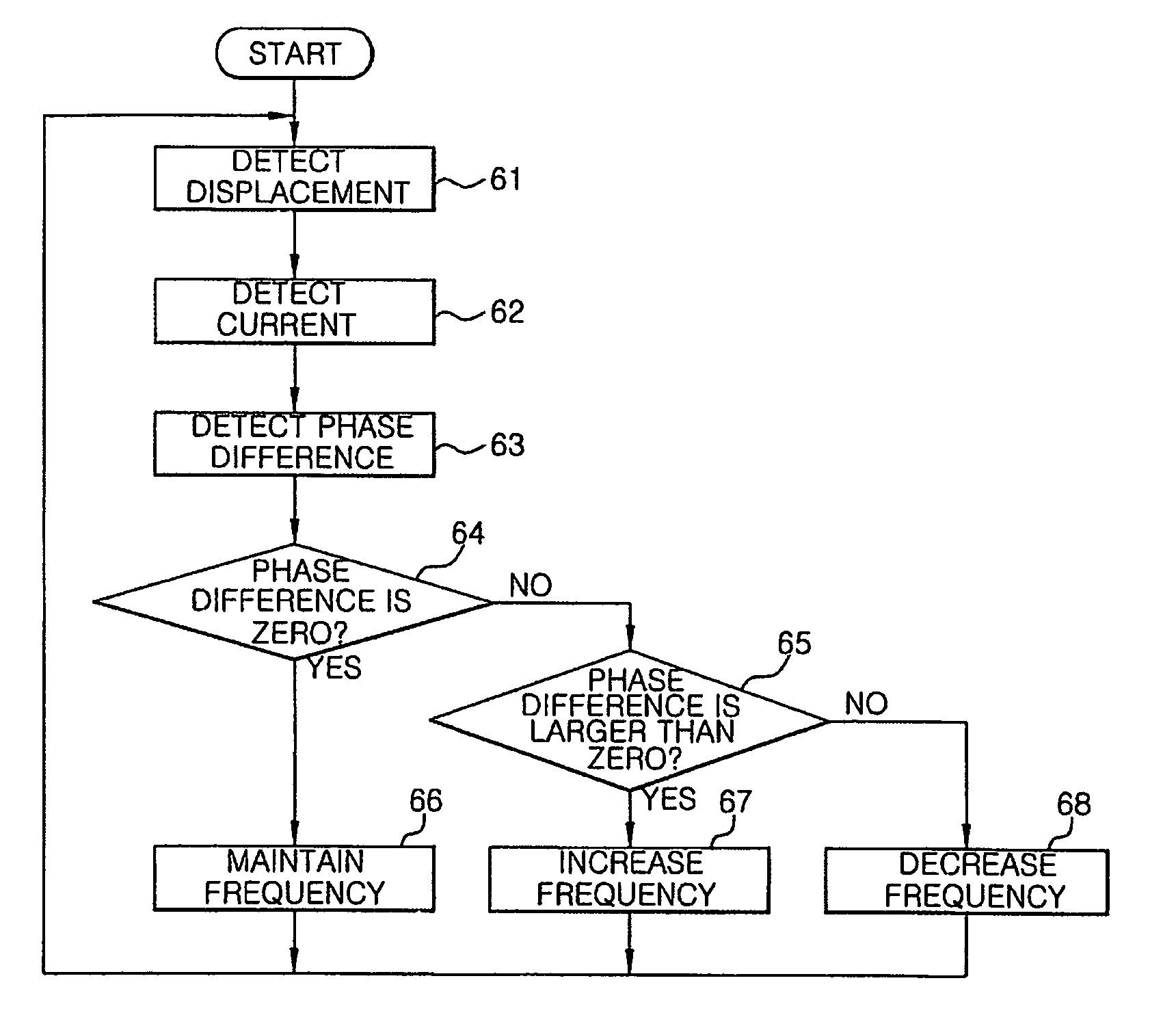
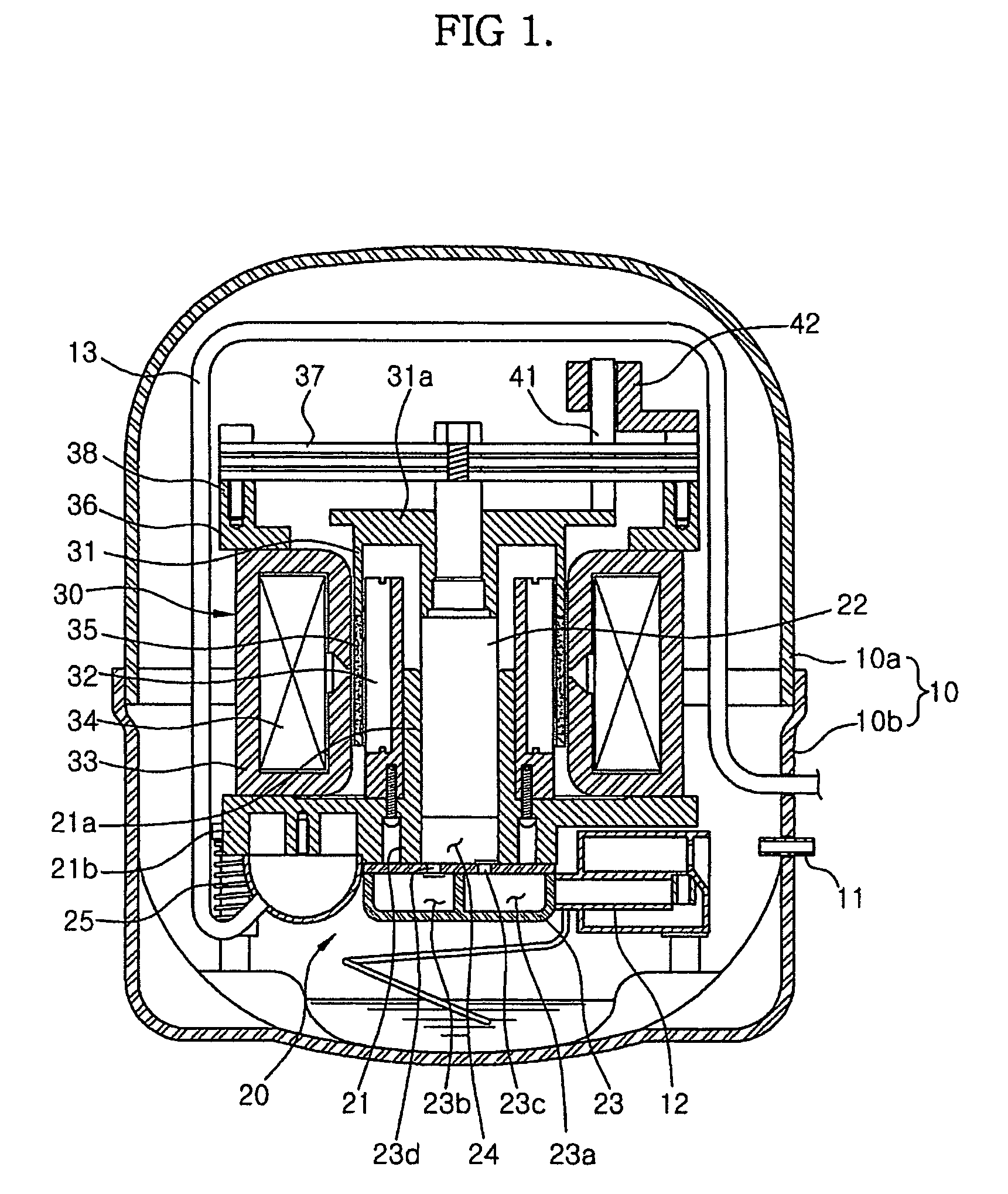
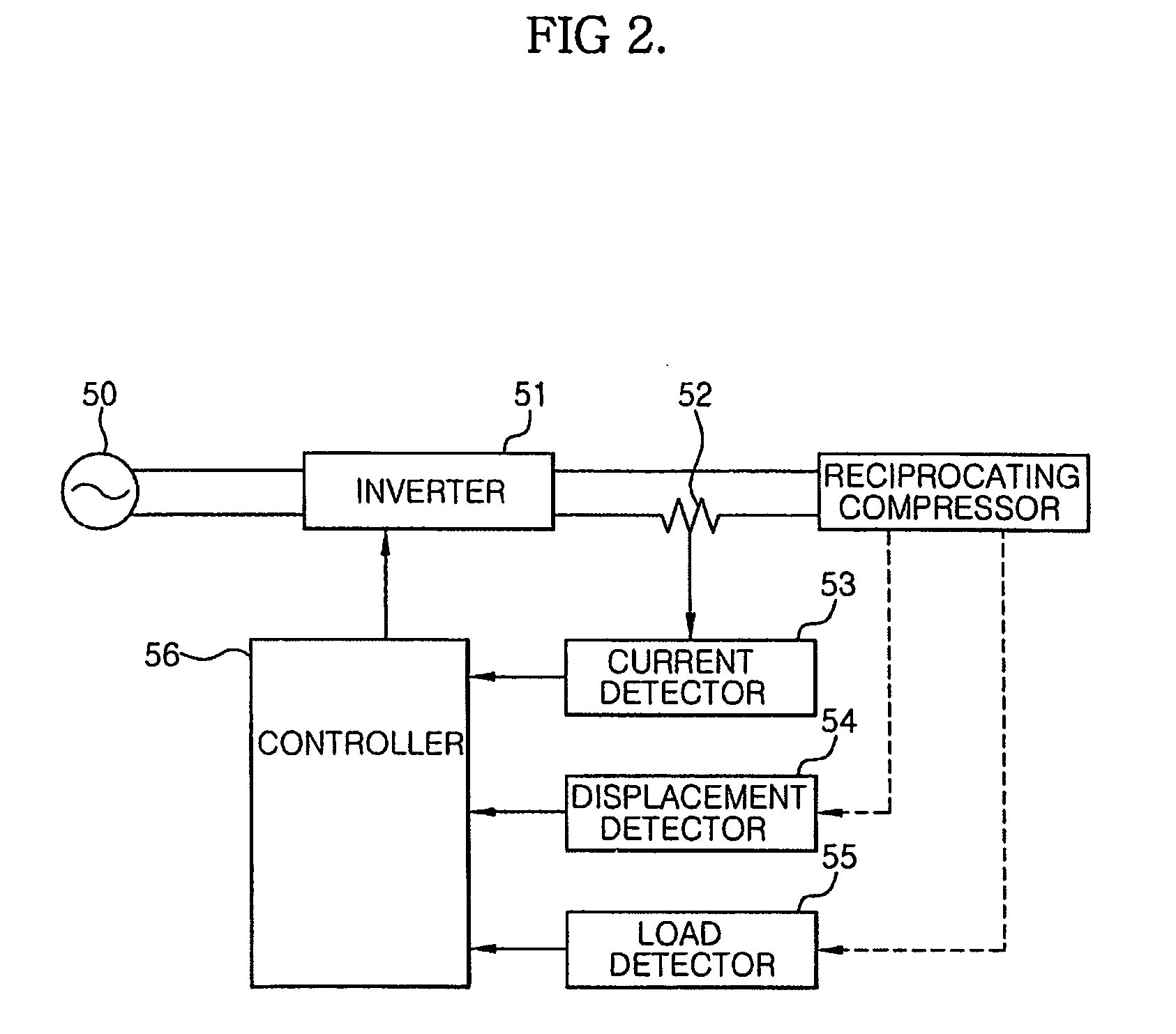
Reciprocating compressor, driving unit and control method for the same
PatentInactiveUS20050271526A1
Innovation
- A driving unit and control method that adjusts input power frequency to match a resonant frequency less than typical power frequency, using an inverter and controller to maintain operational frequency alignment with varying load conditions, thereby expanding operational range and reducing losses.

Method and device for modifying compression rate to optimize operating conditions of reciprocating piston engines
PatentWO2001040641A1
Innovation
- A method and device that modify the compression ratio by adjusting the angular setting of an eccentric between the connecting rod and the crankpin, using a rod articulated on a pivot, allowing for continuous optimization within tolerances compatible with existing engine technologies, and incorporating an electronic system for calculating optimal parameters to maximize energy efficiency and minimize emissions.


Environmental Regulations for Industrial Compressors
The regulatory landscape for industrial compressors has undergone significant transformation over the past two decades, driven by mounting concerns over greenhouse gas emissions and energy consumption. The Environmental Protection Agency (EPA) in the United States has established stringent standards under the Clean Air Act, specifically targeting volatile organic compound (VOC) emissions from reciprocating compressors used in natural gas operations. These regulations mandate leak detection and repair programs, requiring operators to monitor compressor seals, valves, and connections quarterly.
European Union directives have implemented even more comprehensive frameworks through the Industrial Emissions Directive (IED) and the F-Gas Regulation. The IED establishes Best Available Techniques (BAT) reference documents that specify energy efficiency benchmarks for industrial compressors, while the F-Gas Regulation restricts the use of high global warming potential refrigerants in compressor systems. These regulations have created a compliance burden that directly impacts fuel efficiency optimization strategies.
The regulatory trend toward carbon pricing mechanisms has introduced additional complexity for compressor operators. Cap-and-trade systems in California, Quebec, and the European Union assign monetary costs to carbon emissions, making fuel efficiency improvements economically imperative rather than merely environmentally beneficial. Recent amendments to these programs have lowered emission caps and reduced free allowance allocations, intensifying pressure on industrial facilities to optimize compressor performance.
Emerging regulations focus increasingly on real-time monitoring and reporting requirements. The proposed methane emission standards for oil and gas operations mandate continuous monitoring systems for compressor stations, requiring operators to demonstrate ongoing efficiency improvements. These requirements are driving adoption of advanced control systems and predictive maintenance technologies that support fuel efficiency optimization objectives.
International standards organizations have responded by developing harmonized efficiency metrics and testing protocols. ISO 1217 and ASME PTC-10 provide standardized methodologies for measuring compressor performance, enabling consistent regulatory compliance across different jurisdictions. These standards facilitate the implementation of performance-based regulations that reward efficiency improvements while maintaining operational flexibility for industrial operators.
European Union directives have implemented even more comprehensive frameworks through the Industrial Emissions Directive (IED) and the F-Gas Regulation. The IED establishes Best Available Techniques (BAT) reference documents that specify energy efficiency benchmarks for industrial compressors, while the F-Gas Regulation restricts the use of high global warming potential refrigerants in compressor systems. These regulations have created a compliance burden that directly impacts fuel efficiency optimization strategies.
The regulatory trend toward carbon pricing mechanisms has introduced additional complexity for compressor operators. Cap-and-trade systems in California, Quebec, and the European Union assign monetary costs to carbon emissions, making fuel efficiency improvements economically imperative rather than merely environmentally beneficial. Recent amendments to these programs have lowered emission caps and reduced free allowance allocations, intensifying pressure on industrial facilities to optimize compressor performance.
Emerging regulations focus increasingly on real-time monitoring and reporting requirements. The proposed methane emission standards for oil and gas operations mandate continuous monitoring systems for compressor stations, requiring operators to demonstrate ongoing efficiency improvements. These requirements are driving adoption of advanced control systems and predictive maintenance technologies that support fuel efficiency optimization objectives.
International standards organizations have responded by developing harmonized efficiency metrics and testing protocols. ISO 1217 and ASME PTC-10 provide standardized methodologies for measuring compressor performance, enabling consistent regulatory compliance across different jurisdictions. These standards facilitate the implementation of performance-based regulations that reward efficiency improvements while maintaining operational flexibility for industrial operators.
Cost-Benefit Analysis of Efficiency Improvement Technologies
The economic evaluation of reciprocating compressor efficiency improvement technologies requires a comprehensive assessment of initial capital investments against long-term operational savings. Variable frequency drives (VFDs) typically require an upfront investment of $15,000-50,000 per compressor unit, but can deliver energy savings of 15-30%, resulting in payback periods of 1.5-3 years depending on operational hours and energy costs. Advanced control systems, including predictive maintenance sensors and automated capacity control, involve initial costs of $25,000-75,000 but can reduce maintenance expenses by 20-40% while improving overall efficiency by 8-15%.
Heat recovery systems present significant investment opportunities with capital costs ranging from $50,000-200,000 for comprehensive installations. These systems can recover 60-80% of waste heat for process applications or facility heating, generating annual savings of $30,000-100,000 in typical industrial applications. The payback period typically ranges from 2-4 years, with additional benefits including reduced carbon footprint and improved regulatory compliance.
Cylinder unloading systems and clearance pocket controls offer moderate investment requirements of $10,000-30,000 per compressor, delivering capacity optimization benefits that reduce energy consumption by 10-25% during partial load operations. These technologies are particularly cost-effective in applications with variable demand patterns, achieving payback periods of 12-24 months.
The cumulative financial impact of implementing multiple efficiency technologies demonstrates synergistic benefits. A comprehensive efficiency upgrade program combining VFDs, advanced controls, and heat recovery can achieve total energy savings of 25-45%, with combined payback periods of 2.5-4 years. Additionally, efficiency improvements often qualify for utility rebates and tax incentives, reducing net investment costs by 10-25%. Long-term benefits include extended equipment life, reduced maintenance costs, and improved operational reliability, contributing to total cost of ownership reductions of 20-35% over a 10-year operational period.
Heat recovery systems present significant investment opportunities with capital costs ranging from $50,000-200,000 for comprehensive installations. These systems can recover 60-80% of waste heat for process applications or facility heating, generating annual savings of $30,000-100,000 in typical industrial applications. The payback period typically ranges from 2-4 years, with additional benefits including reduced carbon footprint and improved regulatory compliance.
Cylinder unloading systems and clearance pocket controls offer moderate investment requirements of $10,000-30,000 per compressor, delivering capacity optimization benefits that reduce energy consumption by 10-25% during partial load operations. These technologies are particularly cost-effective in applications with variable demand patterns, achieving payback periods of 12-24 months.
The cumulative financial impact of implementing multiple efficiency technologies demonstrates synergistic benefits. A comprehensive efficiency upgrade program combining VFDs, advanced controls, and heat recovery can achieve total energy savings of 25-45%, with combined payback periods of 2.5-4 years. Additionally, efficiency improvements often qualify for utility rebates and tax incentives, reducing net investment costs by 10-25%. Long-term benefits include extended equipment life, reduced maintenance costs, and improved operational reliability, contributing to total cost of ownership reductions of 20-35% over a 10-year operational period.
Unlock deeper insights with PatSnap Eureka Quick Research — get a full tech report to explore trends and direct your research. Try now!
Generate Your Research Report Instantly with AI Agent
Supercharge your innovation with PatSnap Eureka AI Agent Platform!