Regulatory Challenges in Carbon Capture Sorbent Development
OCT 21, 20259 MIN READ
Generate Your Research Report Instantly with AI Agent
Patsnap Eureka helps you evaluate technical feasibility & market potential.
Carbon Capture Sorbent Technology Background and Objectives
Carbon capture technology has evolved significantly over the past several decades, transitioning from theoretical concepts to practical applications in response to growing climate change concerns. The development of carbon capture sorbents represents a critical component in the broader carbon capture, utilization, and storage (CCUS) ecosystem. Initially focused on amine-based solutions in the 1970s, the field has expanded to include diverse materials such as metal-organic frameworks (MOFs), zeolites, activated carbons, and novel polymer-based sorbents.
The technological trajectory has been shaped by increasing global commitments to emissions reduction, particularly following the 2015 Paris Agreement. Early carbon capture implementations primarily targeted large point sources such as power plants and industrial facilities, but recent innovations are enabling more versatile applications across various emission scenarios, including direct air capture (DAC) technologies that can extract CO2 directly from ambient air.
Current sorbent development faces a complex regulatory landscape that varies significantly across jurisdictions. These regulations encompass environmental impact assessments, safety protocols, performance standards, and compliance with chemical substance registries such as REACH in Europe and TSCA in the United States. The regulatory framework continues to evolve as governments worldwide implement more stringent climate policies and carbon pricing mechanisms.
The primary technical objectives in carbon capture sorbent development include enhancing CO2 selectivity, increasing adsorption capacity, improving regeneration efficiency, and extending operational lifespan while minimizing energy penalties. Simultaneously, developers must navigate regulatory requirements that often demand extensive toxicological data, environmental fate information, and comprehensive risk assessments before new materials can be commercialized.
Recent technological breakthroughs have focused on reducing the energy intensity of the capture process, which historically has been a significant barrier to widespread adoption. Advanced materials science approaches, including computational modeling and high-throughput screening methodologies, are accelerating the discovery and optimization of next-generation sorbents with superior performance characteristics.
The ultimate goal of current research efforts is to develop economically viable carbon capture solutions that can be deployed at scale across multiple industries. This requires not only technical innovation in sorbent chemistry and engineering but also strategic alignment with evolving regulatory frameworks to ensure that promising materials can navigate approval processes efficiently and reach commercial implementation.
The technological trajectory has been shaped by increasing global commitments to emissions reduction, particularly following the 2015 Paris Agreement. Early carbon capture implementations primarily targeted large point sources such as power plants and industrial facilities, but recent innovations are enabling more versatile applications across various emission scenarios, including direct air capture (DAC) technologies that can extract CO2 directly from ambient air.
Current sorbent development faces a complex regulatory landscape that varies significantly across jurisdictions. These regulations encompass environmental impact assessments, safety protocols, performance standards, and compliance with chemical substance registries such as REACH in Europe and TSCA in the United States. The regulatory framework continues to evolve as governments worldwide implement more stringent climate policies and carbon pricing mechanisms.
The primary technical objectives in carbon capture sorbent development include enhancing CO2 selectivity, increasing adsorption capacity, improving regeneration efficiency, and extending operational lifespan while minimizing energy penalties. Simultaneously, developers must navigate regulatory requirements that often demand extensive toxicological data, environmental fate information, and comprehensive risk assessments before new materials can be commercialized.
Recent technological breakthroughs have focused on reducing the energy intensity of the capture process, which historically has been a significant barrier to widespread adoption. Advanced materials science approaches, including computational modeling and high-throughput screening methodologies, are accelerating the discovery and optimization of next-generation sorbents with superior performance characteristics.
The ultimate goal of current research efforts is to develop economically viable carbon capture solutions that can be deployed at scale across multiple industries. This requires not only technical innovation in sorbent chemistry and engineering but also strategic alignment with evolving regulatory frameworks to ensure that promising materials can navigate approval processes efficiently and reach commercial implementation.
Market Analysis for Carbon Capture Solutions
The global carbon capture market is experiencing significant growth, driven by increasing environmental regulations and corporate sustainability commitments. Current market valuations place the carbon capture, utilization, and storage (CCUS) sector at approximately $2.5 billion in 2023, with projections indicating expansion to reach $7.0 billion by 2030, representing a compound annual growth rate of 15.8%. This growth trajectory is supported by substantial government investments, with the United States allocating $12 billion for CCUS development through the Infrastructure Investment and Jobs Act.
Market segmentation reveals distinct categories within carbon capture solutions, including post-combustion capture, pre-combustion capture, and oxy-fuel combustion technologies. Among these, post-combustion capture currently dominates market share at 58%, primarily due to its retrofitting capabilities for existing infrastructure. Sorbent-based technologies represent approximately 35% of the post-combustion capture market, competing with membrane and cryogenic separation methods.
Regional analysis indicates North America leads the carbon capture market with 40% share, followed by Europe at 30% and Asia-Pacific at 22%. China and India are demonstrating the fastest growth rates, with annual increases exceeding 20% as these nations balance industrial expansion with emissions reduction commitments. The European market is characterized by stringent regulatory frameworks, particularly under the EU Emissions Trading System, which has established carbon prices consistently above €80 per tonne.
Industry-specific demand patterns show power generation and industrial manufacturing as primary adopters, collectively accounting for 65% of market applications. Cement production, steel manufacturing, and chemical processing represent the most promising growth segments, with adoption rates increasing by 25-30% annually as these hard-to-abate sectors face mounting pressure to decarbonize.
Customer segmentation reveals three primary buyer categories: large industrial emitters seeking compliance solutions, utility companies pursuing emissions reduction, and government entities implementing demonstration projects. Price sensitivity varies significantly across these segments, with compliance-driven customers demonstrating willingness to pay premium prices for proven technologies with regulatory acceptance.
Market barriers include high capital expenditure requirements, with typical industrial-scale carbon capture installations costing between $400-700 million, and operational expenses ranging from $40-120 per tonne of CO2 captured. Regulatory uncertainty regarding long-term carbon pricing mechanisms and storage liability continues to impede investment decisions, particularly in emerging markets without established carbon markets or pricing mechanisms.
Market segmentation reveals distinct categories within carbon capture solutions, including post-combustion capture, pre-combustion capture, and oxy-fuel combustion technologies. Among these, post-combustion capture currently dominates market share at 58%, primarily due to its retrofitting capabilities for existing infrastructure. Sorbent-based technologies represent approximately 35% of the post-combustion capture market, competing with membrane and cryogenic separation methods.
Regional analysis indicates North America leads the carbon capture market with 40% share, followed by Europe at 30% and Asia-Pacific at 22%. China and India are demonstrating the fastest growth rates, with annual increases exceeding 20% as these nations balance industrial expansion with emissions reduction commitments. The European market is characterized by stringent regulatory frameworks, particularly under the EU Emissions Trading System, which has established carbon prices consistently above €80 per tonne.
Industry-specific demand patterns show power generation and industrial manufacturing as primary adopters, collectively accounting for 65% of market applications. Cement production, steel manufacturing, and chemical processing represent the most promising growth segments, with adoption rates increasing by 25-30% annually as these hard-to-abate sectors face mounting pressure to decarbonize.
Customer segmentation reveals three primary buyer categories: large industrial emitters seeking compliance solutions, utility companies pursuing emissions reduction, and government entities implementing demonstration projects. Price sensitivity varies significantly across these segments, with compliance-driven customers demonstrating willingness to pay premium prices for proven technologies with regulatory acceptance.
Market barriers include high capital expenditure requirements, with typical industrial-scale carbon capture installations costing between $400-700 million, and operational expenses ranging from $40-120 per tonne of CO2 captured. Regulatory uncertainty regarding long-term carbon pricing mechanisms and storage liability continues to impede investment decisions, particularly in emerging markets without established carbon markets or pricing mechanisms.
Global Status and Technical Barriers in Sorbent Development
Carbon capture sorbent development faces a complex global regulatory landscape that varies significantly across regions. In the European Union, the Emissions Trading System (ETS) and the Carbon Border Adjustment Mechanism (CBAM) have created strong incentives for carbon capture technologies, establishing clear regulatory frameworks for implementation. The EU's "Fit for 55" package further strengthens these regulations, setting ambitious targets for carbon reduction that directly impact sorbent development requirements.
The United States has adopted a different approach, focusing on tax incentives through the 45Q tax credit system, which provides up to $85 per metric ton of CO2 captured and sequestered. The Inflation Reduction Act of 2022 has expanded these incentives, creating market pull for advanced sorbent technologies. However, the fragmented regulatory approach across different states creates compliance challenges for developers working across multiple jurisdictions.
In Asia, China has implemented regional carbon trading pilots and is moving toward a national emissions trading scheme, while Japan has established the J-Credit system. These emerging frameworks provide varying levels of support for carbon capture technologies but lack the comprehensive regulatory structure seen in more established markets.
A significant technical barrier in sorbent development is the lack of standardized testing protocols and performance metrics across jurisdictions. This creates challenges in comparing sorbent performance and establishing equivalency for regulatory compliance. The absence of harmonized standards forces developers to conduct multiple testing regimes to satisfy different regulatory requirements, increasing development costs and time-to-market.
Material certification presents another major hurdle, particularly for novel sorbents. Regulatory frameworks often lag behind technological innovation, creating uncertainty around approval pathways for new materials. This is especially problematic for biomass-derived sorbents and nanomaterial-based solutions, which may face additional scrutiny regarding environmental fate and toxicity profiles.
Permitting processes for pilot and demonstration facilities represent a critical bottleneck in the development pipeline. The regulatory uncertainty surrounding new carbon capture installations often results in extended timelines for environmental impact assessments and safety evaluations, delaying crucial real-world testing of promising sorbent technologies.
Cross-border regulatory differences create additional complexity for global deployment. Sorbent developers must navigate varying requirements for environmental impact assessments, waste classification of spent sorbents, and transportation regulations. These differences significantly impact the economic viability of sorbent technologies in different markets and complicate international technology transfer efforts.
The United States has adopted a different approach, focusing on tax incentives through the 45Q tax credit system, which provides up to $85 per metric ton of CO2 captured and sequestered. The Inflation Reduction Act of 2022 has expanded these incentives, creating market pull for advanced sorbent technologies. However, the fragmented regulatory approach across different states creates compliance challenges for developers working across multiple jurisdictions.
In Asia, China has implemented regional carbon trading pilots and is moving toward a national emissions trading scheme, while Japan has established the J-Credit system. These emerging frameworks provide varying levels of support for carbon capture technologies but lack the comprehensive regulatory structure seen in more established markets.
A significant technical barrier in sorbent development is the lack of standardized testing protocols and performance metrics across jurisdictions. This creates challenges in comparing sorbent performance and establishing equivalency for regulatory compliance. The absence of harmonized standards forces developers to conduct multiple testing regimes to satisfy different regulatory requirements, increasing development costs and time-to-market.
Material certification presents another major hurdle, particularly for novel sorbents. Regulatory frameworks often lag behind technological innovation, creating uncertainty around approval pathways for new materials. This is especially problematic for biomass-derived sorbents and nanomaterial-based solutions, which may face additional scrutiny regarding environmental fate and toxicity profiles.
Permitting processes for pilot and demonstration facilities represent a critical bottleneck in the development pipeline. The regulatory uncertainty surrounding new carbon capture installations often results in extended timelines for environmental impact assessments and safety evaluations, delaying crucial real-world testing of promising sorbent technologies.
Cross-border regulatory differences create additional complexity for global deployment. Sorbent developers must navigate varying requirements for environmental impact assessments, waste classification of spent sorbents, and transportation regulations. These differences significantly impact the economic viability of sorbent technologies in different markets and complicate international technology transfer efforts.
Current Sorbent Technologies and Implementation Strategies
01 Regulatory compliance for carbon capture sorbent materials
Carbon capture sorbent materials must meet various regulatory standards before deployment. These regulations focus on the safety, environmental impact, and performance of the materials. Compliance involves testing for toxicity, environmental persistence, and effectiveness under different conditions. Regulatory frameworks may vary by region, requiring manufacturers to adapt their formulations to meet local requirements.- Regulatory compliance for carbon capture sorbents: Carbon capture sorbents face various regulatory challenges related to compliance with environmental standards and safety regulations. These challenges include meeting emission control requirements, obtaining necessary permits, and adhering to specific guidelines for carbon capture technologies. Regulatory frameworks may vary across different jurisdictions, requiring manufacturers and operators to navigate complex compliance landscapes to ensure their carbon capture sorbents meet all legal requirements.
- Environmental impact assessment of sorbent materials: The environmental impact of carbon capture sorbents presents significant regulatory challenges. Authorities require comprehensive assessments of the lifecycle environmental footprint of these materials, including their production, use, and disposal. Regulatory bodies scrutinize potential ecological effects, toxicity profiles, and biodegradability of sorbents. Manufacturers must demonstrate that their materials do not create secondary environmental problems while solving carbon emissions issues, which often involves extensive testing and documentation to satisfy regulatory requirements.
- Standardization and certification processes: The lack of unified standards and certification processes for carbon capture sorbents creates regulatory challenges across the industry. Different regions and countries may have varying requirements for performance metrics, safety standards, and quality assurance. This inconsistency complicates the development and commercialization of sorbent technologies. Regulatory bodies are working to establish harmonized standards that can facilitate international deployment while ensuring effectiveness and safety of carbon capture solutions.
- Permitting and deployment barriers: Deploying carbon capture sorbent technologies faces significant regulatory hurdles related to permitting processes. These include obtaining construction permits, operational licenses, and meeting zoning requirements. The regulatory framework for carbon storage and transportation infrastructure adds another layer of complexity. Long approval timelines and uncertain regulatory pathways can delay project implementation and increase costs. Streamlining these processes while maintaining environmental safeguards remains a challenge for regulatory authorities and technology developers.
- Incentive mechanisms and compliance markets: Regulatory frameworks for carbon capture incentives present challenges for sorbent technology developers. These include navigating carbon pricing mechanisms, tax credits, subsidies, and compliance markets that vary by jurisdiction. The uncertainty and volatility in regulatory incentives can impact investment decisions and technology deployment. Developers must understand how their sorbent technologies qualify for various incentive programs and how regulatory changes might affect the economic viability of their solutions. Creating stable, long-term regulatory frameworks remains essential for widespread adoption of carbon capture sorbent technologies.
02 Environmental impact assessment requirements
Regulatory bodies require comprehensive environmental impact assessments for carbon capture sorbents. These assessments evaluate potential ecological effects, including impacts on air, water, and soil quality. The lifecycle analysis of sorbents, from production to disposal, must demonstrate minimal environmental footprint. Manufacturers must provide data on biodegradability, potential for bioaccumulation, and strategies for safe disposal or regeneration of spent sorbents.Expand Specific Solutions03 Performance verification and standardization challenges
A significant regulatory challenge involves establishing standardized methods for verifying carbon capture sorbent performance. This includes developing uniform testing protocols to measure capture efficiency, selectivity, and durability under various conditions. The lack of globally accepted standards creates barriers to market entry and complicates comparison between different sorbent technologies. Regulatory bodies are working to establish benchmarks that balance innovation with reliable performance metrics.Expand Specific Solutions04 Health and safety regulations for sorbent handling
Health and safety regulations govern the handling, storage, and use of carbon capture sorbents. These regulations address potential occupational hazards, including respiratory risks, skin contact issues, and chemical exposure limits. Manufacturers must provide comprehensive safety data sheets and handling protocols. Worker training requirements and emergency response procedures for sorbent-related incidents are also subject to regulatory oversight, with particular attention to facilities using novel or potentially hazardous sorbent materials.Expand Specific Solutions05 Permitting and deployment regulatory frameworks
Deploying carbon capture technologies using sorbents requires navigating complex permitting processes. These frameworks cover facility siting, operational parameters, monitoring requirements, and verification of captured carbon. Regulatory challenges include uncertainty in long-term storage regulations, cross-border carbon transport rules, and integration with carbon credit systems. The evolving nature of these regulations creates compliance challenges for technology developers and operators seeking to scale carbon capture solutions.Expand Specific Solutions
Leading Organizations in Carbon Capture Sorbent Research
The carbon capture sorbent regulatory landscape is evolving within an emerging market characterized by significant growth potential but facing complex technical and compliance challenges. The market is transitioning from early development to commercialization phase, with global projections reaching $7-10 billion by 2030. Technical maturity varies considerably across key players, with established energy corporations like Sinopec, CHN Energy, and Schlumberger leveraging their infrastructure advantages, while specialized firms such as Climeworks are advancing innovative direct air capture solutions. Academic institutions (Columbia, MIT, Arizona State) are driving fundamental research, while collaborations between industry leaders (BASF, Hexion) and research institutes (Huaneng Clean Energy Research Institute, National Institute of Clean & Low Carbon Energy) are accelerating commercial deployment despite persistent regulatory hurdles in standardization and cross-border compliance.
China Petroleum & Chemical Corp.
Technical Solution: China Petroleum & Chemical Corp. (Sinopec) has developed a comprehensive carbon capture sorbent technology utilizing advanced amine-modified mesoporous materials. Their approach focuses on optimizing the pore structure and surface chemistry of silica-based sorbents to enhance CO2 adsorption capacity and selectivity. Sinopec's proprietary sorbent formulations incorporate polyethyleneimine (PEI) and other amine compounds grafted onto mesoporous supports, achieving CO2 capture capacities of 3-5 mmol/g under flue gas conditions[1]. The company has implemented pilot-scale testing at several coal-fired power plants, demonstrating regeneration energy requirements approximately 30% lower than conventional liquid amine scrubbing technologies[3]. Sinopec has also addressed regulatory challenges by developing sorbents with minimal volatile organic compound (VOC) emissions and reduced degradation products, aligning with increasingly stringent environmental regulations in China and internationally.
Strengths: Extensive industrial implementation experience; integrated supply chain for raw materials; strong R&D capabilities with dedicated carbon capture research centers. Weaknesses: Higher manufacturing costs compared to conventional technologies; potential challenges with sorbent stability during long-term cycling; regulatory compliance varies across different international markets requiring customization.
Huaneng Clean Energy Research Institute
Technical Solution: Huaneng Clean Energy Research Institute has developed innovative solid sorbent technologies for post-combustion carbon capture, particularly suited to China's coal-dominated power sector. Their approach centers on cost-effective, domestically-sourced materials including modified activated carbon and amine-functionalized silica composites. The institute has created a hierarchical porous sorbent structure that achieves CO2 adsorption capacities of 2.8-3.5 mmol/g under typical flue gas conditions while maintaining structural integrity over hundreds of cycles[6]. Their technology addresses regulatory challenges through careful selection of precursor materials that comply with China's increasingly stringent environmental regulations. The institute has conducted extensive testing at the Huaneng Shanghai Shidongkou Power Plant, demonstrating sorbent performance under real industrial conditions with minimal environmental impact. Their research has focused on reducing ammonia emissions during the regeneration process to below 5 ppm, addressing a key regulatory concern for amine-based capture technologies[8]. The institute has also developed specialized manufacturing protocols that ensure consistent quality while meeting domestic content requirements important for deployment in China's state-owned energy sector.
Strengths: Deep understanding of China's regulatory environment; strong government relationships facilitating approval processes; integration with existing coal power infrastructure; cost-effective approach using locally available materials. Weaknesses: Limited international deployment experience; potential challenges meeting stricter international regulations; sorbent technology optimized primarily for coal plant conditions rather than diverse industrial applications.
Key Patents and Innovations in Carbon Capture Materials
A carbon dioxide capture structure and a method of making thereof, and a method for removing carbon dioxide from a fluid
PatentPendingUS20250144600A1
Innovation
- A carbon dioxide capture structure is developed using a sorbent material comprising a carbon-based sorbent material combined with an inorganic binder material, specifically potassium silicate. This structure is fabricated using a method that includes mixing the sorbent material, potassium silicate binder, and solvent to produce a sorbent mixture, building a three-dimensional porous monolith structure, and treating it to obtain the carbon dioxide capture product, all done at a maximum temperature of 150°C.


Entrapped small amines in nanoporous materials for gas capture
PatentWO2025101819A1
Innovation
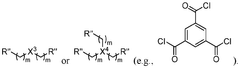
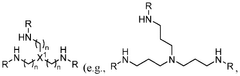
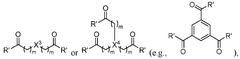
- The development of sorbents comprising a porous substrate entrapping a plurality of amine compounds, with a polyamide film disposed on the substrate surface, enhances gas capture efficiency by entrapping amine compounds and preventing amine loss over time.

Regulatory Framework and Compliance Requirements
The regulatory landscape for carbon capture sorbent development presents a complex matrix of requirements that vary significantly across jurisdictions. At the international level, the Paris Agreement establishes overarching commitments for emissions reduction, while the Clean Development Mechanism provides frameworks for carbon capture projects. These international agreements create the foundation upon which national and regional regulations are built, though implementation varies dramatically between developed and developing nations.
In the United States, carbon capture sorbents fall under multiple regulatory domains. The Environmental Protection Agency (EPA) regulates these materials through the Clean Air Act and the Toxic Substances Control Act, which govern both emissions standards and chemical safety requirements. Additionally, the Department of Energy oversees funding programs that influence sorbent development through technical specifications and performance metrics. Recent legislation, including the 45Q tax credits, has created financial incentives for carbon capture technologies that meet specific regulatory thresholds.
European Union regulations present a different approach, with the EU Emissions Trading System (EU ETS) creating market mechanisms that indirectly drive sorbent innovation. The EU's REACH (Registration, Evaluation, Authorization and Restriction of Chemicals) regulations impose stringent safety and environmental impact assessments for new chemical compounds, including novel sorbent materials. These requirements often necessitate extensive testing and documentation before commercialization can proceed.
Compliance challenges are particularly acute in the area of environmental impact assessment. Developers must demonstrate that sorbent materials do not create secondary pollution concerns through their production, use, or disposal. Life cycle assessment requirements are increasingly incorporated into regulatory frameworks, requiring developers to account for the full environmental footprint of their materials from synthesis to end-of-life management.
Safety regulations present another significant hurdle, with occupational exposure limits and handling protocols varying between jurisdictions. Many promising sorbent materials contain components that may trigger regulatory scrutiny under hazardous substance classifications, requiring additional safety protocols and potentially limiting commercial applications.
Emerging regulatory trends indicate a move toward performance-based standards rather than prescriptive requirements. This shift potentially allows for greater innovation in sorbent development but creates uncertainty as frameworks evolve. Additionally, the increasing focus on circular economy principles is driving new requirements for recyclability and regeneration capabilities of sorbent materials, adding another dimension to compliance considerations.
In the United States, carbon capture sorbents fall under multiple regulatory domains. The Environmental Protection Agency (EPA) regulates these materials through the Clean Air Act and the Toxic Substances Control Act, which govern both emissions standards and chemical safety requirements. Additionally, the Department of Energy oversees funding programs that influence sorbent development through technical specifications and performance metrics. Recent legislation, including the 45Q tax credits, has created financial incentives for carbon capture technologies that meet specific regulatory thresholds.
European Union regulations present a different approach, with the EU Emissions Trading System (EU ETS) creating market mechanisms that indirectly drive sorbent innovation. The EU's REACH (Registration, Evaluation, Authorization and Restriction of Chemicals) regulations impose stringent safety and environmental impact assessments for new chemical compounds, including novel sorbent materials. These requirements often necessitate extensive testing and documentation before commercialization can proceed.
Compliance challenges are particularly acute in the area of environmental impact assessment. Developers must demonstrate that sorbent materials do not create secondary pollution concerns through their production, use, or disposal. Life cycle assessment requirements are increasingly incorporated into regulatory frameworks, requiring developers to account for the full environmental footprint of their materials from synthesis to end-of-life management.
Safety regulations present another significant hurdle, with occupational exposure limits and handling protocols varying between jurisdictions. Many promising sorbent materials contain components that may trigger regulatory scrutiny under hazardous substance classifications, requiring additional safety protocols and potentially limiting commercial applications.
Emerging regulatory trends indicate a move toward performance-based standards rather than prescriptive requirements. This shift potentially allows for greater innovation in sorbent development but creates uncertainty as frameworks evolve. Additionally, the increasing focus on circular economy principles is driving new requirements for recyclability and regeneration capabilities of sorbent materials, adding another dimension to compliance considerations.
Environmental Impact Assessment of Sorbent Technologies
The environmental impact assessment of carbon capture sorbent technologies reveals significant considerations across their lifecycle. Current sorbent materials, including amine-based compounds, metal-organic frameworks (MOFs), and zeolites, demonstrate varying ecological footprints during production, operation, and disposal phases. Manufacturing processes for advanced sorbents often require energy-intensive synthesis methods and specialized chemicals, contributing to upstream carbon emissions that partially offset their capture benefits.
Operational environmental impacts present complex trade-offs. While amine-based sorbents show high CO2 selectivity, they frequently degrade into potentially harmful byproducts during regeneration cycles. Studies indicate that amine degradation can release nitrosamines and other compounds with potential aquatic toxicity. Conversely, inorganic sorbents like zeolites typically demonstrate lower toxicity profiles but may require more energy-intensive regeneration processes, increasing indirect emissions.
Water consumption represents another critical environmental parameter. Wet scrubbing technologies utilizing liquid sorbents can consume 1-2 gallons of water per kWh of electricity generated, placing significant pressure on water resources in water-stressed regions. Solid sorbents generally require less water but may introduce different environmental challenges through their production and disposal pathways.
Land use impacts vary considerably between sorbent technologies. Large-scale implementation of carbon capture systems requires substantial space for equipment installation, potentially competing with other land uses. The environmental footprint extends to mining activities for raw materials used in sorbent production, particularly for zeolites and certain MOF components, which can lead to habitat disruption and biodiversity impacts.
End-of-life management presents emerging challenges as first-generation sorbents reach replacement stages. Limited recycling pathways exist for most spent sorbents, with many requiring specialized disposal procedures to prevent environmental contamination. Recent life cycle assessments suggest that sorbent disposal can contribute 5-15% of the total environmental impact of carbon capture systems, highlighting the need for circular economy approaches.
Regulatory frameworks increasingly require comprehensive environmental impact assessments before approving new sorbent technologies. The EU's REACH regulations and similar programs worldwide now mandate extensive ecotoxicological testing for novel chemical compounds used in carbon capture applications, creating additional hurdles for technology developers but ensuring greater environmental protection.
Operational environmental impacts present complex trade-offs. While amine-based sorbents show high CO2 selectivity, they frequently degrade into potentially harmful byproducts during regeneration cycles. Studies indicate that amine degradation can release nitrosamines and other compounds with potential aquatic toxicity. Conversely, inorganic sorbents like zeolites typically demonstrate lower toxicity profiles but may require more energy-intensive regeneration processes, increasing indirect emissions.
Water consumption represents another critical environmental parameter. Wet scrubbing technologies utilizing liquid sorbents can consume 1-2 gallons of water per kWh of electricity generated, placing significant pressure on water resources in water-stressed regions. Solid sorbents generally require less water but may introduce different environmental challenges through their production and disposal pathways.
Land use impacts vary considerably between sorbent technologies. Large-scale implementation of carbon capture systems requires substantial space for equipment installation, potentially competing with other land uses. The environmental footprint extends to mining activities for raw materials used in sorbent production, particularly for zeolites and certain MOF components, which can lead to habitat disruption and biodiversity impacts.
End-of-life management presents emerging challenges as first-generation sorbents reach replacement stages. Limited recycling pathways exist for most spent sorbents, with many requiring specialized disposal procedures to prevent environmental contamination. Recent life cycle assessments suggest that sorbent disposal can contribute 5-15% of the total environmental impact of carbon capture systems, highlighting the need for circular economy approaches.
Regulatory frameworks increasingly require comprehensive environmental impact assessments before approving new sorbent technologies. The EU's REACH regulations and similar programs worldwide now mandate extensive ecotoxicological testing for novel chemical compounds used in carbon capture applications, creating additional hurdles for technology developers but ensuring greater environmental protection.
Unlock deeper insights with Patsnap Eureka Quick Research — get a full tech report to explore trends and direct your research. Try now!
Generate Your Research Report Instantly with AI Agent
Supercharge your innovation with Patsnap Eureka AI Agent Platform!