

Comparing Eutectic Makeup: Homogeneity vs Heterogeneity
FEB 3, 20269 MIN READ
Generate Your Research Report Instantly with AI Agent
PatSnap Eureka helps you evaluate technical feasibility & market potential.
Eutectic Alloy Background and Research Objectives
Eutectic alloys represent a critical class of metallic materials characterized by their unique melting behavior, where multiple constituent phases solidify simultaneously at a single, well-defined temperature. This phenomenon occurs at the eutectic point, where the liquid phase transforms directly into two or more solid phases without passing through intermediate states. The eutectic composition has been extensively utilized across diverse industrial applications, from soldering materials and casting alloys to advanced structural components in aerospace and electronics sectors.
The historical development of eutectic alloy research traces back to the late 19th century when scientists first systematically investigated phase diagrams and solidification behaviors. Early studies focused primarily on binary systems, establishing foundational understanding of eutectic reactions. Throughout the 20th century, research expanded to encompass ternary and quaternary systems, driven by increasing demands for materials with tailored properties. Recent decades have witnessed remarkable advances in characterization techniques, enabling unprecedented insights into microstructural evolution during solidification processes.
A fundamental distinction in eutectic alloy classification concerns the spatial distribution and morphological characteristics of constituent phases, categorized as either homogeneous or heterogeneous eutectics. Homogeneous eutectics exhibit uniform phase distribution with regular, often lamellar or rod-like structures at microscopic scales, resulting from cooperative growth mechanisms. Conversely, heterogeneous eutectics display irregular phase arrangements with varying morphologies and spatial distributions, influenced by differences in interfacial energies and growth kinetics between phases.
The primary objective of this research is to systematically compare homogeneous and heterogeneous eutectic compositions, elucidating their formation mechanisms, microstructural characteristics, and resultant property profiles. This investigation aims to establish comprehensive understanding of factors governing eutectic type selection, including thermodynamic driving forces, kinetic constraints, and processing parameters. Furthermore, the research seeks to identify correlations between eutectic makeup and critical performance metrics such as mechanical strength, thermal stability, and corrosion resistance, ultimately providing strategic guidance for alloy design and optimization in targeted applications.
The historical development of eutectic alloy research traces back to the late 19th century when scientists first systematically investigated phase diagrams and solidification behaviors. Early studies focused primarily on binary systems, establishing foundational understanding of eutectic reactions. Throughout the 20th century, research expanded to encompass ternary and quaternary systems, driven by increasing demands for materials with tailored properties. Recent decades have witnessed remarkable advances in characterization techniques, enabling unprecedented insights into microstructural evolution during solidification processes.
A fundamental distinction in eutectic alloy classification concerns the spatial distribution and morphological characteristics of constituent phases, categorized as either homogeneous or heterogeneous eutectics. Homogeneous eutectics exhibit uniform phase distribution with regular, often lamellar or rod-like structures at microscopic scales, resulting from cooperative growth mechanisms. Conversely, heterogeneous eutectics display irregular phase arrangements with varying morphologies and spatial distributions, influenced by differences in interfacial energies and growth kinetics between phases.
The primary objective of this research is to systematically compare homogeneous and heterogeneous eutectic compositions, elucidating their formation mechanisms, microstructural characteristics, and resultant property profiles. This investigation aims to establish comprehensive understanding of factors governing eutectic type selection, including thermodynamic driving forces, kinetic constraints, and processing parameters. Furthermore, the research seeks to identify correlations between eutectic makeup and critical performance metrics such as mechanical strength, thermal stability, and corrosion resistance, ultimately providing strategic guidance for alloy design and optimization in targeted applications.
Market Demand for Eutectic Materials Applications
Eutectic materials have emerged as critical components across multiple industrial sectors due to their unique phase transformation characteristics and tailorable properties. The fundamental distinction between homogeneous and heterogeneous eutectic structures directly influences their commercial viability and application scope, driving diverse market demands across different technological domains.
The electronics and semiconductor industries represent primary demand drivers for eutectic materials, particularly in thermal management applications. Homogeneous eutectic alloys are extensively utilized in thermal interface materials and solder joints, where uniform microstructure ensures consistent thermal conductivity and mechanical reliability. The miniaturization trend in electronic devices has intensified requirements for eutectic materials with predictable melting behaviors and minimal phase segregation during solidification processes.
Energy storage and conversion sectors demonstrate growing interest in both homogeneous and heterogeneous eutectic compositions. Phase change materials based on eutectic systems are increasingly deployed in thermal energy storage applications, where controlled melting and solidification cycles enable efficient heat management. Heterogeneous eutectic structures find particular relevance in battery electrode materials and catalytic systems, where compositional gradients can enhance electrochemical performance and reaction kinetics.
The aerospace and automotive industries demand eutectic materials with exceptional mechanical properties under extreme conditions. Homogeneous eutectic alloys offer superior strength-to-weight ratios and thermal stability, making them suitable for high-performance structural components. Meanwhile, heterogeneous eutectic composites are gaining traction in wear-resistant coatings and high-temperature applications, where controlled microstructural heterogeneity provides enhanced durability and functional performance.
Biomedical applications constitute an emerging market segment for eutectic materials, particularly in drug delivery systems and biocompatible implants. The ability to engineer eutectic compositions with specific dissolution rates and biocompatibility profiles addresses critical clinical needs. Market demand in this sector emphasizes materials with reproducible homogeneity to ensure consistent therapeutic outcomes and regulatory compliance.
Manufacturing scalability and cost considerations significantly influence market adoption patterns. Homogeneous eutectic systems generally offer more straightforward processing routes and quality control protocols, appealing to high-volume production environments. Conversely, heterogeneous eutectic materials, despite processing complexities, attract premium market segments where specialized performance characteristics justify higher production costs and technical investments.
The electronics and semiconductor industries represent primary demand drivers for eutectic materials, particularly in thermal management applications. Homogeneous eutectic alloys are extensively utilized in thermal interface materials and solder joints, where uniform microstructure ensures consistent thermal conductivity and mechanical reliability. The miniaturization trend in electronic devices has intensified requirements for eutectic materials with predictable melting behaviors and minimal phase segregation during solidification processes.
Energy storage and conversion sectors demonstrate growing interest in both homogeneous and heterogeneous eutectic compositions. Phase change materials based on eutectic systems are increasingly deployed in thermal energy storage applications, where controlled melting and solidification cycles enable efficient heat management. Heterogeneous eutectic structures find particular relevance in battery electrode materials and catalytic systems, where compositional gradients can enhance electrochemical performance and reaction kinetics.
The aerospace and automotive industries demand eutectic materials with exceptional mechanical properties under extreme conditions. Homogeneous eutectic alloys offer superior strength-to-weight ratios and thermal stability, making them suitable for high-performance structural components. Meanwhile, heterogeneous eutectic composites are gaining traction in wear-resistant coatings and high-temperature applications, where controlled microstructural heterogeneity provides enhanced durability and functional performance.
Biomedical applications constitute an emerging market segment for eutectic materials, particularly in drug delivery systems and biocompatible implants. The ability to engineer eutectic compositions with specific dissolution rates and biocompatibility profiles addresses critical clinical needs. Market demand in this sector emphasizes materials with reproducible homogeneity to ensure consistent therapeutic outcomes and regulatory compliance.
Manufacturing scalability and cost considerations significantly influence market adoption patterns. Homogeneous eutectic systems generally offer more straightforward processing routes and quality control protocols, appealing to high-volume production environments. Conversely, heterogeneous eutectic materials, despite processing complexities, attract premium market segments where specialized performance characteristics justify higher production costs and technical investments.
Current Status of Homogeneous vs Heterogeneous Eutectics
Eutectic alloys represent a critical class of materials where two or more components solidify simultaneously at a specific composition and temperature. The distinction between homogeneous and heterogeneous eutectics fundamentally lies in their microstructural characteristics and phase distribution patterns. Current research reveals that homogeneous eutectics exhibit uniform phase distribution at the microscopic level, while heterogeneous eutectics display distinct phase separation and irregular distribution patterns.
In homogeneous eutectic systems, the constituent phases are intimately mixed at extremely fine scales, typically ranging from nanometers to micrometers. These systems demonstrate superior mechanical properties due to their refined microstructure and uniform stress distribution. Recent investigations indicate that homogeneous eutectics, such as Al-Si and Ag-Cu systems, achieve phase coherence through synchronized nucleation and growth mechanisms during solidification. The interfacial energy between phases remains relatively low, promoting stable phase boundaries and minimizing segregation tendencies.
Heterogeneous eutectics, conversely, exhibit coarser microstructures with distinct phase domains. These systems often form lamellar or rod-like structures where phases are spatially separated. The Pb-Sn and Fe-C eutectic systems exemplify this behavior, displaying clear phase boundaries and compositional gradients. Current characterization techniques, including scanning electron microscopy and transmission electron microscopy, reveal that heterogeneous eutectics possess higher interfacial energy and more pronounced diffusion barriers between constituent phases.
The solidification kinetics differ significantly between these two categories. Homogeneous eutectics typically require faster cooling rates to maintain phase uniformity and prevent coarsening, while heterogeneous eutectics naturally form separated structures even under moderate cooling conditions. Advanced synchrotron radiation studies have demonstrated that the nucleation density and growth velocity of eutectic phases directly influence the final microstructural homogeneity.
Contemporary research emphasizes that the degree of homogeneity or heterogeneity is not strictly binary but exists along a spectrum. Factors including alloy composition, cooling rate, external fields, and processing parameters significantly influence the final eutectic morphology. Understanding these distinctions enables targeted material design for specific applications, from high-strength structural materials to functional electronic components.
In homogeneous eutectic systems, the constituent phases are intimately mixed at extremely fine scales, typically ranging from nanometers to micrometers. These systems demonstrate superior mechanical properties due to their refined microstructure and uniform stress distribution. Recent investigations indicate that homogeneous eutectics, such as Al-Si and Ag-Cu systems, achieve phase coherence through synchronized nucleation and growth mechanisms during solidification. The interfacial energy between phases remains relatively low, promoting stable phase boundaries and minimizing segregation tendencies.
Heterogeneous eutectics, conversely, exhibit coarser microstructures with distinct phase domains. These systems often form lamellar or rod-like structures where phases are spatially separated. The Pb-Sn and Fe-C eutectic systems exemplify this behavior, displaying clear phase boundaries and compositional gradients. Current characterization techniques, including scanning electron microscopy and transmission electron microscopy, reveal that heterogeneous eutectics possess higher interfacial energy and more pronounced diffusion barriers between constituent phases.
The solidification kinetics differ significantly between these two categories. Homogeneous eutectics typically require faster cooling rates to maintain phase uniformity and prevent coarsening, while heterogeneous eutectics naturally form separated structures even under moderate cooling conditions. Advanced synchrotron radiation studies have demonstrated that the nucleation density and growth velocity of eutectic phases directly influence the final microstructural homogeneity.
Contemporary research emphasizes that the degree of homogeneity or heterogeneity is not strictly binary but exists along a spectrum. Factors including alloy composition, cooling rate, external fields, and processing parameters significantly influence the final eutectic morphology. Understanding these distinctions enables targeted material design for specific applications, from high-strength structural materials to functional electronic components.
Existing Eutectic Composition Analysis Methods
01 Eutectic alloy composition design and phase control
Eutectic systems can be designed by carefully selecting alloy compositions to achieve specific phase structures and properties. The control of eutectic composition enables the formation of homogeneous or heterogeneous microstructures depending on the cooling rate and processing conditions. This approach is fundamental for developing materials with tailored mechanical and thermal properties through precise control of the eutectic reaction and resulting phase distribution.- Eutectic alloy composition design and phase control: Eutectic systems can be designed by carefully selecting alloy compositions to achieve specific phase distributions and microstructures. The control of eutectic composition enables the formation of homogeneous or heterogeneous structures depending on the cooling rate and processing conditions. This approach is fundamental for tailoring material properties such as mechanical strength, thermal stability, and corrosion resistance in various applications.
- Microstructure characterization of eutectic systems: Advanced characterization techniques are employed to analyze the homogeneity and heterogeneity of eutectic microstructures. These methods include microscopy, diffraction analysis, and thermal analysis to evaluate phase distribution, grain boundaries, and compositional variations. Understanding the microstructural features is critical for predicting material behavior and optimizing processing parameters to achieve desired properties.
- Processing methods for controlling eutectic homogeneity: Various processing techniques such as rapid solidification, directional solidification, and additive manufacturing are utilized to control the homogeneity of eutectic structures. These methods influence the nucleation and growth kinetics of eutectic phases, thereby affecting the uniformity of the final microstructure. Process optimization is essential for minimizing heterogeneities and achieving consistent material properties across different scales.
- Heterogeneous eutectic structures for enhanced properties: Intentionally designed heterogeneous eutectic structures can provide superior properties compared to homogeneous counterparts. By controlling the distribution and morphology of different phases, materials can exhibit improved toughness, wear resistance, and functional properties. This strategy involves manipulating solidification conditions and introducing controlled heterogeneities to create composite-like microstructures with synergistic effects.
- Applications of eutectic materials in advanced technologies: Eutectic materials with controlled homogeneity and heterogeneity find applications in diverse fields including electronics, energy storage, biomedical devices, and structural components. The unique combination of phases in eutectic systems enables multifunctional properties such as high thermal conductivity, electrical performance, and biocompatibility. Material design strategies focus on optimizing eutectic characteristics to meet specific application requirements.
02 Microstructure characterization and homogeneity assessment
Methods for evaluating the homogeneity and heterogeneity of eutectic structures involve advanced characterization techniques to analyze phase distribution, grain size, and compositional uniformity. These assessment methods are critical for quality control and understanding the relationship between processing parameters and final microstructure. The characterization approaches enable identification of segregation patterns and local compositional variations that affect material performance.Expand Specific Solutions03 Processing techniques for controlling eutectic microstructure
Various processing methods including rapid solidification, directional solidification, and controlled cooling are employed to manipulate eutectic microstructures. These techniques influence the scale and distribution of eutectic phases, enabling the production of either fine homogeneous structures or deliberately heterogeneous architectures. The processing parameters such as temperature gradient and solidification rate are key factors in determining the final microstructural characteristics.Expand Specific Solutions04 Eutectic systems in pharmaceutical and chemical applications
Eutectic mixtures are utilized in pharmaceutical formulations and chemical processes to achieve enhanced solubility, stability, and bioavailability. The formation of eutectic compositions between active ingredients and carriers can create homogeneous molecular-level mixtures or controlled heterogeneous systems. These eutectic formulations offer advantages in drug delivery, reaction kinetics, and process efficiency through optimized phase behavior.Expand Specific Solutions05 High-entropy and multi-component eutectic systems
Advanced eutectic systems incorporating multiple components enable the design of materials with complex phase architectures and enhanced properties. These multi-component eutectics can exhibit unique combinations of homogeneous solid solutions and heterogeneous phase distributions. The approach allows for tailoring mechanical strength, corrosion resistance, and thermal stability through compositional complexity and controlled phase formation.Expand Specific Solutions
Key Players in Eutectic Alloy Development
The research on eutectic makeup comparing homogeneity versus heterogeneity represents an emerging field at the intersection of materials science and biomedical diagnostics, currently in its early-to-mid development stage with growing market potential. The competitive landscape is characterized by diverse players spanning semiconductor manufacturing, diagnostic technology, and research institutions. Technology maturity varies significantly across participants: established diagnostic leaders like Ventana Medical Systems, Roche, and Foundation Medicine demonstrate advanced capabilities in tissue analysis and molecular diagnostics, while semiconductor manufacturers including Lam Research, GLOBALFOUNDRIES, and Shanghai New Micro Technology contribute materials processing expertise. Life sciences innovators such as 10X Genomics and Guardant Health bring cutting-edge genomic profiling technologies, complemented by academic institutions like University of Chicago, Purdue Research Foundation, and Shandong University driving fundamental research. This heterogeneous ecosystem reflects the interdisciplinary nature of eutectic research, with market consolidation expected as applications mature across precision medicine and advanced materials sectors.
Ventana Medical Systems, Inc.
Technical Solution: Ventana Medical Systems specializes in automated tissue processing and staining systems for pathology applications. Their technology addresses eutectic composition analysis through advanced image analysis algorithms that assess tissue heterogeneity versus homogeneity in diagnostic samples. The company's BenchMark series platforms integrate digital pathology solutions enabling quantitative assessment of cellular distribution patterns and compositional uniformity. Their systems utilize multi-spectral imaging and machine learning algorithms to differentiate between homogeneous eutectic structures and heterogeneous phase distributions in biological specimens, providing pathologists with objective metrics for tissue characterization and diagnostic decision-making in oncology and research applications.
Strengths: Industry-leading automated staining platforms with high reproducibility; advanced image analysis capabilities for heterogeneity assessment. Weaknesses: Primarily focused on biological tissue applications rather than materials science; high equipment and operational costs may limit accessibility.
Becton, Dickinson & Co.
Technical Solution: BD develops flow cytometry and cell analysis systems that enable detailed characterization of cellular populations and sample composition. Their technology portfolio includes high-parameter flow cytometers and imaging systems capable of distinguishing homogeneous versus heterogeneous cell populations and particle distributions. BD's FACSymphony and ImageStream platforms combine multi-dimensional data acquisition with sophisticated analytical software to quantify sample heterogeneity at single-cell resolution. These systems employ fluorescence-based detection and spectral unmixing algorithms to assess compositional uniformity in complex biological mixtures, supporting applications in immunology, oncology, and cell therapy development where understanding population homogeneity is critical for quality control and therapeutic efficacy.
Strengths: Comprehensive flow cytometry platforms with high-dimensional analysis capabilities; established market presence in cell analysis. Weaknesses: Technology optimized for cellular applications rather than materials characterization; requires specialized sample preparation and operator expertise.
Core Technologies in Eutectic Phase Distribution Control
Methods of genetic cluster analysis and uses thereof
PatentInactiveUS6934636B1
Innovation
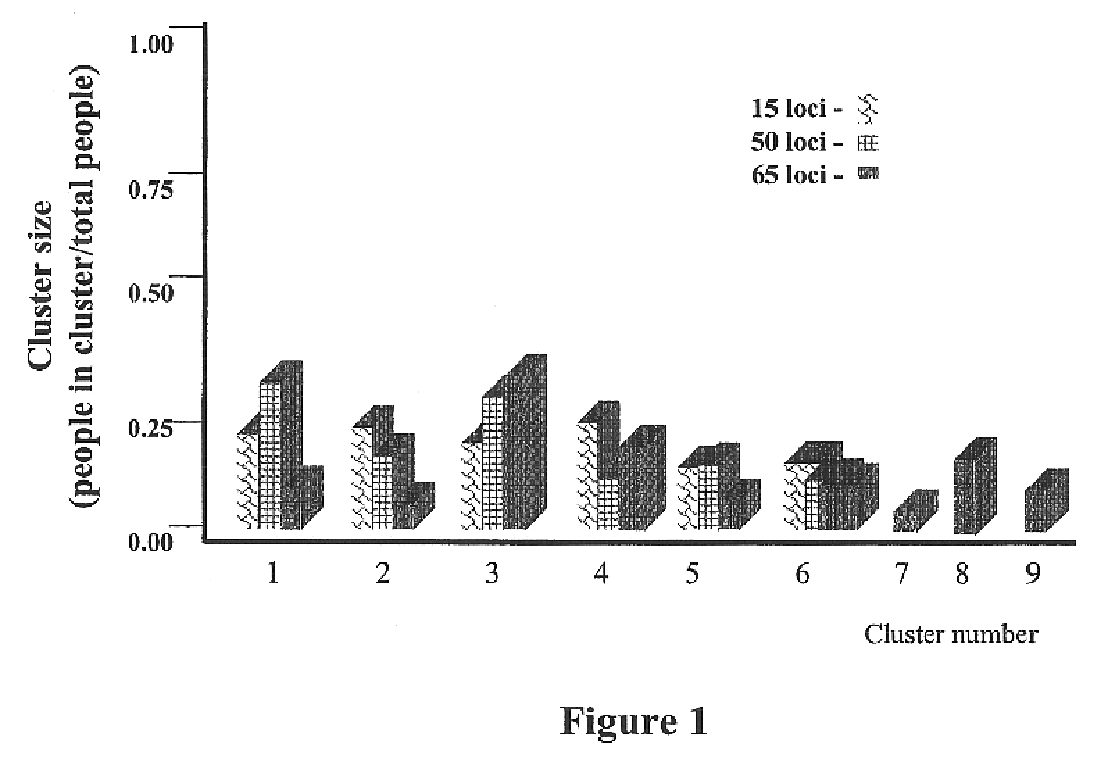
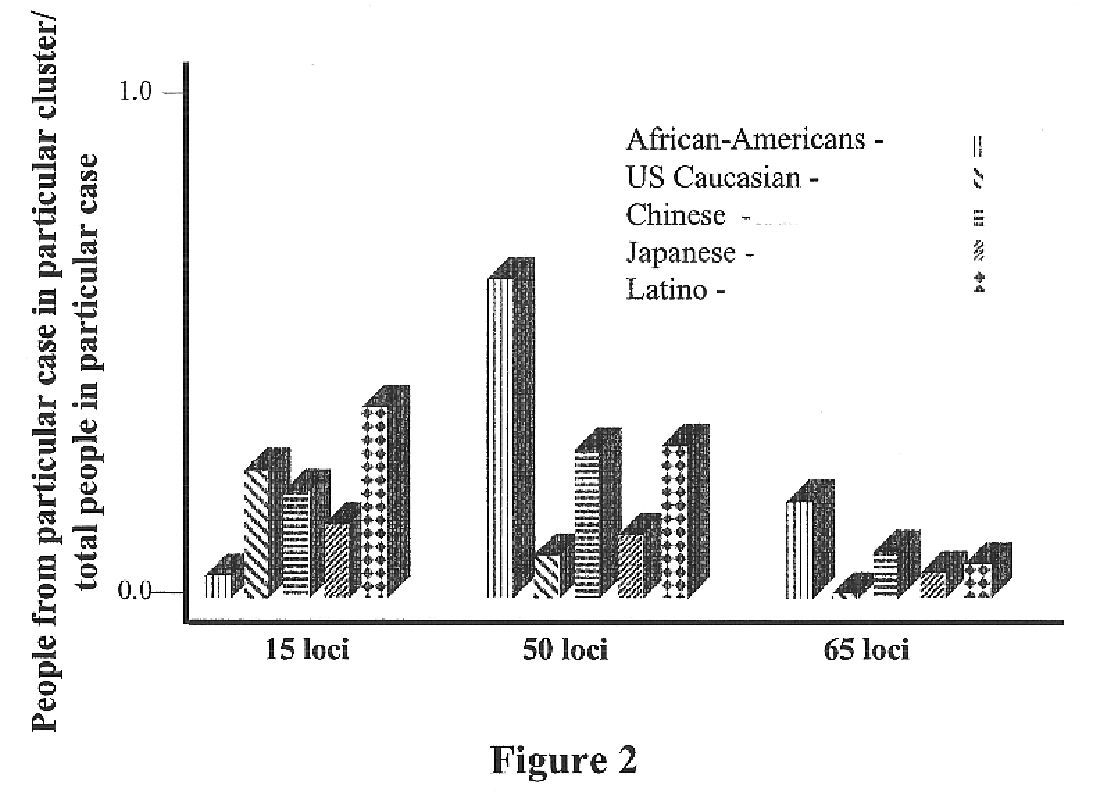
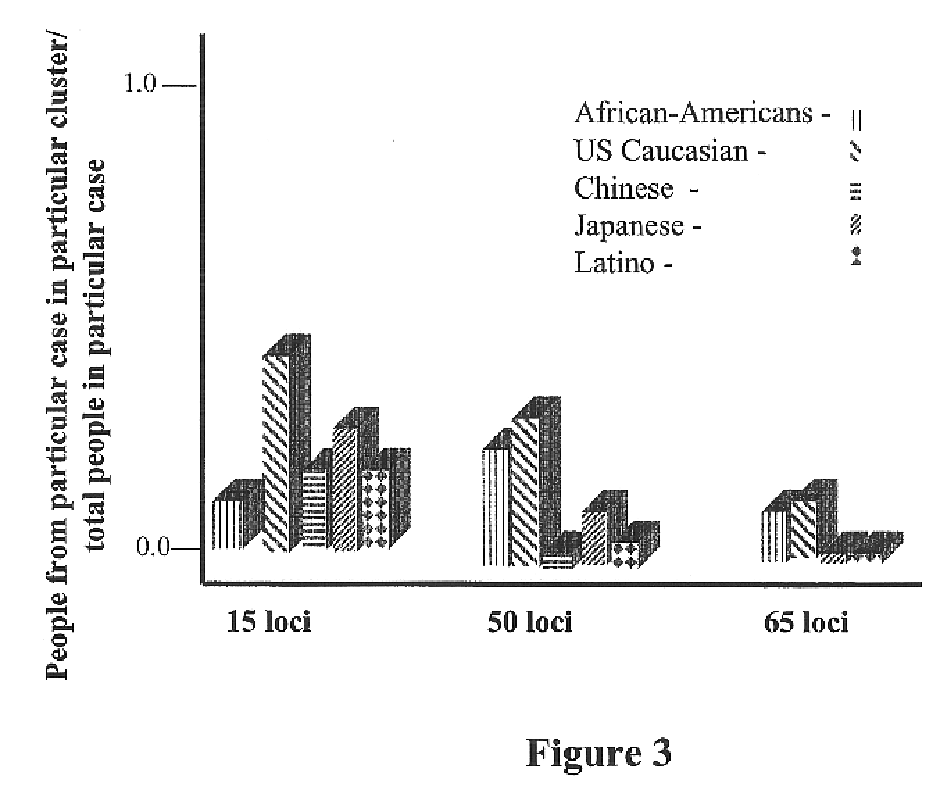
- The method involves identifying genetic traits, assigning weights based on allele frequency, forming similarity and distance matrices, and applying hierarchical and non-hierarchical clustering algorithms to determine the optimal number of clusters and assess genetic relatedness among individuals.

Mg-based alloy for hydrogen storage
PatentActiveUS20180214940A1
Innovation
- Development of Mg-based alloys with controlled additions of Cu, Ni, Si, and Na, formed using conventional casting techniques, which create eutectic and hypoeutectic compositions that enhance hydrogen storage properties, including absorption and desorption rates, while being cost-effective and lightweight.


Material Standards for Eutectic Alloy Classification
The classification of eutectic alloys requires standardized material criteria that distinguish between homogeneous and heterogeneous compositions. International standards such as ASTM E1508 and ISO 11357 provide fundamental guidelines for characterizing eutectic systems through thermal analysis and microstructural evaluation. These standards establish baseline requirements for phase identification, composition verification, and solidification behavior assessment. However, existing frameworks primarily address conventional eutectic systems and lack specific provisions for differentiating homogeneity levels in complex multi-component alloys.
Material classification standards typically employ compositional tolerance ranges, typically within ±2% for binary eutectics and ±1% for critical alloying elements in ternary systems. For homogeneous eutectics, standards mandate uniform distribution of constituent phases at the microscale, verified through quantitative metallography with coefficient of variation below 15%. Heterogeneous eutectics, conversely, are characterized by deliberate compositional gradients or phase segregation patterns that serve functional purposes, requiring different evaluation metrics focused on gradient uniformity and reproducibility.
Recent developments in additive manufacturing and rapid solidification technologies have exposed limitations in traditional classification approaches. The emergence of non-equilibrium eutectic structures necessitates updated standards incorporating cooling rate dependencies and metastable phase considerations. Organizations including ASTM International and the International Organization for Standardization are developing supplementary specifications addressing these advanced processing conditions.
Quality assurance protocols for eutectic alloy classification integrate multiple analytical techniques. X-ray diffraction patterns must demonstrate characteristic eutectic phase assemblages, while electron probe microanalysis confirms compositional homogeneity within specified tolerances. For heterogeneous systems, standards require documentation of intentional compositional variations and their spatial distribution characteristics. Certification procedures increasingly incorporate digital microstructure analysis using machine learning algorithms to quantify phase distribution patterns objectively, moving beyond subjective visual assessment methods that dominated earlier classification systems.
Material classification standards typically employ compositional tolerance ranges, typically within ±2% for binary eutectics and ±1% for critical alloying elements in ternary systems. For homogeneous eutectics, standards mandate uniform distribution of constituent phases at the microscale, verified through quantitative metallography with coefficient of variation below 15%. Heterogeneous eutectics, conversely, are characterized by deliberate compositional gradients or phase segregation patterns that serve functional purposes, requiring different evaluation metrics focused on gradient uniformity and reproducibility.
Recent developments in additive manufacturing and rapid solidification technologies have exposed limitations in traditional classification approaches. The emergence of non-equilibrium eutectic structures necessitates updated standards incorporating cooling rate dependencies and metastable phase considerations. Organizations including ASTM International and the International Organization for Standardization are developing supplementary specifications addressing these advanced processing conditions.
Quality assurance protocols for eutectic alloy classification integrate multiple analytical techniques. X-ray diffraction patterns must demonstrate characteristic eutectic phase assemblages, while electron probe microanalysis confirms compositional homogeneity within specified tolerances. For heterogeneous systems, standards require documentation of intentional compositional variations and their spatial distribution characteristics. Certification procedures increasingly incorporate digital microstructure analysis using machine learning algorithms to quantify phase distribution patterns objectively, moving beyond subjective visual assessment methods that dominated earlier classification systems.
Thermal Processing Impact on Eutectic Homogeneity
Thermal processing parameters exert profound influence on the microstructural characteristics of eutectic systems, particularly affecting the degree of homogeneity achieved in the final solidified structure. The cooling rate during solidification serves as the primary determinant of eutectic phase distribution, with rapid cooling typically promoting finer and more uniform phase arrangements. When cooling rates exceed critical thresholds, the diffusion time available for solute redistribution becomes limited, resulting in reduced segregation and enhanced compositional uniformity across the eutectic matrix. Conversely, slow cooling permits extensive diffusion, potentially leading to coarser phase spacing and increased heterogeneity in phase distribution patterns.
The temperature gradient maintained during directional solidification significantly impacts the morphological evolution of eutectic phases. Steep thermal gradients facilitate planar or cellular growth fronts, promoting regular lamellar or rod-like eutectic structures with improved homogeneity. Shallow gradients may induce constitutional undercooling ahead of the solidification interface, triggering irregular growth patterns and compositional variations that compromise structural uniformity. The interplay between thermal gradient and growth velocity, characterized by the G/V ratio, determines whether coupled or divorced eutectic growth occurs, directly affecting the spatial distribution of constituent phases.
Heat treatment protocols applied post-solidification offer opportunities to modify eutectic homogeneity through solid-state transformations. Homogenization annealing at elevated temperatures enables diffusion-driven redistribution of alloying elements, reducing microsegregation inherited from the solidification process. However, excessive thermal exposure may trigger undesirable phase coarsening or secondary precipitation, potentially introducing new forms of heterogeneity. The effectiveness of thermal homogenization depends critically on treatment temperature, duration, and the diffusion coefficients of constituent elements within the eutectic matrix.
Cyclic thermal processing, including repeated heating and cooling cycles, can progressively refine eutectic microstructures through mechanisms such as spheroidization and phase redistribution. These treatments are particularly effective in breaking down coarse lamellar structures into more globular morphologies with improved spatial uniformity. The cumulative effect of thermal cycling on phase stability and interfacial energy minimization contributes to achieving more homogeneous eutectic configurations compared to single-step processing approaches.
The temperature gradient maintained during directional solidification significantly impacts the morphological evolution of eutectic phases. Steep thermal gradients facilitate planar or cellular growth fronts, promoting regular lamellar or rod-like eutectic structures with improved homogeneity. Shallow gradients may induce constitutional undercooling ahead of the solidification interface, triggering irregular growth patterns and compositional variations that compromise structural uniformity. The interplay between thermal gradient and growth velocity, characterized by the G/V ratio, determines whether coupled or divorced eutectic growth occurs, directly affecting the spatial distribution of constituent phases.
Heat treatment protocols applied post-solidification offer opportunities to modify eutectic homogeneity through solid-state transformations. Homogenization annealing at elevated temperatures enables diffusion-driven redistribution of alloying elements, reducing microsegregation inherited from the solidification process. However, excessive thermal exposure may trigger undesirable phase coarsening or secondary precipitation, potentially introducing new forms of heterogeneity. The effectiveness of thermal homogenization depends critically on treatment temperature, duration, and the diffusion coefficients of constituent elements within the eutectic matrix.
Cyclic thermal processing, including repeated heating and cooling cycles, can progressively refine eutectic microstructures through mechanisms such as spheroidization and phase redistribution. These treatments are particularly effective in breaking down coarse lamellar structures into more globular morphologies with improved spatial uniformity. The cumulative effect of thermal cycling on phase stability and interfacial energy minimization contributes to achieving more homogeneous eutectic configurations compared to single-step processing approaches.
Unlock deeper insights with PatSnap Eureka Quick Research — get a full tech report to explore trends and direct your research. Try now!
Generate Your Research Report Instantly with AI Agent
Supercharge your innovation with PatSnap Eureka AI Agent Platform!