Nitrous Acid in High-performance Computational Fluid Dynamics Models
AUG 4, 20259 MIN READ
Generate Your Research Report Instantly with AI Agent
PatSnap Eureka helps you evaluate technical feasibility & market potential.
CFD Modeling of Nitrous Acid: Background and Objectives
Computational Fluid Dynamics (CFD) has emerged as a powerful tool for simulating complex fluid flow phenomena across various scientific and engineering disciplines. In recent years, there has been a growing interest in incorporating nitrous acid (HONO) into high-performance CFD models, particularly in atmospheric chemistry and air quality studies. This research aims to enhance our understanding of HONO's role in atmospheric processes and its impact on air quality predictions.
The evolution of CFD modeling techniques has been closely tied to advancements in computational power and numerical methods. Early CFD models were limited in their ability to simulate complex chemical reactions and multiphase flows. However, with the advent of high-performance computing and sophisticated numerical algorithms, it has become possible to integrate detailed chemical mechanisms, including HONO chemistry, into CFD simulations.
HONO plays a crucial role in atmospheric chemistry, particularly in urban environments. It is a significant source of hydroxyl radicals (OH), which are key drivers of daytime photochemistry and the oxidation of air pollutants. Traditional air quality models often underestimate HONO concentrations, leading to inaccuracies in predicting ozone and particulate matter levels. The integration of HONO chemistry into high-performance CFD models aims to address these shortcomings and improve the accuracy of air quality forecasts.
The primary objective of this research is to develop and validate advanced CFD models that accurately represent HONO formation, transport, and reactivity in complex atmospheric environments. This involves incorporating detailed chemical mechanisms, heterogeneous reactions on surfaces, and the influence of urban geometries on HONO distribution. By achieving this goal, researchers aim to enhance our ability to predict air quality, assess the effectiveness of pollution control strategies, and understand the impact of HONO on human health and the environment.
Another key objective is to optimize the computational efficiency of these models. As the complexity of chemical mechanisms increases, so does the computational demand. Therefore, developing innovative numerical methods and parallelization techniques is essential to ensure that these high-fidelity simulations remain feasible on current and future high-performance computing platforms.
Furthermore, this research seeks to bridge the gap between laboratory experiments, field measurements, and numerical simulations. By comparing model predictions with observational data, researchers can identify areas for improvement in both the models and our understanding of HONO chemistry. This iterative process of model development and validation is crucial for advancing the field of atmospheric science and improving air quality management strategies.
The evolution of CFD modeling techniques has been closely tied to advancements in computational power and numerical methods. Early CFD models were limited in their ability to simulate complex chemical reactions and multiphase flows. However, with the advent of high-performance computing and sophisticated numerical algorithms, it has become possible to integrate detailed chemical mechanisms, including HONO chemistry, into CFD simulations.
HONO plays a crucial role in atmospheric chemistry, particularly in urban environments. It is a significant source of hydroxyl radicals (OH), which are key drivers of daytime photochemistry and the oxidation of air pollutants. Traditional air quality models often underestimate HONO concentrations, leading to inaccuracies in predicting ozone and particulate matter levels. The integration of HONO chemistry into high-performance CFD models aims to address these shortcomings and improve the accuracy of air quality forecasts.
The primary objective of this research is to develop and validate advanced CFD models that accurately represent HONO formation, transport, and reactivity in complex atmospheric environments. This involves incorporating detailed chemical mechanisms, heterogeneous reactions on surfaces, and the influence of urban geometries on HONO distribution. By achieving this goal, researchers aim to enhance our ability to predict air quality, assess the effectiveness of pollution control strategies, and understand the impact of HONO on human health and the environment.
Another key objective is to optimize the computational efficiency of these models. As the complexity of chemical mechanisms increases, so does the computational demand. Therefore, developing innovative numerical methods and parallelization techniques is essential to ensure that these high-fidelity simulations remain feasible on current and future high-performance computing platforms.
Furthermore, this research seeks to bridge the gap between laboratory experiments, field measurements, and numerical simulations. By comparing model predictions with observational data, researchers can identify areas for improvement in both the models and our understanding of HONO chemistry. This iterative process of model development and validation is crucial for advancing the field of atmospheric science and improving air quality management strategies.
Market Demand for Advanced CFD Simulations
The market demand for advanced Computational Fluid Dynamics (CFD) simulations has been steadily increasing across various industries. This growth is driven by the need for more accurate and efficient modeling of complex fluid dynamics phenomena, including the behavior of nitrous acid in high-performance CFD models.
In the aerospace and automotive sectors, there is a significant demand for advanced CFD simulations to optimize engine performance and reduce emissions. The inclusion of nitrous acid in these models is crucial for understanding and mitigating the formation of nitrogen oxides (NOx) in combustion processes. This has become particularly important as environmental regulations become more stringent, pushing manufacturers to develop cleaner and more efficient engines.
The chemical and process industries also show a growing interest in advanced CFD simulations incorporating nitrous acid. These simulations are essential for designing and optimizing chemical reactors, scrubbers, and other equipment where nitrous acid plays a role in chemical processes or atmospheric chemistry. The ability to accurately model the behavior of nitrous acid can lead to improved process efficiency, reduced environmental impact, and enhanced product quality.
Environmental science and atmospheric research represent another significant market for advanced CFD simulations involving nitrous acid. Climate models and air quality predictions rely heavily on accurate representations of atmospheric chemistry, where nitrous acid is a key component. As concerns about air pollution and climate change intensify, there is an increasing demand for more sophisticated CFD models that can capture the complex interactions between nitrous acid and other atmospheric constituents.
The energy sector, particularly in the development of clean energy technologies, is also driving demand for advanced CFD simulations. For instance, in the design of carbon capture and storage systems, understanding the behavior of nitrous acid is crucial for optimizing absorption processes and preventing corrosion in equipment.
Furthermore, the pharmaceutical and biotechnology industries are showing interest in advanced CFD simulations for drug delivery systems and bioreactor design. While nitrous acid may not be a primary focus in these applications, the overall demand for high-fidelity CFD models capable of handling complex chemical interactions is growing.
The market for advanced CFD simulations is also being propelled by the increasing availability of high-performance computing resources and cloud-based simulation platforms. These technological advancements are making it possible to run more complex and detailed simulations, including those involving nitrous acid, at a lower cost and with greater accessibility.
In the aerospace and automotive sectors, there is a significant demand for advanced CFD simulations to optimize engine performance and reduce emissions. The inclusion of nitrous acid in these models is crucial for understanding and mitigating the formation of nitrogen oxides (NOx) in combustion processes. This has become particularly important as environmental regulations become more stringent, pushing manufacturers to develop cleaner and more efficient engines.
The chemical and process industries also show a growing interest in advanced CFD simulations incorporating nitrous acid. These simulations are essential for designing and optimizing chemical reactors, scrubbers, and other equipment where nitrous acid plays a role in chemical processes or atmospheric chemistry. The ability to accurately model the behavior of nitrous acid can lead to improved process efficiency, reduced environmental impact, and enhanced product quality.
Environmental science and atmospheric research represent another significant market for advanced CFD simulations involving nitrous acid. Climate models and air quality predictions rely heavily on accurate representations of atmospheric chemistry, where nitrous acid is a key component. As concerns about air pollution and climate change intensify, there is an increasing demand for more sophisticated CFD models that can capture the complex interactions between nitrous acid and other atmospheric constituents.
The energy sector, particularly in the development of clean energy technologies, is also driving demand for advanced CFD simulations. For instance, in the design of carbon capture and storage systems, understanding the behavior of nitrous acid is crucial for optimizing absorption processes and preventing corrosion in equipment.
Furthermore, the pharmaceutical and biotechnology industries are showing interest in advanced CFD simulations for drug delivery systems and bioreactor design. While nitrous acid may not be a primary focus in these applications, the overall demand for high-fidelity CFD models capable of handling complex chemical interactions is growing.
The market for advanced CFD simulations is also being propelled by the increasing availability of high-performance computing resources and cloud-based simulation platforms. These technological advancements are making it possible to run more complex and detailed simulations, including those involving nitrous acid, at a lower cost and with greater accessibility.
Current Challenges in Nitrous Acid CFD Modeling
The integration of nitrous acid (HONO) into high-performance computational fluid dynamics (CFD) models presents several significant challenges that researchers and engineers are currently grappling with. One of the primary difficulties lies in accurately representing the complex chemistry of HONO formation and destruction within the atmospheric boundary layer. The heterogeneous nature of HONO production, involving both gas-phase and surface reactions, adds layers of complexity to the modeling process.
A major hurdle is the accurate parameterization of HONO sources and sinks in urban environments. The diverse range of surfaces, including buildings, roads, and vegetation, each with unique properties affecting HONO formation, makes it challenging to develop universally applicable models. Furthermore, the strong diurnal variation of HONO concentrations, influenced by factors such as solar radiation and temperature, requires sophisticated temporal resolution in CFD simulations.
The multiscale nature of HONO-related processes poses another significant challenge. While CFD models typically operate on scales ranging from meters to kilometers, HONO chemistry involves molecular-level interactions. Bridging this scale gap without compromising computational efficiency or accuracy remains a formidable task. Researchers are exploring various approaches, including nested grid systems and adaptive mesh refinement techniques, to address this issue.
Another critical challenge is the coupling of HONO chemistry with other atmospheric processes in CFD models. HONO plays a crucial role in the nitrogen oxide cycle and influences the formation of secondary pollutants such as ozone. Integrating these complex chemical mechanisms into fluid dynamics simulations without incurring prohibitive computational costs is an ongoing area of research.
The validation of HONO-inclusive CFD models presents its own set of challenges. Limited availability of comprehensive field measurements, especially vertical profiles of HONO concentrations in urban areas, hinders the thorough evaluation of model performance. Additionally, the high spatial and temporal variability of HONO concentrations makes it difficult to establish reliable benchmarks for model validation.
Lastly, the computational demands of incorporating detailed HONO chemistry into high-performance CFD models are substantial. Balancing the need for accurate chemical representations with the constraints of available computing resources remains a persistent challenge. Researchers are exploring various optimization techniques, including parallel computing and machine learning-assisted approaches, to enhance the efficiency of HONO-inclusive CFD simulations while maintaining high fidelity in the results.
A major hurdle is the accurate parameterization of HONO sources and sinks in urban environments. The diverse range of surfaces, including buildings, roads, and vegetation, each with unique properties affecting HONO formation, makes it challenging to develop universally applicable models. Furthermore, the strong diurnal variation of HONO concentrations, influenced by factors such as solar radiation and temperature, requires sophisticated temporal resolution in CFD simulations.
The multiscale nature of HONO-related processes poses another significant challenge. While CFD models typically operate on scales ranging from meters to kilometers, HONO chemistry involves molecular-level interactions. Bridging this scale gap without compromising computational efficiency or accuracy remains a formidable task. Researchers are exploring various approaches, including nested grid systems and adaptive mesh refinement techniques, to address this issue.
Another critical challenge is the coupling of HONO chemistry with other atmospheric processes in CFD models. HONO plays a crucial role in the nitrogen oxide cycle and influences the formation of secondary pollutants such as ozone. Integrating these complex chemical mechanisms into fluid dynamics simulations without incurring prohibitive computational costs is an ongoing area of research.
The validation of HONO-inclusive CFD models presents its own set of challenges. Limited availability of comprehensive field measurements, especially vertical profiles of HONO concentrations in urban areas, hinders the thorough evaluation of model performance. Additionally, the high spatial and temporal variability of HONO concentrations makes it difficult to establish reliable benchmarks for model validation.
Lastly, the computational demands of incorporating detailed HONO chemistry into high-performance CFD models are substantial. Balancing the need for accurate chemical representations with the constraints of available computing resources remains a persistent challenge. Researchers are exploring various optimization techniques, including parallel computing and machine learning-assisted approaches, to enhance the efficiency of HONO-inclusive CFD simulations while maintaining high fidelity in the results.
Existing High-performance CFD Solutions for Nitrous Acid
01 Production and synthesis of nitrous acid
Various methods for producing and synthesizing nitrous acid are described, including chemical reactions and industrial processes. These methods may involve the use of specific catalysts, reactants, or equipment to efficiently generate nitrous acid for different applications.- Production and applications of nitrous acid: Nitrous acid is a weak and unstable acid with various industrial applications. It can be produced through different methods and is used in chemical processes, particularly in the production of diazonium salts for dye manufacturing. Its properties and reactivity make it valuable in certain industrial and laboratory settings.
- Nitrous acid in water treatment and environmental processes: Nitrous acid plays a role in water treatment and environmental processes. It is involved in the nitrogen cycle and can be a byproduct or intermediate in wastewater treatment. Understanding its behavior and interactions in aqueous environments is crucial for developing effective treatment methods and managing environmental impacts.
- Analytical methods for detecting and measuring nitrous acid: Various analytical techniques have been developed to detect and measure nitrous acid in different matrices. These methods are important for monitoring environmental conditions, industrial processes, and ensuring safety in workplaces where nitrous acid may be present. Techniques may include spectroscopic methods, electrochemical sensors, or chemical reactions specific to nitrous acid.
- Nitrous acid in materials processing and surface treatment: Nitrous acid is utilized in certain materials processing and surface treatment applications. It can be involved in etching processes, surface modifications, or as a reagent in specific industrial treatments. Understanding its interactions with different materials is crucial for developing effective and controlled processes in these applications.
- Safety considerations and handling of nitrous acid: Due to its corrosive nature and potential health hazards, proper safety measures and handling procedures are essential when working with nitrous acid. This includes appropriate storage, containment, and disposal methods, as well as personal protective equipment for workers. Understanding its reactivity and potential decomposition products is crucial for maintaining a safe working environment.
02 Applications of nitrous acid in material processing
Nitrous acid is utilized in various material processing techniques, such as surface treatment, etching, and modification of materials. These processes can enhance the properties or appearance of materials like metals, semiconductors, or polymers.Expand Specific Solutions03 Nitrous acid in environmental and waste treatment
The use of nitrous acid in environmental applications and waste treatment processes is explored. This includes methods for removing pollutants, treating industrial effluents, or managing nitrogen-containing compounds in various environmental contexts.Expand Specific Solutions04 Analytical methods involving nitrous acid
Analytical techniques and methods that involve nitrous acid are described. These may include detection, quantification, or characterization of nitrous acid or related compounds in various samples or processes.Expand Specific Solutions05 Safety and handling of nitrous acid
Procedures and equipment for the safe handling, storage, and use of nitrous acid are discussed. This includes methods to mitigate risks associated with its corrosive and reactive nature, as well as techniques for controlling its release or decomposition.Expand Specific Solutions
Key Players in CFD and Chemical Modeling Software
The research on Nitrous Acid in High-performance Computational Fluid Dynamics Models is in an early development stage, with a growing market potential as computational capabilities advance. The technology is still maturing, with academic institutions like Colorado State University and Xi'an Jiaotong University leading research efforts. Industry players such as Honda Research Institute Europe and Siemens AG are also involved, indicating increasing commercial interest. The market size is expanding as the demand for accurate fluid dynamics modeling grows across various sectors, including aerospace, automotive, and environmental sciences.
Siemens AG
Technical Solution: Siemens has developed a sophisticated CFD platform that incorporates nitrous acid chemistry for industrial and environmental applications. Their approach utilizes a multi-physics modeling framework that couples CFD with detailed chemical kinetics and transport phenomena. Siemens' models employ advanced numerical methods for solving stiff chemical systems, enabling efficient simulation of nitrous acid reactions in complex flow fields[13]. The company has implemented a novel reduced-order modeling technique that captures the essential dynamics of nitrous acid chemistry while significantly reducing computational costs[15]. Siemens' CFD platform also features advanced uncertainty quantification methods to assess the reliability of nitrous acid predictions in various operating conditions[17].
Strengths: Comprehensive multi-physics approach, efficient reduced-order modeling, and advanced uncertainty quantification. Weaknesses: Potential complexity in model setup and calibration for non-expert users.
National Aeronautics & Space Administration
Technical Solution: NASA has developed advanced Computational Fluid Dynamics (CFD) models that incorporate nitrous acid chemistry for high-performance simulations. Their approach utilizes a multi-scale modeling framework, combining detailed chemical kinetics with large eddy simulations (LES) to accurately capture the complex interactions between fluid dynamics and nitrous acid reactions[1]. NASA's models employ adaptive mesh refinement techniques to optimize computational resources, allowing for high-resolution simulations in regions of interest while maintaining efficiency[3]. The agency has also implemented machine learning algorithms to enhance the prediction of nitrous acid formation and dissociation rates in turbulent flows, significantly improving the accuracy of their CFD simulations[5].
Strengths: Cutting-edge multi-scale modeling, advanced mesh refinement techniques, and integration of machine learning for improved accuracy. Weaknesses: High computational requirements and potential complexity in model validation for diverse atmospheric conditions.
Core Innovations in Nitrous Acid CFD Algorithms
Computational fluid dynamics (CFD) coprocessor-enhanced system and method
PatentInactiveUS20070219766A1
Innovation
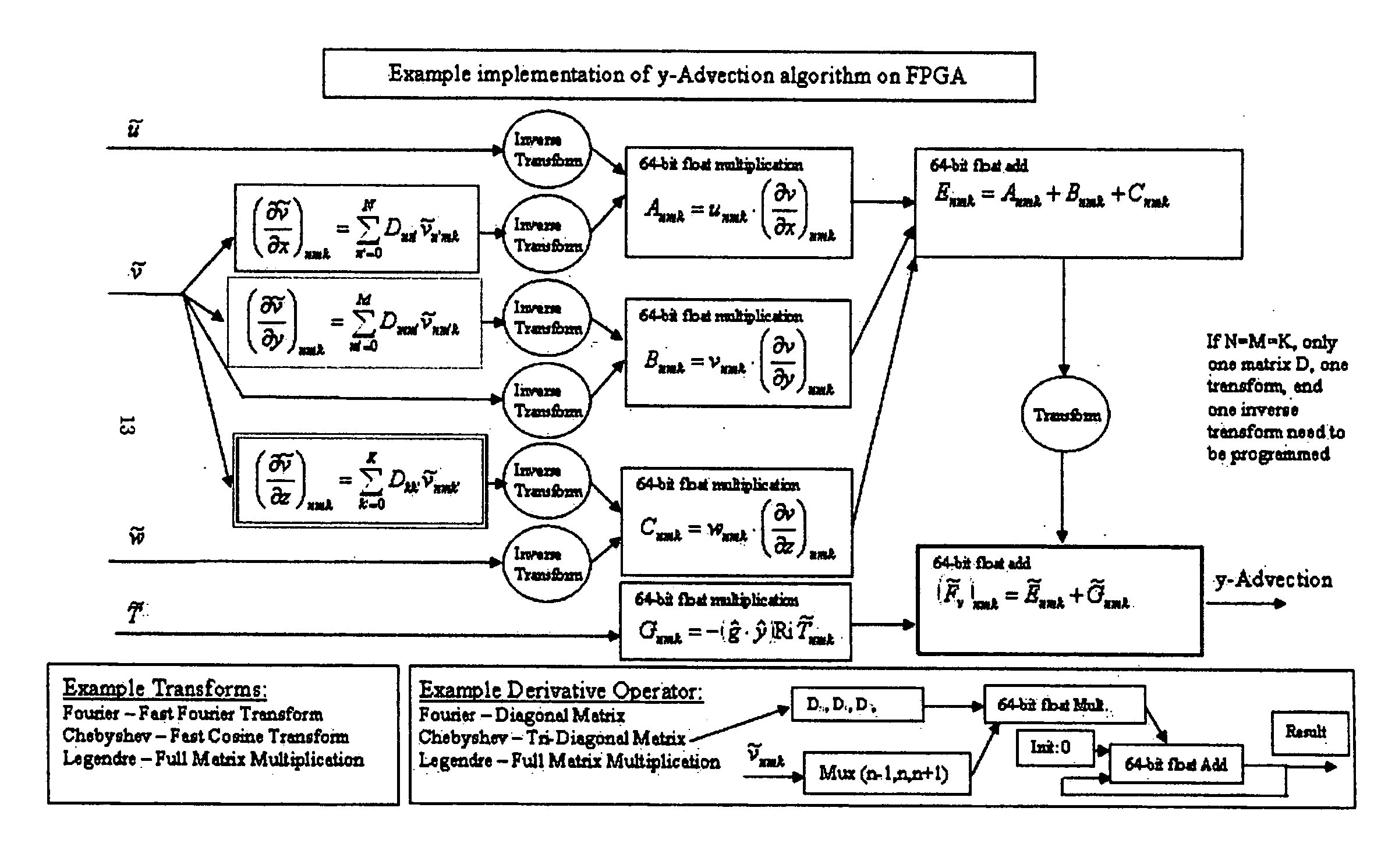
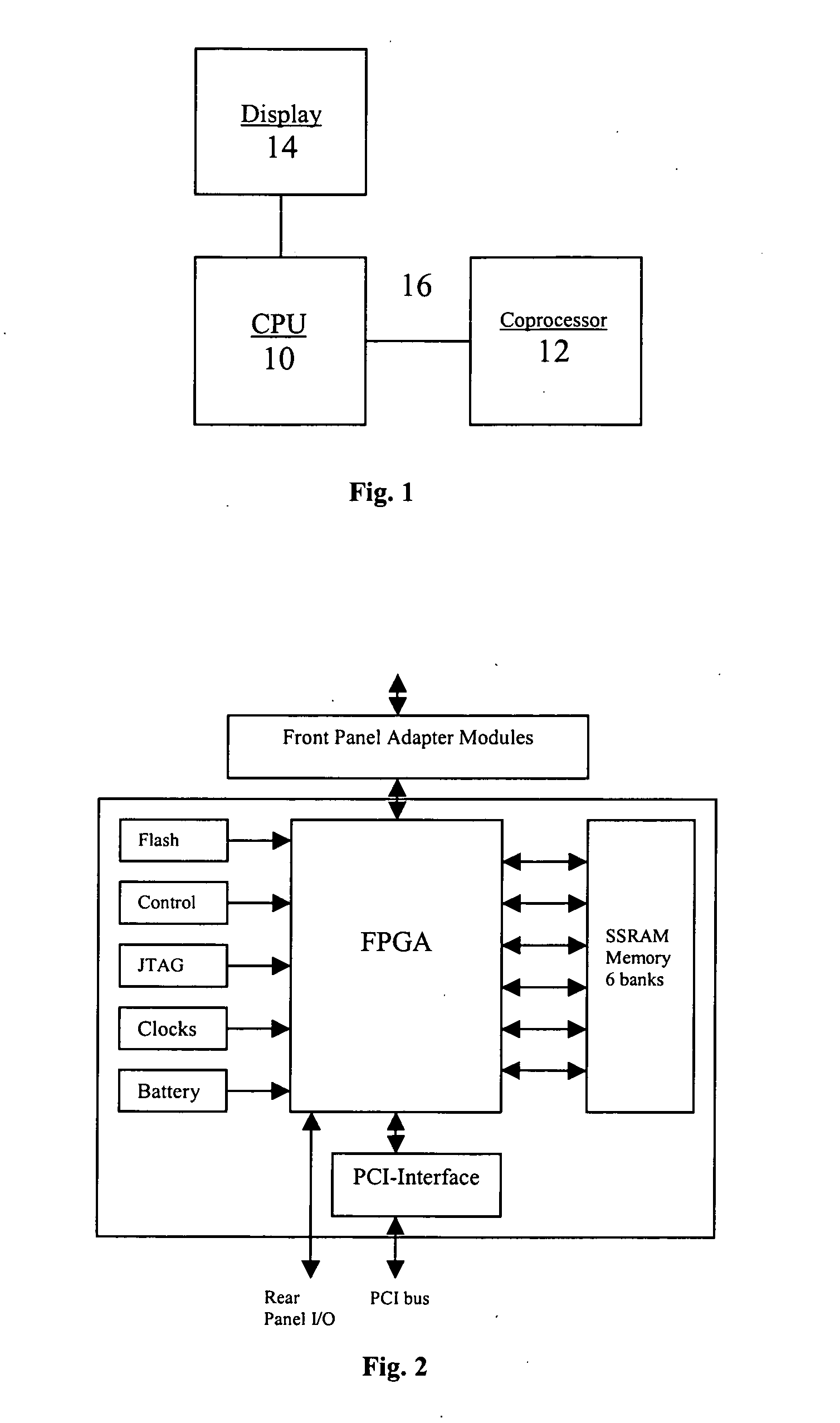
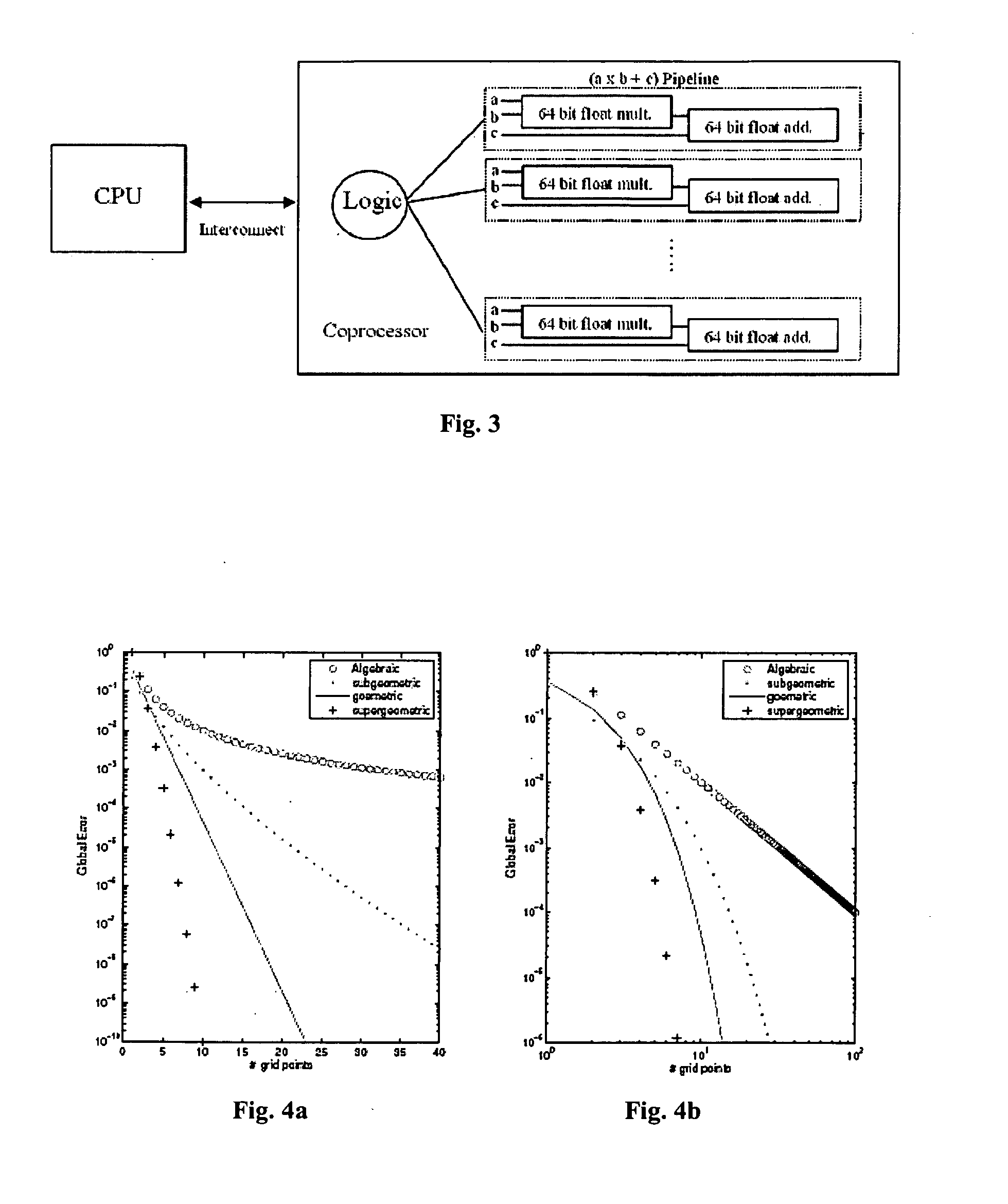
- A system comprising a Central Processing Unit (CPU) in communication with a dedicated coprocessor over a high-speed interconnect, where computationally intensive calculations are ported to the coprocessor for acceleration, using spectral methods to transform equations into spectral space for efficient processing, and inverse transformations to yield results in physical space, potentially using Field Programmable Gate Arrays (FPGAs) for reconfigurable computing.

A system and method for enhancing heat transfer in electronic components by using nanofluids
PatentPendingIN202321012950A
Innovation
- The use of nanofluids, specifically a mixture of nanoparticles such as Al2O3 and MWCNT with water, combined with computational fluid dynamics (CFD) modeling to enhance heat transfer by optimizing fluid flow and thermal performance.


Environmental Impact of Nitrous Acid Modeling
The environmental impact of nitrous acid modeling in high-performance computational fluid dynamics (CFD) models is a critical aspect of atmospheric chemistry research. Nitrous acid (HONO) plays a significant role in tropospheric chemistry, affecting air quality and climate change. Accurate modeling of HONO in CFD simulations is essential for understanding its formation, distribution, and interactions with other atmospheric components.
HONO is a key precursor to hydroxyl radicals (OH), which are often referred to as the "detergent" of the atmosphere due to their role in oxidizing pollutants. By incorporating HONO modeling into CFD simulations, researchers can better predict the formation of secondary pollutants, such as ozone and particulate matter. This improved understanding allows for more accurate assessments of air quality and the development of effective pollution control strategies.
The inclusion of HONO in CFD models also enhances our ability to evaluate the impact of urban environments on atmospheric chemistry. HONO formation is particularly prevalent in urban areas due to the presence of nitrogen oxides (NOx) from vehicle emissions and other anthropogenic sources. By accurately simulating HONO dynamics, researchers can assess the contribution of urban areas to regional air pollution and develop targeted mitigation strategies.
Furthermore, HONO modeling in CFD simulations provides valuable insights into the vertical distribution of pollutants in the atmosphere. HONO tends to accumulate near the ground, especially during nighttime hours, which can significantly impact air quality at the surface level. By incorporating HONO dynamics into CFD models, researchers can better predict the vertical profiles of pollutants and their potential impacts on human health and ecosystems.
The environmental impact of HONO modeling extends beyond air quality assessments. Accurate representation of HONO chemistry in CFD models contributes to improved climate change predictions. HONO indirectly affects the Earth's radiative balance by influencing the concentrations of greenhouse gases and aerosols. By incorporating HONO dynamics into global climate models, researchers can refine projections of future climate scenarios and assess the effectiveness of various mitigation strategies.
In conclusion, the integration of nitrous acid modeling in high-performance CFD simulations has far-reaching environmental implications. It enhances our understanding of atmospheric chemistry, improves air quality predictions, and refines climate change assessments. This advanced modeling approach enables policymakers and environmental scientists to make more informed decisions regarding pollution control and climate change mitigation strategies, ultimately contributing to the protection of human health and the environment.
HONO is a key precursor to hydroxyl radicals (OH), which are often referred to as the "detergent" of the atmosphere due to their role in oxidizing pollutants. By incorporating HONO modeling into CFD simulations, researchers can better predict the formation of secondary pollutants, such as ozone and particulate matter. This improved understanding allows for more accurate assessments of air quality and the development of effective pollution control strategies.
The inclusion of HONO in CFD models also enhances our ability to evaluate the impact of urban environments on atmospheric chemistry. HONO formation is particularly prevalent in urban areas due to the presence of nitrogen oxides (NOx) from vehicle emissions and other anthropogenic sources. By accurately simulating HONO dynamics, researchers can assess the contribution of urban areas to regional air pollution and develop targeted mitigation strategies.
Furthermore, HONO modeling in CFD simulations provides valuable insights into the vertical distribution of pollutants in the atmosphere. HONO tends to accumulate near the ground, especially during nighttime hours, which can significantly impact air quality at the surface level. By incorporating HONO dynamics into CFD models, researchers can better predict the vertical profiles of pollutants and their potential impacts on human health and ecosystems.
The environmental impact of HONO modeling extends beyond air quality assessments. Accurate representation of HONO chemistry in CFD models contributes to improved climate change predictions. HONO indirectly affects the Earth's radiative balance by influencing the concentrations of greenhouse gases and aerosols. By incorporating HONO dynamics into global climate models, researchers can refine projections of future climate scenarios and assess the effectiveness of various mitigation strategies.
In conclusion, the integration of nitrous acid modeling in high-performance CFD simulations has far-reaching environmental implications. It enhances our understanding of atmospheric chemistry, improves air quality predictions, and refines climate change assessments. This advanced modeling approach enables policymakers and environmental scientists to make more informed decisions regarding pollution control and climate change mitigation strategies, ultimately contributing to the protection of human health and the environment.
Computational Resources and Scalability Considerations
The computational resources and scalability considerations for research on nitrous acid in high-performance computational fluid dynamics (CFD) models are critical factors that significantly impact the efficiency and effectiveness of simulations. As the complexity of nitrous acid models increases, the demand for computational power grows exponentially. Modern CFD simulations require substantial processing capabilities to handle the intricate chemical reactions and fluid dynamics involved in nitrous acid behavior.
High-performance computing (HPC) clusters are essential for running large-scale nitrous acid simulations. These clusters typically consist of multiple interconnected nodes, each containing multiple processors and high-speed memory. The scalability of these systems is crucial, as it allows researchers to expand their computational resources as needed to accommodate more complex models or larger simulation domains.
Parallel computing techniques play a vital role in optimizing the performance of nitrous acid CFD models. By distributing the computational workload across multiple processors or nodes, researchers can significantly reduce simulation times. However, effective parallelization requires careful consideration of load balancing and communication overhead between processors.
Memory requirements for nitrous acid simulations can be substantial, particularly when dealing with high-resolution models or long time scales. Efficient memory management strategies, such as out-of-core algorithms and data compression techniques, are often employed to handle large datasets that exceed available RAM.
GPU acceleration has emerged as a powerful tool for enhancing the performance of CFD simulations, including those involving nitrous acid. GPUs offer massive parallelism for certain types of calculations, which can lead to significant speedups in specific parts of the simulation process. However, adapting CFD codes to fully utilize GPU capabilities requires specialized programming skills and careful algorithm design.
Scalability considerations extend beyond hardware to software design. CFD codes must be optimized to take advantage of distributed computing environments and to scale efficiently with increasing computational resources. This involves careful attention to data structures, communication patterns, and load balancing algorithms.
As the field progresses, cloud computing and on-demand HPC resources are becoming increasingly relevant for nitrous acid CFD research. These platforms offer flexibility and scalability without the need for significant upfront infrastructure investments. However, researchers must carefully evaluate data security, transfer speeds, and cost implications when considering cloud-based solutions.
High-performance computing (HPC) clusters are essential for running large-scale nitrous acid simulations. These clusters typically consist of multiple interconnected nodes, each containing multiple processors and high-speed memory. The scalability of these systems is crucial, as it allows researchers to expand their computational resources as needed to accommodate more complex models or larger simulation domains.
Parallel computing techniques play a vital role in optimizing the performance of nitrous acid CFD models. By distributing the computational workload across multiple processors or nodes, researchers can significantly reduce simulation times. However, effective parallelization requires careful consideration of load balancing and communication overhead between processors.
Memory requirements for nitrous acid simulations can be substantial, particularly when dealing with high-resolution models or long time scales. Efficient memory management strategies, such as out-of-core algorithms and data compression techniques, are often employed to handle large datasets that exceed available RAM.
GPU acceleration has emerged as a powerful tool for enhancing the performance of CFD simulations, including those involving nitrous acid. GPUs offer massive parallelism for certain types of calculations, which can lead to significant speedups in specific parts of the simulation process. However, adapting CFD codes to fully utilize GPU capabilities requires specialized programming skills and careful algorithm design.
Scalability considerations extend beyond hardware to software design. CFD codes must be optimized to take advantage of distributed computing environments and to scale efficiently with increasing computational resources. This involves careful attention to data structures, communication patterns, and load balancing algorithms.
As the field progresses, cloud computing and on-demand HPC resources are becoming increasingly relevant for nitrous acid CFD research. These platforms offer flexibility and scalability without the need for significant upfront infrastructure investments. However, researchers must carefully evaluate data security, transfer speeds, and cost implications when considering cloud-based solutions.
Unlock deeper insights with PatSnap Eureka Quick Research — get a full tech report to explore trends and direct your research. Try now!
Generate Your Research Report Instantly with AI Agent
Supercharge your innovation with PatSnap Eureka AI Agent Platform!