Polycarbonate for Enhanced User Interfaces
JUL 1, 20259 MIN READ
Generate Your Research Report Instantly with AI Agent
PatSnap Eureka helps you evaluate technical feasibility & market potential.
Polycarbonate UI Evolution and Objectives
Polycarbonate has been a key material in user interface design since its introduction in the 1950s. Initially used primarily for its durability and optical clarity in applications such as safety glasses and automotive components, polycarbonate has evolved to become an integral part of modern electronic devices and interactive surfaces.
The evolution of polycarbonate in user interfaces can be traced through several significant milestones. In the 1980s and 1990s, polycarbonate began to be widely used in computer monitors and television screens, providing a protective layer for CRT displays. As technology progressed, polycarbonate found its way into the burgeoning mobile device market, serving as a crucial component in smartphone and tablet screens.
The advent of touch-sensitive interfaces in the early 2000s marked a pivotal moment for polycarbonate in UI design. Its ability to transmit touch signals while maintaining structural integrity made it an ideal material for capacitive touchscreens. This led to the development of more sophisticated polycarbonate formulations, optimized for touch sensitivity and optical performance.
Recent years have seen a focus on enhancing the tactile properties of polycarbonate interfaces. Researchers and manufacturers have explored various surface treatments and additives to improve haptic feedback and reduce fingerprint smudging. Additionally, the integration of polycarbonate with other materials, such as glass and flexible polymers, has opened up new possibilities for curved and foldable displays.
The current objectives in polycarbonate UI research are multifaceted. One primary goal is to further improve the material's optical properties, aiming for higher transparency and reduced glare. Another key objective is to enhance the durability and scratch resistance of polycarbonate interfaces, particularly for devices subjected to frequent handling and harsh environments.
Sustainability has also become a critical focus in polycarbonate UI development. Researchers are exploring bio-based alternatives and improved recycling methods to address environmental concerns associated with traditional polycarbonate production and disposal. This aligns with the broader industry trend towards more eco-friendly materials and manufacturing processes.
Looking ahead, the future of polycarbonate in user interfaces is likely to be shaped by emerging technologies such as augmented reality (AR) and flexible electronics. The development of polycarbonate formulations that can accommodate these advanced applications while maintaining the material's core strengths is a key research priority. As user interfaces continue to evolve, polycarbonate is expected to play a crucial role in enabling more immersive, responsive, and versatile interaction experiences.
The evolution of polycarbonate in user interfaces can be traced through several significant milestones. In the 1980s and 1990s, polycarbonate began to be widely used in computer monitors and television screens, providing a protective layer for CRT displays. As technology progressed, polycarbonate found its way into the burgeoning mobile device market, serving as a crucial component in smartphone and tablet screens.
The advent of touch-sensitive interfaces in the early 2000s marked a pivotal moment for polycarbonate in UI design. Its ability to transmit touch signals while maintaining structural integrity made it an ideal material for capacitive touchscreens. This led to the development of more sophisticated polycarbonate formulations, optimized for touch sensitivity and optical performance.
Recent years have seen a focus on enhancing the tactile properties of polycarbonate interfaces. Researchers and manufacturers have explored various surface treatments and additives to improve haptic feedback and reduce fingerprint smudging. Additionally, the integration of polycarbonate with other materials, such as glass and flexible polymers, has opened up new possibilities for curved and foldable displays.
The current objectives in polycarbonate UI research are multifaceted. One primary goal is to further improve the material's optical properties, aiming for higher transparency and reduced glare. Another key objective is to enhance the durability and scratch resistance of polycarbonate interfaces, particularly for devices subjected to frequent handling and harsh environments.
Sustainability has also become a critical focus in polycarbonate UI development. Researchers are exploring bio-based alternatives and improved recycling methods to address environmental concerns associated with traditional polycarbonate production and disposal. This aligns with the broader industry trend towards more eco-friendly materials and manufacturing processes.
Looking ahead, the future of polycarbonate in user interfaces is likely to be shaped by emerging technologies such as augmented reality (AR) and flexible electronics. The development of polycarbonate formulations that can accommodate these advanced applications while maintaining the material's core strengths is a key research priority. As user interfaces continue to evolve, polycarbonate is expected to play a crucial role in enabling more immersive, responsive, and versatile interaction experiences.
Market Analysis for Advanced UI Materials
The market for advanced user interface materials, particularly polycarbonate, is experiencing significant growth driven by the increasing demand for durable, high-performance devices across various industries. Polycarbonate, with its unique combination of optical clarity, impact resistance, and thermal stability, has emerged as a key material in enhancing user interfaces for consumer electronics, automotive displays, and industrial control panels.
In the consumer electronics sector, the global smartphone market, valued at approximately $409 billion in 2022, is a major driver for advanced UI materials. Manufacturers are continuously seeking materials that can provide better scratch resistance, improved touch sensitivity, and enhanced durability. Polycarbonate's ability to be molded into complex shapes while maintaining optical clarity makes it an attractive option for smartphone screens and protective covers.
The automotive industry represents another substantial market for advanced UI materials. With the increasing integration of touch screens and digital displays in vehicles, the demand for materials that can withstand harsh environmental conditions while providing excellent visibility is on the rise. The global automotive display market is projected to grow at a CAGR of 8.5% from 2021 to 2028, presenting a significant opportunity for polycarbonate-based solutions.
Industrial control panels and medical devices are also contributing to the growth of the advanced UI materials market. These sectors require materials that can withstand frequent cleaning, offer chemical resistance, and maintain clarity over extended periods. Polycarbonate's properties make it well-suited for these applications, driving its adoption in these industries.
The Asia-Pacific region, particularly China and South Korea, is expected to dominate the market for advanced UI materials due to the high concentration of consumer electronics and automotive manufacturing in these countries. North America and Europe are also significant markets, with a focus on high-end applications and innovative user interface designs.
Key players in the polycarbonate market for UI applications include Covestro AG, SABIC, Mitsubishi Chemical Corporation, and Teijin Limited. These companies are investing heavily in research and development to improve the performance characteristics of polycarbonate, such as enhanced scratch resistance, anti-glare properties, and improved impact strength.
As the demand for more sophisticated user interfaces continues to grow, the market for advanced UI materials is expected to expand further. Innovations in polycarbonate formulations, such as the integration of nanoparticles for improved properties or the development of bio-based alternatives, are likely to drive market growth and open up new applications in the coming years.
In the consumer electronics sector, the global smartphone market, valued at approximately $409 billion in 2022, is a major driver for advanced UI materials. Manufacturers are continuously seeking materials that can provide better scratch resistance, improved touch sensitivity, and enhanced durability. Polycarbonate's ability to be molded into complex shapes while maintaining optical clarity makes it an attractive option for smartphone screens and protective covers.
The automotive industry represents another substantial market for advanced UI materials. With the increasing integration of touch screens and digital displays in vehicles, the demand for materials that can withstand harsh environmental conditions while providing excellent visibility is on the rise. The global automotive display market is projected to grow at a CAGR of 8.5% from 2021 to 2028, presenting a significant opportunity for polycarbonate-based solutions.
Industrial control panels and medical devices are also contributing to the growth of the advanced UI materials market. These sectors require materials that can withstand frequent cleaning, offer chemical resistance, and maintain clarity over extended periods. Polycarbonate's properties make it well-suited for these applications, driving its adoption in these industries.
The Asia-Pacific region, particularly China and South Korea, is expected to dominate the market for advanced UI materials due to the high concentration of consumer electronics and automotive manufacturing in these countries. North America and Europe are also significant markets, with a focus on high-end applications and innovative user interface designs.
Key players in the polycarbonate market for UI applications include Covestro AG, SABIC, Mitsubishi Chemical Corporation, and Teijin Limited. These companies are investing heavily in research and development to improve the performance characteristics of polycarbonate, such as enhanced scratch resistance, anti-glare properties, and improved impact strength.
As the demand for more sophisticated user interfaces continues to grow, the market for advanced UI materials is expected to expand further. Innovations in polycarbonate formulations, such as the integration of nanoparticles for improved properties or the development of bio-based alternatives, are likely to drive market growth and open up new applications in the coming years.
Current Polycarbonate Limitations in UI Applications
Polycarbonate has been widely used in user interface applications due to its excellent optical clarity, impact resistance, and thermal stability. However, as the demands for more advanced and sophisticated user interfaces continue to grow, several limitations of current polycarbonate materials have become apparent.
One of the primary limitations is the material's susceptibility to scratching and abrasion. While polycarbonate is known for its impact resistance, its surface hardness is relatively low compared to other materials like glass. This makes polycarbonate-based interfaces prone to scratches and scuffs, which can significantly degrade the user experience over time, especially in high-touch applications such as smartphones, tablets, and automotive displays.
Another challenge is the limited flexibility of traditional polycarbonate. As the trend towards curved and flexible displays continues to gain momentum, the rigidity of standard polycarbonate becomes a constraint. This limitation hinders the development of more ergonomic and visually appealing user interfaces that can conform to various shapes and contours.
The optical properties of polycarbonate, while generally good, also present some limitations. Light transmission and clarity can be affected by thickness variations and processing conditions, leading to potential inconsistencies in display quality across large surfaces. Additionally, polycarbonate exhibits higher birefringence compared to materials like glass, which can cause issues with polarized light and affect the performance of certain display technologies.
Thermal management is another area where current polycarbonate formulations face challenges. As user interface devices become more powerful and integrate more components, heat dissipation becomes crucial. Polycarbonate's relatively low thermal conductivity can lead to heat buildup, potentially affecting device performance and user comfort.
Chemical resistance is also a concern, particularly in environments where the interface may be exposed to various substances. Polycarbonate can be susceptible to degradation when in contact with certain chemicals, oils, and solvents, which can limit its applicability in some industrial or specialized user interface applications.
Lastly, the environmental impact of polycarbonate production and disposal has come under scrutiny. The material's recyclability is limited compared to some alternatives, and concerns about bisphenol A (BPA) content in some polycarbonate formulations have led to increased demand for more sustainable and environmentally friendly options in user interface materials.
These limitations highlight the need for continued research and development in polycarbonate materials for enhanced user interfaces. Addressing these challenges through innovative formulations, surface treatments, or hybrid materials could unlock new possibilities in user interface design and functionality.
One of the primary limitations is the material's susceptibility to scratching and abrasion. While polycarbonate is known for its impact resistance, its surface hardness is relatively low compared to other materials like glass. This makes polycarbonate-based interfaces prone to scratches and scuffs, which can significantly degrade the user experience over time, especially in high-touch applications such as smartphones, tablets, and automotive displays.
Another challenge is the limited flexibility of traditional polycarbonate. As the trend towards curved and flexible displays continues to gain momentum, the rigidity of standard polycarbonate becomes a constraint. This limitation hinders the development of more ergonomic and visually appealing user interfaces that can conform to various shapes and contours.
The optical properties of polycarbonate, while generally good, also present some limitations. Light transmission and clarity can be affected by thickness variations and processing conditions, leading to potential inconsistencies in display quality across large surfaces. Additionally, polycarbonate exhibits higher birefringence compared to materials like glass, which can cause issues with polarized light and affect the performance of certain display technologies.
Thermal management is another area where current polycarbonate formulations face challenges. As user interface devices become more powerful and integrate more components, heat dissipation becomes crucial. Polycarbonate's relatively low thermal conductivity can lead to heat buildup, potentially affecting device performance and user comfort.
Chemical resistance is also a concern, particularly in environments where the interface may be exposed to various substances. Polycarbonate can be susceptible to degradation when in contact with certain chemicals, oils, and solvents, which can limit its applicability in some industrial or specialized user interface applications.
Lastly, the environmental impact of polycarbonate production and disposal has come under scrutiny. The material's recyclability is limited compared to some alternatives, and concerns about bisphenol A (BPA) content in some polycarbonate formulations have led to increased demand for more sustainable and environmentally friendly options in user interface materials.
These limitations highlight the need for continued research and development in polycarbonate materials for enhanced user interfaces. Addressing these challenges through innovative formulations, surface treatments, or hybrid materials could unlock new possibilities in user interface design and functionality.
Existing Polycarbonate UI Enhancement Solutions
01 Design and aesthetics of polycarbonate user interfaces
Polycarbonate materials are used in designing user interfaces with a focus on aesthetics and visual appeal. These interfaces often feature sleek, modern designs that are both functional and visually pleasing. The use of polycarbonate allows for the creation of smooth, seamless surfaces and can be molded into various shapes and forms to enhance the overall user experience.- Design and aesthetics of polycarbonate user interfaces: Polycarbonate materials are used in designing user interfaces with a focus on aesthetics and visual appeal. These interfaces often feature sleek, modern designs that are both functional and visually pleasing. The use of polycarbonate allows for the creation of smooth, seamless surfaces and can be molded into various shapes and forms to enhance the overall user experience.
- Touch-sensitive polycarbonate interfaces: Polycarbonate user interfaces often incorporate touch-sensitive technology, allowing for intuitive and interactive user experiences. These interfaces may include capacitive or resistive touch sensors integrated into the polycarbonate surface, enabling users to interact with devices through taps, swipes, and gestures. The durability and clarity of polycarbonate make it an ideal material for touch-sensitive displays and control panels.
- Durability and impact resistance of polycarbonate interfaces: Polycarbonate is chosen for user interfaces due to its high durability and impact resistance. This material can withstand daily wear and tear, making it suitable for devices used in various environments, including industrial settings or consumer electronics. The strength of polycarbonate helps protect the underlying electronic components while maintaining the interface's functionality and appearance over time.
- Integration of polycarbonate interfaces with electronic devices: Polycarbonate user interfaces are designed to seamlessly integrate with various electronic devices, including smartphones, tablets, appliances, and industrial equipment. These interfaces often serve as the primary point of interaction between users and the device's functions. The integration process involves careful consideration of the device's overall design, ergonomics, and functionality to create a cohesive user experience.
- Customization and manufacturing of polycarbonate interfaces: Polycarbonate user interfaces can be customized and manufactured to meet specific requirements of different applications. This includes the ability to mold the material into various shapes, add textures, incorporate branding elements, and integrate different colors. The manufacturing process may involve injection molding, thermoforming, or other techniques to create precise and consistent interface designs for mass production or specialized applications.
02 Touch-sensitive polycarbonate interfaces
Polycarbonate materials are utilized in the development of touch-sensitive user interfaces. These interfaces incorporate touch sensors and responsive elements that allow users to interact with devices through taps, swipes, and gestures. The durability and flexibility of polycarbonate make it an ideal material for creating robust touch-sensitive surfaces that can withstand frequent use.Expand Specific Solutions03 Integration of displays with polycarbonate interfaces
Polycarbonate user interfaces are often integrated with display technologies to create interactive and informative surfaces. This integration allows for the seamless incorporation of screens, LED indicators, and other visual elements into the interface design. The transparency and light-transmitting properties of polycarbonate make it suitable for use with various display technologies.Expand Specific Solutions04 Durability and impact resistance of polycarbonate interfaces
Polycarbonate materials are chosen for user interfaces due to their high durability and impact resistance. These properties make polycarbonate interfaces suitable for use in various environments, including industrial settings and consumer electronics. The material's ability to withstand impacts and resist scratches contributes to the longevity and reliability of the user interface.Expand Specific Solutions05 Customization and manufacturing of polycarbonate interfaces
Polycarbonate user interfaces can be easily customized and manufactured to meet specific design requirements. The material's versatility allows for various manufacturing processes, including injection molding and thermoforming. This flexibility enables the creation of interfaces with complex geometries, textures, and finishes, catering to diverse user needs and preferences.Expand Specific Solutions
Key Players in Polycarbonate UI Industry
The research on polycarbonate for enhanced user interfaces is in a growth phase, with increasing market size and technological advancements. The global polycarbonate market is expected to expand significantly due to rising demand in electronics and automotive sectors. Key players like Covestro, SABIC, and Bayer are driving innovation, focusing on improving optical properties, durability, and touch sensitivity. Emerging companies such as Kingfa Sci. & Tech. and Wanhua Chemical are also contributing to the competitive landscape. Academic institutions like Sichuan University and Beijing University of Chemical Technology are collaborating with industry partners to accelerate research and development in this field, indicating a growing ecosystem of innovation and technological maturity.
Covestro Deutschland AG
Technical Solution: Covestro has developed advanced polycarbonate materials specifically for enhanced user interfaces. Their Makrolon® polycarbonate grades offer high transparency, impact resistance, and design flexibility for touchscreens and display covers[1]. They have also introduced Makrolon® AI (Artificial Intelligence) series, which combines polycarbonate with special fillers to create materials with improved thermal management and electromagnetic shielding properties[2]. This allows for thinner, lighter designs in smart devices while maintaining durability. Covestro's research focuses on integrating functional elements like sensors and antennas directly into polycarbonate parts, enabling more seamless and interactive user interfaces[3].
Strengths: High optical quality, durability, and design freedom. Weaknesses: Higher cost compared to some alternatives, potential for yellowing over time with UV exposure.
SABIC Global Technologies BV
Technical Solution: SABIC has developed LEXAN™ polycarbonate resins tailored for advanced user interfaces. Their research focuses on creating materials with enhanced optical properties, including high light transmission and low haze for clear displays[4]. SABIC's LEXAN™ XHR series offers improved chemical resistance and weatherability, making it suitable for outdoor touch interfaces and automotive displays[5]. They have also introduced conductive polycarbonate compounds that allow for the integration of touch sensors directly into molded parts, reducing complexity in device assembly[6]. SABIC's materials feature advanced UV stabilization technologies to maintain clarity and mechanical properties over extended use in high-light environments.
Strengths: Excellent optical properties, good weatherability, and potential for functional integration. Weaknesses: May require special processing techniques, potentially higher material costs.
Innovative Polycarbonate Formulations for UI
Coatings for polycarbonate windows
PatentInactiveUS20070231577A1
Innovation
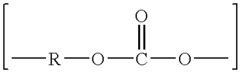
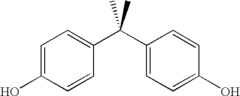
- A dual-cure coating composition that includes a radiation-curable component, a thermally curable binder, and a thermally curable crosslinking agent, along with UV-absorbing additives, applied to the polycarbonate substrate, which cures using both actinic radiation and thermal energy, ensuring excellent adhesion and optical clarity without the need for intermediate primers.
Coatings for polycarbonate windows
PatentInactiveEP1999196A1
Innovation
- A dual-cure coating composition for polycarbonate substrates that includes a radiation-curable component, a thermally curable binder, and a thermally curable crosslinking component, along with UV-absorbing additives, which can be applied and cured using actinic radiation and thermal energy, ensuring excellent adhesion and optical clarity without the need for intermediate primers.
Environmental Impact of Polycarbonate UI Materials
The environmental impact of polycarbonate materials used in user interfaces is a critical consideration in the development of sustainable technology. Polycarbonate, while offering excellent optical clarity and impact resistance, poses several environmental challenges throughout its lifecycle.
Production of polycarbonate involves energy-intensive processes and the use of potentially harmful chemicals, including bisphenol A (BPA). The manufacturing process contributes to greenhouse gas emissions and can lead to the release of toxic substances if not properly managed. Additionally, the raw materials for polycarbonate production are derived from fossil fuels, further increasing its carbon footprint.
During the use phase, polycarbonate UI materials generally have a low environmental impact. Their durability and resistance to wear can lead to longer product lifespans, potentially reducing the need for frequent replacements. However, concerns arise regarding the potential leaching of BPA and other additives, especially as the material ages or is exposed to heat or certain chemicals.
End-of-life management of polycarbonate UI materials presents significant environmental challenges. While theoretically recyclable, the presence of additives and coatings in many polycarbonate UI components complicates the recycling process. As a result, a large portion of polycarbonate waste ends up in landfills or is incinerated, contributing to pollution and resource depletion.
To address these environmental concerns, researchers and manufacturers are exploring several avenues. Bio-based alternatives to traditional polycarbonate are being developed, using renewable resources to reduce reliance on fossil fuels. These materials aim to maintain the desirable properties of polycarbonate while minimizing environmental impact.
Efforts are also underway to improve the recyclability of polycarbonate UI materials. This includes developing new additives that enhance recyclability without compromising performance, as well as designing products with end-of-life considerations in mind. Some companies are implementing take-back programs to ensure proper recycling of polycarbonate components.
Advancements in green chemistry are leading to the development of safer production processes for polycarbonate, reducing the use of harmful chemicals and minimizing emissions. Additionally, research into alternative materials that can match or exceed the performance of polycarbonate while offering improved environmental profiles is ongoing.
As environmental regulations become more stringent and consumer awareness grows, the pressure to address the environmental impact of polycarbonate UI materials is likely to intensify. This may drive further innovation in material science and manufacturing processes, potentially leading to more sustainable solutions for enhanced user interfaces in the future.
Production of polycarbonate involves energy-intensive processes and the use of potentially harmful chemicals, including bisphenol A (BPA). The manufacturing process contributes to greenhouse gas emissions and can lead to the release of toxic substances if not properly managed. Additionally, the raw materials for polycarbonate production are derived from fossil fuels, further increasing its carbon footprint.
During the use phase, polycarbonate UI materials generally have a low environmental impact. Their durability and resistance to wear can lead to longer product lifespans, potentially reducing the need for frequent replacements. However, concerns arise regarding the potential leaching of BPA and other additives, especially as the material ages or is exposed to heat or certain chemicals.
End-of-life management of polycarbonate UI materials presents significant environmental challenges. While theoretically recyclable, the presence of additives and coatings in many polycarbonate UI components complicates the recycling process. As a result, a large portion of polycarbonate waste ends up in landfills or is incinerated, contributing to pollution and resource depletion.
To address these environmental concerns, researchers and manufacturers are exploring several avenues. Bio-based alternatives to traditional polycarbonate are being developed, using renewable resources to reduce reliance on fossil fuels. These materials aim to maintain the desirable properties of polycarbonate while minimizing environmental impact.
Efforts are also underway to improve the recyclability of polycarbonate UI materials. This includes developing new additives that enhance recyclability without compromising performance, as well as designing products with end-of-life considerations in mind. Some companies are implementing take-back programs to ensure proper recycling of polycarbonate components.
Advancements in green chemistry are leading to the development of safer production processes for polycarbonate, reducing the use of harmful chemicals and minimizing emissions. Additionally, research into alternative materials that can match or exceed the performance of polycarbonate while offering improved environmental profiles is ongoing.
As environmental regulations become more stringent and consumer awareness grows, the pressure to address the environmental impact of polycarbonate UI materials is likely to intensify. This may drive further innovation in material science and manufacturing processes, potentially leading to more sustainable solutions for enhanced user interfaces in the future.
Regulatory Framework for UI Material Safety
The regulatory framework for user interface material safety, particularly concerning polycarbonate, is a critical aspect of product development and market compliance. Governments and international organizations have established stringent guidelines to ensure the safety and reliability of materials used in consumer electronics and other interactive devices.
In the United States, the Consumer Product Safety Commission (CPSC) plays a pivotal role in regulating the safety of materials used in consumer products, including those with user interfaces. The CPSC enforces standards that address potential hazards such as chemical exposure, electrical safety, and mechanical risks. For polycarbonate used in UI applications, manufacturers must comply with regulations like the Consumer Product Safety Improvement Act (CPSIA), which sets limits on certain chemicals and requires testing for lead content.
The European Union has implemented the Registration, Evaluation, Authorization, and Restriction of Chemicals (REACH) regulation, which affects the use of polycarbonate in UI materials. REACH requires manufacturers to register chemicals used in their products and provide safety information. Additionally, the Restriction of Hazardous Substances (RoHS) directive limits the use of certain hazardous substances in electrical and electronic equipment, impacting the composition of polycarbonate formulations used in UI applications.
In Asia, countries like Japan and South Korea have their own regulatory frameworks. Japan's Chemical Substances Control Law (CSCL) and Korea's Act on Registration and Evaluation of Chemicals (K-REACH) impose similar requirements to their European counterparts, ensuring the safety of materials used in consumer products.
International standards organizations also contribute to the regulatory landscape. The International Electrotechnical Commission (IEC) has developed standards such as IEC 62368-1, which addresses safety requirements for audio/video, information, and communication technology equipment. These standards often include specifications for materials used in user interfaces, including polycarbonate.
Specific to polycarbonate, regulations often focus on the potential leaching of bisphenol A (BPA), a compound used in its production. Many jurisdictions have implemented restrictions or bans on BPA in certain products, particularly those intended for infants and children. This has led to the development of BPA-free polycarbonate alternatives for use in UI applications where direct contact with users is expected.
Manufacturers must also consider regulations related to flame retardancy, as many electronic devices with user interfaces require materials that meet specific fire safety standards. The UL 94 standard, developed by Underwriters Laboratories, is widely recognized and often referenced in regulatory requirements for plastic materials used in electronic equipment.
As technology evolves, regulatory frameworks continue to adapt. The increasing integration of haptic feedback and other advanced UI features has led to new considerations in material safety regulations. Manufacturers and researchers must stay abreast of these evolving standards to ensure compliance and maintain consumer trust in their products.
In the United States, the Consumer Product Safety Commission (CPSC) plays a pivotal role in regulating the safety of materials used in consumer products, including those with user interfaces. The CPSC enforces standards that address potential hazards such as chemical exposure, electrical safety, and mechanical risks. For polycarbonate used in UI applications, manufacturers must comply with regulations like the Consumer Product Safety Improvement Act (CPSIA), which sets limits on certain chemicals and requires testing for lead content.
The European Union has implemented the Registration, Evaluation, Authorization, and Restriction of Chemicals (REACH) regulation, which affects the use of polycarbonate in UI materials. REACH requires manufacturers to register chemicals used in their products and provide safety information. Additionally, the Restriction of Hazardous Substances (RoHS) directive limits the use of certain hazardous substances in electrical and electronic equipment, impacting the composition of polycarbonate formulations used in UI applications.
In Asia, countries like Japan and South Korea have their own regulatory frameworks. Japan's Chemical Substances Control Law (CSCL) and Korea's Act on Registration and Evaluation of Chemicals (K-REACH) impose similar requirements to their European counterparts, ensuring the safety of materials used in consumer products.
International standards organizations also contribute to the regulatory landscape. The International Electrotechnical Commission (IEC) has developed standards such as IEC 62368-1, which addresses safety requirements for audio/video, information, and communication technology equipment. These standards often include specifications for materials used in user interfaces, including polycarbonate.
Specific to polycarbonate, regulations often focus on the potential leaching of bisphenol A (BPA), a compound used in its production. Many jurisdictions have implemented restrictions or bans on BPA in certain products, particularly those intended for infants and children. This has led to the development of BPA-free polycarbonate alternatives for use in UI applications where direct contact with users is expected.
Manufacturers must also consider regulations related to flame retardancy, as many electronic devices with user interfaces require materials that meet specific fire safety standards. The UL 94 standard, developed by Underwriters Laboratories, is widely recognized and often referenced in regulatory requirements for plastic materials used in electronic equipment.
As technology evolves, regulatory frameworks continue to adapt. The increasing integration of haptic feedback and other advanced UI features has led to new considerations in material safety regulations. Manufacturers and researchers must stay abreast of these evolving standards to ensure compliance and maintain consumer trust in their products.
Unlock deeper insights with PatSnap Eureka Quick Research — get a full tech report to explore trends and direct your research. Try now!
Generate Your Research Report Instantly with AI Agent
Supercharge your innovation with PatSnap Eureka AI Agent Platform!