
Solid polymer electrolytes for next-generation batteries
FEB 11, 20269 MIN READ
Generate Your Research Report Instantly with AI Agent
Patsnap Eureka helps you evaluate technical feasibility & market potential.
Solid Polymer Electrolyte Technology Background and Objectives
Solid polymer electrolytes represent a transformative advancement in energy storage technology, emerging from decades of research aimed at overcoming the fundamental limitations of conventional liquid electrolyte systems. The evolution of battery technology has been driven by escalating demands for higher energy density, enhanced safety profiles, and extended operational lifespans across applications ranging from portable electronics to electric vehicles and grid-scale energy storage. Traditional lithium-ion batteries, while commercially successful, face inherent safety risks associated with flammable liquid electrolytes, including thermal runaway and leakage concerns that constrain their deployment in critical applications.
The development trajectory of solid polymer electrolytes began in the 1970s with the discovery of ionic conductivity in polyethylene oxide complexes, marking the conceptual foundation for all-solid-state battery architectures. This pioneering work revealed that certain polymer matrices could facilitate ion transport while eliminating volatile liquid components, thereby addressing safety vulnerabilities at the material level. Subsequent decades witnessed systematic efforts to enhance ionic conductivity, which initially lagged several orders of magnitude behind liquid counterparts, through molecular engineering, composite formulations, and nanostructuring approaches.
The primary technical objectives driving current solid polymer electrolyte research encompass achieving room-temperature ionic conductivities exceeding 10^-4 S/cm, establishing stable interfacial contact with electrode materials, and maintaining mechanical integrity throughout charge-discharge cycling. These targets are essential for enabling practical solid-state batteries that can match or surpass the performance metrics of conventional systems while delivering superior safety characteristics. Additionally, researchers aim to develop scalable manufacturing processes compatible with existing battery production infrastructure, ensuring economic viability for commercial deployment.
Contemporary research efforts focus on addressing the electrochemical stability window limitations, suppressing lithium dendrite formation at polymer-metal interfaces, and optimizing the balance between mechanical flexibility and ionic transport efficiency. The ultimate goal extends beyond incremental improvements to establish a new paradigm in energy storage that supports emerging applications requiring unprecedented combinations of energy density, power capability, and operational safety under diverse environmental conditions.
The development trajectory of solid polymer electrolytes began in the 1970s with the discovery of ionic conductivity in polyethylene oxide complexes, marking the conceptual foundation for all-solid-state battery architectures. This pioneering work revealed that certain polymer matrices could facilitate ion transport while eliminating volatile liquid components, thereby addressing safety vulnerabilities at the material level. Subsequent decades witnessed systematic efforts to enhance ionic conductivity, which initially lagged several orders of magnitude behind liquid counterparts, through molecular engineering, composite formulations, and nanostructuring approaches.
The primary technical objectives driving current solid polymer electrolyte research encompass achieving room-temperature ionic conductivities exceeding 10^-4 S/cm, establishing stable interfacial contact with electrode materials, and maintaining mechanical integrity throughout charge-discharge cycling. These targets are essential for enabling practical solid-state batteries that can match or surpass the performance metrics of conventional systems while delivering superior safety characteristics. Additionally, researchers aim to develop scalable manufacturing processes compatible with existing battery production infrastructure, ensuring economic viability for commercial deployment.
Contemporary research efforts focus on addressing the electrochemical stability window limitations, suppressing lithium dendrite formation at polymer-metal interfaces, and optimizing the balance between mechanical flexibility and ionic transport efficiency. The ultimate goal extends beyond incremental improvements to establish a new paradigm in energy storage that supports emerging applications requiring unprecedented combinations of energy density, power capability, and operational safety under diverse environmental conditions.
Market Demand for Next-Generation Battery Applications
The global transition toward electrification and decarbonization is driving unprecedented demand for advanced energy storage systems, with next-generation batteries positioned at the forefront of this transformation. Electric vehicles represent the most significant growth sector, as automotive manufacturers worldwide commit to phasing out internal combustion engines. The limitations of current lithium-ion batteries with liquid electrolytes—including safety concerns related to flammability, limited energy density, and thermal management challenges—are creating substantial market pull for solid-state battery technologies incorporating solid polymer electrolytes.
Consumer electronics continue to demand batteries with higher energy density and improved safety profiles. Smartphones, laptops, wearable devices, and emerging augmented reality systems require compact power sources that can deliver extended operational time without compromising user safety. Solid polymer electrolyte-based batteries offer the potential to meet these requirements while enabling thinner and more flexible device designs that align with evolving consumer preferences.
Grid-scale energy storage applications are expanding rapidly as renewable energy penetration increases across global power networks. Solar and wind installations require robust storage solutions to address intermittency challenges and ensure grid stability. Next-generation batteries with solid polymer electrolytes promise longer cycle life, wider operating temperature ranges, and reduced maintenance requirements compared to conventional systems, making them increasingly attractive for stationary storage deployments.
The aerospace and defense sectors present specialized but high-value market opportunities. These applications demand batteries capable of operating reliably under extreme conditions while meeting stringent safety standards. Solid polymer electrolytes eliminate leakage risks and offer superior thermal stability, addressing critical requirements for aviation, space exploration, and military systems where failure is not an option.
Emerging applications in medical devices, Internet of Things sensors, and autonomous robotics are creating additional demand vectors. These use cases often require batteries with specific form factors, extended shelf life, and predictable performance characteristics that solid polymer electrolyte technologies can uniquely provide. The convergence of these diverse market needs is establishing a compelling commercial foundation for accelerated development and deployment of next-generation battery systems.
Consumer electronics continue to demand batteries with higher energy density and improved safety profiles. Smartphones, laptops, wearable devices, and emerging augmented reality systems require compact power sources that can deliver extended operational time without compromising user safety. Solid polymer electrolyte-based batteries offer the potential to meet these requirements while enabling thinner and more flexible device designs that align with evolving consumer preferences.
Grid-scale energy storage applications are expanding rapidly as renewable energy penetration increases across global power networks. Solar and wind installations require robust storage solutions to address intermittency challenges and ensure grid stability. Next-generation batteries with solid polymer electrolytes promise longer cycle life, wider operating temperature ranges, and reduced maintenance requirements compared to conventional systems, making them increasingly attractive for stationary storage deployments.
The aerospace and defense sectors present specialized but high-value market opportunities. These applications demand batteries capable of operating reliably under extreme conditions while meeting stringent safety standards. Solid polymer electrolytes eliminate leakage risks and offer superior thermal stability, addressing critical requirements for aviation, space exploration, and military systems where failure is not an option.
Emerging applications in medical devices, Internet of Things sensors, and autonomous robotics are creating additional demand vectors. These use cases often require batteries with specific form factors, extended shelf life, and predictable performance characteristics that solid polymer electrolyte technologies can uniquely provide. The convergence of these diverse market needs is establishing a compelling commercial foundation for accelerated development and deployment of next-generation battery systems.
Current Status and Challenges of Solid Polymer Electrolytes
Solid polymer electrolytes (SPEs) have emerged as promising candidates for next-generation battery systems, particularly in addressing safety concerns associated with conventional liquid electrolytes. Current research focuses primarily on polyethylene oxide (PEO)-based systems, which demonstrate favorable lithium-ion coordination properties and mechanical flexibility. However, these materials face significant limitations in achieving the performance benchmarks required for commercial viability. The ionic conductivity of most SPEs remains substantially lower than liquid electrolytes, typically ranging from 10^-5 to 10^-4 S/cm at room temperature, compared to 10^-3 S/cm for liquid systems.
The fundamental challenge lies in the inherent trade-off between ionic conductivity and mechanical strength. High ionic conductivity requires enhanced polymer chain mobility, which typically occurs above the glass transition temperature. However, this increased mobility often compromises mechanical integrity, leading to poor dimensional stability and inadequate suppression of lithium dendrite growth. Current SPE systems struggle to simultaneously optimize these competing properties, limiting their practical application in high-energy-density batteries.
Interfacial resistance between SPEs and electrode materials represents another critical bottleneck. Poor interfacial contact results from the rigid nature of solid-solid interfaces, leading to high charge transfer resistance and capacity fade during cycling. This issue becomes particularly pronounced at room temperature, where polymer chain dynamics are restricted. Additionally, the electrochemical stability window of many polymer electrolytes remains insufficient for high-voltage cathode materials, constraining energy density improvements.
Geographically, SPE research is concentrated in advanced economies with established battery industries. Asian countries, particularly China, Japan, and South Korea, lead in patent filings and industrial development, driven by strong governmental support and integration with electric vehicle manufacturing. North American and European institutions contribute significantly to fundamental research, focusing on novel polymer architectures and composite approaches. However, the gap between laboratory achievements and industrial-scale production remains substantial, with manufacturing scalability and cost-effectiveness presenting ongoing challenges that require coordinated international efforts to overcome.
The fundamental challenge lies in the inherent trade-off between ionic conductivity and mechanical strength. High ionic conductivity requires enhanced polymer chain mobility, which typically occurs above the glass transition temperature. However, this increased mobility often compromises mechanical integrity, leading to poor dimensional stability and inadequate suppression of lithium dendrite growth. Current SPE systems struggle to simultaneously optimize these competing properties, limiting their practical application in high-energy-density batteries.
Interfacial resistance between SPEs and electrode materials represents another critical bottleneck. Poor interfacial contact results from the rigid nature of solid-solid interfaces, leading to high charge transfer resistance and capacity fade during cycling. This issue becomes particularly pronounced at room temperature, where polymer chain dynamics are restricted. Additionally, the electrochemical stability window of many polymer electrolytes remains insufficient for high-voltage cathode materials, constraining energy density improvements.
Geographically, SPE research is concentrated in advanced economies with established battery industries. Asian countries, particularly China, Japan, and South Korea, lead in patent filings and industrial development, driven by strong governmental support and integration with electric vehicle manufacturing. North American and European institutions contribute significantly to fundamental research, focusing on novel polymer architectures and composite approaches. However, the gap between laboratory achievements and industrial-scale production remains substantial, with manufacturing scalability and cost-effectiveness presenting ongoing challenges that require coordinated international efforts to overcome.
Mainstream Solid Polymer Electrolyte Solutions
01 Polymer electrolyte composition and preparation methods
Solid polymer electrolytes can be formulated using various polymer matrices combined with lithium salts and plasticizers. The composition typically includes polymers such as polyethylene oxide, polyvinylidene fluoride, or polyacrylonitrile as the base material. These materials are processed through methods like solution casting, hot pressing, or electrospinning to create electrolyte membranes with desired ionic conductivity and mechanical properties. The preparation methods focus on achieving uniform distribution of conductive salts within the polymer matrix to enhance ion transport.- Polymer electrolyte composition and preparation methods: Solid polymer electrolytes can be formulated using various polymer matrices combined with lithium salts and plasticizers. The composition typically includes polymers such as polyethylene oxide, polyvinylidene fluoride, or polyacrylonitrile as the host material. These materials are processed through methods like solution casting, hot pressing, or electrospinning to create electrolyte membranes with optimized ionic conductivity and mechanical properties. The preparation process is crucial for achieving uniform distribution of components and desired electrochemical performance.
- Composite solid polymer electrolytes with inorganic fillers: Incorporating inorganic fillers into polymer electrolytes can significantly enhance their performance characteristics. Ceramic particles, metal oxides, or other inorganic materials are dispersed within the polymer matrix to improve ionic conductivity, mechanical strength, and thermal stability. These composite electrolytes demonstrate better interfacial contact with electrodes and reduced dendrite formation. The filler materials can also help suppress side reactions and improve the overall safety of the battery system.
- Cross-linked and gel polymer electrolytes: Cross-linking techniques and gel formation are employed to create polymer electrolytes with enhanced dimensional stability and ionic transport properties. These electrolytes combine the advantages of liquid and solid electrolytes by incorporating liquid components within a cross-linked polymer network. The gel structure provides high ionic conductivity while maintaining mechanical integrity. Various cross-linking agents and methods are utilized to optimize the network structure and electrochemical performance for next-generation battery applications.
- Single-ion conducting polymer electrolytes: Single-ion conducting polymer electrolytes feature covalently bonded anionic groups to the polymer backbone, allowing only cation transport. This design eliminates concentration polarization and improves lithium-ion transference numbers compared to conventional dual-ion conducting systems. The immobilized anions prevent anion migration and reduce interfacial resistance at electrode surfaces. These electrolytes demonstrate improved cycling stability and rate capability, making them promising candidates for high-performance solid-state batteries.
- Interface engineering and compatibility with electrodes: Optimizing the interface between solid polymer electrolytes and electrode materials is critical for battery performance. Various strategies are employed to improve interfacial contact, reduce resistance, and prevent delamination during cycling. These include surface modification of electrodes, use of buffer layers, and incorporation of interfacial additives. Proper interface engineering ensures efficient ion transport across boundaries and minimizes side reactions. The compatibility between electrolyte and electrode materials directly impacts the cycle life and energy efficiency of next-generation batteries.
02 Composite solid polymer electrolytes with inorganic fillers
Incorporation of inorganic fillers into polymer electrolytes can significantly improve their electrochemical performance. Ceramic particles, metal oxides, or other inorganic materials are dispersed within the polymer matrix to enhance ionic conductivity, mechanical strength, and thermal stability. These composite electrolytes demonstrate improved interfacial properties with electrodes and reduced dendrite formation. The filler materials can also help suppress lithium dendrite growth and improve the overall safety of the battery system.Expand Specific Solutions03 Cross-linked and gel polymer electrolytes
Cross-linking techniques and gel formation are employed to optimize the mechanical and electrochemical properties of polymer electrolytes. These approaches involve chemical or physical cross-linking of polymer chains to create three-dimensional networks that provide enhanced dimensional stability and ionic conductivity. Gel polymer electrolytes combine the advantages of liquid and solid electrolytes by incorporating liquid electrolyte components within a polymer matrix, resulting in improved ion transport while maintaining structural integrity.Expand Specific Solutions04 Interface engineering between electrolyte and electrodes
Optimizing the interface between solid polymer electrolytes and battery electrodes is critical for next-generation battery performance. Various surface modification techniques and interfacial layer designs are implemented to reduce interfacial resistance and improve lithium ion transfer. These approaches include the use of buffer layers, surface coatings, or in-situ formation of stable interfaces during battery operation. Proper interface engineering helps minimize charge transfer resistance and enhances the cycling stability of the battery.Expand Specific Solutions05 High-temperature and high-voltage stable polymer electrolytes
Development of polymer electrolytes with enhanced thermal stability and electrochemical window is essential for next-generation high-performance batteries. These electrolytes are designed to maintain structural integrity and ionic conductivity at elevated temperatures while withstanding high voltage operations. Special polymer architectures, additives, or hybrid systems are employed to achieve improved oxidation resistance and thermal stability. Such electrolytes enable safer battery operation under demanding conditions and support the use of high-voltage cathode materials.Expand Specific Solutions
Major Players in Solid-State Battery Industry
The solid polymer electrolyte technology for next-generation batteries is experiencing rapid evolution, transitioning from early commercialization to mainstream adoption as the industry pursues safer, higher-performance energy storage solutions. The global market demonstrates substantial growth potential, driven by electric vehicle expansion and grid-scale energy storage demands. Technology maturity varies significantly across players: established chemical giants like LG Energy Solution, Asahi Kasei, and Evonik Operations leverage extensive materials science expertise, while specialized innovators such as Ionic Materials and Blue Solutions focus on breakthrough polymer architectures. Traditional manufacturers including ZEON, Kureha, and Resonac Holdings contribute advanced polymer materials, whereas research institutions like KIST and Cornell University drive fundamental innovations. Companies like Shenzhen Capchem and Robert Bosch integrate polymer electrolytes into comprehensive battery systems, reflecting the technology's progression toward commercial viability and cross-industry collaboration.
LG Energy Solution Ltd.
Technical Solution: LG Energy Solution has developed advanced solid polymer electrolyte systems focusing on polyethylene oxide (PEO)-based composites integrated with ceramic fillers to enhance ionic conductivity and mechanical stability. Their technology incorporates lithium salt optimization strategies and interfacial engineering approaches to reduce interfacial resistance between electrodes and electrolytes[2][5]. The company has demonstrated prototype all-solid-state batteries with energy densities exceeding 300 Wh/kg, targeting electric vehicle applications with improved safety profiles by eliminating flammable liquid electrolytes[7][9]. Their research emphasizes scalable manufacturing processes compatible with existing battery production infrastructure.
Strengths: Strong industrial manufacturing capabilities, extensive R&D resources, proven track record in lithium-ion battery production. Weaknesses: Relatively lower ionic conductivity at room temperature compared to liquid electrolytes, challenges in achieving stable lithium metal interface contact[3][8].
Evonik Operations GmbH
Technical Solution: Evonik has developed specialized polymer electrolyte materials leveraging their expertise in specialty chemicals and polymer synthesis. Their approach focuses on functionalized polymer architectures incorporating ionic liquid components and cross-linked polymer networks to achieve enhanced ionic transport properties[3][8]. The company offers SEPARION® ceramic-coated separator technology that can be adapted for solid-state applications, along with polymer electrolyte formulations based on modified polysiloxanes and polyethers[14]. Evonik's research emphasizes thermal stability up to 200°C and electrochemical stability windows exceeding 4.5V, enabling compatibility with high-energy cathode materials for automotive and stationary storage applications[15][17].
Strengths: Deep materials science expertise, established chemical manufacturing infrastructure, strong focus on thermal and electrochemical stability. Weaknesses: Moderate ionic conductivity requiring optimization, limited public demonstration of complete battery systems, ongoing challenges with lithium dendrite suppression[16][18].
Key Innovations in Polymer Electrolyte Patents
Comb-branched polymer/silica nanoparticles hybrid polymer electrolytes for solid-state lithium metal secondary batteries
PatentPendingUS20250079512A1
Innovation
- The use of comb-branched polymer/silica nanoparticles hybrid polymer electrolytes, where colloidal surface-modified silica nanoparticles are dispersed in a comb-branched polymer with pendant functional groups, forming a crosslinked material to enhance ionic conductivity and mechanical properties.


Solid polymer electrolyte, electrode structure and electrochemical device comprising same, and method of producing solid polymer electrolyte film
PatentWO2020054889A1
Innovation
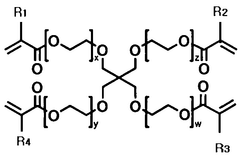
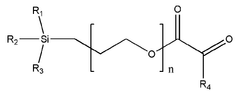
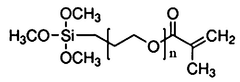
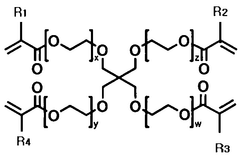
- A solid polymer electrolyte is developed using a copolymer of crosslinkable monomers like ethoxylated pentaerythritol acrylate and silyl group-containing acrylate, combined with lithium salt, which reduces crystallinity and enhances ionic conductivity and mechanical strength through crosslinking, allowing for a free-standing membrane with improved electrochemical properties.
Safety Standards and Regulations for Solid-State Batteries
The development and commercialization of solid-state batteries utilizing solid polymer electrolytes necessitate comprehensive safety standards and regulatory frameworks to ensure their reliable deployment across various applications. Currently, the regulatory landscape for solid-state batteries remains fragmented, with existing standards primarily designed for conventional lithium-ion batteries containing liquid electrolytes. Organizations such as the International Electrotechnical Commission, Underwriters Laboratories, and the Society of Automotive Engineers are actively working to establish specific testing protocols and certification requirements tailored to solid-state battery technologies. These efforts focus on addressing unique safety considerations including mechanical integrity under stress, thermal stability at elevated temperatures, and electrochemical performance degradation over extended cycling periods.
Regulatory bodies worldwide are prioritizing the establishment of standardized testing methodologies to evaluate the safety performance of solid polymer electrolyte systems. Key assessment criteria include flammability resistance, short-circuit tolerance, nail penetration response, and thermal runaway propagation characteristics. Unlike liquid electrolyte systems, solid polymer electrolytes demonstrate inherently lower flammability risks, yet require distinct evaluation protocols to verify their mechanical robustness and interfacial stability under abuse conditions. The absence of volatile organic solvents fundamentally alters the failure modes and necessitates revised safety testing parameters.
Transportation regulations present another critical dimension, as solid-state batteries must comply with international shipping standards established by organizations including the International Air Transport Association and the United Nations Committee of Experts on the Transport of Dangerous Goods. The classification of solid polymer electrolyte batteries under existing hazardous materials categories requires clarification, particularly regarding their exemption potential from certain restrictions applicable to conventional lithium-ion technologies.
Manufacturing facilities producing solid-state batteries face evolving occupational safety requirements and environmental compliance obligations. Regulatory agencies are developing guidelines addressing workplace exposure limits for polymer electrolyte materials, waste disposal protocols, and recycling procedures specific to solid-state battery components. The establishment of harmonized international standards remains essential to facilitate global market access and ensure consistent safety assurance across different jurisdictions, thereby accelerating the commercial adoption of solid polymer electrolyte technologies in next-generation energy storage applications.
Regulatory bodies worldwide are prioritizing the establishment of standardized testing methodologies to evaluate the safety performance of solid polymer electrolyte systems. Key assessment criteria include flammability resistance, short-circuit tolerance, nail penetration response, and thermal runaway propagation characteristics. Unlike liquid electrolyte systems, solid polymer electrolytes demonstrate inherently lower flammability risks, yet require distinct evaluation protocols to verify their mechanical robustness and interfacial stability under abuse conditions. The absence of volatile organic solvents fundamentally alters the failure modes and necessitates revised safety testing parameters.
Transportation regulations present another critical dimension, as solid-state batteries must comply with international shipping standards established by organizations including the International Air Transport Association and the United Nations Committee of Experts on the Transport of Dangerous Goods. The classification of solid polymer electrolyte batteries under existing hazardous materials categories requires clarification, particularly regarding their exemption potential from certain restrictions applicable to conventional lithium-ion technologies.
Manufacturing facilities producing solid-state batteries face evolving occupational safety requirements and environmental compliance obligations. Regulatory agencies are developing guidelines addressing workplace exposure limits for polymer electrolyte materials, waste disposal protocols, and recycling procedures specific to solid-state battery components. The establishment of harmonized international standards remains essential to facilitate global market access and ensure consistent safety assurance across different jurisdictions, thereby accelerating the commercial adoption of solid polymer electrolyte technologies in next-generation energy storage applications.
Manufacturing Scalability of Polymer Electrolyte Systems
Manufacturing scalability represents a critical bottleneck in transitioning solid polymer electrolyte (SPE) systems from laboratory demonstrations to commercial battery production. Current manufacturing challenges stem from the inherent complexity of achieving uniform polymer film formation, precise compositional control, and consistent interfacial properties across large-area substrates. Traditional solution-casting methods, while effective at small scales, encounter significant difficulties in maintaining thickness uniformity and eliminating defects when scaled to industrial dimensions. The transition from batch processing to continuous manufacturing requires fundamental reconsideration of processing parameters, quality control mechanisms, and equipment design.
The economics of SPE manufacturing demand cost-effective production routes that can compete with established liquid electrolyte systems. Roll-to-roll processing has emerged as a promising approach, enabling continuous production of polymer electrolyte membranes with improved throughput and reduced material waste. However, this methodology introduces new challenges related to solvent evaporation rates, drying uniformity, and tension control during web handling. Alternative techniques such as extrusion coating and slot-die coating offer potential advantages in terms of material utilization efficiency and processing speed, yet require optimization of rheological properties and thermal management strategies.
Integration of polymer electrolytes into complete battery architectures presents additional scalability considerations. The formation of intimate electrode-electrolyte interfaces at manufacturing scale necessitates controlled lamination processes, often involving elevated temperatures and pressures that must be carefully balanced to avoid material degradation. Automated assembly lines must accommodate the mechanical properties of SPE materials, which differ substantially from conventional separators, requiring specialized handling equipment and quality inspection systems.
Quality assurance protocols for scaled manufacturing must address both macroscopic defects and microscopic inhomogeneities that could compromise battery performance and safety. In-line monitoring technologies, including optical inspection, impedance spectroscopy, and thickness measurement systems, become essential for maintaining production consistency. The development of standardized testing protocols and acceptance criteria specific to polymer electrolyte systems remains an ongoing industrial priority, requiring collaboration between material suppliers, equipment manufacturers, and battery producers to establish robust manufacturing ecosystems capable of supporting next-generation battery commercialization.
The economics of SPE manufacturing demand cost-effective production routes that can compete with established liquid electrolyte systems. Roll-to-roll processing has emerged as a promising approach, enabling continuous production of polymer electrolyte membranes with improved throughput and reduced material waste. However, this methodology introduces new challenges related to solvent evaporation rates, drying uniformity, and tension control during web handling. Alternative techniques such as extrusion coating and slot-die coating offer potential advantages in terms of material utilization efficiency and processing speed, yet require optimization of rheological properties and thermal management strategies.
Integration of polymer electrolytes into complete battery architectures presents additional scalability considerations. The formation of intimate electrode-electrolyte interfaces at manufacturing scale necessitates controlled lamination processes, often involving elevated temperatures and pressures that must be carefully balanced to avoid material degradation. Automated assembly lines must accommodate the mechanical properties of SPE materials, which differ substantially from conventional separators, requiring specialized handling equipment and quality inspection systems.
Quality assurance protocols for scaled manufacturing must address both macroscopic defects and microscopic inhomogeneities that could compromise battery performance and safety. In-line monitoring technologies, including optical inspection, impedance spectroscopy, and thickness measurement systems, become essential for maintaining production consistency. The development of standardized testing protocols and acceptance criteria specific to polymer electrolyte systems remains an ongoing industrial priority, requiring collaboration between material suppliers, equipment manufacturers, and battery producers to establish robust manufacturing ecosystems capable of supporting next-generation battery commercialization.
Unlock deeper insights with Patsnap Eureka Quick Research — get a full tech report to explore trends and direct your research. Try now!
Generate Your Research Report Instantly with AI Agent
Supercharge your innovation with Patsnap Eureka AI Agent Platform!