
Solid polymer electrolytes under fast charging conditions
FEB 11, 20269 MIN READ
Generate Your Research Report Instantly with AI Agent
Patsnap Eureka helps you evaluate technical feasibility & market potential.
Solid Polymer Electrolyte Fast Charging Background and Objectives
The global transition toward electric mobility has accelerated demand for advanced energy storage systems capable of delivering higher power density, enhanced safety, and extended cycle life. Conventional lithium-ion batteries utilizing liquid electrolytes face inherent limitations including flammability risks, electrolyte leakage, and dendrite formation during rapid charging cycles. These challenges have intensified research efforts toward solid-state battery technologies, particularly solid polymer electrolytes, which promise superior safety profiles and mechanical flexibility while enabling faster charging capabilities.
Solid polymer electrolytes represent a transformative approach to addressing the critical bottleneck of charging speed in electric vehicles and portable electronics. Unlike their liquid counterparts, polymer-based electrolytes offer intrinsic advantages including reduced interfacial resistance, improved thermal stability, and the potential for simplified battery architecture. However, achieving adequate ionic conductivity at ambient temperatures while maintaining mechanical integrity under high current densities remains a fundamental challenge that limits commercial deployment.
The primary objective of this research domain centers on developing solid polymer electrolyte systems capable of sustaining fast charging protocols without compromising battery performance or longevity. This involves optimizing ionic transport mechanisms through molecular design, enhancing interfacial compatibility with electrode materials, and mitigating polarization effects that emerge under high-rate conditions. Specific technical targets include achieving ionic conductivities exceeding 1 mS/cm at room temperature, maintaining stable electrochemical windows above 4.5V, and enabling charging rates of 3C or higher with minimal capacity degradation.
Furthermore, the research aims to establish comprehensive understanding of degradation mechanisms specific to fast charging scenarios, including lithium plating tendencies, thermal management requirements, and mechanical stress evolution at electrode-electrolyte interfaces. Addressing these multifaceted challenges requires interdisciplinary approaches combining polymer chemistry, electrochemistry, materials science, and computational modeling to unlock the full potential of solid polymer electrolytes in next-generation fast-charging battery systems.
Solid polymer electrolytes represent a transformative approach to addressing the critical bottleneck of charging speed in electric vehicles and portable electronics. Unlike their liquid counterparts, polymer-based electrolytes offer intrinsic advantages including reduced interfacial resistance, improved thermal stability, and the potential for simplified battery architecture. However, achieving adequate ionic conductivity at ambient temperatures while maintaining mechanical integrity under high current densities remains a fundamental challenge that limits commercial deployment.
The primary objective of this research domain centers on developing solid polymer electrolyte systems capable of sustaining fast charging protocols without compromising battery performance or longevity. This involves optimizing ionic transport mechanisms through molecular design, enhancing interfacial compatibility with electrode materials, and mitigating polarization effects that emerge under high-rate conditions. Specific technical targets include achieving ionic conductivities exceeding 1 mS/cm at room temperature, maintaining stable electrochemical windows above 4.5V, and enabling charging rates of 3C or higher with minimal capacity degradation.
Furthermore, the research aims to establish comprehensive understanding of degradation mechanisms specific to fast charging scenarios, including lithium plating tendencies, thermal management requirements, and mechanical stress evolution at electrode-electrolyte interfaces. Addressing these multifaceted challenges requires interdisciplinary approaches combining polymer chemistry, electrochemistry, materials science, and computational modeling to unlock the full potential of solid polymer electrolytes in next-generation fast-charging battery systems.
Market Demand for Fast Charging Battery Systems
The global transition toward electric mobility has created unprecedented demand for advanced battery systems capable of rapid energy replenishment. Fast charging technology has emerged as a critical enabler for widespread electric vehicle adoption, addressing one of the primary consumer concerns regarding charging time and convenience. Current market dynamics indicate that consumers increasingly prioritize charging speed comparable to conventional refueling experiences, driving automotive manufacturers and battery developers to accelerate innovation in fast charging capabilities.
The electric vehicle market has witnessed exponential growth across major economies, with projections indicating continued expansion through the next decade. This growth trajectory directly correlates with heightened demand for battery systems that can sustain high charging rates without compromising safety, cycle life, or energy density. Commercial fleet operators, ride-sharing services, and long-distance transportation sectors represent particularly demanding segments where charging downtime directly impacts operational efficiency and profitability. These applications require battery technologies that can reliably accept charge rates exceeding conventional standards while maintaining thermal stability and longevity.
Consumer electronics and portable power applications constitute another significant market segment driving fast charging requirements. Smartphones, laptops, and wearable devices increasingly incorporate rapid charging features as standard expectations rather than premium offerings. This consumer behavior pattern has established fast charging as a fundamental product differentiator across multiple industries, creating substantial pressure on battery technology providers to deliver solutions that balance speed, safety, and durability.
Infrastructure development initiatives worldwide further amplify market demand for fast charging battery systems. Governments and private investors are deploying high-power charging networks that require compatible battery technologies capable of utilizing available charging infrastructure effectively. The interplay between charging station capabilities and battery system specifications creates a co-evolutionary market dynamic where advancements in one domain stimulate requirements in the other.
The convergence of regulatory pressures, environmental concerns, and technological maturation has positioned fast charging battery systems as essential components in the broader energy transition landscape. Market demand continues to intensify as performance expectations rise and cost considerations become increasingly competitive with traditional energy storage solutions.
The electric vehicle market has witnessed exponential growth across major economies, with projections indicating continued expansion through the next decade. This growth trajectory directly correlates with heightened demand for battery systems that can sustain high charging rates without compromising safety, cycle life, or energy density. Commercial fleet operators, ride-sharing services, and long-distance transportation sectors represent particularly demanding segments where charging downtime directly impacts operational efficiency and profitability. These applications require battery technologies that can reliably accept charge rates exceeding conventional standards while maintaining thermal stability and longevity.
Consumer electronics and portable power applications constitute another significant market segment driving fast charging requirements. Smartphones, laptops, and wearable devices increasingly incorporate rapid charging features as standard expectations rather than premium offerings. This consumer behavior pattern has established fast charging as a fundamental product differentiator across multiple industries, creating substantial pressure on battery technology providers to deliver solutions that balance speed, safety, and durability.
Infrastructure development initiatives worldwide further amplify market demand for fast charging battery systems. Governments and private investors are deploying high-power charging networks that require compatible battery technologies capable of utilizing available charging infrastructure effectively. The interplay between charging station capabilities and battery system specifications creates a co-evolutionary market dynamic where advancements in one domain stimulate requirements in the other.
The convergence of regulatory pressures, environmental concerns, and technological maturation has positioned fast charging battery systems as essential components in the broader energy transition landscape. Market demand continues to intensify as performance expectations rise and cost considerations become increasingly competitive with traditional energy storage solutions.
Current Status and Challenges of SPE Fast Charging
Solid polymer electrolytes (SPEs) have emerged as promising candidates for next-generation lithium batteries, offering enhanced safety profiles compared to conventional liquid electrolytes. However, their application under fast charging conditions remains significantly constrained by multiple technical barriers. Current SPE systems typically exhibit ionic conductivities in the range of 10⁻⁵ to 10⁻⁴ S/cm at room temperature, which falls substantially short of the 10⁻³ S/cm threshold required for practical fast charging applications. This conductivity gap represents the most fundamental challenge limiting SPE deployment in high-power battery systems.
The lithium-ion transference number in most polymer electrolytes remains problematically low, typically below 0.5, resulting in severe concentration polarization during rapid charging cycles. This phenomenon leads to lithium salt depletion at the anode interface and accumulation at the cathode, creating substantial overpotentials that impede charge transfer kinetics. The mechanical properties of SPEs present another critical challenge, as maintaining dimensional stability while ensuring adequate interfacial contact with electrodes becomes increasingly difficult under the thermal stress generated during fast charging operations.
Interfacial resistance between SPEs and electrode materials constitutes a major bottleneck, often accounting for over 60% of total cell impedance. The rigid nature of many polymer matrices prevents optimal contact with electrode surfaces, creating charge transfer barriers that intensify under high current densities. Temperature management poses additional complications, as elevated temperatures during fast charging can trigger polymer degradation, dimensional changes, and accelerated side reactions at electrode interfaces.
The electrochemical stability window of current SPE formulations frequently proves insufficient under fast charging voltages, particularly at elevated temperatures. Oxidative decomposition at high potentials and reductive breakdown at low potentials compromise both performance and safety. Furthermore, lithium dendrite formation remains a persistent concern, as localized current density variations during rapid charging can penetrate polymer matrices with inadequate mechanical strength, potentially causing internal short circuits.
Geographically, SPE research concentrates primarily in developed regions including North America, Europe, and East Asia, with China, the United States, Japan, and South Korea leading both fundamental research and commercialization efforts. Despite significant progress in laboratory settings, the transition from controlled experimental conditions to industrial-scale manufacturing under fast charging requirements presents substantial technical and economic challenges that continue to limit widespread commercial adoption.
The lithium-ion transference number in most polymer electrolytes remains problematically low, typically below 0.5, resulting in severe concentration polarization during rapid charging cycles. This phenomenon leads to lithium salt depletion at the anode interface and accumulation at the cathode, creating substantial overpotentials that impede charge transfer kinetics. The mechanical properties of SPEs present another critical challenge, as maintaining dimensional stability while ensuring adequate interfacial contact with electrodes becomes increasingly difficult under the thermal stress generated during fast charging operations.
Interfacial resistance between SPEs and electrode materials constitutes a major bottleneck, often accounting for over 60% of total cell impedance. The rigid nature of many polymer matrices prevents optimal contact with electrode surfaces, creating charge transfer barriers that intensify under high current densities. Temperature management poses additional complications, as elevated temperatures during fast charging can trigger polymer degradation, dimensional changes, and accelerated side reactions at electrode interfaces.
The electrochemical stability window of current SPE formulations frequently proves insufficient under fast charging voltages, particularly at elevated temperatures. Oxidative decomposition at high potentials and reductive breakdown at low potentials compromise both performance and safety. Furthermore, lithium dendrite formation remains a persistent concern, as localized current density variations during rapid charging can penetrate polymer matrices with inadequate mechanical strength, potentially causing internal short circuits.
Geographically, SPE research concentrates primarily in developed regions including North America, Europe, and East Asia, with China, the United States, Japan, and South Korea leading both fundamental research and commercialization efforts. Despite significant progress in laboratory settings, the transition from controlled experimental conditions to industrial-scale manufacturing under fast charging requirements presents substantial technical and economic challenges that continue to limit widespread commercial adoption.
Current SPE Fast Charging Technical Solutions
01 Polymer electrolyte composition with enhanced ionic conductivity
Solid polymer electrolytes can be formulated with specific polymer matrices and lithium salts to enhance ionic conductivity, which is critical for fast charging applications. The composition may include polymers such as polyethylene oxide or polyvinylidene fluoride combined with lithium salts to create a conductive medium that facilitates rapid ion transport. Optimizing the polymer-to-salt ratio and incorporating plasticizers can further improve the conductivity and enable faster charging rates.- Polymer electrolyte composition with enhanced ionic conductivity: Solid polymer electrolytes can be formulated with specific polymer matrices and lithium salts to enhance ionic conductivity, which is critical for fast charging applications. The composition may include polymers such as polyethylene oxide or polyvinylidene fluoride combined with lithium salts to create a conductive medium that facilitates rapid ion transport. Optimizing the polymer-to-salt ratio and incorporating plasticizers can further improve the conductivity and enable faster charging rates.
- Composite solid polymer electrolytes with inorganic fillers: Incorporating inorganic fillers such as ceramic particles or metal oxides into polymer electrolytes can significantly improve their mechanical strength and ionic conductivity. These composite electrolytes provide enhanced interfacial contact with electrodes and reduce interfacial resistance, which is beneficial for fast charging. The fillers can also suppress dendrite formation and improve the overall safety and cycle life of batteries during rapid charging cycles.
- Cross-linked polymer electrolyte networks: Cross-linking polymer chains in solid electrolytes creates a three-dimensional network structure that enhances mechanical stability while maintaining high ionic conductivity. This approach prevents polymer chain movement that could impede ion transport and allows for stable performance during fast charging. Cross-linked structures also exhibit improved thermal stability and reduced electrolyte leakage, making them suitable for high-rate charging applications.
- Gel polymer electrolytes for improved ion transport: Gel polymer electrolytes combine the advantages of liquid and solid electrolytes by incorporating liquid electrolyte components within a polymer matrix. This configuration provides high ionic conductivity comparable to liquid electrolytes while maintaining the structural integrity of solid systems. The gel structure facilitates rapid ion diffusion and reduces charge transfer resistance at electrode interfaces, enabling faster charging rates without compromising safety.
- Interface modification between electrolyte and electrodes: Modifying the interface between solid polymer electrolytes and electrode materials is crucial for reducing interfacial resistance and enabling fast charging. Techniques include applying buffer layers, surface treatments, or incorporating interfacial additives that improve contact and facilitate ion transfer. Enhanced interfacial properties reduce polarization during high-rate charging and improve the overall power density and charging efficiency of the battery system.
02 Composite solid polymer electrolytes with inorganic fillers
Incorporating inorganic fillers such as ceramic particles or metal oxides into polymer electrolytes can significantly improve their mechanical strength and ionic conductivity. These composite electrolytes provide enhanced interfacial contact with electrodes and reduce interfacial resistance, which is beneficial for fast charging. The fillers can also suppress dendrite formation and improve the overall safety and cycle life of batteries during rapid charging cycles.Expand Specific Solutions03 Cross-linked polymer electrolyte networks
Cross-linking polymer chains in solid electrolytes creates a three-dimensional network structure that enhances mechanical stability while maintaining high ionic conductivity. This approach prevents polymer chain movement that could impede ion transport and allows for stable performance during fast charging. Cross-linked structures also exhibit improved thermal stability and reduced electrolyte leakage, making them suitable for high-rate charging applications.Expand Specific Solutions04 Gel polymer electrolytes for improved ion transport
Gel polymer electrolytes combine the advantages of liquid and solid electrolytes by incorporating liquid electrolyte components within a polymer matrix. This configuration provides high ionic conductivity comparable to liquid electrolytes while maintaining the structural integrity of solid systems. The gel structure facilitates rapid ion diffusion and reduces charge transfer resistance at electrode interfaces, enabling faster charging rates without compromising safety.Expand Specific Solutions05 Nanostructured polymer electrolytes for fast charging
Nanostructuring techniques can be applied to solid polymer electrolytes to create materials with enhanced surface area and optimized ion transport pathways. By controlling the morphology at the nanoscale, these electrolytes exhibit reduced tortuosity for ion movement and lower activation energy for ion conduction. Nanostructured designs enable rapid lithium ion transport necessary for fast charging while maintaining good mechanical properties and electrochemical stability.Expand Specific Solutions
Major Players in SPE and Fast Charging Sector
The solid polymer electrolyte research under fast charging conditions represents an emerging yet rapidly evolving sector within the advanced battery technology landscape. The market is transitioning from laboratory-scale development to early commercialization, driven by increasing demand for safer, high-performance energy storage solutions in electric vehicles and consumer electronics. Technology maturity varies significantly among key players: established manufacturers like LG Energy Solution, Samsung SDI, and Murata Manufacturing leverage extensive production capabilities, while specialized innovators such as Beijing WeLion New Energy Technology and New Dominion Enterprises focus on breakthrough electrolyte formulations. Academic institutions including Fudan University, Cornell University, and California Institute of Technology contribute fundamental research advancing polymer chemistry and ion transport mechanisms. Material suppliers like JSR Corp., Asahi Kasei, and Shenzhen Capchem Technology develop critical components enabling fast-charging performance. The competitive landscape reflects a collaborative ecosystem where automotive giants (Honda, Honor Device), research organizations (CEA, CNRS, Chinese Academy of Sciences), and emerging startups collectively address technical challenges in ionic conductivity, mechanical stability, and electrochemical compatibility under high-rate charging conditions.
Asahi Kasei Corp.
Technical Solution: Asahi Kasei has developed proprietary polyethylene oxide (PEO)-based solid polymer electrolytes enhanced with ionic liquid additives for improved fast charging performance. Their technology utilizes block copolymer architectures where ion-conducting soft segments are combined with mechanically reinforcing hard segments, achieving ionic conductivity of 5×10^-4 S/cm at 60°C. The company has implemented nano-structured electrolyte designs with aligned ion-conducting channels created through controlled phase separation, facilitating rapid lithium-ion migration during fast charging. Their SPE formulations include redox-stable additives that form protective interphases on electrodes, minimizing polarization and heat generation during high-rate charging. The material demonstrates mechanical strength exceeding 10 MPa while maintaining flexibility, crucial for accommodating volume changes during fast charging cycles.
Strengths: Excellent processability using conventional coating methods, good compatibility with existing lithium-ion battery manufacturing infrastructure, cost-effective material synthesis. Weaknesses: Requires elevated operating temperatures (50-80°C) for optimal performance, limited rate capability compared to liquid systems at room temperature.
LG Energy Solution Ltd.
Technical Solution: LG Energy Solution has developed advanced solid polymer electrolyte (SPE) systems specifically optimized for fast charging applications. Their technology focuses on composite polymer electrolytes incorporating ceramic fillers such as LLZO (Li7La3Zr2O12) to enhance ionic conductivity above 10^-4 S/cm at room temperature. The company employs cross-linked polymer matrices with high lithium salt concentrations and plasticizers to maintain mechanical flexibility while achieving rapid Li-ion transport. Their SPE design includes interfacial engineering strategies to reduce resistance at electrode-electrolyte boundaries, enabling charging rates up to 3C with minimal dendrite formation. The thermal stability range extends from -20°C to 80°C, making it suitable for various climate conditions during fast charging scenarios.
Strengths: Industry-leading manufacturing scalability, excellent interfacial compatibility with high-voltage cathodes, superior safety profile with no liquid leakage risk. Weaknesses: Relatively lower ionic conductivity compared to liquid electrolytes at sub-zero temperatures, higher material costs affecting commercial viability.
Core Patents in Fast Charging SPE Systems
Siloxane copolymer and solid polymer electrolyte comprising such siloxane copolymers
PatentWO2017019475A1
Innovation
- Development of a silicone polyether with a heterocyclic moiety, such as a furfuryl moiety, used in a solid polymer electrolyte composition that includes a silane or siloxane compound, combined with a lithium salt and plasticizer, to form a high ionic conductivity film suitable for electrochemical devices.


Solid Electrolyte Material Manufacturable by Polymer Processing Methods
PatentActiveUS20090075176A1
Innovation
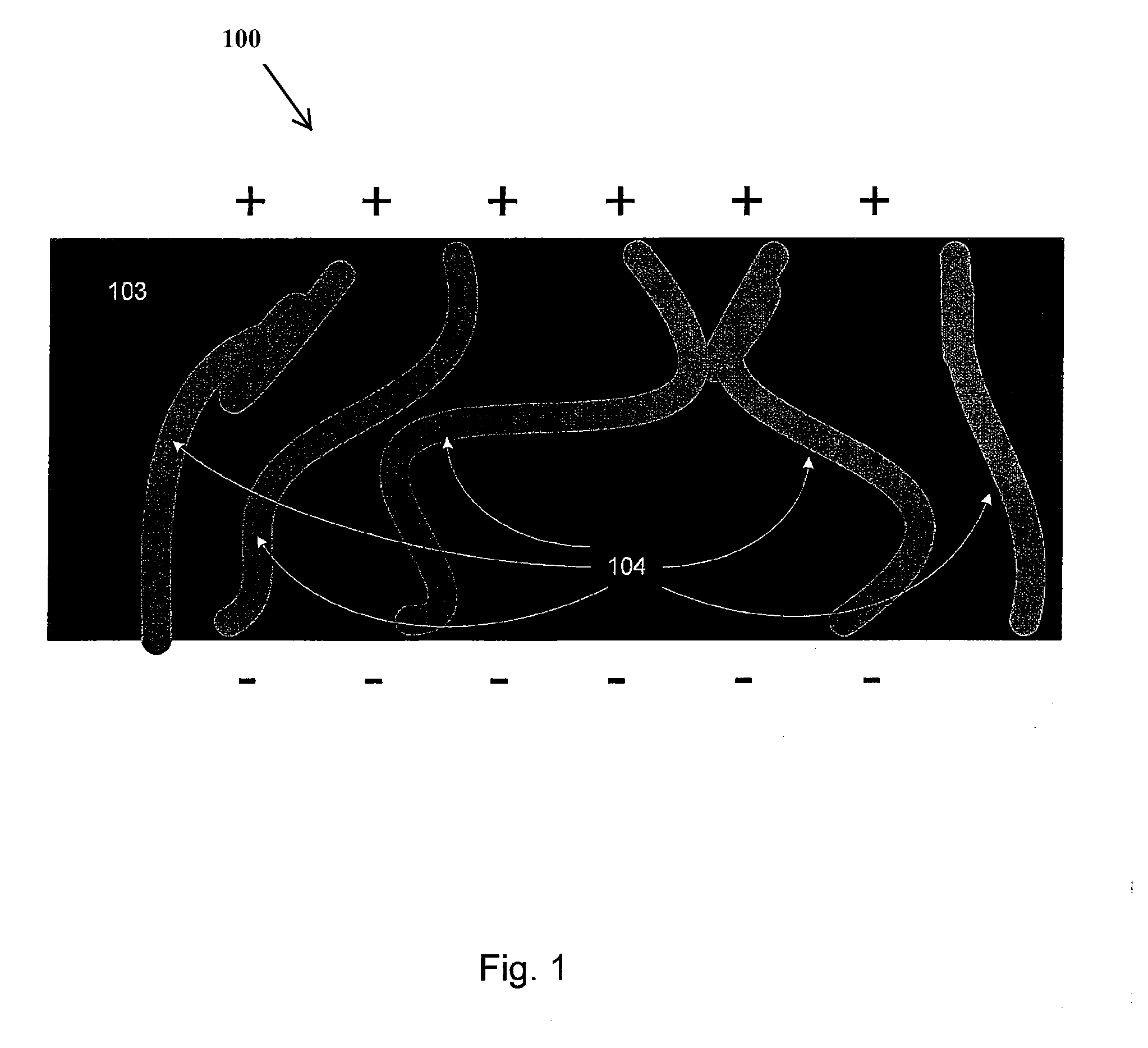
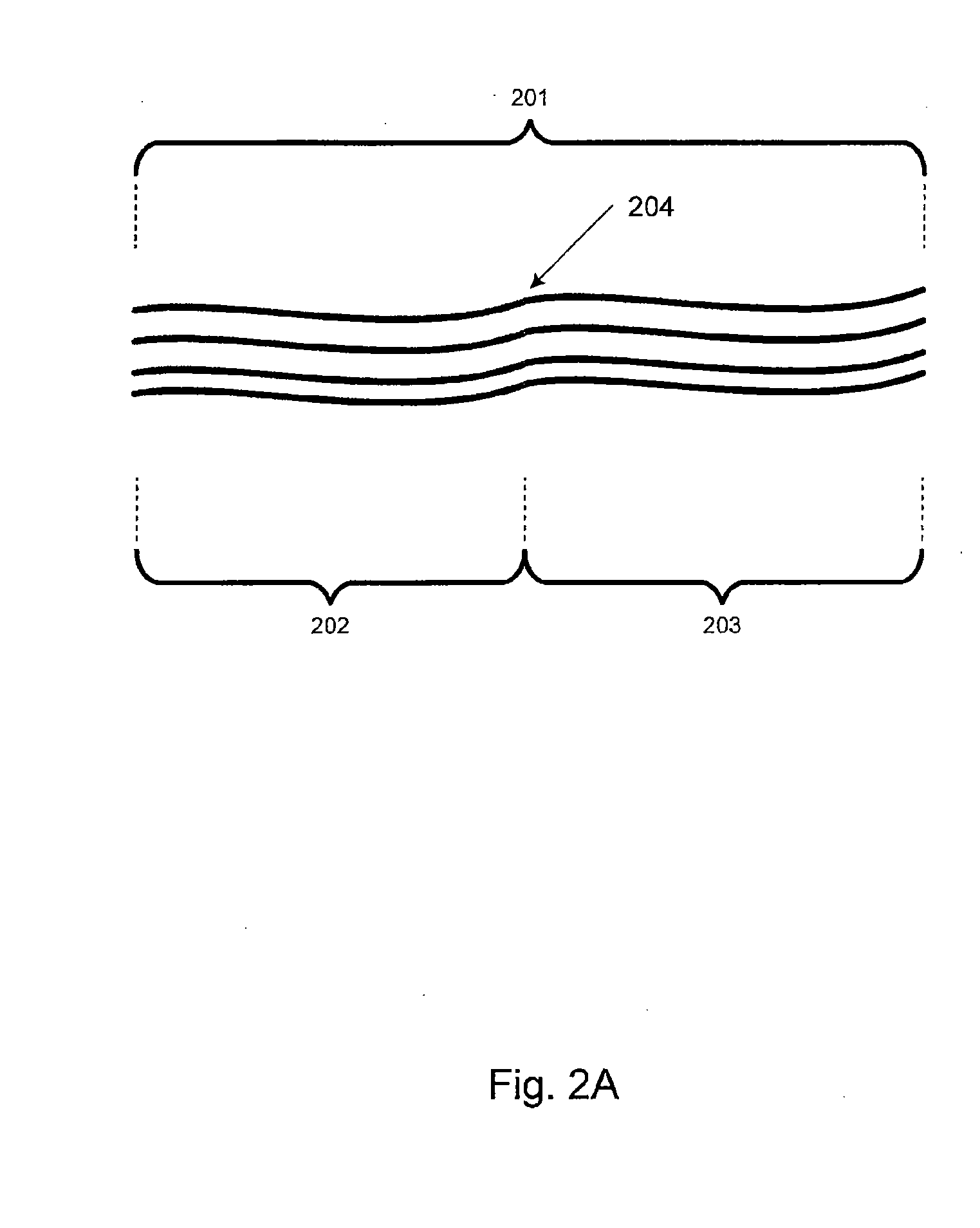
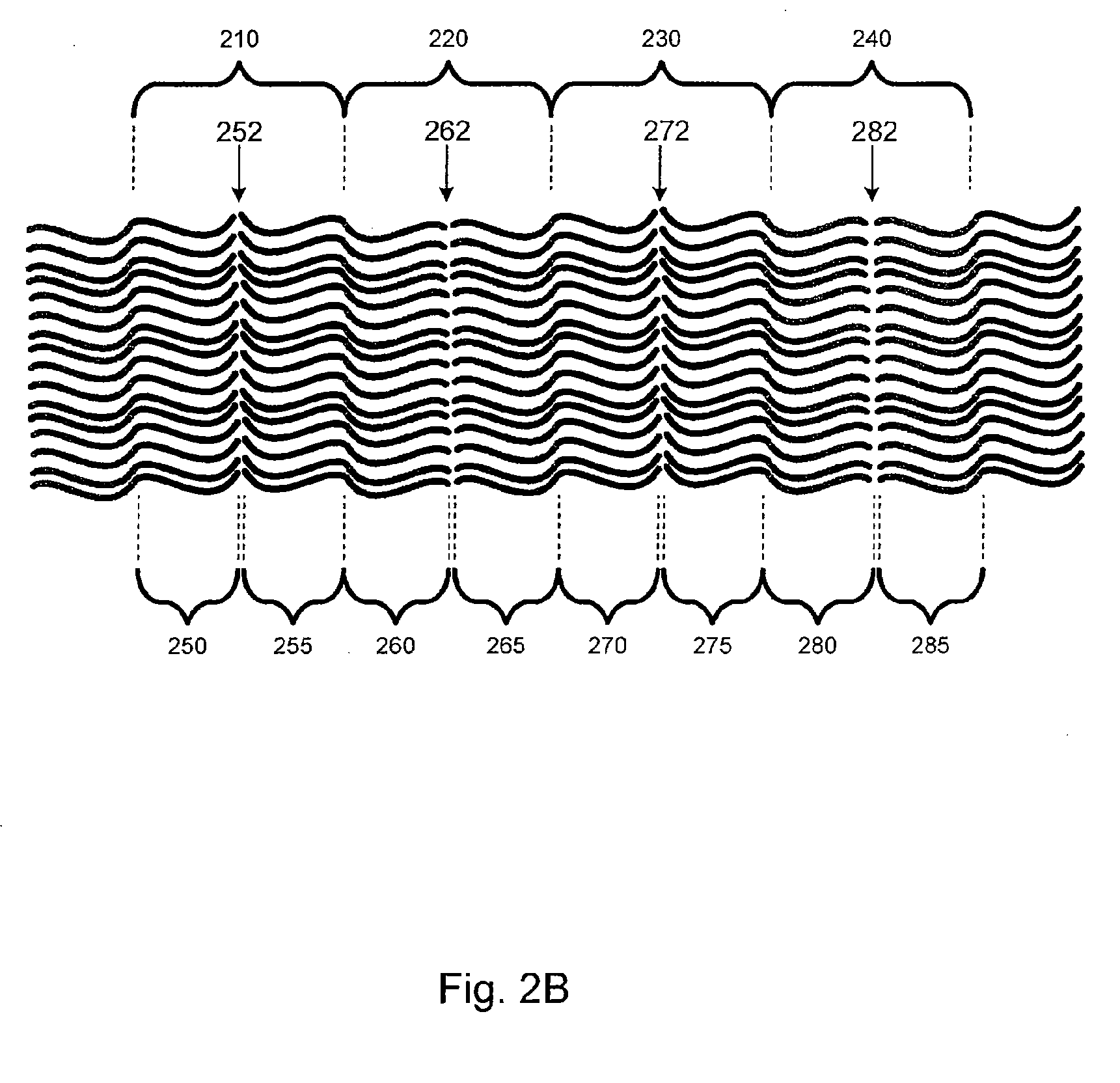
- A solid polymer electrolyte material with a two- or three-domain morphology, comprising conductive and structural domains made of different polymers, arranged in specific structures such as lamellar or perforated lamellar configurations, which allows for ion conduction while maintaining mechanical robustness through enhanced bonding configurations and the inclusion of a third rubbery domain to impede crystallization and improve toughness.

Safety Standards for Fast Charging Batteries
Safety standards for fast charging batteries incorporating solid polymer electrolytes represent a critical framework that balances innovation acceleration with risk mitigation. As fast charging technology pushes operational boundaries, regulatory bodies and industry consortia have established comprehensive safety protocols specifically addressing the unique challenges posed by high-rate charging scenarios. These standards encompass thermal management requirements, electrical safety parameters, mechanical integrity specifications, and failure mode testing protocols that must be satisfied before commercial deployment.
International standards such as IEC 62660 series, UL 2580, and ISO 12405 provide foundational safety requirements for lithium-ion batteries, which are being continuously updated to accommodate fast charging capabilities. These frameworks mandate rigorous testing under accelerated charging conditions, including thermal runaway propagation tests, overcharge protection validation, and short-circuit resistance evaluation. For solid polymer electrolyte systems, additional considerations include interfacial stability assessment under high current densities and mechanical stress testing during rapid lithium-ion flux conditions.
The Chinese national standard GB/T 31485 and the American SAE J2464 specifically address fast charging safety, requiring batteries to demonstrate stable performance across temperature ranges from -30°C to 60°C while maintaining charging rates up to 4C without triggering safety mechanisms. These standards emphasize the importance of battery management system integration, mandating real-time monitoring of voltage differentials, temperature gradients, and impedance changes during fast charging cycles.
Emerging regulatory frameworks are increasingly focusing on solid-state and polymer electrolyte systems, recognizing their distinct failure mechanisms compared to liquid electrolyte counterparts. The European Union's proposed Battery Regulation includes provisions for advanced electrolyte systems, requiring manufacturers to demonstrate reduced flammability risks and enhanced thermal stability. Testing protocols now incorporate nail penetration tests, crush tests, and external short-circuit evaluations specifically calibrated for polymer electrolyte interfaces, ensuring that safety margins account for the unique electrochemical and mechanical properties of these materials under fast charging stress conditions.
International standards such as IEC 62660 series, UL 2580, and ISO 12405 provide foundational safety requirements for lithium-ion batteries, which are being continuously updated to accommodate fast charging capabilities. These frameworks mandate rigorous testing under accelerated charging conditions, including thermal runaway propagation tests, overcharge protection validation, and short-circuit resistance evaluation. For solid polymer electrolyte systems, additional considerations include interfacial stability assessment under high current densities and mechanical stress testing during rapid lithium-ion flux conditions.
The Chinese national standard GB/T 31485 and the American SAE J2464 specifically address fast charging safety, requiring batteries to demonstrate stable performance across temperature ranges from -30°C to 60°C while maintaining charging rates up to 4C without triggering safety mechanisms. These standards emphasize the importance of battery management system integration, mandating real-time monitoring of voltage differentials, temperature gradients, and impedance changes during fast charging cycles.
Emerging regulatory frameworks are increasingly focusing on solid-state and polymer electrolyte systems, recognizing their distinct failure mechanisms compared to liquid electrolyte counterparts. The European Union's proposed Battery Regulation includes provisions for advanced electrolyte systems, requiring manufacturers to demonstrate reduced flammability risks and enhanced thermal stability. Testing protocols now incorporate nail penetration tests, crush tests, and external short-circuit evaluations specifically calibrated for polymer electrolyte interfaces, ensuring that safety margins account for the unique electrochemical and mechanical properties of these materials under fast charging stress conditions.
Thermal Management in SPE Fast Charging
Thermal management represents a critical bottleneck in the practical implementation of solid polymer electrolyte (SPE) systems under fast charging conditions. During rapid charging cycles, SPE-based batteries experience significant heat generation due to increased ionic transport resistance and interfacial polarization effects. Unlike liquid electrolytes that benefit from inherent convective cooling mechanisms, solid polymer matrices exhibit limited thermal conductivity, typically ranging from 0.1 to 0.3 W/m·K, which substantially impedes heat dissipation. This thermal accumulation not only accelerates polymer degradation and reduces ionic conductivity but also creates localized hot spots that compromise battery safety and cycle life.
The thermal management challenge is further compounded by the temperature-dependent nature of SPE performance. While elevated temperatures can enhance ionic conductivity by increasing polymer chain mobility, excessive heating beyond 60-80°C triggers irreversible structural changes, including crystallization phase transitions and interfacial delamination. Fast charging protocols exacerbate this dilemma by generating heat at rates that exceed the material's natural dissipation capacity, creating a critical need for integrated thermal regulation strategies.
Current research efforts focus on three primary approaches: enhancing intrinsic thermal conductivity through composite formulations incorporating thermally conductive fillers such as boron nitride or graphene derivatives; developing external cooling architectures including micro-channel liquid cooling systems and phase-change materials; and implementing intelligent charging algorithms that dynamically adjust current rates based on real-time temperature monitoring. Advanced thermal interface materials and three-dimensional heat dissipation networks are being explored to establish efficient thermal pathways within battery assemblies.
The integration of thermal management with SPE design requires careful consideration of trade-offs between thermal performance, ionic conductivity, and mechanical integrity. Emerging solutions emphasize multi-functional materials that simultaneously address thermal, electrochemical, and structural requirements, representing a paradigm shift toward holistic battery system optimization rather than isolated component enhancement.
The thermal management challenge is further compounded by the temperature-dependent nature of SPE performance. While elevated temperatures can enhance ionic conductivity by increasing polymer chain mobility, excessive heating beyond 60-80°C triggers irreversible structural changes, including crystallization phase transitions and interfacial delamination. Fast charging protocols exacerbate this dilemma by generating heat at rates that exceed the material's natural dissipation capacity, creating a critical need for integrated thermal regulation strategies.
Current research efforts focus on three primary approaches: enhancing intrinsic thermal conductivity through composite formulations incorporating thermally conductive fillers such as boron nitride or graphene derivatives; developing external cooling architectures including micro-channel liquid cooling systems and phase-change materials; and implementing intelligent charging algorithms that dynamically adjust current rates based on real-time temperature monitoring. Advanced thermal interface materials and three-dimensional heat dissipation networks are being explored to establish efficient thermal pathways within battery assemblies.
The integration of thermal management with SPE design requires careful consideration of trade-offs between thermal performance, ionic conductivity, and mechanical integrity. Emerging solutions emphasize multi-functional materials that simultaneously address thermal, electrochemical, and structural requirements, representing a paradigm shift toward holistic battery system optimization rather than isolated component enhancement.
Unlock deeper insights with Patsnap Eureka Quick Research — get a full tech report to explore trends and direct your research. Try now!
Generate Your Research Report Instantly with AI Agent
Supercharge your innovation with Patsnap Eureka AI Agent Platform!