

SCADA vs EMS: Which System for Grid Management?
MAR 13, 20269 MIN READ
Generate Your Research Report Instantly with AI Agent
PatSnap Eureka helps you evaluate technical feasibility & market potential.
SCADA and EMS Grid Management Evolution and Objectives
The evolution of grid management systems has been fundamentally shaped by the increasing complexity and scale of electrical power networks over the past several decades. SCADA (Supervisory Control and Data Acquisition) systems emerged in the 1960s as the first generation of automated grid monitoring solutions, initially designed to provide remote visibility and basic control capabilities for utility operators. These systems addressed the critical need for real-time data collection from geographically distributed substations and generation facilities.
As power grids expanded and interconnected, the limitations of traditional SCADA systems became apparent. The growing demand for more sophisticated analysis, optimization, and predictive capabilities led to the development of Energy Management Systems (EMS) in the 1970s and 1980s. EMS platforms were conceived to provide comprehensive grid analysis tools, including state estimation, contingency analysis, and optimal power flow calculations that SCADA systems could not deliver.
The technological evolution has been driven by several key factors including grid deregulation, renewable energy integration, and the imperative for enhanced grid reliability following major blackouts. Modern power systems require not only real-time monitoring but also advanced analytical capabilities to manage bidirectional power flows, distributed generation, and dynamic load patterns that characterize today's electrical infrastructure.
Current objectives for grid management systems center on achieving operational excellence through improved situational awareness, enhanced decision-making capabilities, and proactive grid optimization. SCADA systems continue to focus on reliable data acquisition, alarm management, and direct equipment control with emphasis on cybersecurity and communication reliability. Meanwhile, EMS objectives have expanded to encompass market operations support, renewable energy forecasting, and grid modernization initiatives.
The convergence of these technologies aims to create integrated platforms capable of supporting both traditional utility operations and emerging smart grid functionalities. Key technical objectives include reducing system response times, improving data accuracy, enhancing predictive analytics capabilities, and enabling seamless integration with distributed energy resources and advanced metering infrastructure.
Future development trajectories emphasize the integration of artificial intelligence, machine learning algorithms, and cloud-based architectures to support increasingly autonomous grid operations while maintaining the reliability and security standards essential for critical infrastructure management.
As power grids expanded and interconnected, the limitations of traditional SCADA systems became apparent. The growing demand for more sophisticated analysis, optimization, and predictive capabilities led to the development of Energy Management Systems (EMS) in the 1970s and 1980s. EMS platforms were conceived to provide comprehensive grid analysis tools, including state estimation, contingency analysis, and optimal power flow calculations that SCADA systems could not deliver.
The technological evolution has been driven by several key factors including grid deregulation, renewable energy integration, and the imperative for enhanced grid reliability following major blackouts. Modern power systems require not only real-time monitoring but also advanced analytical capabilities to manage bidirectional power flows, distributed generation, and dynamic load patterns that characterize today's electrical infrastructure.
Current objectives for grid management systems center on achieving operational excellence through improved situational awareness, enhanced decision-making capabilities, and proactive grid optimization. SCADA systems continue to focus on reliable data acquisition, alarm management, and direct equipment control with emphasis on cybersecurity and communication reliability. Meanwhile, EMS objectives have expanded to encompass market operations support, renewable energy forecasting, and grid modernization initiatives.
The convergence of these technologies aims to create integrated platforms capable of supporting both traditional utility operations and emerging smart grid functionalities. Key technical objectives include reducing system response times, improving data accuracy, enhancing predictive analytics capabilities, and enabling seamless integration with distributed energy resources and advanced metering infrastructure.
Future development trajectories emphasize the integration of artificial intelligence, machine learning algorithms, and cloud-based architectures to support increasingly autonomous grid operations while maintaining the reliability and security standards essential for critical infrastructure management.
Market Demand Analysis for Grid Management Systems
The global grid management systems market is experiencing unprecedented growth driven by the urgent need for modernized electrical infrastructure and enhanced grid reliability. Traditional power grids face mounting pressure from aging infrastructure, increasing electricity demand, and the integration of renewable energy sources, creating substantial market opportunities for both SCADA and EMS solutions.
Utility companies worldwide are prioritizing grid modernization initiatives to address operational challenges including power outages, load balancing difficulties, and inefficient energy distribution. The growing complexity of modern power systems, particularly with distributed generation and smart grid implementations, has intensified demand for sophisticated monitoring and control capabilities that both SCADA and EMS systems provide.
The renewable energy integration trend significantly impacts market demand patterns. As solar, wind, and other intermittent energy sources become more prevalent, grid operators require advanced systems capable of managing variable power generation and maintaining grid stability. This shift creates distinct market segments where SCADA systems excel in real-time monitoring and control, while EMS solutions address complex optimization and planning requirements.
Regulatory compliance requirements across different regions drive substantial market demand. Grid operators must meet stringent reliability standards, environmental regulations, and cybersecurity mandates, necessitating robust management systems. The choice between SCADA and EMS often depends on specific regulatory frameworks and operational requirements within different jurisdictions.
Industrial and commercial sectors represent growing market segments beyond traditional utility applications. Manufacturing facilities, data centers, and large commercial complexes increasingly require sophisticated grid management capabilities to optimize energy consumption, ensure power quality, and maintain operational continuity.
Emerging markets in developing countries present significant growth opportunities as these regions invest in new electrical infrastructure. The market demand characteristics differ substantially, with some regions favoring cost-effective SCADA implementations for basic grid control, while others pursue comprehensive EMS solutions for advanced grid optimization from the outset.
The cybersecurity imperative has become a critical market driver, with grid operators seeking systems that provide robust protection against cyber threats while maintaining operational efficiency. This requirement influences technology selection criteria and creates additional market demand for enhanced security features in both SCADA and EMS platforms.
Utility companies worldwide are prioritizing grid modernization initiatives to address operational challenges including power outages, load balancing difficulties, and inefficient energy distribution. The growing complexity of modern power systems, particularly with distributed generation and smart grid implementations, has intensified demand for sophisticated monitoring and control capabilities that both SCADA and EMS systems provide.
The renewable energy integration trend significantly impacts market demand patterns. As solar, wind, and other intermittent energy sources become more prevalent, grid operators require advanced systems capable of managing variable power generation and maintaining grid stability. This shift creates distinct market segments where SCADA systems excel in real-time monitoring and control, while EMS solutions address complex optimization and planning requirements.
Regulatory compliance requirements across different regions drive substantial market demand. Grid operators must meet stringent reliability standards, environmental regulations, and cybersecurity mandates, necessitating robust management systems. The choice between SCADA and EMS often depends on specific regulatory frameworks and operational requirements within different jurisdictions.
Industrial and commercial sectors represent growing market segments beyond traditional utility applications. Manufacturing facilities, data centers, and large commercial complexes increasingly require sophisticated grid management capabilities to optimize energy consumption, ensure power quality, and maintain operational continuity.
Emerging markets in developing countries present significant growth opportunities as these regions invest in new electrical infrastructure. The market demand characteristics differ substantially, with some regions favoring cost-effective SCADA implementations for basic grid control, while others pursue comprehensive EMS solutions for advanced grid optimization from the outset.
The cybersecurity imperative has become a critical market driver, with grid operators seeking systems that provide robust protection against cyber threats while maintaining operational efficiency. This requirement influences technology selection criteria and creates additional market demand for enhanced security features in both SCADA and EMS platforms.
Current SCADA vs EMS Implementation Challenges
The implementation of SCADA and EMS systems in modern grid management faces significant technical and operational challenges that utilities must navigate carefully. Legacy infrastructure integration represents one of the most persistent obstacles, as many power grids operate on decades-old equipment that lacks standardized communication protocols. This creates substantial compatibility issues when attempting to integrate modern SCADA or EMS solutions with existing hardware.
Cybersecurity concerns have emerged as a critical implementation challenge, particularly as grid systems become increasingly connected and digitized. SCADA systems, traditionally designed for operational efficiency rather than security, often struggle with modern cybersecurity requirements. EMS implementations face similar vulnerabilities, especially when integrating real-time market data and external system communications that expand the attack surface.
Data quality and standardization issues plague both system types during implementation. SCADA systems frequently encounter problems with inconsistent data formats from various field devices, leading to integration complexities and potential operational blind spots. EMS implementations face additional challenges in harmonizing diverse data sources, including weather forecasts, market prices, and generation forecasts, which often arrive in different formats and update frequencies.
Scalability limitations present ongoing challenges for both technologies. Traditional SCADA architectures often struggle to accommodate the rapid expansion of distributed energy resources and smart grid components. EMS systems face similar scalability issues when managing increasingly complex grid topologies with bidirectional power flows and multiple optimization objectives.
Human resource constraints significantly impact implementation success rates. The specialized knowledge required for SCADA configuration and maintenance creates workforce bottlenecks, while EMS implementations demand even more sophisticated expertise in power systems engineering, optimization algorithms, and market operations. This skills gap often extends project timelines and increases implementation costs.
Interoperability challenges between different vendor systems continue to complicate deployments. SCADA implementations frequently encounter difficulties when integrating equipment from multiple manufacturers, despite industry standards like IEC 61850. EMS systems face additional complexity when interfacing with various market systems, weather services, and forecasting platforms that may use proprietary data formats.
Real-time performance requirements create substantial technical challenges for both system types. SCADA implementations must ensure millisecond-level response times for critical control functions while maintaining system reliability. EMS deployments face the additional challenge of performing complex optimization calculations within tight time constraints while processing vast amounts of real-time data from multiple sources.
Cybersecurity concerns have emerged as a critical implementation challenge, particularly as grid systems become increasingly connected and digitized. SCADA systems, traditionally designed for operational efficiency rather than security, often struggle with modern cybersecurity requirements. EMS implementations face similar vulnerabilities, especially when integrating real-time market data and external system communications that expand the attack surface.
Data quality and standardization issues plague both system types during implementation. SCADA systems frequently encounter problems with inconsistent data formats from various field devices, leading to integration complexities and potential operational blind spots. EMS implementations face additional challenges in harmonizing diverse data sources, including weather forecasts, market prices, and generation forecasts, which often arrive in different formats and update frequencies.
Scalability limitations present ongoing challenges for both technologies. Traditional SCADA architectures often struggle to accommodate the rapid expansion of distributed energy resources and smart grid components. EMS systems face similar scalability issues when managing increasingly complex grid topologies with bidirectional power flows and multiple optimization objectives.
Human resource constraints significantly impact implementation success rates. The specialized knowledge required for SCADA configuration and maintenance creates workforce bottlenecks, while EMS implementations demand even more sophisticated expertise in power systems engineering, optimization algorithms, and market operations. This skills gap often extends project timelines and increases implementation costs.
Interoperability challenges between different vendor systems continue to complicate deployments. SCADA implementations frequently encounter difficulties when integrating equipment from multiple manufacturers, despite industry standards like IEC 61850. EMS systems face additional complexity when interfacing with various market systems, weather services, and forecasting platforms that may use proprietary data formats.
Real-time performance requirements create substantial technical challenges for both system types. SCADA implementations must ensure millisecond-level response times for critical control functions while maintaining system reliability. EMS deployments face the additional challenge of performing complex optimization calculations within tight time constraints while processing vast amounts of real-time data from multiple sources.
Existing SCADA and EMS Integration Solutions
01 Integration and communication architecture for SCADA and EMS systems
Systems and methods for integrating SCADA (Supervisory Control and Data Acquisition) and EMS (Energy Management Systems) through standardized communication protocols and architectures. These solutions enable seamless data exchange between control systems and management platforms, facilitating real-time monitoring and control of energy infrastructure. The integration typically involves middleware layers, protocol converters, and unified data models to ensure interoperability between different system components.- Integration and communication architecture for SCADA and EMS systems: Systems and methods for integrating SCADA (Supervisory Control and Data Acquisition) and EMS (Energy Management Systems) through standardized communication protocols and architectures. This includes establishing data exchange frameworks, protocol converters, and middleware solutions that enable seamless communication between different system components. The integration facilitates real-time data sharing, unified monitoring interfaces, and coordinated control operations across distributed energy infrastructure.
- Cybersecurity and access control for SCADA/EMS infrastructure: Security mechanisms designed to protect SCADA and EMS systems from cyber threats and unauthorized access. This encompasses authentication protocols, encryption methods, intrusion detection systems, and secure communication channels. The security frameworks address vulnerabilities specific to industrial control systems and implement multi-layered defense strategies to ensure the integrity and availability of critical energy management infrastructure.
- Real-time monitoring and data acquisition in SCADA/EMS platforms: Technologies for collecting, processing, and visualizing real-time operational data from energy systems. This includes sensor networks, data acquisition units, telemetry systems, and human-machine interfaces that provide operators with comprehensive situational awareness. The monitoring capabilities enable detection of anomalies, performance optimization, and rapid response to system events through advanced data analytics and visualization tools.
- Distributed control and automation in SCADA/EMS networks: Control strategies and automation algorithms for managing distributed energy resources and grid operations. This covers automated load balancing, demand response mechanisms, distributed generation control, and intelligent switching operations. The systems enable autonomous decision-making at various hierarchical levels while maintaining coordination with central control facilities for optimal grid performance and reliability.
- Fault detection and diagnostic systems for SCADA/EMS operations: Methods and systems for identifying, analyzing, and diagnosing faults and abnormal conditions in energy management infrastructure. This includes predictive maintenance algorithms, fault location techniques, alarm management systems, and diagnostic tools that help operators quickly identify and resolve issues. The diagnostic capabilities utilize historical data analysis, pattern recognition, and expert systems to minimize downtime and improve system reliability.
02 Cybersecurity and access control for SCADA/EMS infrastructure
Security mechanisms designed to protect SCADA and EMS systems from cyber threats and unauthorized access. These solutions implement multi-layered security approaches including authentication protocols, encryption methods, intrusion detection systems, and secure communication channels. The technologies address vulnerabilities specific to industrial control systems and ensure compliance with critical infrastructure protection standards.Expand Specific Solutions03 Real-time data acquisition and monitoring systems
Technologies for collecting, processing, and displaying real-time operational data from distributed energy systems and industrial facilities. These systems employ advanced sensors, data concentrators, and visualization tools to provide operators with comprehensive situational awareness. The solutions support high-frequency data sampling, historical data storage, and alarm management capabilities essential for effective system supervision.Expand Specific Solutions04 Distributed control and automation for power grid management
Automated control strategies and distributed intelligence systems for managing electrical power grids and energy distribution networks. These technologies enable autonomous decision-making, load balancing, fault detection, and system optimization across geographically dispersed assets. The solutions incorporate predictive algorithms and adaptive control mechanisms to enhance grid reliability and efficiency.Expand Specific Solutions05 Human-machine interface and operator workstation design
User interface systems and operator workstation configurations specifically designed for SCADA and EMS applications. These solutions provide intuitive graphical displays, customizable dashboards, and ergonomic control interfaces that enable operators to efficiently monitor and manage complex energy systems. The designs incorporate best practices for alarm presentation, trend analysis, and system navigation to reduce operator cognitive load.Expand Specific Solutions
Major SCADA and EMS Vendors Competitive Landscape
The grid management technology landscape is experiencing rapid evolution as utilities transition from traditional SCADA systems to more sophisticated EMS platforms. The market is in a mature growth phase, driven by smart grid modernization initiatives and increasing grid complexity. Major state-owned enterprises like State Grid Corp. of China and its subsidiaries including NARI Technology Co., Ltd. and China Electric Power Research Institute Ltd. dominate the Asian market, while global technology leaders such as Siemens AG, Schneider Electric USA, Inc., and GE Vernova Technology GmbH provide comprehensive solutions worldwide. Technology maturity varies significantly, with established players like Cisco Technology, Inc. and Huawei Digital Power Technologies Co Ltd advancing digital integration capabilities, while specialized firms like Smart Wires, Inc. focus on innovative power flow control technologies. The competitive landscape shows strong regional clustering, particularly in China through State Grid subsidiaries including Shanghai Baosight Software Co., Ltd. and various provincial electric power companies, alongside international diversification through companies like HYOSUNG Corp. and Petroliam Nasional Bhd., indicating a market transitioning toward integrated, digitally-enabled grid management solutions.
State Grid Corp. of China
Technical Solution: State Grid Corporation of China has developed comprehensive grid management solutions integrating both SCADA and EMS systems. Their approach utilizes SCADA for real-time data acquisition and control of substations, transmission lines, and distribution networks across China's vast power grid infrastructure. The EMS component focuses on advanced applications including economic dispatch, load forecasting, contingency analysis, and optimal power flow calculations. The integrated platform supports over 1.1 billion customers and manages approximately 2.6 million kilometers of transmission lines. Their system architecture emphasizes hierarchical control structures with provincial and regional dispatch centers coordinating through standardized communication protocols and data models.
Strengths: Massive operational experience managing world's largest power grid, proven scalability and reliability. Weaknesses: System complexity may limit flexibility, heavy reliance on centralized architecture.
NARI Technology Co., Ltd.
Technical Solution: NARI Technology has developed the D5000 system that combines SCADA and EMS functions specifically designed for Chinese power grid operations. Their SCADA system provides comprehensive real-time monitoring and control capabilities with support for various communication protocols including IEC 61850, IEC 60870-5-104, and DNP3. The EMS component offers advanced grid analysis applications including state estimation, load forecasting, security analysis, and automatic generation control. The D5000 platform has been widely deployed across China's power grid infrastructure, supporting both transmission and distribution network management. The system emphasizes high availability with redundant architectures and disaster recovery capabilities. NARI's solution includes specialized modules for renewable energy integration and supports smart grid functionalities including demand response and distributed energy resource management.
Strengths: Deep understanding of Chinese grid requirements, proven reliability in large-scale deployments, cost-effective solution. Weaknesses: Limited international market presence, primarily focused on Chinese standards and practices.
Core Technologies in Modern Grid Management Systems
Transmission and distribution network integration comprehensive line loss management analysis system and processing flow thereof
PatentInactiveCN102254256A
Innovation
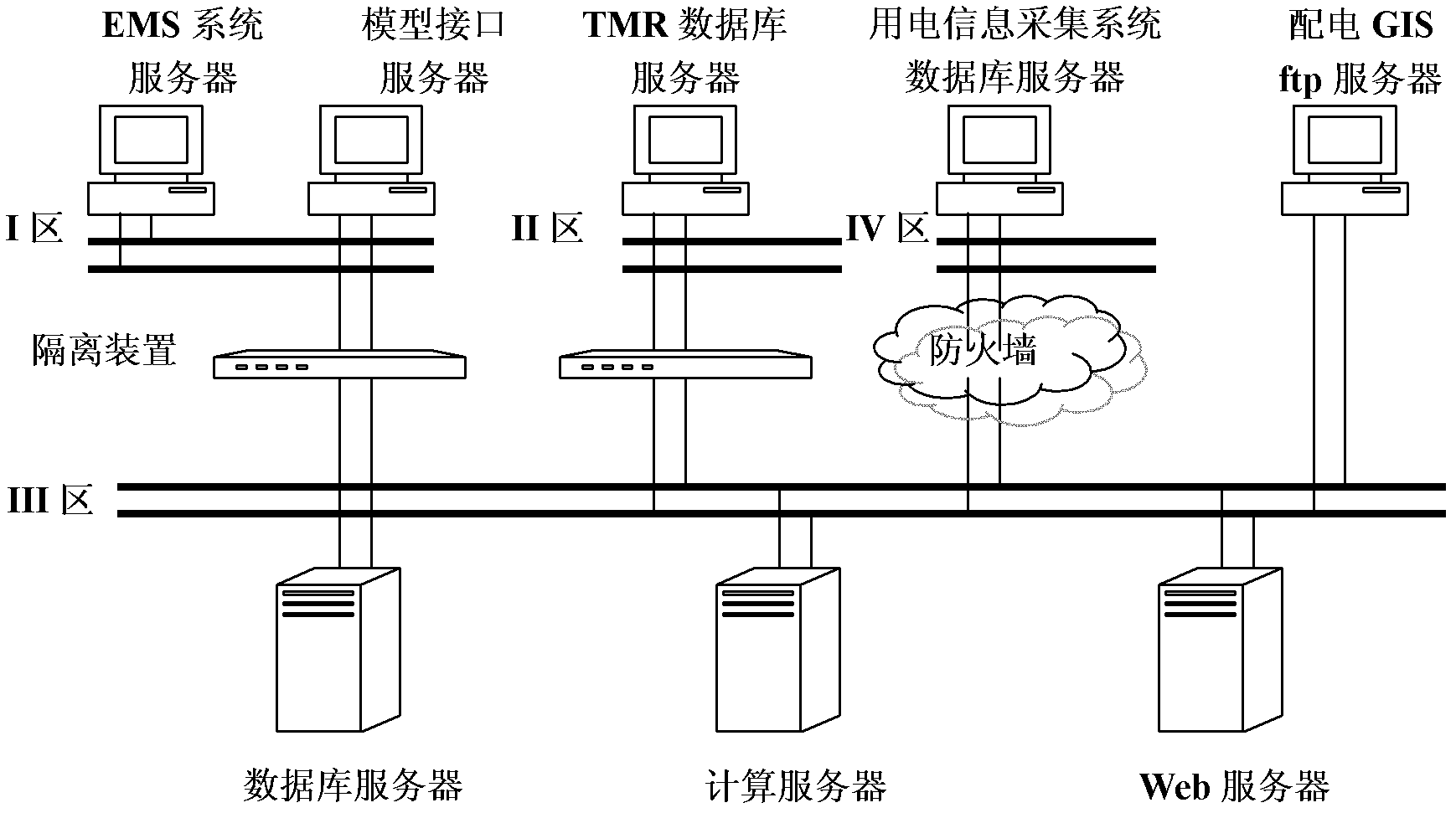
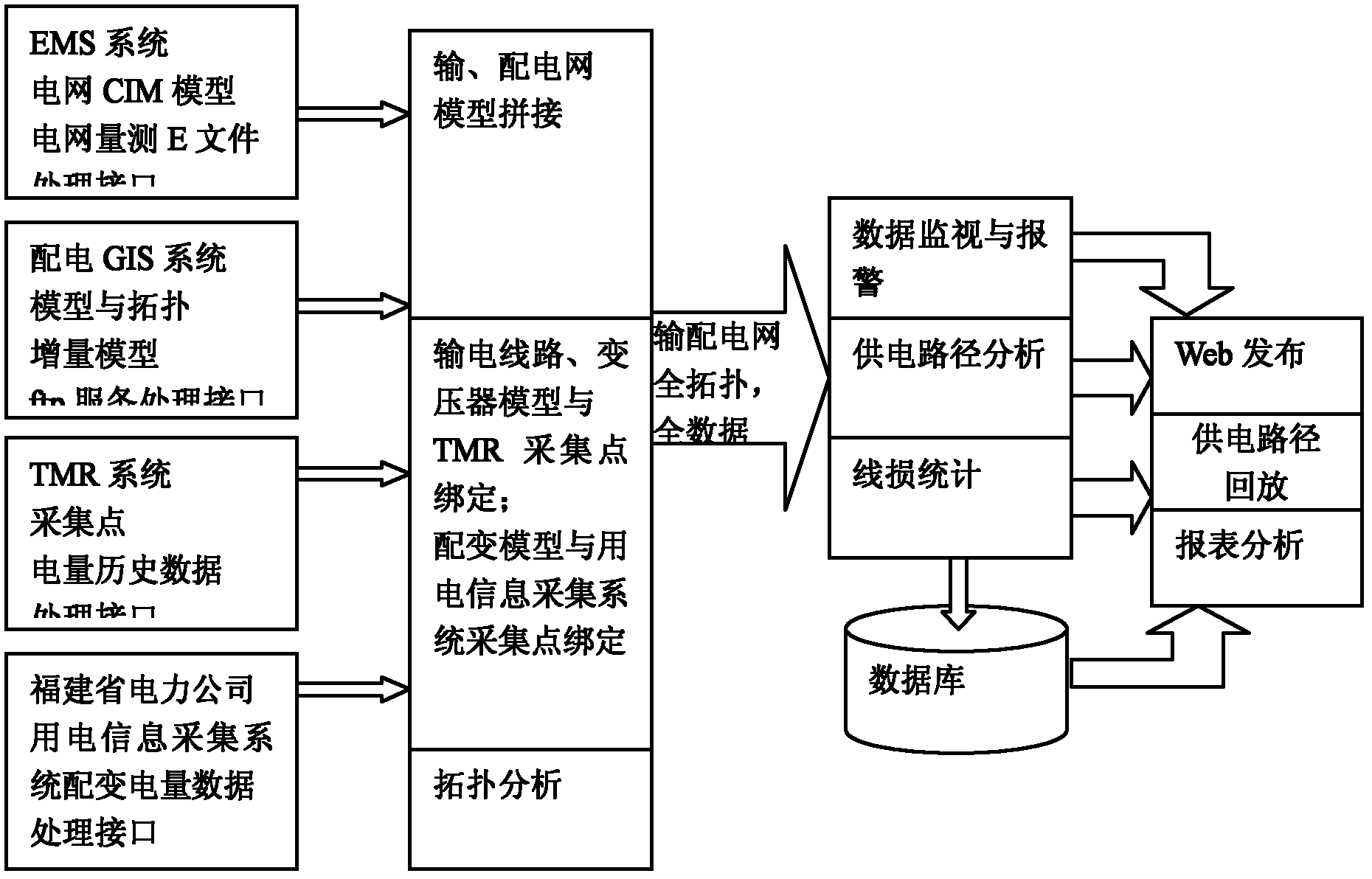
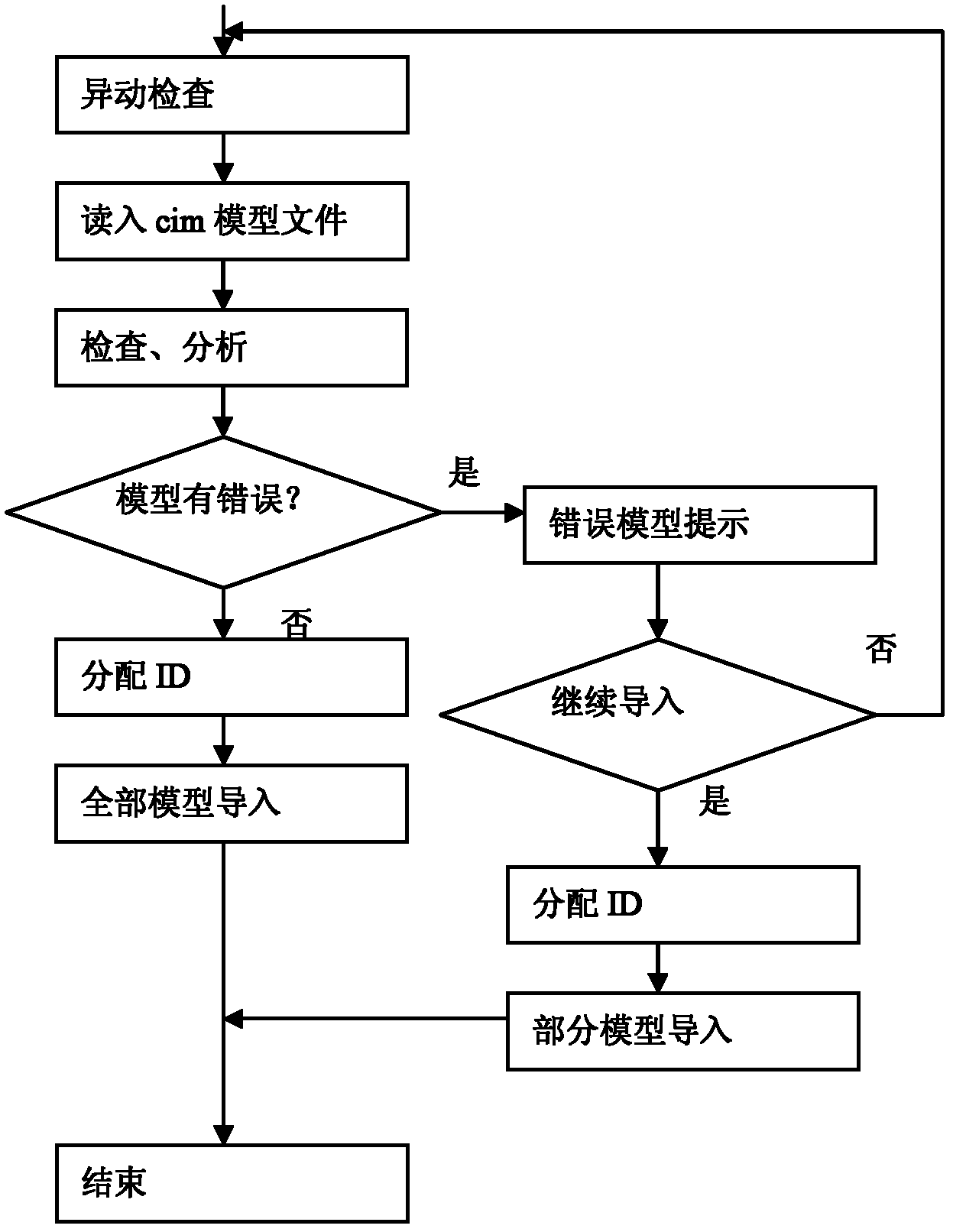
- A comprehensive line loss management and analysis system integrating transmission and distribution networks was designed. Through data integration from dispatch automation systems, substation power energy acquisition systems, distribution GIS systems, and electricity consumption information acquisition systems, and utilizing unified object coding and model splicing technologies, the system achieves real-time monitoring and analysis of power grid losses, providing accurate loss calculations and support for loss reduction decisions.

Remote terminal unit and monitoring, protection and control of power systems
PatentInactiveUS20070206644A1
Innovation
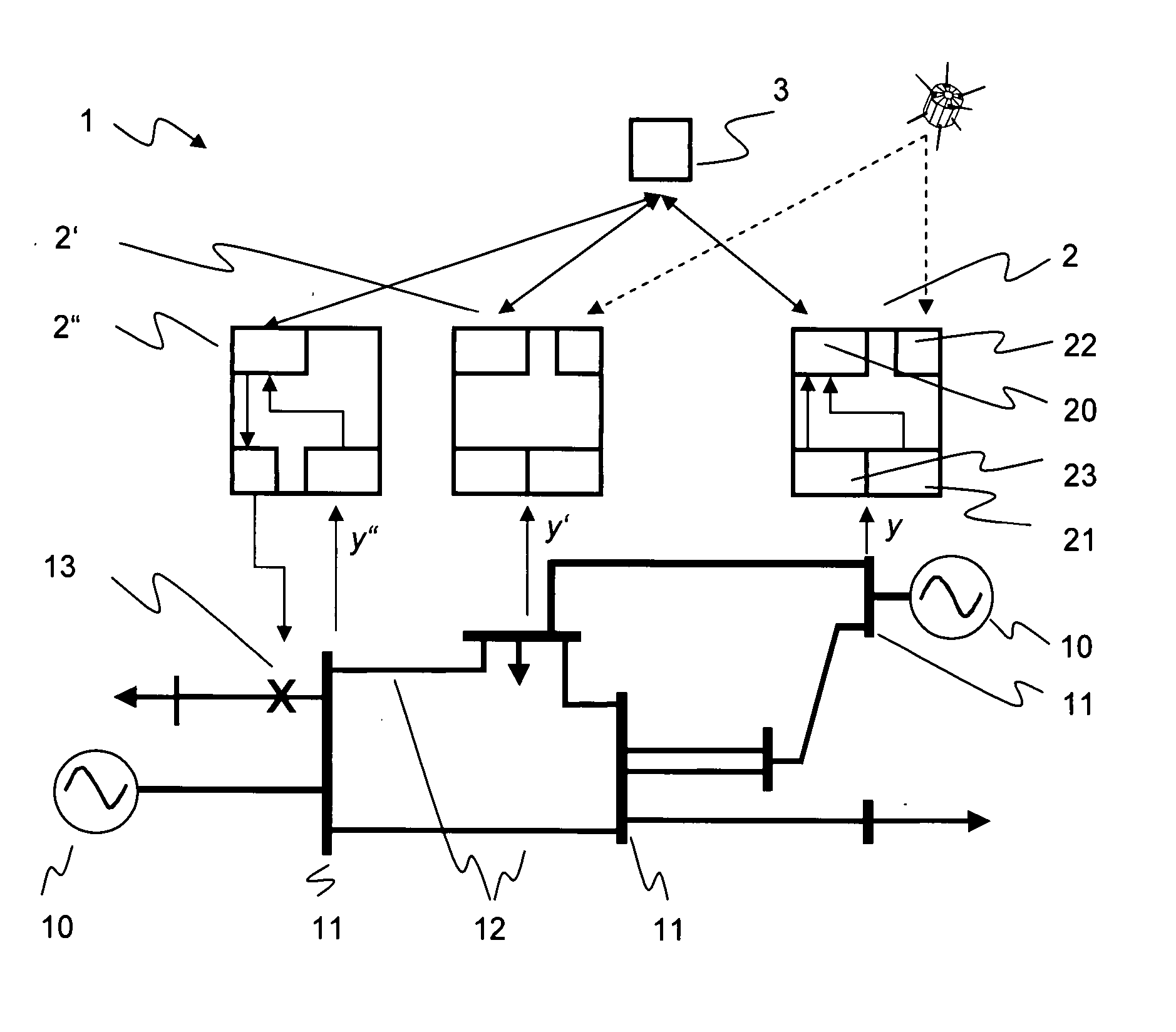
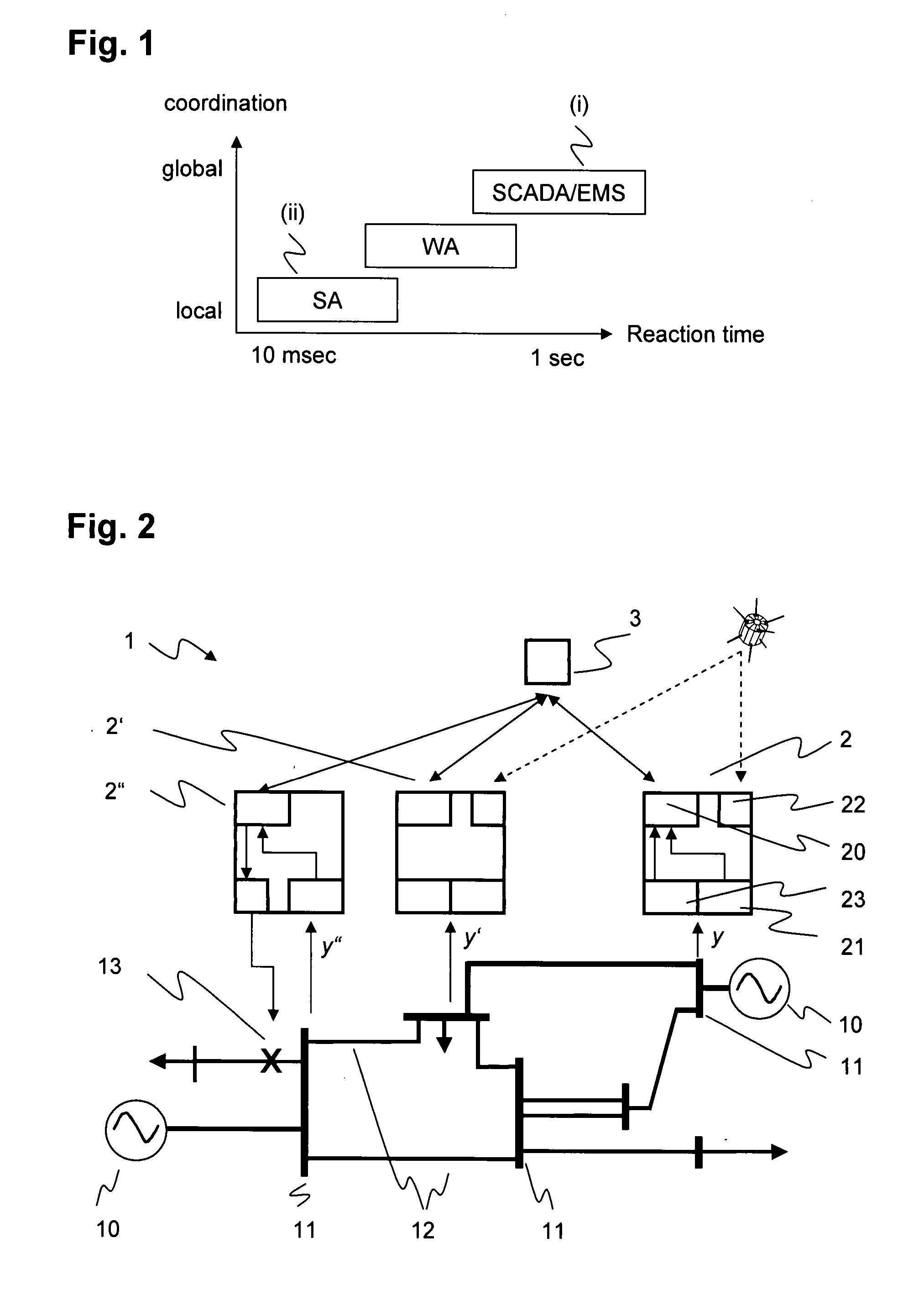
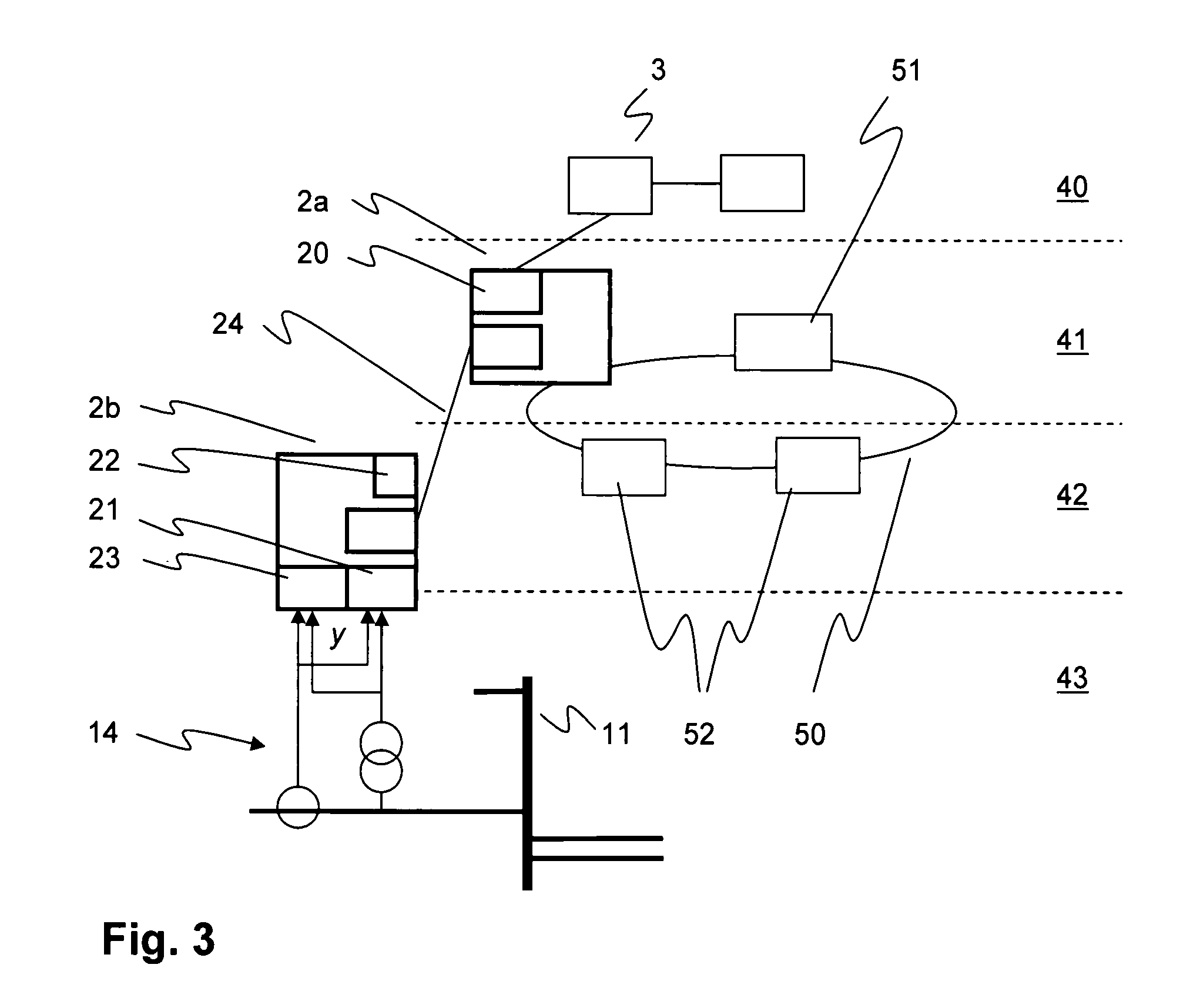
- Integration of a phasor measurement facility into a Remote Terminal Unit (RTU) within the SCADA/EMS system, allowing for synchronized phasor measurements and communication via existing infrastructure, enabling dynamic wide-area monitoring and protection without additional housing, power supply, or cabling, and allowing phasor data to be shared without interfering with time-critical local protection commands.
Grid Security and Cybersecurity Regulatory Framework
The cybersecurity landscape for grid management systems has evolved significantly as both SCADA and EMS platforms face increasing threats from sophisticated cyber attacks. Modern regulatory frameworks have emerged to address the unique vulnerabilities inherent in these critical infrastructure systems, recognizing that traditional IT security measures are insufficient for operational technology environments.
The North American Electric Reliability Corporation (NERC) Critical Infrastructure Protection (CIP) standards represent the most comprehensive regulatory framework governing grid cybersecurity. These standards establish mandatory requirements for identifying critical cyber assets, implementing security controls, and maintaining situational awareness across both SCADA and EMS deployments. The framework distinguishes between different impact levels of bulk electric system facilities, with higher-impact systems requiring more stringent security measures.
European regulations under the Network and Information Systems (NIS) Directive and the upcoming NIS2 Directive impose similar obligations on electricity operators, emphasizing risk management approaches and incident reporting requirements. These frameworks recognize that EMS systems, with their broader analytical capabilities and external data connections, may present different risk profiles compared to traditional SCADA implementations focused primarily on direct equipment control.
The regulatory emphasis has shifted toward zero-trust architectures and network segmentation principles, particularly relevant when comparing SCADA and EMS security postures. SCADA systems benefit from their traditionally isolated nature, while EMS platforms require more sophisticated security controls due to their integration with corporate networks and external data sources. Compliance frameworks now mandate continuous monitoring, vulnerability management, and regular security assessments regardless of the chosen grid management approach.
Recent regulatory developments also address supply chain security, requiring utilities to evaluate cybersecurity risks in both SCADA and EMS vendor relationships. This includes requirements for software integrity verification, secure development practices, and incident response coordination between utilities and technology providers, ensuring comprehensive protection across the entire grid management ecosystem.
The North American Electric Reliability Corporation (NERC) Critical Infrastructure Protection (CIP) standards represent the most comprehensive regulatory framework governing grid cybersecurity. These standards establish mandatory requirements for identifying critical cyber assets, implementing security controls, and maintaining situational awareness across both SCADA and EMS deployments. The framework distinguishes between different impact levels of bulk electric system facilities, with higher-impact systems requiring more stringent security measures.
European regulations under the Network and Information Systems (NIS) Directive and the upcoming NIS2 Directive impose similar obligations on electricity operators, emphasizing risk management approaches and incident reporting requirements. These frameworks recognize that EMS systems, with their broader analytical capabilities and external data connections, may present different risk profiles compared to traditional SCADA implementations focused primarily on direct equipment control.
The regulatory emphasis has shifted toward zero-trust architectures and network segmentation principles, particularly relevant when comparing SCADA and EMS security postures. SCADA systems benefit from their traditionally isolated nature, while EMS platforms require more sophisticated security controls due to their integration with corporate networks and external data sources. Compliance frameworks now mandate continuous monitoring, vulnerability management, and regular security assessments regardless of the chosen grid management approach.
Recent regulatory developments also address supply chain security, requiring utilities to evaluate cybersecurity risks in both SCADA and EMS vendor relationships. This includes requirements for software integrity verification, secure development practices, and incident response coordination between utilities and technology providers, ensuring comprehensive protection across the entire grid management ecosystem.
Energy Transition Impact on Grid Management Systems
The global energy transition is fundamentally reshaping the operational requirements and technological demands placed on grid management systems, creating unprecedented challenges for both SCADA and EMS platforms. As renewable energy sources increasingly dominate the generation mix, traditional grid management approaches designed for centralized, predictable power flows are being stretched beyond their original design parameters.
The proliferation of distributed energy resources, including rooftop solar installations, wind farms, and battery storage systems, has transformed the grid from a unidirectional power delivery system into a complex, bidirectional network. This transformation demands enhanced real-time monitoring capabilities and sophisticated control algorithms that can manage intermittent generation patterns and dynamic load fluctuations across multiple voltage levels simultaneously.
SCADA systems, traditionally focused on supervisory control and data acquisition, are experiencing significant pressure to expand their analytical capabilities. The integration of renewable energy sources requires more granular data collection and faster response times to maintain grid stability. Modern SCADA implementations must now accommodate thousands of additional data points from distributed generation assets while maintaining the reliability and security standards essential for critical infrastructure operations.
EMS platforms face equally demanding evolutionary pressures as they adapt to support advanced grid optimization functions. The stochastic nature of renewable generation necessitates sophisticated forecasting algorithms and probabilistic analysis tools that can predict and respond to rapid changes in supply and demand patterns. These systems must now incorporate weather data, market signals, and demand response capabilities into their operational decision-making processes.
The convergence of these technologies is accelerating as utilities seek integrated solutions capable of managing both traditional and renewable energy assets within unified operational frameworks. This integration trend is driving the development of hybrid platforms that combine SCADA's robust data acquisition capabilities with EMS's advanced analytical functions, creating more comprehensive grid management solutions suited for the modern energy landscape.
The proliferation of distributed energy resources, including rooftop solar installations, wind farms, and battery storage systems, has transformed the grid from a unidirectional power delivery system into a complex, bidirectional network. This transformation demands enhanced real-time monitoring capabilities and sophisticated control algorithms that can manage intermittent generation patterns and dynamic load fluctuations across multiple voltage levels simultaneously.
SCADA systems, traditionally focused on supervisory control and data acquisition, are experiencing significant pressure to expand their analytical capabilities. The integration of renewable energy sources requires more granular data collection and faster response times to maintain grid stability. Modern SCADA implementations must now accommodate thousands of additional data points from distributed generation assets while maintaining the reliability and security standards essential for critical infrastructure operations.
EMS platforms face equally demanding evolutionary pressures as they adapt to support advanced grid optimization functions. The stochastic nature of renewable generation necessitates sophisticated forecasting algorithms and probabilistic analysis tools that can predict and respond to rapid changes in supply and demand patterns. These systems must now incorporate weather data, market signals, and demand response capabilities into their operational decision-making processes.
The convergence of these technologies is accelerating as utilities seek integrated solutions capable of managing both traditional and renewable energy assets within unified operational frameworks. This integration trend is driving the development of hybrid platforms that combine SCADA's robust data acquisition capabilities with EMS's advanced analytical functions, creating more comprehensive grid management solutions suited for the modern energy landscape.
Unlock deeper insights with PatSnap Eureka Quick Research — get a full tech report to explore trends and direct your research. Try now!
Generate Your Research Report Instantly with AI Agent
Supercharge your innovation with PatSnap Eureka AI Agent Platform!