
Semi-Solid vs. Micro-Battery: Innovation Potential
APR 11, 20269 MIN READ
Generate Your Research Report Instantly with AI Agent
Patsnap Eureka helps you evaluate technical feasibility & market potential.
Semi-Solid and Micro-Battery Technology Background and Goals
The evolution of battery technology has been fundamentally driven by the increasing demand for higher energy density, improved safety, and enhanced performance across diverse applications. Traditional lithium-ion batteries, while revolutionary, face inherent limitations in energy density, thermal management, and manufacturing scalability that have prompted the exploration of alternative architectures and chemistries.
Semi-solid battery technology emerged as a paradigm shift in the mid-2010s, representing a hybrid approach between conventional liquid electrolyte systems and solid-state batteries. This technology utilizes a flowable suspension of active materials in a liquid electrolyte, enabling continuous operation and potentially unlimited energy capacity through external storage tanks. The concept addresses critical challenges in grid-scale energy storage where conventional batteries struggle with cost-effectiveness and longevity.
Micro-battery technology has evolved along a parallel trajectory, focusing on miniaturization and integration capabilities for emerging applications in Internet of Things devices, medical implants, and autonomous sensors. These batteries typically feature dimensions in the millimeter to micrometer range, requiring innovative manufacturing processes and materials engineering to maintain functionality at reduced scales.
The convergence of these two technological paths represents a significant opportunity for innovation. Semi-solid architectures could potentially be adapted for micro-scale applications, offering advantages in manufacturing flexibility and performance optimization. Conversely, micro-battery innovations in materials science and fabrication techniques could enhance semi-solid battery performance and reduce manufacturing costs.
Current technological objectives center on achieving energy densities exceeding 400 Wh/kg for semi-solid systems while maintaining cycle life beyond 10,000 cycles. For micro-batteries, goals include achieving energy densities comparable to conventional batteries while enabling integration with semiconductor manufacturing processes. The intersection of these technologies aims to create scalable, high-performance energy storage solutions that can address both large-scale grid applications and emerging micro-electronic devices through shared materials science innovations and manufacturing synergies.
Semi-solid battery technology emerged as a paradigm shift in the mid-2010s, representing a hybrid approach between conventional liquid electrolyte systems and solid-state batteries. This technology utilizes a flowable suspension of active materials in a liquid electrolyte, enabling continuous operation and potentially unlimited energy capacity through external storage tanks. The concept addresses critical challenges in grid-scale energy storage where conventional batteries struggle with cost-effectiveness and longevity.
Micro-battery technology has evolved along a parallel trajectory, focusing on miniaturization and integration capabilities for emerging applications in Internet of Things devices, medical implants, and autonomous sensors. These batteries typically feature dimensions in the millimeter to micrometer range, requiring innovative manufacturing processes and materials engineering to maintain functionality at reduced scales.
The convergence of these two technological paths represents a significant opportunity for innovation. Semi-solid architectures could potentially be adapted for micro-scale applications, offering advantages in manufacturing flexibility and performance optimization. Conversely, micro-battery innovations in materials science and fabrication techniques could enhance semi-solid battery performance and reduce manufacturing costs.
Current technological objectives center on achieving energy densities exceeding 400 Wh/kg for semi-solid systems while maintaining cycle life beyond 10,000 cycles. For micro-batteries, goals include achieving energy densities comparable to conventional batteries while enabling integration with semiconductor manufacturing processes. The intersection of these technologies aims to create scalable, high-performance energy storage solutions that can address both large-scale grid applications and emerging micro-electronic devices through shared materials science innovations and manufacturing synergies.
Market Demand Analysis for Advanced Battery Solutions
The global battery market is experiencing unprecedented growth driven by the rapid expansion of electric vehicles, consumer electronics, and energy storage systems. Traditional lithium-ion batteries face increasing pressure to deliver higher energy density, faster charging capabilities, and enhanced safety features. This demand landscape creates significant opportunities for advanced battery technologies, particularly semi-solid and micro-battery solutions.
Electric vehicle manufacturers represent the largest demand driver for advanced battery solutions. The automotive sector requires batteries with extended range capabilities, reduced charging times, and improved thermal stability. Semi-solid battery technology addresses these needs through enhanced ionic conductivity and reduced internal resistance, while micro-battery arrays offer modular scalability and fault tolerance that traditional battery packs cannot match.
Consumer electronics markets demand increasingly compact and lightweight power solutions without compromising performance. Smartphones, wearables, and IoT devices require batteries that can fit into progressively smaller form factors while maintaining or improving energy capacity. Micro-battery technology particularly excels in this segment, offering superior space utilization and design flexibility compared to conventional battery architectures.
Energy storage applications for renewable energy integration present another substantial market opportunity. Grid-scale storage systems require batteries with long cycle life, high efficiency, and predictable degradation patterns. Semi-solid batteries demonstrate superior performance in stationary applications due to their enhanced thermal management properties and reduced capacity fade over extended cycling periods.
The medical device sector represents a specialized but high-value market segment demanding ultra-reliable power sources. Implantable devices, portable diagnostic equipment, and emergency medical systems require batteries with exceptional safety profiles and consistent performance. Both semi-solid and micro-battery technologies offer advantages in medical applications through improved safety characteristics and customizable form factors.
Industrial automation and aerospace applications drive demand for batteries capable of operating under extreme conditions. These sectors require power solutions that maintain performance across wide temperature ranges and resist mechanical stress. Semi-solid batteries demonstrate superior performance in harsh environments due to their enhanced structural integrity and thermal stability compared to traditional liquid electrolyte systems.
Market adoption patterns indicate growing acceptance of alternative battery chemistries and architectures. Early adopters in premium market segments are willing to invest in advanced battery technologies that offer performance advantages, creating pathways for broader market penetration as manufacturing scales increase and costs decrease.
Electric vehicle manufacturers represent the largest demand driver for advanced battery solutions. The automotive sector requires batteries with extended range capabilities, reduced charging times, and improved thermal stability. Semi-solid battery technology addresses these needs through enhanced ionic conductivity and reduced internal resistance, while micro-battery arrays offer modular scalability and fault tolerance that traditional battery packs cannot match.
Consumer electronics markets demand increasingly compact and lightweight power solutions without compromising performance. Smartphones, wearables, and IoT devices require batteries that can fit into progressively smaller form factors while maintaining or improving energy capacity. Micro-battery technology particularly excels in this segment, offering superior space utilization and design flexibility compared to conventional battery architectures.
Energy storage applications for renewable energy integration present another substantial market opportunity. Grid-scale storage systems require batteries with long cycle life, high efficiency, and predictable degradation patterns. Semi-solid batteries demonstrate superior performance in stationary applications due to their enhanced thermal management properties and reduced capacity fade over extended cycling periods.
The medical device sector represents a specialized but high-value market segment demanding ultra-reliable power sources. Implantable devices, portable diagnostic equipment, and emergency medical systems require batteries with exceptional safety profiles and consistent performance. Both semi-solid and micro-battery technologies offer advantages in medical applications through improved safety characteristics and customizable form factors.
Industrial automation and aerospace applications drive demand for batteries capable of operating under extreme conditions. These sectors require power solutions that maintain performance across wide temperature ranges and resist mechanical stress. Semi-solid batteries demonstrate superior performance in harsh environments due to their enhanced structural integrity and thermal stability compared to traditional liquid electrolyte systems.
Market adoption patterns indicate growing acceptance of alternative battery chemistries and architectures. Early adopters in premium market segments are willing to invest in advanced battery technologies that offer performance advantages, creating pathways for broader market penetration as manufacturing scales increase and costs decrease.
Current Status and Challenges in Battery Miniaturization
Battery miniaturization represents a critical technological frontier where conventional lithium-ion architectures encounter fundamental physical and electrochemical limitations. Current miniaturization efforts face significant constraints in energy density scaling, with traditional battery designs experiencing disproportionate performance degradation as dimensions decrease below millimeter scales. The challenge intensifies when attempting to maintain adequate power output while reducing overall footprint for emerging applications in wearable electronics, implantable medical devices, and Internet of Things sensors.
Manufacturing precision emerges as a primary bottleneck in micro-battery production. Conventional electrode coating and assembly processes struggle to maintain uniformity and quality control at microscopic scales. Layer thickness variations become proportionally more significant, leading to inconsistent electrochemical performance and reduced reliability. Current production methods require substantial modifications to achieve the precision necessary for consistent micro-battery fabrication, driving up manufacturing costs and limiting scalability.
Electrolyte management presents another fundamental challenge in miniaturized systems. Traditional liquid electrolytes face containment difficulties at small scales, with increased surface-to-volume ratios exacerbating evaporation and leakage issues. Solid-state alternatives, while offering improved safety and stability, introduce manufacturing complexity and often compromise ionic conductivity, particularly at the interfaces critical for micro-scale performance.
Semi-solid battery technology addresses several miniaturization challenges through its unique architecture combining liquid and solid electrolyte benefits. The flowable electrode design enables more precise deposition control during manufacturing, potentially improving consistency in micro-scale applications. However, semi-solid systems face their own scaling limitations, particularly in maintaining proper rheological properties and preventing particle settling in confined geometries.
Micro-battery approaches focus on fundamentally different design paradigms, often employing thin-film deposition techniques and three-dimensional architectures to maximize surface area within constrained volumes. These systems demonstrate superior miniaturization potential but encounter challenges in achieving sufficient energy storage capacity for practical applications. Current micro-battery technologies struggle with limited cycle life and complex manufacturing processes requiring specialized cleanroom facilities.
Thermal management becomes increasingly critical as battery dimensions shrink, with reduced thermal mass leading to more pronounced temperature fluctuations during operation. Both semi-solid and micro-battery technologies must address heat dissipation challenges that can significantly impact performance and safety in miniaturized form factors.
Integration complexity represents an ongoing challenge, as miniaturized batteries require sophisticated packaging solutions to protect delicate components while maintaining electrical connectivity. Current approaches often compromise either protection or accessibility, limiting practical deployment in demanding applications where both reliability and serviceability are essential.
Manufacturing precision emerges as a primary bottleneck in micro-battery production. Conventional electrode coating and assembly processes struggle to maintain uniformity and quality control at microscopic scales. Layer thickness variations become proportionally more significant, leading to inconsistent electrochemical performance and reduced reliability. Current production methods require substantial modifications to achieve the precision necessary for consistent micro-battery fabrication, driving up manufacturing costs and limiting scalability.
Electrolyte management presents another fundamental challenge in miniaturized systems. Traditional liquid electrolytes face containment difficulties at small scales, with increased surface-to-volume ratios exacerbating evaporation and leakage issues. Solid-state alternatives, while offering improved safety and stability, introduce manufacturing complexity and often compromise ionic conductivity, particularly at the interfaces critical for micro-scale performance.
Semi-solid battery technology addresses several miniaturization challenges through its unique architecture combining liquid and solid electrolyte benefits. The flowable electrode design enables more precise deposition control during manufacturing, potentially improving consistency in micro-scale applications. However, semi-solid systems face their own scaling limitations, particularly in maintaining proper rheological properties and preventing particle settling in confined geometries.
Micro-battery approaches focus on fundamentally different design paradigms, often employing thin-film deposition techniques and three-dimensional architectures to maximize surface area within constrained volumes. These systems demonstrate superior miniaturization potential but encounter challenges in achieving sufficient energy storage capacity for practical applications. Current micro-battery technologies struggle with limited cycle life and complex manufacturing processes requiring specialized cleanroom facilities.
Thermal management becomes increasingly critical as battery dimensions shrink, with reduced thermal mass leading to more pronounced temperature fluctuations during operation. Both semi-solid and micro-battery technologies must address heat dissipation challenges that can significantly impact performance and safety in miniaturized form factors.
Integration complexity represents an ongoing challenge, as miniaturized batteries require sophisticated packaging solutions to protect delicate components while maintaining electrical connectivity. Current approaches often compromise either protection or accessibility, limiting practical deployment in demanding applications where both reliability and serviceability are essential.
Current Technical Solutions for Semi-Solid and Micro-Batteries
01 Semi-solid electrolyte composition and formulation
Semi-solid batteries utilize specialized electrolyte compositions that combine liquid and solid characteristics to enhance ionic conductivity while maintaining structural stability. These formulations typically incorporate polymer matrices, gel electrolytes, or composite materials that enable improved safety and performance compared to traditional liquid electrolytes. The semi-solid state allows for better interface contact between electrodes and electrolyte, reducing internal resistance and improving charge-discharge efficiency.- Semi-solid electrolyte composition and formulation: Semi-solid batteries utilize electrolytes with intermediate properties between liquid and solid states. These electrolytes can be formulated using gel polymers, composite materials, or ionic liquids combined with solid matrices. The semi-solid state provides improved safety by reducing leakage risks while maintaining adequate ionic conductivity. Various polymer hosts and plasticizers can be employed to achieve optimal viscosity and electrochemical performance.
- Micro-battery structural design and miniaturization: Micro-batteries feature compact designs suitable for small-scale applications such as wearable devices, medical implants, and IoT sensors. Innovations focus on reducing battery dimensions while maintaining energy density through advanced electrode architectures, thin-film deposition techniques, and three-dimensional structuring. Microfabrication methods enable precise control over component thickness and arrangement to optimize performance in limited spaces.
- Enhanced safety mechanisms in semi-solid batteries: Semi-solid battery designs incorporate safety features that address thermal runaway, short-circuit prevention, and mechanical stability. The semi-solid electrolyte acts as a barrier to dendrite formation and provides better thermal management compared to liquid electrolytes. Additional safety enhancements include flame-retardant additives, pressure relief structures, and separator modifications that improve overall battery reliability under various operating conditions.
- Manufacturing processes for micro and semi-solid batteries: Advanced manufacturing techniques enable scalable production of micro-batteries and semi-solid batteries. These processes include screen printing, inkjet printing, laser patterning, and roll-to-roll fabrication methods. Innovations in electrode preparation, electrolyte filling, and cell assembly reduce production costs while improving consistency and yield. Automated processes and quality control systems ensure reliable mass production of these specialized battery types.
- Performance optimization and energy density improvement: Innovations focus on enhancing the energy density and power output of semi-solid and micro-batteries through material selection and structural optimization. Advanced electrode materials, including nanostructured compounds and composite active materials, increase charge storage capacity. Interface engineering between electrodes and semi-solid electrolytes reduces resistance and improves charge transfer kinetics. These improvements enable longer operational lifetimes and higher power delivery in compact form factors.
02 Micro-battery miniaturization and structural design
Micro-batteries feature innovative structural designs that enable extreme miniaturization for applications in wearable devices, medical implants, and IoT sensors. These designs incorporate thin-film electrodes, micro-patterned current collectors, and compact packaging solutions that maximize energy density within minimal volumes. Advanced manufacturing techniques such as micro-fabrication and 3D printing enable precise control over battery dimensions and architecture at the microscale.Expand Specific Solutions03 Electrode materials and interface optimization
Innovation in electrode materials focuses on developing high-capacity active materials with enhanced electrochemical properties for both semi-solid and micro-battery applications. This includes nanostructured materials, composite electrodes, and surface modification techniques that improve charge transfer kinetics and cycling stability. Interface engineering between electrodes and electrolytes is critical for reducing impedance and preventing degradation during operation.Expand Specific Solutions04 Manufacturing processes and scalability
Advanced manufacturing methods enable cost-effective production of semi-solid and micro-batteries with consistent quality and performance. These processes include roll-to-roll coating, screen printing, laser patterning, and automated assembly techniques that facilitate mass production while maintaining precision. Scalable manufacturing approaches address challenges in material handling, layer uniformity, and quality control for commercial viability.Expand Specific Solutions05 Safety mechanisms and thermal management
Enhanced safety features are integrated into semi-solid and micro-battery designs to prevent thermal runaway, short circuits, and mechanical failures. These include flame-retardant additives, pressure relief mechanisms, thermal shutdown separators, and intelligent battery management systems. The semi-solid electrolyte inherently provides improved safety compared to liquid electrolytes by reducing leakage risks and flammability, while micro-batteries incorporate protective coatings and encapsulation to ensure reliable operation in diverse environments.Expand Specific Solutions
Major Players in Advanced Battery Technology Sector
The semi-solid versus micro-battery innovation landscape represents an emerging sector within the broader energy storage industry, currently in its early-to-mid development stage with significant growth potential. The market demonstrates substantial scale opportunities driven by electric vehicle adoption and grid storage demands. Technology maturity varies considerably across key players, with established companies like LG Chem, Samsung Electro-Mechanics, and Hitachi leveraging extensive manufacturing capabilities and R&D infrastructure, while specialized innovators such as 24M Technologies pioneer semi-solid electrode architectures. Chinese manufacturers including Svolt Energy, REPT Battero, and Envision Power represent rapidly advancing regional capabilities. Research institutions like California Institute of Technology, Beijing Institute of Technology, and Nanyang Technological University contribute fundamental breakthroughs, while semiconductor leaders including Taiwan Semiconductor Manufacturing and Infineon Technologies enable advanced battery management systems and micro-battery integration technologies.
24M Technologies, Inc.
Technical Solution: 24M Technologies has developed a revolutionary semi-solid lithium-ion battery technology that eliminates the need for traditional battery manufacturing processes. Their SemiSolid technology uses a thick electrode slurry that contains active materials suspended in an electrolyte, allowing for simplified manufacturing with fewer processing steps. This approach reduces manufacturing costs by up to 50% while enabling higher energy density batteries. The semi-solid electrodes can be directly cast and assembled without the complex drying and calendering processes required in conventional battery production. Their technology platform supports various chemistries and form factors, making it highly adaptable for different applications from grid storage to electric vehicles.
Strengths: Significantly reduced manufacturing complexity and costs, higher energy density potential, scalable production process. Weaknesses: Technology still in commercialization phase, limited proven track record in large-scale deployment.
GM Global Technology Operations LLC
Technical Solution: General Motors has been investing in next-generation battery technologies including semi-solid and micro-battery innovations through their research partnerships and internal development programs. Their semi-solid battery research focuses on developing more efficient manufacturing processes and improved energy density for electric vehicle applications. GM has explored semi-solid electrode formulations that can be processed using modified existing manufacturing equipment, reducing capital investment requirements. The company has also investigated micro-battery technologies for vehicle sensor networks and autonomous driving systems, where small form factor and high reliability are critical. Their approach includes developing integrated battery management systems optimized for semi-solid battery characteristics and performance monitoring. GM's research extends to solid-state hybrid systems that combine benefits of both liquid and solid electrolyte technologies.
Strengths: Strong automotive industry expertise, extensive testing and validation capabilities, large-scale manufacturing experience. Weaknesses: Primary focus on automotive applications, slower adoption of breakthrough technologies, reliance on supplier partnerships.
Key Technical Innovations in Battery Architecture Design
Part solid, part fluid and flow electrochemical cells including metal-air and li-air battery systems
PatentInactiveUS20130189592A1
Innovation
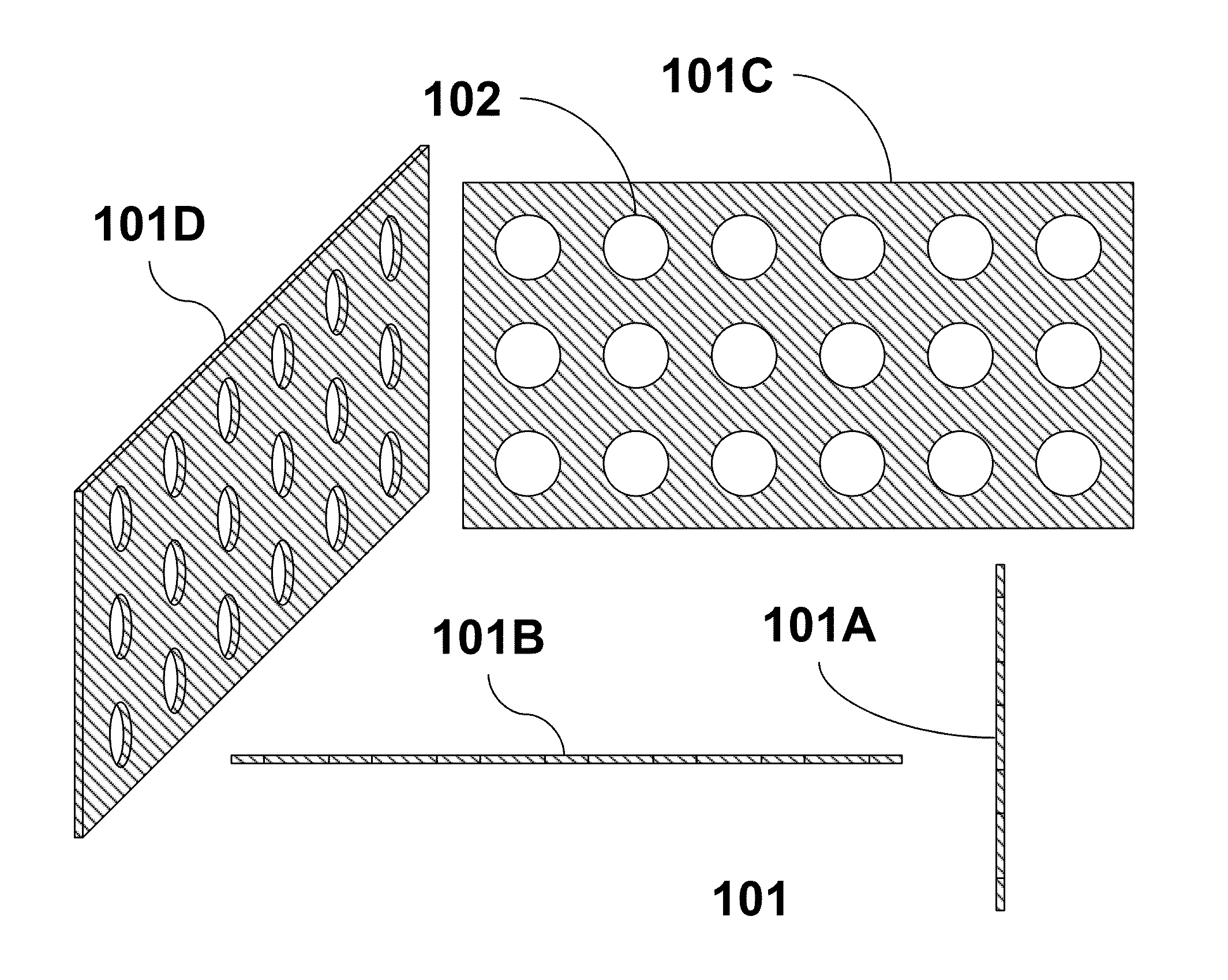
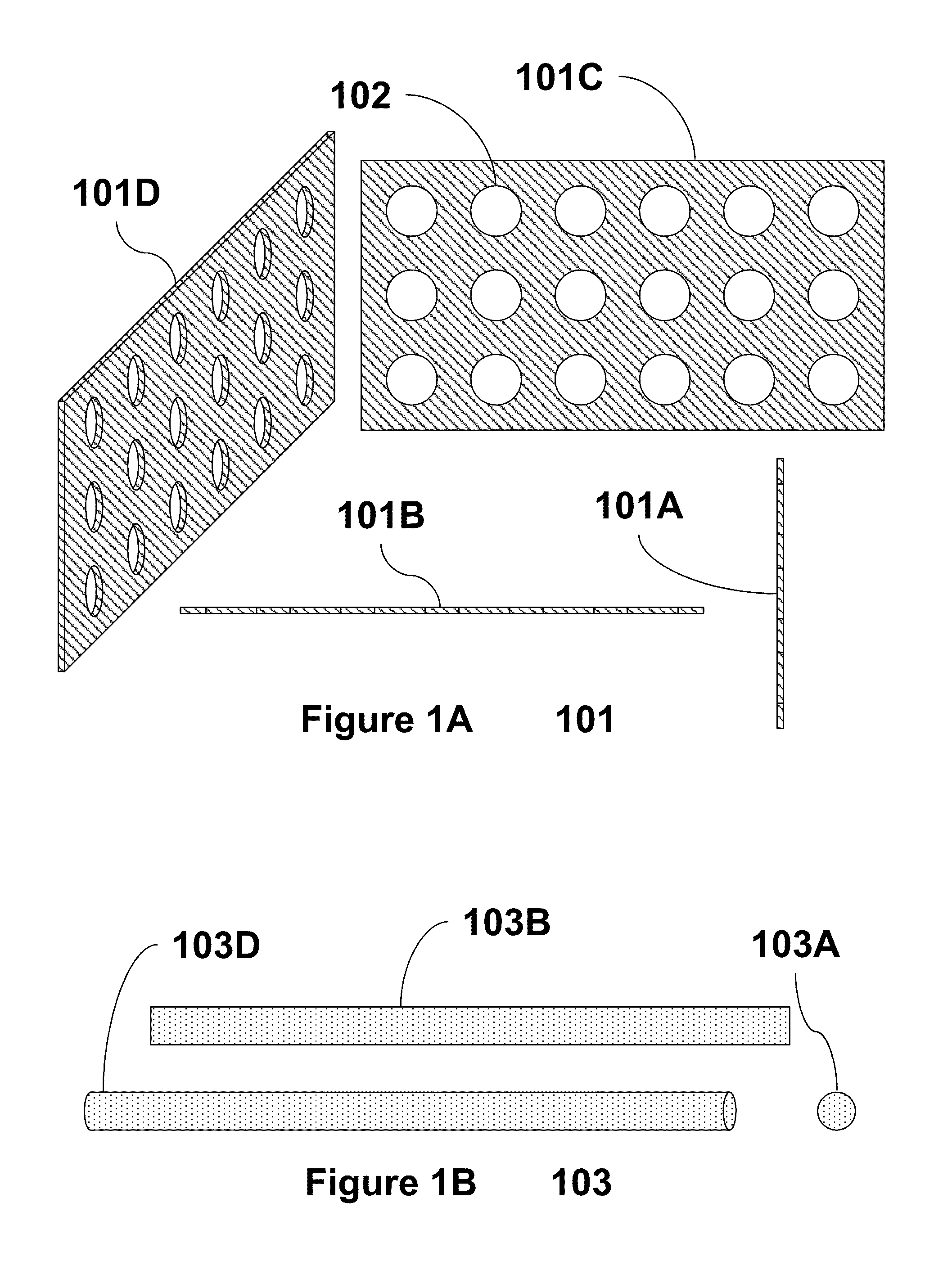
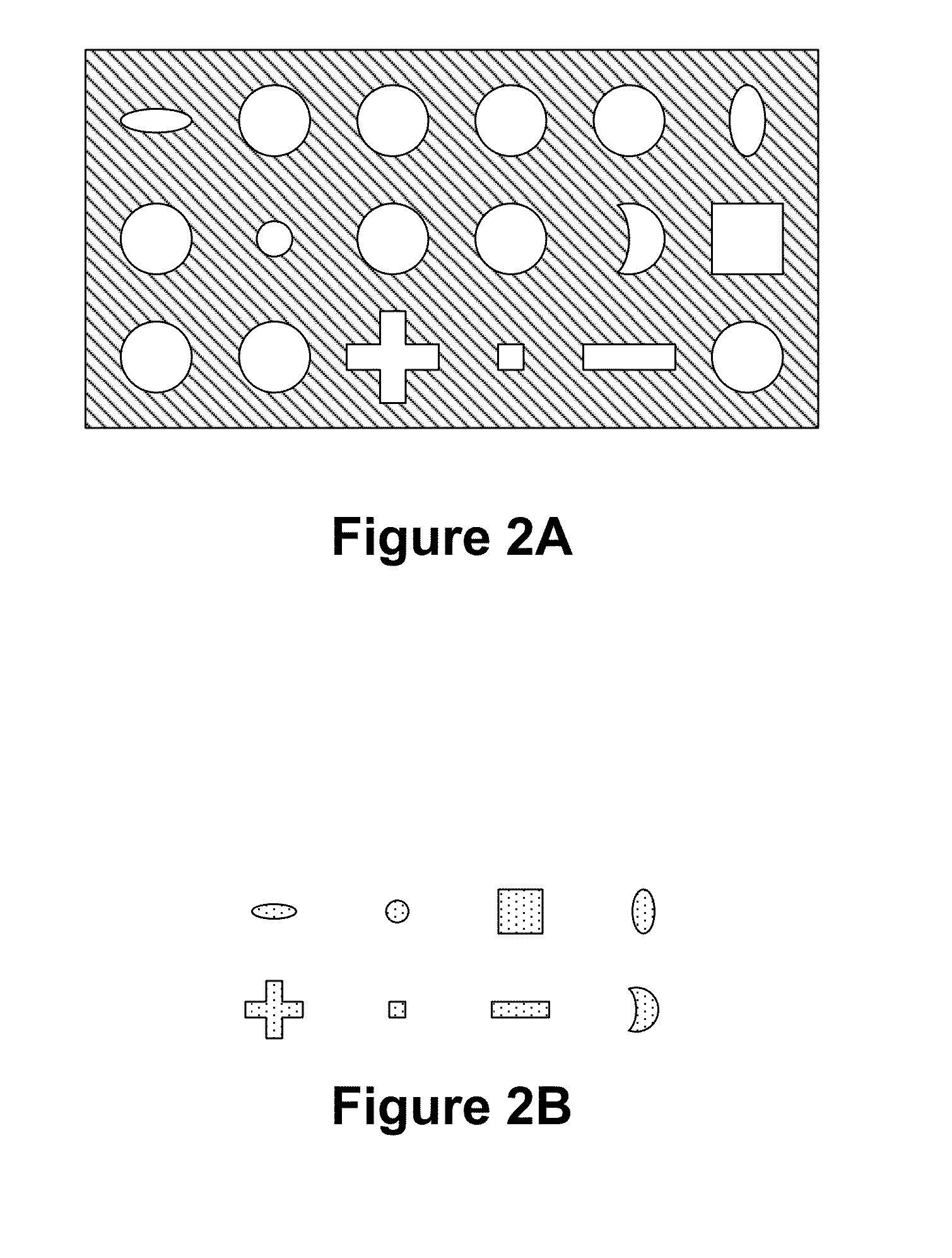
- The development of three-dimensional electrode arrays for part solid, part fluid electrochemical cells, featuring a plurality of plate electrodes with apertures and rod electrodes arranged in a specific orientation to enhance ionic and electronic transport, mechanical robustness, and energy density, while allowing for improved heat management and scalability.

Asymmetric Battery Having a Semi-Solid Cathode and High Energy Density Anode
PatentPendingUS20250279467A1
Innovation
- The development of semi-solid cathodes that are thicker than the anode, utilizing a suspension of active and conductive materials in a non-aqueous liquid electrolyte, paired with high energy anodes, allowing for higher active material loading densities and simplified manufacturing processes.


Manufacturing Scalability and Cost Analysis
Manufacturing scalability represents a critical differentiator between semi-solid and micro-battery technologies, with each approach presenting distinct advantages and challenges in production economics. Semi-solid battery manufacturing leverages existing lithium-ion production infrastructure, requiring minimal capital investment for facility conversion. The technology utilizes conventional coating and assembly processes, enabling manufacturers to achieve economies of scale through incremental capacity expansion.
The cost structure of semi-solid batteries benefits from established supply chains for active materials and current collectors. Manufacturing costs decrease significantly at production volumes exceeding 1 GWh annually, with material costs representing approximately 65-70% of total production expenses. Labor requirements remain moderate due to automated processing capabilities, while quality control systems can be adapted from traditional battery manufacturing protocols.
Micro-battery production faces substantially different scalability constraints due to specialized fabrication requirements. The technology demands precision manufacturing equipment typically associated with semiconductor processing, including photolithography and thin-film deposition systems. Initial capital expenditure for micro-battery facilities ranges from $50-100 million for pilot-scale operations, compared to $20-30 million for equivalent semi-solid battery capacity.
Cost analysis reveals that micro-batteries achieve competitive unit economics only at specific application scales. While individual device costs remain high, the technology delivers superior performance density, justifying premium pricing in specialized markets. Manufacturing yields significantly impact profitability, with current industry averages ranging from 75-85% for established processes.
Scalability timelines differ markedly between technologies. Semi-solid battery manufacturers can achieve commercial-scale production within 18-24 months of initial investment, while micro-battery facilities typically require 36-48 months for full operational capacity. This temporal advantage positions semi-solid technology favorably for near-term market opportunities requiring rapid deployment.
The learning curve effects also vary substantially. Semi-solid battery production benefits from accumulated manufacturing knowledge in the lithium-ion industry, accelerating process optimization and yield improvements. Micro-battery manufacturing requires developing entirely new process expertise, extending the timeline for achieving cost-competitive production levels.
The cost structure of semi-solid batteries benefits from established supply chains for active materials and current collectors. Manufacturing costs decrease significantly at production volumes exceeding 1 GWh annually, with material costs representing approximately 65-70% of total production expenses. Labor requirements remain moderate due to automated processing capabilities, while quality control systems can be adapted from traditional battery manufacturing protocols.
Micro-battery production faces substantially different scalability constraints due to specialized fabrication requirements. The technology demands precision manufacturing equipment typically associated with semiconductor processing, including photolithography and thin-film deposition systems. Initial capital expenditure for micro-battery facilities ranges from $50-100 million for pilot-scale operations, compared to $20-30 million for equivalent semi-solid battery capacity.
Cost analysis reveals that micro-batteries achieve competitive unit economics only at specific application scales. While individual device costs remain high, the technology delivers superior performance density, justifying premium pricing in specialized markets. Manufacturing yields significantly impact profitability, with current industry averages ranging from 75-85% for established processes.
Scalability timelines differ markedly between technologies. Semi-solid battery manufacturers can achieve commercial-scale production within 18-24 months of initial investment, while micro-battery facilities typically require 36-48 months for full operational capacity. This temporal advantage positions semi-solid technology favorably for near-term market opportunities requiring rapid deployment.
The learning curve effects also vary substantially. Semi-solid battery production benefits from accumulated manufacturing knowledge in the lithium-ion industry, accelerating process optimization and yield improvements. Micro-battery manufacturing requires developing entirely new process expertise, extending the timeline for achieving cost-competitive production levels.
Safety Standards and Environmental Impact Assessment
Safety standards for semi-solid and micro-battery technologies represent a critical convergence point where innovation potential meets regulatory compliance requirements. Semi-solid batteries, with their unique gel-like electrolyte composition, present novel safety challenges that existing lithium-ion battery standards may not adequately address. The flowing nature of semi-solid electrolytes requires specialized containment protocols and thermal management systems to prevent leakage during mechanical stress or thermal runaway events.
Micro-battery safety standards focus primarily on miniaturization-related risks, including enhanced surface area-to-volume ratios that can accelerate thermal propagation and the challenges of implementing traditional safety mechanisms within severely constrained form factors. Current IEC 62133 and UL 2054 standards require significant adaptation to accommodate these emerging technologies, particularly regarding cell-level safety testing protocols and system-level integration requirements.
Environmental impact assessment reveals distinct sustainability profiles for both technologies. Semi-solid batteries demonstrate superior recyclability potential due to their simplified material separation processes, with the liquid electrolyte enabling more efficient recovery of lithium, cobalt, and other critical materials. Manufacturing energy consumption for semi-solid systems shows approximately 15-20% reduction compared to conventional lithium-ion production, primarily attributed to simplified electrode processing and reduced high-temperature treatment requirements.
Micro-batteries present environmental advantages through material efficiency optimization, utilizing significantly reduced active material quantities per energy unit. However, their complex manufacturing processes involving advanced lithium deposition techniques and precision assembly methods result in higher embodied energy per unit capacity. Life cycle assessments indicate that micro-batteries achieve environmental break-even points primarily in applications where their extended operational lifespan and reduced replacement frequency offset initial manufacturing impacts.
Regulatory frameworks are evolving to address these technologies' unique characteristics. The European Battery Regulation 2023/1542 introduces specific provisions for emerging battery chemistries, requiring comprehensive environmental footprint declarations and enhanced due diligence for novel electrolyte systems. Similarly, emerging standards from IEEE and ASTM are developing specialized testing protocols for semi-solid and micro-battery technologies, focusing on long-term stability assessment and environmental degradation resistance under various operational conditions.
Micro-battery safety standards focus primarily on miniaturization-related risks, including enhanced surface area-to-volume ratios that can accelerate thermal propagation and the challenges of implementing traditional safety mechanisms within severely constrained form factors. Current IEC 62133 and UL 2054 standards require significant adaptation to accommodate these emerging technologies, particularly regarding cell-level safety testing protocols and system-level integration requirements.
Environmental impact assessment reveals distinct sustainability profiles for both technologies. Semi-solid batteries demonstrate superior recyclability potential due to their simplified material separation processes, with the liquid electrolyte enabling more efficient recovery of lithium, cobalt, and other critical materials. Manufacturing energy consumption for semi-solid systems shows approximately 15-20% reduction compared to conventional lithium-ion production, primarily attributed to simplified electrode processing and reduced high-temperature treatment requirements.
Micro-batteries present environmental advantages through material efficiency optimization, utilizing significantly reduced active material quantities per energy unit. However, their complex manufacturing processes involving advanced lithium deposition techniques and precision assembly methods result in higher embodied energy per unit capacity. Life cycle assessments indicate that micro-batteries achieve environmental break-even points primarily in applications where their extended operational lifespan and reduced replacement frequency offset initial manufacturing impacts.
Regulatory frameworks are evolving to address these technologies' unique characteristics. The European Battery Regulation 2023/1542 introduces specific provisions for emerging battery chemistries, requiring comprehensive environmental footprint declarations and enhanced due diligence for novel electrolyte systems. Similarly, emerging standards from IEEE and ASTM are developing specialized testing protocols for semi-solid and micro-battery technologies, focusing on long-term stability assessment and environmental degradation resistance under various operational conditions.
Unlock deeper insights with Patsnap Eureka Quick Research — get a full tech report to explore trends and direct your research. Try now!
Generate Your Research Report Instantly with AI Agent
Supercharge your innovation with Patsnap Eureka AI Agent Platform!