Shielded Metal Arc Welding for Offshore Structures: Protocols
FEB 25, 20269 MIN READ
Generate Your Research Report Instantly with AI Agent
PatSnap Eureka helps you evaluate technical feasibility & market potential.
SMAW Offshore Welding Background and Technical Objectives
Shielded Metal Arc Welding (SMAW) has been a cornerstone welding technology in offshore construction since the early development of marine oil and gas platforms in the 1940s. The technique's evolution parallels the expansion of offshore energy exploration, where harsh marine environments demanded robust and reliable joining methods for structural steel components. Initially developed for terrestrial applications, SMAW underwent significant adaptations to meet the unique challenges posed by saltwater exposure, extreme weather conditions, and the logistical complexities of offshore operations.
The historical progression of offshore SMAW applications demonstrates a clear trajectory from shallow water platforms to deep-water installations, with each phase introducing new technical requirements. Early offshore structures in the Gulf of Mexico and North Sea established fundamental protocols that emphasized corrosion resistance and structural integrity under dynamic loading conditions. These pioneering projects revealed critical insights about electrode selection, environmental protection measures, and quality control procedures specific to marine environments.
Contemporary offshore welding protocols have evolved to address increasingly complex structural designs and more challenging environmental conditions. Modern offshore platforms, floating production systems, and subsea infrastructure require welding procedures that can maintain structural integrity under extreme cyclic loading, corrosive atmospheres, and temperature variations. The integration of advanced metallurgy, sophisticated electrode formulations, and enhanced quality assurance methodologies reflects decades of accumulated knowledge and technological advancement.
The primary technical objectives for SMAW in offshore applications center on achieving superior mechanical properties while ensuring long-term durability in marine environments. Weld joints must demonstrate exceptional fatigue resistance to withstand constant wave-induced stresses, while maintaining adequate toughness at low temperatures encountered in deep-water operations. Corrosion resistance represents another critical objective, requiring careful consideration of base material compatibility, filler metal selection, and post-weld treatment procedures.
Quality assurance objectives encompass comprehensive testing protocols that validate both immediate weld integrity and long-term performance characteristics. These objectives include achieving consistent penetration profiles, minimizing defect occurrence, and establishing traceability systems that support lifecycle maintenance strategies. The development of standardized procedures aims to reduce variability across different operators, environmental conditions, and project specifications while maintaining the flexibility necessary for diverse offshore applications.
The historical progression of offshore SMAW applications demonstrates a clear trajectory from shallow water platforms to deep-water installations, with each phase introducing new technical requirements. Early offshore structures in the Gulf of Mexico and North Sea established fundamental protocols that emphasized corrosion resistance and structural integrity under dynamic loading conditions. These pioneering projects revealed critical insights about electrode selection, environmental protection measures, and quality control procedures specific to marine environments.
Contemporary offshore welding protocols have evolved to address increasingly complex structural designs and more challenging environmental conditions. Modern offshore platforms, floating production systems, and subsea infrastructure require welding procedures that can maintain structural integrity under extreme cyclic loading, corrosive atmospheres, and temperature variations. The integration of advanced metallurgy, sophisticated electrode formulations, and enhanced quality assurance methodologies reflects decades of accumulated knowledge and technological advancement.
The primary technical objectives for SMAW in offshore applications center on achieving superior mechanical properties while ensuring long-term durability in marine environments. Weld joints must demonstrate exceptional fatigue resistance to withstand constant wave-induced stresses, while maintaining adequate toughness at low temperatures encountered in deep-water operations. Corrosion resistance represents another critical objective, requiring careful consideration of base material compatibility, filler metal selection, and post-weld treatment procedures.
Quality assurance objectives encompass comprehensive testing protocols that validate both immediate weld integrity and long-term performance characteristics. These objectives include achieving consistent penetration profiles, minimizing defect occurrence, and establishing traceability systems that support lifecycle maintenance strategies. The development of standardized procedures aims to reduce variability across different operators, environmental conditions, and project specifications while maintaining the flexibility necessary for diverse offshore applications.
Market Demand for Offshore Structure Welding Services
The global offshore energy sector continues to drive substantial demand for specialized welding services, with shielded metal arc welding remaining a cornerstone technology for structural fabrication and maintenance. Offshore wind farms, oil and gas platforms, and marine infrastructure projects collectively represent a multi-billion dollar market requiring extensive welding expertise. The transition toward renewable energy sources has particularly accelerated demand for offshore wind installations, creating new opportunities for welding service providers specializing in marine environments.
Market dynamics reveal distinct regional variations in demand patterns. European markets lead in offshore wind development, generating consistent requirements for welding services throughout project lifecycles. North Sea operations continue to demand maintenance welding for aging oil platforms, while simultaneously requiring new construction welding for wind farm installations. Asian markets, particularly in China, Japan, and South Korea, show rapid growth in offshore infrastructure development, driving increased demand for certified welding services.
The complexity of offshore environments creates premium pricing opportunities for specialized welding services. Projects operating in harsh marine conditions require welders with specific certifications and extensive experience in underwater or platform-based operations. This specialization barrier limits market entry and supports higher service rates compared to onshore welding applications. Additionally, the critical nature of offshore structural integrity demands rigorous quality standards, further differentiating premium service providers.
Seasonal demand fluctuations significantly impact market dynamics. Weather windows for offshore operations create concentrated demand periods, particularly during calmer sea conditions. This cyclical pattern requires welding service companies to maintain flexible workforce capabilities and equipment deployment strategies. Emergency repair services command premium rates due to the urgent nature of offshore structural failures and the specialized logistics required for rapid response.
The market increasingly values integrated service offerings that combine welding expertise with comprehensive project management capabilities. Clients prefer contractors who can handle complex logistics, regulatory compliance, and multi-disciplinary coordination alongside core welding services. This trend toward full-service solutions creates opportunities for established players while raising barriers for smaller specialized contractors seeking market entry.
Market dynamics reveal distinct regional variations in demand patterns. European markets lead in offshore wind development, generating consistent requirements for welding services throughout project lifecycles. North Sea operations continue to demand maintenance welding for aging oil platforms, while simultaneously requiring new construction welding for wind farm installations. Asian markets, particularly in China, Japan, and South Korea, show rapid growth in offshore infrastructure development, driving increased demand for certified welding services.
The complexity of offshore environments creates premium pricing opportunities for specialized welding services. Projects operating in harsh marine conditions require welders with specific certifications and extensive experience in underwater or platform-based operations. This specialization barrier limits market entry and supports higher service rates compared to onshore welding applications. Additionally, the critical nature of offshore structural integrity demands rigorous quality standards, further differentiating premium service providers.
Seasonal demand fluctuations significantly impact market dynamics. Weather windows for offshore operations create concentrated demand periods, particularly during calmer sea conditions. This cyclical pattern requires welding service companies to maintain flexible workforce capabilities and equipment deployment strategies. Emergency repair services command premium rates due to the urgent nature of offshore structural failures and the specialized logistics required for rapid response.
The market increasingly values integrated service offerings that combine welding expertise with comprehensive project management capabilities. Clients prefer contractors who can handle complex logistics, regulatory compliance, and multi-disciplinary coordination alongside core welding services. This trend toward full-service solutions creates opportunities for established players while raising barriers for smaller specialized contractors seeking market entry.
Current SMAW Challenges in Marine Environment Applications
Shielded Metal Arc Welding (SMAW) faces significant operational challenges when applied to offshore structures due to the harsh marine environment. The primary concern stems from the corrosive nature of saltwater exposure, which accelerates electrode degradation and compromises weld quality. Salt deposits on electrode coatings can cause irregular arc behavior, leading to inconsistent penetration and increased porosity in weld joints.
Moisture control presents another critical challenge in marine applications. High humidity levels and direct water exposure can cause hydrogen absorption in the weld metal, resulting in delayed cracking and reduced mechanical properties. The hygroscopic nature of certain electrode coatings exacerbates this issue, requiring stringent storage and handling protocols that are difficult to maintain on offshore platforms.
Wind conditions on offshore structures create substantial difficulties for SMAW operations. Strong and variable winds can disrupt the protective gas shield around the weld pool, leading to atmospheric contamination and oxidation. This environmental factor often necessitates the construction of temporary windbreaks or enclosures, adding complexity and cost to welding operations.
Temperature fluctuations in marine environments pose additional constraints on SMAW processes. Cold temperatures can affect arc stability and increase the risk of cold cracking, while thermal cycling from day-night temperature variations can induce residual stresses in welded joints. These conditions require careful preheating procedures and post-weld heat treatment considerations.
Access limitations on offshore structures significantly impact SMAW implementation. Welders often work in confined spaces or at challenging angles, making it difficult to maintain proper electrode positioning and travel speed. The restricted mobility can lead to suboptimal weld geometry and increased defect rates.
Equipment reliability becomes paramount in offshore applications where maintenance resources are limited. SMAW power sources must withstand salt spray corrosion and mechanical vibrations from wave action. The remote location of offshore structures makes equipment failure particularly costly, requiring robust backup systems and preventive maintenance protocols.
Quality control and inspection present unique challenges in marine environments. Non-destructive testing equipment must be protected from corrosive conditions, and inspection schedules must account for weather windows and platform accessibility. The critical nature of offshore structural integrity demands enhanced quality assurance measures compared to onshore applications.
Moisture control presents another critical challenge in marine applications. High humidity levels and direct water exposure can cause hydrogen absorption in the weld metal, resulting in delayed cracking and reduced mechanical properties. The hygroscopic nature of certain electrode coatings exacerbates this issue, requiring stringent storage and handling protocols that are difficult to maintain on offshore platforms.
Wind conditions on offshore structures create substantial difficulties for SMAW operations. Strong and variable winds can disrupt the protective gas shield around the weld pool, leading to atmospheric contamination and oxidation. This environmental factor often necessitates the construction of temporary windbreaks or enclosures, adding complexity and cost to welding operations.
Temperature fluctuations in marine environments pose additional constraints on SMAW processes. Cold temperatures can affect arc stability and increase the risk of cold cracking, while thermal cycling from day-night temperature variations can induce residual stresses in welded joints. These conditions require careful preheating procedures and post-weld heat treatment considerations.
Access limitations on offshore structures significantly impact SMAW implementation. Welders often work in confined spaces or at challenging angles, making it difficult to maintain proper electrode positioning and travel speed. The restricted mobility can lead to suboptimal weld geometry and increased defect rates.
Equipment reliability becomes paramount in offshore applications where maintenance resources are limited. SMAW power sources must withstand salt spray corrosion and mechanical vibrations from wave action. The remote location of offshore structures makes equipment failure particularly costly, requiring robust backup systems and preventive maintenance protocols.
Quality control and inspection present unique challenges in marine environments. Non-destructive testing equipment must be protected from corrosive conditions, and inspection schedules must account for weather windows and platform accessibility. The critical nature of offshore structural integrity demands enhanced quality assurance measures compared to onshore applications.
Existing SMAW Protocols for Offshore Structure Applications
01 Electrode composition and coating materials
Shielded metal arc welding electrodes utilize specific coating compositions that provide shielding gas when heated, protecting the weld pool from atmospheric contamination. The coating materials typically include flux compounds, binding agents, and alloying elements that improve arc stability, slag formation, and weld metal properties. These coatings can be formulated with various ratios of cellulose, rutile, iron powder, and other materials to achieve different welding characteristics and mechanical properties in the finished weld.- Electrode composition and coating materials: The formulation of electrode coatings plays a critical role in shielded metal arc welding performance. Various coating compositions including flux materials, binders, and stabilizers are designed to protect the weld pool from atmospheric contamination, control arc stability, and influence the mechanical properties of the weld. The coating materials can include minerals, cellulose, rutile, and other compounds that decompose during welding to create a protective gas shield and slag layer.
- Welding electrode manufacturing processes: Manufacturing methods for producing welding electrodes involve specific processes for applying and curing coating materials onto metal core wires. These processes include extrusion techniques, drying methods, and quality control measures to ensure uniform coating thickness and composition. The manufacturing process affects the electrode's performance characteristics such as arc stability, spatter control, and deposition rate.
- Low hydrogen electrode technology: Specialized electrode formulations designed to minimize hydrogen content in the weld metal are critical for preventing hydrogen-induced cracking in high-strength steel applications. These electrodes feature specific coating compositions and require controlled storage and handling procedures. The low hydrogen characteristics are achieved through careful selection of coating ingredients and baking processes that remove moisture.
- Arc welding equipment and power supply systems: Welding power sources and equipment designed specifically for shielded metal arc welding include transformers, rectifiers, and inverter-based systems that provide appropriate current characteristics. These systems feature controls for adjusting welding parameters, arc force control, and hot start functions. The equipment design influences arc stability, penetration depth, and overall weld quality.
- Welding process monitoring and quality control: Methods and systems for monitoring welding parameters during shielded metal arc welding operations enable real-time quality control and defect prevention. These technologies include sensors for measuring current, voltage, and arc characteristics, along with data analysis systems for process optimization. Monitoring systems help ensure consistent weld quality and can detect anomalies that may lead to defects.
02 Welding process control and automation
Advanced control systems and automation technologies have been developed to improve the consistency and quality of shielded metal arc welding operations. These systems monitor and regulate welding parameters such as current, voltage, and arc length in real-time. Automated positioning and manipulation devices can be integrated to enhance productivity and reduce operator fatigue while maintaining precise control over the welding process.Expand Specific Solutions03 Flux formulation for improved weld quality
Specialized flux formulations have been developed to enhance the metallurgical properties of welds produced by shielded metal arc welding. These formulations control the chemical composition of the weld metal, reduce porosity, and improve crack resistance. The flux systems can be designed to provide specific slag characteristics that facilitate easy removal while ensuring adequate protection during solidification.Expand Specific Solutions04 Equipment design and power supply systems
Welding equipment and power supply systems specifically designed for shielded metal arc welding have been developed to provide stable arc characteristics and improved energy efficiency. These systems incorporate advanced transformer designs, rectifier circuits, and control electronics to deliver consistent welding performance across various electrode types and welding positions. Equipment innovations also focus on portability, durability, and user-friendly operation.Expand Specific Solutions05 Welding techniques for specific applications
Specialized welding techniques and procedures have been developed for shielded metal arc welding in challenging applications such as underwater welding, pipeline construction, and structural steel fabrication. These techniques address specific requirements including joint preparation, electrode selection, welding sequence, and heat input control to achieve desired weld quality and structural integrity in various environmental conditions and material combinations.Expand Specific Solutions
Key Players in Offshore Welding and Marine Construction
The shielded metal arc welding (SMAW) market for offshore structures represents a mature yet evolving industry driven by expanding offshore energy infrastructure and stringent marine environment requirements. The market demonstrates substantial growth potential, valued in billions globally, as offshore oil, gas, and renewable energy projects proliferate. Technology maturity varies significantly across key players, with established steel manufacturers like NIPPON STEEL CORP., ArcelorMittal SA, and Kobe Steel leading in advanced welding materials development. Specialized welding companies including Illinois Tool Works and Lincoln Global drive equipment innovation, while offshore specialists such as China National Offshore Oil Corp. and Offshore Oil Engineering focus on application-specific protocols. Shipbuilding entities like Hudong-Zhonghua and Universal Shipbuilding integrate these technologies into large-scale offshore construction projects, creating a competitive landscape where material science advancement, automation integration, and regulatory compliance determine market positioning.
ArcelorMittal SA
Technical Solution: ArcelorMittal has developed standardized SMAW protocols for offshore structural welding, emphasizing their high-strength offshore-grade steel products. Their welding procedures incorporate material-specific electrode recommendations, optimized welding parameters for their steel grades, and comprehensive joint design guidelines for offshore platform construction. The protocols feature detailed procedures for welding thick-section connections, fatigue-critical joints, and corrosion-resistant overlays. Their approach includes proper material handling, electrode selection criteria based on steel chemistry, and quality control measures including mechanical testing and metallographic examination to ensure compliance with offshore structural standards and certification requirements.
Strengths: Comprehensive steel and welding material portfolio, global supply chain capabilities, strong technical support for material selection. Weaknesses: Limited specialized offshore welding equipment manufacturing, focus more on material supply than welding services.
Illinois Tool Works Inc.
Technical Solution: ITW's Miller Electric division has established robust SMAW protocols specifically engineered for offshore structural welding applications. Their approach integrates weather-resistant welding equipment with specialized electrode management systems that prevent moisture absorption in marine environments. The protocols feature adaptive current control technology that automatically adjusts welding parameters based on environmental conditions, ensuring consistent penetration and mechanical properties. Their welding procedures incorporate advanced joint preparation techniques, multi-layer welding sequences for heavy-section connections, and comprehensive non-destructive testing protocols to ensure structural integrity in harsh offshore environments.
Strengths: Advanced adaptive welding technology, excellent equipment reliability in marine conditions, strong technical support network. Weaknesses: Limited availability in some offshore regions, higher initial investment requirements.
Core Innovations in Marine Environment Welding Techniques
Salt water welding machine
PatentInactiveIN1017CHE2014A
Innovation
- A low-cost, lightweight welding apparatus using an electrolytic bath of saline water solution with carbon rods and a power source cabinet to provide a step-up transformer function, allowing for adjustable current outputs for SMAW.


In-service weld repairs using metal arc welding under oil (MAWUO) of pipelines, tanks, and vessels
PatentInactiveUS20120111837A1
Innovation
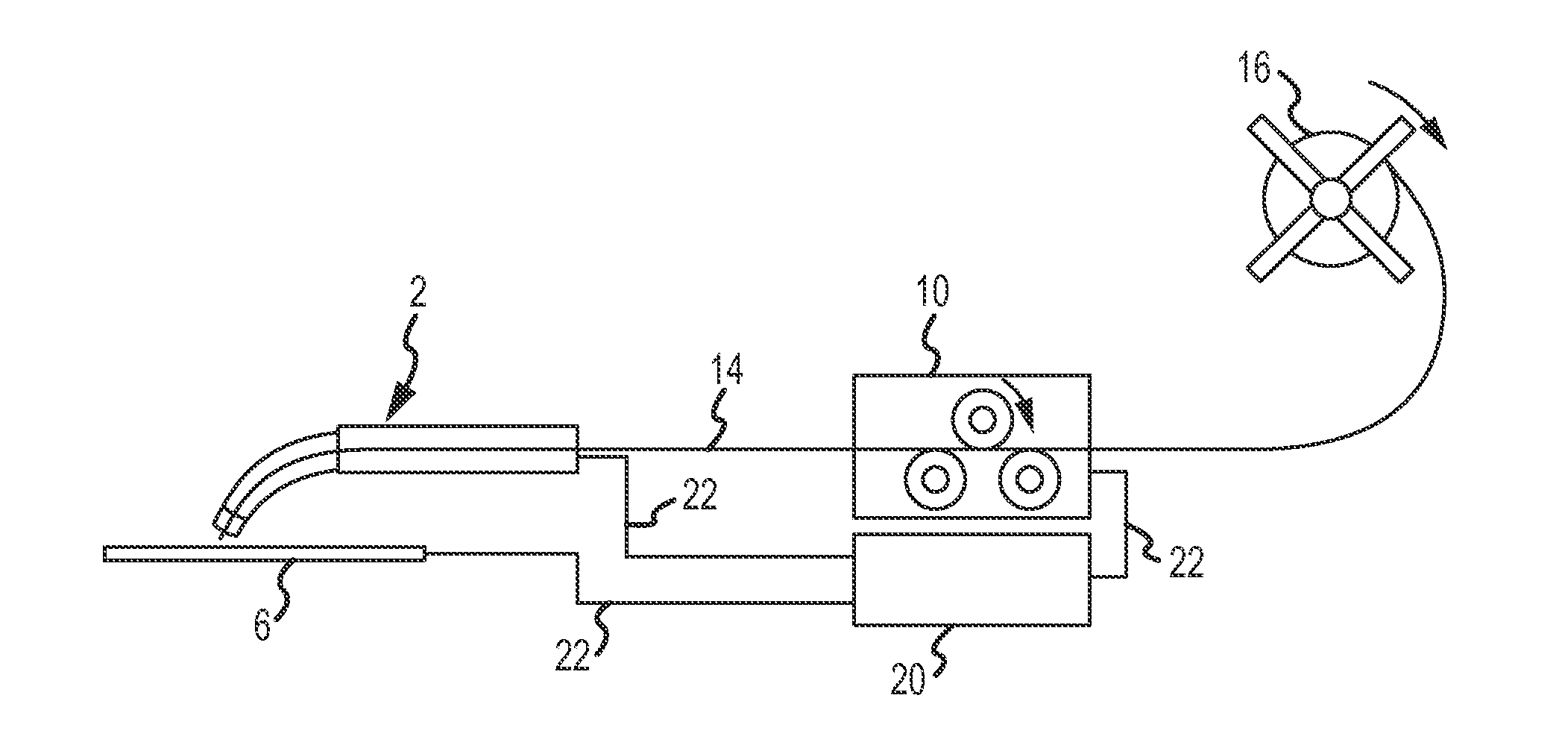
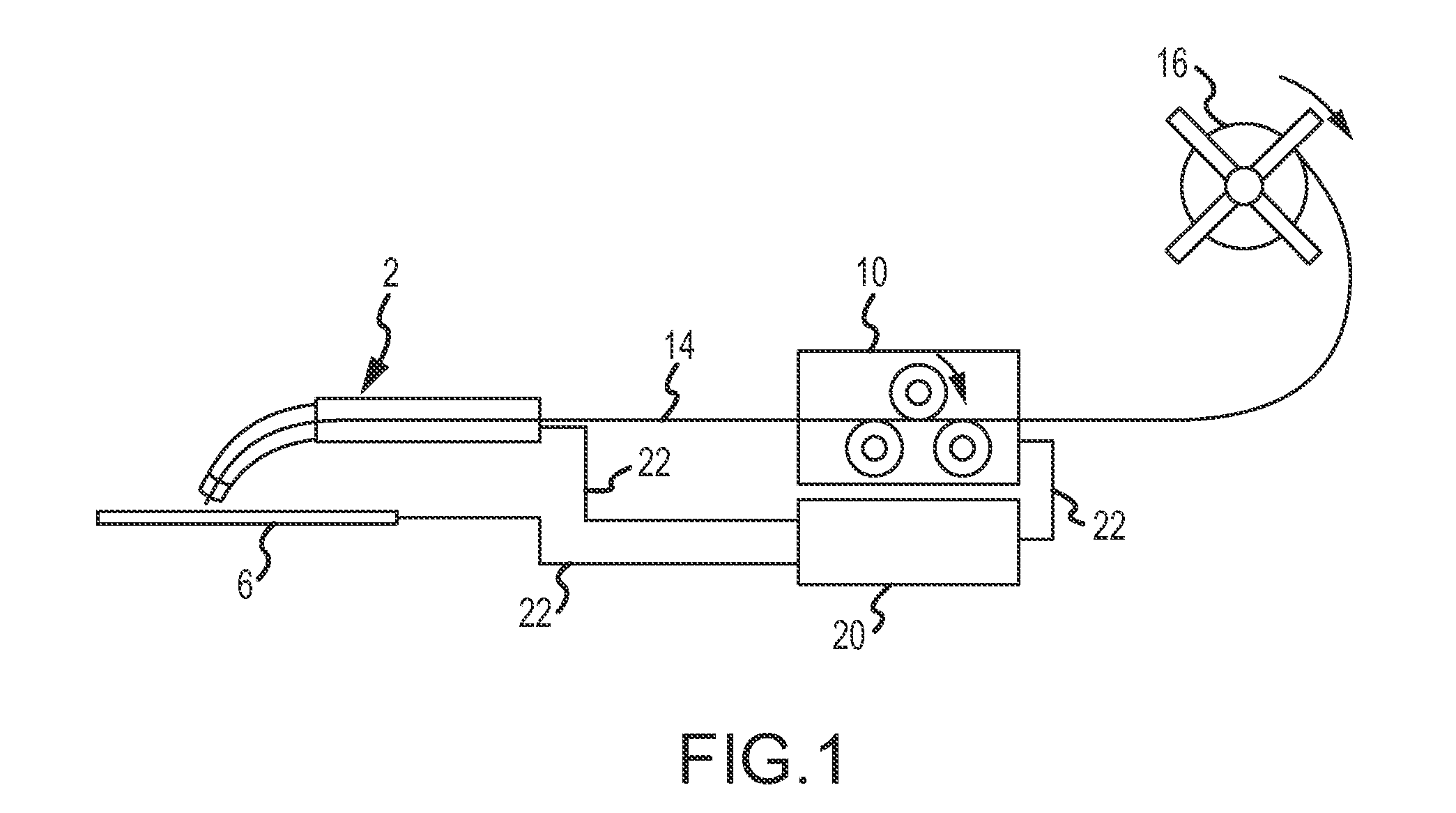
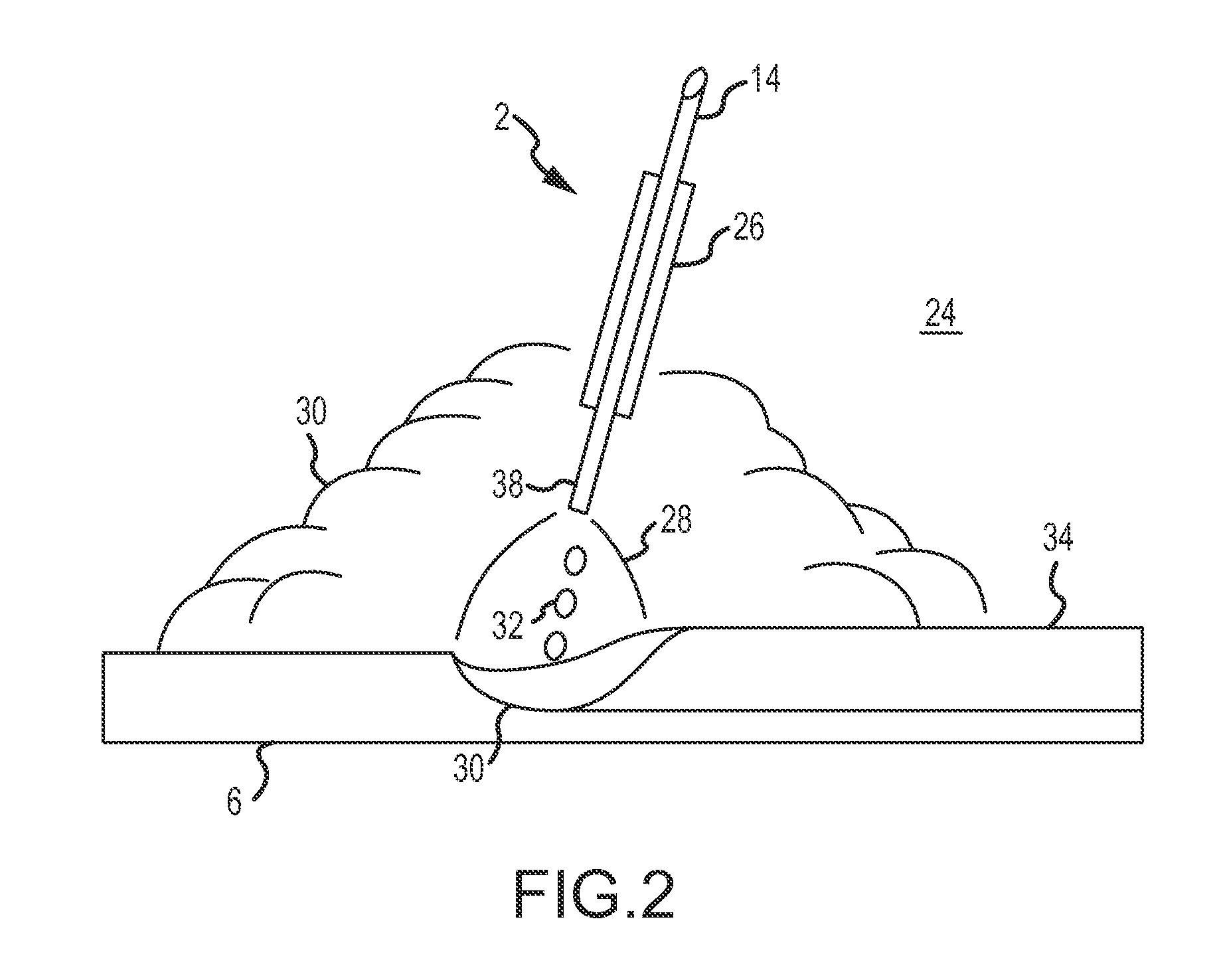
- The development of a metal arc welding under oil (MAWUO) process using a continuous wire feed with constant voltage and inductance control, which generates a weldment without the need for external shielding gas and flux, utilizing a consumable wire electrode with high nickel and manganese content to match the mechanical properties of the pipeline, and an automated pipeline pig for in-situ repairs.

Maritime Safety Regulations for Offshore Welding Operations
Maritime safety regulations for offshore welding operations represent a complex framework of international, national, and industry-specific standards designed to protect personnel, equipment, and the marine environment during critical structural work. The International Maritime Organization (IMO) serves as the primary regulatory body, establishing foundational safety protocols through conventions such as SOLAS (Safety of Life at Sea) and MARPOL (Marine Pollution Prevention). These regulations are complemented by classification society rules from organizations like DNV GL, ABS, and Lloyd's Register, which provide detailed technical specifications for offshore welding activities.
The regulatory landscape encompasses multiple jurisdictional layers, with coastal states maintaining authority over operations within their territorial waters and exclusive economic zones. Flag state regulations apply to vessel-based welding operations, while port state control measures ensure compliance during harbor activities. Regional agreements, such as those established by the North Sea offshore authorities, create harmonized standards across multinational offshore development projects.
Personnel certification requirements form a critical component of maritime safety regulations, mandating specialized training for welders operating in marine environments. The International Institute of Welding (IIW) and national certification bodies establish competency standards that address unique challenges such as working in confined spaces, managing fire hazards on vessels, and operating under adverse weather conditions. These certifications typically require demonstration of proficiency in emergency response procedures, gas monitoring protocols, and marine-specific safety equipment usage.
Environmental protection regulations significantly impact offshore welding operations, particularly regarding hot work permits and emission controls. The prevention of marine pollution requires strict adherence to waste management protocols, including proper disposal of welding consumables, slag, and contaminated materials. Regulations mandate the use of containment systems to prevent debris from entering marine ecosystems and establish specific procedures for conducting welding operations near sensitive environmental areas.
Emergency response and evacuation procedures represent another crucial regulatory dimension, requiring comprehensive safety management systems that address potential scenarios such as structural failures, fires, or severe weather events. These regulations mandate the availability of specialized rescue equipment, trained emergency response personnel, and established communication protocols with maritime rescue coordination centers. Compliance verification occurs through regular inspections, safety audits, and mandatory reporting of incidents or near-misses to relevant maritime authorities.
The regulatory landscape encompasses multiple jurisdictional layers, with coastal states maintaining authority over operations within their territorial waters and exclusive economic zones. Flag state regulations apply to vessel-based welding operations, while port state control measures ensure compliance during harbor activities. Regional agreements, such as those established by the North Sea offshore authorities, create harmonized standards across multinational offshore development projects.
Personnel certification requirements form a critical component of maritime safety regulations, mandating specialized training for welders operating in marine environments. The International Institute of Welding (IIW) and national certification bodies establish competency standards that address unique challenges such as working in confined spaces, managing fire hazards on vessels, and operating under adverse weather conditions. These certifications typically require demonstration of proficiency in emergency response procedures, gas monitoring protocols, and marine-specific safety equipment usage.
Environmental protection regulations significantly impact offshore welding operations, particularly regarding hot work permits and emission controls. The prevention of marine pollution requires strict adherence to waste management protocols, including proper disposal of welding consumables, slag, and contaminated materials. Regulations mandate the use of containment systems to prevent debris from entering marine ecosystems and establish specific procedures for conducting welding operations near sensitive environmental areas.
Emergency response and evacuation procedures represent another crucial regulatory dimension, requiring comprehensive safety management systems that address potential scenarios such as structural failures, fires, or severe weather events. These regulations mandate the availability of specialized rescue equipment, trained emergency response personnel, and established communication protocols with maritime rescue coordination centers. Compliance verification occurs through regular inspections, safety audits, and mandatory reporting of incidents or near-misses to relevant maritime authorities.
Environmental Impact Assessment for Marine Welding Activities
Marine welding activities, particularly shielded metal arc welding (SMAW) for offshore structures, present significant environmental considerations that require comprehensive assessment and mitigation strategies. The marine environment's sensitivity to industrial activities necessitates rigorous evaluation of potential ecological impacts throughout the welding process lifecycle.
Underwater and near-surface welding operations generate multiple environmental stressors that can affect marine ecosystems. Welding fumes and particulate matter released during SMAW processes contain metallic compounds, including iron oxides, manganese, and chromium derivatives, which can alter local water chemistry and sediment composition. These emissions may accumulate in marine sediments, potentially affecting benthic organisms and disrupting established food chains.
Thermal pollution represents another critical environmental concern during offshore welding activities. The intense heat generated by arc welding processes can create localized temperature variations in surrounding water masses, potentially stressing marine organisms adapted to stable thermal conditions. Temperature fluctuations may trigger behavioral changes in fish populations and affect spawning patterns of sensitive species.
Electromagnetic field generation during welding operations can interfere with marine life navigation systems, particularly affecting species that rely on electromagnetic sensing for migration and feeding behaviors. Sharks, rays, and certain fish species demonstrate heightened sensitivity to electrical disturbances, potentially leading to habitat avoidance or disorientation in welding zones.
Chemical contamination risks arise from electrode coatings, flux materials, and protective coatings used in offshore welding protocols. These substances may leach heavy metals and organic compounds into marine environments, with potential bioaccumulation effects throughout aquatic food webs. Antifouling agents and corrosion inhibitors applied to welded structures introduce additional chemical stressors requiring long-term monitoring.
Noise pollution generated by welding equipment and support vessels can disrupt marine mammal communication patterns and echolocation systems. Acoustic disturbances may cause temporary or permanent hearing damage in sensitive species, affecting their ability to navigate, hunt, and reproduce effectively.
Mitigation strategies must incorporate real-time environmental monitoring, seasonal timing restrictions to avoid critical breeding periods, and implementation of containment systems to minimize pollutant dispersion. Establishing buffer zones around welding sites and utilizing environmentally compatible welding consumables can significantly reduce ecological impacts while maintaining structural integrity requirements for offshore installations.
Underwater and near-surface welding operations generate multiple environmental stressors that can affect marine ecosystems. Welding fumes and particulate matter released during SMAW processes contain metallic compounds, including iron oxides, manganese, and chromium derivatives, which can alter local water chemistry and sediment composition. These emissions may accumulate in marine sediments, potentially affecting benthic organisms and disrupting established food chains.
Thermal pollution represents another critical environmental concern during offshore welding activities. The intense heat generated by arc welding processes can create localized temperature variations in surrounding water masses, potentially stressing marine organisms adapted to stable thermal conditions. Temperature fluctuations may trigger behavioral changes in fish populations and affect spawning patterns of sensitive species.
Electromagnetic field generation during welding operations can interfere with marine life navigation systems, particularly affecting species that rely on electromagnetic sensing for migration and feeding behaviors. Sharks, rays, and certain fish species demonstrate heightened sensitivity to electrical disturbances, potentially leading to habitat avoidance or disorientation in welding zones.
Chemical contamination risks arise from electrode coatings, flux materials, and protective coatings used in offshore welding protocols. These substances may leach heavy metals and organic compounds into marine environments, with potential bioaccumulation effects throughout aquatic food webs. Antifouling agents and corrosion inhibitors applied to welded structures introduce additional chemical stressors requiring long-term monitoring.
Noise pollution generated by welding equipment and support vessels can disrupt marine mammal communication patterns and echolocation systems. Acoustic disturbances may cause temporary or permanent hearing damage in sensitive species, affecting their ability to navigate, hunt, and reproduce effectively.
Mitigation strategies must incorporate real-time environmental monitoring, seasonal timing restrictions to avoid critical breeding periods, and implementation of containment systems to minimize pollutant dispersion. Establishing buffer zones around welding sites and utilizing environmentally compatible welding consumables can significantly reduce ecological impacts while maintaining structural integrity requirements for offshore installations.
Unlock deeper insights with PatSnap Eureka Quick Research — get a full tech report to explore trends and direct your research. Try now!
Generate Your Research Report Instantly with AI Agent
Supercharge your innovation with PatSnap Eureka AI Agent Platform!