

Siloxane vs PVC: Gas Barrier Efficiency
APR 28, 20269 MIN READ
Generate Your Research Report Instantly with AI Agent
PatSnap Eureka helps you evaluate technical feasibility & market potential.
Siloxane and PVC Gas Barrier Technology Background and Objectives
Gas barrier technology has emerged as a critical component in modern packaging, medical devices, and industrial applications where controlling molecular permeation is essential. The fundamental principle involves creating materials that selectively restrict the passage of gases such as oxygen, carbon dioxide, water vapor, and other volatile compounds. This technology has evolved significantly over the past several decades, driven by increasing demands for product preservation, safety, and performance optimization across diverse industries.
Siloxane-based materials represent a sophisticated approach to gas barrier applications, leveraging the unique properties of silicon-oxygen polymer chains. These materials exhibit exceptional flexibility, thermal stability, and chemical resistance while providing tunable permeability characteristics. The siloxane backbone structure allows for precise molecular engineering, enabling manufacturers to optimize barrier properties for specific gas molecules through controlled cross-linking and functional group modifications.
Polyvinyl chloride (PVC) has established itself as a conventional solution in gas barrier applications due to its inherent molecular structure and processing versatility. The chlorine atoms in PVC create a dense polymer matrix that effectively impedes gas diffusion, while the material's cost-effectiveness and established manufacturing infrastructure have made it a standard choice across multiple industries. PVC's barrier efficiency stems from its polar nature and relatively high glass transition temperature, which restricts molecular mobility.
The technological evolution in this field has been marked by continuous improvements in material synthesis, processing techniques, and performance characterization methods. Advanced analytical tools now enable precise measurement of permeability coefficients, diffusion rates, and selectivity factors, facilitating more accurate comparisons between different barrier materials. Recent developments have focused on enhancing barrier performance while addressing environmental concerns and regulatory requirements.
Current objectives in siloxane and PVC gas barrier technology center on optimizing the balance between barrier efficiency, mechanical properties, and sustainability considerations. Key targets include achieving ultra-low permeability rates for critical applications, improving long-term stability under various environmental conditions, and developing cost-effective manufacturing processes. Additionally, there is growing emphasis on creating materials that maintain barrier integrity across extended temperature ranges and under mechanical stress.
The comparative evaluation of siloxane versus PVC barrier efficiency represents a crucial research area, as each material system offers distinct advantages and limitations. Understanding these differences enables informed material selection for specific applications, driving innovation in formulation chemistry, processing optimization, and performance enhancement strategies that will define the future landscape of gas barrier technology.
Siloxane-based materials represent a sophisticated approach to gas barrier applications, leveraging the unique properties of silicon-oxygen polymer chains. These materials exhibit exceptional flexibility, thermal stability, and chemical resistance while providing tunable permeability characteristics. The siloxane backbone structure allows for precise molecular engineering, enabling manufacturers to optimize barrier properties for specific gas molecules through controlled cross-linking and functional group modifications.
Polyvinyl chloride (PVC) has established itself as a conventional solution in gas barrier applications due to its inherent molecular structure and processing versatility. The chlorine atoms in PVC create a dense polymer matrix that effectively impedes gas diffusion, while the material's cost-effectiveness and established manufacturing infrastructure have made it a standard choice across multiple industries. PVC's barrier efficiency stems from its polar nature and relatively high glass transition temperature, which restricts molecular mobility.
The technological evolution in this field has been marked by continuous improvements in material synthesis, processing techniques, and performance characterization methods. Advanced analytical tools now enable precise measurement of permeability coefficients, diffusion rates, and selectivity factors, facilitating more accurate comparisons between different barrier materials. Recent developments have focused on enhancing barrier performance while addressing environmental concerns and regulatory requirements.
Current objectives in siloxane and PVC gas barrier technology center on optimizing the balance between barrier efficiency, mechanical properties, and sustainability considerations. Key targets include achieving ultra-low permeability rates for critical applications, improving long-term stability under various environmental conditions, and developing cost-effective manufacturing processes. Additionally, there is growing emphasis on creating materials that maintain barrier integrity across extended temperature ranges and under mechanical stress.
The comparative evaluation of siloxane versus PVC barrier efficiency represents a crucial research area, as each material system offers distinct advantages and limitations. Understanding these differences enables informed material selection for specific applications, driving innovation in formulation chemistry, processing optimization, and performance enhancement strategies that will define the future landscape of gas barrier technology.
Market Demand Analysis for Advanced Gas Barrier Materials
The global gas barrier materials market is experiencing unprecedented growth driven by evolving consumer preferences and stringent regulatory requirements across multiple industries. Food and beverage packaging represents the largest application segment, where extended shelf life and product freshness have become critical competitive differentiators. The pharmaceutical sector demonstrates equally compelling demand patterns, particularly for moisture-sensitive medications and biologics requiring enhanced protection during storage and transportation.
Automotive applications are emerging as a significant growth driver, with electric vehicle battery systems requiring advanced gas barrier solutions to prevent moisture ingress and maintain performance integrity. The electronics industry continues to expand its requirements for barrier materials, especially in flexible displays, solar panels, and semiconductor packaging where even minimal gas permeation can compromise product reliability.
Regional demand patterns reveal distinct characteristics across global markets. North American and European markets prioritize high-performance materials meeting strict environmental regulations, while Asia-Pacific regions focus on cost-effective solutions supporting rapid industrialization. The construction industry increasingly demands advanced barrier materials for building envelope applications, driven by energy efficiency standards and sustainable building practices.
Market dynamics indicate a clear shift toward materials offering superior performance-to-cost ratios. Traditional PVC applications face mounting pressure from environmental concerns and regulatory restrictions, creating opportunities for alternative materials including advanced siloxane formulations. The packaging industry specifically seeks materials combining excellent gas barrier properties with recyclability and reduced environmental impact.
Emerging applications in renewable energy systems, particularly hydrogen storage and fuel cells, are generating new demand categories requiring exceptional barrier performance under challenging operating conditions. Medical device manufacturing represents another expanding segment, where biocompatibility requirements intersect with gas barrier needs for sterile packaging and implantable devices.
The market landscape reflects increasing sophistication in barrier material selection, with end-users demanding comprehensive performance data and lifecycle assessments. This trend drives innovation toward materials offering multifunctional properties beyond basic gas barrier capabilities, including enhanced mechanical properties, thermal stability, and processing advantages that reduce overall system costs while improving performance outcomes.
Automotive applications are emerging as a significant growth driver, with electric vehicle battery systems requiring advanced gas barrier solutions to prevent moisture ingress and maintain performance integrity. The electronics industry continues to expand its requirements for barrier materials, especially in flexible displays, solar panels, and semiconductor packaging where even minimal gas permeation can compromise product reliability.
Regional demand patterns reveal distinct characteristics across global markets. North American and European markets prioritize high-performance materials meeting strict environmental regulations, while Asia-Pacific regions focus on cost-effective solutions supporting rapid industrialization. The construction industry increasingly demands advanced barrier materials for building envelope applications, driven by energy efficiency standards and sustainable building practices.
Market dynamics indicate a clear shift toward materials offering superior performance-to-cost ratios. Traditional PVC applications face mounting pressure from environmental concerns and regulatory restrictions, creating opportunities for alternative materials including advanced siloxane formulations. The packaging industry specifically seeks materials combining excellent gas barrier properties with recyclability and reduced environmental impact.
Emerging applications in renewable energy systems, particularly hydrogen storage and fuel cells, are generating new demand categories requiring exceptional barrier performance under challenging operating conditions. Medical device manufacturing represents another expanding segment, where biocompatibility requirements intersect with gas barrier needs for sterile packaging and implantable devices.
The market landscape reflects increasing sophistication in barrier material selection, with end-users demanding comprehensive performance data and lifecycle assessments. This trend drives innovation toward materials offering multifunctional properties beyond basic gas barrier capabilities, including enhanced mechanical properties, thermal stability, and processing advantages that reduce overall system costs while improving performance outcomes.
Current Status and Challenges in Gas Barrier Performance
Gas barrier performance in packaging materials represents a critical intersection of material science and industrial application, where both siloxane-based and PVC materials face distinct technological limitations. Current siloxane materials, while offering excellent flexibility and temperature stability, exhibit inherently high gas permeability due to their molecular structure characterized by loose polymer chains and significant free volume. This fundamental property limits their effectiveness in applications requiring stringent oxygen and moisture barrier requirements.
PVC materials demonstrate superior gas barrier properties compared to siloxanes, particularly in oxygen transmission resistance. However, PVC faces significant challenges related to plasticizer migration, which can compromise long-term barrier integrity. The material's brittleness at low temperatures and thermal degradation concerns at elevated temperatures further constrain its application range. Additionally, environmental regulations increasingly restrict PVC usage due to concerns about phthalate plasticizers and end-of-life disposal issues.
The current technological landscape reveals a performance trade-off dilemma between these materials. Siloxanes excel in applications requiring flexibility, biocompatibility, and thermal cycling resistance, but struggle to meet demanding gas barrier specifications without significant modification. Conversely, PVC provides adequate barrier performance but faces mounting pressure from sustainability requirements and regulatory restrictions.
Manufacturing scalability presents another significant challenge across both material systems. Advanced barrier enhancement techniques, such as plasma treatment, multilayer coextrusion, and nanocomposite incorporation, often introduce complexity and cost considerations that limit commercial viability. The integration of barrier-enhancing additives frequently compromises other essential properties, creating optimization challenges for material engineers.
Measurement standardization and testing methodology inconsistencies further complicate direct performance comparisons between siloxane and PVC systems. Variations in testing conditions, sample preparation methods, and aging protocols contribute to conflicting performance data across different research studies and industrial applications.
The geographic distribution of technological expertise shows concentration in developed markets, with limited knowledge transfer to emerging manufacturing regions. This disparity affects global supply chain optimization and cost-effective barrier solution deployment, particularly in applications where both material flexibility and gas barrier performance are critical requirements.
PVC materials demonstrate superior gas barrier properties compared to siloxanes, particularly in oxygen transmission resistance. However, PVC faces significant challenges related to plasticizer migration, which can compromise long-term barrier integrity. The material's brittleness at low temperatures and thermal degradation concerns at elevated temperatures further constrain its application range. Additionally, environmental regulations increasingly restrict PVC usage due to concerns about phthalate plasticizers and end-of-life disposal issues.
The current technological landscape reveals a performance trade-off dilemma between these materials. Siloxanes excel in applications requiring flexibility, biocompatibility, and thermal cycling resistance, but struggle to meet demanding gas barrier specifications without significant modification. Conversely, PVC provides adequate barrier performance but faces mounting pressure from sustainability requirements and regulatory restrictions.
Manufacturing scalability presents another significant challenge across both material systems. Advanced barrier enhancement techniques, such as plasma treatment, multilayer coextrusion, and nanocomposite incorporation, often introduce complexity and cost considerations that limit commercial viability. The integration of barrier-enhancing additives frequently compromises other essential properties, creating optimization challenges for material engineers.
Measurement standardization and testing methodology inconsistencies further complicate direct performance comparisons between siloxane and PVC systems. Variations in testing conditions, sample preparation methods, and aging protocols contribute to conflicting performance data across different research studies and industrial applications.
The geographic distribution of technological expertise shows concentration in developed markets, with limited knowledge transfer to emerging manufacturing regions. This disparity affects global supply chain optimization and cost-effective barrier solution deployment, particularly in applications where both material flexibility and gas barrier performance are critical requirements.
Current Gas Barrier Solutions and Performance Metrics
01 Siloxane-based barrier coatings and films
Siloxane materials can be formulated as barrier coatings or films to provide enhanced gas barrier properties. These materials utilize the unique molecular structure of siloxane polymers to create effective barriers against various gases including oxygen, carbon dioxide, and water vapor. The barrier efficiency can be optimized through molecular design and cross-linking density control.- Siloxane-based barrier coatings and films: Siloxane materials can be formulated as barrier coatings or films to provide enhanced gas barrier properties. These materials utilize the unique molecular structure of siloxane polymers to create effective barriers against various gases including oxygen, carbon dioxide, and water vapor. The barrier efficiency can be optimized through molecular design and cross-linking density control.
- PVC composite materials for gas barrier applications: Polyvinyl chloride materials can be modified and formulated into composite structures to achieve improved gas barrier efficiency. These materials often incorporate additives, fillers, or layered structures to enhance their inherent barrier properties. The crystalline structure and polymer chain arrangement play crucial roles in determining the final barrier performance.
- Hybrid siloxane-PVC barrier systems: Combination systems utilizing both siloxane and PVC materials can provide synergistic effects for gas barrier applications. These hybrid approaches leverage the complementary properties of both materials, where siloxane components provide flexibility and adhesion while PVC components contribute structural integrity and chemical resistance.
- Surface modification and treatment techniques: Various surface modification methods can be applied to both siloxane and PVC materials to enhance their gas barrier efficiency. These techniques include plasma treatment, chemical grafting, and surface coating applications that alter the surface chemistry and morphology to reduce gas permeability and improve barrier performance.
- Multilayer and nanocomposite barrier structures: Advanced barrier systems incorporating multilayer architectures or nanocomposite structures with siloxane and PVC materials demonstrate superior gas barrier efficiency. These systems utilize nanoscale fillers, layered silicates, or alternating polymer layers to create tortuous pathways that significantly reduce gas permeation rates.
02 PVC composite materials for gas barrier applications
Polyvinyl chloride materials can be modified and processed into composite structures that exhibit improved gas barrier efficiency. These materials often incorporate additives, fillers, or undergo surface treatments to enhance their barrier properties against gas permeation. The crystalline structure and polymer chain orientation play crucial roles in determining barrier performance.Expand Specific Solutions03 Hybrid siloxane-PVC barrier systems
Combination systems utilizing both siloxane and PVC materials can achieve superior gas barrier efficiency through synergistic effects. These hybrid approaches may involve layered structures, blends, or surface modifications where each material contributes its unique barrier properties to create enhanced overall performance against gas transmission.Expand Specific Solutions04 Surface modification and treatment techniques
Various surface modification methods can be applied to both siloxane and PVC materials to improve their gas barrier efficiency. These techniques include plasma treatment, chemical grafting, and coating applications that alter the surface properties and reduce gas permeability. The modifications can create denser surface layers or introduce functional groups that enhance barrier performance.Expand Specific Solutions05 Nanocomposite and multilayer barrier structures
Advanced barrier systems incorporate nanofillers, multilayer architectures, or nanocomposite designs using siloxane and PVC materials. These structures create tortuous pathways for gas molecules, significantly reducing permeation rates. The incorporation of nanoscale components and precise layer control enables achievement of high barrier efficiency for demanding applications.Expand Specific Solutions
Major Players in Gas Barrier Material Industry
The siloxane versus PVC gas barrier efficiency landscape represents a mature technology sector experiencing renewed innovation driven by sustainability demands and advanced packaging requirements. The market demonstrates significant scale with established players like TOPPAN Holdings, Dai Nippon Printing, and Tosoh Corp leading traditional barrier solutions, while companies such as Konica Minolta and Resonac Holdings drive next-generation material development. Technology maturity varies considerably across applications, with PVC-based systems showing established performance in conventional packaging, whereas siloxane technologies exhibit emerging potential in specialized applications. Key players including Sumitomo Chemical, Kureha Corp, and Baxter International represent diverse application domains from industrial chemicals to medical packaging, indicating broad market penetration. The competitive landscape suggests an industry transition phase where traditional barrier materials face challenges from innovative siloxane formulations, particularly in high-performance applications requiring superior gas impermeability and environmental compliance.
Bayer AG
Technical Solution: Bayer has developed innovative siloxane-based barrier technologies through their advanced materials division, focusing on hybrid organic-inorganic coatings that outperform traditional PVC barriers. Their siloxane systems incorporate nanostructured silica particles within a polysiloxane matrix, creating enhanced tortuosity effects that dramatically reduce gas permeation. Bayer's technology demonstrates water vapor transmission rates below 0.005 g/m²/day compared to PVC's typical range of 0.5-2.0 g/m²/day. The company has also developed specialized siloxane formulations for pharmaceutical packaging applications where superior barrier properties are critical for product stability and shelf life extension.
Strengths: Superior barrier performance, pharmaceutical-grade quality, innovative nanostructure design. Weaknesses: Limited scalability, higher production complexity.
Samsung SDI Co., Ltd.
Technical Solution: Samsung SDI has developed advanced siloxane barrier technologies primarily for electronic device encapsulation and battery applications, where gas barrier efficiency is critical for performance and safety. Their siloxane-based encapsulants utilize a multi-layer approach combining different siloxane chemistries to optimize both gas barrier properties and mechanical performance. The technology achieves water vapor transmission rates below 10⁻⁶ g/m²/day, which is orders of magnitude better than PVC materials. Samsung SDI's siloxane barriers also provide superior thermal cycling performance and UV stability, making them ideal for long-term outdoor applications where PVC would degrade rapidly.
Strengths: Ultra-low permeability, excellent durability, thermal stability. Weaknesses: High material costs, specialized application focus.
Core Patents in Siloxane vs PVC Barrier Technologies
Gas barrier composition and laminate
PatentInactiveEP2184310B1
Innovation
- A gas barrier composition comprising an organopolysiloxane with a triazine-thiol radical and an organic polymer with a polar functional radical, which forms a dense crosslinked structure for improved adhesion and gas barrier properties, and can be applied as a laminate with additional layers for enhanced flexibility and resistance.


Gas barrier sheet
PatentActiveUS20090214882A1
Innovation
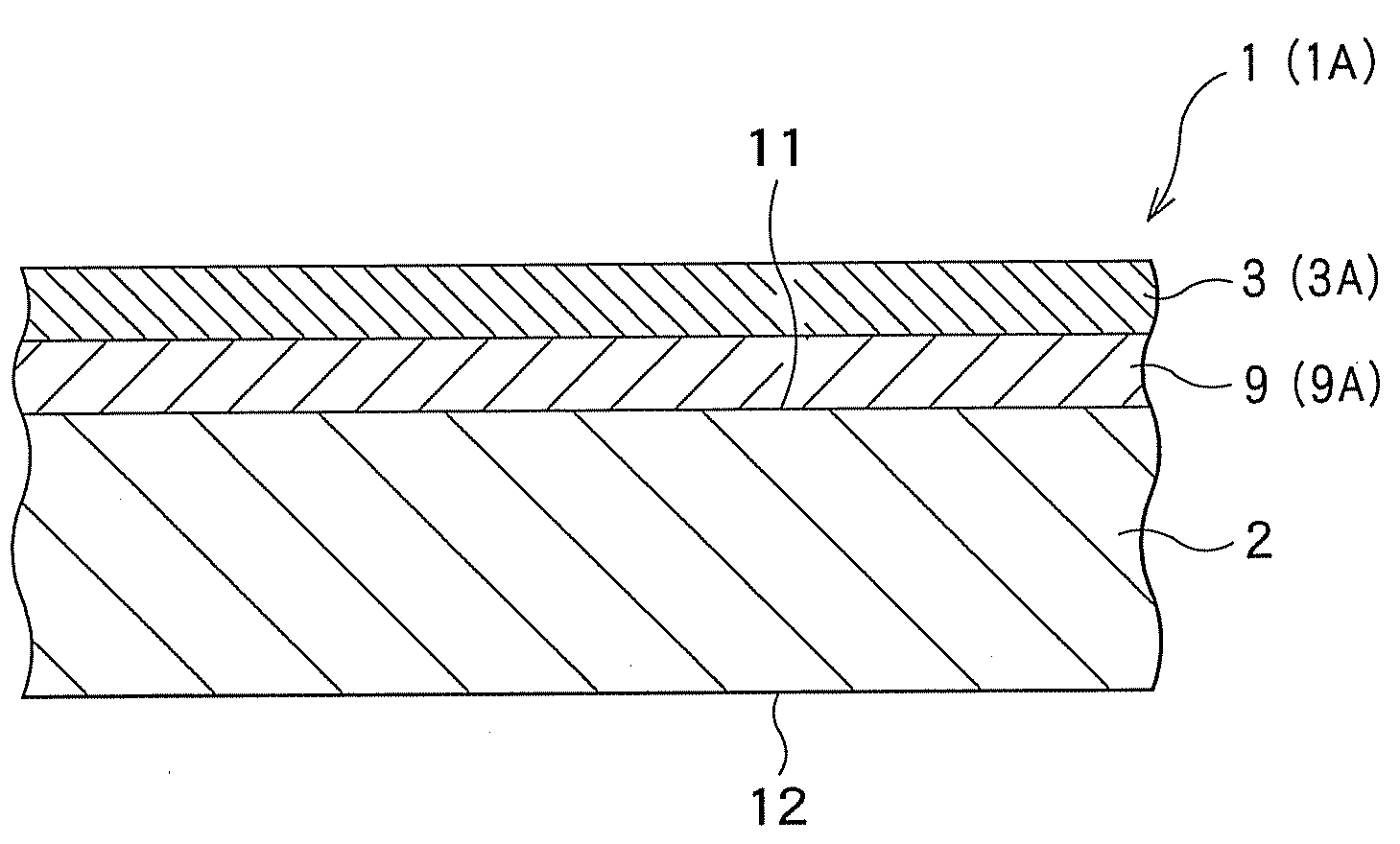
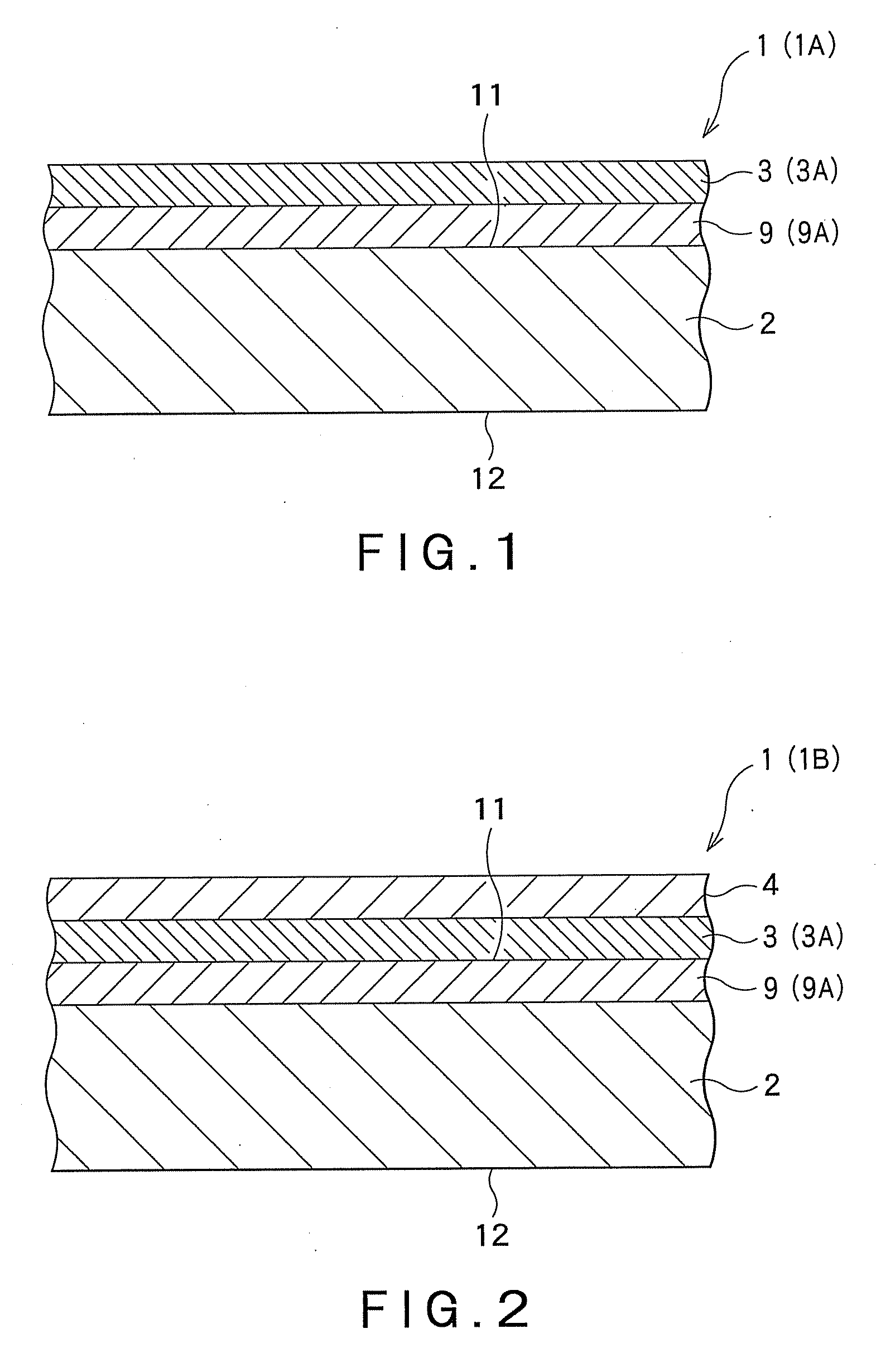
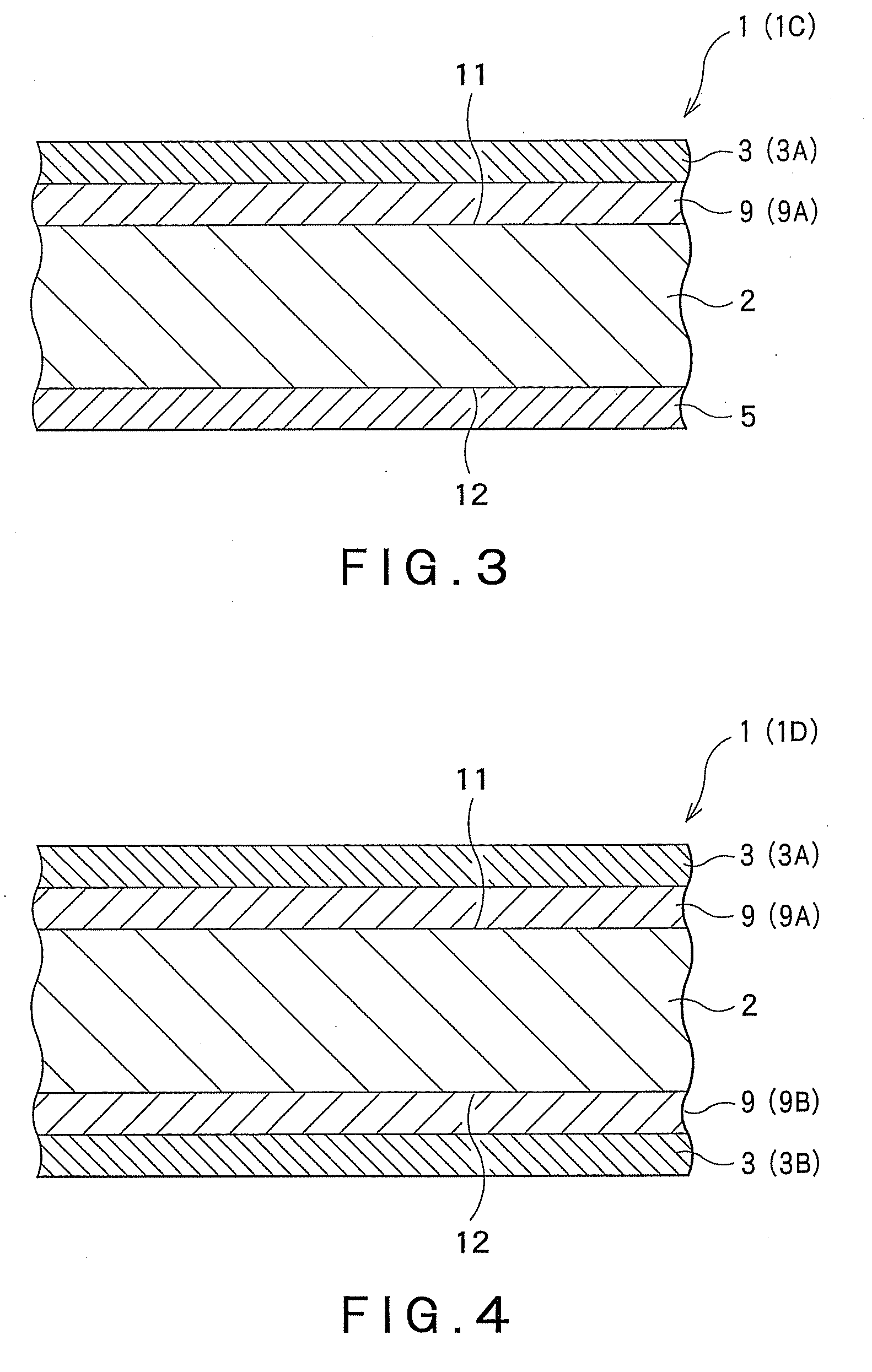
- A gas barrier sheet comprising a substrate, an anchor film made from a siloxane polymer with controlled structure, and a SiNxOy gas barrier film, where the siloxane polymer has a composition of 70 to 99 mol % siloxane compound and 1 to 30 mol % compound A, enhancing adhesion and maintaining rigidity, transparency, and heat resistance, while the SiNxOy film ensures excellent gas-barrier properties without curling.

Environmental Impact and Sustainability of Barrier Materials
The environmental implications of siloxane and PVC barrier materials present distinctly different sustainability profiles that significantly influence material selection decisions in gas barrier applications. PVC manufacturing involves chlorine-based chemistry that generates persistent organic pollutants and dioxins during production, while siloxane synthesis typically employs silicon-oxygen chemistry with lower toxicity potential and reduced environmental persistence.
Life cycle assessment studies reveal that PVC production generates approximately 2.5-3.2 kg CO2 equivalent per kilogram of material, primarily due to energy-intensive chlor-alkali processes and vinyl chloride monomer synthesis. Conversely, siloxane production typically results in 1.8-2.4 kg CO2 equivalent per kilogram, benefiting from more efficient polymerization processes and reduced energy requirements for raw material preparation.
End-of-life considerations further differentiate these materials' environmental profiles. PVC recycling faces significant challenges due to plasticizer migration, heavy metal stabilizers, and the release of hydrogen chloride during thermal processing. Current PVC recycling rates remain below 15% globally, with most waste directed to landfills or incineration facilities equipped with specialized emission control systems.
Siloxane materials demonstrate superior end-of-life flexibility through multiple disposal pathways. Thermal decomposition of siloxanes produces silica and water vapor without generating toxic chlorinated compounds, enabling safer incineration with energy recovery. Additionally, certain siloxane formulations exhibit biodegradability under specific environmental conditions, though complete mineralization timelines vary significantly based on molecular structure and environmental factors.
Resource depletion analysis indicates that PVC relies heavily on petroleum-derived feedstocks and finite salt deposits for chlorine production. Siloxane production utilizes silicon, the second most abundant element in Earth's crust, providing enhanced resource security and reduced geopolitical supply chain risks.
Emerging regulatory frameworks increasingly favor materials with lower environmental impact profiles. The European Union's REACH regulation and similar international standards impose stricter controls on chlorinated compounds, potentially affecting PVC market accessibility. Simultaneously, green building certifications and sustainable packaging initiatives preferentially recognize materials with demonstrated environmental advantages, creating market incentives for siloxane adoption in appropriate applications.
Life cycle assessment studies reveal that PVC production generates approximately 2.5-3.2 kg CO2 equivalent per kilogram of material, primarily due to energy-intensive chlor-alkali processes and vinyl chloride monomer synthesis. Conversely, siloxane production typically results in 1.8-2.4 kg CO2 equivalent per kilogram, benefiting from more efficient polymerization processes and reduced energy requirements for raw material preparation.
End-of-life considerations further differentiate these materials' environmental profiles. PVC recycling faces significant challenges due to plasticizer migration, heavy metal stabilizers, and the release of hydrogen chloride during thermal processing. Current PVC recycling rates remain below 15% globally, with most waste directed to landfills or incineration facilities equipped with specialized emission control systems.
Siloxane materials demonstrate superior end-of-life flexibility through multiple disposal pathways. Thermal decomposition of siloxanes produces silica and water vapor without generating toxic chlorinated compounds, enabling safer incineration with energy recovery. Additionally, certain siloxane formulations exhibit biodegradability under specific environmental conditions, though complete mineralization timelines vary significantly based on molecular structure and environmental factors.
Resource depletion analysis indicates that PVC relies heavily on petroleum-derived feedstocks and finite salt deposits for chlorine production. Siloxane production utilizes silicon, the second most abundant element in Earth's crust, providing enhanced resource security and reduced geopolitical supply chain risks.
Emerging regulatory frameworks increasingly favor materials with lower environmental impact profiles. The European Union's REACH regulation and similar international standards impose stricter controls on chlorinated compounds, potentially affecting PVC market accessibility. Simultaneously, green building certifications and sustainable packaging initiatives preferentially recognize materials with demonstrated environmental advantages, creating market incentives for siloxane adoption in appropriate applications.
Regulatory Standards for Gas Barrier Material Applications
The regulatory landscape for gas barrier materials encompasses multiple jurisdictions and application-specific standards that directly impact the selection between siloxane and PVC materials. International standards organizations such as ASTM, ISO, and regional bodies like the European Committee for Standardization (CEN) have established comprehensive testing protocols and performance criteria that manufacturers must adhere to when developing gas barrier solutions.
Food packaging applications represent one of the most stringent regulatory environments, where both siloxane and PVC materials must comply with FDA regulations in the United States and European Food Safety Authority (EFSA) guidelines in Europe. These regulations specify maximum allowable permeation rates for oxygen, carbon dioxide, and water vapor, along with migration limits for chemical substances. PVC materials face additional scrutiny regarding plasticizer content and potential phthalate migration, while siloxane-based barriers must demonstrate compliance with organosilicon compound migration thresholds.
Pharmaceutical packaging regulations, governed by USP standards and ICH guidelines, impose even more restrictive requirements on gas barrier performance. The materials must maintain stability under various environmental conditions while preventing moisture and oxygen ingress that could compromise drug efficacy. Both siloxane and PVC solutions must undergo extensive validation testing, including accelerated aging studies and real-time stability assessments to demonstrate long-term barrier integrity.
Medical device applications require compliance with ISO 11607 standards for sterile barrier systems, where gas permeability directly affects sterilization efficacy and shelf-life maintenance. The regulatory framework mandates specific testing methodologies for measuring gas transmission rates and establishing acceptable performance thresholds based on the intended medical application and sterilization method employed.
Environmental regulations increasingly influence material selection decisions, with restrictions on volatile organic compound emissions and end-of-life disposal considerations. The European REACH regulation requires comprehensive chemical safety assessments for both siloxane and PVC formulations, while emerging sustainability directives favor materials with lower environmental impact profiles. These evolving regulatory requirements are reshaping the competitive landscape between traditional PVC solutions and innovative siloxane alternatives in gas barrier applications.
Food packaging applications represent one of the most stringent regulatory environments, where both siloxane and PVC materials must comply with FDA regulations in the United States and European Food Safety Authority (EFSA) guidelines in Europe. These regulations specify maximum allowable permeation rates for oxygen, carbon dioxide, and water vapor, along with migration limits for chemical substances. PVC materials face additional scrutiny regarding plasticizer content and potential phthalate migration, while siloxane-based barriers must demonstrate compliance with organosilicon compound migration thresholds.
Pharmaceutical packaging regulations, governed by USP standards and ICH guidelines, impose even more restrictive requirements on gas barrier performance. The materials must maintain stability under various environmental conditions while preventing moisture and oxygen ingress that could compromise drug efficacy. Both siloxane and PVC solutions must undergo extensive validation testing, including accelerated aging studies and real-time stability assessments to demonstrate long-term barrier integrity.
Medical device applications require compliance with ISO 11607 standards for sterile barrier systems, where gas permeability directly affects sterilization efficacy and shelf-life maintenance. The regulatory framework mandates specific testing methodologies for measuring gas transmission rates and establishing acceptable performance thresholds based on the intended medical application and sterilization method employed.
Environmental regulations increasingly influence material selection decisions, with restrictions on volatile organic compound emissions and end-of-life disposal considerations. The European REACH regulation requires comprehensive chemical safety assessments for both siloxane and PVC formulations, while emerging sustainability directives favor materials with lower environmental impact profiles. These evolving regulatory requirements are reshaping the competitive landscape between traditional PVC solutions and innovative siloxane alternatives in gas barrier applications.
Unlock deeper insights with PatSnap Eureka Quick Research — get a full tech report to explore trends and direct your research. Try now!
Generate Your Research Report Instantly with AI Agent
Supercharge your innovation with PatSnap Eureka AI Agent Platform!