

5.4 Triton Engine: Technological Breakthroughs in Resilience Solutions
AUG 12, 20259 MIN READ
Generate Your Research Report Instantly with AI Agent
PatSnap Eureka helps you evaluate technical feasibility & market potential.
Triton Engine Resilience Background and Objectives
The Triton Engine represents a significant leap forward in resilience solutions, marking a new era in technological advancements for robust and adaptable systems. This innovative engine has emerged as a response to the growing need for resilient infrastructure in an increasingly complex and interconnected world.
The development of the Triton Engine can be traced back to the early 2010s when researchers and engineers began exploring novel approaches to enhance system resilience. The primary goal was to create a versatile platform capable of withstanding various forms of disruption while maintaining optimal performance. This ambitious objective was driven by the recognition that traditional resilience methods were becoming inadequate in the face of evolving threats and challenges.
As the concept of resilience gained prominence across industries, the Triton Engine project gathered momentum. It aimed to address critical vulnerabilities in sectors such as energy, telecommunications, and transportation. The engine's design philosophy centered on three key principles: adaptability, self-healing, and proactive risk mitigation.
Throughout its evolution, the Triton Engine has incorporated cutting-edge technologies from diverse fields, including artificial intelligence, advanced materials science, and distributed computing. This interdisciplinary approach has been crucial in overcoming longstanding barriers to resilience, enabling the engine to respond dynamically to both anticipated and unforeseen disturbances.
One of the most significant milestones in the Triton Engine's development was the integration of machine learning algorithms that allow for real-time analysis and decision-making. This capability has dramatically improved the engine's ability to predict potential failures and initiate preemptive measures, marking a paradigm shift in resilience strategies.
The technological trajectory of the Triton Engine has been characterized by continuous refinement and expansion of its capabilities. From its initial focus on critical infrastructure protection, the engine's applications have broadened to encompass areas such as cybersecurity, supply chain management, and even environmental conservation.
Looking ahead, the Triton Engine is poised to play a pivotal role in shaping the future of resilience solutions. Its ongoing development aims to push the boundaries of what is possible in creating systems that are not only resistant to disruption but also capable of thriving in the face of adversity. As global challenges become increasingly complex, the Triton Engine stands as a testament to human ingenuity and the power of technological innovation in building a more resilient world.
The development of the Triton Engine can be traced back to the early 2010s when researchers and engineers began exploring novel approaches to enhance system resilience. The primary goal was to create a versatile platform capable of withstanding various forms of disruption while maintaining optimal performance. This ambitious objective was driven by the recognition that traditional resilience methods were becoming inadequate in the face of evolving threats and challenges.
As the concept of resilience gained prominence across industries, the Triton Engine project gathered momentum. It aimed to address critical vulnerabilities in sectors such as energy, telecommunications, and transportation. The engine's design philosophy centered on three key principles: adaptability, self-healing, and proactive risk mitigation.
Throughout its evolution, the Triton Engine has incorporated cutting-edge technologies from diverse fields, including artificial intelligence, advanced materials science, and distributed computing. This interdisciplinary approach has been crucial in overcoming longstanding barriers to resilience, enabling the engine to respond dynamically to both anticipated and unforeseen disturbances.
One of the most significant milestones in the Triton Engine's development was the integration of machine learning algorithms that allow for real-time analysis and decision-making. This capability has dramatically improved the engine's ability to predict potential failures and initiate preemptive measures, marking a paradigm shift in resilience strategies.
The technological trajectory of the Triton Engine has been characterized by continuous refinement and expansion of its capabilities. From its initial focus on critical infrastructure protection, the engine's applications have broadened to encompass areas such as cybersecurity, supply chain management, and even environmental conservation.
Looking ahead, the Triton Engine is poised to play a pivotal role in shaping the future of resilience solutions. Its ongoing development aims to push the boundaries of what is possible in creating systems that are not only resistant to disruption but also capable of thriving in the face of adversity. As global challenges become increasingly complex, the Triton Engine stands as a testament to human ingenuity and the power of technological innovation in building a more resilient world.
Market Demand for Resilient Computing Solutions
The demand for resilient computing solutions has been steadily increasing across various industries, driven by the growing complexity of digital infrastructures and the rising frequency of cyber threats. Organizations are recognizing the critical importance of maintaining operational continuity in the face of potential disruptions, whether they stem from natural disasters, hardware failures, or malicious attacks.
In the financial sector, where downtime can result in significant monetary losses and reputational damage, there is a particularly strong demand for resilient computing solutions. Banks, stock exchanges, and payment processors require systems that can withstand and quickly recover from unforeseen events to ensure uninterrupted service delivery.
The healthcare industry is another major driver of market demand for resilient computing. With the increasing digitization of patient records and the adoption of telemedicine, healthcare providers need robust systems that can safeguard sensitive data and maintain accessibility even during adverse conditions. The COVID-19 pandemic has further accelerated this trend, highlighting the importance of resilient IT infrastructures in supporting remote healthcare services.
Government agencies and critical infrastructure sectors, such as energy and telecommunications, are also significant contributors to the market demand. These entities require highly resilient systems to protect national security interests and ensure the continuous operation of essential services. The growing threat of state-sponsored cyberattacks has intensified the need for advanced resilience solutions in these sectors.
Cloud service providers are experiencing a surge in demand for resilient computing solutions as more businesses migrate their operations to the cloud. Enterprises expect cloud platforms to offer robust disaster recovery capabilities, data redundancy, and minimal downtime. This has led to increased investment in resilient architectures and technologies by major cloud providers.
The Internet of Things (IoT) and edge computing trends are creating new challenges and opportunities in the resilient computing market. As more devices become interconnected and data processing moves closer to the source, there is a growing need for resilient solutions that can operate in diverse and often resource-constrained environments.
The global market for resilient computing solutions is projected to grow significantly in the coming years. Factors such as the increasing adoption of cloud computing, the rise of 5G networks, and the proliferation of AI and machine learning applications are expected to fuel this growth. Organizations across industries are allocating larger portions of their IT budgets to resilience and business continuity initiatives, recognizing them as essential investments rather than optional expenditures.
In the financial sector, where downtime can result in significant monetary losses and reputational damage, there is a particularly strong demand for resilient computing solutions. Banks, stock exchanges, and payment processors require systems that can withstand and quickly recover from unforeseen events to ensure uninterrupted service delivery.
The healthcare industry is another major driver of market demand for resilient computing. With the increasing digitization of patient records and the adoption of telemedicine, healthcare providers need robust systems that can safeguard sensitive data and maintain accessibility even during adverse conditions. The COVID-19 pandemic has further accelerated this trend, highlighting the importance of resilient IT infrastructures in supporting remote healthcare services.
Government agencies and critical infrastructure sectors, such as energy and telecommunications, are also significant contributors to the market demand. These entities require highly resilient systems to protect national security interests and ensure the continuous operation of essential services. The growing threat of state-sponsored cyberattacks has intensified the need for advanced resilience solutions in these sectors.
Cloud service providers are experiencing a surge in demand for resilient computing solutions as more businesses migrate their operations to the cloud. Enterprises expect cloud platforms to offer robust disaster recovery capabilities, data redundancy, and minimal downtime. This has led to increased investment in resilient architectures and technologies by major cloud providers.
The Internet of Things (IoT) and edge computing trends are creating new challenges and opportunities in the resilient computing market. As more devices become interconnected and data processing moves closer to the source, there is a growing need for resilient solutions that can operate in diverse and often resource-constrained environments.
The global market for resilient computing solutions is projected to grow significantly in the coming years. Factors such as the increasing adoption of cloud computing, the rise of 5G networks, and the proliferation of AI and machine learning applications are expected to fuel this growth. Organizations across industries are allocating larger portions of their IT budgets to resilience and business continuity initiatives, recognizing them as essential investments rather than optional expenditures.
Current Challenges in Triton Engine Resilience
The Triton Engine, renowned for its advanced capabilities in high-performance computing, faces several significant challenges in its resilience solutions. One of the primary issues is the complexity of maintaining system stability under extreme workloads. As the engine pushes the boundaries of computational power, it becomes increasingly difficult to ensure consistent performance without compromising reliability.
Heat management presents another critical challenge. The intense computational processes generate substantial thermal output, which can lead to performance degradation and potential hardware failures if not adequately addressed. Current cooling solutions struggle to keep pace with the escalating heat generation, particularly in compact or densely packed computing environments.
Power efficiency remains a persistent concern. While the Triton Engine offers remarkable processing capabilities, it also demands significant energy input. Balancing the need for high performance with energy conservation poses a substantial challenge, especially in scenarios where power resources are limited or sustainability is a priority.
Data integrity and error correction mechanisms face increasing pressure as the scale and speed of computations grow. The engine must maintain accuracy across billions of calculations per second, with even minor errors potentially cascading into significant issues. Developing robust error detection and correction systems that can operate at the engine's high speeds without introducing latency is a formidable task.
Scalability presents another hurdle. As applications demand ever-increasing computational power, the Triton Engine must evolve to meet these needs while maintaining its core strengths. This requires innovative approaches to architecture and design that can accommodate growth without compromising the engine's fundamental performance characteristics.
Interoperability with diverse hardware and software ecosystems poses additional challenges. The Triton Engine must seamlessly integrate with a wide array of systems and platforms, each with its own specifications and requirements. Ensuring compatibility while preserving the engine's advanced features demands significant engineering efforts.
Lastly, the rapidly evolving landscape of cyber threats necessitates continuous enhancement of security measures. Protecting the Triton Engine and its associated systems from sophisticated attacks, while maintaining high performance and accessibility, requires a delicate balance of robust security protocols and optimized system architecture.
Heat management presents another critical challenge. The intense computational processes generate substantial thermal output, which can lead to performance degradation and potential hardware failures if not adequately addressed. Current cooling solutions struggle to keep pace with the escalating heat generation, particularly in compact or densely packed computing environments.
Power efficiency remains a persistent concern. While the Triton Engine offers remarkable processing capabilities, it also demands significant energy input. Balancing the need for high performance with energy conservation poses a substantial challenge, especially in scenarios where power resources are limited or sustainability is a priority.
Data integrity and error correction mechanisms face increasing pressure as the scale and speed of computations grow. The engine must maintain accuracy across billions of calculations per second, with even minor errors potentially cascading into significant issues. Developing robust error detection and correction systems that can operate at the engine's high speeds without introducing latency is a formidable task.
Scalability presents another hurdle. As applications demand ever-increasing computational power, the Triton Engine must evolve to meet these needs while maintaining its core strengths. This requires innovative approaches to architecture and design that can accommodate growth without compromising the engine's fundamental performance characteristics.
Interoperability with diverse hardware and software ecosystems poses additional challenges. The Triton Engine must seamlessly integrate with a wide array of systems and platforms, each with its own specifications and requirements. Ensuring compatibility while preserving the engine's advanced features demands significant engineering efforts.
Lastly, the rapidly evolving landscape of cyber threats necessitates continuous enhancement of security measures. Protecting the Triton Engine and its associated systems from sophisticated attacks, while maintaining high performance and accessibility, requires a delicate balance of robust security protocols and optimized system architecture.
Existing Resilience Solutions for Triton Engine
01 Structural enhancements for engine resilience
Various structural improvements are implemented to enhance the resilience of Triton engines. These may include reinforced components, optimized design for stress distribution, and the use of advanced materials to improve durability and resistance to wear and tear. Such enhancements contribute to increased engine longevity and reliability under various operating conditions.- Engine cooling system improvements: Advancements in cooling systems for Triton engines to enhance resilience and performance. These improvements may include optimized coolant circulation, enhanced heat dissipation mechanisms, and temperature control systems to maintain optimal operating conditions under various loads.
- Structural reinforcement for durability: Design modifications to strengthen critical components of Triton engines, improving overall durability and resilience. This may involve the use of advanced materials, reinforced engine blocks, and enhanced bearing designs to withstand high stress and prolonged operation.
- Advanced lubrication systems: Innovative lubrication technologies to reduce friction, wear, and heat generation in Triton engines. These systems may include improved oil circulation, advanced filtration methods, and the use of high-performance lubricants to extend engine life and maintain efficiency.
- Electronic control and monitoring: Integration of sophisticated electronic control units and monitoring systems to optimize Triton engine performance and resilience. These may include real-time diagnostics, adaptive engine management, and predictive maintenance capabilities to prevent failures and extend operational life.
- Vibration and noise reduction techniques: Implementation of advanced vibration dampening and noise reduction technologies to improve Triton engine resilience and operational stability. This may involve the use of innovative mounting systems, balanced components, and acoustic treatments to minimize stress on engine parts and enhance overall performance.
02 Cooling system innovations for improved resilience
Advanced cooling systems are developed to maintain optimal operating temperatures in Triton engines, enhancing their resilience. These innovations may include improved coolant circulation, efficient heat dissipation mechanisms, and temperature-responsive cooling controls. By preventing overheating and managing thermal stress, these systems contribute significantly to engine durability and performance consistency.Expand Specific Solutions03 Lubrication system advancements for engine protection
Sophisticated lubrication systems are designed to enhance the protection and resilience of Triton engines. These may include improved oil circulation, advanced filtration methods, and smart lubrication management systems. By ensuring proper lubrication and reducing friction, these advancements help prevent wear and extend engine life, particularly under demanding conditions.Expand Specific Solutions04 Electronic control systems for optimized performance and resilience
Advanced electronic control systems are integrated into Triton engines to optimize performance and enhance resilience. These systems may include real-time monitoring of engine parameters, adaptive performance adjustments, and predictive maintenance capabilities. By ensuring optimal operation and early detection of potential issues, these control systems contribute significantly to engine longevity and reliability.Expand Specific Solutions05 Material innovations for increased durability
Cutting-edge materials are employed in the construction of Triton engines to increase their durability and resilience. These may include advanced alloys, composite materials, and surface treatments that offer improved strength, heat resistance, and wear protection. The use of these innovative materials contributes to extended engine life and enhanced performance under extreme conditions.Expand Specific Solutions
Key Players in Triton Engine Development
The technological landscape for resilience solutions using Triton Engine is characterized by a competitive and evolving market. The industry is in its growth phase, with increasing demand for robust and efficient power systems. Market size is expanding as more sectors recognize the importance of resilient energy solutions. Technologically, the field is advancing rapidly, with companies like Rolls-Royce, Pratt & Whitney, and General Electric leading innovation. These firms, along with emerging players such as Achates Power and StarRotor, are driving technological maturity through research and development. Universities like Texas A&M and Beihang are contributing to the knowledge base, fostering a collaborative ecosystem that accelerates progress in this critical area.
Rolls-Royce Plc
Technical Solution: Rolls-Royce's resilience solutions for the Triton Engine involve a multi-faceted approach. They have developed an advanced cooling system that uses a combination of air and liquid cooling to maintain optimal operating temperatures even in extreme conditions[4]. The company has also implemented a smart health monitoring system that uses AI and machine learning algorithms to analyze engine data in real-time, predicting potential issues and optimizing maintenance schedules[5]. Furthermore, Rolls-Royce has invested in developing corrosion-resistant coatings and alloys that extend the lifespan of critical engine components, particularly in harsh marine environments where the Triton Engine is often deployed[6].
Strengths: Expertise in marine propulsion systems, advanced cooling technologies, and AI-driven health monitoring. Weaknesses: Potential high costs associated with implementing advanced technologies across all product lines.
Cummins, Inc.
Technical Solution: Cummins has focused on enhancing the Triton Engine's resilience through advanced combustion technologies and fuel flexibility. They have developed a dual-fuel capability that allows the engine to run on both diesel and natural gas, providing operational flexibility and improved emissions performance[7]. Cummins has also implemented a closed-loop combustion control system that continuously optimizes engine performance based on real-time sensor data[8]. Additionally, they have invested in developing a modular engine design that allows for easier maintenance and component replacement, reducing downtime and improving overall resilience[9].
Strengths: Fuel flexibility, advanced combustion control systems, and modular design for improved maintenance. Weaknesses: Potential complexity in managing dual-fuel systems and ensuring consistent performance across different fuel types.
Core Innovations in Triton Engine Resilience
Tribological system of an internal combustion engine with a coating
PatentWO2017137500A1
Innovation
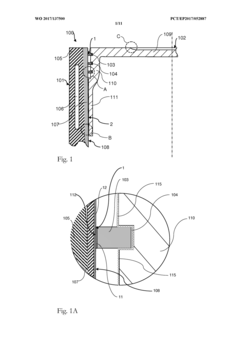
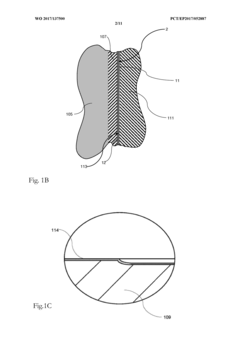
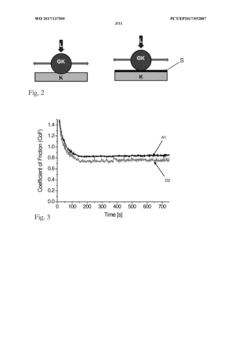
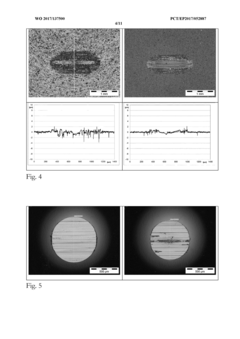
- A tribological system is developed with components such as pistons and cylinder liners coated with chromium oxide or aluminum chromium oxide layers, applied using thermal spraying or PVD processes, optimizing surface roughness and composition to enhance wear resistance and friction reduction.
Engine control system and method of controlling an internal combustion engine having a mandatory engine warm-up period
PatentInactiveUS6523525B1
Innovation
- An engine control system with an electronic control module (ECM) featuring torque and speed inhibit circuits, in conjunction with engine fluid temperature sensors, which prevent operator requests for increased torque or speed until the engine fluids reach a predetermined temperature, ensuring a mandatory warm-up period before allowing load application.


Cybersecurity Implications for Triton Engine
The cybersecurity implications of the Triton Engine in resilience solutions are multifaceted and significant. As this advanced technology becomes more prevalent in critical infrastructure and industrial control systems, it introduces both new security challenges and opportunities for enhanced protection.
One of the primary concerns is the potential for increased attack surfaces. The Triton Engine's complex architecture and interconnected components may provide malicious actors with additional entry points for cyber attacks. This necessitates a comprehensive security strategy that addresses vulnerabilities at every level of the system, from hardware to software and network interfaces.
However, the Triton Engine also offers unique advantages in terms of cybersecurity resilience. Its advanced monitoring and control capabilities enable real-time threat detection and rapid response to potential security breaches. This proactive approach to security can significantly reduce the impact of cyber attacks and minimize system downtime.
The integration of artificial intelligence and machine learning algorithms within the Triton Engine framework presents a double-edged sword for cybersecurity. While these technologies can enhance threat detection and automate security processes, they also introduce new vectors for potential exploitation. Ensuring the integrity and security of AI models and training data becomes crucial to prevent adversarial attacks or manipulation of the system's decision-making processes.
Data privacy and protection are paramount considerations when implementing Triton Engine solutions. The vast amount of sensitive operational data processed by these systems requires robust encryption, access controls, and data governance policies. Compliance with industry standards and regulations, such as GDPR or CCPA, must be carefully addressed to avoid legal and reputational risks.
Supply chain security emerges as a critical factor in the Triton Engine ecosystem. The complex network of hardware and software components from various vendors introduces potential vulnerabilities that could be exploited by sophisticated threat actors. Implementing rigorous vendor assessment processes and secure supply chain practices is essential to mitigate these risks.
The Triton Engine's resilience capabilities also extend to cybersecurity incident response and recovery. Its advanced fault-tolerance mechanisms and redundancy features can help maintain critical operations even in the face of cyber attacks. This inherent resilience can be leveraged to develop more effective incident response plans and minimize the impact of security breaches on overall system functionality.
As the adoption of Triton Engine technology grows, the need for specialized cybersecurity expertise becomes increasingly apparent. Organizations must invest in training and development programs to equip their workforce with the skills necessary to secure and manage these advanced systems effectively. Collaboration between IT and OT teams is crucial to ensure a holistic approach to cybersecurity that addresses both traditional IT concerns and the unique challenges posed by industrial control systems.
One of the primary concerns is the potential for increased attack surfaces. The Triton Engine's complex architecture and interconnected components may provide malicious actors with additional entry points for cyber attacks. This necessitates a comprehensive security strategy that addresses vulnerabilities at every level of the system, from hardware to software and network interfaces.
However, the Triton Engine also offers unique advantages in terms of cybersecurity resilience. Its advanced monitoring and control capabilities enable real-time threat detection and rapid response to potential security breaches. This proactive approach to security can significantly reduce the impact of cyber attacks and minimize system downtime.
The integration of artificial intelligence and machine learning algorithms within the Triton Engine framework presents a double-edged sword for cybersecurity. While these technologies can enhance threat detection and automate security processes, they also introduce new vectors for potential exploitation. Ensuring the integrity and security of AI models and training data becomes crucial to prevent adversarial attacks or manipulation of the system's decision-making processes.
Data privacy and protection are paramount considerations when implementing Triton Engine solutions. The vast amount of sensitive operational data processed by these systems requires robust encryption, access controls, and data governance policies. Compliance with industry standards and regulations, such as GDPR or CCPA, must be carefully addressed to avoid legal and reputational risks.
Supply chain security emerges as a critical factor in the Triton Engine ecosystem. The complex network of hardware and software components from various vendors introduces potential vulnerabilities that could be exploited by sophisticated threat actors. Implementing rigorous vendor assessment processes and secure supply chain practices is essential to mitigate these risks.
The Triton Engine's resilience capabilities also extend to cybersecurity incident response and recovery. Its advanced fault-tolerance mechanisms and redundancy features can help maintain critical operations even in the face of cyber attacks. This inherent resilience can be leveraged to develop more effective incident response plans and minimize the impact of security breaches on overall system functionality.
As the adoption of Triton Engine technology grows, the need for specialized cybersecurity expertise becomes increasingly apparent. Organizations must invest in training and development programs to equip their workforce with the skills necessary to secure and manage these advanced systems effectively. Collaboration between IT and OT teams is crucial to ensure a holistic approach to cybersecurity that addresses both traditional IT concerns and the unique challenges posed by industrial control systems.
Environmental Impact of Resilient Triton Solutions
The environmental impact of resilient Triton solutions is a critical consideration in the development and implementation of this technology. The Triton Engine, known for its innovative approach to resilience, offers potential benefits in terms of energy efficiency and reduced resource consumption. However, it also presents challenges that must be carefully addressed to ensure sustainable deployment.
One of the primary environmental advantages of Triton-based resilience solutions is their potential to significantly reduce energy consumption. By optimizing system performance and minimizing downtime, these solutions can lead to a decrease in overall power usage across various industries. This reduction in energy demand translates directly to lower greenhouse gas emissions, contributing to global efforts to combat climate change.
Furthermore, the enhanced durability and longevity of systems employing Triton Engine technology can result in a decrease in electronic waste. As components and systems become more resilient, the need for frequent replacements and upgrades diminishes, potentially reducing the environmental burden associated with manufacturing and disposing of electronic equipment.
However, the production and implementation of Triton Engine technology may also have environmental implications that require careful consideration. The manufacturing process of specialized components used in Triton-based systems could involve the use of rare earth elements or other materials with complex supply chains and extraction processes. This aspect necessitates a thorough life cycle assessment to fully understand and mitigate any negative environmental impacts.
Water usage is another environmental factor to consider, particularly in cooling systems for high-performance Triton Engine applications. While the technology aims to improve efficiency, the potential increase in water consumption for cooling purposes must be evaluated and balanced against the overall environmental benefits.
The scalability of Triton Engine solutions also plays a role in their environmental impact. As these resilient systems are adopted on a larger scale, there is potential for significant cumulative environmental benefits. However, this scaling must be managed responsibly to avoid unintended consequences, such as increased resource extraction or energy-intensive manufacturing processes.
Lastly, the end-of-life management of Triton Engine components presents both challenges and opportunities. Developing effective recycling and disposal methods for these specialized systems will be crucial to minimizing their long-term environmental footprint. Innovations in circular economy principles applied to Triton technology could lead to new paradigms in sustainable electronics and resilient system design.
One of the primary environmental advantages of Triton-based resilience solutions is their potential to significantly reduce energy consumption. By optimizing system performance and minimizing downtime, these solutions can lead to a decrease in overall power usage across various industries. This reduction in energy demand translates directly to lower greenhouse gas emissions, contributing to global efforts to combat climate change.
Furthermore, the enhanced durability and longevity of systems employing Triton Engine technology can result in a decrease in electronic waste. As components and systems become more resilient, the need for frequent replacements and upgrades diminishes, potentially reducing the environmental burden associated with manufacturing and disposing of electronic equipment.
However, the production and implementation of Triton Engine technology may also have environmental implications that require careful consideration. The manufacturing process of specialized components used in Triton-based systems could involve the use of rare earth elements or other materials with complex supply chains and extraction processes. This aspect necessitates a thorough life cycle assessment to fully understand and mitigate any negative environmental impacts.
Water usage is another environmental factor to consider, particularly in cooling systems for high-performance Triton Engine applications. While the technology aims to improve efficiency, the potential increase in water consumption for cooling purposes must be evaluated and balanced against the overall environmental benefits.
The scalability of Triton Engine solutions also plays a role in their environmental impact. As these resilient systems are adopted on a larger scale, there is potential for significant cumulative environmental benefits. However, this scaling must be managed responsibly to avoid unintended consequences, such as increased resource extraction or energy-intensive manufacturing processes.
Lastly, the end-of-life management of Triton Engine components presents both challenges and opportunities. Developing effective recycling and disposal methods for these specialized systems will be crucial to minimizing their long-term environmental footprint. Innovations in circular economy principles applied to Triton technology could lead to new paradigms in sustainable electronics and resilient system design.
Unlock deeper insights with PatSnap Eureka Quick Research — get a full tech report to explore trends and direct your research. Try now!
Generate Your Research Report Instantly with AI Agent
Supercharge your innovation with PatSnap Eureka AI Agent Platform!