

Thermal Management Solutions for High-Efficiency Compression-Ignition Engines
JUN 14, 20269 MIN READ
Generate Your Research Report Instantly with AI Agent
Patsnap Eureka helps you evaluate technical feasibility & market potential.
Thermal Management Evolution in CI Engines
The evolution of thermal management in compression-ignition engines represents a continuous journey from basic cooling systems to sophisticated integrated thermal control architectures. Early diesel engines in the mid-20th century relied primarily on simple water-cooling circuits with mechanical thermostats, focusing solely on preventing overheating rather than optimizing thermal efficiency across operating conditions.
The 1980s marked a significant transition period when stricter emission regulations drove the development of more precise thermal control systems. Engine manufacturers began implementing variable-speed cooling fans and improved radiator designs to better manage heat rejection while maintaining optimal combustion temperatures. This era also witnessed the introduction of oil coolers as standard equipment, recognizing the critical role of lubricant temperature management in engine durability and performance.
The advent of turbocharging technology in the 1990s fundamentally transformed thermal management requirements. Charge air cooling became essential, leading to the widespread adoption of air-to-air and air-to-water intercoolers. These systems not only reduced intake air temperatures but also enabled higher compression ratios and improved fuel efficiency. Simultaneously, exhaust gas recirculation systems introduced new thermal challenges, requiring dedicated EGR coolers to manage recirculated gas temperatures effectively.
The 2000s brought revolutionary changes with the integration of electronic control systems and advanced materials. Electronic thermostats replaced mechanical units, enabling precise coolant temperature control based on engine load and operating conditions. Split-cooling systems emerged, allowing independent temperature management of cylinder heads and engine blocks to optimize thermal efficiency while reducing emissions.
Modern compression-ignition engines now feature comprehensive thermal management ecosystems incorporating waste heat recovery systems, advanced thermal barrier coatings, and intelligent cooling strategies. These contemporary solutions utilize predictive algorithms and real-time sensor feedback to dynamically adjust cooling capacity, minimize warm-up times, and maximize overall system efficiency. The integration of hybrid powertrains has further expanded thermal management complexity, requiring coordination between internal combustion engine cooling and electric component thermal control systems.
The 1980s marked a significant transition period when stricter emission regulations drove the development of more precise thermal control systems. Engine manufacturers began implementing variable-speed cooling fans and improved radiator designs to better manage heat rejection while maintaining optimal combustion temperatures. This era also witnessed the introduction of oil coolers as standard equipment, recognizing the critical role of lubricant temperature management in engine durability and performance.
The advent of turbocharging technology in the 1990s fundamentally transformed thermal management requirements. Charge air cooling became essential, leading to the widespread adoption of air-to-air and air-to-water intercoolers. These systems not only reduced intake air temperatures but also enabled higher compression ratios and improved fuel efficiency. Simultaneously, exhaust gas recirculation systems introduced new thermal challenges, requiring dedicated EGR coolers to manage recirculated gas temperatures effectively.
The 2000s brought revolutionary changes with the integration of electronic control systems and advanced materials. Electronic thermostats replaced mechanical units, enabling precise coolant temperature control based on engine load and operating conditions. Split-cooling systems emerged, allowing independent temperature management of cylinder heads and engine blocks to optimize thermal efficiency while reducing emissions.
Modern compression-ignition engines now feature comprehensive thermal management ecosystems incorporating waste heat recovery systems, advanced thermal barrier coatings, and intelligent cooling strategies. These contemporary solutions utilize predictive algorithms and real-time sensor feedback to dynamically adjust cooling capacity, minimize warm-up times, and maximize overall system efficiency. The integration of hybrid powertrains has further expanded thermal management complexity, requiring coordination between internal combustion engine cooling and electric component thermal control systems.
Market Demand for High-Efficiency Engine Cooling
The global automotive industry is experiencing unprecedented pressure to enhance fuel efficiency while simultaneously reducing emissions, creating substantial market demand for advanced engine cooling technologies. Compression-ignition engines, particularly in commercial vehicles and heavy-duty applications, face increasingly stringent regulatory requirements that necessitate sophisticated thermal management solutions to maintain optimal performance under diverse operating conditions.
Commercial vehicle manufacturers represent the primary demand drivers, as fleet operators seek to minimize operational costs through improved fuel economy. The transportation sector's emphasis on total cost of ownership has elevated thermal management from a secondary consideration to a critical performance differentiator. Heavy-duty truck manufacturers are particularly focused on cooling solutions that can handle the extreme thermal loads generated by modern high-efficiency diesel engines while maintaining reliability over extended service intervals.
The marine and stationary power generation sectors constitute significant secondary markets, where compression-ignition engines operate under sustained high-load conditions. These applications demand robust thermal management systems capable of continuous operation without performance degradation. Industrial equipment manufacturers increasingly specify advanced cooling technologies to meet both performance targets and environmental compliance requirements.
Regulatory frameworks across major markets are accelerating demand for enhanced thermal management capabilities. European emission standards and similar regulations in North America and Asia require engines to operate within precise temperature ranges to optimize combustion efficiency and minimize pollutant formation. This regulatory environment creates sustained market pull for innovative cooling solutions that can maintain consistent thermal conditions across varying operational scenarios.
The aftermarket segment presents substantial opportunities, as existing vehicle fleets require retrofitting or upgrading to meet evolving performance expectations. Fleet operators are increasingly willing to invest in thermal management upgrades that demonstrate measurable improvements in fuel efficiency and operational reliability.
Emerging markets in developing economies show growing demand for efficient compression-ignition engines in construction, agriculture, and transportation applications. These markets prioritize cost-effective thermal management solutions that deliver reliable performance under challenging environmental conditions while maintaining reasonable acquisition and maintenance costs.
The integration of electrification technologies in hybrid powertrains creates additional complexity in thermal management requirements, as cooling systems must accommodate both traditional combustion engines and electrical components. This convergence expands the addressable market for comprehensive thermal management solutions that can handle multiple heat sources and thermal requirements simultaneously.
Commercial vehicle manufacturers represent the primary demand drivers, as fleet operators seek to minimize operational costs through improved fuel economy. The transportation sector's emphasis on total cost of ownership has elevated thermal management from a secondary consideration to a critical performance differentiator. Heavy-duty truck manufacturers are particularly focused on cooling solutions that can handle the extreme thermal loads generated by modern high-efficiency diesel engines while maintaining reliability over extended service intervals.
The marine and stationary power generation sectors constitute significant secondary markets, where compression-ignition engines operate under sustained high-load conditions. These applications demand robust thermal management systems capable of continuous operation without performance degradation. Industrial equipment manufacturers increasingly specify advanced cooling technologies to meet both performance targets and environmental compliance requirements.
Regulatory frameworks across major markets are accelerating demand for enhanced thermal management capabilities. European emission standards and similar regulations in North America and Asia require engines to operate within precise temperature ranges to optimize combustion efficiency and minimize pollutant formation. This regulatory environment creates sustained market pull for innovative cooling solutions that can maintain consistent thermal conditions across varying operational scenarios.
The aftermarket segment presents substantial opportunities, as existing vehicle fleets require retrofitting or upgrading to meet evolving performance expectations. Fleet operators are increasingly willing to invest in thermal management upgrades that demonstrate measurable improvements in fuel efficiency and operational reliability.
Emerging markets in developing economies show growing demand for efficient compression-ignition engines in construction, agriculture, and transportation applications. These markets prioritize cost-effective thermal management solutions that deliver reliable performance under challenging environmental conditions while maintaining reasonable acquisition and maintenance costs.
The integration of electrification technologies in hybrid powertrains creates additional complexity in thermal management requirements, as cooling systems must accommodate both traditional combustion engines and electrical components. This convergence expands the addressable market for comprehensive thermal management solutions that can handle multiple heat sources and thermal requirements simultaneously.
Current Thermal Challenges in CI Engine Systems
High-efficiency compression-ignition engines face unprecedented thermal management challenges as manufacturers strive to meet stringent emission regulations while maximizing fuel economy. The fundamental challenge lies in managing the extreme temperature gradients that occur during combustion, where peak cylinder temperatures can exceed 2500K while maintaining optimal operating temperatures across critical engine components.
Combustion chamber thermal stress represents one of the most significant challenges in modern CI engines. The rapid pressure rise during combustion creates intense localized heating, particularly around the piston crown, cylinder head, and valve seats. This thermal cycling leads to material fatigue, reduced component lifespan, and potential failure modes that compromise engine reliability. Advanced materials and cooling strategies are essential to withstand these extreme conditions.
Heat rejection management poses another critical challenge, as approximately 30-35% of fuel energy is typically lost through the cooling system in conventional CI engines. This substantial heat loss directly impacts overall engine efficiency and creates additional thermal loads on cooling system components. The challenge intensifies with downsized, turbocharged engines that generate higher specific power outputs while operating within tighter packaging constraints.
Turbocharger thermal management presents unique difficulties due to the extreme operating temperatures of exhaust gases, often exceeding 900°C. The proximity of hot exhaust components to temperature-sensitive intake systems creates complex thermal interactions that can lead to charge air heating, reduced volumetric efficiency, and potential component degradation. Effective thermal barriers and heat dissipation strategies are crucial for maintaining turbocharger performance and durability.
After-treatment system thermal challenges have become increasingly complex with the implementation of advanced emission control technologies. Diesel particulate filters require precise temperature control for regeneration cycles, while selective catalytic reduction systems demand specific temperature windows for optimal NOx conversion efficiency. Coordinating these thermal requirements while maintaining engine performance represents a significant engineering challenge.
Thermal management complexity is further amplified by the integration of advanced combustion strategies such as low-temperature combustion and homogeneous charge compression ignition. These technologies alter traditional heat release patterns and require sophisticated thermal control systems to maintain optimal operating conditions across varying load and speed conditions.
Combustion chamber thermal stress represents one of the most significant challenges in modern CI engines. The rapid pressure rise during combustion creates intense localized heating, particularly around the piston crown, cylinder head, and valve seats. This thermal cycling leads to material fatigue, reduced component lifespan, and potential failure modes that compromise engine reliability. Advanced materials and cooling strategies are essential to withstand these extreme conditions.
Heat rejection management poses another critical challenge, as approximately 30-35% of fuel energy is typically lost through the cooling system in conventional CI engines. This substantial heat loss directly impacts overall engine efficiency and creates additional thermal loads on cooling system components. The challenge intensifies with downsized, turbocharged engines that generate higher specific power outputs while operating within tighter packaging constraints.
Turbocharger thermal management presents unique difficulties due to the extreme operating temperatures of exhaust gases, often exceeding 900°C. The proximity of hot exhaust components to temperature-sensitive intake systems creates complex thermal interactions that can lead to charge air heating, reduced volumetric efficiency, and potential component degradation. Effective thermal barriers and heat dissipation strategies are crucial for maintaining turbocharger performance and durability.
After-treatment system thermal challenges have become increasingly complex with the implementation of advanced emission control technologies. Diesel particulate filters require precise temperature control for regeneration cycles, while selective catalytic reduction systems demand specific temperature windows for optimal NOx conversion efficiency. Coordinating these thermal requirements while maintaining engine performance represents a significant engineering challenge.
Thermal management complexity is further amplified by the integration of advanced combustion strategies such as low-temperature combustion and homogeneous charge compression ignition. These technologies alter traditional heat release patterns and require sophisticated thermal control systems to maintain optimal operating conditions across varying load and speed conditions.
Existing Thermal Solutions for CI Engines
01 Heat dissipation systems and cooling mechanisms
Advanced thermal management solutions focus on efficient heat dissipation through various cooling mechanisms including active and passive cooling systems. These systems utilize heat sinks, thermal interface materials, and cooling channels to effectively remove excess heat from electronic components and industrial equipment. The solutions are designed to maintain optimal operating temperatures and prevent thermal damage to sensitive components.- Heat dissipation systems and cooling mechanisms: Advanced thermal management solutions that utilize various cooling mechanisms including active and passive heat dissipation systems. These systems employ heat sinks, thermal interface materials, and cooling channels to effectively remove heat from electronic components and maintain optimal operating temperatures. The solutions are designed to handle high thermal loads while maintaining system efficiency and reliability.
- Thermal interface materials and conductive compounds: Specialized materials designed to enhance thermal conductivity between surfaces and components. These materials include thermal pads, conductive polymers, and phase change materials that improve heat transfer efficiency. The formulations are optimized for different temperature ranges and application requirements, providing reliable thermal pathways in various operating conditions.
- Electronic device thermal control systems: Integrated thermal management solutions specifically designed for electronic devices and systems. These solutions incorporate temperature monitoring, adaptive cooling control, and thermal regulation mechanisms to prevent overheating and ensure optimal performance. The systems can dynamically adjust cooling capacity based on real-time thermal conditions and operational demands.
- Battery thermal management and safety systems: Specialized thermal control solutions for battery systems that focus on temperature regulation, thermal runaway prevention, and safety management. These systems incorporate cooling circuits, temperature sensors, and thermal barriers to maintain batteries within safe operating temperature ranges while maximizing performance and lifespan.
- Automotive and industrial thermal solutions: Robust thermal management systems designed for automotive and industrial applications where extreme temperature conditions and high reliability are required. These solutions include liquid cooling systems, air cooling mechanisms, and hybrid thermal control approaches that can operate effectively in demanding environments while maintaining consistent performance.
02 Thermal interface materials and conductive compounds
Specialized materials designed to enhance thermal conductivity between surfaces and components play a crucial role in thermal management. These materials include thermal pastes, pads, and conductive compounds that fill air gaps and improve heat transfer efficiency. The formulations are optimized for different temperature ranges and application requirements to ensure reliable thermal performance.Expand Specific Solutions03 Electronic device thermal control systems
Comprehensive thermal management solutions specifically designed for electronic devices and semiconductor applications. These systems integrate temperature monitoring, active cooling control, and thermal regulation to maintain optimal performance of processors, power electronics, and other heat-generating components. The solutions often include smart thermal management algorithms and feedback control systems.Expand Specific Solutions04 Phase change materials for thermal regulation
Innovative thermal management approaches utilizing phase change materials that absorb and release thermal energy during phase transitions. These materials provide effective temperature stabilization and thermal buffering capabilities for various applications. The technology offers passive thermal regulation without requiring external power sources while maintaining consistent temperature ranges.Expand Specific Solutions05 Automotive and industrial thermal management
Specialized thermal management solutions designed for automotive applications and industrial equipment where robust temperature control is critical. These systems address the unique challenges of vehicle thermal management including battery cooling, engine thermal control, and power electronics cooling. The solutions are engineered to withstand harsh operating conditions while maintaining efficient thermal performance.Expand Specific Solutions
Leading Players in Engine Thermal Management
The thermal management solutions market for high-efficiency compression-ignition engines represents a mature yet rapidly evolving sector driven by stringent emissions regulations and electrification trends. The industry is experiencing significant consolidation as traditional automotive OEMs like Mazda, Hyundai, and Dongfeng Motor collaborate with specialized thermal system suppliers such as Valeo Thermal Systems and Hanon Systems. Technology maturity varies considerably across market segments, with established players like Cummins and General Electric demonstrating advanced diesel engine thermal management capabilities, while emerging companies like ClearFlame Engines and ZeroAvia are pioneering alternative fuel solutions. The competitive landscape spans from traditional powerhouse manufacturers including Bosch and Johnson Matthey, to innovative startups developing next-generation thermal technologies, indicating a market in transition toward sustainable propulsion systems with substantial growth potential in commercial vehicle applications.
Valeo Thermal Systems Japan Corp.
Technical Solution: Valeo has developed innovative thermal management solutions specifically for high-efficiency compression-ignition engines, including advanced heat exchangers with micro-channel technology, electric water pumps for precise coolant flow control, and integrated thermal modules. Their systems feature smart thermal management with electronic control units that optimize cooling performance based on real-time engine conditions. The company's solutions include exhaust heat recovery systems, advanced radiator designs with improved heat dissipation capabilities, and thermal storage systems that help reduce cold-start emissions while improving fuel efficiency during engine warm-up phases.
Strengths: Leading expertise in automotive thermal systems, innovative heat exchanger technologies, strong integration capabilities with engine control systems. Weaknesses: Higher initial costs for advanced electronic components, dependency on complex control algorithms.
GM Global Technology Operations LLC
Technical Solution: General Motors has developed comprehensive thermal management strategies for their compression-ignition engines, incorporating active grille shutters, variable-speed cooling fans, and advanced coolant routing systems. Their approach includes split cooling systems that separately manage cylinder head and block temperatures, exhaust gas heat recovery for cabin heating and engine warm-up acceleration, and predictive thermal management using vehicle connectivity data. The system utilizes advanced materials for heat exchangers and implements phase-change materials for thermal energy storage, enabling optimized engine operating temperatures across various driving conditions while reducing fuel consumption and emissions.
Strengths: Integrated approach with vehicle-level optimization, extensive research and development resources, proven track record in automotive applications. Weaknesses: Complex system integration challenges, higher development costs for advanced materials and control systems.
Advanced Heat Transfer Innovations for CI Engines
Systems and methods for controlling intake manifold temperatures in compression ignition engines
PatentWO2025184438A1
Innovation
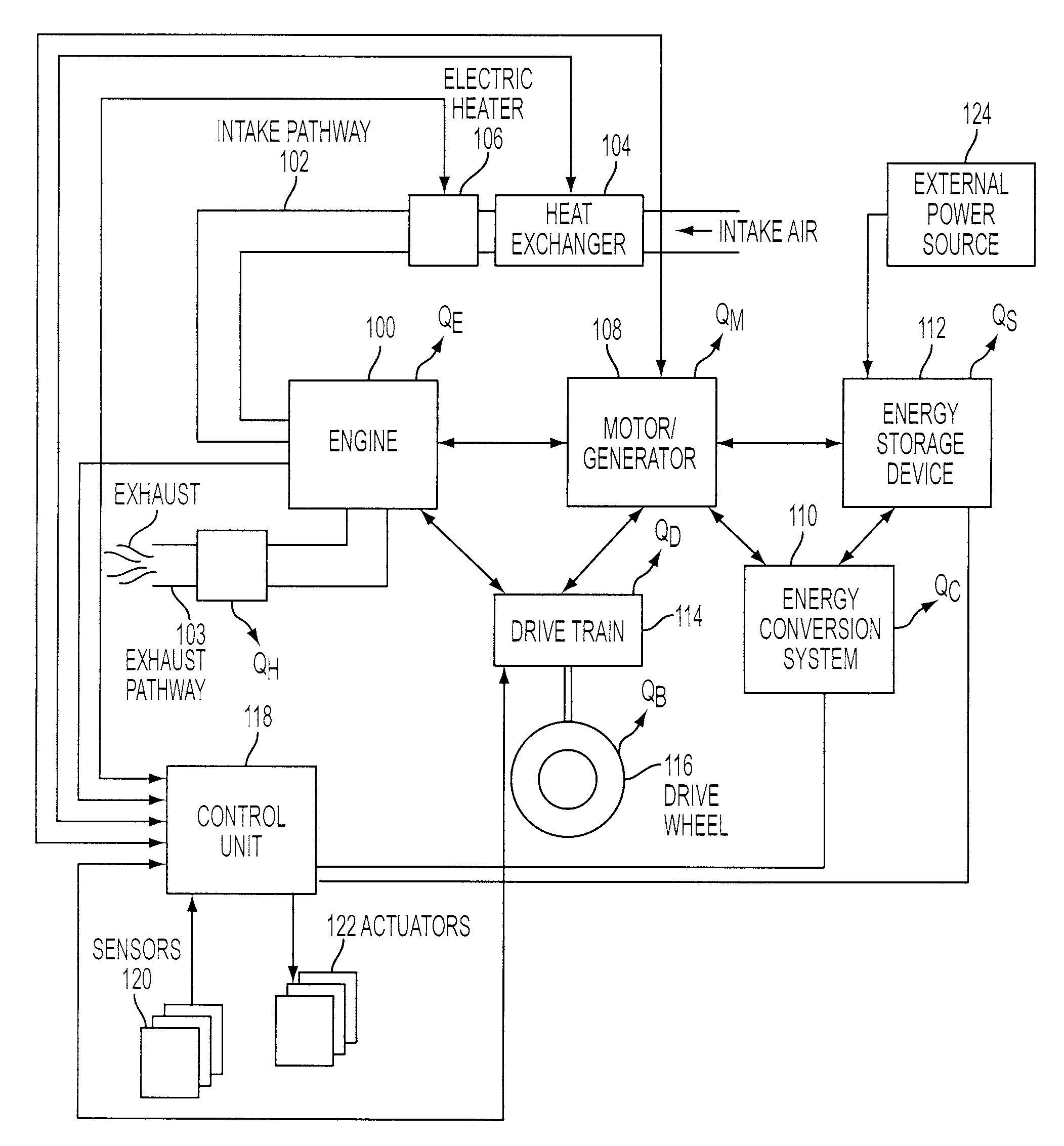
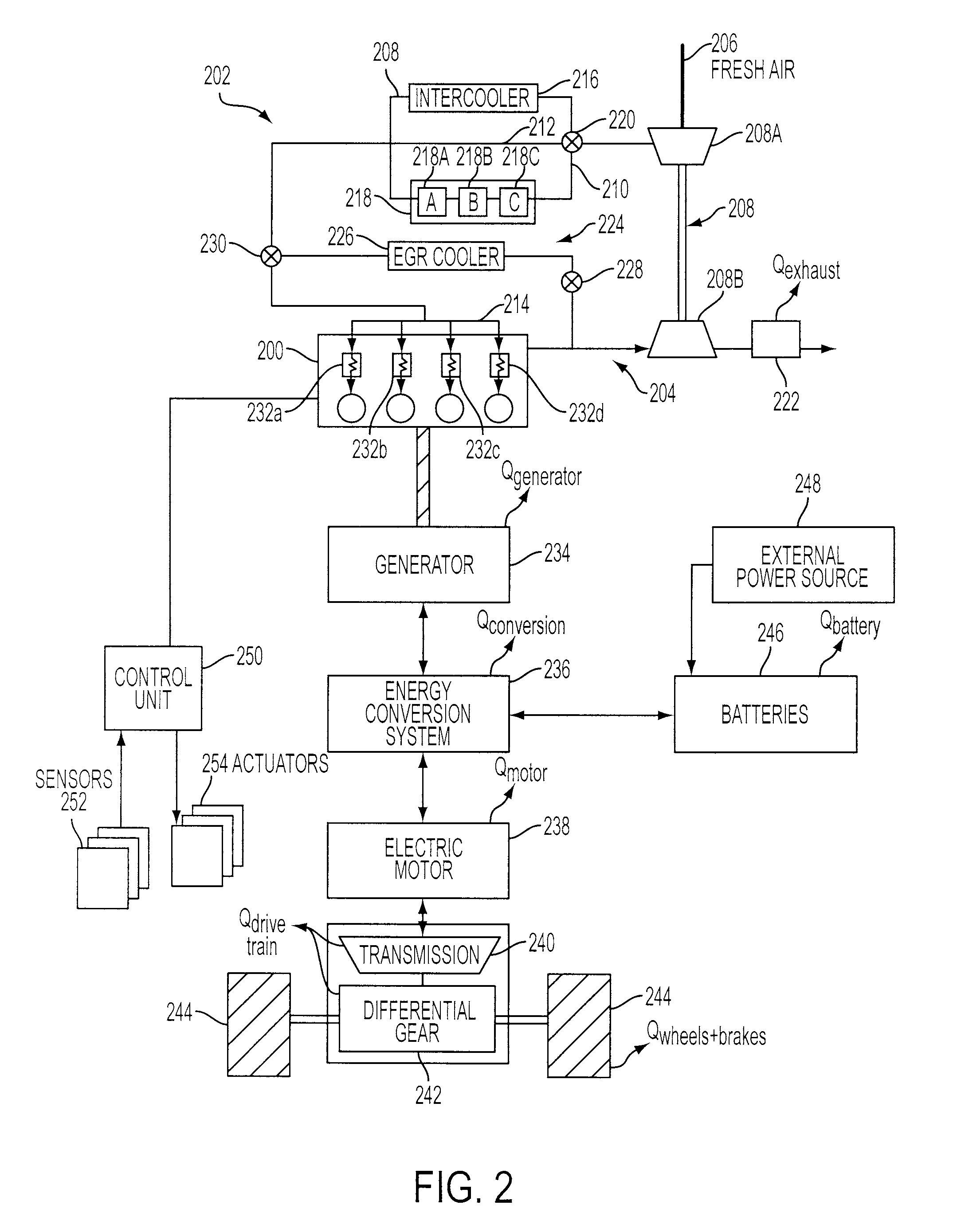
- A thermal management system that adjusts intake manifold temperature by controlling charge air cooling, exhaust gas recirculation, and intake heating to balance combustion temperatures, using a model to set target intake manifold temperatures based on engine load and conditions.


Hybrid Thermal Energy Conversion for HCCI Heated Intake Charge System
PatentInactiveUS20080276913A1
Innovation
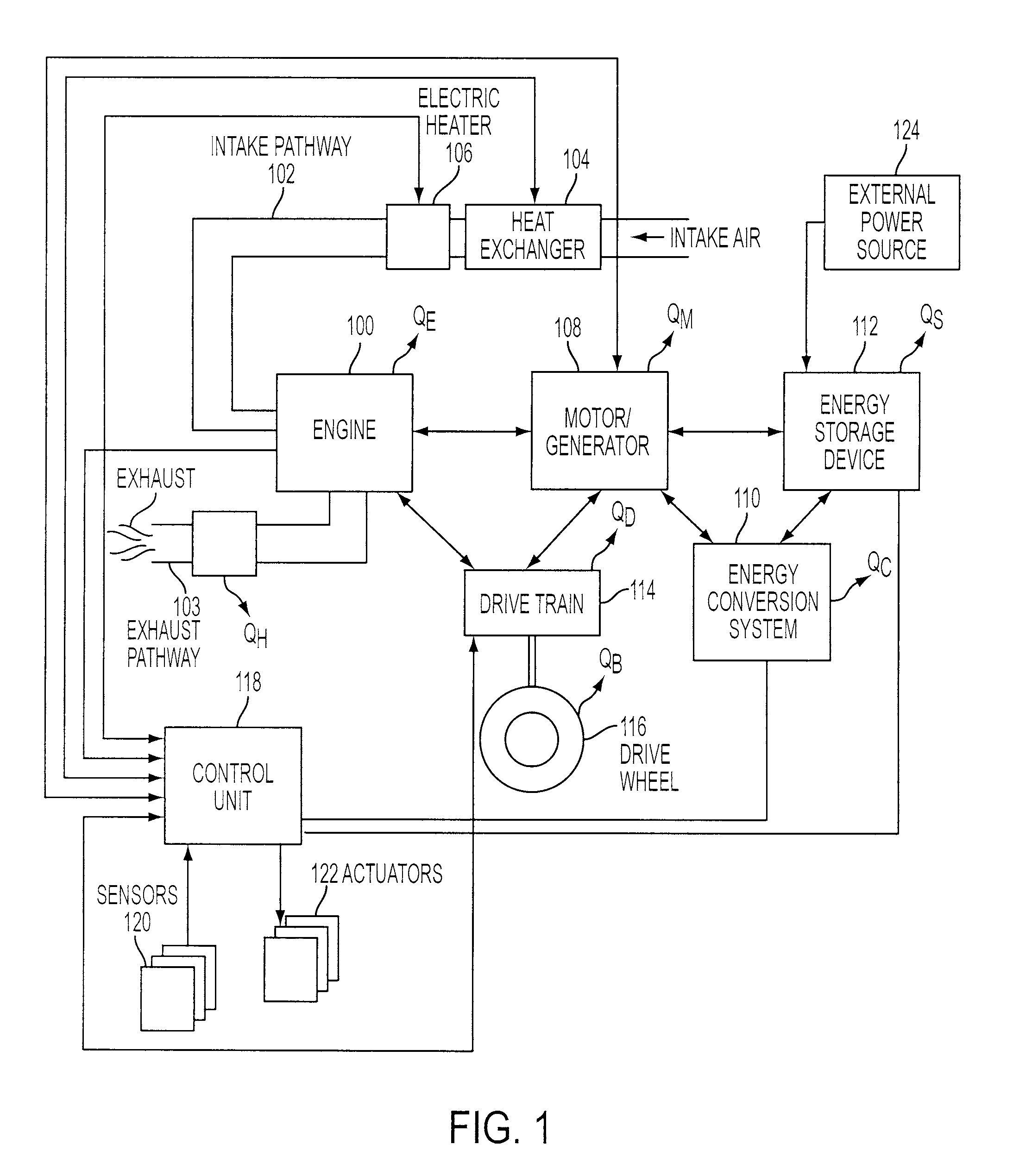
- A thermal management system that harvests various thermal energy sources, including waste heat from the electrical power system of HCCI-electric hybrid vehicles, and utilizes excess electric power to heat the intake charge through a combination of heat exchangers and electric heaters, coordinated by a control unit to maintain precise temperature control.

Emission Standards Impact on Thermal Design
The evolution of emission standards has fundamentally reshaped thermal management strategies for compression-ignition engines, creating increasingly complex design challenges that directly influence heat dissipation requirements. Modern emission regulations, particularly Euro VI, EPA Tier 4, and emerging standards, mandate significant reductions in nitrogen oxides (NOx), particulate matter (PM), and carbon dioxide emissions, necessitating sophisticated aftertreatment systems that generate substantial additional heat loads.
Selective Catalytic Reduction (SCR) systems, essential for NOx compliance, operate optimally at temperatures between 200-500°C, requiring precise thermal control to maintain catalyst efficiency while preventing thermal degradation. This temperature requirement has driven the development of advanced exhaust gas recirculation (EGR) cooling systems and sophisticated thermal management strategies that balance emission reduction with engine performance.
Diesel Particulate Filter (DPF) regeneration processes present particularly demanding thermal challenges, as active regeneration cycles can elevate exhaust temperatures to 600°C or higher. These extreme temperature excursions necessitate enhanced cooling system capacity and improved heat exchanger designs to protect downstream components while maintaining optimal engine operating temperatures.
The integration of multiple aftertreatment devices has created complex thermal interdependencies that significantly impact overall engine thermal design. Heat recovery systems have emerged as critical solutions, capturing waste heat from exhaust aftertreatment processes to improve overall system efficiency while reducing the thermal burden on primary cooling circuits.
Advanced emission standards have also influenced combustion strategies, with low-temperature combustion techniques and advanced injection timing requiring modified thermal management approaches. These combustion modifications often result in altered heat rejection patterns, demanding adaptive cooling system designs that can accommodate varying thermal loads across different operating conditions.
Future emission regulations are expected to further intensify thermal management requirements, with potential mandates for real-time emission monitoring and adaptive control systems that will require even more sophisticated thermal management solutions to maintain compliance across diverse operating scenarios.
Selective Catalytic Reduction (SCR) systems, essential for NOx compliance, operate optimally at temperatures between 200-500°C, requiring precise thermal control to maintain catalyst efficiency while preventing thermal degradation. This temperature requirement has driven the development of advanced exhaust gas recirculation (EGR) cooling systems and sophisticated thermal management strategies that balance emission reduction with engine performance.
Diesel Particulate Filter (DPF) regeneration processes present particularly demanding thermal challenges, as active regeneration cycles can elevate exhaust temperatures to 600°C or higher. These extreme temperature excursions necessitate enhanced cooling system capacity and improved heat exchanger designs to protect downstream components while maintaining optimal engine operating temperatures.
The integration of multiple aftertreatment devices has created complex thermal interdependencies that significantly impact overall engine thermal design. Heat recovery systems have emerged as critical solutions, capturing waste heat from exhaust aftertreatment processes to improve overall system efficiency while reducing the thermal burden on primary cooling circuits.
Advanced emission standards have also influenced combustion strategies, with low-temperature combustion techniques and advanced injection timing requiring modified thermal management approaches. These combustion modifications often result in altered heat rejection patterns, demanding adaptive cooling system designs that can accommodate varying thermal loads across different operating conditions.
Future emission regulations are expected to further intensify thermal management requirements, with potential mandates for real-time emission monitoring and adaptive control systems that will require even more sophisticated thermal management solutions to maintain compliance across diverse operating scenarios.
Sustainability in Engine Thermal Solutions
Sustainability has emerged as a fundamental driver in the development of thermal management solutions for high-efficiency compression-ignition engines. The automotive industry's commitment to reducing environmental impact extends beyond fuel efficiency improvements to encompass the entire lifecycle of thermal management systems, from material sourcing to end-of-life disposal.
Environmental considerations are reshaping material selection strategies for thermal management components. Manufacturers are increasingly adopting bio-based coolants derived from renewable sources, replacing traditional ethylene glycol formulations that pose environmental risks. These sustainable coolants offer comparable thermal properties while significantly reducing toxicity and improving biodegradability. Additionally, the integration of recycled aluminum and advanced polymer composites in heat exchanger construction demonstrates the industry's commitment to circular economy principles.
Energy recovery systems represent a critical sustainability advancement in engine thermal management. Waste heat recovery technologies, including thermoelectric generators and organic Rankine cycle systems, are being integrated into thermal management architectures to convert previously lost thermal energy into usable electrical power. These systems can improve overall powertrain efficiency by 3-5% while reducing the thermal load on traditional cooling systems.
The development of smart thermal management systems contributes significantly to sustainability goals through optimized energy consumption. Advanced control algorithms utilizing machine learning and predictive analytics enable precise temperature regulation, minimizing unnecessary cooling system operation and reducing parasitic losses. These intelligent systems adapt to driving conditions and engine load patterns, ensuring optimal thermal performance while minimizing energy consumption.
Lifecycle assessment methodologies are becoming integral to thermal solution development, evaluating environmental impact from manufacturing through disposal. This comprehensive approach drives innovation in component design, favoring solutions with extended service life, reduced maintenance requirements, and enhanced recyclability. The emphasis on sustainability is fostering collaboration between engine manufacturers and thermal system suppliers to develop integrated solutions that optimize both performance and environmental responsibility.
Environmental considerations are reshaping material selection strategies for thermal management components. Manufacturers are increasingly adopting bio-based coolants derived from renewable sources, replacing traditional ethylene glycol formulations that pose environmental risks. These sustainable coolants offer comparable thermal properties while significantly reducing toxicity and improving biodegradability. Additionally, the integration of recycled aluminum and advanced polymer composites in heat exchanger construction demonstrates the industry's commitment to circular economy principles.
Energy recovery systems represent a critical sustainability advancement in engine thermal management. Waste heat recovery technologies, including thermoelectric generators and organic Rankine cycle systems, are being integrated into thermal management architectures to convert previously lost thermal energy into usable electrical power. These systems can improve overall powertrain efficiency by 3-5% while reducing the thermal load on traditional cooling systems.
The development of smart thermal management systems contributes significantly to sustainability goals through optimized energy consumption. Advanced control algorithms utilizing machine learning and predictive analytics enable precise temperature regulation, minimizing unnecessary cooling system operation and reducing parasitic losses. These intelligent systems adapt to driving conditions and engine load patterns, ensuring optimal thermal performance while minimizing energy consumption.
Lifecycle assessment methodologies are becoming integral to thermal solution development, evaluating environmental impact from manufacturing through disposal. This comprehensive approach drives innovation in component design, favoring solutions with extended service life, reduced maintenance requirements, and enhanced recyclability. The emphasis on sustainability is fostering collaboration between engine manufacturers and thermal system suppliers to develop integrated solutions that optimize both performance and environmental responsibility.
Unlock deeper insights with Patsnap Eureka Quick Research — get a full tech report to explore trends and direct your research. Try now!
Generate Your Research Report Instantly with AI Agent
Supercharge your innovation with Patsnap Eureka AI Agent Platform!