

Thermoelectric Generators For Smart Transportation Infrastructure
SEP 12, 20259 MIN READ
Generate Your Research Report Instantly with AI Agent
PatSnap Eureka helps you evaluate technical feasibility & market potential.
TEG Technology Background and Objectives
Thermoelectric generators (TEGs) represent a promising technology that converts thermal energy directly into electrical energy through the Seebeck effect. The development of TEGs dates back to the early 19th century when Thomas Johann Seebeck first discovered the phenomenon in 1821. However, significant advancements in material science and engineering over the past few decades have transformed TEGs from laboratory curiosities into practical energy harvesting devices with increasing efficiency and reliability.
In the context of smart transportation infrastructure, TEGs offer a unique opportunity to harvest waste heat from various sources including vehicle engines, exhaust systems, road surfaces, and other transportation-related thermal gradients. This technology aligns perfectly with the global push toward sustainable energy solutions and smart city initiatives, where energy harvesting from existing infrastructure can reduce dependency on traditional power sources.
The evolution of TEG technology has been marked by continuous improvements in thermoelectric materials, moving from traditional bismuth telluride compounds to more advanced materials such as skutterudites, half-Heusler alloys, and nanostructured materials. These advancements have gradually increased the figure of merit (ZT) - a key performance indicator for thermoelectric materials - from less than 1 to values approaching 2 and beyond in laboratory settings.
Current technological trends in TEG development focus on enhancing conversion efficiency, reducing manufacturing costs, improving durability under harsh environmental conditions, and developing flexible form factors that can be integrated seamlessly into existing transportation infrastructure. The integration of TEGs with IoT sensors and smart grid technologies represents another significant trend, enabling real-time monitoring and optimization of energy harvesting systems.
The primary objectives of TEG technology in smart transportation infrastructure include: developing self-powered sensing systems for monitoring structural health, traffic conditions, and environmental parameters; creating sustainable energy sources for roadside equipment such as lighting, signage, and communication systems; and contributing to overall energy efficiency by recapturing waste heat that would otherwise be lost to the environment.
Additionally, researchers and engineers aim to overcome existing limitations in TEG technology, particularly related to efficiency, cost-effectiveness, and scalability. The goal is to achieve commercially viable TEG solutions that can be deployed at scale across transportation networks, providing reliable auxiliary power while reducing carbon footprints and operational costs associated with traditional energy sources.
The long-term vision for TEG technology in transportation infrastructure encompasses the creation of energy-autonomous systems that can operate independently of the main power grid, enhancing resilience and sustainability of smart transportation networks while supporting the broader transition toward greener mobility solutions and smart city ecosystems.
In the context of smart transportation infrastructure, TEGs offer a unique opportunity to harvest waste heat from various sources including vehicle engines, exhaust systems, road surfaces, and other transportation-related thermal gradients. This technology aligns perfectly with the global push toward sustainable energy solutions and smart city initiatives, where energy harvesting from existing infrastructure can reduce dependency on traditional power sources.
The evolution of TEG technology has been marked by continuous improvements in thermoelectric materials, moving from traditional bismuth telluride compounds to more advanced materials such as skutterudites, half-Heusler alloys, and nanostructured materials. These advancements have gradually increased the figure of merit (ZT) - a key performance indicator for thermoelectric materials - from less than 1 to values approaching 2 and beyond in laboratory settings.
Current technological trends in TEG development focus on enhancing conversion efficiency, reducing manufacturing costs, improving durability under harsh environmental conditions, and developing flexible form factors that can be integrated seamlessly into existing transportation infrastructure. The integration of TEGs with IoT sensors and smart grid technologies represents another significant trend, enabling real-time monitoring and optimization of energy harvesting systems.
The primary objectives of TEG technology in smart transportation infrastructure include: developing self-powered sensing systems for monitoring structural health, traffic conditions, and environmental parameters; creating sustainable energy sources for roadside equipment such as lighting, signage, and communication systems; and contributing to overall energy efficiency by recapturing waste heat that would otherwise be lost to the environment.
Additionally, researchers and engineers aim to overcome existing limitations in TEG technology, particularly related to efficiency, cost-effectiveness, and scalability. The goal is to achieve commercially viable TEG solutions that can be deployed at scale across transportation networks, providing reliable auxiliary power while reducing carbon footprints and operational costs associated with traditional energy sources.
The long-term vision for TEG technology in transportation infrastructure encompasses the creation of energy-autonomous systems that can operate independently of the main power grid, enhancing resilience and sustainability of smart transportation networks while supporting the broader transition toward greener mobility solutions and smart city ecosystems.
Market Analysis for Smart Transportation Energy Solutions
The smart transportation energy solutions market is experiencing significant growth driven by increasing urbanization, environmental concerns, and the push for sustainable infrastructure. Current market valuations indicate that the global smart transportation market reached approximately $94.5 billion in 2022 and is projected to grow at a compound annual growth rate of 10.2% through 2030. Within this broader market, energy harvesting solutions like thermoelectric generators (TEGs) represent a rapidly expanding segment, with particular relevance for infrastructure applications.
Demand for TEG technology in transportation infrastructure stems from several key factors. First, the global push toward carbon neutrality has created urgent need for renewable energy solutions that can power smart infrastructure without additional carbon emissions. Second, the proliferation of IoT sensors and monitoring devices throughout transportation networks requires distributed power sources that can operate autonomously for extended periods. TEGs address this need by converting ambient heat differentials into usable electricity.
Regional market analysis reveals varying adoption rates and priorities. North America and Europe lead in implementation, driven by aggressive carbon reduction targets and substantial infrastructure investment programs. The Asia-Pacific region shows the highest growth potential, with China and India making significant investments in smart transportation infrastructure as part of broader urban development initiatives.
Customer segmentation within this market reveals three primary buyer categories: government transportation authorities, private infrastructure developers, and technology integration firms. Government entities represent the largest market share at approximately 62%, motivated by long-term sustainability goals and operational cost reduction. Private developers account for 28% of the market, primarily focused on commercial advantages and innovation differentiation.
Economic analysis indicates favorable conditions for TEG adoption in transportation infrastructure. While initial implementation costs remain higher than conventional power solutions, the total cost of ownership analysis demonstrates compelling long-term economics. TEGs typically achieve return on investment within 3-5 years through eliminated maintenance costs, extended service life (15+ years), and energy independence benefits.
Market barriers include technology maturity concerns, initial cost considerations, and integration challenges with existing infrastructure systems. However, these barriers are progressively diminishing as TEG efficiency improves and manufacturing scales. The most promising market opportunities exist in bridge monitoring systems, tunnel infrastructure, roadway sensing networks, and railway monitoring applications, where conventional power distribution remains challenging and expensive.
Demand for TEG technology in transportation infrastructure stems from several key factors. First, the global push toward carbon neutrality has created urgent need for renewable energy solutions that can power smart infrastructure without additional carbon emissions. Second, the proliferation of IoT sensors and monitoring devices throughout transportation networks requires distributed power sources that can operate autonomously for extended periods. TEGs address this need by converting ambient heat differentials into usable electricity.
Regional market analysis reveals varying adoption rates and priorities. North America and Europe lead in implementation, driven by aggressive carbon reduction targets and substantial infrastructure investment programs. The Asia-Pacific region shows the highest growth potential, with China and India making significant investments in smart transportation infrastructure as part of broader urban development initiatives.
Customer segmentation within this market reveals three primary buyer categories: government transportation authorities, private infrastructure developers, and technology integration firms. Government entities represent the largest market share at approximately 62%, motivated by long-term sustainability goals and operational cost reduction. Private developers account for 28% of the market, primarily focused on commercial advantages and innovation differentiation.
Economic analysis indicates favorable conditions for TEG adoption in transportation infrastructure. While initial implementation costs remain higher than conventional power solutions, the total cost of ownership analysis demonstrates compelling long-term economics. TEGs typically achieve return on investment within 3-5 years through eliminated maintenance costs, extended service life (15+ years), and energy independence benefits.
Market barriers include technology maturity concerns, initial cost considerations, and integration challenges with existing infrastructure systems. However, these barriers are progressively diminishing as TEG efficiency improves and manufacturing scales. The most promising market opportunities exist in bridge monitoring systems, tunnel infrastructure, roadway sensing networks, and railway monitoring applications, where conventional power distribution remains challenging and expensive.
Current TEG Implementation Challenges in Transportation
Despite the promising potential of Thermoelectric Generators (TEGs) in transportation infrastructure, several significant challenges currently impede their widespread implementation. The low conversion efficiency of existing TEG systems remains a primary obstacle, with most commercial devices operating at only 5-8% efficiency. This limitation makes it difficult to justify the cost-benefit ratio for large-scale deployment in transportation settings where energy demands are substantial.
Material constraints present another major challenge. Current high-performance thermoelectric materials often contain rare or toxic elements such as tellurium, bismuth, and lead. These materials raise concerns regarding sustainability, environmental impact, and supply chain security, particularly when considering the scale required for transportation infrastructure applications.
The harsh operating conditions inherent to transportation environments pose significant durability challenges. TEG systems must withstand extreme temperature fluctuations, vibration, moisture, and contaminants. Current TEG designs struggle to maintain performance and structural integrity under these conditions, resulting in accelerated degradation and shortened operational lifespans that undermine their economic viability.
Integration complexity represents a substantial implementation barrier. Retrofitting existing transportation infrastructure with TEG systems requires careful thermal management design and often necessitates significant modifications to existing structures. The lack of standardized integration approaches increases installation costs and creates maintenance challenges that deter adoption by transportation authorities and operators.
Cost factors remain prohibitive for widespread deployment. Current manufacturing processes for high-quality thermoelectric materials and modules are expensive, with costs typically ranging from $5-10 per watt of generating capacity. This high initial investment, coupled with uncertain long-term reliability, creates significant financial risk for transportation infrastructure projects operating under tight budget constraints.
Technical knowledge gaps further complicate implementation efforts. Many transportation engineering teams lack specialized expertise in thermoelectric technology, thermal management, and power conditioning systems necessary for effective TEG deployment. This knowledge deficit slows adoption and often results in suboptimal system designs that fail to achieve theoretical performance levels.
Regulatory and standardization issues also present challenges. The absence of comprehensive standards for TEG systems in transportation applications creates uncertainty regarding performance specifications, safety requirements, and testing protocols. This regulatory ambiguity complicates procurement processes and increases perceived risk for potential adopters in the transportation sector.
Material constraints present another major challenge. Current high-performance thermoelectric materials often contain rare or toxic elements such as tellurium, bismuth, and lead. These materials raise concerns regarding sustainability, environmental impact, and supply chain security, particularly when considering the scale required for transportation infrastructure applications.
The harsh operating conditions inherent to transportation environments pose significant durability challenges. TEG systems must withstand extreme temperature fluctuations, vibration, moisture, and contaminants. Current TEG designs struggle to maintain performance and structural integrity under these conditions, resulting in accelerated degradation and shortened operational lifespans that undermine their economic viability.
Integration complexity represents a substantial implementation barrier. Retrofitting existing transportation infrastructure with TEG systems requires careful thermal management design and often necessitates significant modifications to existing structures. The lack of standardized integration approaches increases installation costs and creates maintenance challenges that deter adoption by transportation authorities and operators.
Cost factors remain prohibitive for widespread deployment. Current manufacturing processes for high-quality thermoelectric materials and modules are expensive, with costs typically ranging from $5-10 per watt of generating capacity. This high initial investment, coupled with uncertain long-term reliability, creates significant financial risk for transportation infrastructure projects operating under tight budget constraints.
Technical knowledge gaps further complicate implementation efforts. Many transportation engineering teams lack specialized expertise in thermoelectric technology, thermal management, and power conditioning systems necessary for effective TEG deployment. This knowledge deficit slows adoption and often results in suboptimal system designs that fail to achieve theoretical performance levels.
Regulatory and standardization issues also present challenges. The absence of comprehensive standards for TEG systems in transportation applications creates uncertainty regarding performance specifications, safety requirements, and testing protocols. This regulatory ambiguity complicates procurement processes and increases perceived risk for potential adopters in the transportation sector.
Current TEG Integration Solutions for Infrastructure
01 Materials and structures for thermoelectric generators
Various materials and structural designs are employed in thermoelectric generators to enhance energy conversion efficiency. These include specialized semiconductor materials, nanostructured elements, and multi-layered configurations that optimize the Seebeck effect. Advanced material compositions and structural arrangements help minimize thermal conductivity while maximizing electrical conductivity, thereby improving the figure of merit (ZT) of thermoelectric devices.- Materials and structures for thermoelectric generators: Various materials and structural designs are employed in thermoelectric generators to enhance energy conversion efficiency. These include specialized semiconductor materials, nanostructured elements, and novel junction configurations that optimize the Seebeck effect. Advanced material compositions and structural arrangements help minimize thermal conductivity while maximizing electrical conductivity, thereby improving the overall performance of thermoelectric devices.
- Waste heat recovery applications: Thermoelectric generators are increasingly used for waste heat recovery in various industrial and automotive applications. These systems capture thermal energy that would otherwise be lost and convert it into usable electricity. Applications include exhaust systems, industrial processes, and power plants where significant temperature differentials exist, enabling sustainable energy generation from previously unutilized heat sources.
- Portable and wearable thermoelectric power generation: Miniaturized thermoelectric generators are being developed for portable and wearable applications. These compact devices utilize body heat or environmental temperature differences to generate electricity for powering small electronic devices. Innovations in flexible substrates and low-profile designs enable integration into clothing, accessories, and portable electronics, providing continuous power generation for personal devices.
- Efficiency enhancement techniques: Various techniques are employed to enhance the efficiency of thermoelectric generators. These include segmented leg designs, cascaded structures, and thermal concentration methods that optimize temperature gradients. Advanced manufacturing processes, such as precision doping and interface engineering, further improve conversion efficiency by reducing parasitic losses and enhancing charge carrier mobility across thermoelectric junctions.
- Integration with renewable energy systems: Thermoelectric generators are increasingly integrated with other renewable energy systems to create hybrid power generation solutions. These integrated systems combine solar, geothermal, or biomass energy sources with thermoelectric conversion to maximize overall efficiency. Complementary technologies work together to utilize multiple energy forms, providing more consistent power output and improving the viability of renewable energy installations in various environmental conditions.
02 Waste heat recovery applications
Thermoelectric generators are increasingly used for waste heat recovery in various industrial and automotive applications. These systems capture thermal energy that would otherwise be lost and convert it into usable electricity. Applications include exhaust heat recovery in vehicles, industrial process heat utilization, and power generation from geothermal sources, contributing to improved energy efficiency and reduced environmental impact.Expand Specific Solutions03 Portable and wearable thermoelectric power generation
Miniaturized thermoelectric generators are being developed for portable and wearable applications. These compact devices harvest body heat or environmental temperature differentials to power small electronic devices, sensors, or medical implants. The designs focus on flexibility, lightweight construction, and integration with textiles or other wearable platforms while maintaining sufficient power output for low-energy consumption devices.Expand Specific Solutions04 Efficiency enhancement techniques
Various techniques are employed to enhance the efficiency of thermoelectric generators. These include segmented leg designs, cascaded structures, thermal concentration methods, and improved electrical contact technologies. Advanced manufacturing processes like selective laser melting and precision deposition techniques help optimize thermoelectric junctions and reduce parasitic losses, resulting in higher conversion efficiencies and power outputs.Expand Specific Solutions05 Historical development and fundamental designs
The historical evolution of thermoelectric generators includes fundamental designs that established core principles still relevant today. Early innovations focused on basic semiconductor junctions, thermal coupling mechanisms, and electrical circuit configurations. These foundational approaches provided the basis for modern thermoelectric technology, with continuous refinements in materials, manufacturing techniques, and theoretical understanding contributing to ongoing advancements in the field.Expand Specific Solutions
Key Industry Players in Thermoelectric Transportation
The thermoelectric generator (TEG) market for smart transportation infrastructure is currently in a growth phase, with increasing adoption across automotive and transportation sectors. The market is projected to expand significantly as demand for energy-efficient solutions rises, particularly in electric and autonomous vehicles. Leading automotive manufacturers like BMW, Hyundai, Kia, and GM are actively developing TEG technologies to harvest waste heat and improve vehicle efficiency. Continental Automotive, Robert Bosch, and Gentherm have established strong positions with advanced thermal management solutions, while specialized players like Continental Emitec focus on emission reduction technologies that complement TEG applications. Research institutions including University of California and University of Alabama are advancing fundamental technologies, collaborating with industry leaders to overcome efficiency challenges and reduce production costs, driving the technology toward broader commercial viability.
Robert Bosch GmbH
Technical Solution: Bosch has developed advanced thermoelectric generator (TEG) systems specifically designed for vehicle waste heat recovery. Their technology integrates directly into exhaust systems to capture thermal energy that would otherwise be lost. Bosch's TEG solution employs bismuth telluride-based semiconductor materials arranged in a modular configuration that can be scaled according to vehicle size and power requirements. The system includes specialized heat exchangers that maximize temperature differentials across the thermoelectric elements, achieving conversion efficiencies of up to 5-7% in real-world driving conditions. Bosch has implemented sophisticated power management electronics that optimize energy harvesting across varying driving conditions and temperature ranges, with the recovered electricity being fed directly into the vehicle's electrical system to reduce alternator load and fuel consumption.
Strengths: Bosch's extensive automotive integration expertise allows for seamless implementation within existing vehicle architectures. Their modular design enables customization across different vehicle platforms. Weaknesses: The technology still faces efficiency limitations compared to other energy recovery systems, and the high cost of thermoelectric materials remains a challenge for mass-market adoption.
Hyundai Motor Co., Ltd.
Technical Solution: Hyundai has developed a comprehensive thermoelectric generator system for vehicle waste heat recovery that integrates with their broader eco-friendly vehicle strategy. Their TEG technology utilizes a dual-stream approach that captures heat from both engine coolant and exhaust systems, maximizing energy recovery opportunities. Hyundai's system employs segmented thermoelectric materials that combine different semiconductor compositions to optimize performance across the temperature gradient experienced in automotive applications. The company has developed specialized heat exchanger designs that balance thermal transfer efficiency with acceptable backpressure impacts on engine performance. Their TEG modules incorporate advanced ceramic substrates that provide electrical isolation while maintaining thermal conductivity, enhancing both safety and performance. Hyundai has integrated their TEG systems with vehicle electrical architecture that prioritizes powering critical safety systems and comfort features, with excess generation supporting hybrid system batteries in applicable models.
Strengths: Hyundai's integrated approach to vehicle electrification allows TEG systems to complement other efficiency technologies. Their manufacturing scale enables cost optimization through volume production. Weaknesses: The dual-stream approach increases system complexity and installation challenges, and the technology shows diminishing returns in newer, more efficient engine designs with lower waste heat.
Core Patents and Research in Transportation TEGs
Thermoelectric generators incorporating phase-change materials for waste heat recovery from engine exhaust
PatentActiveUS20120073276A1
Innovation
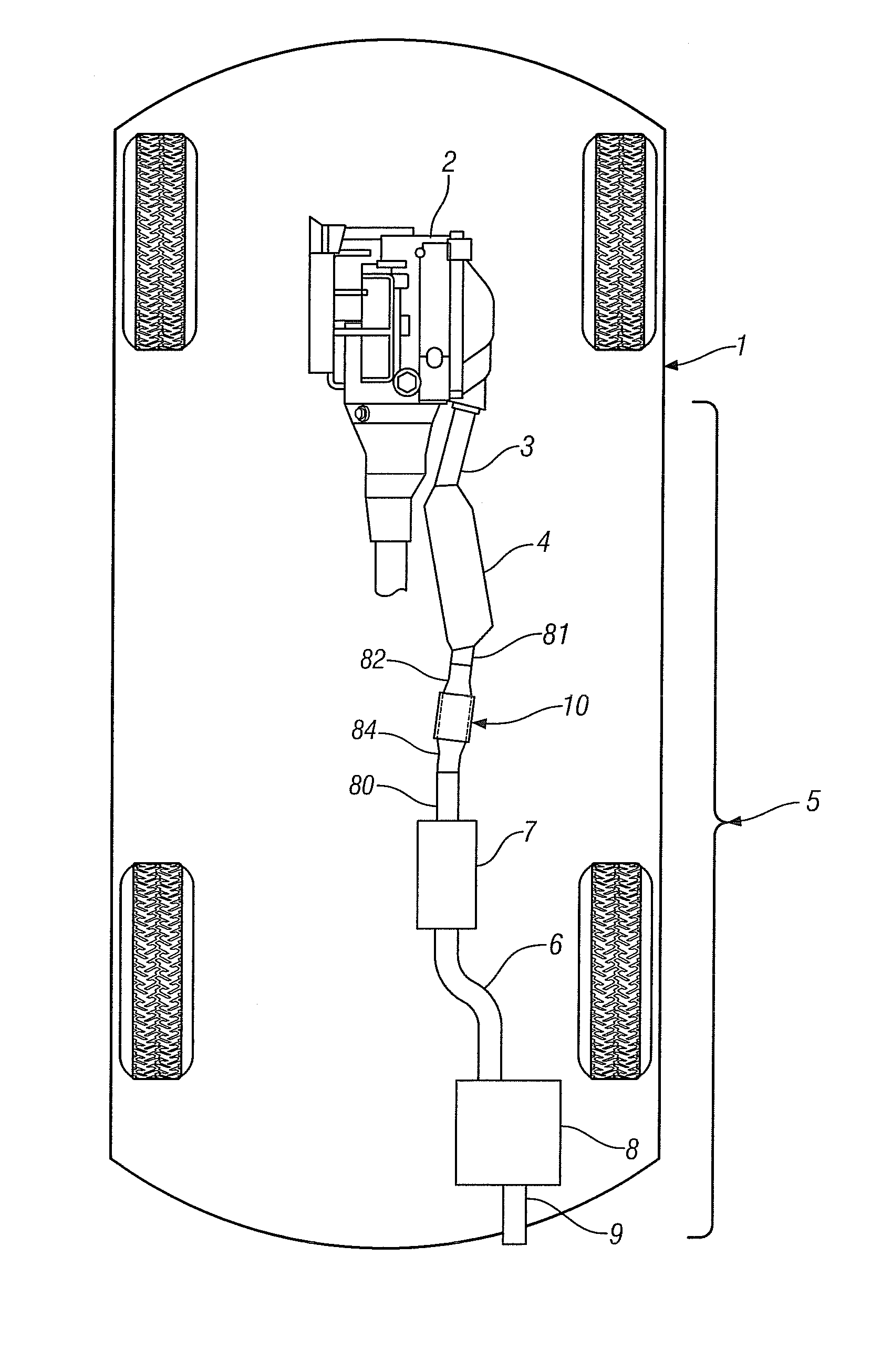
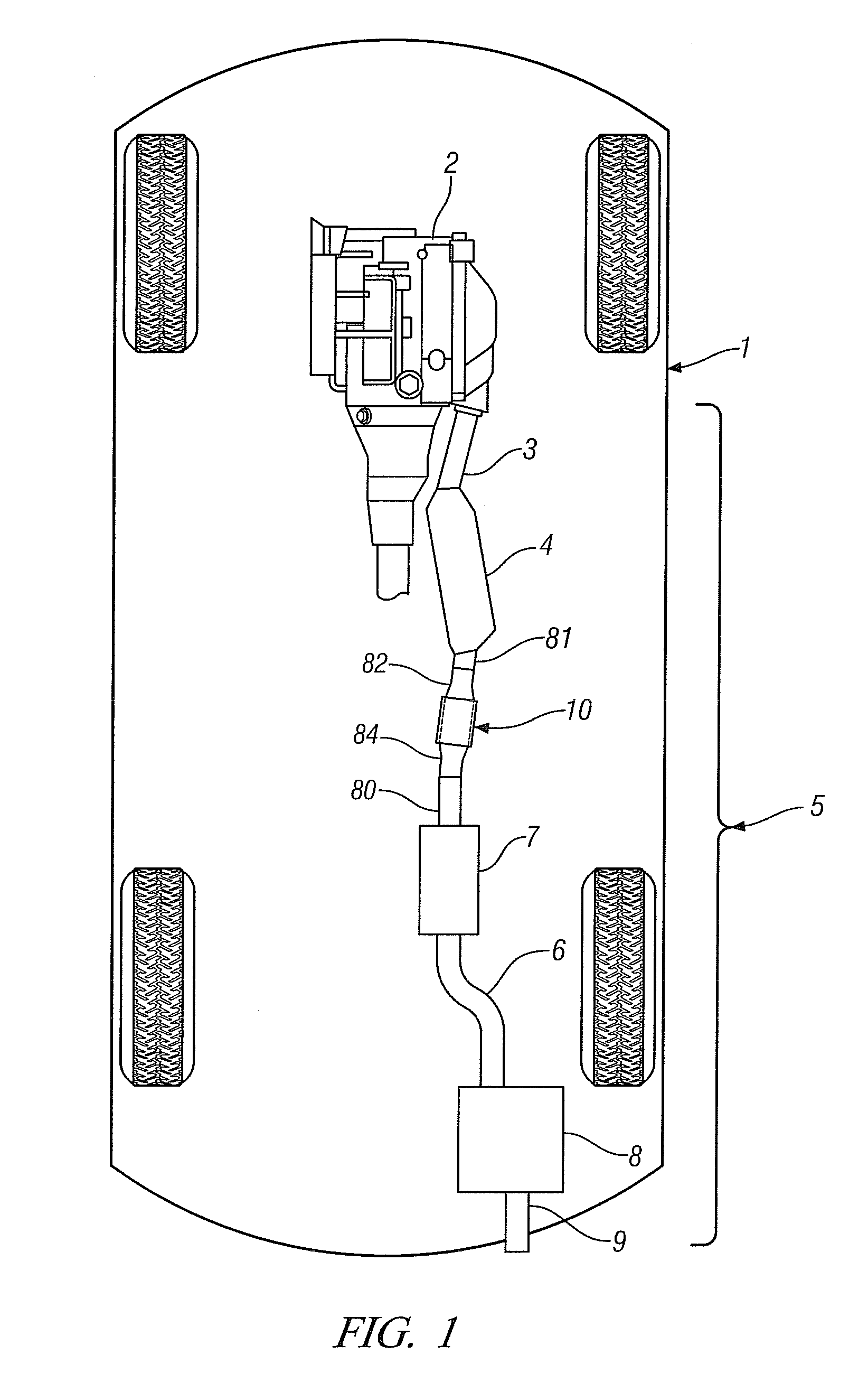
- Integration of thermoelectric modules with phase-change materials in the exhaust conduit system to convert thermal energy from exhaust gases into electrical energy, using bypass pipes and air admittance to manage temperature and prevent overheating of thermoelectric modules.
Thermoelectric device
PatentInactiveEP2409341A2
Innovation
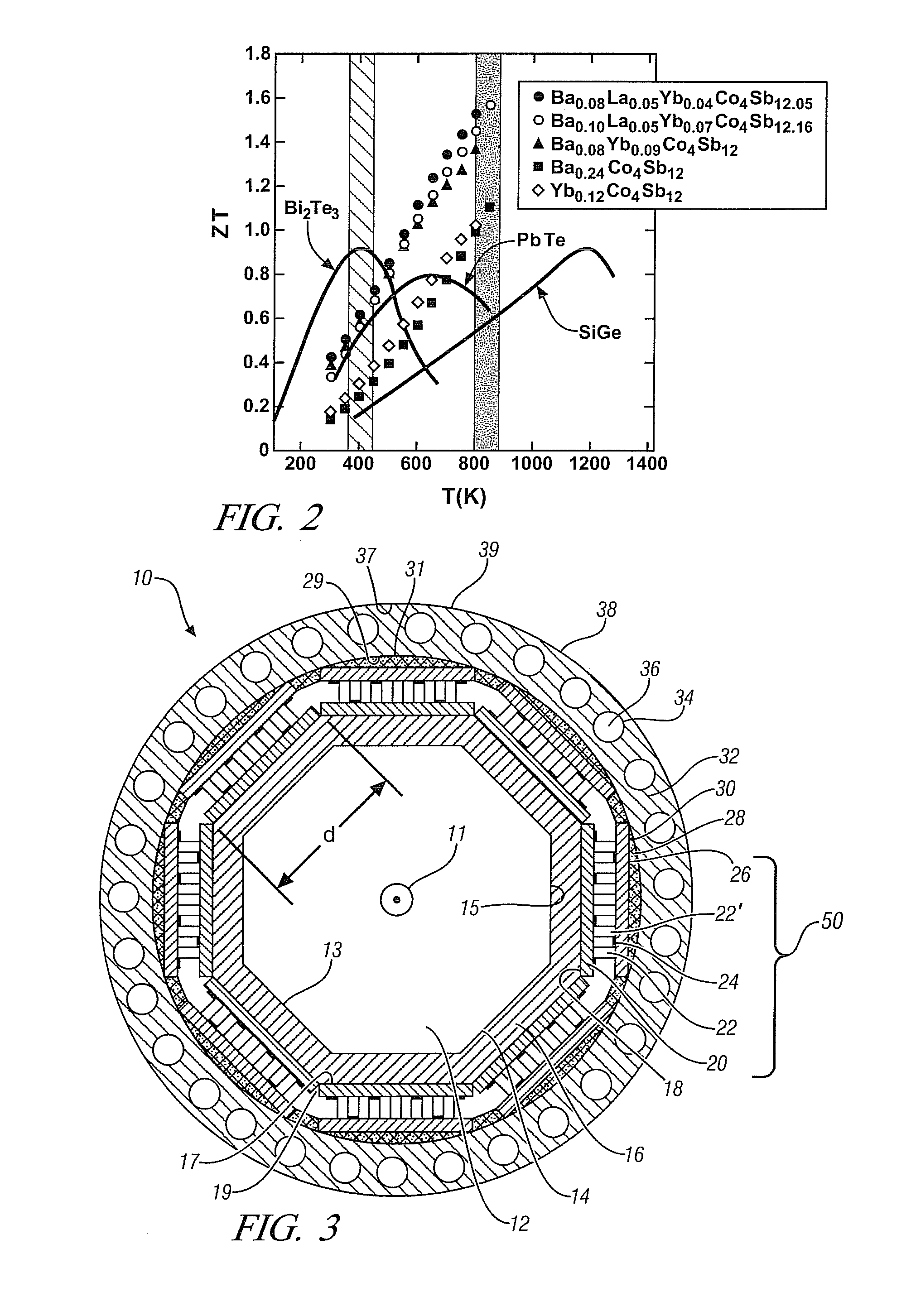
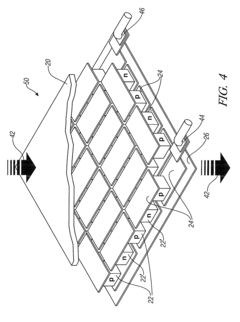
- A thermoelectric generator design featuring multiple thermoelectric devices with p- and n-doped semiconductor elements arranged between hot and cold flow paths, where the semiconductor elements are selectively interconnected and fixed on a flexible medium to manage thermal expansion and improve energy conversion efficiency, generating a voltage of 12 to 15 V when connected in series.
Environmental Impact and Sustainability Assessment
The integration of Thermoelectric Generators (TEGs) into transportation infrastructure represents a significant opportunity to enhance sustainability across urban and rural environments. When evaluating the environmental impact of TEG implementations, it is essential to consider the full lifecycle assessment, from material sourcing to end-of-life disposal. The manufacturing process of thermoelectric materials often involves rare earth elements and semiconductor compounds that require energy-intensive extraction and processing methods. However, these initial environmental costs must be weighed against the long-term benefits of harvesting otherwise wasted thermal energy.
TEG systems in transportation infrastructure can contribute to reduced carbon emissions by generating electricity from ambient heat differentials, thereby decreasing reliance on conventional power sources. Quantitative analyses indicate that widespread implementation of TEGs in high-traffic areas could potentially offset thousands of tons of CO2 emissions annually, depending on the scale of deployment and efficiency of the systems.
Water conservation represents another critical environmental consideration. Unlike traditional power generation methods that often require significant water resources for cooling, TEGs operate without water consumption during their operational phase. This characteristic makes them particularly valuable in water-stressed regions where transportation infrastructure must balance energy needs with water conservation imperatives.
Material sustainability concerns must also be addressed in TEG deployment strategies. Current research focuses on developing thermoelectric materials with reduced environmental footprints, including alternatives to tellurium, bismuth, and other elements with limited global reserves. Innovations in material science are progressively yielding more sustainable options that maintain or improve thermoelectric performance while reducing dependence on scarce resources.
End-of-life management presents both challenges and opportunities for TEG sustainability. The modular nature of many TEG systems facilitates component replacement and recycling, potentially extending system lifespan beyond conventional power generation equipment. Developing robust recycling protocols for thermoelectric materials will be essential to maximize resource recovery and minimize waste generation as these systems reach end-of-life.
When integrated with broader smart city initiatives, TEGs contribute to circular economy principles by transforming waste heat—an inevitable byproduct of transportation systems—into a valuable energy resource. This regenerative approach aligns with sustainable development goals and supports the transition toward more resilient urban infrastructure systems that optimize resource utilization while minimizing environmental impacts.
TEG systems in transportation infrastructure can contribute to reduced carbon emissions by generating electricity from ambient heat differentials, thereby decreasing reliance on conventional power sources. Quantitative analyses indicate that widespread implementation of TEGs in high-traffic areas could potentially offset thousands of tons of CO2 emissions annually, depending on the scale of deployment and efficiency of the systems.
Water conservation represents another critical environmental consideration. Unlike traditional power generation methods that often require significant water resources for cooling, TEGs operate without water consumption during their operational phase. This characteristic makes them particularly valuable in water-stressed regions where transportation infrastructure must balance energy needs with water conservation imperatives.
Material sustainability concerns must also be addressed in TEG deployment strategies. Current research focuses on developing thermoelectric materials with reduced environmental footprints, including alternatives to tellurium, bismuth, and other elements with limited global reserves. Innovations in material science are progressively yielding more sustainable options that maintain or improve thermoelectric performance while reducing dependence on scarce resources.
End-of-life management presents both challenges and opportunities for TEG sustainability. The modular nature of many TEG systems facilitates component replacement and recycling, potentially extending system lifespan beyond conventional power generation equipment. Developing robust recycling protocols for thermoelectric materials will be essential to maximize resource recovery and minimize waste generation as these systems reach end-of-life.
When integrated with broader smart city initiatives, TEGs contribute to circular economy principles by transforming waste heat—an inevitable byproduct of transportation systems—into a valuable energy resource. This regenerative approach aligns with sustainable development goals and supports the transition toward more resilient urban infrastructure systems that optimize resource utilization while minimizing environmental impacts.
Regulatory Framework for Energy Harvesting Infrastructure
The regulatory landscape for thermoelectric generators (TEGs) in smart transportation infrastructure presents a complex framework that varies significantly across jurisdictions. In the United States, the Federal Highway Administration (FHWA) has established guidelines for energy harvesting technologies deployed on roadways, requiring compliance with safety standards and environmental impact assessments. These regulations emphasize non-interference with traffic operations and structural integrity of existing infrastructure when implementing TEG systems.
The European Union has developed more comprehensive frameworks through the Energy Performance of Buildings Directive and the Renewable Energy Directive, which encourage the integration of energy harvesting technologies in transportation infrastructure. Several EU member states offer incentives for implementing sustainable energy solutions, including tax benefits and subsidies for TEG installations that meet specified efficiency standards.
In Asia, countries like Japan and South Korea have pioneered regulatory frameworks specifically addressing thermoelectric energy harvesting. Japan's Ministry of Land, Infrastructure, Transport and Tourism has established technical standards for TEG implementation in highway systems, focusing on durability requirements and performance metrics under various environmental conditions.
Permitting processes represent a significant regulatory hurdle for TEG deployment. Most jurisdictions require environmental impact assessments, structural engineering certifications, and compliance with local building codes. The approval timeline typically ranges from 6-18 months, depending on project scale and location, creating potential barriers to rapid technology adoption.
Safety regulations constitute another critical aspect of the regulatory framework. Standards organizations such as IEEE and IEC have developed specific guidelines for low-voltage energy harvesting systems in public infrastructure. These standards address electrical safety, thermal management, and electromagnetic compatibility requirements that TEG systems must satisfy before deployment.
Grid interconnection regulations also impact TEG implementation, particularly for systems designed to feed electricity back into the power grid. Requirements for power quality, synchronization, and metering vary widely between regions, with some jurisdictions offering streamlined processes for small-scale distributed generation while others impose more stringent requirements.
Looking forward, regulatory harmonization efforts are emerging through international standards organizations and bilateral agreements. The International Electrotechnical Commission's Technical Committee 105 is developing unified standards for energy harvesting technologies, which may facilitate more consistent regulatory approaches across different markets and accelerate global adoption of TEG systems in transportation infrastructure.
The European Union has developed more comprehensive frameworks through the Energy Performance of Buildings Directive and the Renewable Energy Directive, which encourage the integration of energy harvesting technologies in transportation infrastructure. Several EU member states offer incentives for implementing sustainable energy solutions, including tax benefits and subsidies for TEG installations that meet specified efficiency standards.
In Asia, countries like Japan and South Korea have pioneered regulatory frameworks specifically addressing thermoelectric energy harvesting. Japan's Ministry of Land, Infrastructure, Transport and Tourism has established technical standards for TEG implementation in highway systems, focusing on durability requirements and performance metrics under various environmental conditions.
Permitting processes represent a significant regulatory hurdle for TEG deployment. Most jurisdictions require environmental impact assessments, structural engineering certifications, and compliance with local building codes. The approval timeline typically ranges from 6-18 months, depending on project scale and location, creating potential barriers to rapid technology adoption.
Safety regulations constitute another critical aspect of the regulatory framework. Standards organizations such as IEEE and IEC have developed specific guidelines for low-voltage energy harvesting systems in public infrastructure. These standards address electrical safety, thermal management, and electromagnetic compatibility requirements that TEG systems must satisfy before deployment.
Grid interconnection regulations also impact TEG implementation, particularly for systems designed to feed electricity back into the power grid. Requirements for power quality, synchronization, and metering vary widely between regions, with some jurisdictions offering streamlined processes for small-scale distributed generation while others impose more stringent requirements.
Looking forward, regulatory harmonization efforts are emerging through international standards organizations and bilateral agreements. The International Electrotechnical Commission's Technical Committee 105 is developing unified standards for energy harvesting technologies, which may facilitate more consistent regulatory approaches across different markets and accelerate global adoption of TEG systems in transportation infrastructure.
Unlock deeper insights with PatSnap Eureka Quick Research — get a full tech report to explore trends and direct your research. Try now!
Generate Your Research Report Instantly with AI Agent
Supercharge your innovation with PatSnap Eureka AI Agent Platform!