

Thermoelectric Generators In Smart Grid Applications
SEP 10, 20259 MIN READ
Generate Your Research Report Instantly with AI Agent
PatSnap Eureka helps you evaluate technical feasibility & market potential.
TEG Technology Background and Objectives
Thermoelectric generators (TEGs) represent a significant technological advancement in energy harvesting, with roots dating back to the early 19th century when Thomas Johann Seebeck discovered the thermoelectric effect. This phenomenon, which enables direct conversion of temperature differences into electrical voltage, has evolved substantially over the past two centuries. Modern TEG technology has progressed from simple metallic junctions to sophisticated semiconductor-based devices with enhanced efficiency and reliability, making them increasingly relevant for contemporary energy applications.
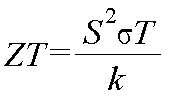
The evolution of TEG technology has been characterized by continuous improvements in materials science, particularly in the development of high-performance semiconductor materials with superior figure of merit (ZT) values. Early TEGs exhibited ZT values below 1, whereas current advanced materials approach ZT values of 2-3, significantly improving conversion efficiency. This progression has expanded the potential application scope of TEGs from specialized niches to broader commercial and industrial uses.
In the context of smart grid applications, TEGs offer a compelling value proposition as distributed energy resources. Smart grids, characterized by their integration of digital communication technology with power infrastructure, aim to optimize energy distribution, enhance reliability, and incorporate renewable energy sources. TEGs align perfectly with these objectives by enabling waste heat recovery across various grid components, from generation facilities to distribution networks.
The primary technical objective for TEGs in smart grid applications is to achieve higher conversion efficiencies while maintaining cost-effectiveness and reliability. Current commercial TEGs typically operate at 5-8% efficiency, but research aims to push this boundary to 15-20% through advanced material development and innovative device architectures. Additionally, there is a focus on developing TEGs that can operate effectively across wider temperature gradients, particularly at lower temperature differentials common in many grid applications.
Another critical objective is the seamless integration of TEGs with existing smart grid infrastructure and communication protocols. This includes developing standardized interfaces for data exchange, power conditioning systems tailored for TEG output characteristics, and predictive maintenance capabilities leveraging IoT and AI technologies. The goal is to create TEG systems that not only generate electricity but also contribute to grid intelligence through real-time monitoring and adaptive operation.
Long-term technological objectives include the development of flexible, printable TEGs that can be deployed at scale with minimal installation complexity, as well as hybrid systems that combine thermoelectric generation with other energy harvesting technologies. These advancements aim to position TEGs as a versatile, maintenance-free energy solution within the increasingly complex and demanding smart grid ecosystem.
The evolution of TEG technology has been characterized by continuous improvements in materials science, particularly in the development of high-performance semiconductor materials with superior figure of merit (ZT) values. Early TEGs exhibited ZT values below 1, whereas current advanced materials approach ZT values of 2-3, significantly improving conversion efficiency. This progression has expanded the potential application scope of TEGs from specialized niches to broader commercial and industrial uses.
In the context of smart grid applications, TEGs offer a compelling value proposition as distributed energy resources. Smart grids, characterized by their integration of digital communication technology with power infrastructure, aim to optimize energy distribution, enhance reliability, and incorporate renewable energy sources. TEGs align perfectly with these objectives by enabling waste heat recovery across various grid components, from generation facilities to distribution networks.
The primary technical objective for TEGs in smart grid applications is to achieve higher conversion efficiencies while maintaining cost-effectiveness and reliability. Current commercial TEGs typically operate at 5-8% efficiency, but research aims to push this boundary to 15-20% through advanced material development and innovative device architectures. Additionally, there is a focus on developing TEGs that can operate effectively across wider temperature gradients, particularly at lower temperature differentials common in many grid applications.
Another critical objective is the seamless integration of TEGs with existing smart grid infrastructure and communication protocols. This includes developing standardized interfaces for data exchange, power conditioning systems tailored for TEG output characteristics, and predictive maintenance capabilities leveraging IoT and AI technologies. The goal is to create TEG systems that not only generate electricity but also contribute to grid intelligence through real-time monitoring and adaptive operation.
Long-term technological objectives include the development of flexible, printable TEGs that can be deployed at scale with minimal installation complexity, as well as hybrid systems that combine thermoelectric generation with other energy harvesting technologies. These advancements aim to position TEGs as a versatile, maintenance-free energy solution within the increasingly complex and demanding smart grid ecosystem.
Smart Grid Market Demand Analysis
The smart grid market is experiencing significant growth driven by the global push towards energy efficiency and sustainability. According to recent market research, the global smart grid market is projected to reach $92.1 billion by 2026, growing at a CAGR of 16.4% from 2021. This expansion is fueled by increasing energy demands, aging power infrastructure, and governmental initiatives promoting clean energy integration.
Thermoelectric generators (TEGs) are emerging as a valuable component within smart grid ecosystems, addressing several critical market needs. Primary among these is the demand for energy harvesting solutions that can power remote sensors and IoT devices throughout the grid infrastructure. With over 70 million smart meters deployed globally and numbers expected to triple by 2030, the need for self-powered monitoring devices is substantial.
Grid resilience represents another significant market driver. Utility companies are investing heavily in technologies that can maintain operational continuity during outages and natural disasters. TEGs offer a reliable power source for critical monitoring equipment when conventional power is unavailable, with the market for grid resilience solutions estimated at $4.8 billion annually.
Energy efficiency initiatives are creating substantial market opportunities for waste heat recovery technologies. Industrial sectors alone generate enough waste heat to potentially produce 20-50 GW of electricity globally. TEGs can capture this otherwise lost energy, creating value in both economic and environmental terms. The waste heat recovery market segment is growing at 8.5% annually, representing a significant opportunity for TEG applications.
Rural electrification projects in developing regions present another expanding market. Approximately 759 million people worldwide still lack access to electricity, with decentralized power solutions increasingly favored over traditional grid extensions. TEGs integrated with small-scale renewable systems can provide reliable power for essential services in these areas.
The demand for predictive maintenance capabilities in grid infrastructure is driving adoption of advanced monitoring systems. Utility companies are seeking solutions that can detect potential failures before they occur, with the predictive maintenance market in power systems valued at $3.2 billion and growing rapidly. TEGs can power the distributed sensor networks necessary for comprehensive grid health monitoring.
Regulatory frameworks are increasingly mandating improved grid efficiency and reliability standards. In the United States, the Infrastructure Investment and Jobs Act allocates $65 billion for power infrastructure upgrades, while the European Union's Green Deal includes substantial investments in smart grid technologies, creating favorable market conditions for TEG integration.
Thermoelectric generators (TEGs) are emerging as a valuable component within smart grid ecosystems, addressing several critical market needs. Primary among these is the demand for energy harvesting solutions that can power remote sensors and IoT devices throughout the grid infrastructure. With over 70 million smart meters deployed globally and numbers expected to triple by 2030, the need for self-powered monitoring devices is substantial.
Grid resilience represents another significant market driver. Utility companies are investing heavily in technologies that can maintain operational continuity during outages and natural disasters. TEGs offer a reliable power source for critical monitoring equipment when conventional power is unavailable, with the market for grid resilience solutions estimated at $4.8 billion annually.
Energy efficiency initiatives are creating substantial market opportunities for waste heat recovery technologies. Industrial sectors alone generate enough waste heat to potentially produce 20-50 GW of electricity globally. TEGs can capture this otherwise lost energy, creating value in both economic and environmental terms. The waste heat recovery market segment is growing at 8.5% annually, representing a significant opportunity for TEG applications.
Rural electrification projects in developing regions present another expanding market. Approximately 759 million people worldwide still lack access to electricity, with decentralized power solutions increasingly favored over traditional grid extensions. TEGs integrated with small-scale renewable systems can provide reliable power for essential services in these areas.
The demand for predictive maintenance capabilities in grid infrastructure is driving adoption of advanced monitoring systems. Utility companies are seeking solutions that can detect potential failures before they occur, with the predictive maintenance market in power systems valued at $3.2 billion and growing rapidly. TEGs can power the distributed sensor networks necessary for comprehensive grid health monitoring.
Regulatory frameworks are increasingly mandating improved grid efficiency and reliability standards. In the United States, the Infrastructure Investment and Jobs Act allocates $65 billion for power infrastructure upgrades, while the European Union's Green Deal includes substantial investments in smart grid technologies, creating favorable market conditions for TEG integration.
TEG Integration Challenges in Smart Grids
The integration of Thermoelectric Generators (TEGs) into smart grid infrastructure presents several significant technical challenges that must be addressed for successful implementation. One primary obstacle is the relatively low conversion efficiency of current TEG technologies, typically ranging from 5-8% in commercial applications. This efficiency limitation necessitates larger installation footprints to achieve meaningful power generation, creating spatial constraints when deploying TEGs within existing grid infrastructure.
Thermal management represents another critical challenge, as TEGs require substantial temperature differentials to operate effectively. Maintaining optimal temperature gradients across TEG modules in variable environmental conditions demands sophisticated heat sink designs and thermal interface materials. The intermittent nature of waste heat sources in grid applications further complicates this issue, requiring buffer systems or hybrid approaches to ensure consistent power output.
Electrical integration challenges are equally significant. TEGs produce low-voltage DC output that must be conditioned before integration with AC grid systems. This necessitates power electronics for voltage conversion, maximum power point tracking (MPPT), and grid synchronization. The additional components increase system complexity, cost, and potential points of failure while reducing overall system efficiency.
Material limitations present ongoing obstacles to widespread TEG deployment. Current high-performance thermoelectric materials often contain rare or toxic elements like tellurium, bismuth, or lead. These materials face supply chain vulnerabilities and environmental concerns, while alternative materials typically offer lower performance characteristics. The development of earth-abundant, high-performance thermoelectric materials remains an active research challenge.
Durability and reliability issues emerge when TEGs operate in grid environments characterized by thermal cycling, vibration, and potential exposure to contaminants. Thermal expansion mismatches between different materials in TEG assemblies can lead to mechanical stress, degradation of thermal interfaces, and ultimately reduced performance or failure over time. Current TEG designs typically demonstrate shorter operational lifespans than conventional grid components.
Cost factors remain perhaps the most significant barrier to widespread adoption. The levelized cost of electricity from TEG systems currently exceeds that of conventional generation and most renewable alternatives. High manufacturing costs, expensive materials, and complex integration requirements contribute to unfavorable economics without substantial waste heat resources or specialized applications where alternative power sources are impractical.
Standardization gaps further complicate integration efforts, as the TEG industry lacks unified standards for performance metrics, testing protocols, and grid integration specifications. This fragmentation impedes interoperability and creates barriers to scaling deployment across diverse grid applications.
Thermal management represents another critical challenge, as TEGs require substantial temperature differentials to operate effectively. Maintaining optimal temperature gradients across TEG modules in variable environmental conditions demands sophisticated heat sink designs and thermal interface materials. The intermittent nature of waste heat sources in grid applications further complicates this issue, requiring buffer systems or hybrid approaches to ensure consistent power output.
Electrical integration challenges are equally significant. TEGs produce low-voltage DC output that must be conditioned before integration with AC grid systems. This necessitates power electronics for voltage conversion, maximum power point tracking (MPPT), and grid synchronization. The additional components increase system complexity, cost, and potential points of failure while reducing overall system efficiency.
Material limitations present ongoing obstacles to widespread TEG deployment. Current high-performance thermoelectric materials often contain rare or toxic elements like tellurium, bismuth, or lead. These materials face supply chain vulnerabilities and environmental concerns, while alternative materials typically offer lower performance characteristics. The development of earth-abundant, high-performance thermoelectric materials remains an active research challenge.
Durability and reliability issues emerge when TEGs operate in grid environments characterized by thermal cycling, vibration, and potential exposure to contaminants. Thermal expansion mismatches between different materials in TEG assemblies can lead to mechanical stress, degradation of thermal interfaces, and ultimately reduced performance or failure over time. Current TEG designs typically demonstrate shorter operational lifespans than conventional grid components.
Cost factors remain perhaps the most significant barrier to widespread adoption. The levelized cost of electricity from TEG systems currently exceeds that of conventional generation and most renewable alternatives. High manufacturing costs, expensive materials, and complex integration requirements contribute to unfavorable economics without substantial waste heat resources or specialized applications where alternative power sources are impractical.
Standardization gaps further complicate integration efforts, as the TEG industry lacks unified standards for performance metrics, testing protocols, and grid integration specifications. This fragmentation impedes interoperability and creates barriers to scaling deployment across diverse grid applications.
Current TEG Implementation Solutions
01 Materials and structures for thermoelectric generators
Various materials and structural designs are employed in thermoelectric generators to enhance energy conversion efficiency. These include specialized semiconductor materials, nanostructured elements, and novel junction configurations that improve the Seebeck effect. Advanced material compositions and structural arrangements help optimize the temperature gradient across the device, leading to more efficient conversion of heat into electrical energy.- Materials and structures for thermoelectric generators: Various materials and structural designs are employed in thermoelectric generators to enhance energy conversion efficiency. These include specialized semiconductor materials, nanostructured elements, and composite materials that exhibit improved Seebeck coefficients. The structural arrangements of these materials, such as layered configurations or specific geometric patterns, can significantly impact the performance of thermoelectric generators by optimizing heat flow and electrical conductivity.
- Waste heat recovery applications: Thermoelectric generators are increasingly used for waste heat recovery in various industrial and automotive applications. These systems capture thermal energy that would otherwise be lost and convert it into usable electricity. Applications include recovering heat from exhaust systems, industrial processes, and power generation facilities. The integration of these generators into existing systems requires specialized mounting and thermal interface solutions to maximize heat transfer and energy conversion.
- Portable and wearable thermoelectric power generation: Miniaturized thermoelectric generators are being developed for portable and wearable applications. These compact devices can harvest body heat or environmental temperature differentials to power small electronic devices or sensors. The designs focus on flexibility, lightweight construction, and integration with textiles or other wearable platforms. These generators typically operate at lower temperature differentials but benefit from being able to provide continuous power in various environments without requiring traditional battery charging.
- Advanced control systems and power management: Sophisticated control systems and power management techniques are essential for optimizing the performance of thermoelectric generators. These include maximum power point tracking algorithms, adaptive control strategies, and integrated power conditioning circuits. Such systems can dynamically adjust operating parameters based on changing temperature differentials and load conditions, ensuring optimal energy harvesting across various operating conditions. Advanced monitoring capabilities also allow for predictive maintenance and performance optimization.
- Novel cooling and heat dissipation methods: Effective heat dissipation and thermal management are crucial for maintaining temperature differentials in thermoelectric generators. Innovative cooling methods include passive heat sinks, active cooling systems, and phase-change materials. These approaches help maintain optimal temperature gradients across thermoelectric elements, which directly impacts power generation efficiency. Advanced heat transfer techniques, such as micro-channel cooling or specialized heat pipes, can significantly enhance the performance of thermoelectric generators in various operating environments.
02 Waste heat recovery applications
Thermoelectric generators are increasingly used for waste heat recovery in various industrial and automotive applications. These systems capture thermal energy that would otherwise be lost and convert it into usable electricity. Implementation strategies include integration with exhaust systems, industrial processes, and other heat-generating equipment to improve overall energy efficiency and reduce environmental impact.Expand Specific Solutions03 Portable and wearable thermoelectric power generation
Miniaturized thermoelectric generators are being developed for portable and wearable applications. These compact devices utilize body heat or environmental temperature differences to generate power for small electronic devices. Design considerations include flexibility, comfort, durability, and integration with existing wearable technologies to provide continuous power without requiring traditional battery charging.Expand Specific Solutions04 Efficiency enhancement techniques
Various techniques are employed to enhance the efficiency of thermoelectric generators. These include thermal concentration methods, segmented leg designs, cascaded systems, and improved thermal interfaces. Additional approaches involve reducing thermal resistance, optimizing electrical connections, and implementing advanced heat transfer mechanisms to maximize the temperature differential across the thermoelectric elements.Expand Specific Solutions05 Modeling and simulation of thermoelectric systems
Advanced computational models and simulation techniques are used to design and optimize thermoelectric generator systems. These approaches enable prediction of performance under various operating conditions, material selection optimization, and system-level integration planning. Simulation tools help engineers understand complex thermal and electrical interactions, leading to more efficient and reliable thermoelectric generator designs before physical prototyping.Expand Specific Solutions
Key Industry Players and Competitors
Thermoelectric Generators (TEGs) in smart grid applications are currently in the growth phase, with the market expanding as energy efficiency demands increase. The global market is projected to reach significant scale due to rising interest in waste heat recovery and distributed energy generation. Technologically, the field shows varying maturity levels across applications, with companies demonstrating different specialization areas. Robert Bosch GmbH and Gentherm lead in automotive TEG applications, while Toshiba and Panasonic focus on industrial implementations. Toyota and Continental Automotive are advancing vehicle-specific solutions, and research institutions like North Carolina State University and University of Grenoble are driving fundamental innovations. LG Chem and STMicroelectronics are developing materials and semiconductor components essential for next-generation TEG systems in grid applications.
Robert Bosch GmbH
Technical Solution: Bosch has developed a sophisticated thermoelectric generation system for smart grid applications that leverages their expertise in automotive thermal management and industrial IoT. Their solution integrates high-performance thermoelectric materials with advanced power electronics to harvest waste heat from various grid components including transformers and switchgear. Bosch's approach utilizes segmented thermoelectric modules that optimize performance across varying temperature gradients, achieving conversion efficiencies up to 7-9% in field conditions. Their system architecture incorporates intelligent power management that adapts to fluctuating thermal conditions while maintaining stable output for critical grid monitoring equipment. A key innovation is their "ThermoGrid" platform that combines TEG hardware with edge computing capabilities, enabling decentralized data processing and analytics at grid nodes powered entirely by recovered waste heat. Bosch has implemented this technology in multiple European utility networks, where their systems provide autonomous power for smart sensors that monitor transformer health, load conditions, and environmental parameters, reducing maintenance requirements and improving grid reliability through continuous monitoring.
Strengths: Extensive experience in thermal management systems enables optimal heat transfer design; strong industrial IoT capabilities provide seamless integration with smart grid infrastructure. Weaknesses: Higher initial cost compared to conventional power solutions; performance dependent on consistent temperature differentials that may vary seasonally.
Toshiba Corp.
Technical Solution: Toshiba has developed an advanced thermoelectric generation system specifically engineered for smart grid applications. Their solution leverages proprietary semiconductor materials with enhanced figure of merit (ZT values reaching approximately 1.4-1.6) to efficiently convert waste heat from power distribution equipment into usable electricity. Toshiba's approach integrates their TEG technology with existing grid infrastructure through a non-intrusive retrofit design that can be installed without significant downtime. The system incorporates advanced thermal interface materials that maximize heat transfer from grid equipment to thermoelectric elements, achieving thermal coupling efficiencies of over 85%. A distinguishing feature is their distributed energy management system that aggregates power from multiple TEG nodes across the grid, creating a virtual power resource that can be dispatched during peak demand periods. Toshiba has implemented this technology in several utility-scale pilot projects, demonstrating the ability to recover 3-5% of waste heat energy from transformer substations and converting it to power for grid sensors, communication equipment, and emergency backup systems.
Strengths: Strong integration with existing grid management systems provides seamless operation; extensive experience in power systems enables practical implementation at scale. Weaknesses: Current generation technology still faces efficiency limitations at lower temperature differentials; requires careful thermal management to prevent degradation over time.
Core Patents and Technical Literature
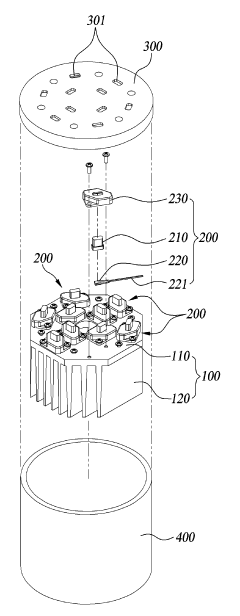
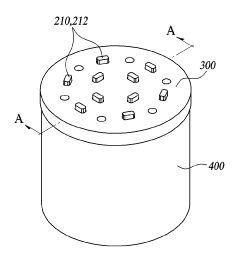
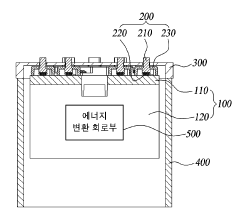
Thermoelectric Generator for supplying Power Source of IoT Smart Sensor
PatentInactiveKR1020200077823A
Innovation
- Design of a thermal conductor with a first length that allows for increased contact area between the thermoelectric element and heat generation target, enabling more efficient thermal energy delivery.
- Versatile structure that enables application to both planar and curved target surfaces, increasing the adaptability of the thermoelectric generator in IoT applications.
- Unique folded configuration of the thermoelectric element with an insulation support body that surrounds and supports the thermal conductor, creating an efficient thermal path while providing necessary electrical isolation.
Device for heating or cooling a living space
PatentWO2018146646A1
Innovation
- A device incorporating a thermoelectric generator connected between the flow and return lines of a heat transfer fluid system, utilizing the temperature difference to generate electrical energy during both heating and cooling operations, with adjustable thermally conductive adapter members for enhanced thermal contact and energy harvesting.


Energy Efficiency and Sustainability Impact
The integration of Thermoelectric Generators (TEGs) in smart grid applications represents a significant advancement in energy efficiency and sustainability efforts. TEGs harness waste heat from various processes and convert it directly into electrical energy without moving parts, offering a reliable and maintenance-free power generation solution. When deployed across smart grid infrastructure, these devices can recover energy that would otherwise be lost, improving overall system efficiency by 5-15% depending on implementation scale and location.
From a sustainability perspective, TEGs contribute to reducing carbon emissions through two primary mechanisms. First, by generating electricity from waste heat, they decrease the demand for electricity from conventional power plants, potentially reducing CO2 emissions by 0.4-0.7 kg per kWh of TEG-generated electricity. Second, when integrated into industrial processes or power generation facilities, they create a circular energy economy where waste becomes a resource.
Life cycle assessments of TEG implementations in smart grid applications demonstrate favorable environmental impacts. Studies indicate that modern bismuth telluride-based TEGs can achieve carbon payback periods of 1.5-3 years, with newer materials showing even more promising results. The absence of moving parts extends operational lifespans to 15-25 years, further enhancing their sustainability profile compared to alternative energy recovery technologies.
Water conservation represents another critical sustainability benefit. Unlike conventional power generation methods that require significant water resources for cooling, TEGs operate without water consumption. In regions facing water scarcity, this characteristic makes TEGs particularly valuable for sustainable energy development, potentially saving 0.5-1.5 gallons of water per kWh compared to traditional generation methods.
The material sustainability aspects of TEGs present both challenges and opportunities. While some current TEG materials contain rare or toxic elements, research into abundant, non-toxic alternatives such as silicides, oxides, and organic thermoelectric materials is advancing rapidly. These developments promise to address resource constraints and end-of-life disposal concerns, further enhancing the sustainability credentials of TEG technology.
When evaluated through the lens of United Nations Sustainable Development Goals, TEG integration in smart grids contributes directly to affordable and clean energy (SDG 7), industry innovation and infrastructure (SDG 9), and climate action (SDG 13). The decentralized nature of TEG deployment also supports resilient communities by enabling localized energy harvesting and reducing transmission losses, which typically account for 6-8% of generated electricity in conventional grid systems.
From a sustainability perspective, TEGs contribute to reducing carbon emissions through two primary mechanisms. First, by generating electricity from waste heat, they decrease the demand for electricity from conventional power plants, potentially reducing CO2 emissions by 0.4-0.7 kg per kWh of TEG-generated electricity. Second, when integrated into industrial processes or power generation facilities, they create a circular energy economy where waste becomes a resource.
Life cycle assessments of TEG implementations in smart grid applications demonstrate favorable environmental impacts. Studies indicate that modern bismuth telluride-based TEGs can achieve carbon payback periods of 1.5-3 years, with newer materials showing even more promising results. The absence of moving parts extends operational lifespans to 15-25 years, further enhancing their sustainability profile compared to alternative energy recovery technologies.
Water conservation represents another critical sustainability benefit. Unlike conventional power generation methods that require significant water resources for cooling, TEGs operate without water consumption. In regions facing water scarcity, this characteristic makes TEGs particularly valuable for sustainable energy development, potentially saving 0.5-1.5 gallons of water per kWh compared to traditional generation methods.
The material sustainability aspects of TEGs present both challenges and opportunities. While some current TEG materials contain rare or toxic elements, research into abundant, non-toxic alternatives such as silicides, oxides, and organic thermoelectric materials is advancing rapidly. These developments promise to address resource constraints and end-of-life disposal concerns, further enhancing the sustainability credentials of TEG technology.
When evaluated through the lens of United Nations Sustainable Development Goals, TEG integration in smart grids contributes directly to affordable and clean energy (SDG 7), industry innovation and infrastructure (SDG 9), and climate action (SDG 13). The decentralized nature of TEG deployment also supports resilient communities by enabling localized energy harvesting and reducing transmission losses, which typically account for 6-8% of generated electricity in conventional grid systems.
Regulatory Framework for Grid Integration
The integration of Thermoelectric Generators (TEGs) into smart grid systems necessitates a comprehensive regulatory framework that addresses technical standards, safety protocols, and market participation rules. Currently, most countries lack specific regulations for TEG integration, instead applying broader distributed generation or renewable energy frameworks that may not adequately address TEG's unique characteristics. This regulatory gap creates uncertainty for manufacturers, utilities, and consumers.
In the United States, the Federal Energy Regulatory Commission (FERC) oversees interstate electricity transmission and wholesale electricity sales, while state public utility commissions regulate distribution-level interconnections. FERC Order 2222, issued in 2020, represents a significant advancement by requiring regional transmission organizations to establish participation models for distributed energy resources, potentially including TEGs. However, implementation varies considerably across regions, creating a fragmented regulatory landscape.
The European Union has established more harmonized approaches through its Clean Energy Package, which includes provisions for small-scale generation technologies. The Renewable Energy Directive (RED II) and the Electricity Market Directive provide frameworks that could accommodate TEGs, though explicit inclusion remains limited. Technical standards such as EN 50549 for grid connection requirements and IEC 62109 for safety of power converters apply to TEG systems but were not specifically designed with thermoelectric technology in mind.
Grid codes represent another critical regulatory component, specifying requirements for voltage control, frequency response, and fault ride-through capabilities. TEG systems must comply with these technical specifications to ensure grid stability and reliability. The challenge lies in developing appropriate testing and certification procedures that account for TEGs' unique operational characteristics, including their relatively slow response times compared to other distributed energy resources.
Regulatory frameworks must also address metering requirements and compensation mechanisms. Net metering policies, feed-in tariffs, and capacity markets offer potential revenue streams for TEG operators, but eligibility criteria often exclude smaller-scale or novel technologies. Developing technology-neutral frameworks that focus on system capabilities rather than specific generation types would create more equitable market access for emerging technologies like TEGs.
Cybersecurity regulations present another critical consideration, particularly as TEGs become integrated into digital control systems. Standards such as IEC 62351 for power systems management and NERC CIP in North America establish baseline security requirements, though implementation guidance specific to TEG systems remains underdeveloped.
In the United States, the Federal Energy Regulatory Commission (FERC) oversees interstate electricity transmission and wholesale electricity sales, while state public utility commissions regulate distribution-level interconnections. FERC Order 2222, issued in 2020, represents a significant advancement by requiring regional transmission organizations to establish participation models for distributed energy resources, potentially including TEGs. However, implementation varies considerably across regions, creating a fragmented regulatory landscape.
The European Union has established more harmonized approaches through its Clean Energy Package, which includes provisions for small-scale generation technologies. The Renewable Energy Directive (RED II) and the Electricity Market Directive provide frameworks that could accommodate TEGs, though explicit inclusion remains limited. Technical standards such as EN 50549 for grid connection requirements and IEC 62109 for safety of power converters apply to TEG systems but were not specifically designed with thermoelectric technology in mind.
Grid codes represent another critical regulatory component, specifying requirements for voltage control, frequency response, and fault ride-through capabilities. TEG systems must comply with these technical specifications to ensure grid stability and reliability. The challenge lies in developing appropriate testing and certification procedures that account for TEGs' unique operational characteristics, including their relatively slow response times compared to other distributed energy resources.
Regulatory frameworks must also address metering requirements and compensation mechanisms. Net metering policies, feed-in tariffs, and capacity markets offer potential revenue streams for TEG operators, but eligibility criteria often exclude smaller-scale or novel technologies. Developing technology-neutral frameworks that focus on system capabilities rather than specific generation types would create more equitable market access for emerging technologies like TEGs.
Cybersecurity regulations present another critical consideration, particularly as TEGs become integrated into digital control systems. Standards such as IEC 62351 for power systems management and NERC CIP in North America establish baseline security requirements, though implementation guidance specific to TEG systems remains underdeveloped.
Unlock deeper insights with PatSnap Eureka Quick Research — get a full tech report to explore trends and direct your research. Try now!
Generate Your Research Report Instantly with AI Agent
Supercharge your innovation with PatSnap Eureka AI Agent Platform!