Thorium Reactors vs VHTR: Thermal Dynamics and Control
APR 1, 20269 MIN READ
Generate Your Research Report Instantly with AI Agent
PatSnap Eureka helps you evaluate technical feasibility & market potential.
Thorium Reactor and VHTR Development Background and Objectives
The development of thorium-based nuclear reactor technologies represents a significant paradigm shift in nuclear energy research, driven by the pursuit of enhanced safety, sustainability, and proliferation resistance. Thorium reactors, particularly those utilizing the thorium fuel cycle, have emerged as a promising alternative to conventional uranium-based systems due to thorium's abundance and inherent safety characteristics.
Very High Temperature Reactors (VHTRs) constitute a fourth-generation reactor design that operates at significantly elevated temperatures, typically exceeding 750°C, enabling enhanced thermal efficiency and diverse industrial applications beyond electricity generation. The integration of thorium fuel cycles with VHTR technology creates a synergistic approach that addresses multiple challenges in nuclear energy deployment.
The historical development trajectory of thorium reactor technology traces back to early nuclear research programs in the 1960s and 1970s, with notable experimental reactors such as the Molten Salt Reactor Experiment at Oak Ridge National Laboratory. However, commercial development was largely overshadowed by uranium-based light water reactor technologies due to established infrastructure and weapons program requirements.
Contemporary research objectives focus on resolving critical thermal dynamics challenges inherent in thorium-VHTR systems, including heat transfer optimization, temperature distribution management, and thermal stress mitigation. The unique properties of thorium fuel, including its higher melting point and different neutron absorption characteristics, necessitate specialized thermal management strategies compared to conventional reactor designs.
Control system development represents another primary objective, encompassing the design of advanced reactivity control mechanisms that can effectively manage the distinct neutron physics of thorium fuel cycles. The delayed neutron fraction differences and fission product behavior in thorium systems require innovative control rod designs and automated safety systems.
Current development goals emphasize achieving commercial viability through improved thermal efficiency, enhanced safety margins, and reduced operational complexity. Research institutions and industry partners are collaborating to demonstrate the feasibility of thorium-VHTR integration while addressing regulatory frameworks and economic competitiveness against established nuclear technologies.
Very High Temperature Reactors (VHTRs) constitute a fourth-generation reactor design that operates at significantly elevated temperatures, typically exceeding 750°C, enabling enhanced thermal efficiency and diverse industrial applications beyond electricity generation. The integration of thorium fuel cycles with VHTR technology creates a synergistic approach that addresses multiple challenges in nuclear energy deployment.
The historical development trajectory of thorium reactor technology traces back to early nuclear research programs in the 1960s and 1970s, with notable experimental reactors such as the Molten Salt Reactor Experiment at Oak Ridge National Laboratory. However, commercial development was largely overshadowed by uranium-based light water reactor technologies due to established infrastructure and weapons program requirements.
Contemporary research objectives focus on resolving critical thermal dynamics challenges inherent in thorium-VHTR systems, including heat transfer optimization, temperature distribution management, and thermal stress mitigation. The unique properties of thorium fuel, including its higher melting point and different neutron absorption characteristics, necessitate specialized thermal management strategies compared to conventional reactor designs.
Control system development represents another primary objective, encompassing the design of advanced reactivity control mechanisms that can effectively manage the distinct neutron physics of thorium fuel cycles. The delayed neutron fraction differences and fission product behavior in thorium systems require innovative control rod designs and automated safety systems.
Current development goals emphasize achieving commercial viability through improved thermal efficiency, enhanced safety margins, and reduced operational complexity. Research institutions and industry partners are collaborating to demonstrate the feasibility of thorium-VHTR integration while addressing regulatory frameworks and economic competitiveness against established nuclear technologies.
Market Demand Analysis for Advanced Nuclear Reactor Technologies
The global nuclear energy market is experiencing renewed interest driven by climate change mitigation goals and energy security concerns. Advanced nuclear reactor technologies, particularly thorium-based reactors and Very High Temperature Reactors (VHTRs), are positioned to address critical market demands for safer, more efficient, and sustainable nuclear power generation. The increasing emphasis on carbon-neutral energy sources has created substantial market opportunities for next-generation nuclear technologies that offer enhanced safety profiles and improved thermal efficiency.
Current market demand is primarily driven by developing nations seeking reliable baseload power generation while meeting environmental commitments. Countries with limited uranium resources but abundant thorium deposits, including India, China, and several Southeast Asian nations, represent significant potential markets for thorium reactor technologies. These markets are particularly attracted to thorium's inherent safety characteristics and reduced long-lived radioactive waste production compared to conventional uranium-based systems.
The industrial heat application market presents another substantial demand driver for VHTR technologies. Industries requiring high-temperature process heat, including steel production, chemical manufacturing, and hydrogen generation, are increasingly seeking alternatives to fossil fuel-based heating systems. VHTRs operating at temperatures exceeding 750°C can directly supply industrial processes, creating dual-purpose facilities that generate both electricity and process heat, significantly improving overall energy efficiency.
Energy security considerations are amplifying demand for advanced reactor technologies in regions dependent on energy imports. The ability of thorium reactors to utilize domestically available thorium resources reduces reliance on international uranium markets and enhances national energy independence. This strategic advantage is particularly compelling for countries with established thorium mining capabilities or existing stockpiles from rare earth element extraction operations.
The growing hydrogen economy is creating additional market demand for high-temperature nuclear reactors capable of supporting thermochemical hydrogen production processes. VHTRs can enable efficient hydrogen generation through high-temperature electrolysis or thermochemical cycles, positioning these technologies at the intersection of nuclear power and clean fuel production. This convergence addresses multiple market segments simultaneously, including transportation fuel, industrial feedstock, and energy storage applications.
Regulatory frameworks worldwide are evolving to accommodate advanced reactor designs, with several countries establishing expedited licensing pathways for innovative nuclear technologies. This regulatory modernization is reducing market entry barriers and encouraging private investment in advanced reactor development, creating favorable conditions for thorium reactor and VHTR commercialization efforts.
Current market demand is primarily driven by developing nations seeking reliable baseload power generation while meeting environmental commitments. Countries with limited uranium resources but abundant thorium deposits, including India, China, and several Southeast Asian nations, represent significant potential markets for thorium reactor technologies. These markets are particularly attracted to thorium's inherent safety characteristics and reduced long-lived radioactive waste production compared to conventional uranium-based systems.
The industrial heat application market presents another substantial demand driver for VHTR technologies. Industries requiring high-temperature process heat, including steel production, chemical manufacturing, and hydrogen generation, are increasingly seeking alternatives to fossil fuel-based heating systems. VHTRs operating at temperatures exceeding 750°C can directly supply industrial processes, creating dual-purpose facilities that generate both electricity and process heat, significantly improving overall energy efficiency.
Energy security considerations are amplifying demand for advanced reactor technologies in regions dependent on energy imports. The ability of thorium reactors to utilize domestically available thorium resources reduces reliance on international uranium markets and enhances national energy independence. This strategic advantage is particularly compelling for countries with established thorium mining capabilities or existing stockpiles from rare earth element extraction operations.
The growing hydrogen economy is creating additional market demand for high-temperature nuclear reactors capable of supporting thermochemical hydrogen production processes. VHTRs can enable efficient hydrogen generation through high-temperature electrolysis or thermochemical cycles, positioning these technologies at the intersection of nuclear power and clean fuel production. This convergence addresses multiple market segments simultaneously, including transportation fuel, industrial feedstock, and energy storage applications.
Regulatory frameworks worldwide are evolving to accommodate advanced reactor designs, with several countries establishing expedited licensing pathways for innovative nuclear technologies. This regulatory modernization is reducing market entry barriers and encouraging private investment in advanced reactor development, creating favorable conditions for thorium reactor and VHTR commercialization efforts.
Current Status and Thermal Control Challenges in Thorium vs VHTR
Thorium-based reactors and Very High Temperature Reactors (VHTRs) represent two distinct approaches to advanced nuclear technology, each facing unique thermal control challenges that significantly impact their commercial viability and operational safety. Current thorium reactor designs, including Molten Salt Reactors (MSRs) and Thorium High Temperature Reactors (THTRs), operate at temperatures ranging from 650°C to 1000°C, while VHTRs typically function at even higher temperatures, reaching up to 1200°C for enhanced thermodynamic efficiency.
The primary thermal control challenge in thorium-based MSRs stems from the liquid fuel system's complex heat transfer characteristics. Unlike solid fuel reactors, MSRs must manage heat removal from a circulating molten salt mixture containing both fuel and fission products. This creates difficulties in maintaining uniform temperature distribution and preventing hot spots that could lead to salt solidification or excessive corrosion of structural materials. Current MSR designs struggle with thermal stratification in the reactor vessel and require sophisticated circulation systems to ensure adequate heat removal.
VHTRs face fundamentally different thermal challenges due to their solid fuel configuration and helium coolant system. The TRISO fuel particles used in VHTRs must maintain structural integrity at extreme temperatures while ensuring effective heat transfer to the helium coolant. Current VHTR designs encounter difficulties in managing thermal gradients across the graphite moderator blocks, which can cause mechanical stress and potential cracking. The helium coolant system requires precise pressure and flow control to prevent thermal instabilities that could compromise reactor safety.
Temperature monitoring and control systems represent critical technological gaps in both reactor types. Thorium MSRs require real-time monitoring of salt composition and temperature throughout the primary loop, but current sensor technologies struggle with the corrosive environment and high radiation fields. Existing thermocouples and resistance temperature detectors show degraded performance and shortened lifespans when exposed to molten fluoride salts.
VHTRs similarly face instrumentation challenges, particularly in measuring fuel temperatures within the graphite blocks. Current fiber-optic temperature sensors and advanced thermocouples provide limited accuracy at the extreme operating temperatures, creating uncertainties in thermal margin calculations and safety system responses.
Heat exchanger design presents another significant challenge for both technologies. Thorium MSRs require specialized heat exchangers capable of handling molten salt on the primary side while maintaining structural integrity under thermal cycling. Current designs using Hastelloy-N and other nickel-based alloys show promising results but require further development to achieve commercial-scale reliability.
VHTR heat exchangers must efficiently transfer heat from high-temperature helium to secondary working fluids while preventing contamination and maintaining pressure boundaries. Current metallic heat exchanger designs approach material limits at VHTR operating temperatures, necessitating advanced ceramic or composite materials that remain under development.
The primary thermal control challenge in thorium-based MSRs stems from the liquid fuel system's complex heat transfer characteristics. Unlike solid fuel reactors, MSRs must manage heat removal from a circulating molten salt mixture containing both fuel and fission products. This creates difficulties in maintaining uniform temperature distribution and preventing hot spots that could lead to salt solidification or excessive corrosion of structural materials. Current MSR designs struggle with thermal stratification in the reactor vessel and require sophisticated circulation systems to ensure adequate heat removal.
VHTRs face fundamentally different thermal challenges due to their solid fuel configuration and helium coolant system. The TRISO fuel particles used in VHTRs must maintain structural integrity at extreme temperatures while ensuring effective heat transfer to the helium coolant. Current VHTR designs encounter difficulties in managing thermal gradients across the graphite moderator blocks, which can cause mechanical stress and potential cracking. The helium coolant system requires precise pressure and flow control to prevent thermal instabilities that could compromise reactor safety.
Temperature monitoring and control systems represent critical technological gaps in both reactor types. Thorium MSRs require real-time monitoring of salt composition and temperature throughout the primary loop, but current sensor technologies struggle with the corrosive environment and high radiation fields. Existing thermocouples and resistance temperature detectors show degraded performance and shortened lifespans when exposed to molten fluoride salts.
VHTRs similarly face instrumentation challenges, particularly in measuring fuel temperatures within the graphite blocks. Current fiber-optic temperature sensors and advanced thermocouples provide limited accuracy at the extreme operating temperatures, creating uncertainties in thermal margin calculations and safety system responses.
Heat exchanger design presents another significant challenge for both technologies. Thorium MSRs require specialized heat exchangers capable of handling molten salt on the primary side while maintaining structural integrity under thermal cycling. Current designs using Hastelloy-N and other nickel-based alloys show promising results but require further development to achieve commercial-scale reliability.
VHTR heat exchangers must efficiently transfer heat from high-temperature helium to secondary working fluids while preventing contamination and maintaining pressure boundaries. Current metallic heat exchanger designs approach material limits at VHTR operating temperatures, necessitating advanced ceramic or composite materials that remain under development.
Current Thermal Dynamics Solutions for Advanced Reactors
01 Thorium-based fuel compositions and reactor core design
Patents in this category focus on the development and optimization of thorium-based fuel compositions for nuclear reactors, including fuel element configurations, fuel rod arrangements, and core designs specifically adapted for thorium fuel cycles. These innovations address fuel preparation methods, fuel element structures, and core geometries that enhance neutron economy and breeding characteristics in thorium reactors.- Thorium-based fuel compositions and reactor core design: Patents in this category focus on the development and optimization of thorium-based nuclear fuel compositions for use in various reactor types. These inventions cover fuel element configurations, thorium-uranium fuel cycles, and core designs that maximize the utilization of thorium as a fertile material. The technologies address fuel fabrication methods, fuel rod arrangements, and core geometries specifically adapted for thorium fuel systems to achieve improved breeding ratios and fuel efficiency.
- High-temperature reactor thermal management systems: This category encompasses technologies related to thermal management and heat transfer systems in very high temperature reactors. The inventions address cooling system designs, heat exchanger configurations, and thermal control mechanisms that maintain optimal operating temperatures. These systems are critical for managing the extreme thermal conditions in VHTR operations, ensuring efficient heat removal, and preventing thermal damage to reactor components while maximizing energy conversion efficiency.
- Reactor control systems and safety mechanisms: Patents in this group relate to control rod systems, reactivity control mechanisms, and safety shutdown systems for nuclear reactors. These technologies include automated control systems, emergency shutdown mechanisms, and reactivity monitoring devices that ensure safe and stable reactor operation. The inventions cover both mechanical and electronic control systems designed to regulate neutron flux, maintain criticality control, and respond to abnormal operating conditions.
- Advanced reactor monitoring and instrumentation: This category includes technologies for monitoring reactor parameters, measuring thermal dynamics, and providing real-time operational data. The inventions cover sensor systems, data acquisition methods, and diagnostic tools that track temperature distributions, neutron flux levels, and other critical operational parameters. These monitoring systems enable operators to maintain optimal reactor performance and detect potential issues before they become critical.
- Reactor structural components and materials for high-temperature applications: Patents in this category address the design and materials of structural components capable of withstanding the extreme conditions in high-temperature reactors. These inventions cover pressure vessel designs, containment structures, and specialized materials with enhanced thermal and radiation resistance properties. The technologies focus on ensuring structural integrity under prolonged exposure to high temperatures and radiation, including innovations in material compositions and component geometries.
02 VHTR thermal management and heat transfer systems
This category encompasses technologies related to thermal management in Very High Temperature Reactors, including heat exchanger designs, coolant circulation systems, and thermal energy extraction methods. The patents address heat removal strategies, temperature distribution control, and thermal efficiency optimization in high-temperature reactor environments operating at elevated temperatures typical of VHTR systems.Expand Specific Solutions03 Reactor control systems and safety mechanisms
Patents in this classification cover control rod systems, reactivity control mechanisms, and safety shutdown systems for nuclear reactors. These technologies include automated control systems, emergency response mechanisms, and monitoring systems that ensure safe operation and rapid response to abnormal conditions in reactor operations.Expand Specific Solutions04 Advanced reactor cooling and thermal regulation
This category addresses innovative cooling technologies and thermal regulation methods for nuclear reactors, including passive cooling systems, emergency cooling mechanisms, and temperature stabilization techniques. The patents cover coolant flow optimization, heat dissipation structures, and thermal buffer systems designed to maintain optimal operating temperatures and prevent overheating scenarios.Expand Specific Solutions05 Reactor instrumentation and monitoring systems
Patents in this group focus on instrumentation technologies for monitoring reactor parameters, including temperature sensors, neutron flux detectors, and real-time monitoring systems. These technologies enable precise measurement and control of critical reactor parameters, providing data for operational optimization and safety assurance in thorium reactors and VHTR systems.Expand Specific Solutions
Major Players in Thorium and VHTR Technology Development
The thorium reactor and VHTR technology landscape represents an emerging nuclear energy sector in early development stages, with significant market potential driven by growing clean energy demands. The market remains relatively nascent, with limited commercial deployment but substantial research investment from government institutions and established industrial players. Technology maturity varies significantly across participants, with specialized nuclear research entities like Korea Atomic Energy Research Institute and Korea Hydro & Nuclear Power leading fundamental research, while established industrial giants such as Hyundai Motor, Ford Global Technologies, and IBM contribute systems integration and control technologies. Academic institutions including Xi'an Jiaotong University and research centers like Forschungszentrum Jülich provide critical theoretical foundations. The competitive landscape shows a convergence of traditional automotive companies, energy storage specialists like Panasonic Energy, and semiconductor manufacturers such as Texas Instruments, indicating the interdisciplinary nature of advanced reactor control systems and thermal management solutions.
Korea Atomic Energy Research Institute
Technical Solution: KAERI has developed advanced thermal hydraulic analysis codes for Very High Temperature Reactors (VHTR) including GAMMA+ and MARS-GCR systems. Their approach focuses on helium gas coolant circulation modeling and heat transfer optimization in graphite-moderated reactor cores. The institute has implemented sophisticated control rod positioning algorithms and passive safety systems that respond to temperature fluctuations without external power. Their thermal dynamics research includes computational fluid dynamics modeling of gas flow patterns and heat distribution across fuel assemblies, with particular emphasis on maintaining optimal operating temperatures between 750-950°C for efficient hydrogen production and electricity generation.
Strengths: Comprehensive government backing, extensive R&D facilities, proven track record in nuclear technology development. Weaknesses: Limited commercial deployment experience, regulatory constraints may slow innovation cycles.
Forschungszentrum Jülich GmbH
Technical Solution: Forschungszentrum Jülich has developed comprehensive thermal simulation models for pebble bed reactors and thorium-based fuel cycles, with particular expertise in TRISO fuel particle behavior under high-temperature conditions. Their thermal dynamics research includes advanced heat transfer modeling in packed bed geometries and development of passive safety systems that rely on natural circulation and conduction cooling. The institute has created sophisticated control algorithms for managing thermal feedback effects in thorium reactors, including real-time optimization of neutron flux distribution and temperature profiles. Their technology platform integrates machine learning approaches for predictive thermal management and automated control system responses to operational transients.
Strengths: World-class research facilities, strong European collaboration networks, expertise in high-temperature materials. Weaknesses: Limited direct commercial reactor experience, focus mainly on fundamental research applications.
Core Thermal Control Innovations in Thorium and VHTR Systems
Control method for a thorium reactor and a fuel assembly for carrying out said method
PatentWO2003001534A1
Innovation
- The solution involves a heat-releasing assembly with neutron moderators in gas form, regulated by pressure, integrated into the fuel channels of the reactor, using metallic thorium or its alloys with possible additions of uranium or plutonium, and a sophisticated design that includes geometric channels for precise control and safety features.


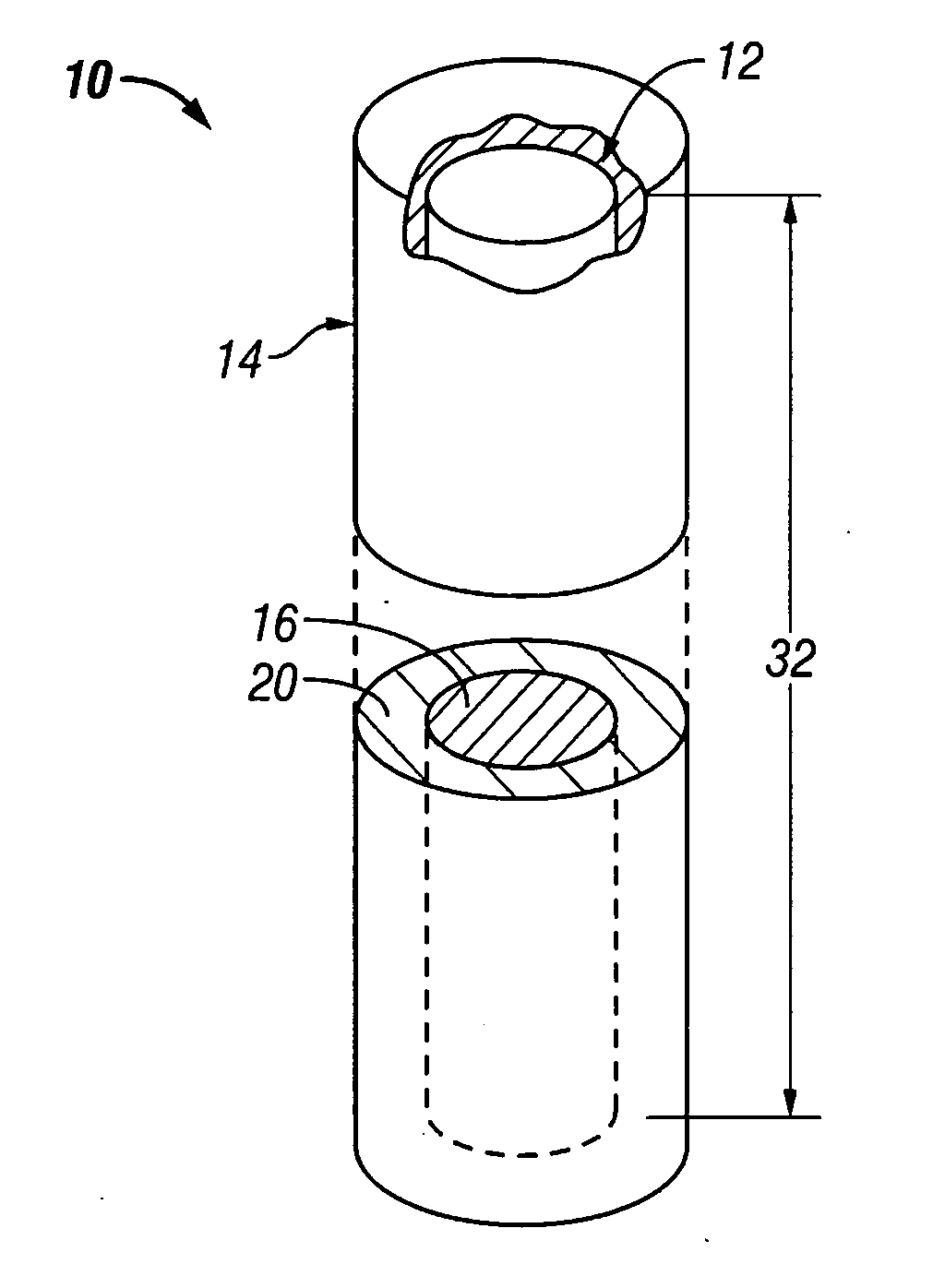
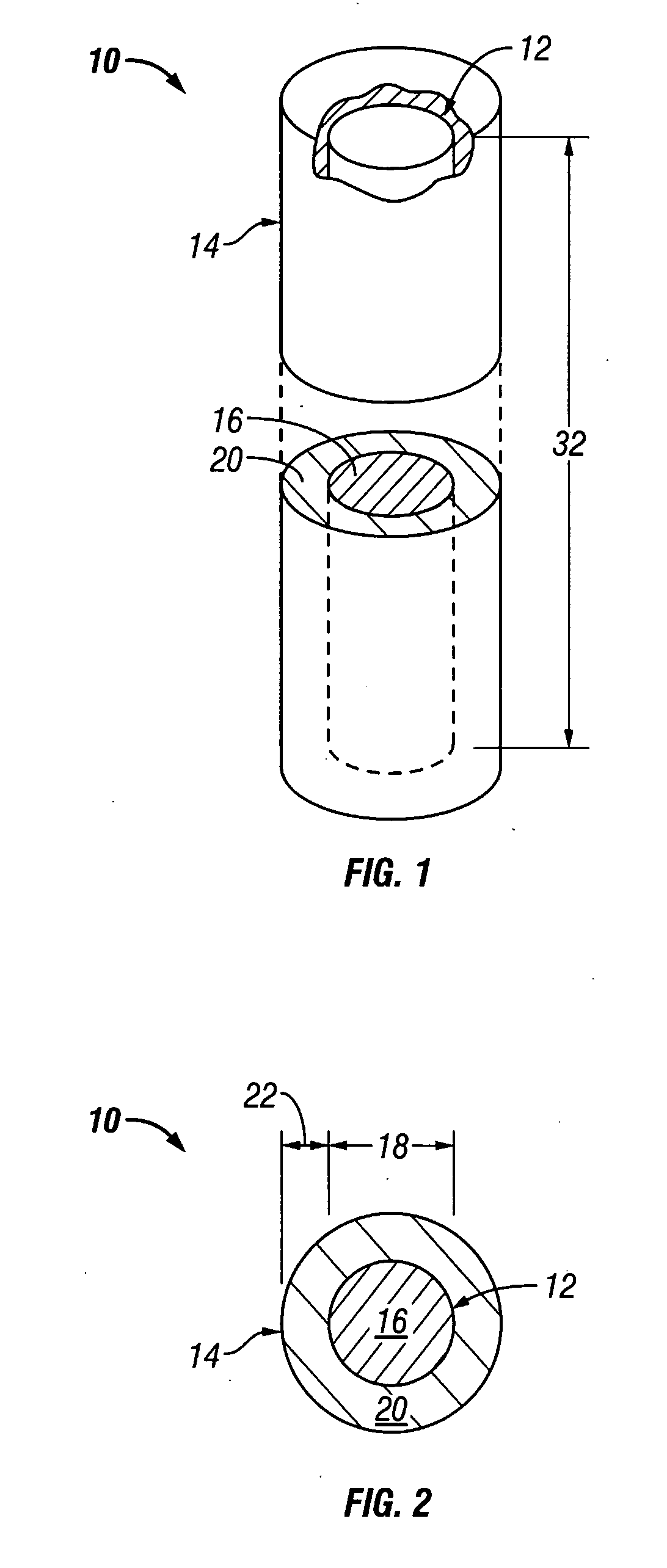
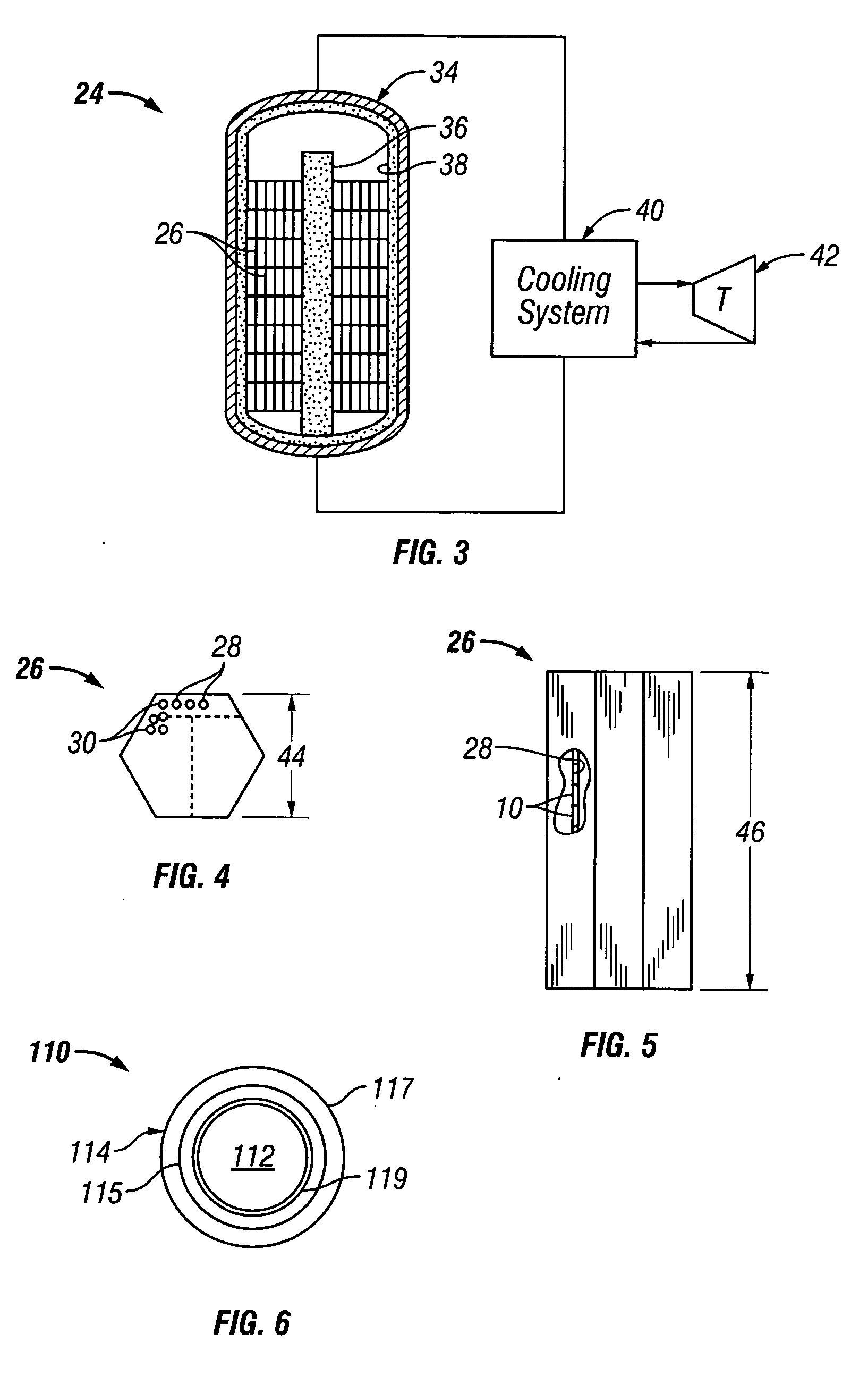
High-density, solid solution nuclear fuel and fuel block utilizing same
PatentInactiveUS20070064861A1
Innovation
- The use of high-density, solid solution fissile materials substantially free of carbon and void space, encapsulated in a cladding with a low neutron-absorbing material, allows for reduced uranium enrichment and increased carbon-to-uranium ratio, enhancing neutron moderation and core reactivity, while maintaining high melting points for improved safety margins.
Nuclear Regulatory Framework for Advanced Reactor Deployment
The deployment of advanced reactor technologies, particularly thorium reactors and Very High Temperature Reactors (VHTRs), faces significant regulatory challenges that require comprehensive framework adaptations. Current nuclear regulatory structures, primarily designed for conventional light water reactors, must evolve to accommodate the unique thermal dynamics and control characteristics inherent in these advanced systems.
Regulatory bodies worldwide are grappling with the fundamental differences between thorium-based fuel cycles and traditional uranium systems. The thorium fuel cycle presents distinct licensing challenges due to its breeding characteristics and the production of U-233, requiring new regulatory pathways for fuel qualification and waste management protocols. VHTRs, operating at significantly higher temperatures than conventional reactors, demand revised safety criteria and thermal performance standards that existing regulations do not adequately address.
The thermal dynamics of these advanced systems necessitate updated regulatory approaches to heat removal systems, coolant behavior, and high-temperature material performance. Traditional regulatory frameworks lack specific provisions for helium-cooled systems and the unique thermal expansion characteristics of VHTR components. This regulatory gap creates uncertainty for developers and potentially delays deployment timelines.
International regulatory harmonization efforts are emerging to address these challenges, with organizations like the International Atomic Energy Agency developing guidance documents for advanced reactor licensing. However, national regulatory bodies maintain varying approaches to risk assessment methodologies and safety case requirements for these technologies.
Control system regulations present another critical area requiring framework evolution. Advanced reactors employ sophisticated digital control systems and passive safety features that differ substantially from conventional reactor designs. Regulatory acceptance of these innovative control approaches requires new validation methodologies and performance criteria.
The licensing process for advanced reactors is being streamlined through risk-informed regulatory approaches, moving away from prescriptive requirements toward performance-based standards. This shift enables greater design flexibility while maintaining safety objectives, though it requires enhanced technical expertise within regulatory organizations to evaluate novel design concepts effectively.
Regulatory bodies worldwide are grappling with the fundamental differences between thorium-based fuel cycles and traditional uranium systems. The thorium fuel cycle presents distinct licensing challenges due to its breeding characteristics and the production of U-233, requiring new regulatory pathways for fuel qualification and waste management protocols. VHTRs, operating at significantly higher temperatures than conventional reactors, demand revised safety criteria and thermal performance standards that existing regulations do not adequately address.
The thermal dynamics of these advanced systems necessitate updated regulatory approaches to heat removal systems, coolant behavior, and high-temperature material performance. Traditional regulatory frameworks lack specific provisions for helium-cooled systems and the unique thermal expansion characteristics of VHTR components. This regulatory gap creates uncertainty for developers and potentially delays deployment timelines.
International regulatory harmonization efforts are emerging to address these challenges, with organizations like the International Atomic Energy Agency developing guidance documents for advanced reactor licensing. However, national regulatory bodies maintain varying approaches to risk assessment methodologies and safety case requirements for these technologies.
Control system regulations present another critical area requiring framework evolution. Advanced reactors employ sophisticated digital control systems and passive safety features that differ substantially from conventional reactor designs. Regulatory acceptance of these innovative control approaches requires new validation methodologies and performance criteria.
The licensing process for advanced reactors is being streamlined through risk-informed regulatory approaches, moving away from prescriptive requirements toward performance-based standards. This shift enables greater design flexibility while maintaining safety objectives, though it requires enhanced technical expertise within regulatory organizations to evaluate novel design concepts effectively.
Safety and Environmental Impact Assessment for Thorium Technologies
Thorium-based reactor technologies, particularly Thorium Molten Salt Reactors (TMSRs) and Very High Temperature Reactors (VHTRs), present distinct safety profiles that fundamentally differ from conventional uranium-fueled systems. The inherent safety characteristics of thorium fuel cycles stem from the Th-232 to U-233 breeding process, which produces significantly fewer long-lived actinides compared to traditional uranium-plutonium cycles. This reduction in transuranic waste generation translates to decreased long-term radiotoxicity and simplified waste management requirements.
The passive safety features of thorium reactors offer substantial advantages in accident scenarios. TMSRs incorporate freeze plugs that automatically drain the reactor core into passively cooled dump tanks during overheating events, eliminating the possibility of core meltdown. VHTRs utilizing thorium fuel benefit from TRISO particle fuel design, which provides multiple containment barriers and maintains structural integrity even under extreme temperature conditions exceeding 1600°C.
Environmental impact assessments reveal thorium technologies' superior performance in waste minimization and proliferation resistance. The thorium fuel cycle generates approximately 80% less long-lived radioactive waste compared to conventional uranium cycles. Additionally, the absence of plutonium production in pure thorium cycles significantly reduces proliferation risks, addressing critical security concerns associated with nuclear technology deployment.
Radiological safety considerations demonstrate thorium reactors' enhanced protection profiles. The lower neutron flux requirements in thorium systems reduce radiation exposure risks for operational personnel. Furthermore, the chemical stability of thorium compounds minimizes the potential for environmental contamination during fuel processing and handling operations.
Long-term environmental benefits include reduced mining impacts, as thorium is approximately three times more abundant than uranium in Earth's crust. The extended fuel utilization efficiency in thorium cycles, achieving up to 98% fuel burnup compared to 3-5% in conventional reactors, substantially reduces the environmental footprint of nuclear fuel extraction and processing activities.
However, challenges remain in establishing comprehensive safety frameworks for thorium technologies. The limited operational experience with commercial-scale thorium reactors necessitates extensive safety validation through demonstration projects. Regulatory frameworks require adaptation to address the unique characteristics of thorium fuel cycles, particularly regarding waste classification and disposal strategies for the distinct isotopic compositions produced.
The passive safety features of thorium reactors offer substantial advantages in accident scenarios. TMSRs incorporate freeze plugs that automatically drain the reactor core into passively cooled dump tanks during overheating events, eliminating the possibility of core meltdown. VHTRs utilizing thorium fuel benefit from TRISO particle fuel design, which provides multiple containment barriers and maintains structural integrity even under extreme temperature conditions exceeding 1600°C.
Environmental impact assessments reveal thorium technologies' superior performance in waste minimization and proliferation resistance. The thorium fuel cycle generates approximately 80% less long-lived radioactive waste compared to conventional uranium cycles. Additionally, the absence of plutonium production in pure thorium cycles significantly reduces proliferation risks, addressing critical security concerns associated with nuclear technology deployment.
Radiological safety considerations demonstrate thorium reactors' enhanced protection profiles. The lower neutron flux requirements in thorium systems reduce radiation exposure risks for operational personnel. Furthermore, the chemical stability of thorium compounds minimizes the potential for environmental contamination during fuel processing and handling operations.
Long-term environmental benefits include reduced mining impacts, as thorium is approximately three times more abundant than uranium in Earth's crust. The extended fuel utilization efficiency in thorium cycles, achieving up to 98% fuel burnup compared to 3-5% in conventional reactors, substantially reduces the environmental footprint of nuclear fuel extraction and processing activities.
However, challenges remain in establishing comprehensive safety frameworks for thorium technologies. The limited operational experience with commercial-scale thorium reactors necessitates extensive safety validation through demonstration projects. Regulatory frameworks require adaptation to address the unique characteristics of thorium fuel cycles, particularly regarding waste classification and disposal strategies for the distinct isotopic compositions produced.
Unlock deeper insights with PatSnap Eureka Quick Research — get a full tech report to explore trends and direct your research. Try now!
Generate Your Research Report Instantly with AI Agent
Supercharge your innovation with PatSnap Eureka AI Agent Platform!