Understanding Thermodynamics in Supercritical Fluid Reactors
JAN 19, 20269 MIN READ
Generate Your Research Report Instantly with AI Agent
Patsnap Eureka helps you evaluate technical feasibility & market potential.
Supercritical Fluid Reactor Technology Background and Objectives
Supercritical fluid reactor technology represents a transformative approach in chemical processing, materials synthesis, and waste treatment applications. This technology leverages the unique properties of fluids operating above their critical temperature and pressure, where distinct liquid and gas phases cease to exist. The historical development traces back to the 1960s when researchers first recognized the potential of supercritical water oxidation for waste destruction. Over subsequent decades, applications expanded into supercritical fluid extraction, pharmaceutical manufacturing, nanomaterial synthesis, and biomass conversion. The evolution has been marked by progressive understanding of fluid behavior under extreme conditions and the development of materials capable of withstanding harsh operating environments.
The fundamental appeal of supercritical fluid reactors lies in their ability to provide tunable solvent properties, enhanced mass transfer rates, and elimination of interfacial limitations present in conventional multiphase systems. Water, carbon dioxide, and various organic solvents serve as common working fluids, each offering distinct advantages depending on the application. Supercritical water, for instance, exhibits dramatically reduced dielectric constant and enhanced ionic product, making it an effective medium for oxidation reactions and organic compound decomposition.
Current technological objectives center on achieving precise thermodynamic control to optimize reaction selectivity, conversion efficiency, and energy utilization. Understanding phase behavior, density fluctuations, and transport phenomena under supercritical conditions remains critical for reactor design and process optimization. Key targets include developing predictive models for fluid properties, establishing reliable correlations between operating parameters and reaction outcomes, and creating robust control strategies for safe operation.
The technology aims to address sustainability challenges by enabling cleaner chemical synthesis routes, reducing solvent waste, and facilitating energy-efficient separations. Specific goals encompass improving heat integration strategies, minimizing pressure drop across reactor systems, and extending equipment lifespan through advanced materials selection. Furthermore, scaling from laboratory to industrial implementation requires comprehensive understanding of thermodynamic behavior to ensure process reliability and economic viability across different operating scales and conditions.
The fundamental appeal of supercritical fluid reactors lies in their ability to provide tunable solvent properties, enhanced mass transfer rates, and elimination of interfacial limitations present in conventional multiphase systems. Water, carbon dioxide, and various organic solvents serve as common working fluids, each offering distinct advantages depending on the application. Supercritical water, for instance, exhibits dramatically reduced dielectric constant and enhanced ionic product, making it an effective medium for oxidation reactions and organic compound decomposition.
Current technological objectives center on achieving precise thermodynamic control to optimize reaction selectivity, conversion efficiency, and energy utilization. Understanding phase behavior, density fluctuations, and transport phenomena under supercritical conditions remains critical for reactor design and process optimization. Key targets include developing predictive models for fluid properties, establishing reliable correlations between operating parameters and reaction outcomes, and creating robust control strategies for safe operation.
The technology aims to address sustainability challenges by enabling cleaner chemical synthesis routes, reducing solvent waste, and facilitating energy-efficient separations. Specific goals encompass improving heat integration strategies, minimizing pressure drop across reactor systems, and extending equipment lifespan through advanced materials selection. Furthermore, scaling from laboratory to industrial implementation requires comprehensive understanding of thermodynamic behavior to ensure process reliability and economic viability across different operating scales and conditions.
Market Demand for Supercritical Fluid Applications
The market demand for supercritical fluid applications has experienced substantial growth across multiple industrial sectors, driven by increasing environmental regulations, sustainability requirements, and the pursuit of more efficient processing technologies. Supercritical fluid reactors, particularly those utilizing carbon dioxide as the working medium, have emerged as critical enablers for green chemistry initiatives and advanced manufacturing processes. The pharmaceutical industry represents one of the most significant demand drivers, where supercritical fluid extraction and reaction technologies offer solvent-free alternatives for drug synthesis, particle engineering, and purification processes that meet stringent regulatory standards.
Energy sector applications constitute another major market segment, with supercritical water oxidation gaining traction for hazardous waste treatment and biomass conversion. The technology addresses growing concerns about environmental pollution while enabling resource recovery from waste streams. Chemical manufacturing industries increasingly adopt supercritical fluid reactors for polymer processing, specialty chemical synthesis, and materials modification, attracted by enhanced reaction selectivity, reduced processing times, and elimination of toxic organic solvents.
The food and nutraceutical industries demonstrate robust demand for supercritical carbon dioxide extraction systems, particularly for producing high-value natural extracts, essential oils, and functional ingredients. Consumer preferences for clean-label products and natural ingredients continue to expand this market segment. Additionally, emerging applications in nanomaterial synthesis, semiconductor manufacturing, and advanced coating technologies are creating new demand channels.
Regional market dynamics reveal strong growth in Asia-Pacific markets, particularly China and India, where rapid industrialization combines with tightening environmental regulations. North American and European markets maintain steady demand driven by established pharmaceutical and specialty chemical sectors, alongside increasing focus on sustainable processing technologies. The semiconductor industry's expansion in East Asia further stimulates demand for supercritical fluid cleaning and deposition processes.
Market growth faces certain constraints including high capital investment requirements, operational complexity, and the need for specialized expertise in thermodynamic behavior under supercritical conditions. However, ongoing technological advancements in reactor design, process control systems, and thermodynamic modeling are progressively reducing these barriers. The convergence of sustainability mandates, technological maturation, and expanding application portfolios positions supercritical fluid reactor technologies for continued market expansion across diverse industrial sectors.
Energy sector applications constitute another major market segment, with supercritical water oxidation gaining traction for hazardous waste treatment and biomass conversion. The technology addresses growing concerns about environmental pollution while enabling resource recovery from waste streams. Chemical manufacturing industries increasingly adopt supercritical fluid reactors for polymer processing, specialty chemical synthesis, and materials modification, attracted by enhanced reaction selectivity, reduced processing times, and elimination of toxic organic solvents.
The food and nutraceutical industries demonstrate robust demand for supercritical carbon dioxide extraction systems, particularly for producing high-value natural extracts, essential oils, and functional ingredients. Consumer preferences for clean-label products and natural ingredients continue to expand this market segment. Additionally, emerging applications in nanomaterial synthesis, semiconductor manufacturing, and advanced coating technologies are creating new demand channels.
Regional market dynamics reveal strong growth in Asia-Pacific markets, particularly China and India, where rapid industrialization combines with tightening environmental regulations. North American and European markets maintain steady demand driven by established pharmaceutical and specialty chemical sectors, alongside increasing focus on sustainable processing technologies. The semiconductor industry's expansion in East Asia further stimulates demand for supercritical fluid cleaning and deposition processes.
Market growth faces certain constraints including high capital investment requirements, operational complexity, and the need for specialized expertise in thermodynamic behavior under supercritical conditions. However, ongoing technological advancements in reactor design, process control systems, and thermodynamic modeling are progressively reducing these barriers. The convergence of sustainability mandates, technological maturation, and expanding application portfolios positions supercritical fluid reactor technologies for continued market expansion across diverse industrial sectors.
Current Thermodynamic Challenges in Supercritical Reactors
Supercritical fluid reactors operate under conditions where fluids exist beyond their critical temperature and pressure, exhibiting unique properties that blur the distinction between liquid and gas phases. This operational regime introduces significant thermodynamic complexities that challenge both theoretical understanding and practical implementation. The primary difficulty stems from the highly nonlinear behavior of thermophysical properties near the critical point, where small variations in temperature or pressure can trigger dramatic changes in density, heat capacity, viscosity, and thermal conductivity.
One fundamental challenge involves accurately predicting and measuring thermodynamic properties under supercritical conditions. Traditional equations of state often fail to capture the sharp property gradients and anomalous behavior observed near the pseudocritical region. This limitation complicates reactor design and process optimization, as conventional correlations for heat transfer and mass transport become unreliable. The lack of comprehensive experimental data across wide operating ranges further constrains the development of robust predictive models.
Heat transfer mechanisms in supercritical reactors present another critical obstacle. The phenomenon of heat transfer deterioration, where wall temperatures spike unexpectedly despite adequate flow rates, poses serious safety and operational concerns. This behavior is linked to the rapid variation of fluid properties across the thermal boundary layer, creating localized regions of reduced heat transfer efficiency. Understanding and predicting these deterioration events requires sophisticated modeling approaches that account for buoyancy effects, flow acceleration, and property variation coupling.
Phase-like transitions in supercritical fluids introduce additional complexity. Although no distinct phase boundary exists above the critical point, fluids undergo pseudo-boiling transitions characterized by rapid density changes. These transitions affect reaction kinetics, mixing patterns, and residence time distributions within reactors. The challenge lies in characterizing these transitions and their impact on chemical conversion efficiency and product selectivity.
Pressure drop calculations and flow stability represent ongoing technical hurdles. The compressibility of supercritical fluids varies dramatically with operating conditions, making accurate pressure drop prediction essential yet difficult. Flow instabilities, including density wave oscillations and thermal oscillations, can emerge under certain conditions, potentially compromising reactor performance and safety. Current models struggle to reliably predict the onset and magnitude of these instabilities across diverse reactor configurations and operating parameters.
One fundamental challenge involves accurately predicting and measuring thermodynamic properties under supercritical conditions. Traditional equations of state often fail to capture the sharp property gradients and anomalous behavior observed near the pseudocritical region. This limitation complicates reactor design and process optimization, as conventional correlations for heat transfer and mass transport become unreliable. The lack of comprehensive experimental data across wide operating ranges further constrains the development of robust predictive models.
Heat transfer mechanisms in supercritical reactors present another critical obstacle. The phenomenon of heat transfer deterioration, where wall temperatures spike unexpectedly despite adequate flow rates, poses serious safety and operational concerns. This behavior is linked to the rapid variation of fluid properties across the thermal boundary layer, creating localized regions of reduced heat transfer efficiency. Understanding and predicting these deterioration events requires sophisticated modeling approaches that account for buoyancy effects, flow acceleration, and property variation coupling.
Phase-like transitions in supercritical fluids introduce additional complexity. Although no distinct phase boundary exists above the critical point, fluids undergo pseudo-boiling transitions characterized by rapid density changes. These transitions affect reaction kinetics, mixing patterns, and residence time distributions within reactors. The challenge lies in characterizing these transitions and their impact on chemical conversion efficiency and product selectivity.
Pressure drop calculations and flow stability represent ongoing technical hurdles. The compressibility of supercritical fluids varies dramatically with operating conditions, making accurate pressure drop prediction essential yet difficult. Flow instabilities, including density wave oscillations and thermal oscillations, can emerge under certain conditions, potentially compromising reactor performance and safety. Current models struggle to reliably predict the onset and magnitude of these instabilities across diverse reactor configurations and operating parameters.
Current Thermodynamic Modeling Solutions
01 Supercritical fluid reactor design and configuration
Supercritical fluid reactors require specialized design considerations to handle extreme pressure and temperature conditions. The reactor configuration includes pressure vessels, flow control systems, and heat exchange mechanisms optimized for supercritical state operations. Design parameters focus on maintaining uniform temperature distribution and pressure stability throughout the reaction zone to ensure consistent thermodynamic conditions.- Supercritical fluid reactor design and configuration: Supercritical fluid reactors require specialized design considerations to handle extreme pressure and temperature conditions. The reactor configuration includes pressure vessels, heating systems, and flow control mechanisms optimized for supercritical state operations. Design parameters focus on maintaining uniform temperature distribution and pressure stability throughout the reaction zone to ensure consistent thermodynamic conditions.
- Thermodynamic property measurement and monitoring: Accurate measurement and real-time monitoring of thermodynamic properties such as temperature, pressure, density, and phase behavior are critical for supercritical fluid reactor operations. Advanced sensing technologies and monitoring systems enable precise control of reaction conditions. These systems track thermodynamic parameters to optimize reaction efficiency and ensure safe operation within the supercritical regime.
- Heat transfer and thermal management systems: Effective heat transfer mechanisms are essential for maintaining supercritical conditions and controlling reaction thermodynamics. Thermal management systems include heat exchangers, insulation materials, and temperature control units designed for high-pressure environments. These systems ensure efficient energy utilization and prevent thermal gradients that could affect reaction kinetics and product quality.
- Phase equilibrium and fluid behavior modeling: Understanding phase equilibrium and fluid behavior under supercritical conditions is fundamental for reactor design and operation. Thermodynamic modeling approaches predict solubility, density variations, and transport properties of supercritical fluids. These models help optimize operating parameters and predict reaction outcomes based on thermodynamic principles governing supercritical fluid systems.
- Process optimization and energy efficiency: Optimization of supercritical fluid reactor processes focuses on maximizing energy efficiency while maintaining desired thermodynamic conditions. Process parameters including pressure, temperature, flow rates, and residence time are adjusted to achieve optimal conversion rates and selectivity. Energy recovery systems and process integration strategies reduce overall energy consumption and improve the thermodynamic efficiency of supercritical fluid operations.
02 Thermodynamic property measurement and monitoring
Accurate measurement and real-time monitoring of thermodynamic properties such as temperature, pressure, density, and phase behavior are critical for supercritical fluid reactor operations. Advanced sensing technologies and monitoring systems enable precise control of reaction conditions. These systems track thermodynamic parameters to optimize reaction efficiency and ensure safe operation within the supercritical regime.Expand Specific Solutions03 Heat transfer and thermal management systems
Effective heat transfer mechanisms are essential for maintaining supercritical conditions and controlling reaction thermodynamics. Thermal management systems include heat exchangers, cooling systems, and insulation designed for high-temperature and high-pressure environments. These systems ensure efficient energy utilization and prevent thermal runaway while maintaining optimal reaction temperatures.Expand Specific Solutions04 Phase equilibrium and fluid dynamics control
Understanding and controlling phase equilibrium behavior is fundamental to supercritical fluid reactor operations. The thermodynamic modeling of phase transitions and fluid dynamics helps optimize reaction conditions and product separation. Control systems maintain the fluid in the supercritical state by precisely regulating pressure and temperature to achieve desired reaction outcomes and maximize conversion efficiency.Expand Specific Solutions05 Energy efficiency and process optimization
Thermodynamic optimization of supercritical fluid reactors focuses on minimizing energy consumption while maximizing reaction efficiency. Process optimization involves analyzing enthalpy changes, entropy production, and exergy losses to improve overall system performance. Advanced control strategies and process integration techniques enhance energy recovery and reduce operational costs while maintaining optimal thermodynamic conditions for the desired chemical transformations.Expand Specific Solutions
Major Players in Supercritical Reactor Industry
The supercritical fluid reactor technology field is experiencing significant growth driven by increasing demand for efficient chemical processing and energy conversion systems. The market demonstrates moderate maturity with established industrial applications in power generation, chemical synthesis, and materials processing. Technology maturity varies considerably across the competitive landscape. Leading industrial players like Rolls-Royce Plc, Air Liquide SA, and DENSO Corp. have deployed mature commercial systems, while energy innovators such as Energy Dome SpA are advancing novel CO₂-based thermodynamic storage solutions. Chinese state enterprises including China Petroleum & Chemical Corp. and China National Offshore Oil Corp. are scaling supercritical applications in petrochemical processing. Academic institutions like Beijing University of Chemical Technology, Xi'an Jiaotong University, California Institute of Technology, and Massachusetts Institute of Technology are driving fundamental research breakthroughs in thermodynamic modeling and reactor design, bridging the gap between theoretical understanding and industrial implementation across diverse sectors.
Beijing University of Chemical Technology
Technical Solution: BUCT has developed comprehensive thermodynamic research programs for supercritical fluid reactors with emphasis on supercritical water gasification and supercritical fluid extraction processes. Their technical approach includes development of modified equations of state tailored for complex mixtures under supercritical conditions, experimental determination of phase equilibria, and investigation of thermodynamic efficiency in reactor systems. The university has established pilot-scale supercritical fluid reactor facilities to study heat and mass transfer characteristics, reaction thermodynamics, and energy integration strategies. Their research addresses practical challenges in biomass conversion, coal gasification, and chemical synthesis under supercritical conditions, with focus on optimizing thermodynamic cycles and improving energy recovery efficiency in industrial applications.
Strengths: Strong focus on practical industrial applications, extensive pilot-scale testing capabilities, and expertise in process optimization for chemical engineering applications. Weaknesses: Limited international collaboration network and less emphasis on advanced nuclear or aerospace applications compared to Western institutions.
Xi'an Jiaotong University
Technical Solution: Xi'an Jiaotong University has established research excellence in thermodynamic analysis of supercritical fluid systems, particularly for supercritical CO2 Brayton cycles and supercritical water reactors. Their research encompasses development of thermodynamic property databases, heat transfer correlation development, and cycle optimization methodologies. The university employs computational thermodynamics coupled with experimental validation to investigate pseudo-critical behavior, thermophysical property variations, and their effects on system performance. Their work includes detailed exergy analysis, pinch point analysis for heat exchangers, and thermodynamic optimization of component design in supercritical fluid power generation and cooling systems, contributing to improved efficiency and reliability of next-generation energy conversion technologies.
Strengths: Strong expertise in energy systems thermodynamics, advanced computational modeling capabilities, and focus on practical power generation applications. Weaknesses: Limited experience with chemical reactor applications and less developed experimental infrastructure compared to top international research centers.
Key Thermodynamic Innovations in Supercritical Systems
System for thermochemical conversion of a carbonaceous feedstock comprising a batch reactor and a holding tank containing a supercritical fluid connected to the reaction chamber of the batch reactor.
PatentInactiveEP4166632A1
Innovation
- A system comprising a batch reactor with a holding tank and fluidic lines, allowing for precise control of supercritical conditions, direct introduction of the carbonaceous charge into the reactor, and efficient filling and evacuation of supercritical fluid, reducing cycle time and improving temperature control.


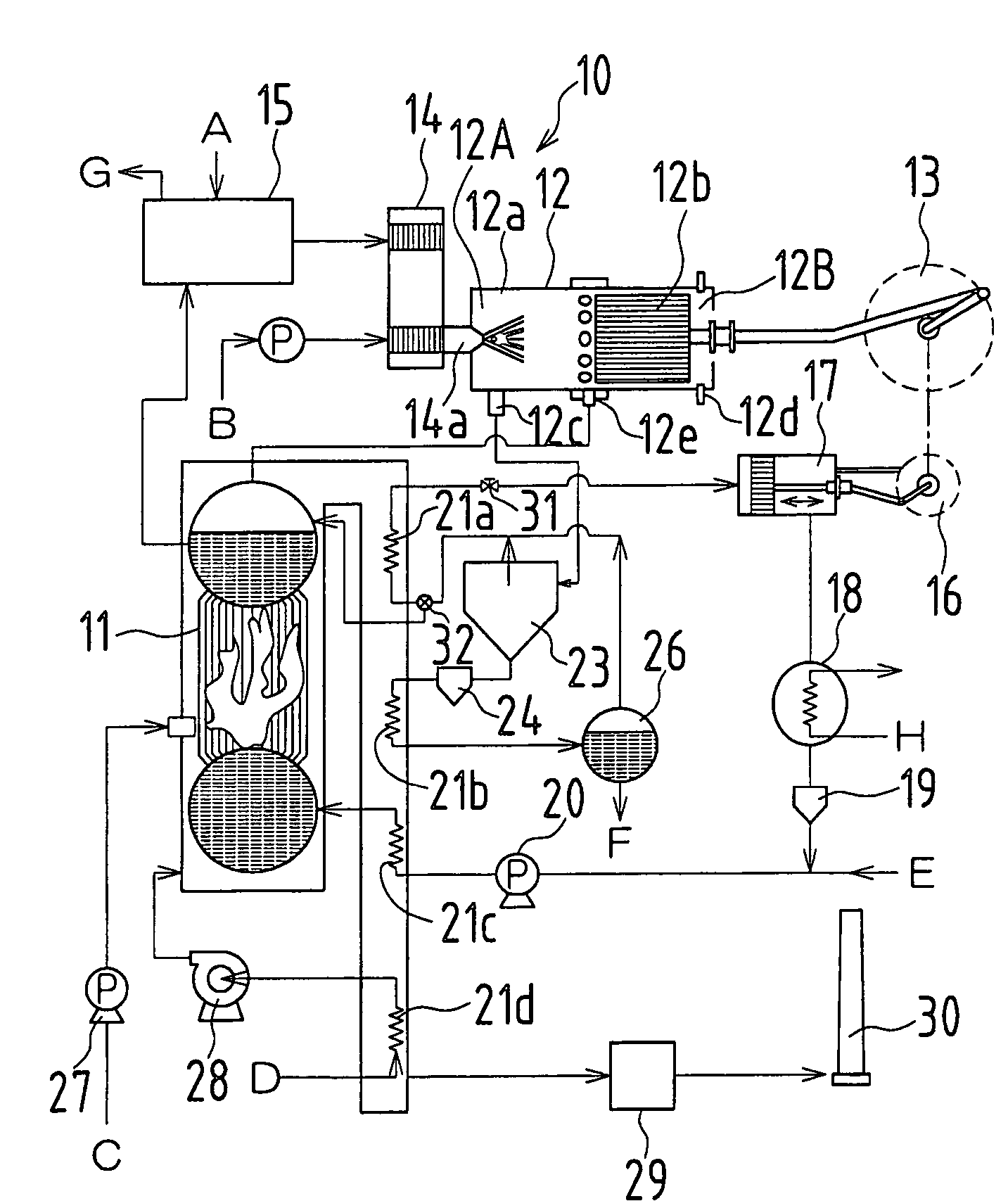
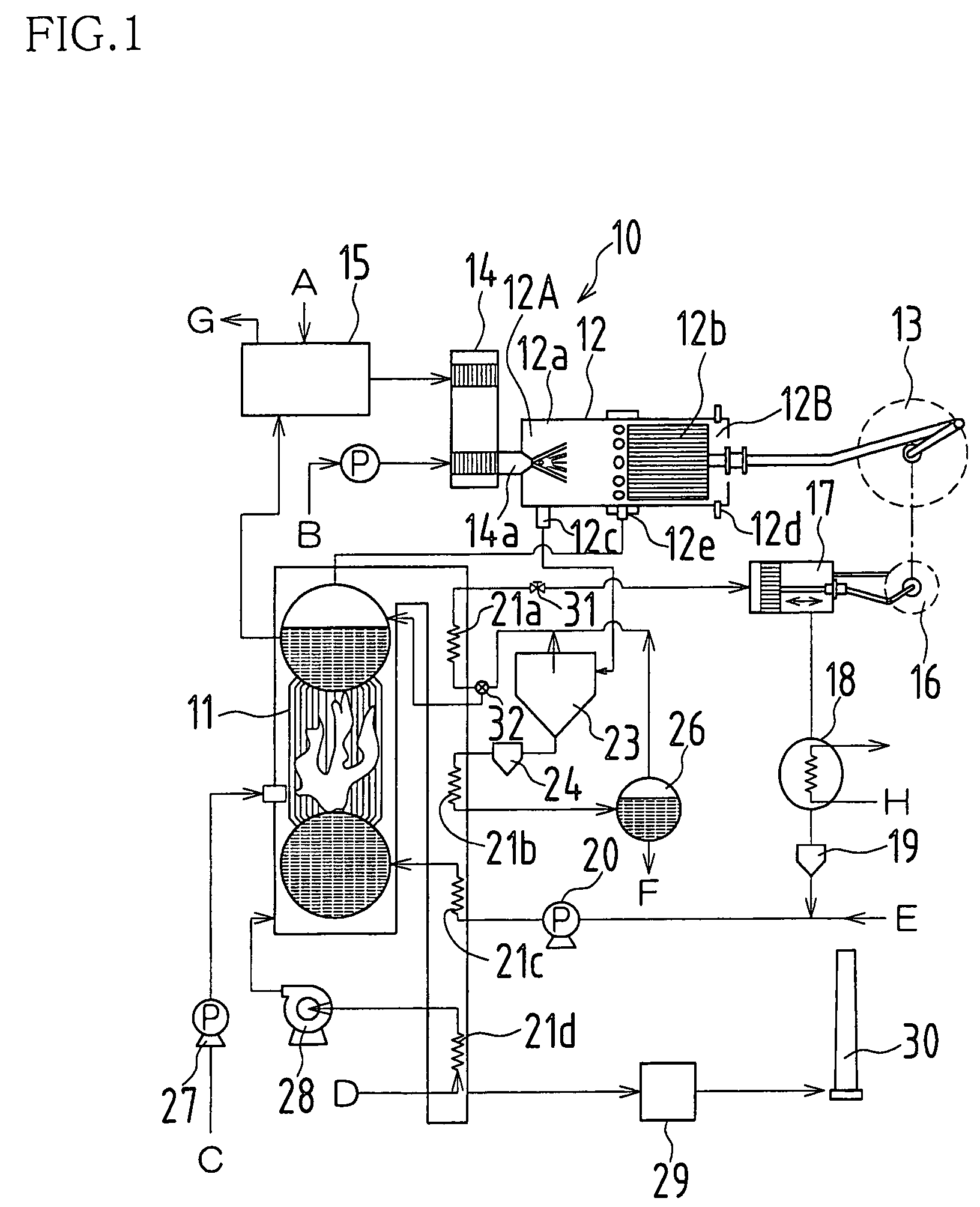
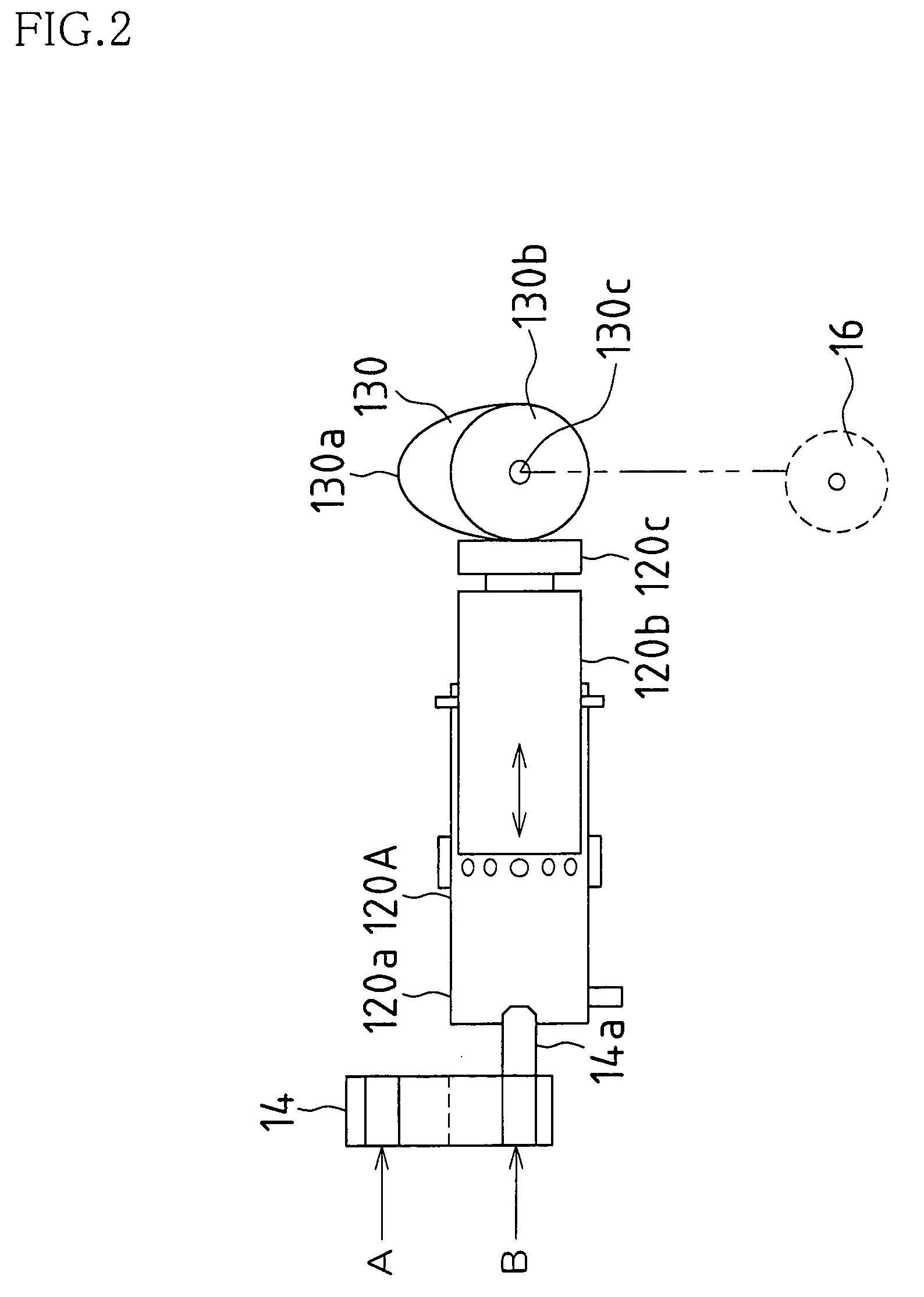
Reaction apparatus for organic and/or other substances employing supercritical fluid or subcritical fluid
PatentInactiveUS7547539B2
Innovation
- A reaction apparatus utilizing reciprocating or rotary mechanisms with pistons and cylinders to compress and expand fluids, allowing for rapid attainment of supercritical states, controlling reaction times, and recovering energy through adiabatic expansion, thereby simplifying the process and reducing energy consumption.

Safety Standards for Supercritical Reactors
Safety standards for supercritical reactors represent a critical framework governing the design, operation, and maintenance of systems operating under extreme thermodynamic conditions. Given that supercritical fluids exist beyond their critical temperature and pressure thresholds, these reactors inherently operate in regimes where conventional safety protocols may prove inadequate. International organizations including ASME, ISO, and various national regulatory bodies have established comprehensive guidelines addressing pressure vessel integrity, material selection, and operational limits specific to supercritical environments. These standards mandate rigorous testing protocols for components exposed to conditions where fluid properties exhibit rapid variations, potentially leading to thermal stress, corrosion acceleration, and structural fatigue.
The regulatory landscape emphasizes containment integrity as paramount, requiring multiple redundant safety systems including pressure relief mechanisms calibrated for supercritical phase transitions. Material specifications demand alloys capable of withstanding not only elevated pressures exceeding 22 MPa but also the unique corrosive characteristics of supercritical fluids, which can exhibit solvent properties dramatically different from their subcritical counterparts. Certification processes necessitate extensive documentation of thermodynamic modeling, failure mode analysis, and emergency response procedures tailored to scenarios such as rapid depressurization or thermal runaway conditions.
Operational safety protocols incorporate real-time monitoring systems tracking critical parameters including temperature gradients, pressure fluctuations, and fluid density variations that signal approaching critical boundaries. Personnel training requirements extend beyond standard chemical processing to encompass specialized understanding of supercritical fluid behavior, particularly regarding the absence of distinct phase boundaries and associated risks. Emergency shutdown procedures must account for the rapid kinetics characteristic of supercritical reactions, often requiring automated intervention systems with response times measured in milliseconds.
Compliance verification involves periodic third-party audits, non-destructive testing of pressure boundaries, and validation of computational models against experimental data. The evolving nature of supercritical applications continues to drive standards development, with recent revisions addressing emerging concerns such as hybrid systems combining supercritical water oxidation with energy recovery, and the integration of advanced materials including ceramic composites in reactor construction.
The regulatory landscape emphasizes containment integrity as paramount, requiring multiple redundant safety systems including pressure relief mechanisms calibrated for supercritical phase transitions. Material specifications demand alloys capable of withstanding not only elevated pressures exceeding 22 MPa but also the unique corrosive characteristics of supercritical fluids, which can exhibit solvent properties dramatically different from their subcritical counterparts. Certification processes necessitate extensive documentation of thermodynamic modeling, failure mode analysis, and emergency response procedures tailored to scenarios such as rapid depressurization or thermal runaway conditions.
Operational safety protocols incorporate real-time monitoring systems tracking critical parameters including temperature gradients, pressure fluctuations, and fluid density variations that signal approaching critical boundaries. Personnel training requirements extend beyond standard chemical processing to encompass specialized understanding of supercritical fluid behavior, particularly regarding the absence of distinct phase boundaries and associated risks. Emergency shutdown procedures must account for the rapid kinetics characteristic of supercritical reactions, often requiring automated intervention systems with response times measured in milliseconds.
Compliance verification involves periodic third-party audits, non-destructive testing of pressure boundaries, and validation of computational models against experimental data. The evolving nature of supercritical applications continues to drive standards development, with recent revisions addressing emerging concerns such as hybrid systems combining supercritical water oxidation with energy recovery, and the integration of advanced materials including ceramic composites in reactor construction.
Environmental Benefits of Supercritical Technologies
Supercritical fluid reactor technologies offer substantial environmental advantages that position them as promising alternatives to conventional chemical processing methods. The unique properties of supercritical fluids, particularly their enhanced mass transfer characteristics and tunable solvent properties, enable more efficient and cleaner chemical transformations. By operating above critical temperature and pressure thresholds, these systems eliminate the need for large volumes of organic solvents traditionally employed in industrial processes, thereby significantly reducing hazardous waste generation and associated disposal challenges.
The application of supercritical water oxidation exemplifies the environmental merit of these technologies, as it achieves complete mineralization of organic pollutants and hazardous wastes at relatively moderate temperatures compared to incineration. This process converts toxic compounds into benign products such as carbon dioxide, water, and inorganic salts without producing harmful emissions like dioxins or nitrogen oxides that plague conventional thermal treatment methods. The closed-loop nature of supercritical systems further minimizes atmospheric releases and enables efficient energy recovery.
Supercritical carbon dioxide extraction represents another environmentally beneficial application, replacing petroleum-based solvents in pharmaceutical, food, and cosmetic industries. This approach eliminates solvent residues in final products while enabling complete solvent recovery and recycling, drastically reducing the carbon footprint of extraction processes. The non-toxic and non-flammable characteristics of supercritical carbon dioxide enhance operational safety while eliminating worker exposure to harmful chemicals.
Energy efficiency constitutes a critical environmental benefit, as supercritical reactors often demonstrate superior heat integration capabilities and reduced separation energy requirements compared to traditional multi-step processes. The enhanced reaction kinetics in supercritical media frequently permit lower operating temperatures and shorter residence times, translating to decreased energy consumption per unit of product. Additionally, the ability to conduct reactions and separations within integrated supercritical systems reduces equipment footprint and material usage, contributing to overall sustainability improvements in chemical manufacturing infrastructure.
The application of supercritical water oxidation exemplifies the environmental merit of these technologies, as it achieves complete mineralization of organic pollutants and hazardous wastes at relatively moderate temperatures compared to incineration. This process converts toxic compounds into benign products such as carbon dioxide, water, and inorganic salts without producing harmful emissions like dioxins or nitrogen oxides that plague conventional thermal treatment methods. The closed-loop nature of supercritical systems further minimizes atmospheric releases and enables efficient energy recovery.
Supercritical carbon dioxide extraction represents another environmentally beneficial application, replacing petroleum-based solvents in pharmaceutical, food, and cosmetic industries. This approach eliminates solvent residues in final products while enabling complete solvent recovery and recycling, drastically reducing the carbon footprint of extraction processes. The non-toxic and non-flammable characteristics of supercritical carbon dioxide enhance operational safety while eliminating worker exposure to harmful chemicals.
Energy efficiency constitutes a critical environmental benefit, as supercritical reactors often demonstrate superior heat integration capabilities and reduced separation energy requirements compared to traditional multi-step processes. The enhanced reaction kinetics in supercritical media frequently permit lower operating temperatures and shorter residence times, translating to decreased energy consumption per unit of product. Additionally, the ability to conduct reactions and separations within integrated supercritical systems reduces equipment footprint and material usage, contributing to overall sustainability improvements in chemical manufacturing infrastructure.
Unlock deeper insights with Patsnap Eureka Quick Research — get a full tech report to explore trends and direct your research. Try now!
Generate Your Research Report Instantly with AI Agent
Supercharge your innovation with Patsnap Eureka AI Agent Platform!