

Unifying Data Streams in Machine Vision System Protocols
APR 3, 20269 MIN READ
Generate Your Research Report Instantly with AI Agent
Patsnap Eureka helps you evaluate technical feasibility & market potential.
Machine Vision Data Stream Integration Background and Objectives
Machine vision systems have evolved from isolated, single-camera setups to complex multi-sensor networks that generate massive volumes of heterogeneous data streams. The proliferation of diverse imaging technologies, including RGB cameras, infrared sensors, LiDAR, depth cameras, and hyperspectral imagers, has created an unprecedented challenge in data integration and protocol standardization. Each sensor type operates with distinct data formats, transmission protocols, and timing requirements, leading to fragmented data ecosystems that hinder system-wide optimization and real-time decision-making capabilities.
The historical development of machine vision protocols has been characterized by vendor-specific implementations and proprietary communication standards. Early systems relied on simple analog video signals and basic digital interfaces like Camera Link and FireWire. However, the emergence of Industry 4.0 and smart manufacturing has demanded more sophisticated data handling capabilities, driving the need for unified protocol architectures that can seamlessly integrate multiple data streams while maintaining low latency and high reliability.
Current market demands are pushing toward intelligent automation systems that require real-time fusion of multiple sensor inputs for enhanced accuracy and robustness. Applications in autonomous vehicles, industrial quality control, medical imaging, and robotics necessitate synchronized data streams from various sensors to enable comprehensive scene understanding and precise control actions. The lack of standardized integration protocols creates bottlenecks in system scalability and interoperability.
The primary objective of unifying data streams in machine vision protocols is to establish a comprehensive framework that enables seamless integration of heterogeneous sensor data while maintaining optimal performance characteristics. This involves developing standardized communication protocols that can handle varying data rates, formats, and timing requirements across different sensor modalities. The unified approach aims to reduce system complexity, improve data synchronization accuracy, and enable more efficient resource utilization.
Furthermore, the integration framework seeks to provide flexible scalability for future sensor technologies and emerging applications. By establishing common data representation standards and communication interfaces, the unified protocol system will facilitate rapid deployment of new sensor types and enable dynamic reconfiguration of sensor networks based on application requirements and environmental conditions.
The historical development of machine vision protocols has been characterized by vendor-specific implementations and proprietary communication standards. Early systems relied on simple analog video signals and basic digital interfaces like Camera Link and FireWire. However, the emergence of Industry 4.0 and smart manufacturing has demanded more sophisticated data handling capabilities, driving the need for unified protocol architectures that can seamlessly integrate multiple data streams while maintaining low latency and high reliability.
Current market demands are pushing toward intelligent automation systems that require real-time fusion of multiple sensor inputs for enhanced accuracy and robustness. Applications in autonomous vehicles, industrial quality control, medical imaging, and robotics necessitate synchronized data streams from various sensors to enable comprehensive scene understanding and precise control actions. The lack of standardized integration protocols creates bottlenecks in system scalability and interoperability.
The primary objective of unifying data streams in machine vision protocols is to establish a comprehensive framework that enables seamless integration of heterogeneous sensor data while maintaining optimal performance characteristics. This involves developing standardized communication protocols that can handle varying data rates, formats, and timing requirements across different sensor modalities. The unified approach aims to reduce system complexity, improve data synchronization accuracy, and enable more efficient resource utilization.
Furthermore, the integration framework seeks to provide flexible scalability for future sensor technologies and emerging applications. By establishing common data representation standards and communication interfaces, the unified protocol system will facilitate rapid deployment of new sensor types and enable dynamic reconfiguration of sensor networks based on application requirements and environmental conditions.
Market Demand for Unified Machine Vision Systems
The industrial automation sector is experiencing unprecedented demand for unified machine vision systems as manufacturers seek to optimize production efficiency and reduce operational complexity. Traditional machine vision implementations often rely on disparate protocols and proprietary data formats, creating significant integration challenges that hinder scalability and increase maintenance costs. This fragmentation has become a critical bottleneck as Industry 4.0 initiatives require seamless data flow across multiple vision nodes and processing units.
Manufacturing enterprises are increasingly prioritizing standardized vision system architectures that can accommodate diverse sensor types, processing algorithms, and output formats within a single unified framework. The automotive industry leads this demand, where quality control processes require real-time coordination between multiple vision stations for defect detection, dimensional measurement, and assembly verification. Electronics manufacturing follows closely, driven by the need for high-precision inspection systems that can adapt to rapidly changing product specifications.
The pharmaceutical and food processing industries represent emerging high-growth segments for unified machine vision solutions. Regulatory compliance requirements in these sectors necessitate comprehensive traceability and data integrity, making protocol standardization essential for audit trails and quality documentation. These industries require vision systems that can seamlessly integrate with existing enterprise resource planning systems while maintaining strict data validation protocols.
Small and medium-sized enterprises constitute a significant untapped market segment, previously excluded from advanced machine vision deployment due to complexity and cost barriers. Unified protocols promise to democratize access to sophisticated vision capabilities by reducing implementation complexity and enabling plug-and-play integration with existing production equipment.
The rise of edge computing and artificial intelligence integration has further amplified market demand for standardized data streaming protocols. Modern vision applications require real-time processing capabilities that can distribute computational loads across multiple nodes while maintaining data consistency and synchronization. This technological shift has created urgent requirements for protocol frameworks that can handle high-bandwidth data streams while supporting distributed processing architectures.
Market research indicates strong preference for open-standard solutions over proprietary alternatives, reflecting enterprise concerns about vendor lock-in and long-term system flexibility. Organizations are actively seeking vision system architectures that support multi-vendor environments and can evolve with advancing technology standards without requiring complete system replacement.
Manufacturing enterprises are increasingly prioritizing standardized vision system architectures that can accommodate diverse sensor types, processing algorithms, and output formats within a single unified framework. The automotive industry leads this demand, where quality control processes require real-time coordination between multiple vision stations for defect detection, dimensional measurement, and assembly verification. Electronics manufacturing follows closely, driven by the need for high-precision inspection systems that can adapt to rapidly changing product specifications.
The pharmaceutical and food processing industries represent emerging high-growth segments for unified machine vision solutions. Regulatory compliance requirements in these sectors necessitate comprehensive traceability and data integrity, making protocol standardization essential for audit trails and quality documentation. These industries require vision systems that can seamlessly integrate with existing enterprise resource planning systems while maintaining strict data validation protocols.
Small and medium-sized enterprises constitute a significant untapped market segment, previously excluded from advanced machine vision deployment due to complexity and cost barriers. Unified protocols promise to democratize access to sophisticated vision capabilities by reducing implementation complexity and enabling plug-and-play integration with existing production equipment.
The rise of edge computing and artificial intelligence integration has further amplified market demand for standardized data streaming protocols. Modern vision applications require real-time processing capabilities that can distribute computational loads across multiple nodes while maintaining data consistency and synchronization. This technological shift has created urgent requirements for protocol frameworks that can handle high-bandwidth data streams while supporting distributed processing architectures.
Market research indicates strong preference for open-standard solutions over proprietary alternatives, reflecting enterprise concerns about vendor lock-in and long-term system flexibility. Organizations are actively seeking vision system architectures that support multi-vendor environments and can evolve with advancing technology standards without requiring complete system replacement.
Current Challenges in Vision System Protocol Standardization
The standardization of machine vision system protocols faces significant fragmentation across different industry verticals and application domains. Currently, multiple competing standards exist simultaneously, including GigE Vision, USB3 Vision, CoaXPress, and Camera Link, each optimized for specific use cases but lacking comprehensive interoperability. This fragmentation creates substantial integration challenges when organizations attempt to deploy multi-vendor vision systems or migrate between different hardware platforms.
Legacy protocol dependencies represent another critical challenge in achieving unified data streams. Many established manufacturing environments rely on proprietary communication protocols developed decades ago, which were designed for specific hardware configurations and lack the flexibility to accommodate modern high-bandwidth imaging requirements. These legacy systems often operate with fixed data formats and limited scalability, making it extremely difficult to integrate contemporary vision technologies without complete system overhauls.
Real-time performance requirements create additional complexity in protocol standardization efforts. Different applications demand varying latency tolerances, from microsecond-critical robotics applications to more flexible quality inspection systems. Current standardization attempts struggle to balance the need for universal compatibility with the performance optimization required for time-sensitive applications, often resulting in compromises that satisfy neither requirement adequately.
Data format heterogeneity poses substantial obstacles to seamless protocol unification. Vision systems generate diverse data types including raw sensor data, compressed images, metadata, calibration parameters, and processing results, each requiring different handling mechanisms. Existing protocols often excel in managing specific data types but fail to provide comprehensive solutions for mixed-format data streams, leading to complex translation layers and potential data integrity issues.
Bandwidth and latency optimization challenges become increasingly critical as image resolutions and frame rates continue to escalate. Modern vision applications frequently require simultaneous transmission of multiple high-resolution data streams, pushing existing protocol infrastructures beyond their designed capacity limits. The lack of standardized compression and prioritization mechanisms across different protocols results in inefficient bandwidth utilization and unpredictable system performance.
Security and authentication standardization remains largely underdeveloped in current vision system protocols. Most existing standards were designed primarily for closed industrial networks and lack robust security frameworks necessary for modern connected manufacturing environments. This security gap creates significant vulnerabilities when vision systems are integrated into broader industrial IoT ecosystems, requiring additional security layers that further complicate protocol implementation and maintenance.
Legacy protocol dependencies represent another critical challenge in achieving unified data streams. Many established manufacturing environments rely on proprietary communication protocols developed decades ago, which were designed for specific hardware configurations and lack the flexibility to accommodate modern high-bandwidth imaging requirements. These legacy systems often operate with fixed data formats and limited scalability, making it extremely difficult to integrate contemporary vision technologies without complete system overhauls.
Real-time performance requirements create additional complexity in protocol standardization efforts. Different applications demand varying latency tolerances, from microsecond-critical robotics applications to more flexible quality inspection systems. Current standardization attempts struggle to balance the need for universal compatibility with the performance optimization required for time-sensitive applications, often resulting in compromises that satisfy neither requirement adequately.
Data format heterogeneity poses substantial obstacles to seamless protocol unification. Vision systems generate diverse data types including raw sensor data, compressed images, metadata, calibration parameters, and processing results, each requiring different handling mechanisms. Existing protocols often excel in managing specific data types but fail to provide comprehensive solutions for mixed-format data streams, leading to complex translation layers and potential data integrity issues.
Bandwidth and latency optimization challenges become increasingly critical as image resolutions and frame rates continue to escalate. Modern vision applications frequently require simultaneous transmission of multiple high-resolution data streams, pushing existing protocol infrastructures beyond their designed capacity limits. The lack of standardized compression and prioritization mechanisms across different protocols results in inefficient bandwidth utilization and unpredictable system performance.
Security and authentication standardization remains largely underdeveloped in current vision system protocols. Most existing standards were designed primarily for closed industrial networks and lack robust security frameworks necessary for modern connected manufacturing environments. This security gap creates significant vulnerabilities when vision systems are integrated into broader industrial IoT ecosystems, requiring additional security layers that further complicate protocol implementation and maintenance.
Existing Data Stream Unification Solutions
01 Real-time data streaming protocols for machine vision systems
Machine vision systems utilize specialized protocols to enable real-time streaming of image and video data. These protocols are designed to handle high-bandwidth data transmission with minimal latency, ensuring that visual information is captured, processed, and transmitted efficiently. The protocols support continuous data flow from cameras and sensors to processing units, enabling immediate analysis and decision-making in automated inspection and monitoring applications.- Data stream processing and transmission protocols in machine vision systems: Machine vision systems utilize specialized protocols for processing and transmitting data streams captured by imaging devices. These protocols enable efficient handling of high-bandwidth visual data, ensuring real-time or near-real-time processing capabilities. The protocols define data packet structures, transmission sequences, and error handling mechanisms to maintain data integrity during transfer between vision sensors and processing units.
- Network communication architectures for vision data streaming: Network architectures are designed to support the streaming of vision data across distributed systems. These architectures implement various communication layers and protocols to facilitate data exchange between cameras, processors, and control systems. The systems may employ standard networking protocols adapted for vision applications or proprietary protocols optimized for specific machine vision requirements, enabling scalable and flexible deployment configurations.
- Real-time data synchronization and buffering mechanisms: Synchronization mechanisms ensure temporal alignment of multiple data streams in machine vision systems. Buffering techniques are employed to manage varying data rates and processing speeds, preventing data loss and maintaining system responsiveness. These mechanisms coordinate the timing of image capture, data transmission, and processing operations to ensure coherent analysis of visual information from multiple sources or time sequences.
- Data compression and encoding for vision stream optimization: Compression and encoding techniques are applied to vision data streams to reduce bandwidth requirements and storage demands while preserving essential visual information. These methods may include lossless or lossy compression algorithms specifically tailored for image and video data. The optimization strategies balance data quality requirements against transmission speed and storage capacity constraints in machine vision applications.
- Protocol standardization and interoperability frameworks: Standardization efforts establish common protocols and interfaces to enable interoperability between different machine vision components and systems. These frameworks define communication standards, data formats, and command structures that allow devices from various manufacturers to work together seamlessly. The standardization facilitates system integration, reduces development complexity, and enables modular system architectures in industrial and commercial vision applications.
02 Network communication architectures for vision data transmission
Advanced network architectures facilitate the transmission of vision data across distributed systems. These architectures implement standardized communication frameworks that allow multiple vision devices to share data streams over various network topologies. The systems support both wired and wireless connections, enabling scalable deployment of vision systems in industrial and commercial environments while maintaining data integrity and synchronization across multiple nodes.Expand Specific Solutions03 Data compression and encoding methods for vision streams
Efficient data compression and encoding techniques are employed to optimize the transmission of large-volume vision data streams. These methods reduce bandwidth requirements while preserving image quality necessary for accurate analysis. Various encoding algorithms are implemented to balance compression ratios with processing speed, enabling practical deployment of high-resolution vision systems over limited bandwidth connections.Expand Specific Solutions04 Synchronization mechanisms for multi-camera vision systems
Synchronization protocols coordinate data streams from multiple cameras and sensors in machine vision applications. These mechanisms ensure temporal alignment of data from different sources, which is critical for applications requiring stereoscopic vision, object tracking, or comprehensive scene analysis. The protocols manage timing signals and data buffering to maintain coherent multi-stream processing.Expand Specific Solutions05 Quality of service management for vision data protocols
Quality of service mechanisms prioritize and manage vision data streams to ensure reliable delivery under varying network conditions. These systems implement traffic management, error correction, and adaptive streaming techniques to maintain consistent performance. The protocols dynamically adjust transmission parameters based on network capacity and application requirements, ensuring critical vision data reaches its destination with appropriate priority and minimal packet loss.Expand Specific Solutions
Major Players in Machine Vision and Protocol Development
The machine vision system protocol unification market is experiencing rapid growth driven by increasing automation demands across industries, with the market expanding significantly as manufacturers seek standardized data integration solutions. The industry is transitioning from fragmented proprietary protocols to unified standards, creating substantial opportunities for interoperability solutions. Technology maturity varies considerably among key players: established giants like Sony Group Corp., Cognex Corp., and Texas Instruments lead with mature imaging and processing technologies, while Qualcomm and Huawei drive advanced connectivity solutions. Hikvision dominates surveillance applications, IBM and Oracle provide enterprise integration platforms, and emerging players like Tomahawk Robotics and CTRL-Labs introduce innovative control interfaces. The competitive landscape shows a convergence toward standardized protocols, with semiconductor leaders, vision specialists, and software providers collaborating to address the critical need for seamless data stream unification across diverse machine vision architectures and industrial applications.
Cognex Corp.
Technical Solution: Cognex develops comprehensive machine vision systems that integrate multiple data streams through their VisionPro software platform. Their approach utilizes standardized communication protocols including GigE Vision, USB3 Vision, and Camera Link to unify data from various imaging sensors, 3D cameras, and barcode readers. The system employs real-time data fusion algorithms that synchronize multiple camera feeds with sub-millisecond precision, enabling seamless integration of 2D inspection, 3D measurement, and identification data streams. Their PatMax pattern matching technology processes unified visual data streams at speeds exceeding 1000 parts per minute while maintaining high accuracy rates above 99.9%. The platform supports industrial communication standards like EtherNet/IP and PROFINET for enterprise-level data integration.
Strengths: Industry-leading accuracy in pattern recognition and measurement, robust real-time processing capabilities. Weaknesses: Higher cost compared to generic solutions, primarily focused on industrial applications with limited consumer market presence.
Texas Instruments Incorporated
Technical Solution: Texas Instruments provides semiconductor solutions for machine vision data stream unification through their Sitara processors and DaVinci digital signal processors. Their approach focuses on hardware-level data fusion, enabling real-time processing of multiple camera inputs with integrated image signal processors that handle up to 8 simultaneous video streams at 4K resolution. The TI Vision SDK provides software frameworks for unified data processing, supporting OpenCV, OpenVX, and proprietary algorithms for multi-sensor fusion. Their processors integrate ARM Cortex cores with dedicated vision accelerators, achieving processing speeds of up to 40 GOPS while consuming less than 10W power. The platform supports various interface standards including MIPI CSI-2, parallel camera interfaces, and high-speed serial protocols for comprehensive data stream integration.
Strengths: Low power consumption, high processing efficiency, comprehensive development tools and SDK support. Weaknesses: Requires significant embedded systems expertise, limited ready-to-use software solutions compared to complete system providers.
Core Technologies for Protocol Integration and Standardization
Method and system for correlating data streams
PatentInactiveUS6993246B1
Innovation
- A method and apparatus that correlate data streams using time-stamps and positional information by generating data pointers for detected events, allowing for synchronization of audio, video, and text streams during playback, even when presented asynchronously, by maintaining an index file with event-data pointer records.
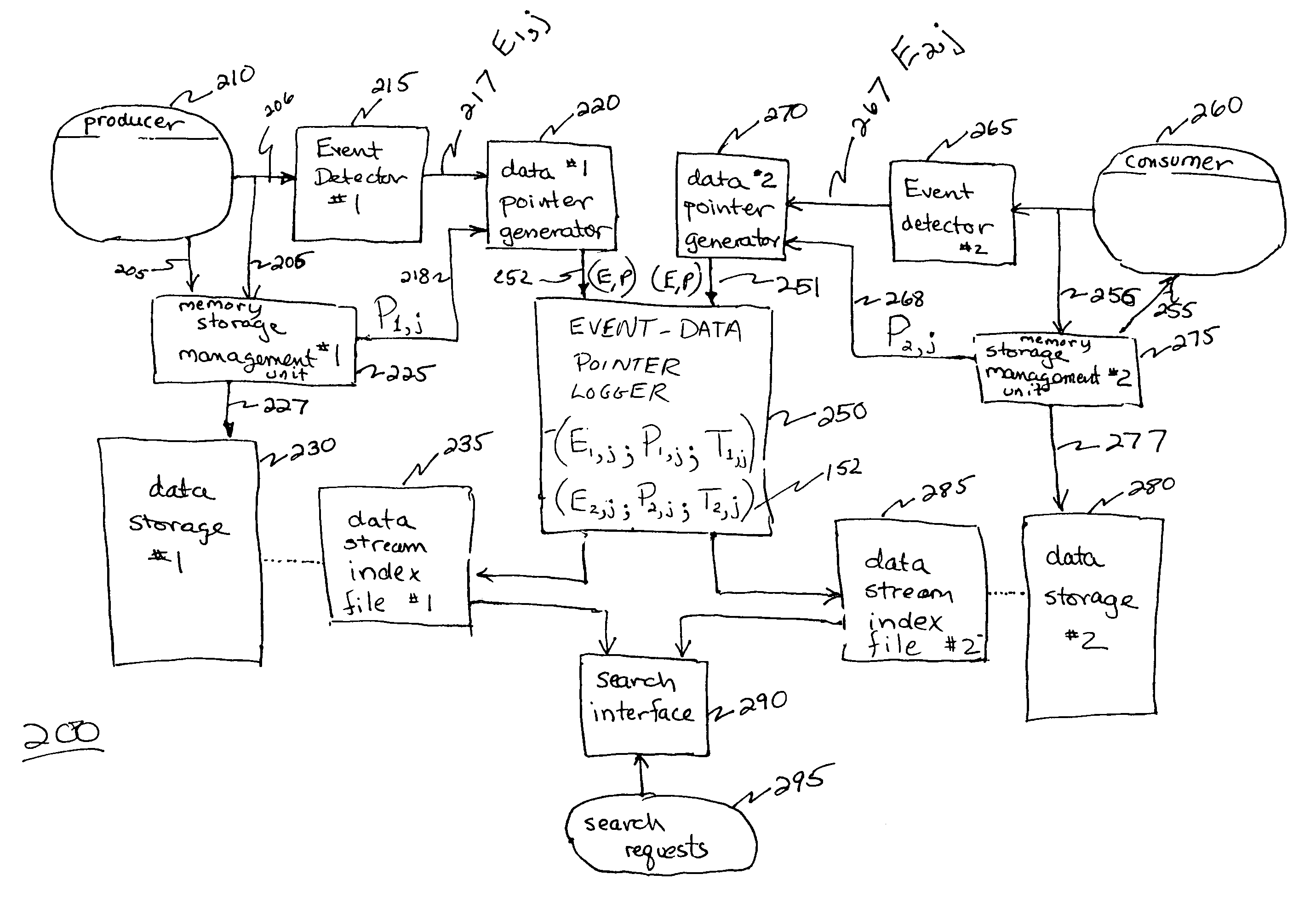
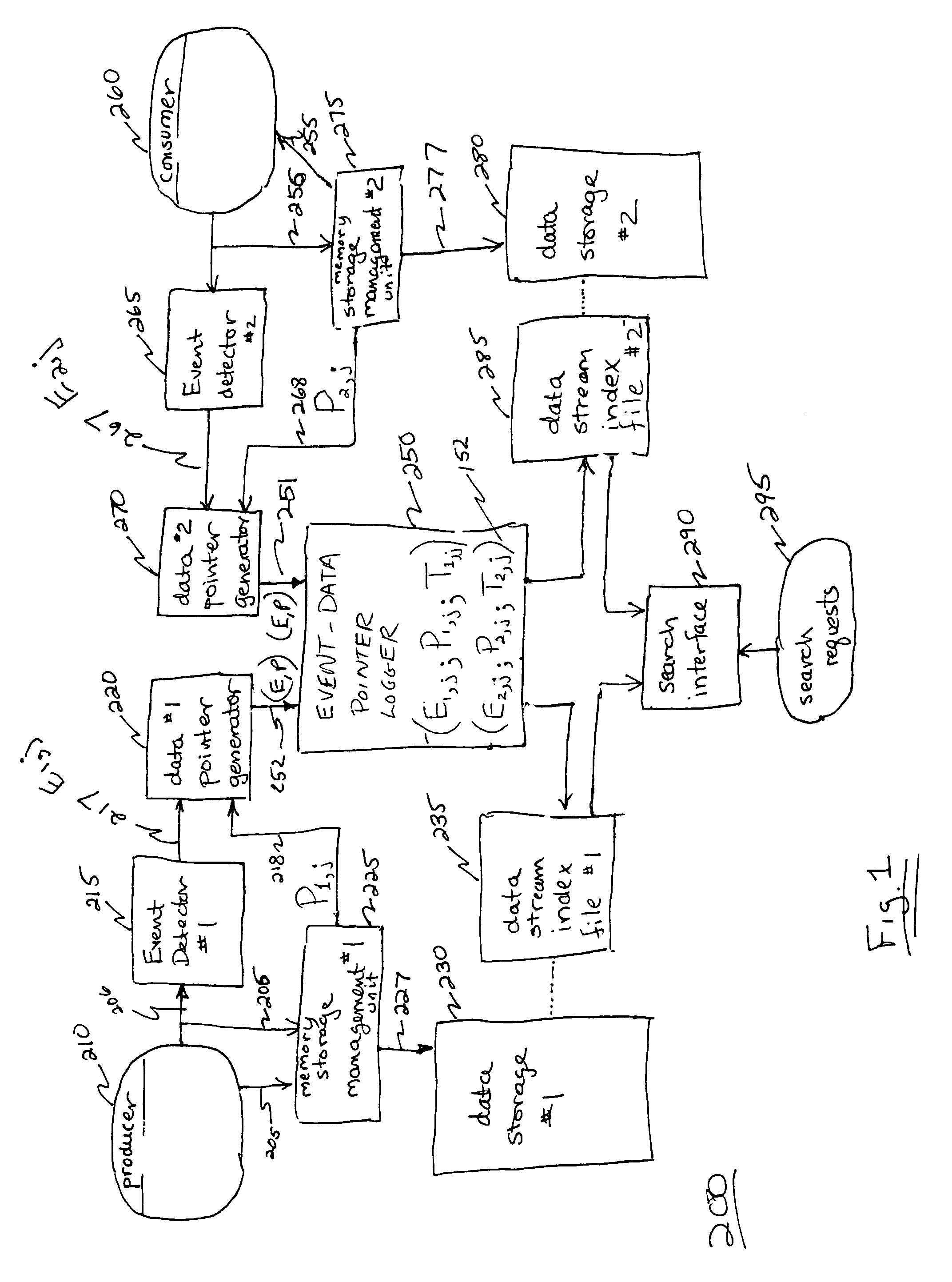
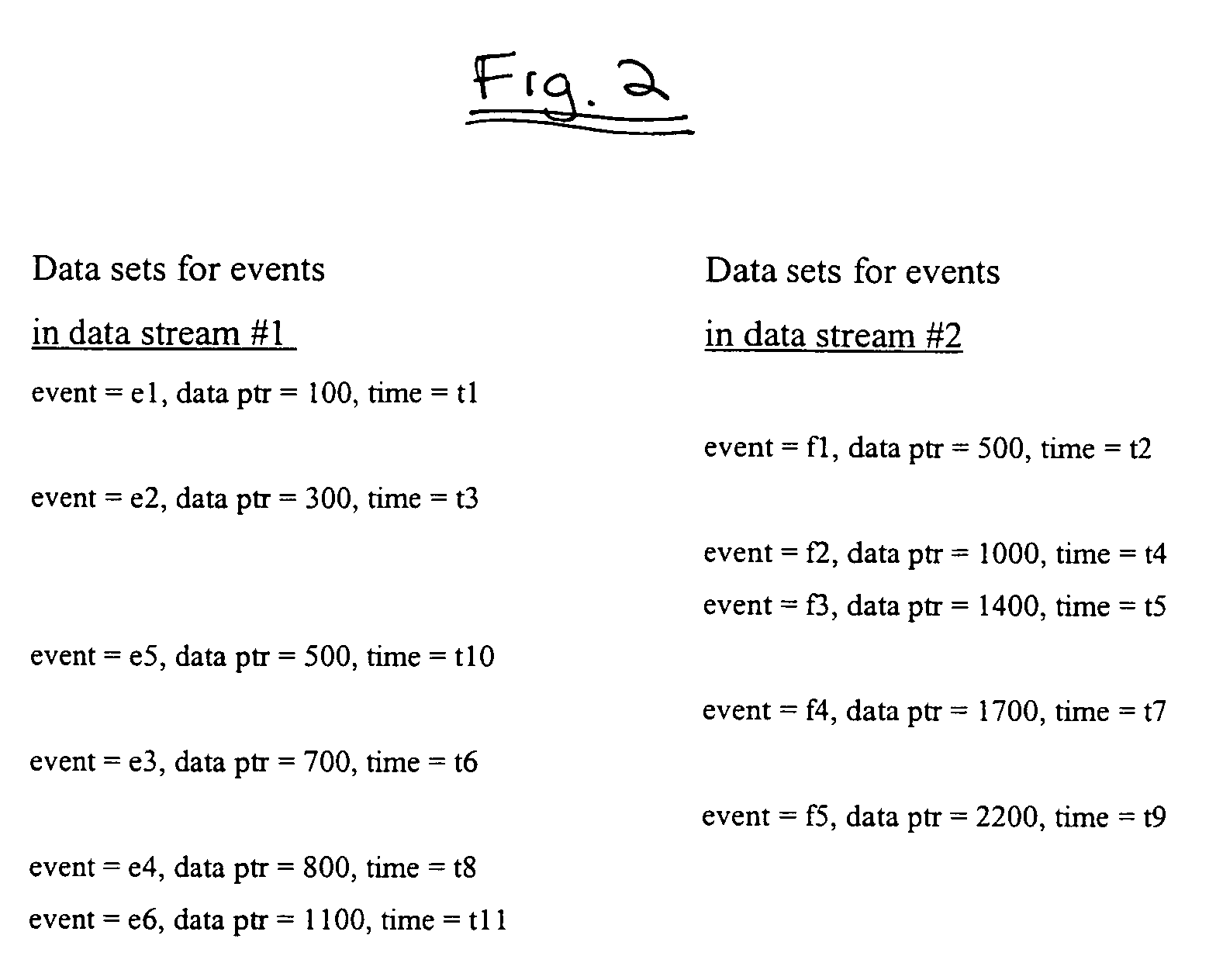

Clocked output of multiple data streams from a common data port
PatentActiveUS8306128B2
Innovation
- A system where multiple data streams are interleaved and presented on a common data bus with phase-shifted clock signals, allowing destinations to receive data streams at a conventional clock rate, compatible with existing standards, without the need for additional pins or conductors.


Industrial Standards and Compliance Requirements
The unification of data streams in machine vision systems operates within a complex regulatory landscape that encompasses multiple industrial standards and compliance frameworks. These requirements serve as fundamental constraints that shape system architecture, data handling protocols, and interoperability specifications across diverse manufacturing environments.
ISO/IEC 27001 information security management standards establish critical requirements for data protection and cybersecurity measures in machine vision systems. Organizations must implement comprehensive security controls to protect sensitive production data, intellectual property, and operational information transmitted through unified data streams. This includes encryption protocols, access control mechanisms, and audit trail requirements that directly impact system design decisions.
The IEC 61508 functional safety standard plays a pivotal role in safety-critical applications where machine vision systems contribute to automated decision-making processes. Compliance requires rigorous validation of data stream integrity, fault detection capabilities, and fail-safe mechanisms. Systems must demonstrate systematic capability levels and implement redundancy measures to meet Safety Integrity Level requirements, particularly in automotive, pharmaceutical, and heavy industrial applications.
Industry 4.0 compliance frameworks, including the Reference Architecture Model Industrie 4.0, mandate specific communication protocols and data exchange standards. These requirements influence the selection of communication interfaces, data formatting specifications, and semantic interoperability measures. Organizations must ensure their unified data stream implementations support standardized communication patterns while maintaining backward compatibility with legacy systems.
Regional regulatory requirements add additional complexity layers to compliance considerations. European GDPR regulations impact data handling procedures when machine vision systems process personally identifiable information. Similarly, FDA validation requirements for pharmaceutical and medical device manufacturing impose stringent documentation and traceability standards that affect data stream architecture and retention policies.
Sector-specific standards such as SEMI E164 for semiconductor manufacturing and ISO 26262 for automotive applications establish domain-specific requirements for data integrity, timing constraints, and quality assurance measures. These standards often mandate specific communication protocols, data validation procedures, and performance benchmarks that influence unified data stream implementation strategies.
Compliance verification processes require comprehensive documentation, testing protocols, and certification procedures that can significantly impact project timelines and resource allocation. Organizations must establish robust quality management systems and maintain detailed compliance records to demonstrate adherence to applicable standards throughout the system lifecycle.
ISO/IEC 27001 information security management standards establish critical requirements for data protection and cybersecurity measures in machine vision systems. Organizations must implement comprehensive security controls to protect sensitive production data, intellectual property, and operational information transmitted through unified data streams. This includes encryption protocols, access control mechanisms, and audit trail requirements that directly impact system design decisions.
The IEC 61508 functional safety standard plays a pivotal role in safety-critical applications where machine vision systems contribute to automated decision-making processes. Compliance requires rigorous validation of data stream integrity, fault detection capabilities, and fail-safe mechanisms. Systems must demonstrate systematic capability levels and implement redundancy measures to meet Safety Integrity Level requirements, particularly in automotive, pharmaceutical, and heavy industrial applications.
Industry 4.0 compliance frameworks, including the Reference Architecture Model Industrie 4.0, mandate specific communication protocols and data exchange standards. These requirements influence the selection of communication interfaces, data formatting specifications, and semantic interoperability measures. Organizations must ensure their unified data stream implementations support standardized communication patterns while maintaining backward compatibility with legacy systems.
Regional regulatory requirements add additional complexity layers to compliance considerations. European GDPR regulations impact data handling procedures when machine vision systems process personally identifiable information. Similarly, FDA validation requirements for pharmaceutical and medical device manufacturing impose stringent documentation and traceability standards that affect data stream architecture and retention policies.
Sector-specific standards such as SEMI E164 for semiconductor manufacturing and ISO 26262 for automotive applications establish domain-specific requirements for data integrity, timing constraints, and quality assurance measures. These standards often mandate specific communication protocols, data validation procedures, and performance benchmarks that influence unified data stream implementation strategies.
Compliance verification processes require comprehensive documentation, testing protocols, and certification procedures that can significantly impact project timelines and resource allocation. Organizations must establish robust quality management systems and maintain detailed compliance records to demonstrate adherence to applicable standards throughout the system lifecycle.
Interoperability Challenges in Multi-Vendor Vision Ecosystems
The proliferation of machine vision systems across industrial automation has created a complex ecosystem where multiple vendors' solutions must coexist and communicate effectively. This multi-vendor environment presents significant interoperability challenges that fundamentally impact the ability to unify data streams across heterogeneous vision system protocols. The core challenge stems from the absence of universally adopted standards and the prevalence of proprietary communication protocols that create data silos within integrated manufacturing environments.
Protocol fragmentation represents one of the most critical barriers to seamless data stream unification. Major vision system manufacturers have developed proprietary protocols optimized for their specific hardware architectures and software frameworks. These protocols often employ different data encoding schemes, transmission methods, and timing synchronization mechanisms. When attempting to integrate systems from multiple vendors, engineers encounter incompatible data formats that require extensive translation layers, introducing latency and potential data integrity issues.
Communication interface diversity further complicates interoperability efforts. Vision systems utilize various physical and logical communication standards including GigE Vision, USB3 Vision, Camera Link, CoaXPress, and emerging protocols like MIPI CSI-2. Each protocol offers distinct advantages in terms of bandwidth, distance capabilities, and power consumption, but their coexistence within a single system creates integration complexity. The challenge intensifies when real-time synchronization is required across different protocol domains.
Data semantic inconsistencies pose another significant obstacle to unified data stream management. Different vendors implement varying approaches to metadata representation, coordinate system definitions, and measurement unit specifications. These semantic differences create ambiguity when aggregating data from multiple sources, potentially leading to misinterpretation of critical inspection results or measurement data.
Legacy system integration amplifies interoperability challenges, particularly in established manufacturing environments where older vision systems must interface with modern solutions. These legacy systems often lack standardized APIs or employ obsolete communication protocols that are incompatible with contemporary data stream unification architectures. The economic constraints of replacing functional legacy equipment necessitate complex bridging solutions that can introduce additional failure points.
Timing synchronization across multi-vendor ecosystems presents technical challenges that directly impact data stream coherence. Different vision systems may operate with varying clock domains, trigger mechanisms, and processing latencies. Achieving precise temporal alignment of data streams becomes increasingly difficult as the number of vendor-specific systems increases, particularly in applications requiring microsecond-level synchronization accuracy for high-speed inspection or measurement tasks.
Protocol fragmentation represents one of the most critical barriers to seamless data stream unification. Major vision system manufacturers have developed proprietary protocols optimized for their specific hardware architectures and software frameworks. These protocols often employ different data encoding schemes, transmission methods, and timing synchronization mechanisms. When attempting to integrate systems from multiple vendors, engineers encounter incompatible data formats that require extensive translation layers, introducing latency and potential data integrity issues.
Communication interface diversity further complicates interoperability efforts. Vision systems utilize various physical and logical communication standards including GigE Vision, USB3 Vision, Camera Link, CoaXPress, and emerging protocols like MIPI CSI-2. Each protocol offers distinct advantages in terms of bandwidth, distance capabilities, and power consumption, but their coexistence within a single system creates integration complexity. The challenge intensifies when real-time synchronization is required across different protocol domains.
Data semantic inconsistencies pose another significant obstacle to unified data stream management. Different vendors implement varying approaches to metadata representation, coordinate system definitions, and measurement unit specifications. These semantic differences create ambiguity when aggregating data from multiple sources, potentially leading to misinterpretation of critical inspection results or measurement data.
Legacy system integration amplifies interoperability challenges, particularly in established manufacturing environments where older vision systems must interface with modern solutions. These legacy systems often lack standardized APIs or employ obsolete communication protocols that are incompatible with contemporary data stream unification architectures. The economic constraints of replacing functional legacy equipment necessitate complex bridging solutions that can introduce additional failure points.
Timing synchronization across multi-vendor ecosystems presents technical challenges that directly impact data stream coherence. Different vision systems may operate with varying clock domains, trigger mechanisms, and processing latencies. Achieving precise temporal alignment of data streams becomes increasingly difficult as the number of vendor-specific systems increases, particularly in applications requiring microsecond-level synchronization accuracy for high-speed inspection or measurement tasks.
Unlock deeper insights with Patsnap Eureka Quick Research — get a full tech report to explore trends and direct your research. Try now!
Generate Your Research Report Instantly with AI Agent
Supercharge your innovation with Patsnap Eureka AI Agent Platform!