
Validate Electric Potential Grounding in Data Centers
OCT 9, 20269 MIN READ
Generate Your Research Report Instantly with AI Agent
Patsnap Eureka helps you evaluate technical feasibility & market potential.
Data Center Grounding Background and Objectives
Electric potential grounding systems have evolved as critical infrastructure components in modern data centers, where they serve as the foundation for electrical safety, equipment protection, and operational reliability. The concept of grounding originated from basic electrical safety principles but has transformed into a sophisticated engineering discipline as data centers have grown in scale and complexity. Early data center facilities relied on simple grounding schemes adapted from traditional building electrical systems, but the proliferation of sensitive electronic equipment, high-density computing loads, and stringent uptime requirements has necessitated more advanced grounding validation methodologies.
The validation of electric potential grounding in data centers addresses a fundamental challenge: ensuring that all conductive surfaces, equipment frames, and electrical systems maintain proper equipotential bonding to prevent voltage differentials that could damage equipment or create safety hazards. As data centers have transitioned to support cloud computing, artificial intelligence workloads, and edge computing architectures, the electrical infrastructure has become increasingly complex, with multiple power distribution paths, diverse equipment types, and higher power densities reaching 20-30 kW per rack or more.
The primary objective of grounding validation is to verify that the implemented grounding system maintains electrical potential differences within acceptable thresholds across all critical points in the facility. This involves measuring resistance values, verifying bonding continuity, and ensuring compliance with international standards such as IEEE 1100, TIA-942, and IEC standards. Effective validation must detect potential issues including inadequate bonding connections, corrosion-induced resistance increases, and ground loop formations that can introduce noise into sensitive circuits.
Beyond basic safety compliance, modern grounding validation aims to optimize system performance by minimizing electromagnetic interference, reducing common-mode noise, and ensuring proper operation of surge protection devices. The validation process must also support predictive maintenance strategies by establishing baseline measurements and tracking degradation over time, enabling proactive intervention before failures occur that could compromise data center availability and result in significant financial losses.
The validation of electric potential grounding in data centers addresses a fundamental challenge: ensuring that all conductive surfaces, equipment frames, and electrical systems maintain proper equipotential bonding to prevent voltage differentials that could damage equipment or create safety hazards. As data centers have transitioned to support cloud computing, artificial intelligence workloads, and edge computing architectures, the electrical infrastructure has become increasingly complex, with multiple power distribution paths, diverse equipment types, and higher power densities reaching 20-30 kW per rack or more.
The primary objective of grounding validation is to verify that the implemented grounding system maintains electrical potential differences within acceptable thresholds across all critical points in the facility. This involves measuring resistance values, verifying bonding continuity, and ensuring compliance with international standards such as IEEE 1100, TIA-942, and IEC standards. Effective validation must detect potential issues including inadequate bonding connections, corrosion-induced resistance increases, and ground loop formations that can introduce noise into sensitive circuits.
Beyond basic safety compliance, modern grounding validation aims to optimize system performance by minimizing electromagnetic interference, reducing common-mode noise, and ensuring proper operation of surge protection devices. The validation process must also support predictive maintenance strategies by establishing baseline measurements and tracking degradation over time, enabling proactive intervention before failures occur that could compromise data center availability and result in significant financial losses.
Market Demand for Reliable Data Center Infrastructure
The global data center industry has experienced unprecedented expansion driven by the exponential growth of cloud computing, artificial intelligence, big data analytics, and Internet of Things applications. This rapid proliferation has intensified the critical need for robust and reliable infrastructure capable of supporting continuous operations without interruption. Among the fundamental requirements for data center reliability, proper electrical grounding systems stand as a cornerstone of operational safety and equipment protection.
Market demand for reliable data center infrastructure has surged as organizations increasingly depend on digital services for mission-critical operations. Financial institutions, healthcare providers, telecommunications companies, and e-commerce platforms require guaranteed uptime levels that often exceed industry standards. Any electrical anomaly, including ground potential differences or improper grounding configurations, can trigger equipment failures, data corruption, or complete system outages that result in substantial financial losses and reputational damage.
The validation of electric potential grounding has emerged as a specialized market segment within the broader data center infrastructure domain. Enterprises are actively seeking comprehensive solutions that ensure grounding systems meet stringent safety standards and performance specifications. This demand stems from regulatory compliance requirements, insurance mandates, and the inherent business risk associated with electrical system failures. Organizations recognize that preventive validation measures represent a cost-effective investment compared to reactive responses to grounding-related incidents.
Hyperscale data center operators and colocation service providers face particularly acute pressure to demonstrate infrastructure reliability to their clients. Service level agreements increasingly incorporate specific provisions regarding electrical system integrity and grounding performance. This contractual landscape has created sustained demand for advanced validation methodologies, continuous monitoring systems, and certification services that provide verifiable evidence of grounding system effectiveness.
The market trajectory indicates continued growth as data center construction accelerates globally, particularly in emerging markets where infrastructure development often lacks mature electrical standards. Additionally, aging facilities in established markets require systematic grounding validation to ensure continued compliance with evolving safety regulations and operational requirements. This dual dynamic of new construction and legacy system assessment sustains robust market demand for specialized grounding validation expertise and technology solutions.
Market demand for reliable data center infrastructure has surged as organizations increasingly depend on digital services for mission-critical operations. Financial institutions, healthcare providers, telecommunications companies, and e-commerce platforms require guaranteed uptime levels that often exceed industry standards. Any electrical anomaly, including ground potential differences or improper grounding configurations, can trigger equipment failures, data corruption, or complete system outages that result in substantial financial losses and reputational damage.
The validation of electric potential grounding has emerged as a specialized market segment within the broader data center infrastructure domain. Enterprises are actively seeking comprehensive solutions that ensure grounding systems meet stringent safety standards and performance specifications. This demand stems from regulatory compliance requirements, insurance mandates, and the inherent business risk associated with electrical system failures. Organizations recognize that preventive validation measures represent a cost-effective investment compared to reactive responses to grounding-related incidents.
Hyperscale data center operators and colocation service providers face particularly acute pressure to demonstrate infrastructure reliability to their clients. Service level agreements increasingly incorporate specific provisions regarding electrical system integrity and grounding performance. This contractual landscape has created sustained demand for advanced validation methodologies, continuous monitoring systems, and certification services that provide verifiable evidence of grounding system effectiveness.
The market trajectory indicates continued growth as data center construction accelerates globally, particularly in emerging markets where infrastructure development often lacks mature electrical standards. Additionally, aging facilities in established markets require systematic grounding validation to ensure continued compliance with evolving safety regulations and operational requirements. This dual dynamic of new construction and legacy system assessment sustains robust market demand for specialized grounding validation expertise and technology solutions.
Current Grounding Validation Challenges and Standards
Validating electric potential grounding in data centers presents multifaceted challenges that stem from the complexity of modern IT infrastructure and the critical nature of continuous operations. Traditional grounding validation methods often rely on periodic manual measurements using handheld instruments, which provide only snapshot assessments rather than continuous monitoring. This approach fails to capture transient grounding anomalies or gradual degradation that can compromise equipment safety and data integrity. The dynamic nature of data center environments, with frequent equipment additions and modifications, further complicates maintaining consistent grounding effectiveness across all systems.
The heterogeneity of grounding systems within data centers poses significant validation difficulties. Different equipment types require varying grounding specifications, from server racks and network switches to power distribution units and cooling systems. Ensuring uniform grounding quality across these diverse components while accounting for their different electrical characteristics demands sophisticated measurement techniques and comprehensive testing protocols. Additionally, electromagnetic interference from high-density computing equipment can affect measurement accuracy, making it challenging to obtain reliable grounding resistance values.
Current industry standards provide essential frameworks for grounding validation but exhibit certain limitations in addressing contemporary data center requirements. The IEEE 1100 Emerald Book establishes fundamental grounding principles for sensitive electronic equipment, emphasizing the importance of maintaining low impedance paths and minimizing ground potential differences. ANSI/TIA-942 data center standards specify grounding infrastructure requirements, including bonding practices and resistance thresholds, typically mandating ground resistance below 5 ohms for telecommunications grounding systems.
However, these standards primarily focus on installation requirements rather than ongoing validation methodologies. The National Electrical Code (NEC) Article 250 provides general grounding requirements but lacks specific guidance for the unique challenges of validating grounding in operational data centers without service disruption. International standards such as IEC 61000 series address electromagnetic compatibility and grounding for interference mitigation, yet practical implementation guidance for continuous validation remains limited.
The absence of standardized protocols for real-time grounding monitoring represents a critical gap in current standards. Most existing frameworks do not adequately address the need for automated validation systems capable of detecting subtle grounding degradation before it escalates into equipment failure or safety hazards. This deficiency highlights the necessity for developing advanced validation approaches that integrate continuous monitoring capabilities while maintaining compliance with established safety standards.
The heterogeneity of grounding systems within data centers poses significant validation difficulties. Different equipment types require varying grounding specifications, from server racks and network switches to power distribution units and cooling systems. Ensuring uniform grounding quality across these diverse components while accounting for their different electrical characteristics demands sophisticated measurement techniques and comprehensive testing protocols. Additionally, electromagnetic interference from high-density computing equipment can affect measurement accuracy, making it challenging to obtain reliable grounding resistance values.
Current industry standards provide essential frameworks for grounding validation but exhibit certain limitations in addressing contemporary data center requirements. The IEEE 1100 Emerald Book establishes fundamental grounding principles for sensitive electronic equipment, emphasizing the importance of maintaining low impedance paths and minimizing ground potential differences. ANSI/TIA-942 data center standards specify grounding infrastructure requirements, including bonding practices and resistance thresholds, typically mandating ground resistance below 5 ohms for telecommunications grounding systems.
However, these standards primarily focus on installation requirements rather than ongoing validation methodologies. The National Electrical Code (NEC) Article 250 provides general grounding requirements but lacks specific guidance for the unique challenges of validating grounding in operational data centers without service disruption. International standards such as IEC 61000 series address electromagnetic compatibility and grounding for interference mitigation, yet practical implementation guidance for continuous validation remains limited.
The absence of standardized protocols for real-time grounding monitoring represents a critical gap in current standards. Most existing frameworks do not adequately address the need for automated validation systems capable of detecting subtle grounding degradation before it escalates into equipment failure or safety hazards. This deficiency highlights the necessity for developing advanced validation approaches that integrate continuous monitoring capabilities while maintaining compliance with established safety standards.
Existing Grounding Validation Solutions and Methods
01 Potential Equalization and Protection Systems in Grounding Areas
Methods and devices designed to equalize electric potential and manage potential rise or surge voltages within electrical installation grounding areas. These systems mitigate ground potential counterattacks and provide protection against over-voltage and lightning discharges to ensure safety near electrical equipment.- Potential Equalization and Protection Systems in Grounding Areas: Methods and devices designed to equalize electric potential and control surge or transient potential rises in electrical installations, grounding grids, and railway systems. These systems prevent ground potential counterattacks and reduce over-voltage hazards to ensure safety in electrical grounding areas.
- Grounding Structures for Electric Machines and Rotating Shafts: Grounding apparatuses, rings, and shaft grounding assemblies used in electric motors, electric vehicles, and rotating machinery. These structures provide static-removing paths and secure grounding to protect bearings and components from stray currents and potential anomalies.
- Electric Potential Measurement and Field Mapping Systems: Apparatuses and methods for measuring, mapping, and monitoring electric potential and electric fields continuously. These techniques assess ground potential distribution, detect stress states in surrounding geological structures, or measure potential levels across electrical systems.
- Specialized Utility and Infrastructure Grounding Apparatuses: Grounding hardware, piles, and adaptive ground grid components developed for power lines, utility poles, electric fences, and power distribution engineering. These devices establish reliable physical electrical connections to the earth under various environmental conditions.
- Potential Compensation and Equipotential Grounding Circuits: Circuitry and methods configured for potential compensation, neutral point equipotentialization, and signal grounding in electrical devices, connectors, hub dynamos, and power inverters. These solutions help eliminate electromagnetic waves and maintain steady reference potentials.
02 Grounding Structures for Electric Motors and Rotating Machines
Shaft grounding devices, rings, and assemblies specifically tailored for electric machines, motors, and vehicle drive units. These structures establish reliable grounding paths to prevent static buildup and mitigate electrical discharge or bearing anomalies caused by stray shaft currents.Expand Specific Solutions03 Electric Potential Measurement and Calculation Systems
Apparatuses and computational methods for measuring, mapping, and calculating electric potentials and ground potential rise. These technologies allow for continuous monitoring of ground potential, stress detection in geological structures, and accurate modeling of inter-electrode propagation during grounding operations.Expand Specific Solutions04 Grounding Apparatus for Electric Utility Poles and Power Infrastructure
Specialized grounding piles, grids, and adaptive grounding hardware engineered for power transmission lines, utility poles, and substation engineering. These designs adapt to varying soil environments and optimize low-frequency power grounding performance.Expand Specific Solutions05 Equipment-Specific Grounding and Static Removal Components
Dedicated grounding devices and connectors customized for specific operational equipment, such as discharge machines, hub dynamos, power inverters, and fueling systems, aimed at establishing static-removing grounding paths and potential compensation.Expand Specific Solutions
Key Players in Data Center Power Infrastructure
The data center electric potential grounding technology operates in a mature, specialized market driven by increasing infrastructure demands and stringent safety requirements. Major telecommunications operators like China Unicom and OVH SAS lead deployment at scale, while established industrial players including Applied Materials, Lear Corp., and Honda Motor demonstrate cross-sector adoption in manufacturing and automotive facilities. Technology providers such as Google LLC, Lenovo, and Panasonic drive innovation in grounding system integration. Chinese firms like Beijing NAURA Microelectronics, Inspur Communication, and Zhongxun Post & Telecommunications Consultation Design Institute contribute regional expertise in high-density computing environments. Power grid operators including State Grid Shanxi and Guangdong Power Grid ensure compliance with electrical safety standards. The competitive landscape reflects a consolidating market where established infrastructure companies dominate implementation while specialized firms like NEC Energy Solutions and GE Energy Power Conversion advance technical capabilities in power management and conversion systems.
OVH SAS
Technical Solution: OVH, as a major European data center operator, implements systematic grounding validation protocols across their facilities using a combination of scheduled testing and continuous monitoring approaches. Their validation process includes quarterly ground resistance measurements at all major grounding points, supplemented by annual comprehensive audits of the entire equipotential bonding network. OVH utilizes earth clamp meters for non-intrusive testing of ground loop impedances and employs infrared thermography to identify poor connections that could compromise grounding effectiveness. Their validation procedures are integrated with facility management systems to maintain detailed historical records of grounding system performance, enabling trend analysis and predictive maintenance planning for optimal electrical safety in their hyperscale data center operations.
Strengths: Practical, operationally-proven approach refined through management of extensive data center portfolio; good balance between thoroughness and operational efficiency. Weaknesses: Less emphasis on real-time automated monitoring compared to technology-focused competitors; validation procedures may be more labor-intensive.
Google LLC
Technical Solution: Google implements comprehensive grounding validation systems in their data centers using advanced monitoring infrastructure that continuously measures electrical potential differences across critical equipment racks and power distribution units. Their approach integrates real-time impedance testing with automated alert systems to detect grounding anomalies before they impact operations. The validation process includes periodic thermal imaging to identify hot spots caused by poor grounding connections, combined with precision earth resistance measurements using four-point testing methodology. Google's grounding validation framework also incorporates predictive analytics to assess degradation trends in grounding systems, enabling proactive maintenance scheduling and ensuring compliance with IEEE 1100 standards for sensitive electronic equipment protection.
Strengths: Highly automated monitoring with AI-driven predictive maintenance capabilities; comprehensive integration with existing infrastructure management systems. Weaknesses: Requires significant initial capital investment in monitoring equipment and specialized training for technical staff.
Core Innovations in Potential Testing Technologies
Validating power paths to IT equipment
PatentInactiveUS9933830B2
Innovation
- A computer-implemented method that transmits unique datacenter equipment identifiers using Ethernet over power technology to identify power line segments and determine power redundancies between IT equipment and power sources, enabling the detection of redundant power paths and alerting users to potential single points of failure.


Methods and devices for assessing data center security construction
PatentActiveCN104951890B
Innovation
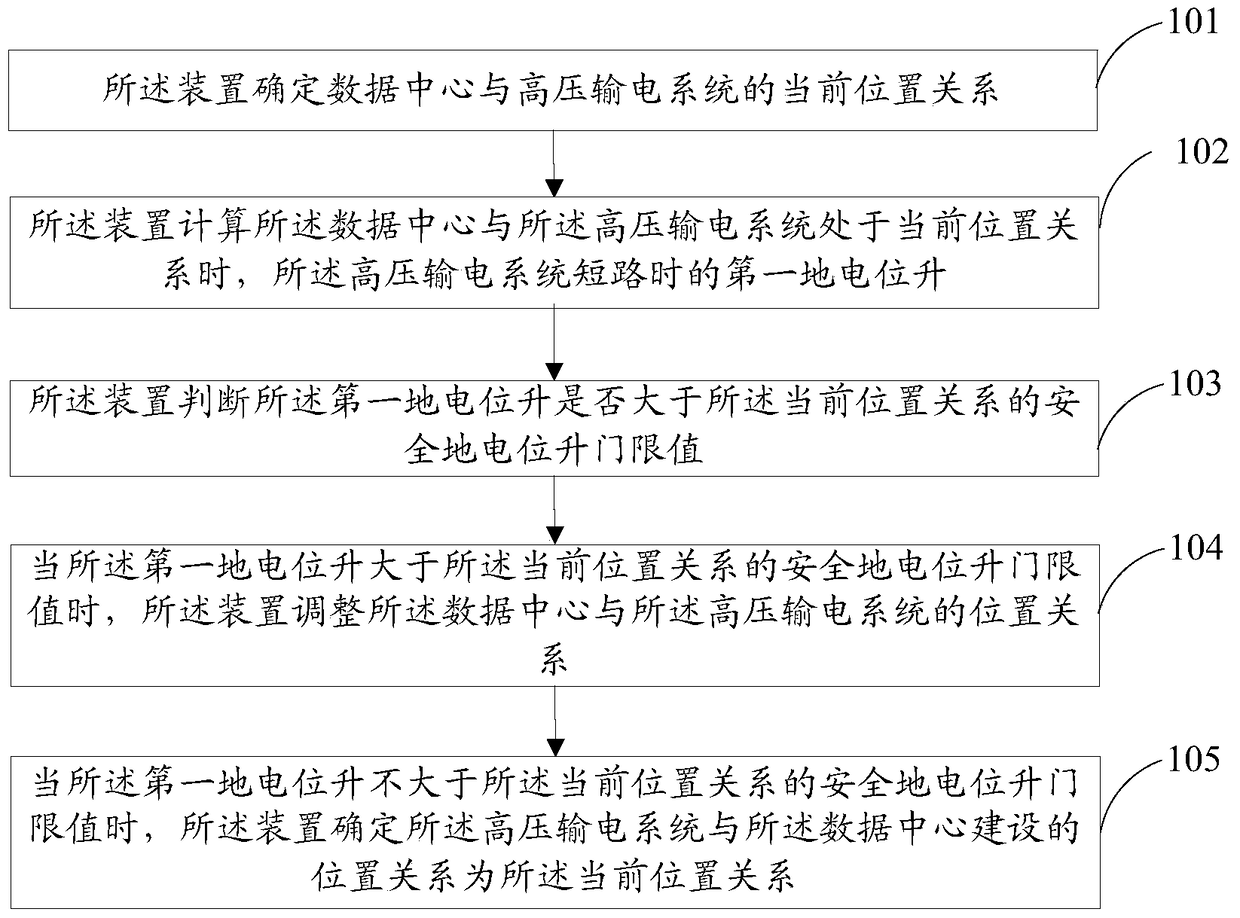
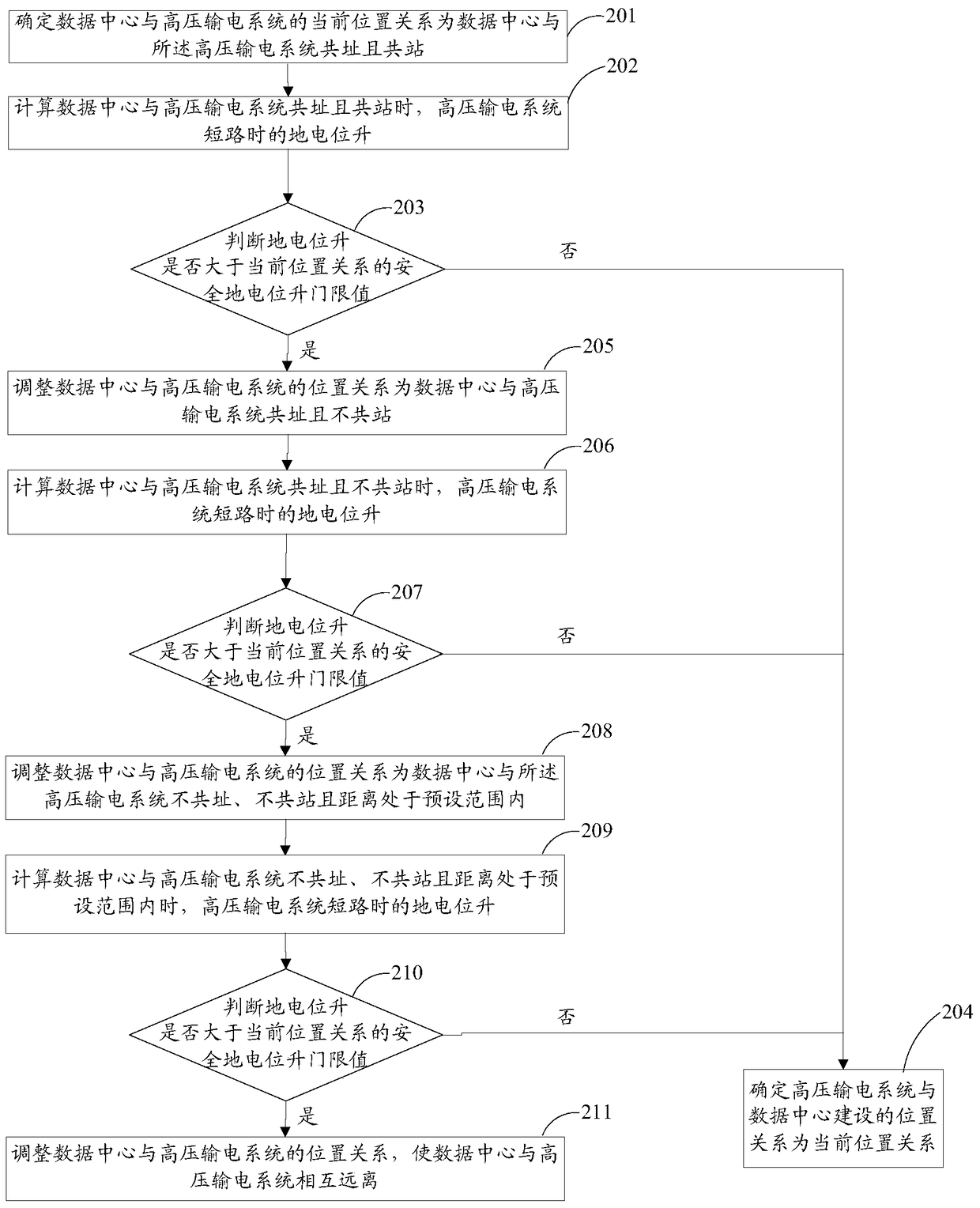
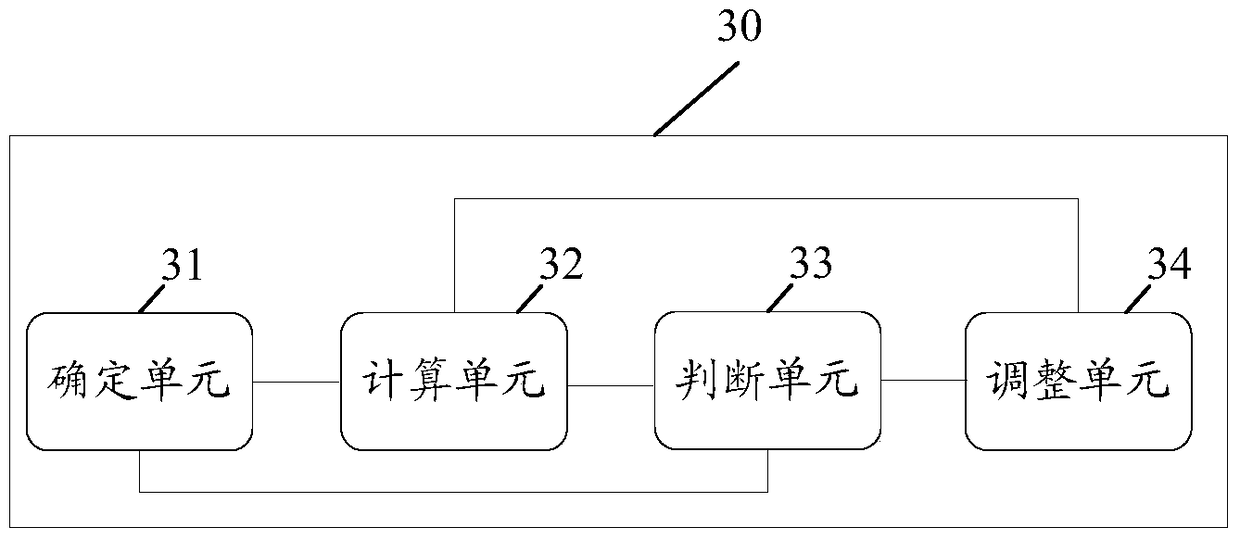
- Provide a method and device for evaluating the safety construction of a data center. By determining the current position relationship between the data center and the high-voltage transmission system, calculate the ground potential rise when the high-voltage transmission system is short-circuited, and determine whether it is greater than the safe ground potential rise threshold. Adjust the positional relationship to ensure that the ground potential does not rise beyond the threshold value to ensure safe construction.

Safety Standards and Compliance Requirements
Electric potential grounding validation in data centers must adhere to a comprehensive framework of safety standards and compliance requirements established by international and regional regulatory bodies. The primary governing standards include IEEE 142 (Green Book) for grounding industrial and commercial power systems, NFPA 70 (National Electrical Code) which mandates grounding electrode systems and bonding requirements, and IEC 61000 series addressing electromagnetic compatibility and grounding practices. Additionally, TIA-942 specifically addresses telecommunications infrastructure standards for data centers, incorporating detailed grounding and bonding specifications to ensure equipment protection and signal integrity.
Compliance with ANSI/TIA-607-C is essential for telecommunications grounding and bonding infrastructure, requiring systematic validation of ground reference planes, equipotential bonding networks, and resistance measurements. Data centers must maintain ground resistance values typically below 5 ohms for telecommunications equipment and below 25 ohms for general electrical systems, though specific requirements vary based on facility classification and local regulations. OSHA regulations further mandate periodic inspection and testing protocols to ensure worker safety and prevent electrical hazards.
Regional variations in compliance requirements necessitate careful consideration of local electrical codes and standards. European data centers must comply with EN 50310 for bonding and earthing of telecommunications equipment, while facilities in Asia-Pacific regions often reference AS/NZS 3000 or equivalent national standards. These regulations specify testing methodologies, documentation requirements, and acceptable threshold values for ground potential rise, touch voltage, and step voltage measurements.
Validation procedures must be documented according to ISO 9001 quality management principles, maintaining comprehensive records of ground resistance measurements, continuity testing results, and periodic inspection schedules. Compliance audits typically require evidence of initial commissioning tests, annual verification measurements, and corrective action documentation when deviations occur. Insurance providers and industry certifications such as Uptime Institute Tier classifications often impose additional validation requirements beyond minimum regulatory standards, demanding more stringent testing frequencies and lower resistance thresholds to ensure operational reliability and risk mitigation.
Compliance with ANSI/TIA-607-C is essential for telecommunications grounding and bonding infrastructure, requiring systematic validation of ground reference planes, equipotential bonding networks, and resistance measurements. Data centers must maintain ground resistance values typically below 5 ohms for telecommunications equipment and below 25 ohms for general electrical systems, though specific requirements vary based on facility classification and local regulations. OSHA regulations further mandate periodic inspection and testing protocols to ensure worker safety and prevent electrical hazards.
Regional variations in compliance requirements necessitate careful consideration of local electrical codes and standards. European data centers must comply with EN 50310 for bonding and earthing of telecommunications equipment, while facilities in Asia-Pacific regions often reference AS/NZS 3000 or equivalent national standards. These regulations specify testing methodologies, documentation requirements, and acceptable threshold values for ground potential rise, touch voltage, and step voltage measurements.
Validation procedures must be documented according to ISO 9001 quality management principles, maintaining comprehensive records of ground resistance measurements, continuity testing results, and periodic inspection schedules. Compliance audits typically require evidence of initial commissioning tests, annual verification measurements, and corrective action documentation when deviations occur. Insurance providers and industry certifications such as Uptime Institute Tier classifications often impose additional validation requirements beyond minimum regulatory standards, demanding more stringent testing frequencies and lower resistance thresholds to ensure operational reliability and risk mitigation.
Risk Assessment for Grounding Failures
Grounding failures in data centers represent critical vulnerabilities that can cascade into catastrophic operational disruptions, equipment damage, and safety hazards. The risk assessment framework must address both immediate electrical hazards and long-term reliability concerns. Primary failure modes include inadequate bonding resistance, corrosion-induced degradation of grounding conductors, and improper equipotential plane establishment. These failures can result in voltage differentials exceeding safe thresholds, creating shock hazards for personnel and damaging sensitive electronic equipment through ground loops or transient overvoltages.
The severity of grounding failures escalates with data center scale and power density. High-capacity facilities operating at multi-megawatt levels face amplified risks, as fault currents during grounding system failures can reach dangerous magnitudes. Statistical analysis of data center incidents reveals that approximately 15-20% of unplanned downtime events correlate with grounding-related anomalies, either as primary causes or contributing factors. The financial impact extends beyond immediate repair costs to include data loss, service level agreement violations, and potential regulatory penalties for safety non-compliance.
Environmental factors significantly influence grounding system degradation rates. Soil resistivity variations, moisture content fluctuations, and chemical composition changes can compromise grounding electrode effectiveness over time. Facilities in coastal regions or areas with high soil salinity experience accelerated corrosion, necessitating more frequent validation cycles. Temperature extremes also affect connection integrity, as thermal expansion and contraction can loosen bonding points, increasing resistance values beyond acceptable limits.
Human factors constitute another critical risk dimension. Inadequate maintenance protocols, insufficient training on grounding validation procedures, and documentation gaps create conditions where latent failures remain undetected until triggering events occur. The complexity of modern data center infrastructure, with multiple grounding reference points and extensive cable networks, increases the probability of human error during installation or modification activities. Establishing comprehensive risk mitigation strategies requires integrating automated monitoring systems, periodic validation schedules, and clear escalation procedures for addressing identified anomalies before they evolve into operational failures.
The severity of grounding failures escalates with data center scale and power density. High-capacity facilities operating at multi-megawatt levels face amplified risks, as fault currents during grounding system failures can reach dangerous magnitudes. Statistical analysis of data center incidents reveals that approximately 15-20% of unplanned downtime events correlate with grounding-related anomalies, either as primary causes or contributing factors. The financial impact extends beyond immediate repair costs to include data loss, service level agreement violations, and potential regulatory penalties for safety non-compliance.
Environmental factors significantly influence grounding system degradation rates. Soil resistivity variations, moisture content fluctuations, and chemical composition changes can compromise grounding electrode effectiveness over time. Facilities in coastal regions or areas with high soil salinity experience accelerated corrosion, necessitating more frequent validation cycles. Temperature extremes also affect connection integrity, as thermal expansion and contraction can loosen bonding points, increasing resistance values beyond acceptable limits.
Human factors constitute another critical risk dimension. Inadequate maintenance protocols, insufficient training on grounding validation procedures, and documentation gaps create conditions where latent failures remain undetected until triggering events occur. The complexity of modern data center infrastructure, with multiple grounding reference points and extensive cable networks, increases the probability of human error during installation or modification activities. Establishing comprehensive risk mitigation strategies requires integrating automated monitoring systems, periodic validation schedules, and clear escalation procedures for addressing identified anomalies before they evolve into operational failures.
Unlock deeper insights with Patsnap Eureka Quick Research — get a full tech report to explore trends and direct your research. Try now!
Generate Your Research Report Instantly with AI Agent
Supercharge your innovation with Patsnap Eureka AI Agent Platform!