
Validate Gradient Descent Across Mixed-Precision Hardware
OCT 9, 20269 MIN READ
Generate Your Research Report Instantly with AI Agent
Patsnap Eureka helps you evaluate technical feasibility & market potential.
Mixed-Precision Gradient Descent Validation Background and Objectives
Mixed-precision computing has emerged as a transformative paradigm in modern machine learning infrastructure, driven by the imperative to balance computational efficiency with model accuracy. The proliferation of specialized hardware accelerators, including GPUs, TPUs, and custom AI chips, has introduced diverse numerical precision capabilities ranging from FP32 and FP16 to INT8 and even lower bit-width representations. This heterogeneity presents both opportunities and challenges for gradient descent optimization, the foundational algorithm underlying neural network training.
The evolution of mixed-precision training began with the recognition that different computational stages exhibit varying sensitivity to numerical precision. Forward propagation and gradient computation can often tolerate reduced precision, while weight updates and accumulation operations typically require higher precision to maintain convergence stability. This insight has led to hybrid approaches that strategically allocate precision levels across computational graphs, achieving significant speedups and memory savings without compromising model performance.
However, the deployment of gradient descent algorithms across diverse mixed-precision hardware architectures introduces critical validation challenges. Numerical discrepancies arising from rounding errors, accumulation patterns, and hardware-specific implementations can lead to subtle divergences in training trajectories. These variations may manifest as convergence instability, accuracy degradation, or reproducibility issues across different hardware platforms. The lack of standardized validation frameworks exacerbates these concerns, particularly for enterprise applications requiring consistent model behavior across heterogeneous deployment environments.
The primary objective of this technical investigation is to establish robust validation methodologies for gradient descent implementations across mixed-precision hardware ecosystems. This encompasses developing quantitative metrics to assess numerical consistency, identifying precision-sensitive operations within optimization workflows, and formulating best practices for cross-platform validation. The research aims to provide actionable guidelines that enable organizations to confidently leverage mixed-precision capabilities while maintaining algorithmic integrity and reproducibility guarantees across their hardware infrastructure.
The evolution of mixed-precision training began with the recognition that different computational stages exhibit varying sensitivity to numerical precision. Forward propagation and gradient computation can often tolerate reduced precision, while weight updates and accumulation operations typically require higher precision to maintain convergence stability. This insight has led to hybrid approaches that strategically allocate precision levels across computational graphs, achieving significant speedups and memory savings without compromising model performance.
However, the deployment of gradient descent algorithms across diverse mixed-precision hardware architectures introduces critical validation challenges. Numerical discrepancies arising from rounding errors, accumulation patterns, and hardware-specific implementations can lead to subtle divergences in training trajectories. These variations may manifest as convergence instability, accuracy degradation, or reproducibility issues across different hardware platforms. The lack of standardized validation frameworks exacerbates these concerns, particularly for enterprise applications requiring consistent model behavior across heterogeneous deployment environments.
The primary objective of this technical investigation is to establish robust validation methodologies for gradient descent implementations across mixed-precision hardware ecosystems. This encompasses developing quantitative metrics to assess numerical consistency, identifying precision-sensitive operations within optimization workflows, and formulating best practices for cross-platform validation. The research aims to provide actionable guidelines that enable organizations to confidently leverage mixed-precision capabilities while maintaining algorithmic integrity and reproducibility guarantees across their hardware infrastructure.
Market Demand for Mixed-Precision Training Solutions
The demand for mixed-precision training solutions has experienced substantial growth driven by the escalating computational requirements of modern deep learning models and the economic pressures to optimize infrastructure costs. Organizations across industries are increasingly adopting mixed-precision approaches to accelerate model training while maintaining acceptable accuracy levels, creating a robust market for validation tools and frameworks that ensure gradient descent reliability across diverse hardware configurations.
Cloud service providers and enterprise AI teams represent the primary demand drivers, as they seek to maximize utilization of heterogeneous computing resources including GPUs, TPUs, and emerging AI accelerators. The proliferation of large language models and foundation models has intensified the need for training optimization techniques, with mixed-precision training emerging as a critical enabler for managing both training time and energy consumption. This trend has created urgent demand for validation methodologies that can guarantee numerical stability and convergence behavior across different precision formats.
The semiconductor industry's transition toward specialized AI hardware with native support for multiple precision formats has further amplified market interest. Hardware manufacturers are actively seeking validation frameworks to demonstrate the reliability of their mixed-precision capabilities, while software developers require robust testing tools to ensure their training pipelines function correctly across vendor-specific implementations. This convergence of hardware innovation and software requirements has established a clear market gap for comprehensive validation solutions.
Research institutions and academic organizations constitute another significant demand segment, particularly those focused on efficient AI and green computing initiatives. The growing emphasis on sustainable AI development has elevated mixed-precision training from a performance optimization technique to an environmental imperative, driving demand for rigorous validation approaches that can certify both computational efficiency and training fidelity.
The market landscape also reflects increasing regulatory and compliance considerations, as organizations deploying AI systems in critical domains require documented validation of their training processes. This regulatory dimension adds another layer of demand for standardized validation frameworks that can provide auditable evidence of gradient descent correctness across mixed-precision implementations, ensuring both technical reliability and compliance readiness.
Cloud service providers and enterprise AI teams represent the primary demand drivers, as they seek to maximize utilization of heterogeneous computing resources including GPUs, TPUs, and emerging AI accelerators. The proliferation of large language models and foundation models has intensified the need for training optimization techniques, with mixed-precision training emerging as a critical enabler for managing both training time and energy consumption. This trend has created urgent demand for validation methodologies that can guarantee numerical stability and convergence behavior across different precision formats.
The semiconductor industry's transition toward specialized AI hardware with native support for multiple precision formats has further amplified market interest. Hardware manufacturers are actively seeking validation frameworks to demonstrate the reliability of their mixed-precision capabilities, while software developers require robust testing tools to ensure their training pipelines function correctly across vendor-specific implementations. This convergence of hardware innovation and software requirements has established a clear market gap for comprehensive validation solutions.
Research institutions and academic organizations constitute another significant demand segment, particularly those focused on efficient AI and green computing initiatives. The growing emphasis on sustainable AI development has elevated mixed-precision training from a performance optimization technique to an environmental imperative, driving demand for rigorous validation approaches that can certify both computational efficiency and training fidelity.
The market landscape also reflects increasing regulatory and compliance considerations, as organizations deploying AI systems in critical domains require documented validation of their training processes. This regulatory dimension adds another layer of demand for standardized validation frameworks that can provide auditable evidence of gradient descent correctness across mixed-precision implementations, ensuring both technical reliability and compliance readiness.
Current Challenges in Cross-Hardware Gradient Descent Validation
Validating gradient descent algorithms across mixed-precision hardware environments presents multifaceted technical challenges that significantly impact the reliability and reproducibility of deep learning systems. The primary obstacle stems from the inherent numerical instability introduced when computations transition between different precision formats such as FP32, FP16, and INT8 across diverse hardware architectures including GPUs, TPUs, and specialized AI accelerators.
Numerical precision discrepancies constitute a fundamental challenge, as gradient calculations performed on different hardware platforms yield varying results due to rounding errors, truncation behaviors, and distinct floating-point arithmetic implementations. These variations accumulate throughout iterative optimization processes, potentially leading to divergent convergence paths or complete training failures. The IEEE 754 standard provides guidelines, but hardware vendors often implement custom optimizations that introduce subtle deviations.
Hardware-specific optimization strategies further complicate validation efforts. Modern accelerators employ proprietary techniques such as tensor core operations, mixed-precision automatic casting, and dynamic loss scaling, each with unique behavioral characteristics. These optimizations, while enhancing computational efficiency, create black-box scenarios where gradient computation pathways become opaque and difficult to trace systematically.
The absence of standardized validation frameworks represents another critical constraint. Current testing methodologies lack unified protocols for cross-platform gradient verification, making it challenging to establish baseline correctness criteria. Existing tools primarily focus on single-platform validation, leaving gaps in cross-hardware comparative analysis capabilities.
Reproducibility issues emerge prominently when attempting to replicate training results across different hardware configurations. Factors including memory layout differences, parallel execution scheduling variations, and asynchronous computation patterns introduce non-deterministic behaviors that undermine validation consistency. This non-determinism becomes particularly problematic in distributed training scenarios where gradient synchronization across heterogeneous hardware clusters must maintain mathematical equivalence.
Performance-accuracy trade-offs present additional complexity, as aggressive precision reduction techniques may accelerate computation but compromise gradient fidelity. Determining acceptable tolerance thresholds that balance computational efficiency with mathematical correctness remains an unresolved challenge requiring domain-specific calibration.
Numerical precision discrepancies constitute a fundamental challenge, as gradient calculations performed on different hardware platforms yield varying results due to rounding errors, truncation behaviors, and distinct floating-point arithmetic implementations. These variations accumulate throughout iterative optimization processes, potentially leading to divergent convergence paths or complete training failures. The IEEE 754 standard provides guidelines, but hardware vendors often implement custom optimizations that introduce subtle deviations.
Hardware-specific optimization strategies further complicate validation efforts. Modern accelerators employ proprietary techniques such as tensor core operations, mixed-precision automatic casting, and dynamic loss scaling, each with unique behavioral characteristics. These optimizations, while enhancing computational efficiency, create black-box scenarios where gradient computation pathways become opaque and difficult to trace systematically.
The absence of standardized validation frameworks represents another critical constraint. Current testing methodologies lack unified protocols for cross-platform gradient verification, making it challenging to establish baseline correctness criteria. Existing tools primarily focus on single-platform validation, leaving gaps in cross-hardware comparative analysis capabilities.
Reproducibility issues emerge prominently when attempting to replicate training results across different hardware configurations. Factors including memory layout differences, parallel execution scheduling variations, and asynchronous computation patterns introduce non-deterministic behaviors that undermine validation consistency. This non-determinism becomes particularly problematic in distributed training scenarios where gradient synchronization across heterogeneous hardware clusters must maintain mathematical equivalence.
Performance-accuracy trade-offs present additional complexity, as aggressive precision reduction techniques may accelerate computation but compromise gradient fidelity. Determining acceptable tolerance thresholds that balance computational efficiency with mathematical correctness remains an unresolved challenge requiring domain-specific calibration.
Existing Validation Methods for Gradient Descent Accuracy
01 Enhancements and Variants of Gradient Descent Algorithms
Techniques for improving the speed, stability, efficiency, and accuracy of gradient descent. This includes adaptive momentum methods, dynamic step size control, parallelized stochastic gradient descent, parameter multiplexing, and hybrid optimization algorithms designed to optimize model training and data processing.- Algorithms and Optimization Extensions of Gradient Descent: Gradient descent variants enhance optimization performance by introducing novel iterative schemes, adaptive step sizes, dynamic momentum, and hybrid computational strategies. These techniques improve convergence speed, computational stability, and model training efficiency across complex machine learning and neural network architectures.
- Hardware, Architecture, and Hardware Acceleration for Gradient Descent: Dedicated hardware systems, parallel processing units, and specialized physical circuit architectures are designed to execute gradient descent operations efficiently. These implementations optimize computational speed, lower energy consumption, and support continuous-time dynamic processing or edge computing applications.
- Privacy-Preserving and Distributed Gradient Descent Methods: Privacy mechanisms and distributed communication paradigms are integrated into gradient descent frameworks to secure sensitive data during model updates. Techniques such as differential privacy noise injection, correlation matrix optimization, and cooperative multi-source positioning safeguard parameter exchange.
- Industrial, Power, and Engineering System Optimization: Gradient descent techniques are applied to solve parameter identification, control, and allocation problems in physical engineering systems. Applications include microgrid energy storage optimization, power supply network decoupling capacitance design, pipeline parameter estimation, and trajectory planning for automated systems.
- Predictive Modeling, Biomedical, and Signal Processing Applications: Gradient descent algorithms serve as core optimization engines for predictive analytics, signal processing, and domain-specific modeling tasks. Implementations cover personalized medical dosage optimization, material parameter extraction, image tone mapping, dynamic fluid velocity prediction, and diagnostic classification models.
02 Hardware Implementations and Physical System Designs
Architectural and hardware designs tailored to execute gradient descent algorithms efficiently. Innovations include customized chip architectures, thermal-impedance actuator arrays for physical gradient descent, and computing apparatuses executing sign-gradient descent for spiking neural networks.Expand Specific Solutions03 Privacy-Preserving and Differentially Private Gradient Descent
Methods designed to protect data privacy during optimization via stochastic gradient descent. These approaches integrate optimized correlation matrices, variational Gaussian processes, and privacy-preserving mechanisms to ensure robust data security while training models.Expand Specific Solutions04 Applications in Power Systems, Infrastructure, and Engineering
Utilization of gradient descent methods to optimize, control, and identify parameters in complex physical systems. Applications span power grid line re-hop probability prediction, decoupling capacitance optimization, microgrid storage configuration, and heat supply network impedance identification.Expand Specific Solutions05 Applications in Autonomous Systems, Signal Processing, and Healthcare
Application of gradient descent algorithms across diverse domain-specific problems, including trajectory planning for autonomous driving, ship stability prediction, image tone mapping, dynamically predicting water velocity in low-permeability reservoirs, and personalized medicine dosing optimization.Expand Specific Solutions
Key Players in Mixed-Precision Hardware and AI Frameworks
The validation of gradient descent across mixed-precision hardware represents a rapidly evolving technical domain driven by the proliferation of AI accelerators and energy-efficient computing demands. The market is experiencing significant growth as organizations seek to optimize deep learning workloads while maintaining numerical stability. Technology maturity varies considerably among key players: NVIDIA leads with established mixed-precision frameworks and Tensor Core architectures, while Huawei Technologies and Shanghai Biren Technology are advancing domestic GPU solutions with mixed-precision capabilities. Microsoft and IBM contribute through software optimization layers and validation tools. Chinese tech giants including Baidu, Tencent, and SenseTime are integrating mixed-precision training into their AI platforms. Academic institutions like Shanghai Jiao Tong University and KAIST are pioneering theoretical validation methods. The competitive landscape shows a bifurcation between hardware innovators developing precision-flexible architectures and software providers creating robust validation frameworks to ensure gradient descent convergence across diverse computational precisions.
Huawei Technologies Co., Ltd.
Technical Solution: Huawei has developed mixed-precision training capabilities through their Ascend AI processor ecosystem and MindSpore deep learning framework. Their approach implements a hybrid precision training strategy that combines FP16 computation with FP32 accumulation for gradient descent operations. The company's CANN (Compute Architecture for Neural Networks) provides gradient validation mechanisms including overflow detection, dynamic loss scaling with configurable growth and backoff factors, and gradient clipping strategies tailored for mixed-precision scenarios. Huawei's solution features automatic precision conversion operators that maintain numerical stability during backpropagation, with built-in validation checks that monitor gradient statistics across different precision domains. Their Ascend processors incorporate dedicated mixed-precision computing units that accelerate both forward and backward passes while ensuring gradient accuracy through hardware-level overflow protection and rounding mode controls. The MindSpore framework offers APIs for gradient verification and precision-aware debugging tools.
Strengths: Integrated hardware-software solution with dedicated mixed-precision acceleration units; strong support for diverse precision formats including custom bit-widths. Weaknesses: Smaller ecosystem compared to established players; limited third-party validation tools and community resources for gradient verification across mixed-precision scenarios.
NVIDIA Corp.
Technical Solution: NVIDIA has developed comprehensive mixed-precision training frameworks integrated into their CUDA Deep Neural Network library (cuDNN) and TensorRT platforms. Their approach implements automatic mixed-precision (AMP) training that dynamically scales loss values to prevent gradient underflow in FP16 computations while maintaining FP32 master weights for accurate updates. The company's Tensor Core architecture provides hardware acceleration specifically designed for mixed-precision operations, achieving up to 8x faster training compared to FP32-only implementations. NVIDIA's validation methodology includes gradient statistical analysis tools that monitor gradient magnitude distributions across different precision formats, automatic loss scaling algorithms that adjust dynamically based on gradient overflow detection, and comprehensive numerical stability checks throughout the training pipeline. Their Nsight Systems profiler enables developers to validate gradient flow and identify precision-related bottlenecks across GPU architectures from Volta to Hopper generations.
Strengths: Industry-leading hardware-software co-design with native Tensor Core support; mature ecosystem with extensive validation tools and automatic precision management. Weaknesses: Proprietary solutions primarily optimized for NVIDIA hardware; limited flexibility for custom precision formats beyond standard FP16/FP32 combinations.
Core Techniques in Numerical Stability and Precision Analysis
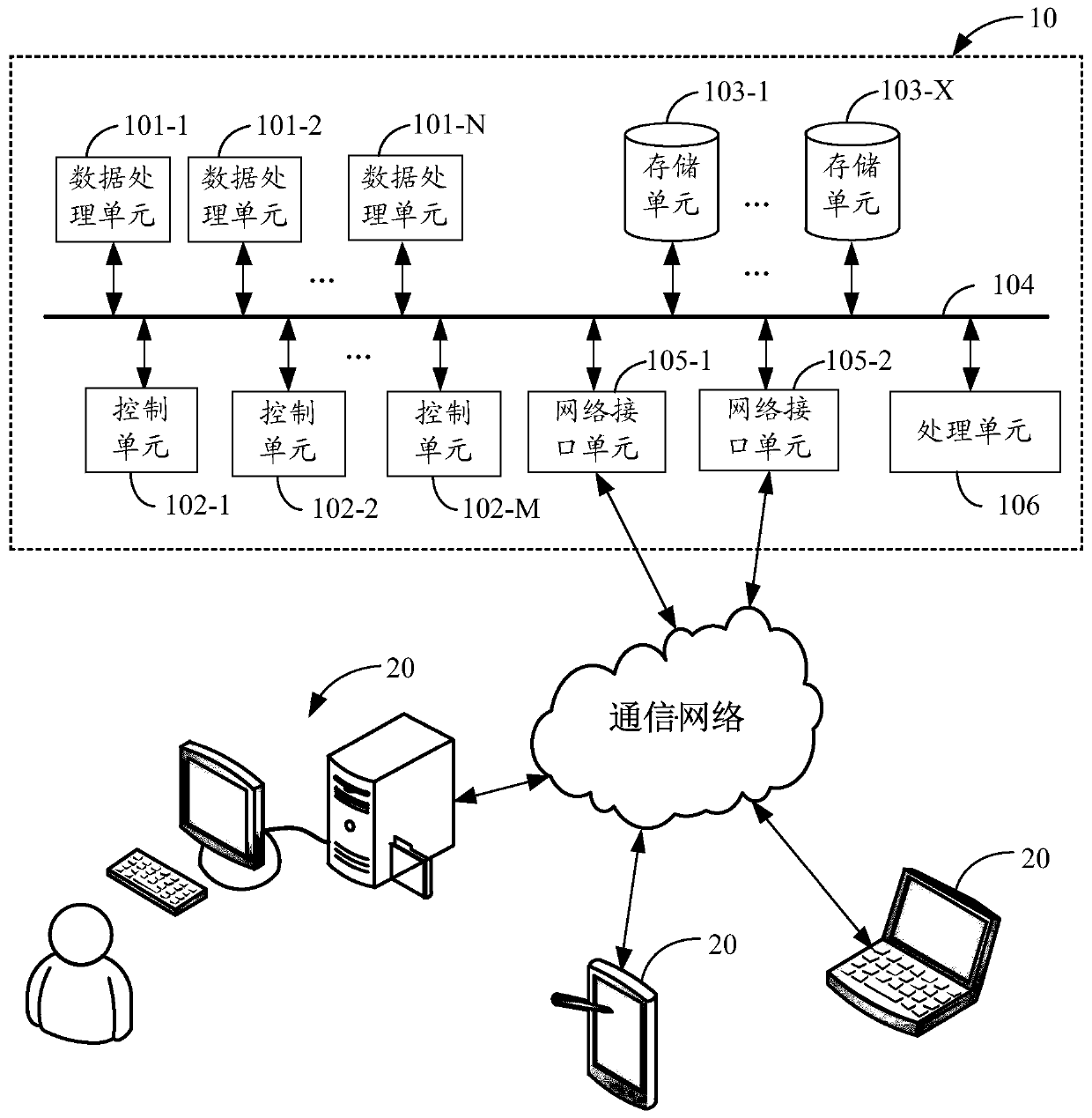
Deep learning model training method, device and system based on mixed precision
PatentActiveCN110163368A
Innovation
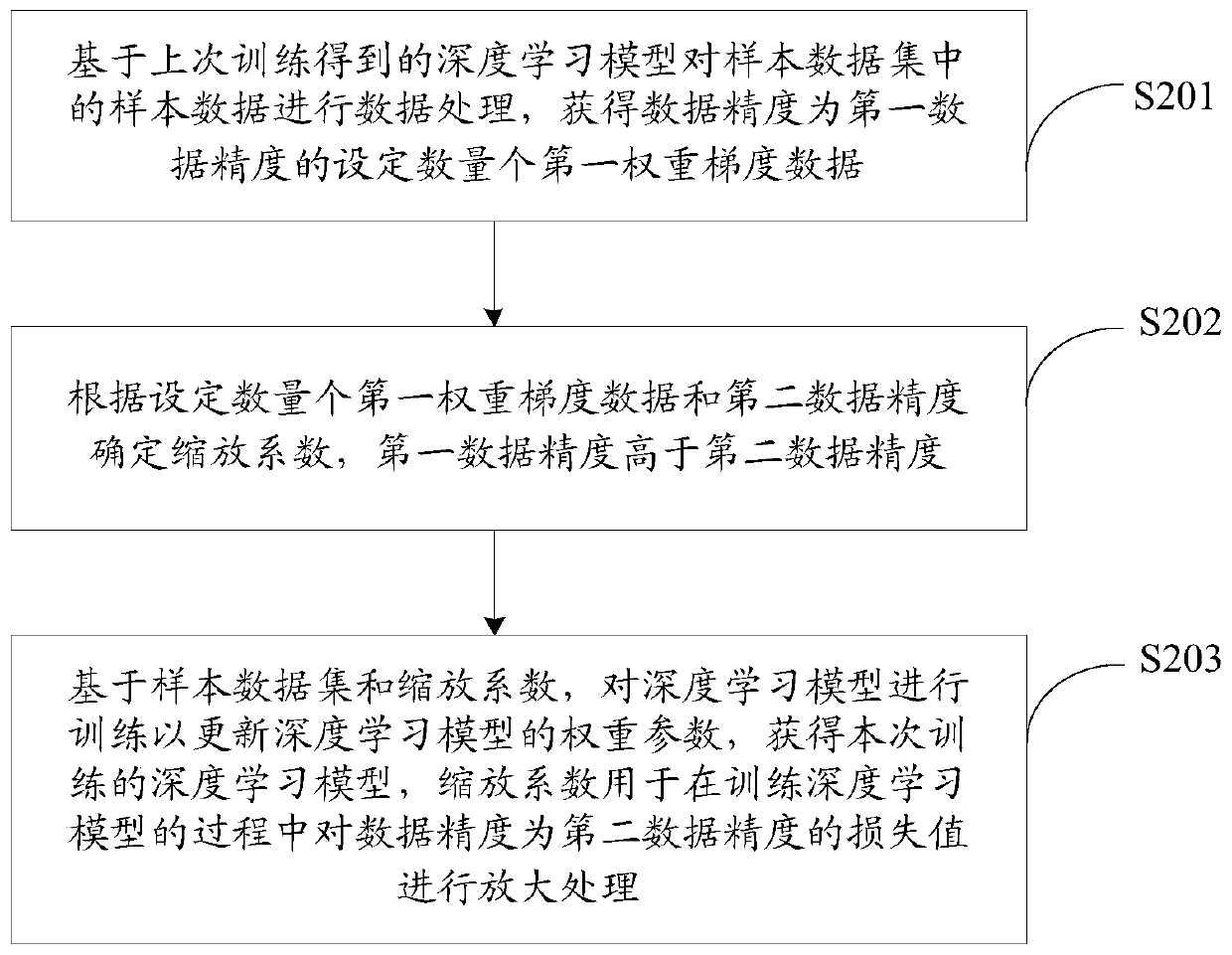
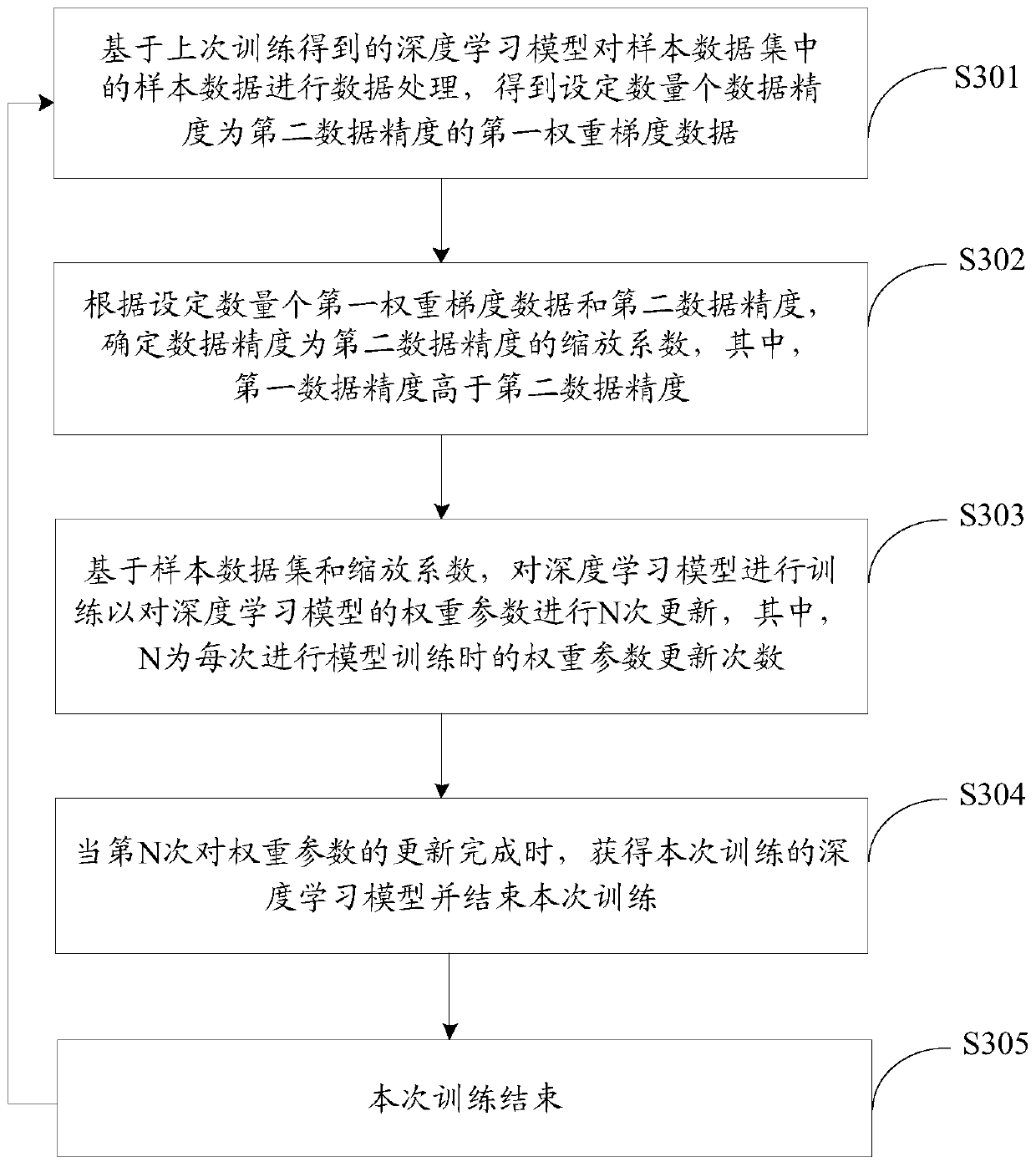
- Before each deep learning model training, use a high-precision data processing unit to obtain a certain amount of weight gradient data, determine the appropriate scaling coefficient based on these data, ensure that the loss value is within the representable range of the low-precision data processing unit, and then perform mixing Precision training to improve training efficiency and accuracy.

A method and corresponding device for adjusting a neural network
PatentActiveCN116266274B
Innovation
- By introducing a scaling layer into the neural network, the gradient is amplified or reduced using a scaling scale. This adjusts the scaling scale in mixed-precision computation to reduce the gradient underflow rate and optimizes the training process by combining low-precision and high-precision computation.


Hardware Compatibility Standards and Benchmarking Protocols
Establishing robust hardware compatibility standards is fundamental to validating gradient descent algorithms across mixed-precision computing environments. The heterogeneous nature of modern AI accelerators, ranging from NVIDIA's Tensor Cores and AMD's Matrix Cores to specialized ASICs like Google's TPUs and emerging RISC-V based processors, necessitates unified evaluation frameworks. These standards must address precision format variations including FP32, FP16, BF16, INT8, and emerging formats like FP8, while accounting for hardware-specific rounding behaviors, accumulation strategies, and memory bandwidth constraints that directly impact gradient computation accuracy.
Benchmarking protocols serve as critical instruments for quantifying validation effectiveness across diverse hardware platforms. Standardized test suites should encompass representative neural network architectures, from convolutional networks to transformers, executed under controlled conditions that isolate hardware-specific effects. Key performance indicators must extend beyond traditional metrics like training loss convergence to include numerical stability measures, gradient variance analysis, and reproducibility scores across multiple hardware configurations. The protocols should incorporate stress testing scenarios that expose edge cases in mixed-precision arithmetic, particularly during backward propagation where gradient underflow and overflow risks are heightened.
Industry-wide adoption of compatibility standards requires collaborative efforts among hardware vendors, framework developers, and research institutions. Organizations like MLCommons and IEEE have initiated efforts to standardize AI benchmarking, yet specific protocols for gradient descent validation in mixed-precision contexts remain underdeveloped. Proposed frameworks should define mandatory compliance tests, reference implementations, and certification processes that hardware manufacturers must satisfy. These standards should also specify minimum requirements for numerical precision reporting, error bound documentation, and interoperability testing between different precision modes.
Implementation of these benchmarking protocols demands sophisticated tooling infrastructure capable of automated testing across hardware platforms. Continuous integration systems must validate gradient descent behavior whenever hardware drivers, firmware, or computational libraries are updated. The protocols should support both synthetic benchmarks for controlled testing and real-world workload validation, enabling practitioners to assess whether their specific applications will maintain acceptable accuracy when deployed on target hardware configurations.
Benchmarking protocols serve as critical instruments for quantifying validation effectiveness across diverse hardware platforms. Standardized test suites should encompass representative neural network architectures, from convolutional networks to transformers, executed under controlled conditions that isolate hardware-specific effects. Key performance indicators must extend beyond traditional metrics like training loss convergence to include numerical stability measures, gradient variance analysis, and reproducibility scores across multiple hardware configurations. The protocols should incorporate stress testing scenarios that expose edge cases in mixed-precision arithmetic, particularly during backward propagation where gradient underflow and overflow risks are heightened.
Industry-wide adoption of compatibility standards requires collaborative efforts among hardware vendors, framework developers, and research institutions. Organizations like MLCommons and IEEE have initiated efforts to standardize AI benchmarking, yet specific protocols for gradient descent validation in mixed-precision contexts remain underdeveloped. Proposed frameworks should define mandatory compliance tests, reference implementations, and certification processes that hardware manufacturers must satisfy. These standards should also specify minimum requirements for numerical precision reporting, error bound documentation, and interoperability testing between different precision modes.
Implementation of these benchmarking protocols demands sophisticated tooling infrastructure capable of automated testing across hardware platforms. Continuous integration systems must validate gradient descent behavior whenever hardware drivers, firmware, or computational libraries are updated. The protocols should support both synthetic benchmarks for controlled testing and real-world workload validation, enabling practitioners to assess whether their specific applications will maintain acceptable accuracy when deployed on target hardware configurations.
Energy Efficiency Considerations in Mixed-Precision Validation
Energy efficiency has emerged as a critical consideration in validating gradient descent algorithms across mixed-precision hardware architectures. The computational overhead associated with validation processes can significantly impact overall system power consumption, particularly in large-scale deployment scenarios where continuous validation is required. Mixed-precision implementations inherently offer energy advantages through reduced bit-width operations, yet the validation mechanisms themselves must be designed to preserve these benefits rather than negate them through excessive computational burden.
The energy profile of validation operations varies substantially across different hardware platforms. GPU-based validation typically exhibits higher instantaneous power draw but may complete validation tasks more rapidly, while specialized AI accelerators with mixed-precision support often demonstrate superior energy efficiency through optimized data paths and reduced memory bandwidth requirements. The choice of validation frequency and granularity directly influences energy consumption patterns, necessitating careful trade-offs between validation thoroughness and power budget constraints.
Emerging approaches focus on adaptive validation strategies that dynamically adjust precision levels and validation intensity based on runtime energy metrics and convergence stability indicators. These methods leverage hardware performance counters and power monitoring interfaces to optimize validation overhead while maintaining algorithmic correctness guarantees. Selective validation techniques that prioritize critical computation stages or employ statistical sampling methods have shown promise in reducing energy expenditure by up to forty percent compared to exhaustive validation approaches.
The integration of energy-aware validation frameworks requires consideration of hardware-specific power management features, including dynamic voltage and frequency scaling capabilities and precision-switching latencies. Future validation methodologies must account for the energy cost of precision transitions themselves, as frequent switching between numerical formats can introduce non-trivial overhead that undermines the efficiency gains of mixed-precision computing. Developing standardized energy profiling protocols for validation operations will be essential for enabling fair comparisons across different hardware platforms and validation strategies.
The energy profile of validation operations varies substantially across different hardware platforms. GPU-based validation typically exhibits higher instantaneous power draw but may complete validation tasks more rapidly, while specialized AI accelerators with mixed-precision support often demonstrate superior energy efficiency through optimized data paths and reduced memory bandwidth requirements. The choice of validation frequency and granularity directly influences energy consumption patterns, necessitating careful trade-offs between validation thoroughness and power budget constraints.
Emerging approaches focus on adaptive validation strategies that dynamically adjust precision levels and validation intensity based on runtime energy metrics and convergence stability indicators. These methods leverage hardware performance counters and power monitoring interfaces to optimize validation overhead while maintaining algorithmic correctness guarantees. Selective validation techniques that prioritize critical computation stages or employ statistical sampling methods have shown promise in reducing energy expenditure by up to forty percent compared to exhaustive validation approaches.
The integration of energy-aware validation frameworks requires consideration of hardware-specific power management features, including dynamic voltage and frequency scaling capabilities and precision-switching latencies. Future validation methodologies must account for the energy cost of precision transitions themselves, as frequent switching between numerical formats can introduce non-trivial overhead that undermines the efficiency gains of mixed-precision computing. Developing standardized energy profiling protocols for validation operations will be essential for enabling fair comparisons across different hardware platforms and validation strategies.
Unlock deeper insights with Patsnap Eureka Quick Research — get a full tech report to explore trends and direct your research. Try now!
Generate Your Research Report Instantly with AI Agent
Supercharge your innovation with Patsnap Eureka AI Agent Platform!