
Systems and methods for creating and participating in ad-hoc virtual communities
a virtual community and system technology, applied in the field of electronic communications, can solve the problems of limiting the use of mobile phone services
- Summary
- Abstract
- Description
- Claims
- Application Information
AI Technical Summary
Benefits of technology
Problems solved by technology
Method used
Image

Examples
Embodiment Construction
A. Overview
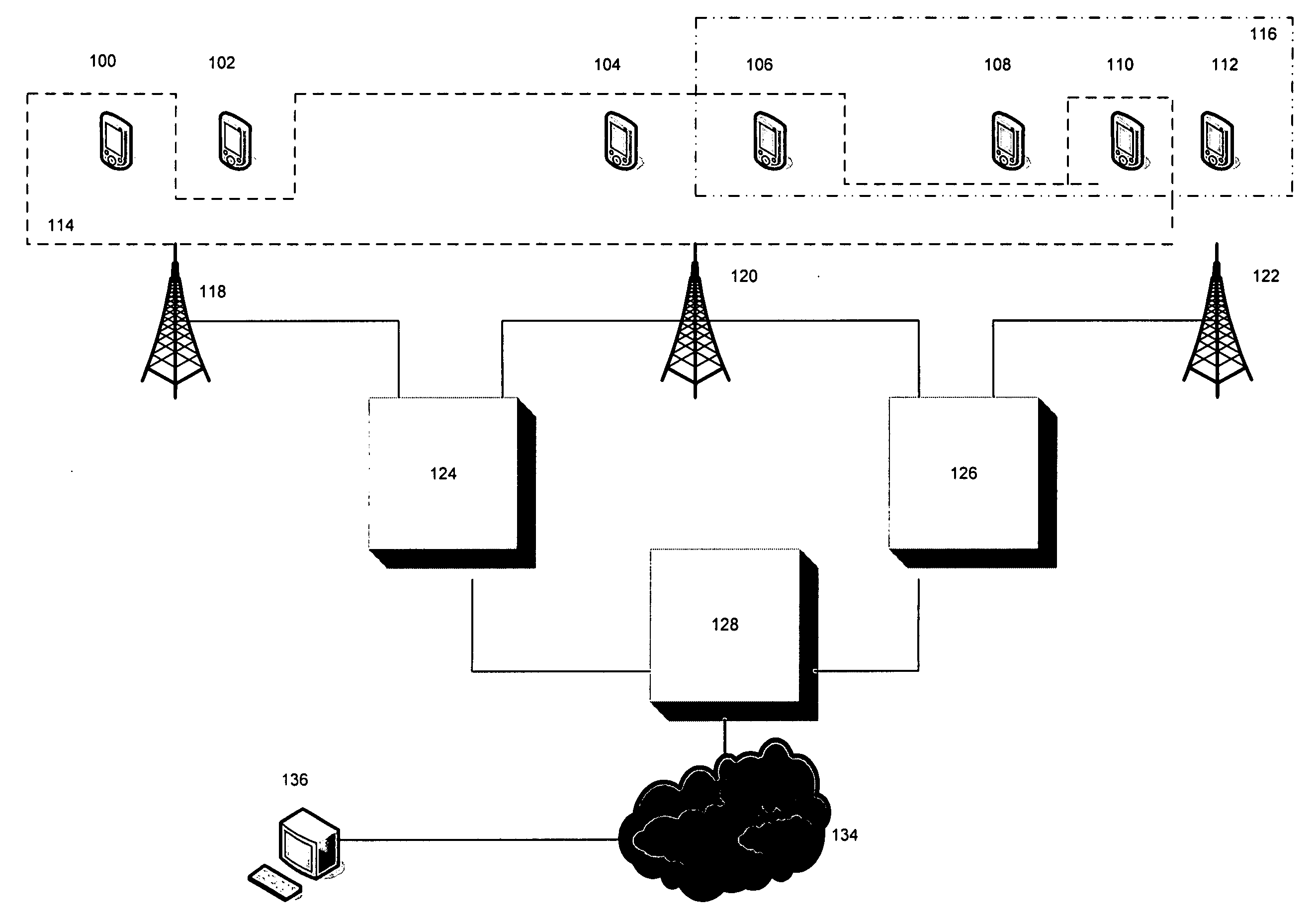
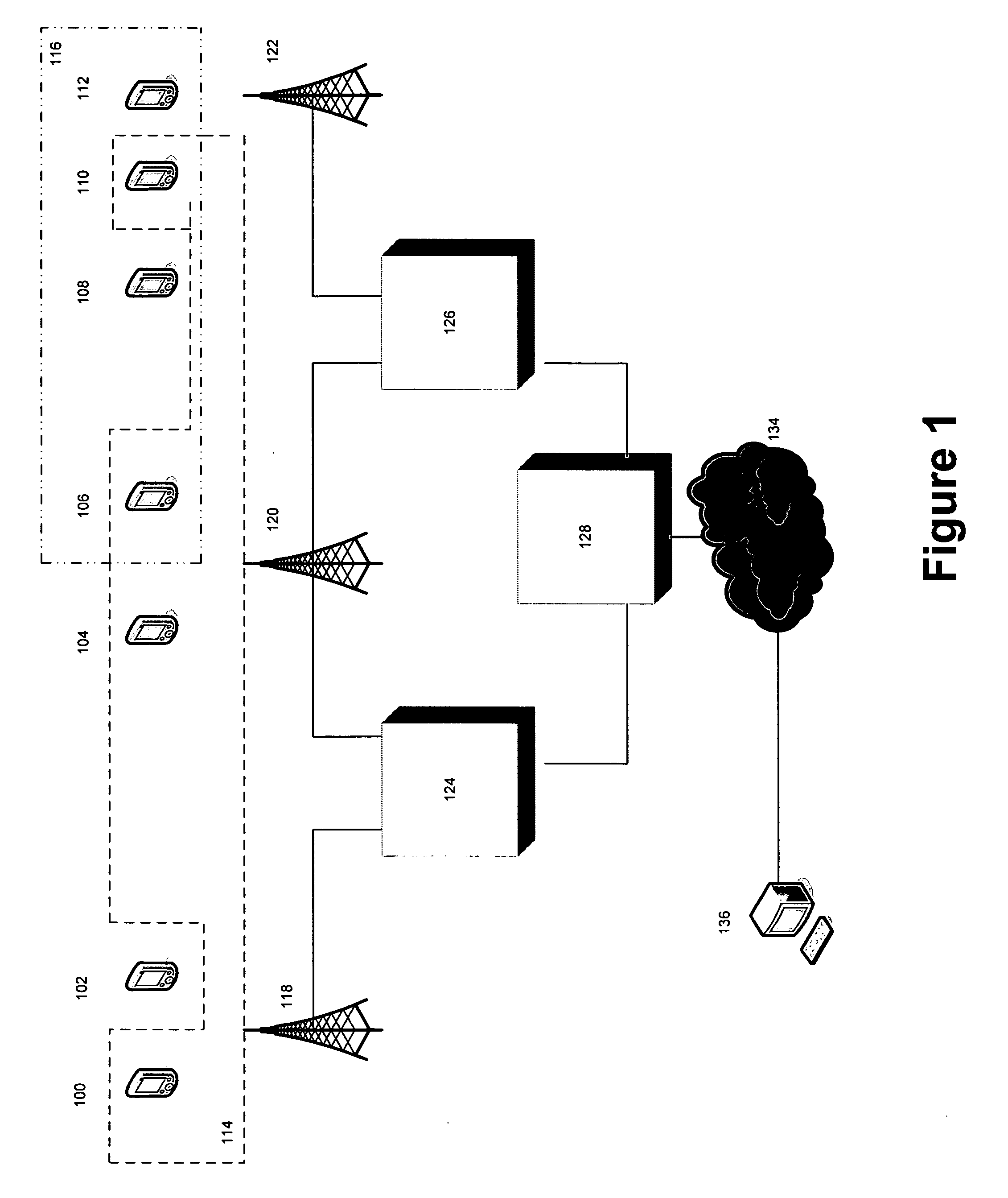
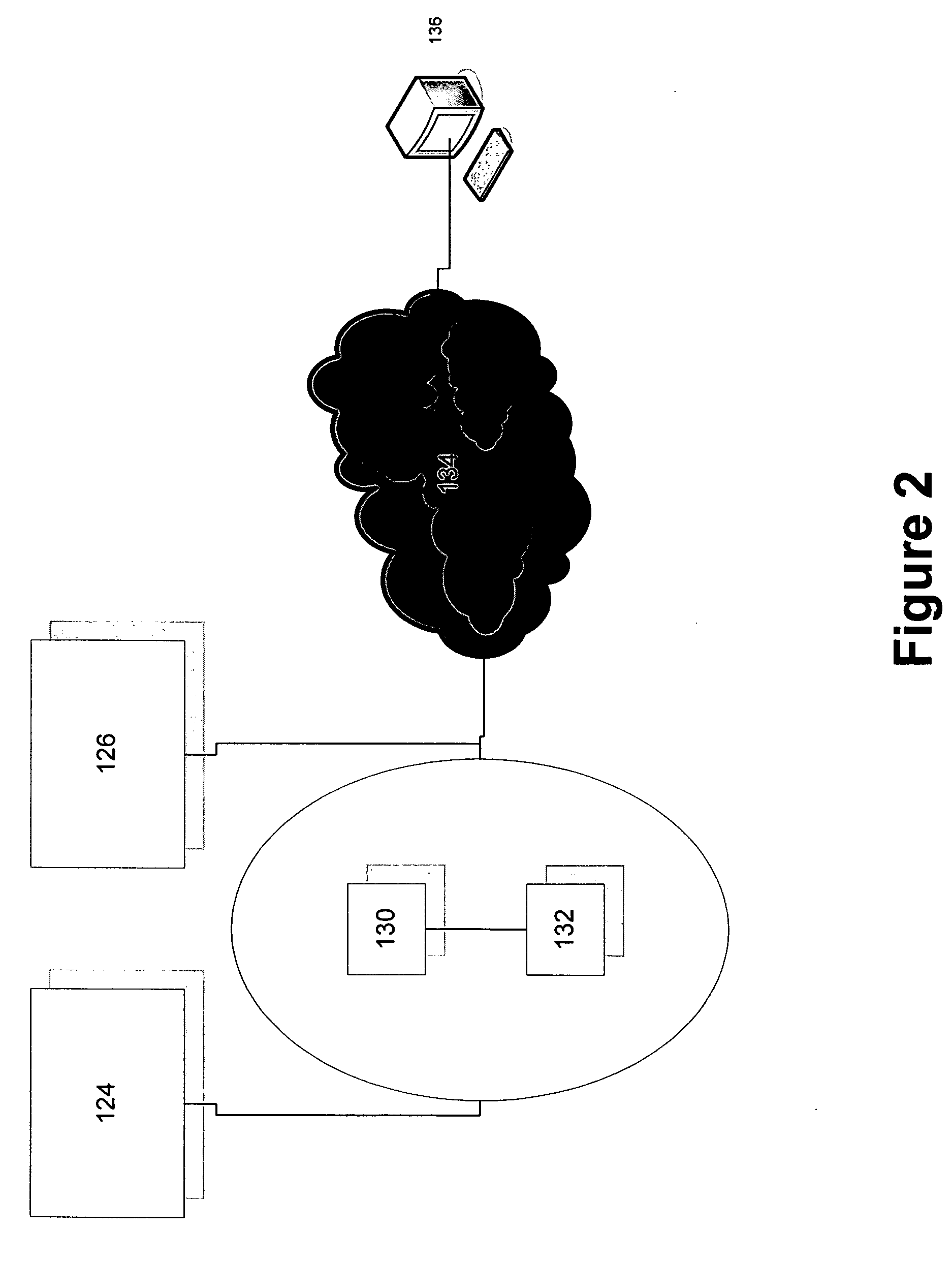
[0011]This invention includes systems and methods for (i) dynamically creating ad-hoc communities of users of mobile and fixed-line communication devices and (ii) enabling participants in these communities to interact in response to live events. In embodiments of the invention, the participants in a community interact principally via standard messaging protocols. The invention facilitates novel types of interaction amongst the following entities:[0012]“Communities” which include discrete collections of “Participants”; each Community has a distinct identification in embodiments of the invention. In certain embodiments, a Community may have a defined start and end date.[0013]“Participants” are end users, who typically interact with a Community via a messaging protocol utilized on a mobile device. For purposes of illustration but not limitation, examples of mobile devices that may be used by Participants include mobile phones, Personal Digital Assistants (PDAs), or other wir...
PUM
 Login to View More
 Abstract
Description
Claims
Application Information
 Login to View More