
Anti-smog screen window
An anti-smog and screen window technology, applied in protective clothing, clothing, clothing, etc., can solve problems such as air permeability that no one knows about, reduce exposure to allergens and irritants, reduce the discharge of shampoo sewage, and have a good invisible effect Effect
Patent Information
- Authority / Receiving Office
- CN · China
- Patent Type
- Patents(China)
- Current Assignee / Owner
- Publication Date
- 2018-05-25
- Estimated Expiration
- Not applicable · inactive patent
Smart Images
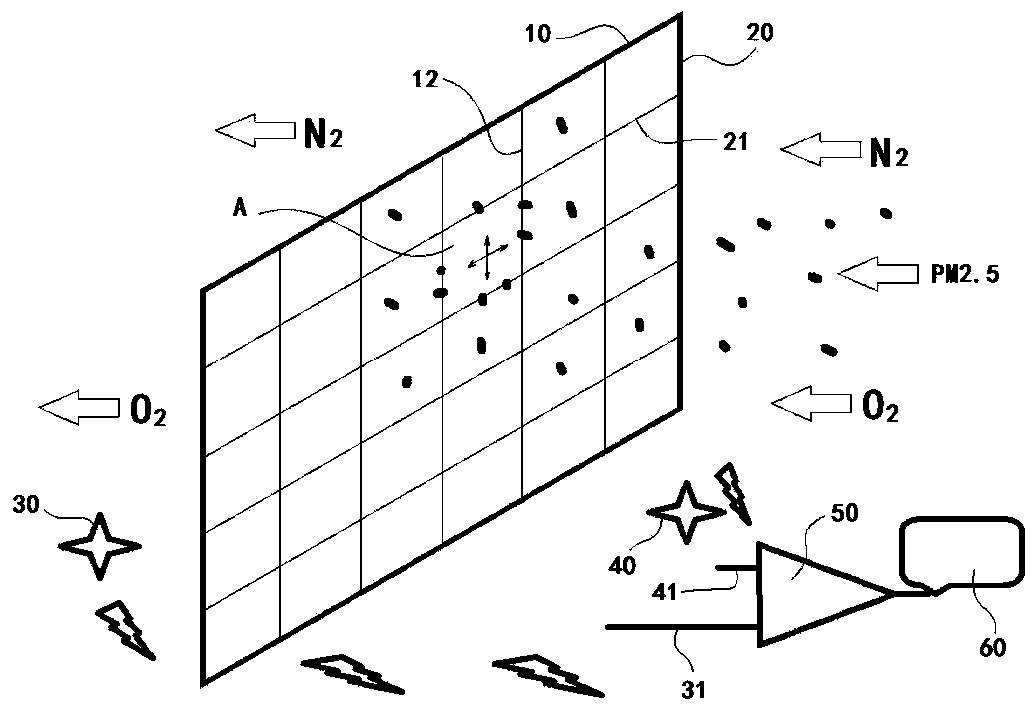
Figure 1 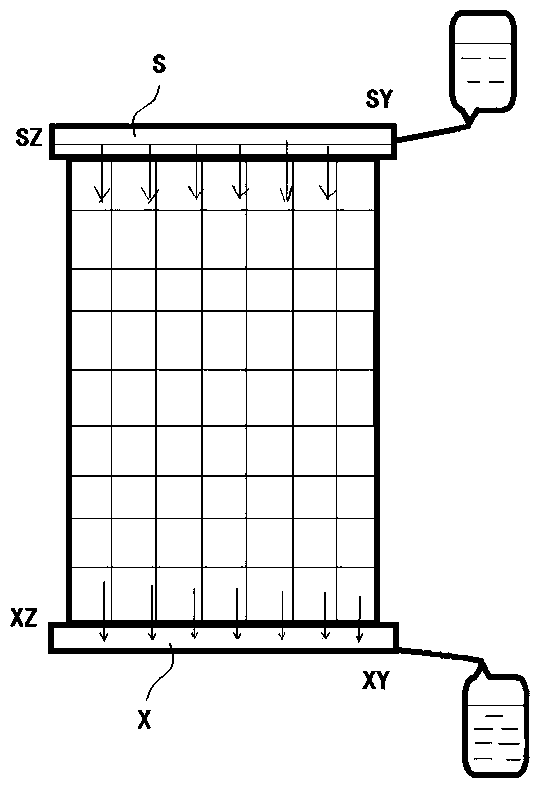
Figure 2 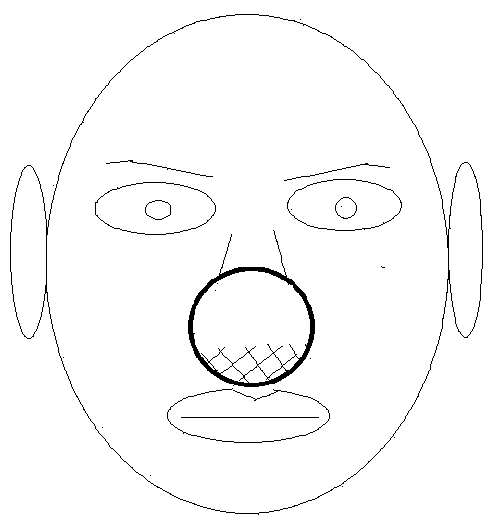
Figure 3
Abstract
Description
technical field
[0001] The invention relates to an anti-fog screen window.
[0002] The invention also relates to an anti-smog mask or headgear, which can block smog, fine dust, pollen, etc., can ensure that the mouth and nose are not stuffy, and can breathe normally and freely at the same time.
[0003] The term "mask" in the present invention not only includes traditional masks that block the mouth and nose, but also includes pollutant blocking devices that only block the nostrils, and screens for windows. Background technique
[0004] People living in smog-affected areas are increasingly wearing various masks, such as ordinary, sterilized, cotton, activated carbon masks, N95, KN90 masks and so on. Yet, when wearing various mouth masks in the prior art, the mouth and nose are somewhat stuffy, which easily causes dyspnea.
[0005] Masks sold on the market are generally divided into two types: rectangular and cup-shaped, which are not beautiful to wear and cause negative p...
Examples
Embodiment Construction
[0038] In recent years, various attempts have been made in the technical field of combating smog.
[0039] German company Cosaen uses polymer nanopolymer materials with a pore size of 700 nanometers. Although a balance has been achieved between breathability and anti-fog, after all, breathability has been sacrificed for anti-fog.
[0040] The functional nuclear pore membrane technology developed by Tsinghua University, the electrospun film of Beijing University of Chemical Technology, and the anti-smog screens of Northwestern Polytechnical University are all products that prevent smog by reducing the aperture, and have to sacrifice to prevent smog breathability.
[0041] Stanford University in the United States spun polyacrylonitrile into extremely tiny fibers whose diameter is one-thousandth of the thickness of a hair, and then made the fibers into a film and covered them with gauze to form a low-cost filter. However, the fine particles cling to the screen so strongly that ...