
High performance underpan framework assembly used for pure electric bus
A pure electric bus, high-performance technology, applied in the direction of vehicle components, substructure, transportation and packaging, etc., can solve the problems of easy damage to the chassis, corrosion service life, etc., to protect rust and wear, improve bending rigidity, The effect of reducing resonance
Patent Information
- Authority / Receiving Office
- CN · China
- Patent Type
- Applications(China)
- Current Assignee / Owner
- Publication Date
- 2017-10-20
Smart Images
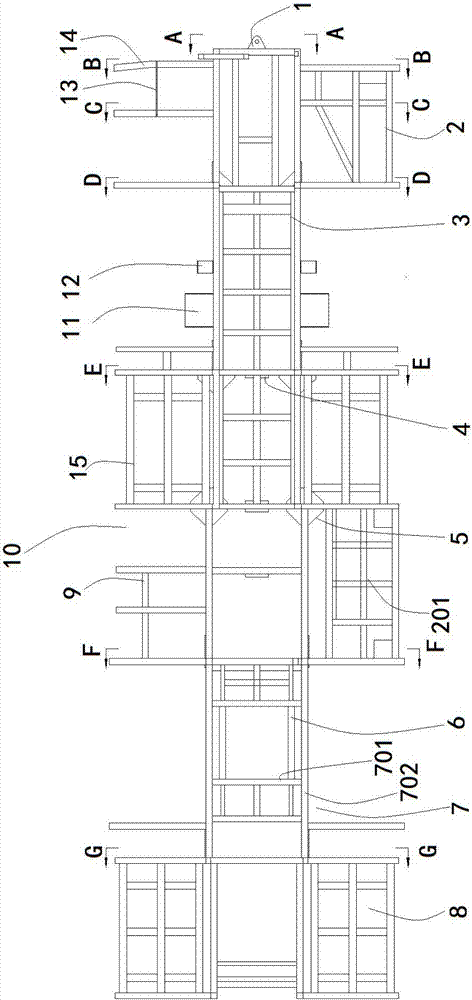
Figure 1 
Figure 2 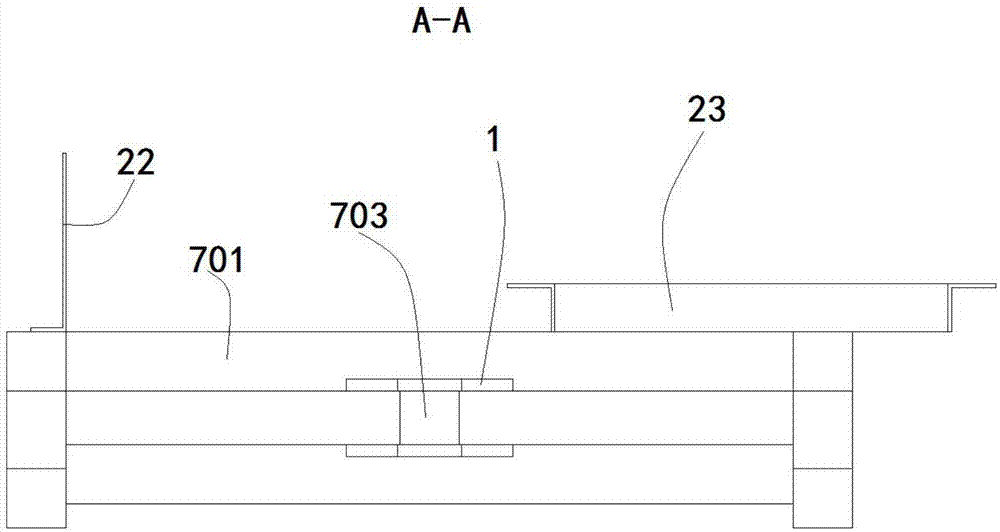
Figure 3
Abstract
Description
technical field
[0001] The invention belongs to the technical field of passenger car chassis, in particular to a high-performance bottom frame assembly for pure electric passenger cars. Background technique
[0002] The bus chassis refers to the chassis of the bus. The function of the chassis is to support and install the engine of the bus and its various components and assemblies, form the overall shape of the car and receive the power of the engine to make the bus move and ensure normal driving. Almost all the frames of the body and chassis of the buses produced at home and abroad are rigidly welded together to bear the forces of all aspects. The design of the frame structure should meet the requirements of the body to the chassis frame to the greatest extent on the premise of ensuring its performance.
[0003] The frame is subjected to complex forces, and the cross-sectional shapes and connection methods of longitudinal beams and beams are various. At present, the resea...
Examples
Embodiment Construction
[0033] The following will clearly and completely describe the technical solutions in the embodiments of the present invention with reference to the accompanying drawings in the embodiments of the present invention. Obviously, the described embodiments are only some, not all, embodiments of the present invention. Based on the embodiments of the present invention, all other embodiments obtained by persons of ordinary skill in the art without creative efforts fall within the protection scope of the present invention.
[0034] In describing the present invention, it is to be understood that the terms "opening", "upper", "lower", "thickness", "top", "middle", "length", "inner", "surrounding" etc. Indicating orientation or positional relationship is only for the convenience of describing the present invention and simplifying the description, and does not indicate or imply that the components or elements referred to must have a specific orientation, be constructed and operated in a sp...