
A tcp lookup optimization method under high performance computing network
A technology of high-performance computing and optimization methods, applied in the field of TCP search optimization, can solve the problems of deterioration of hash table performance, insufficient cache, and increase of cache size, so as to reduce the probability of hash collision, meet high-performance networks, and reduce cache. effect of size
Patent Information
- Authority / Receiving Office
- CN · China
- Patent Type
- Patents(China)
- Current Assignee / Owner
- Publication Date
- 2019-08-16
Smart Images
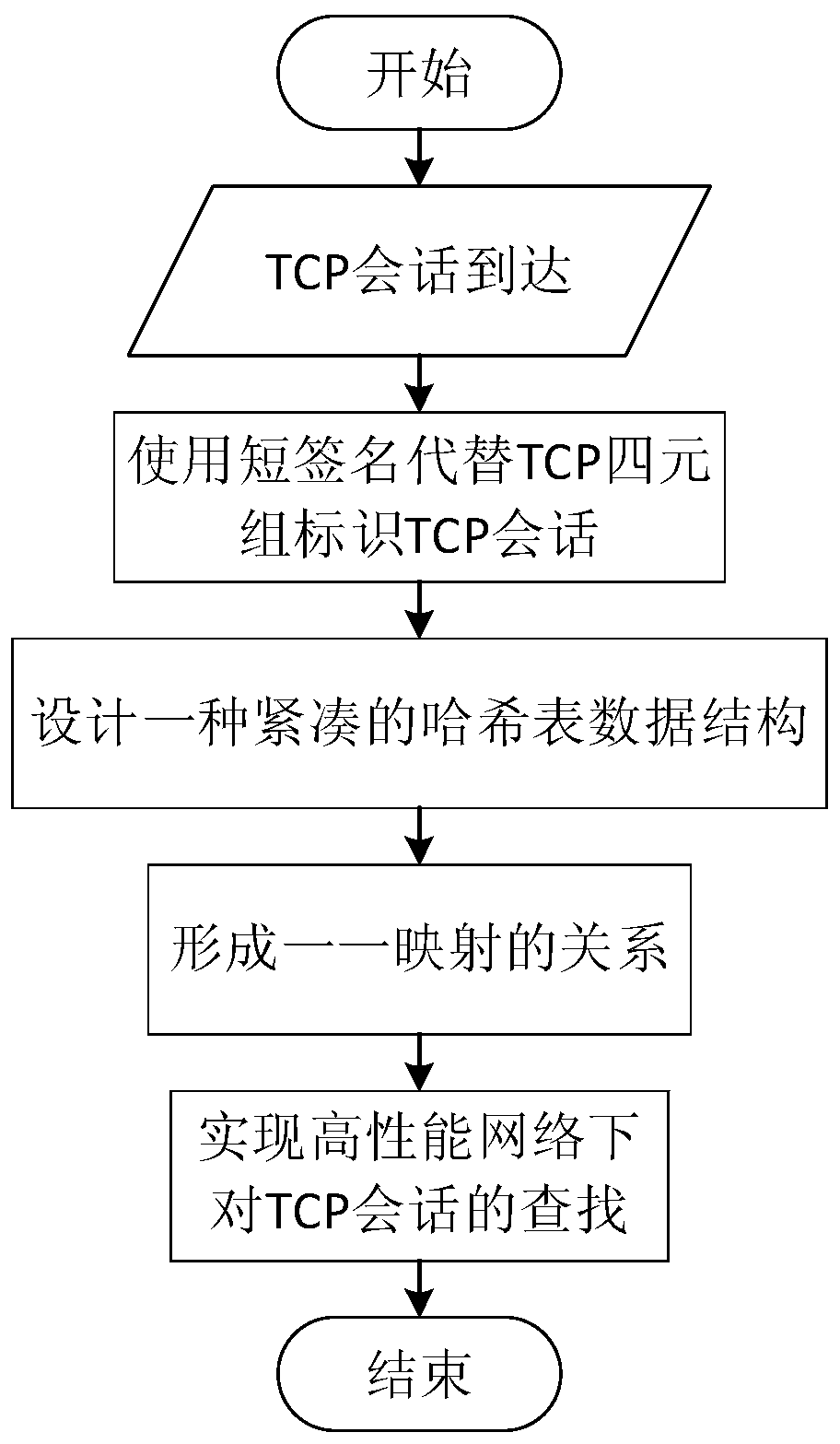
Figure 1 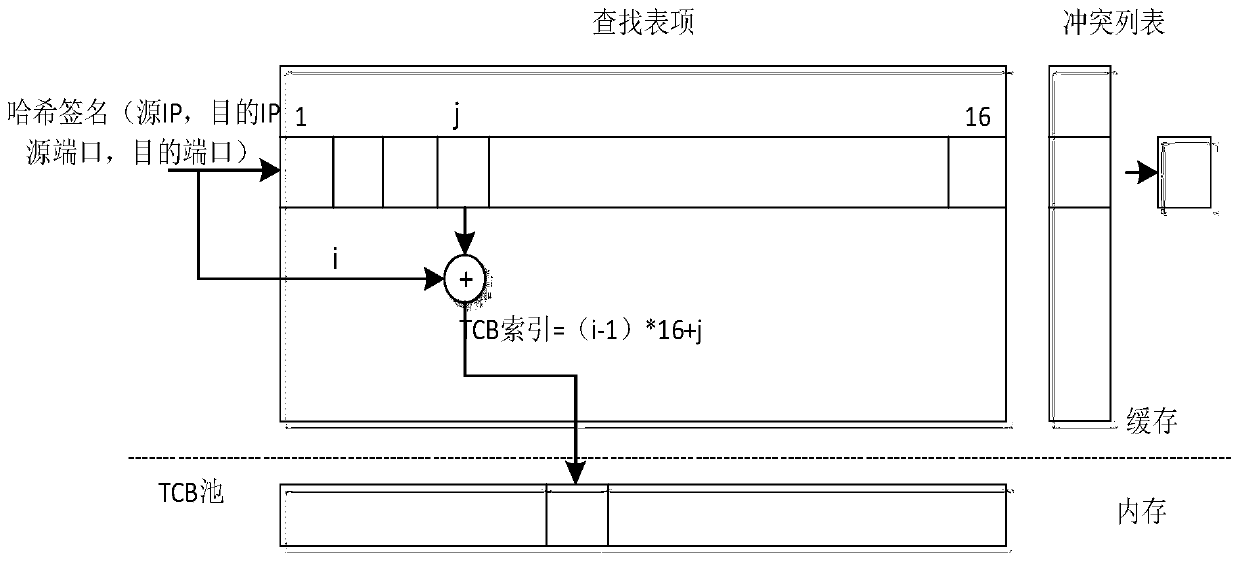
Figure 2 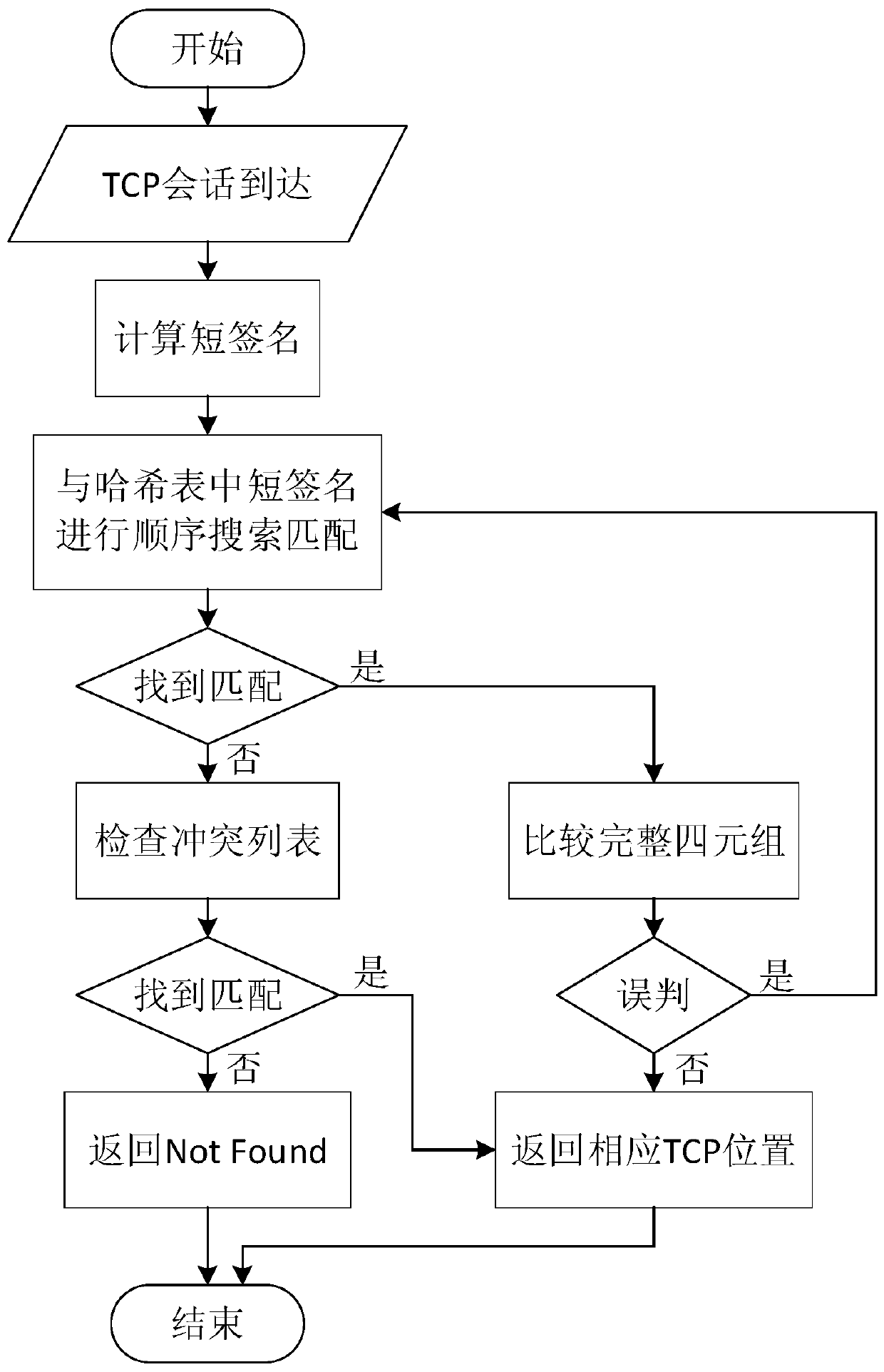
Figure 3
Abstract
Description
technical field
[0001] The invention relates to a TCP search optimization method under a high-performance computing network, belonging to the technical field of communication. Background technique
[0002] With the geometric growth of the amount of data in the smart grid, on the one hand, its huge amount of data puts forward huge requirements on the computing power of the equipment and the transmission capacity of the network. In this context, the concept of high-performance computing network came into being. On the other hand, since the smart grid is composed of a large number of power subnetworks, and a large amount of data is transmitted in the network, the data in the smart grid mainly depends on the high-performance computing network for transmission.
[0003] At present, the high-performance computing network mainly relies on TCP to implement in the wide area network. However, when the number of TCP sessions reaches a threshold, the performance of the search algorithm ...
Examples
Embodiment Construction
[0034] In order to make the technical means, creative features, goals and effects achieved by the present invention easy to understand, the present invention will be further described below in conjunction with specific embodiments.
[0035] The present invention no longer uses the 4-tuple of the TCP session, that is, the source IP address, the destination IP address, the source port, and the destination port to generate the hash value, but uses 32 bits respectively according to the TCP order of magnitude of one million or one hundred million. and a 16-bit short signature to mark the TCP session. Since the full TCB identifier does not need to be stored in the hash table, but only the short signature, the size of the hash table is greatly reduced, and the cache required for lookup is also greatly reduced. The main function of the signature algorithm is data compression, which may cause matching conflicts, that is, different TCP sessions happen to have the same signature. Theref...