
Identification method of transformer excitation inrush current based on discrete fréchet distance algorithm
A technology of excitation inrush current and transformer, which is applied in the direction of instruments, measuring electric variables, measuring current/voltage, etc., can solve the problem of second harmonic braking criterion error blocking differential protection, failure of second harmonic braking criterion, Low second harmonic content and other problems, to achieve the effect of strong anti-data loss ability
Patent Information
- Authority / Receiving Office
- CN · China
- Patent Type
- Patents(China)
- Current Assignee / Owner
- Publication Date
- 2019-12-27
Smart Images
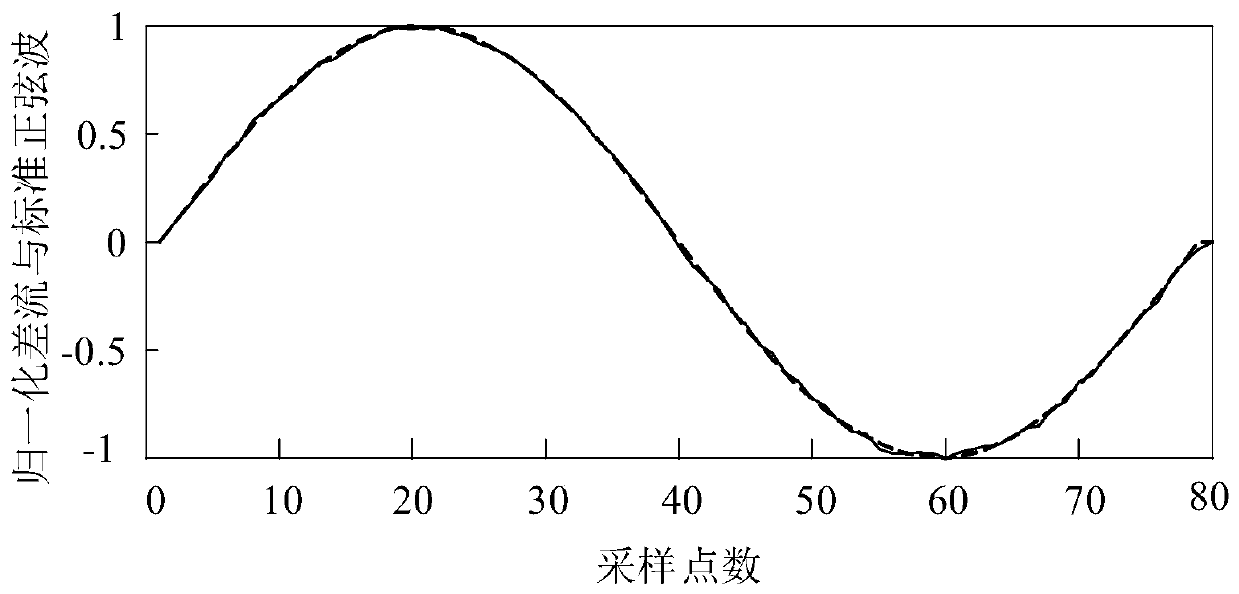
Figure 1 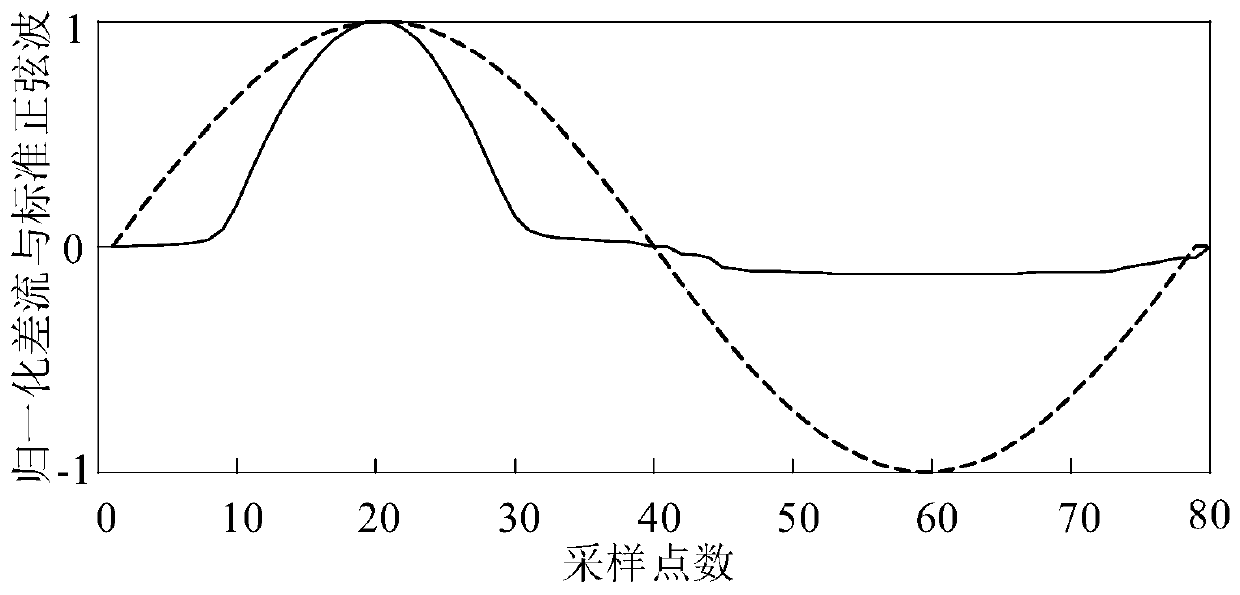
Figure 2 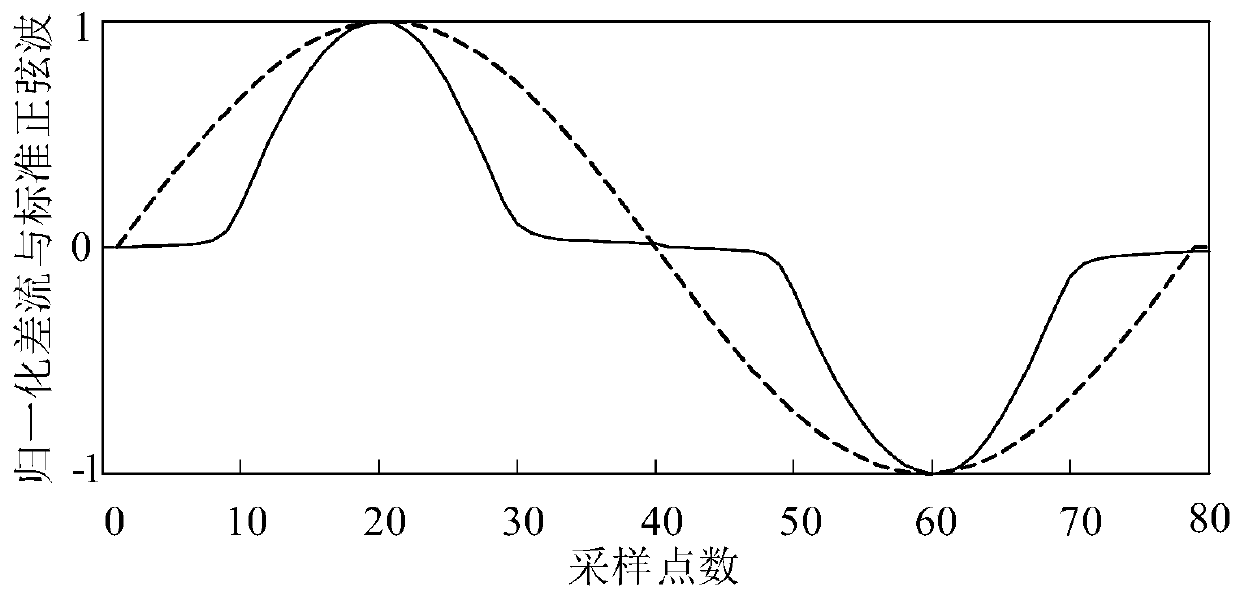
Figure 3
Abstract
Description
technical field
[0001] The invention relates to a transformer excitation inrush current identification method based on a discrete Fréchet distance algorithm, and relates to the field of transformer differential protection. Background technique
[0002] The theoretical basis of differential protection is Kirchhoff's current law. Because differential protection itself has good selectivity and sensitivity, it is more suitable for power transformers. However, according to statistics, the differential protection in power transformers has a high rate of malfunctions. The most direct and extremely important reason is the malfunctions caused by the excitation inrush current generated during the operation of the transformer.
[0003] The principle of second harmonic braking and discontinuity angle belongs to the traditional identification method. These two methods have defects in practical application: for example, when the differential current is a symmetrical inrush current, its s...
Examples
Embodiment Construction
[0030] The transformer excitation inrush current identification method based on the discrete Fréchet distance algorithm includes the following steps:
[0031] Step 1: At a sampling frequency of 4kHz, collect the secondary current of the current transformers on both sides of the differential protection of the transformer, and form a differential current sequence I. According to N (N=80) points per cycle, the differential current signal sequence I={I(1),I(2),...I(i),...I(N)}, i=1,2,...N;
[0032] Step 2: Determine whether the value of the differential current signal sequence I in step 1 exceeds the setting value of the differential protection starting element, if exceeded, then start the criterion proposed by the present invention and carry out the discrimination of the fault differential current and the excitation inrush current;
[0033] Step 3: Use the 1 / 2 cycle data window to judge the extreme value of the differential current signal. If the extreme value is less than the th...