
Self-adaptive grinding tool for vertical crankshaft
A self-adaptive, crankshaft technology, applied in grinding machines, manufacturing tools, grinding racks, etc., can solve the problems of unable to guarantee the grinding amount of the crankshaft surface, ignoring the influence of the crankshaft force, and frequently adjusting the displacement, so as to prevent rigid contact, Effect of reducing axial force and reducing stress concentration
Patent Information
- Authority / Receiving Office
- CN · China
- Current Assignee / Owner
- Publication Date
- 2019-12-03
Smart Images
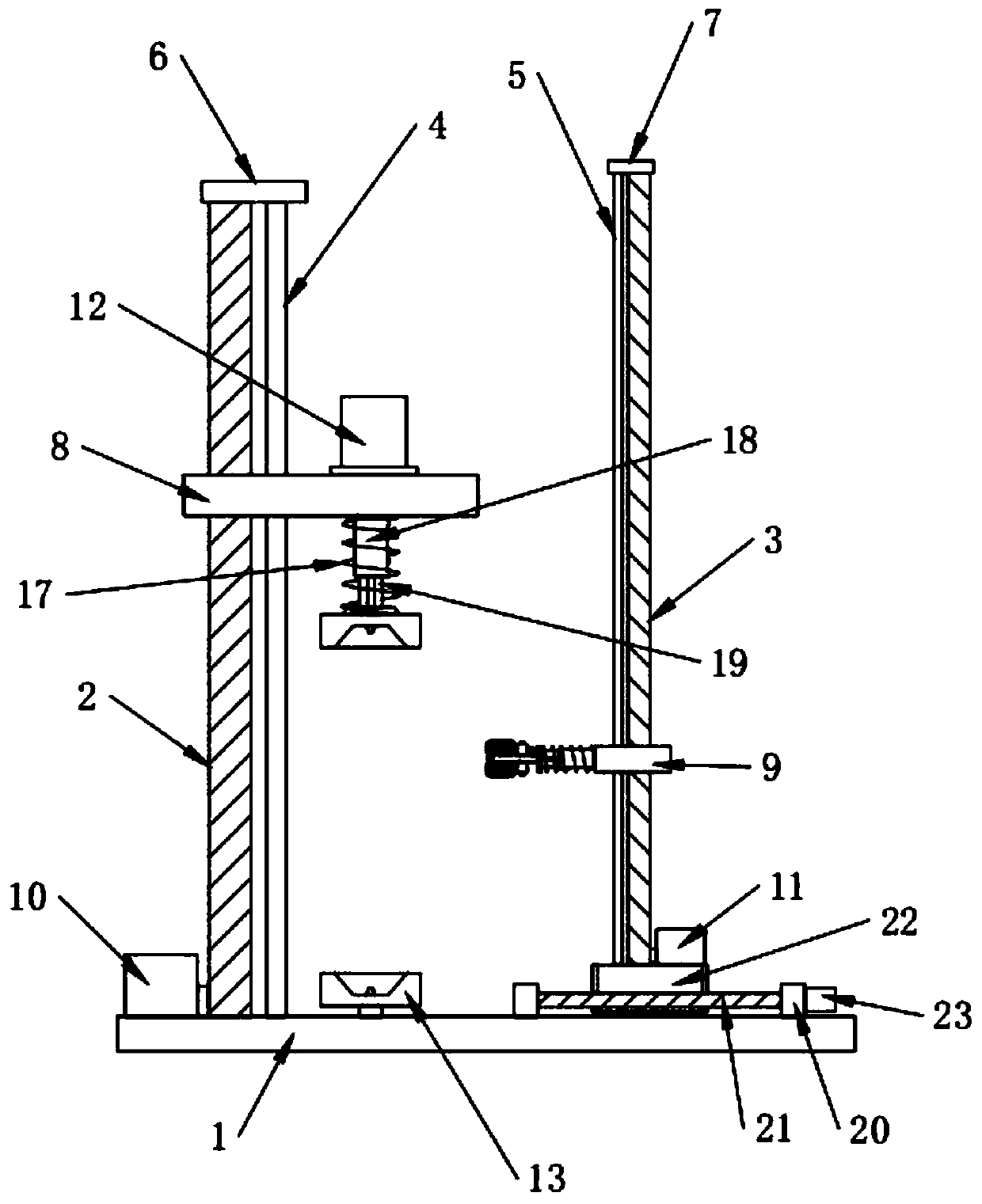
Figure 1 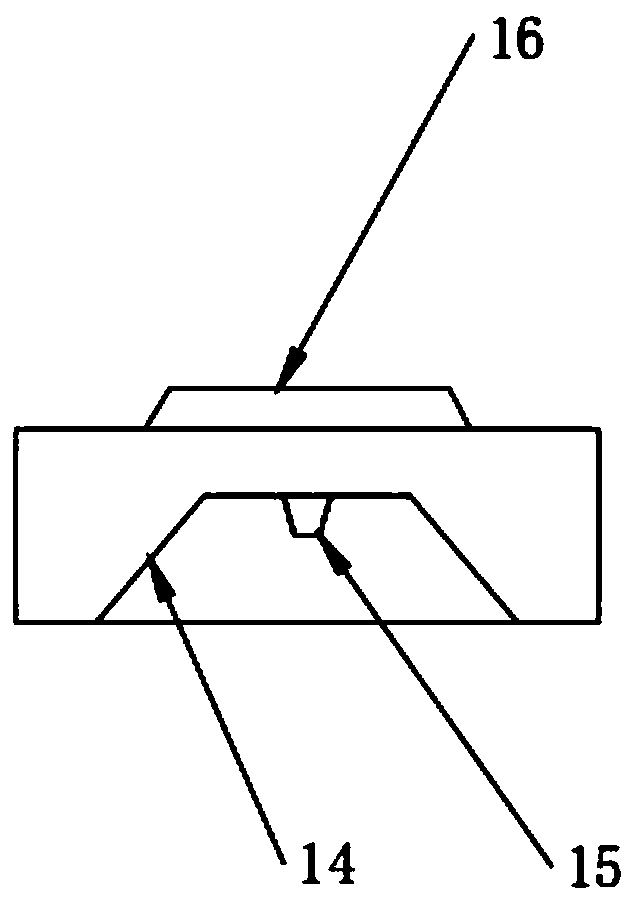
Figure 2 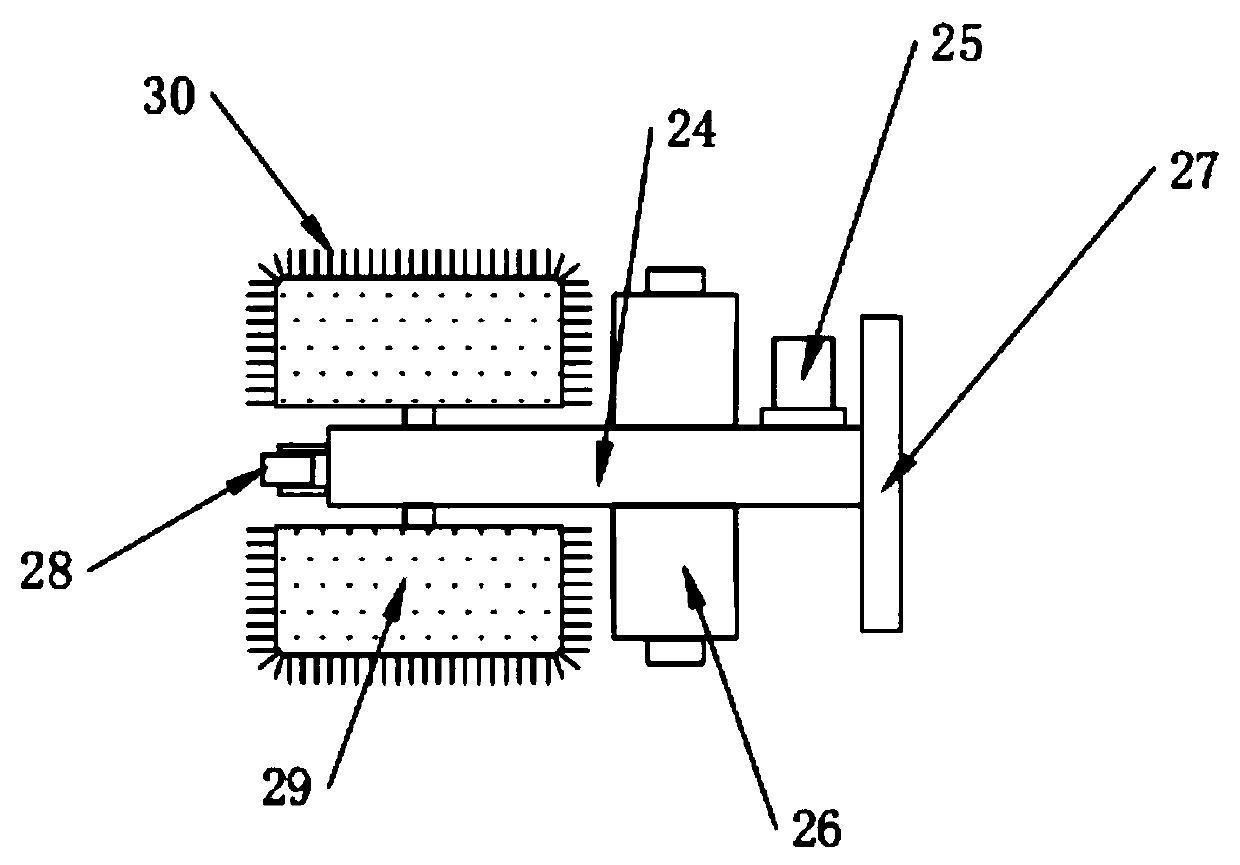
Figure 3
Abstract
Description
technical field
[0001] The invention relates to the technical field of grinding tools for engine components, in particular to an adaptive grinding tool for vertical crankshafts. Background technique
[0002] At present, the crankshaft grinding and cleaning equipment in the prior art mainly has the following major problems: 1. Most of the existing crankshaft grinding machines are manual loading and unloading and workpiece transfer, which have a low degree of automation and take up a lot of human resources. When some crankshaft grinders transfer workpieces, due to the limitation of the unit efficiency of the grinding device, they can generally only complete one or two crankshaft transfers at a time, and the work efficiency is low. If multiple devices are used, the area will be too large. Can not satisfy the production requirement of production, 3, the layout of each part in the existing crankshaft grinder equipment is unreasonable, causes the overall structure compactness of e...
Examples
Embodiment Construction
[0050] Embodiments of the technical solutions of the present invention will be described in detail below in conjunction with the accompanying drawings. The following examples are only used to illustrate the technical solutions of the present invention more clearly, and therefore are only examples, rather than limiting the protection scope of the present invention.
[0051] Such as Figure 1 to Figure 5 As shown, an adaptive grinding tool for a vertical crankshaft includes a positioning device for vertically clamping the crankshaft and a grinding device on one side thereof for adapting to the profile of the crankshaft.
[0052] The positioning device is provided with a fixing mechanism for centering the crankshaft.
[0053] The positioning device is also provided with a buffer mechanism for buffering and clamping the crankshaft.
[0054] The grinding device includes a grinding mechanism that performs reciprocating self-adaptive motion along the horizontal direction.
[0055]...