
Nanofiltration membrane for treating printing and dyeing wastewater and preparation method thereof
A technology of printing and dyeing wastewater and nanofiltration membrane, which is applied in water/sewage treatment, general water supply saving, chemical instruments and methods, etc., can solve the problems of loss of desalination rate, high filtration pressure, low retention rate, etc., and achieve moderate surface density. , not easy to block and scale, reduce the effect of membrane fouling
Patent Information
- Authority / Receiving Office
- CN · China
- Patent Type
- Patents(China)
- Current Assignee / Owner
- Publication Date
- 2022-06-07
Smart Images
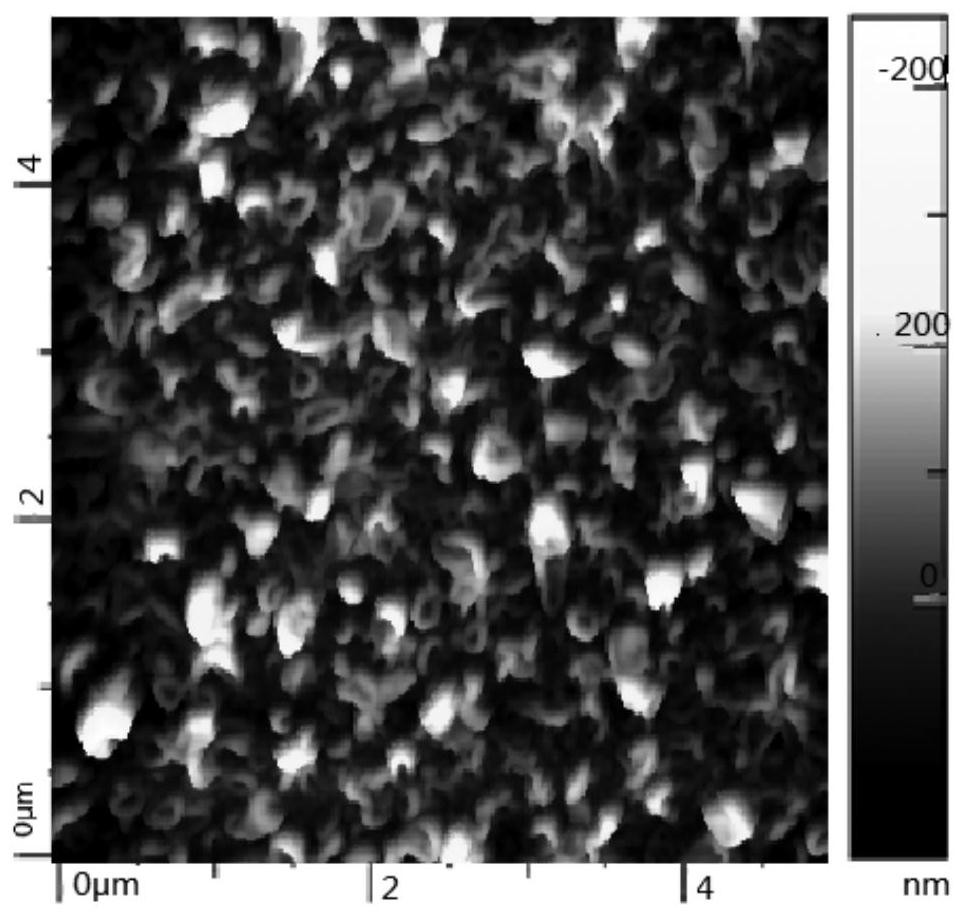
Figure 1 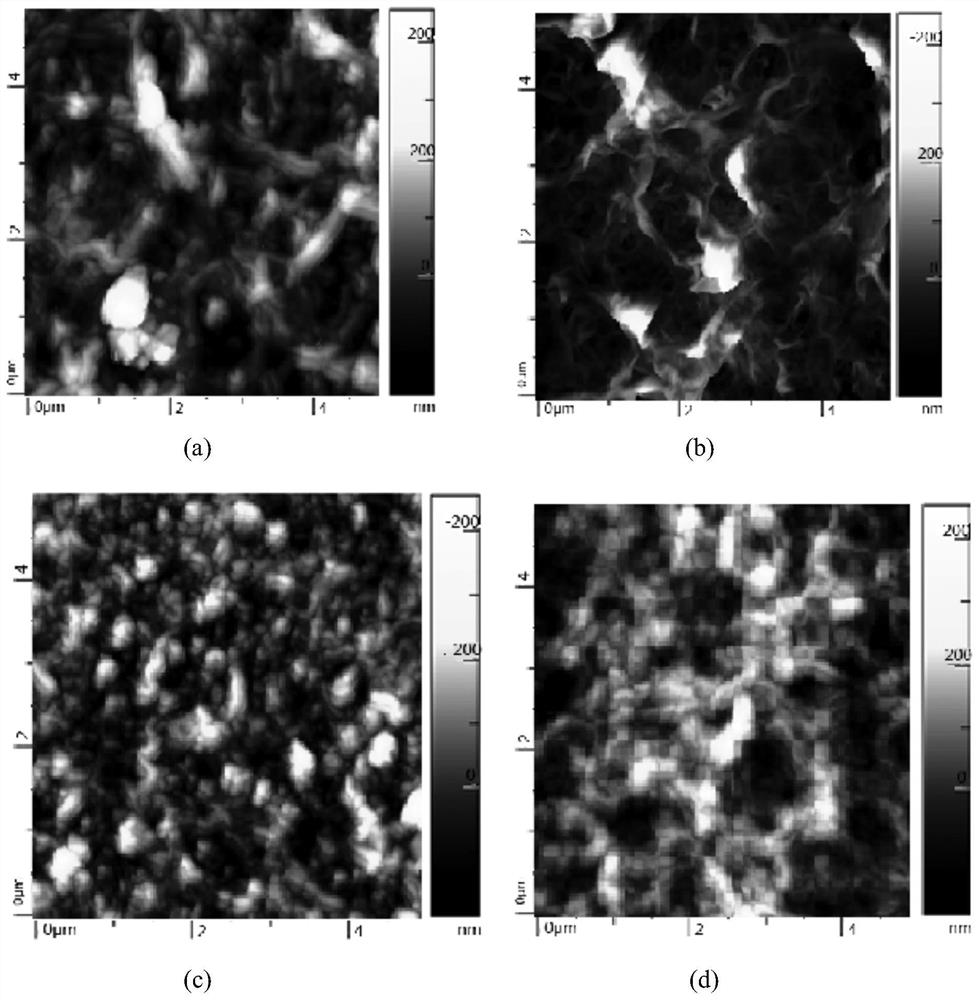
Figure 2 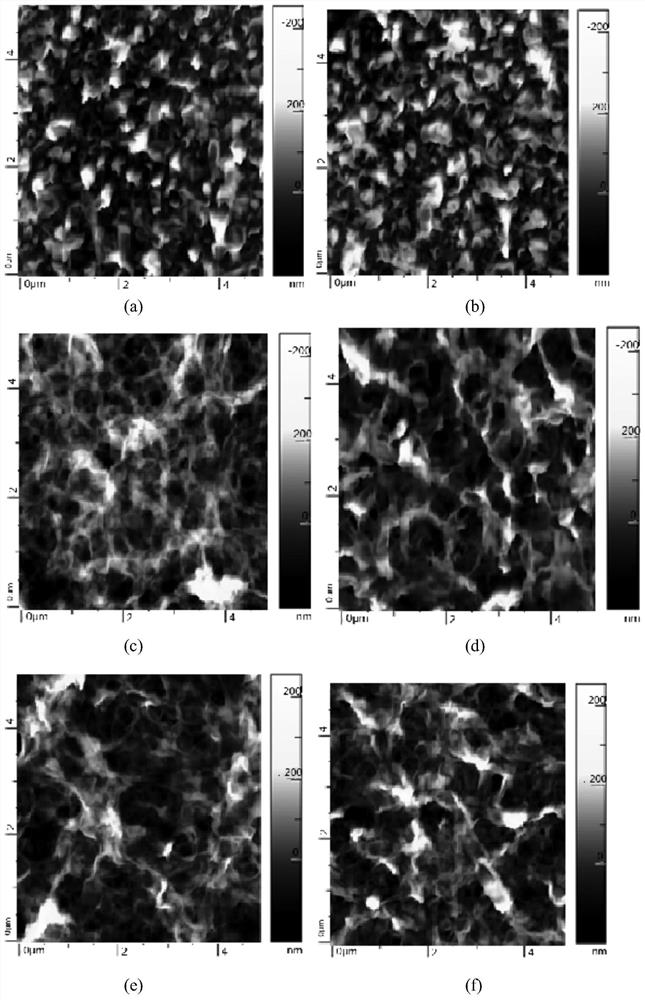
Figure 3
Abstract
Description
technical field
[0001] The present application relates to the field of industrial wastewater treatment, and more particularly, to a nanofiltration membrane for treating printing and dyeing wastewater and a preparation method thereof. Background technique
[0002] Textile printing and dyeing is one of the most internationally competitive traditional industries in China, but it discharges about 1.8 to 2 billion tons of salty wastewater every year, accounting for about 11% of the country's total wastewater discharge. It is one of the key polluting industries in my country. Therefore, in the field of textile printing and dyeing, in order to reduce the discharge of wastewater, reverse osmosis membranes are currently used to treat and reuse printing and dyeing wastewater. However, due to the high desalination rate of the reverse osmosis membrane, in the actual operation process, its operating pressure is high, generally not less than 1.5MPa, the water reuse rate is low, generally ...
Examples
Embodiment 1
[0060] A preparation method of a nanofiltration membrane for treating printing and dyeing wastewater, comprising the following steps:
[0061] S1. First clamp the polysulfone ultrafiltration membrane in a plexiglass frame with the surface facing up, wipe off the water droplets on the surface of the polysulfone ultrafiltration membrane, and then pour the aqueous solution containing m-phenylenediamine, camphorsulfonic acid and triethylamine To the surface of the polysulfone ultrafiltration membrane, stay for 10s, then pour off the excess aqueous solution, and purge the surface of the polysulfone ultrafiltration membrane with nitrogen until there is no residual aqueous solution; wherein, the weight percent of m-phenylenediamine is 0.7wt%, and the concentration of camphorsulfonic acid is 0.7 wt%. The weight percent is 2wt%, and the weight percent of triethylamine is 1wt%;
[0062] S2. the n-hexane solution containing trimesoyl chloride and acetone is poured onto the surface of the...
Embodiment 2
[0065] A preparation method of a nanofiltration membrane for treating printing and dyeing wastewater, comprising the following steps:
[0066] S1. First clamp the polysulfone ultrafiltration membrane in a plexiglass frame with the surface facing up, wipe off the water droplets on the surface of the polysulfone ultrafiltration membrane, and then pour the aqueous solution containing m-phenylenediamine, camphorsulfonic acid and triethylamine To the surface of the polysulfone ultrafiltration membrane, stay for 20s, then pour off the excess aqueous solution, and purge the surface of the polysulfone ultrafiltration membrane with nitrogen until there is no residual aqueous solution; wherein, the weight percent of m-phenylenediamine is 1.35wt%, and the concentration of camphorsulfonic acid is 1.35 wt%. The weight percentage is 2.25wt%, and the weight percentage of triethylamine is 1.25wt%;
[0067] S2. the n-hexane solution containing trimesoyl chloride and acetone is poured onto the ...
Embodiment 3
[0070] A preparation method of a nanofiltration membrane for treating printing and dyeing wastewater, comprising the following steps:
[0071] S1. First clamp the polysulfone ultrafiltration membrane in a plexiglass frame with the surface facing up, wipe off the water droplets on the surface of the polysulfone ultrafiltration membrane, and then pour the aqueous solution containing m-phenylenediamine, camphorsulfonic acid and triethylamine To the surface of the polysulfone ultrafiltration membrane, stay for 30s, then pour off the excess aqueous solution, and purge the surface of the polysulfone ultrafiltration membrane with nitrogen until there is no residual aqueous solution; wherein, the weight percent of m-phenylenediamine is 2wt%, the weight of camphorsulfonic acid The percentage is 2.5wt%, and the weight percentage of triethylamine is 1.5wt%;
[0072] S2. the Isopar G solution containing trimesoyl chloride and acetone is poured onto the surface of the film obtained in step...